Blog Archives
Walk With Me
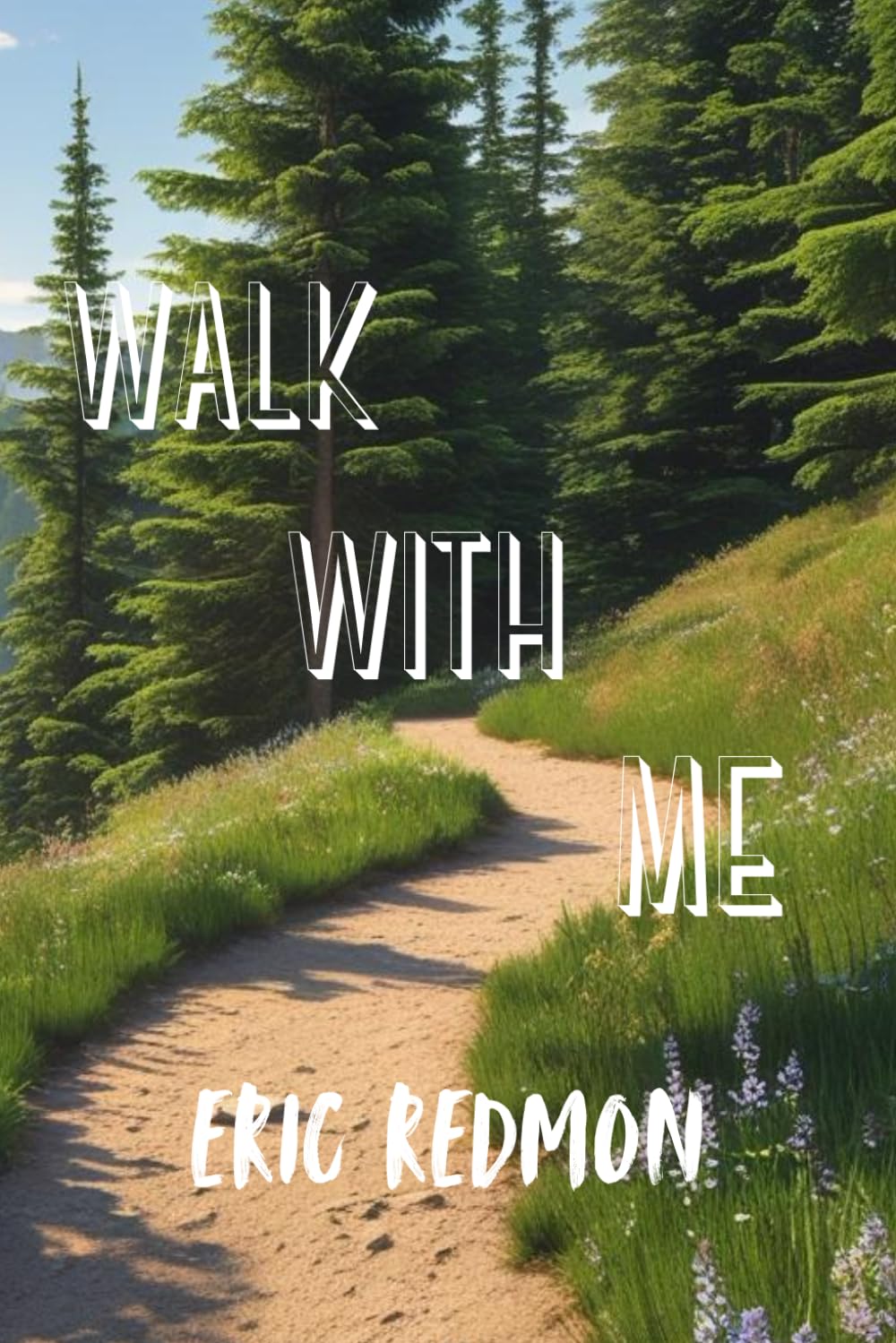

Walk With Me follows the story of Nelson “Pappy” Thompson, a former park ranger, and his grandson Skyler, as they build a bond through hikes, camping trips, and the shared magic of the outdoors. At its heart, it’s a generational tale about passing down knowledge, love, and courage, framed by vivid memories of trails, rivers, and mountain skies. Their adventures are often simple on the surface, pitching a tent, cooking over a fire, naming stars, but they carry deep lessons about trust, resilience, and the ties that hold families together.
Reading it, I found myself smiling one moment and swallowing hard the next. It feels like someone sitting across the table, telling you about their family. Sometimes the dialogue made me laugh, especially when Skyler misunderstood his Pappy’s phrases, and sometimes I felt a sting in my chest, especially when the bond between the old man and boy shone through. I’ll admit, there were spots where the pacing slowed and the descriptions got a bit detailed, but even then, I didn’t mind. It just felt like Pappy lingering on the trail, not in a rush to get home.
What struck me most was the emotion packed into the quiet moments. The way Pappy teaches through stories instead of lectures reminded me of my own grandparents. It’s gentle wisdom, not forced. The author manages to make simple scenes, like finding sea glass on the beach or learning to ration water, carry weight. I also enjoyed the occasional sketch-like illustrations scattered through the book. They were simple yet charming, and they breathed life into certain scenes.
I’d recommend Walk With Me to readers who value heart and who enjoy stories about family, the outdoors, and the lessons we hand down through generations. It’s perfect for parents, grandparents, or anyone who has ever wanted to hold on to a memory of time spent together in nature. It’s a book that made me laugh, sigh, and think.
Pages: 195 | ASIN : B0FP2S5LRP

Legends of Little Canada

Charlie Gargiulo’s Legends of Little Canada is a memoir that tells the story of a boy’s life in a neighborhood in Lowell, Massachusetts, that was eventually destroyed by urban renewal in the 1960s. Through his eyes, we see a community stitched together by family, faith, comic books, music, and the kind of neighbors who drive you crazy one minute and save you the next. His Aunt Rose, Harvey of Harvey’s Bookland, and the larger-than-life figure of Captain Jack become guiding lights during his turbulent youth. The book moves between the personal and the political, showing how loss, poverty, and resilience shaped both the man and the activist he became.
The writing has a raw honesty that makes you feel like Charlie is sitting across from you, spilling his life out in all its messy, funny, heartbreaking detail. I loved how he didn’t dress up the hard stuff. His father leaving, the grinding poverty, the fear of bullies, and the shame of welfare are all laid bare. At the same time, there’s humor, warmth, and an eye for detail that made me feel like I could smell the musty stacks at Harvey’s or hear the racket in the cramped tenements. I kept nodding along, feeling the ache of displacement and the bittersweet pull of memory.
What struck me most, though, was the deep love he carried for the people who gave him hope. Aunt Rose, with her faith and her quiet strength, reminded me of people in my own family who never had much but gave everything they had. Harvey’s kindness and generosity showed how one person’s decency can ripple through a kid’s life. Even Captain Jack, tragic and rough, added texture and humanity to this portrait of a vanished neighborhood. I found myself laughing at the small absurdities, then sitting still, lump in my throat, at the grief of watching a place be erased in the name of progress. The emotional swings felt real, never forced, and that gave the book a beating heart.
By the time I finished, I realized this book is as much about survival as it is about memory. It’s about finding a way to hold on to dignity when the world tries to strip it away. I’d recommend it to anyone who loves stories about working-class families, immigrant neighborhoods, and the stubborn hope that refuses to die even when whole blocks are torn down. If you’ve ever felt tied to a place that doesn’t exist anymore, this book will find you.
Pages: 192 | ISBN : 0931507537

100 Years to Extinction
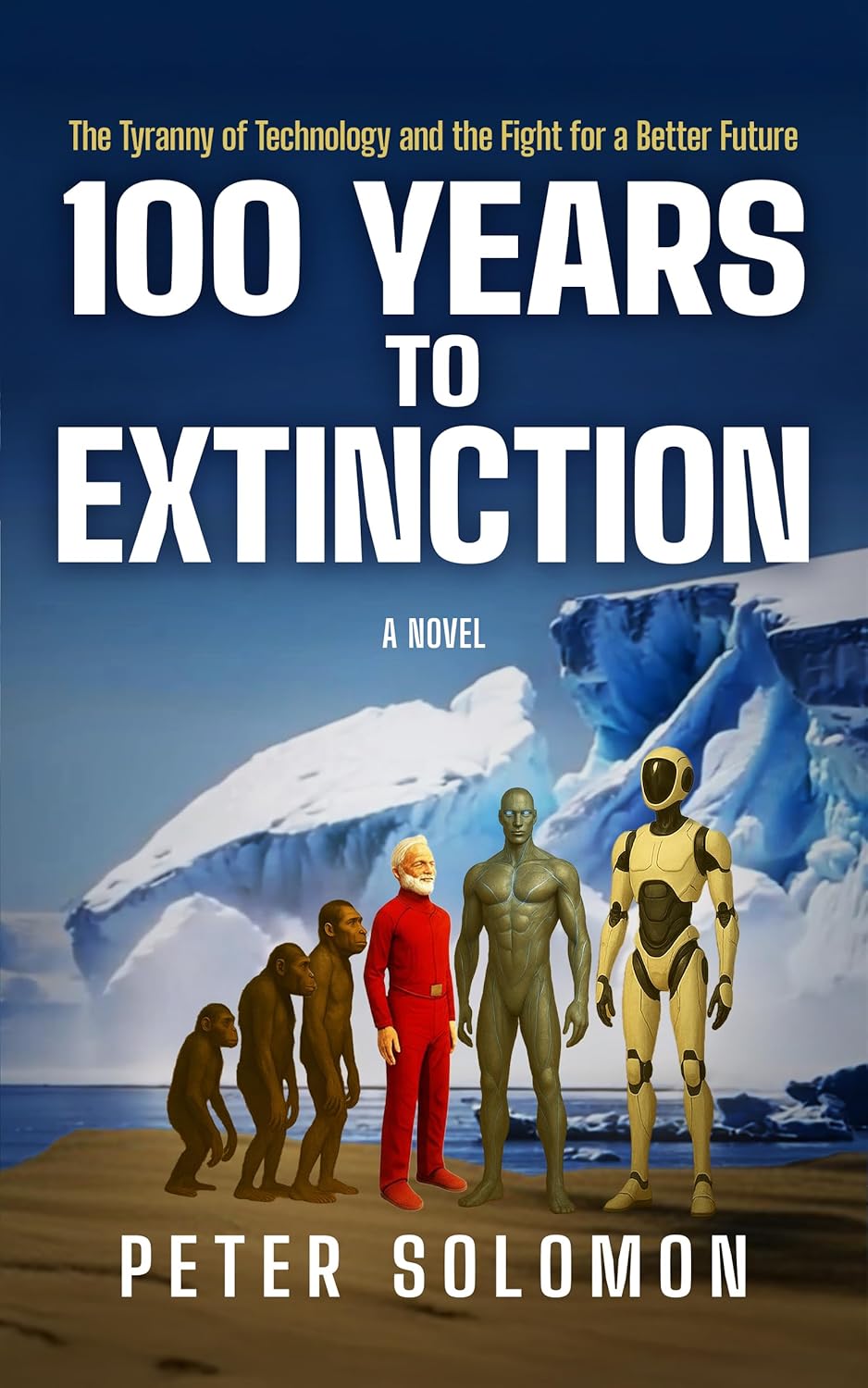

100 Years to Extinction follows Liz and Aster Arvad, two sisters caught in a world of chaos where pandemics, gun violence, climate change, and political division all overlap. Their family’s struggles are both personal and symbolic, from Liz being shot on an EMT call to the trio of Liz, Aster, and cousin Milo making a pact to “do something” about humanity’s future. The novel braids together near-future realism, speculative science, and the raw fears of Generation Z, asking whether we are truly on the brink of extinction in a century. It’s part survival story, part social critique, and part rallying cry.
The writing is sharp, fast, and emotional. There are moments when the dialogue feels like it’s been lifted from heated dinner-table debates, with characters rattling off facts about Stephen Hawking, artificial intelligence, and climate change. I liked that unfiltered energy. It made the book feel alive, like being thrown into a storm of voices where science, politics, and family pain collide. The rawness of Liz getting shot, the rage over conspiracy theories, and the quiet tenderness of sisters holding hands in a hospital room hit me hardest. Solomon’s sincerity is impossible to ignore. The story wanted me to care, and I did.
The weaving of real-world headlines into the story sometimes felt like the characters were vehicles for commentary. Still, there were passages where the mix worked beautifully. The contrast of cosmic wonder, Aster dreaming of the stars, against the blunt horror of school shootings or anti-vax violence made me feel both awe and despair in the same breath. That tension stayed with me, unsettling but real. The prose is straightforward, almost casual, but the ideas underneath are heavy. The combination created a rhythm I found hard to put down.
By the end, I felt the book’s true purpose wasn’t just to tell a story but to challenge me to think about the world I live in. Who is responsible for fixing this mess? Can young people make the difference their parents and grandparents didn’t? 100 Years to Extinction is a call to arms disguised as fiction. I’d recommend it to readers who enjoy speculative stories rooted in our very real present. It’s especially for young adults who feel overwhelmed by the crises around them and need to see their fears reflected and validated.
Pages: 438 | ASIN : B0FNX5VGY8
Falling into Shadow
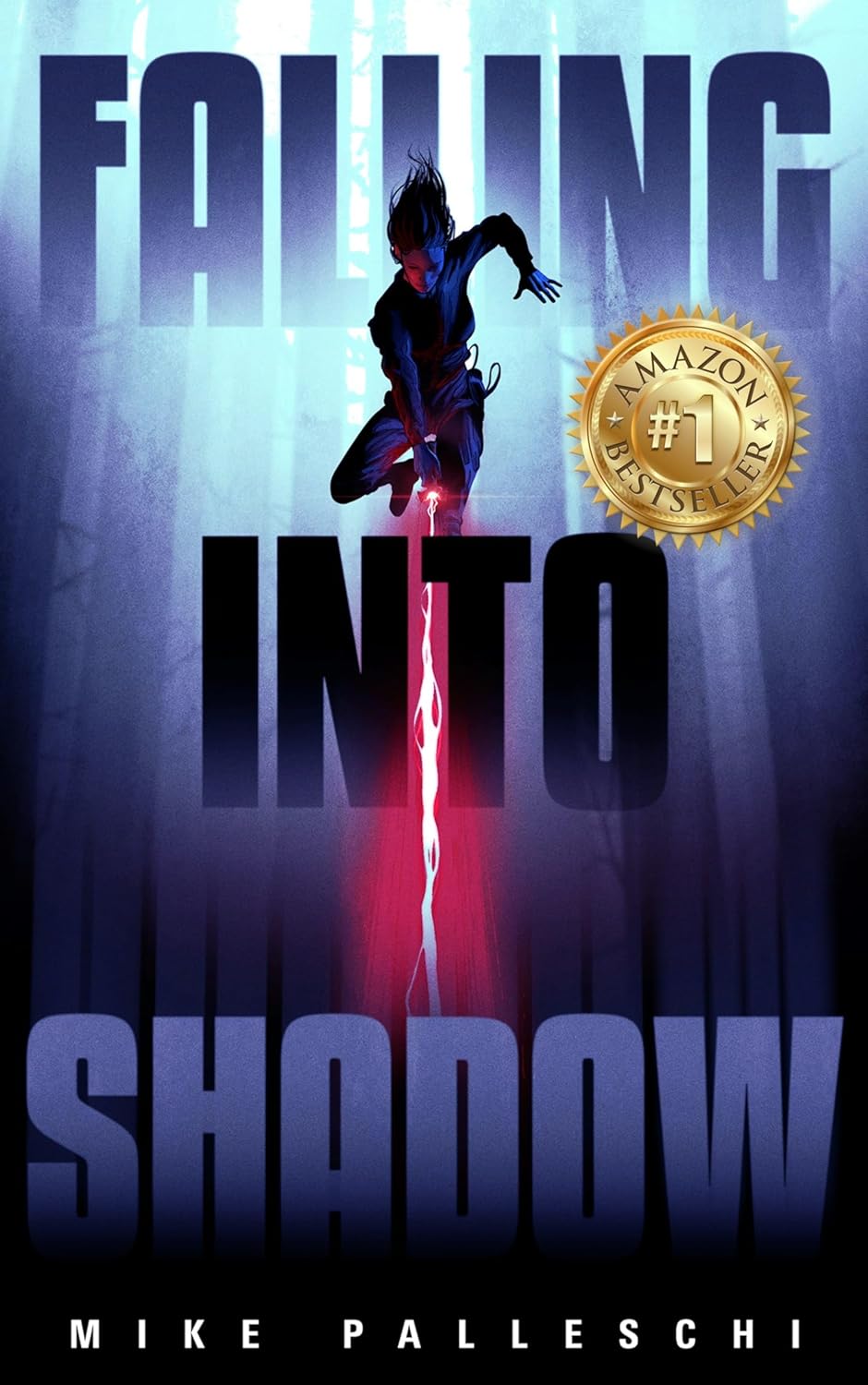
Falling into Shadow follows multiple characters: Kyra, Sophie, Dante, and Renette. Each is grappling with survival, power, and the shifting balance of their world. Kyra’s desperate flight from Shadow Demons sets a brutal tone. Sophie, an Ionian Knight, carries the burden of protecting others while wrestling with betrayal and political intrigue. Dante is caught between family expectations and his own fractured past. Renette navigates the clash between ambition and the pull of her roots. The threads weave together into a sweeping tale of survival, politics, and looming war in a fragile world that feels as real as it is dangerous.
What I loved most was the immediacy of the writing. It feels cinematic, almost like watching a series unfold on screen. The pacing is relentless in places, then slows down just enough to let you breathe, and that kept me hooked. The action scenes hit hard. They’re vivid, raw, and sometimes gruesome in a way that made me flinch. Yet, they’re balanced with quieter moments that reveal doubts, guilt, and flashes of humanity. I found myself rooting for characters even when they made questionable choices. Kyra’s guilt and Sophie’s frustration, Dante’s longing for approval, Renette’s heartbreak; they all felt painfully real.
Still, there were times when the dialogue carried a little too much explanation, almost like it was doing double duty as worldbuilding. It didn’t ruin anything for me, but I noticed it. And some of the big concepts, like the Eidan’s glimpses of the future or the cloaked armies, had such massive implications that I wanted more space to sit with them. The book barrels forward, and part of me wished for more lingering in those big, head-spinning ideas. But then again, that urgency is part of what made it addictive.
Falling into Shadow is a ride worth taking. It’s brutal, imaginative, and packed with heart. I’d recommend it to readers who love fast-paced sci-fi with strong characters and aren’t afraid of a little blood and grit. Reading Falling into Shadow felt like a mix of the gritty survival of The Expanse and the mythic, character-driven drama of Dune, only with a rawer edge and a faster pulse. If you like stories that mix political intrigue with personal stakes, this one will pull you in and not let go.
Pages: 518 | ASIN : B0FB3RZ1DM
Almost Fourteen
When I first cracked open Almost Fourteen, I wasn’t sure what I was in for. What I found was a gritty and surprisingly tender story about young teens caught between the messy edges of childhood and the raw beginnings of adulthood. The book follows Calista Snipe and Skyler McCray, two friends-turned-something-more, as they try to make sense of junior high life while fending off dangers that are far darker than most kids their age should face. Alongside them are classmates like Mohini, who’s pulled into drug dealing, and Talia, who finds confidence through running. It’s a tale that mixes school dances and awkward crushes with kidnappings, gang threats, and brushes with predators.
I didn’t expect a coming-of-age story to dive into such dangerous territory. There were moments that left me uneasy, even angry, because of how vividly the author captures the vulnerabilities of kids. But then, in the middle of all that heaviness, you get these really sweet moments between Cali and Sky. Their awkward romance feels real, almost painfully so, and it’s a reminder that kids this age are pulled in opposite directions, wanting freedom but still being so young. I admired how the story didn’t shy away from showing both the light and dark sides of early teen years. It made me remember my own clumsy steps into adolescence, when one moment was pure fun and the next was laced with fear or uncertainty.
Some dialogue sparkles with humor and warmth, while other parts get weighed down by explanations or blunt descriptions. Sometimes I wanted the characters’ emotions to be shown more subtly. But I kept turning the pages. There’s an urgency in the way the plot moves, with danger always lurking around the corner, that made it hard to put down. And I got invested in these kids. I wanted them to win, to stay safe, to keep figuring out who they are in a world that can be cruel.
Almost Fourteen is not a light read, but it is a worthwhile one. It’s best suited for readers who appreciate stories that capture both the innocence and the peril of adolescence. If you like tales that mix young love, friendship, and school drama with real-world dangers and moral choices, this book will keep you hooked. I’d recommend it to parents, teachers, or even teens themselves who want something raw and honest.
Pages: 587 | ASIN : B07RHBR2VT
Money Skills For Teens

The book lays out a clear and practical roadmap for teenagers who are just starting to think about money. It begins with the basics, like where money comes from and how teens can earn it, then moves into lessons on budgeting, saving, and spending wisely. It covers modern realities like digital banking, online shopping traps, and even investing, but keeps the tone simple and encouraging. Each chapter ends with quick recaps, activities, and quizzes to help readers reflect and practice. What stood out most is how the book weaves in personal stories and relatable examples that make abstract money concepts easy to grasp.
I found the writing style warm and approachable, almost like a parent or mentor sitting down for a real talk. There is no heavy jargon or intimidating theory, just straight talk with real-life examples. I liked that the author balanced cautionary tales with positive encouragement. The sections on peer pressure and emotional spending felt especially strong because they hit on something every teen goes through, not just the numbers. Some of the lessons might feel obvious to older readers, but for the target age group, the straightforwardness works perfectly.
What really touched me was the author’s personal note at the beginning. Knowing that this book was written for her son gave the whole thing a heartwarming layer. That emotional anchor kept me invested. At times, I wished the book pushed a little harder on the more complex parts of finance, like deeper investing strategies, but I respect that it chose to keep things simple, accessible, and judgment-free.
I’d recommend Money Skills For Teens to young adults and teenagers who are just starting their journey toward independence, as well as to parents and teachers who want an easy entry point for talking about money with young people. It’s perfect for a beginner who needs gentle guidance, real examples, and a little confidence boost.
Pages: 148 | ASIN : B0FML7RPZ7
Creative Non-Fiction

Leftwich Blues/Elfwitch Rules follows twin twelve-year-olds from a broken home who are abducted by the Elfwitch and taken to another world, where they must now find a way to get back home and heal their broken home. What was the inspiration for the setup of your story?
The idea started with the title. I like to make lists of titles from time to time. The title made me think who is Leftwich? Why does he have the blues? Who is the Elfwitch and why is she trying to rule? This image came to mind: a witch travelling through the air with twins she had kidnapped. One twin gets away, but the Elfwitch tricks the other twin into serving her. The escaped twin finds an oppressed people who need encouragement in fighting against the Elfwitch. So, the twin has to lead an uprising against the Elfwitch and try to free the other twin who turned against their original selves.
The idea reminds me of the many Saturday morning TV shows by Sid and Marty Krofft: H.R. PufnStuff or Lidsville plus other portal fantasies or science fiction movies like Alice in Wonderland or Planet of the Apes (the original from 1968, not the watered down remakes/reboots) where a stranger ends up in a strange land and has to keep their identity intact while turning from fugitive to hero/heroine to survive in a harsh new reality.
Your characters are wonderfully emotive and relatable. Were you able to use anything from your own life to inform their character development?
The twins’ first names I borrowed from my cousins. Their last name also belongs to distant cousins. I find that the more real or personal I can make the character or backstory, the more I can dig into it to adapt and change it according to how the story dictates. I was a mental health paraprofessional for a few years (so I have been to family court a few times) and worked at a charitable thrift store as well as conducting a twelve-step program and now I am a public educator. I have had ex-clients as my students and have come to know the families. I understand better the dynamic in households and the problems children bring to the classroom.
My writing has been called “creative non-fiction.” I never thought of it like that, but it’s true as I need a heavy dose of realism in my fiction before I introduce the weird and fantastical.
What themes were particularly important for you to explore in this book?
The idea of twins separated and working against each other and having to reconcile was the starting point. Then it became a study of duality: two sides or polar opposites that feed or synergize entities or issues: tyranny and freedom, good and evil, lies and truth, night and day, family/friends and foes, forgiveness and unforgiving.
Is this the first book in the series? If so, when is the next book coming out, and what can your fans expect in the next story?
This was written as a stand-alone. However, I am brewing ideas for a sequel (which I would make into a cliffhanger for a duology). That project will have to wait as I have two other current projects I am working on plus I am currently promoting my first collection of short stories: ghostly shudder tales.
Author Links: GoodReads | Website | Substack
Heir of Flame and Shadow
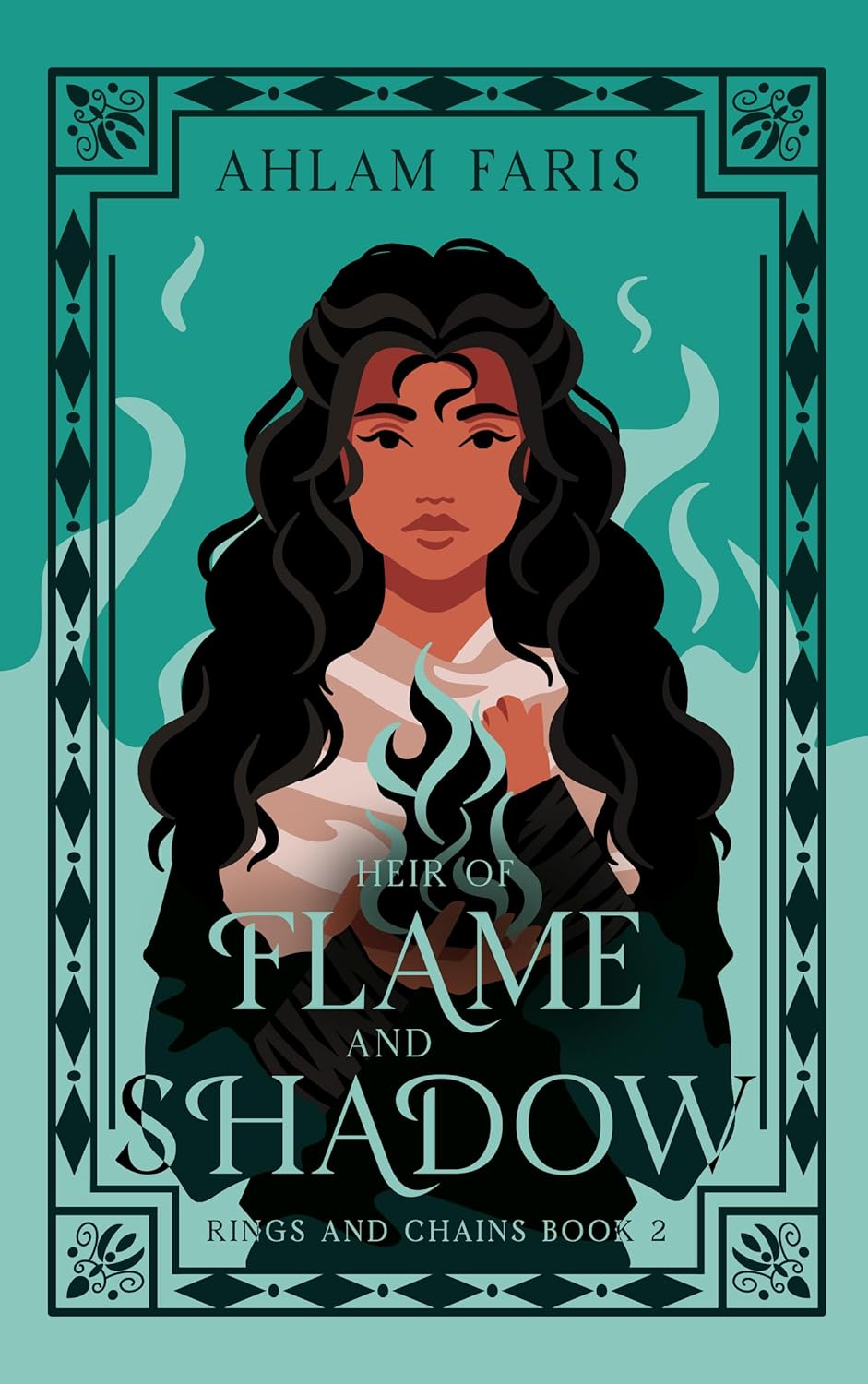
Heir of Flame and Shadow picks up where Daughter of Light and Dark left off, continuing Mina’s journey through a world steeped in shadow, betrayal, and dangerous magic. At its heart, this story is about survival and self-discovery in the face of unbearable odds. Mina struggles with her cursed gift, torn between the burden it places on her and the hope it brings to others. Alongside her, a cast of allies and enemies twist the path forward, pulling her into battles that are both physical and deeply emotional. Themes of identity, family, sacrifice, and the fragile line between love and pain shape the arc of this sequel, while the backdrop of supernatural powers and dark kingdoms raises the stakes to life-or-death levels.
I enjoyed how raw the writing felt. The prose is not polished to perfection, but that roughness gave the book a pulse, like the words were breathing with Mina. The imagery is often harsh, almost jagged, and it fits the tone of the story. I found myself swept along by the energy, even when the pacing slowed. The dialogue carried weight, sometimes heavy with pain, sometimes sharp with betrayal, and occasionally softened by fleeting moments of tenderness. At times, I wanted more quiet space to sink into the characters’ hearts, but the relentless drive of the narrative made sure I was never allowed to get too comfortable. I liked that. It kept me unsettled, the way Mina herself was.
The exploration of trauma and control felt unflinching, and it stirred up emotions that weren’t easy to brush aside. There were moments when I had to pause, not because the writing faltered, but because the weight of what was happening pressed too close. That’s a rare thing for me, to feel almost winded by a book. At the same time, the bond between characters, even when fractured, reminded me of how messy and stubborn love can be. It isn’t always gentle or safe. Sometimes it’s sharp enough to draw blood. And that messy truth gave the fantasy world a raw humanity that made it believable.
I’d recommend Heir of Flame and Shadow to readers who aren’t afraid of dark themes and emotional turbulence. If you like your fantasy with teeth, if you want magic tangled with pain, and if you enjoy characters who are complicated and scarred, this book will speak to you. It’s not for someone looking for a lighthearted escape. It’s for readers who want to be rattled a little, who want to sit with shadows and still see the flicker of flame inside them.
Pages: 262 | ASIN : B0FKZJDW49



 LITERARY TITAN