Blog Archives
Gone The Sun
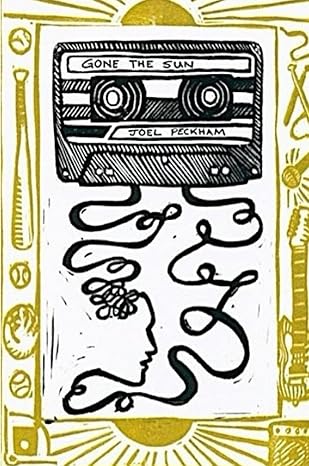

Joel Peckham’s Gone the Sun is a searing memoir wrapped in a tender love letter to his father, himself, and the complicated beauty of memory. Set mostly in the nostalgic-yet-chaotic backdrop of Camp Manitou, this book tracks Peckham’s navigation through grief, identity, generational legacies, and dementia, his father’s, and possibly his own. Through lyrical storytelling, he examines what it means to lose and find oneself in the rhythms of place, people, and pain. The memoir reads like a long conversation with an old friend, raw and honest, never trying to fix things, only to understand.
What struck me most and most powerfully was the depth of emotional vulnerability Peckham allows himself to reveal. In the opening scene, as he portrays his father’s anger as both atmospheric and oppressive, I felt a visceral sense of unease stir within me. The description of his father’s explosive moods, their routine eruptions, and the fallout that ripples through a summer camp already humming with energy, hit home. “You just don’t understand,” his father says, and suddenly, we’re in it. The first chapter is remarkable, striking a careful balance between lyricism and impact, maintaining poetic grace without sacrificing clarity or momentum. I found myself returning to certain passages, drawn by the cadence and precision of the prose.
Peckham’s integration of rhythm and sound into the structure of the narrative is both deliberate and profoundly affecting. His relationship with music serves as a form of sanctuary, a language he continues to share with his father when spoken words no longer suffice. When he writes, “Rhythm is life. Is peace,” the sentiment resonates with unmistakable weight. His descriptions of baseball drills as musical compositions and the ambient noise of camp life as a kind of symphonic backdrop elevate the prose beyond observation into something lived and embodied. The music program he builds becomes a refuge not only for himself but for the marginalized and overlooked, both campers and staff. It is not merely about music; it is about creating meaning and belonging in a world that can so often feel overwhelming and dissonant.
Peckham’s portrayal of his father’s dementia is both devastating and deeply unsettling. He captures, with unflinching clarity, the painful contradiction of witnessing someone gradually disappear while still physically present. “He doesn’t just forget things, he forgets who he is,” he writes a line that lingers long after it is read. Peckham does not exempt himself from scrutiny; his own history of trauma, brain injury, and profound personal loss permeates the narrative, often just beneath the surface. Yet he continues to persevere, showing up for his students, the camp community, and most of all, his father. At times, this devotion is marked by resentment, at others by tenderness, but it is always rendered with striking honesty. In one particularly affecting moment, he embraces his father and simply says, “I know, Dad. I know.” It is a moment of raw human truth, an acknowledgment that sometimes presence and empathy are the only answers we have.
This is not a neatly structured memoir. It is expansive, circuitous, and deliberately so, mirroring the unpredictability and complexity of lived experience. Gone the Sun resists the temptation to impose order on chaos, instead offering a narrative that embraces uncertainty and emotional truth. I would recommend this book to anyone who has cared for a loved one facing memory loss, struggled to hold a family together through sheer will and fragile hope, or turned to music as a means of survival. This is more than a tribute; it is an unflinching reckoning with grief, identity, and love.
Pages: 97 | ASIN : B0DNTQV5FS

Little Boy, I Know Your Name: A Second-Generation Memoir from Inherited Holocaust Trauma
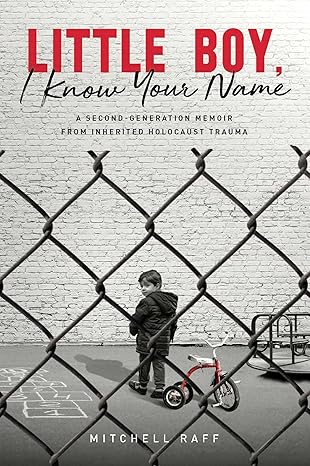
Readers looking for a book that hits you right in the feels and leaves you thinking long afterward, will not want to miss Little Boy, I Know Your Name by Mitchell Raff. This memoir dives into the author’s life, showing how inherited trauma from the Holocaust shaped him and the people around him. It’s raw, emotional, and brutally honest, painting a picture of a childhood full of pain, survival, and moments of unexpected love.
From the first chapter, this book pulls no punches. Raff shares heartbreaking stories of his abusive mother and the chaos that surrounded his young life. One scene that will stick with me forever is when his mom threw him out of the house into the cold night. It’s gut-wrenching, and I couldn’t help but feel for the little boy he was. But there’s balance in the way he writes. He also talks about the kindness and stability he found with his uncle and aunt, who stepped in as surrogate parents. Their love gave the story some much-needed light, and I found myself rooting for them just as much as for Raff.
The focus on his childhood trauma is the primary focus of the book, and I found myself wishing for more information about his father’s struggles or his adult life. But maybe that’s the point, though. It really allows readers to sit with the weight of everything he went through. A moment I remember was when his therapist called him a “well-dressed poser.” It was a wake-up call for Raff and, honestly, a moment that made me reflect on my own life, too. We all wear masks, don’t we?
What really makes this book special to me is how it tackles inherited trauma. Raff’s family, like so many Holocaust survivors, tried to bury the pain. But it seeped through in ways they couldn’t control. It’s these quiet and powerful memories that make the book more than just a story about one man’s struggles.
By the time I finished, I felt a mix of heartbreak and hope. The ending, where Raff reflects on his son Joshua and the possibility of breaking free from the cycle of pain, strikes just the right note. It’s not a happily-ever-after, but it’s real, and it left me believing healing is possible.
I’d recommend Little Boy, I Know Your Name to anyone who loves memoirs that dig deep. If you liked The Glass Castle or Night, Raff’s writing will resonate with you. It’s not a breezy read, but it’s the kind of book that reminds you of the strength it takes to confront the past and move forward.
Pages: 235 | ASIN : B0CLL22MMG
A Sobering View
In Walk a Mile in My Shoes, you share your childhood trauma and give readers an open and honest account of your own regrettable choices and how those decisions have impacted your life. Why was it important for you to share your story?
Individuals are often motivated when they read about erratic and unconventional paths that others take. I shared parts of my life (ages 8 to 77) so readers could become aware of the pieces of my life that made me into the man I am today. I wanted readers to explore my life’s assorted happenings before placing their final judgment on my character. (I believe a man should be judged by ALL the pieces of his life — not just one event.) Writing about my lifelong journey was rewarding for me because I was able to look more closely at WHY I am…WHO I am! My narrative was an avenue to finally reveal both positive and negative feelings and emotions I had hidden from myself and others my entire life.
I appreciated the candid nature with which you told your story. What was the hardest thing for you to write about?
I cried a thousand tears as I shared unique stories and events in each chapter — but the most gut-wrenching testimony was telling about the immeasurable pain and agony I caused my wife and children. Criminal activity always affects more than just the offender and the victim … many individuals are often negatively impacted. Losing my family has been an overwhelming experience!
Is there anything you learned about yourself while putting your story on paper?
When I began writing about my past, my original intent was to tell some short stories about my youth that I planned to share with my adult son and daughter. I wanted them to be more ‘aware’ of their father’s past! (I had never told my children about many of the happenings I wrote about.) After allowing my friends to review my stories, they coaxed me into writing more. I added stories about Vietnam, my divorce, my crime, prison and my sexual orientation ambiguity. I felt compelled to share events that occurred while I was on probation. My writing allowed me to release emotions and feelings pent up inside me…like a cleansing of my soul. I was able to look backward and reveal the pieces that transformed me into the man I am today. My writing also allowed me to look forward and yield a sobering view of the few days I have before I die. Friends who read my manuscript often complimented me because I NEVER GAVE UP despite the dysfunctional events that seemed to be part of my arduous journey. I learned that a person could keep going – even when he thinks he has given all he has!
What is one thing you hope readers take away from your experience?
I hope three messages resonate from my narrative. 1) Life is hard…but no matter what occurs in our lives, a person can find the strength and courage to overcome adversity. 2) Judge a person ONLY after you ‘walk a mile’ in his footsteps. (Seek first to understand…then to be understood.) 3) I readily acknowledge my heinous crime. Prison and probation were justified. But it’s vital that Americans closely monitor our judicial and criminal justice systems so overzealous and manipulative members don’t exceed their authority. Surveillance groups finally recognize the importance of holding police officers accountable for their actions. I shared details about the probation department that supervised me — to invite readers to decide if restorative justice was appropriately applied in my case.

Walk a Mile in My Shoes: Surviving Life’s Challenges


Paul Bradford’s Walk a Mile in My Shoes delves into the life of a man scarred by childhood trauma, exposing a harrowing journey from victim to perpetrator. Bradford recounts his life with unflinching honesty, refusing to excuse his actions as an adult while tracing their origins to the extreme hardships he endured as a child. The narrative begins with Bradford’s recollections of an abusive, alcoholic father whom he blames for his mother’s death. A pivotal moment in his life unfolds during a hitchhiking trip to his grandparents’ home, where he endured molestation, a secret he reveals for the first time in this book. The story continues through his unstable upbringing, bouncing between foster families, and the damaging influences that shaped his understanding of sexuality. Both the church and manipulative older boys contributed to a distorted, exploitative perception of intimacy and boundaries. Bradford’s use of vivid, colloquial language, what he describes as “hillbilly” expressions, paints a raw, authentic picture of his early years. His descriptions evoke the atmosphere of a bygone rural society, adding texture to the narrative.
As a piece of writing, the book is well-crafted. Bradford’s grammar is precise, and his articulation is engaging. Despite the deeply unsettling themes of abuse, violence, and exploitation, the narrative holds the reader’s attention through its clarity and flow. However, the focus of the book tilts heavily toward the darker chapters of his life. Positive memories, though present, sometimes feel rushed and underdeveloped. These moments, when they appear, offer glimpses of light but I feel lack the depth and exploration given to his tragedies. A more balanced portrayal, with a fuller depiction of happier times, could enrich the narrative and serve as a reminder that not all of his childhood was consumed by pain.
While the book is well-written, the content may not appeal to everyone. Bradford’s candid acknowledgment of his past wrongdoings and his struggle with trauma elicits some sympathy, but it does not mitigate the gravity of his actions as an adult. His experiences underscore how a lack of education and societal attitudes like “boys will be boys” can perpetuate cycles of harm. Yet, as someone who endured similar trauma, Bradford’s choices remain difficult to reconcile. Walk a Mile in My Shoes is a raw, unsettling account of a life shaped by adversity and mistakes. While it may resonate with readers drawn to unfiltered stories of human frailty and resilience, the graphic and disturbing subject matter makes it a challenging read.
Invitation to Co-Creation: A Spiritual Path from Child Abuse and Religious Trauma to Love, Healing, and Oneness
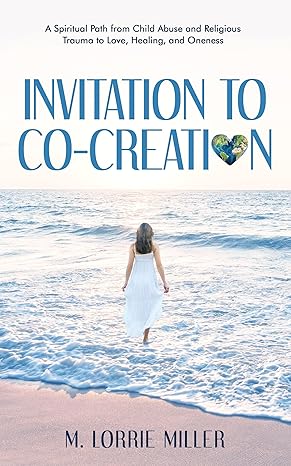
M. Lorrie Miller’s memoir, Invitation to Co-Creation, is a deeply personal and courageous exploration of healing from the scars of childhood abuse and religious trauma. Lorrie’s early years were fraught with abandonment, harsh discipline, and the weight of a toxic religious environment. These experiences led her to retreat into herself, concealing her beliefs, emotions, and painful family secrets. Everything changed when she embarked on a transformative journey. Through inner work and spiritual growth, Lorrie uncovered forgiveness, self-respect, kindness, and a profound sense of self-love. Most significantly, she found peace and love within herself. This journey allowed her to shed the trauma of her past, step into a healed version of herself, and share her powerful story of redemption and growth.
In her memoir, Lorrie answers universal questions such as how do we survive life’s most devastating challenges? How do we move forward to find hope and meaning? Her narrative is raw and vulnerable, written to inspire readers of all backgrounds—spiritual, religious, or otherwise. She bares even the darkest moments of her life to show that healing and transformation are attainable.
This book is both deep and thought-provoking. I was moved by the depth of her story and its ability to offer hope and inspiration to anyone seeking healing, regardless of their spiritual or religious beliefs. Lorrie’s unflinching honesty makes her journey relatable and impactful. While I enjoyed the book, I felt the book’s writing style occasionally affects its clarity. At times, Lorrie’s intentions were less clear, which could make it challenging for readers who are less familiar with spiritual or religious concepts to fully engage with certain passages. However, once the rhythm of her voice becomes familiar, the narrative flows more smoothly. This memoir deserves recognition for its authenticity and courage.
Lorrie’s journey is one of resilience, transformation, and the pursuit of inner peace. Invitation to Co-Creation stands as a testament to the strength of the human spirit, and I honor her willingness to share her story with such openness. Its message of healing and hope makes it a meaningful read.
Pages: 297 | ASIN : B0DPB773X8
Shooting Stars Above: A Celestial Bodies Romance

Shooting Stars Above, by Patricia Leavy, offers a heartfelt exploration of love, healing, and resilience through the lives of two deeply wounded individuals. Tess Lee, an internationally best-selling author, spends her life advocating for others, often at the expense of her own well-being. Jack Miller, a federal agent in counterterrorism, has sacrificed so much for his career that his personal life has taken a backseat, leaving him emotionally isolated. Both are burdened by trauma, grief, and a sense of cynicism that keeps them from fully embracing intimacy—until a chance encounter at a local bar changes everything. Their connection is immediate, igniting a love that pulls them out of their emotional isolation and into a restorative relationship that readers witness unfold.
Leavy, an award-winning novelist and fervent arts advocate, bypasses the usual romance tropes of slow-burn, will-they-won’t-they dynamics, diving straight into the heart of Tess and Jack’s deep and respectful bond. From the start, their relationship feels intense and genuine, offering both the characters and readers a sense of healing as past traumas surface and are addressed. The conflict in this novel doesn’t pit the lovers against each other but rather shows how their love strengthens as they confront the harsh realities of the world around them.
While the plot occasionally lurches forward with moments where characters reveal personal information in ways that feel slightly forced or unrealistic, this approach serves a purpose. These moments of rapid exposition make room for tender, intimate scenes that focus on the emotional depth of their connection. Leavy’s emphasis clearly lies in showcasing the process of falling in love while battling personal demons, allowing readers to experience the vulnerability and emotional weight Tess and Jack carry.
Though the story navigates difficult themes like grief and trauma, there’s no shortage of levity, largely supplied by Tess and Jack’s circle of caring, supportive friends. Their humor and warmth balance the heavier moments, adding a layer of comfort to the novel’s emotional landscape.
Shooting Stars Above is a heartwarming narrative that delves into love, loss, friendship, and the strength it takes to survive life’s challenges. Leavy offers a poignant reminder that even in a cruel, relentless world, love can be a healing force. For readers seeking a story that restores faith in humanity and shines a light on the beauty of connection, this novel is a must-read.
Pages: 224 | ASIN : B0CYJ76ZXK
Upward Mobility

In This Is How We Heal from Painful Childhoods, you provide readers with a guide for dealing with childhood traumas that leave an impact far into adulthood. Why was this an important book for you to write?
Throughout the doctoral program for my PhD in clinical psychology, I searched for a comprehensive program to address the many complex issues present in family environments that allowed for repeated trauma and dysfunction. While I learned many fantastic therapeutic approaches to treating trauma, I found that they addressed several key parts of the trauma picture while ignoring other critical components. And so I set out to create a more complete list of variables, along with solutions and guidance to address each variable. And it only took me 14 years to complete!
What is a common misconception you feel people have about growing up with a dysfunctional family dynamic?
So many young adults believe that all they have to do is get free of their dysfunctional family by getting a solid job and their own independent place to live, which usually works for about a decade until their late 20’s and early 30’s when the less obvious (but very damaging) lingering habits and unhealthy thinking prevent personal thriving and happiness. It is not until they learn about self-sabotaging cycles, interpersonal control dynamics, and other natural consequences of the dysfunctional family dynamic that these survivors are able to truly break free from their family’s trauma history.
Can you share with us a little about the research required to put your book together?
First of all, for many years I have directly served clients struggling with complex post-traumatic stress disorder (C-PTSD), like at the National Center for PTSD at the Veterans Affairs Palo Alto Healthcare System (amongst other places) where I studied and worked for 4 years in graduate school. Secondly, through continuing education programs, I purposefully learned many of the empirically validated therapies for treating trauma (EMDR, biofeedback, mindfulness, ACT, DBT, etc.). Third, by 2015, I had created my curriculum that included 13 variables that I turned into ‘rules’ that were easier for my clients to memorize and integrate into their lives. By 2017, the list had grown to 20 rules. By 2020, the 20 rules curriculum was highly refined and had successfully helped my clients and me address their family dysfunction in a comprehensive and detailed fashion. It was time to put the curriculum into book format!
What is one thing you hope readers can take away from This Is How We Heal from Painful Childhoods?
The lifestyle of upward mobility!! There is no one technique, one concept or skill, or one action that will heal a survivor and prepare them for a healthy, stable, happy life with their own successful relationships and family. So, much like the lifestyle of the martial artist, thriving survivors of childhood struggles have adopted a lifestyle of self-education, training, and self-empowerment that comes with tremendous challenges and victories throughout their lives. They just keep learning in their therapeutic activities–year after year–the many skills and insights that enable them to successfully handle life’s many challenges, as well as pass on their hard-learned education to the next generation!
Author Links: GoodReads | Facebook | Website 1 | Website 2
During prolonged periods of chronic stress, family traumas, or dysfunctional family dynamics, your young brain likely created deeply ingrained physical and mental habits to help you survive. Unfortunately, these habits and core beliefs work against your adult life and relationship goals.
Even if you did not directly experience childhood abuse or neglect, you have likely felt the harmful effects of intergenerational (generational) trauma from your family, inherited as genetic issues or passed along through skills deficits and dysfunctional relationships. When these ancestral issues go unaddressed, we hand them down to the next generation. Natural responses to childhood stress can include:Chronic anxiety symptoms
Unhealthy, chaotic, or toxic relationships
Survival-based thinking (short-term, defensive, distrusting)
Personal or family substance abuse (or addictions like gambling, work, porn)
Unstable work life
These perfectly normal reactions to a painful childhood do not automatically go away when you grow up! Recovery from such childhood experiences is challenging but quite possible when motivated survivors utilize self-education, therapy, and skills building to empower themselves.
This book presents 20 key concepts for comprehensively thriving past your stressful childhood. While many books focus on two to three of these issues in depth, they typically leave out entire concepts critical to beast-mode thriving! This book offers guidelines for you to develop yourself as an individual before moving on to enhancing your interpersonal functioning. Each chapter explains key concepts before offering solutions with realistic healing exercises to develop healthy habits that will help you heal and ultimately thrive! Here are just a few of the 20 rules:Trauma lies are just that…LIES
We must slow down to speed up
Practice treating yourself in a self-loving and self-respecting fashion
We are responsible for the decisions that we are aware of
It’s us against trauma world
This encouraging and reality-based guide was authored by Ernest Ellender, PhD, who has worked directly with trauma survivors from all walks of life since 1995. He combined insights from his clinical psychology doctorate education and career with training methods from his martial arts career (Jiu-jitsu black belt instructor) to create this comprehensive and effective curriculum for those on a healing journey toward emotional wellbeing.
Clients benefiting from this curriculum have included those struggling with mental health instability; those in codependent and dysfunctional relationships; single parents wanting to do better for their children; divorced parents struggling with healthy co-parenting; clients diagnosed with C-PTSD (complex post-traumatic stress disorder), ADHD, bipolar disorder, major depression, or dissociative disorders; clients whose prior therapists were poorly trained in trauma counseling and cptsd treatments; and parents seeking parenting tips to strengthen their family to prevent or minimize the impact of future traumas.
Following the guidelines of this book will lead to…More control, stability, and self-esteem
A daily life free of toxic shame!
Empathic and mature self-care and coping skills
Advanced self-advocacy and communication skills
Healthier, mutually supportive, and deeply engaged relationships when desired
The ability to articulate, set, and enforce healthier boundaries with both loved ones and toxic individuals
Positive parenting that fosters healthy families
A healthy lifestyle of healing and pursuit of long-term goals
Read less
This Is How We Heal from Painful Childhoods: A Practical Guide for Healing Past Intergenerational Stress and Trauma
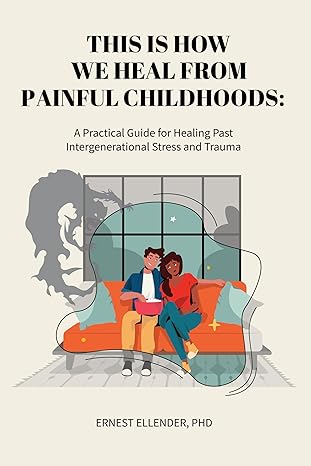
In This is How We Heal from Painful Childhoods: A Practical Guide for Healing Past Intergenerational Stress and Trauma, Ernest Ellender delves into the profound impact of childhood experiences on our adult lives. It’s a well-established notion that early childhood shapes our character and drives us through life. However, the journey is rarely without its challenges, and many of us carry the weight of childhood trauma into adulthood. Ellender’s book offers an insightful exploration of this trauma, particularly transgenerational trauma, and provides practical examples for beginning the healing journey.
Ellender emphasizes that transgenerational trauma doesn’t always stem from violence or horrific events; rather, it often arises from dysfunctional family dynamics that persist through generations. He asserts that now is the time to heal and grow from these inherited mistakes. The book is structured around 20 key points, or “rules,” designed to help readers overcome childhood trauma and live free from behaviors learned as self-protection mechanisms in childhood. One of the most compelling concepts in the book is the idea that “We must slow down to speed up.” This rule centers on the necessity of introspection. In our fast-paced lives, trauma doesn’t simply disappear; it requires deliberate and sustained effort to address and heal. To become stronger individuals, both for ourselves and those around us, we must take the time to engage in thorough self-work, allowing us to heal from our wounded pasts.
What sets Ellender’s work apart is its accessibility. Despite his academic background, the book is written in a relatable and comprehensible tone. It feels like a conversation with a trusted friend or a therapy session, making it easy for readers to connect with and learn from the material.
As someone with a background in psychology, I cannot overstate the importance of this book. Ellender’s career and expertise have culminated in a work that is invaluable for professionals in the psychology and mental health fields, as well as anyone struggling with past trauma or simply curious to learn more about the healing process. This is How We Heal from Painful Childhoods is a must-read for anyone on the journey to self-discovery and healing.
Pages: 367 | ASIN : B0CW1MJ1NH



 LITERARY TITAN