Blog Archives
Runaway Train: The Story of a Lapsed Salvation Army Girl Who Found True Love With an Alcoholic Street Kid


Runaway Train is a poignant and unfiltered memoir about Krista Cambers’s life journey through trauma, faith, and love, culminating in her relationship with Mark, a troubled but kind-hearted man grappling with addiction. The book takes readers from Krista’s unconventional childhood in Newfoundland to her turbulent adult relationships, and ultimately to her transformative bond with Mark. Along the way, it delves into addiction, redemption, and the human need for connection. This raw and honest narrative provides a vivid picture of life on the fringes and the resilience of love amidst chaos.
Krista’s writing is deeply personal, with a conversational tone that pulls you in like an old friend sharing their story. One of the book’s strengths is its openness. Krista doesn’t shy away from sharing her darkest moments. Her anecdotes, like the Christmas light debacle as a child or her tumultuous first marriage, are peppered with humor and heartbreak, creating a relatable and engaging narrative. The rawness of her struggles, like dealing with abusive relationships and her attempts to reconcile with her faith, makes her story resonate. A particularly striking moment is when she candidly recounts holding Mark’s hand during his final days, despite the wreckage of their shared past. This authenticity made the book hit home emotionally for me.
Mark’s story, interwoven with Krista’s, is equally compelling. His escapades, from panhandling and hopping trains to dealing with addiction, are vividly described, creating a portrait of a man both lost and deeply human. One standout moment is Mark’s recollection of his first train ride, filled with adrenaline and the allure of freedom, contrasted later with his battle against alcoholism. These moments reveal the fragility and depth of his character.
At times, the writing revisits similar themes, particularly around addiction and societal judgment. While these points are essential and thought-provoking, a slightly tighter focus could have helped keep the narrative’s momentum flowing. The memoir’s structure, shifting between Krista and Mark’s perspectives, occasionally feels a bit uneven, but this approach also reflects the complexity and rawness of their intertwined stories. These things mirror the messy realities the book portrays and may even enhance its authenticity for some readers.
Runaway Train is an emotional rollercoaster, offering a raw look at addiction, love, and redemption. Krista’s unwavering honesty and her ability to find light in dark places make this a compelling read. It’s perfect for readers who appreciate memoirs that tackle difficult subjects with sincerity and heart. Those interested in stories of resilience, unconventional love, and the human condition will find much to admire here.
Pages: 202 | ASIN : B0DG8Q5HNW

The Child Becomes the Caregiver

The Night Garden: Of My Mother is a memoir that delves into the intricacies of familial bonds, offering an exploration of love, frustration, and the ties between mothers and daughters. Why was this an important book for you to write?
To be honest, I don’t know that I ever weighed the importance of writing this book. If I had, Night Garden may have developed much more heavy-handedly, suppressing the real life of these characters — as they finally are just that, characters. Traditionally, I am a fiction writer, so I have learned how to allow characters their own lived lives on the page.
At the same time, the mother/daughter dynamic has always been central to my writing, to my novels, however subconscious. In my first novel, Blue Glass, I naturally fell into the first-person perspective of an only child, which I am, to explore the nuanced mother/daughter relationship. The mother in that novel is entirely fictional – I honestly don’t know where she came from, as she is the complete opposite “character” of my mother. But what I do think I pulled from—again, subconsciously—was the integral bond between my mother and me; that intensity of love and devotion of the only daughter.
Though I have to say, this memoir was finally so much harder to write than my novels because the subject was right there in front of me – it was lived. What was most difficult was finding the structure – writing of scene comes naturally to me, and many of these moments I dramatized through the years as they were happening. Other scenes are a kind of consolidation of events, to concentrate a truth. I think I knew I had strong material here, even if it was hard to write. And perhaps in the writing, I was able to objectify in a way that offered me a layer of emotional protection—the harder that things became for me and my mother, the more I wished I could distance myself from it all.
What were some ideas that were important for you to share in this book?
The Night Garden chronicles a period in my life when I was deeply divided between my roles as a mother and daughter, by both distance and powerful emotional pulls—I had my two children in my 40s when my mother was already in her late 80s. When my mother falls and breaks her hip, what I recall best is being unable to nurse my three month old while she was in Emergency, the physical feeling of being torn between my mother’s needs and my children’s. This torn feeling I believe is far more universal than we realize, as women are having children later in life. Granted, my situation was even more skewed, as my mother too had me later in life. But there is something to be said for the fact that birthrates have fallen in every age group except for women in their forties. Women, whether in relation to children or their own parents, are still most likely to be the designated primary caregivers.
I appreciated the candid nature with which you told your story. What was the hardest thing for you to write about?
I think the hardest was reliving that period when my mother manifested dementia — it was a quick and deep descent in her last two years, and one much darker than I experienced with my father — my father’s deterioration was over the span of 13 years, and while he was diagnosed with Alzheimers, the terrain of his dementia was much gentler. No deep descents. My mother would find herself locked in empty churches, dental chairs and in jail. The hardest moment was when she no longer recognized her own home, what she’d always referred to as her “happy house;” and in that lack of recognition, I already felt left behind, as I would wandering that house alone once she was gone.
The second hardest was writing about the grueling lesson of navigating the dementia, one I learned from her aide who had witnessed this dynamic between child and parent so many times before. She understood my desperation in needing to convince my mother that she was not actually locked in a church, but at home in bed with her beloved two cats. In my denial was indeed, a refusal to let go. So instead of trying to convince my mother that she wasn’t locked in a church, I learned how to soothe her in the moment, to promise I would send a parishioner drive her home. But my desperation finally was born out of a stubborn denial — on some level, however old we are, we are still the child unable to imagine losing a parent, however fraught that relationship was or wasn’t historically. Once stripped of our role as child, how do we reimagine ourselves? And how might this reimagining impact our own roles as mothers?
What do you hope is one thing readers take away from your story?
I’ve already received messages about how Night Garden is helping those currently in caregiving roles, whether or not they are balancing young children as well. I do hear mostly from women, who appreciate my candor about conflicted feelings: unable to bear that thought of losing a parent— of our role as child— while resentful of the toll caregiving is having on our own lives and mental health. We are no longer a society of extended families — at best, we are families scattered across the country, so that usually the caregiving does fall to one child, one sibling. Readers of my story I hope will feel a little bit less alone in what finally may be an inevitable quagmire, but also forgive themselves for feeling conflicted; the child/parent relationship is resounding in its complexity, if not always rooted in unconditional love.
Author Links: GoodReads | Website
As her mother’s dementia worsens, Chandice warns the author about other daughters “gone crazy” watching their mothers become unrecognizable-after her mother’s death, the author is admitted to a psychiatric ward, where she sleeps the “sleep of the dying,” as her mother slept in her final weeks. But in the timelessness of this ward, she can wonder: was her closeness with her mother not of best friends, but something inherent in their dispositions as a writer and artist-in that compulsion to be seen and heard? With empathy and affectionate comedy, The Night Gardencandidly explores what it means for a daughter to have her focus fractured by conflicting responsibilities while still seeking, above all else, her mother’s approval, protection and love
The Night Garden: of My Mother
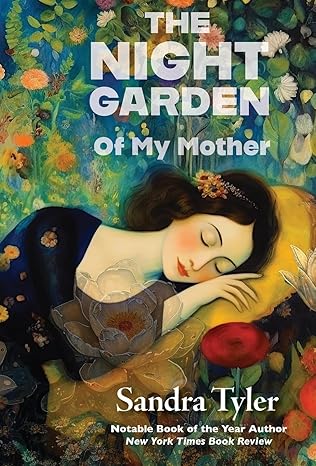

Sandra Tyler’s The Night Garden: Of My Mother delves into the raw intricacies of familial bonds, offering an exploration of love, frustration, and the unshakable ties between mothers and daughters. The memoir presents Sandra, a woman in her early 40s with two young children, who is thrust into the role of caregiver as her 86-year-old mother faces severe health challenges. The arrival of Chandice, a blunt and opinionated caretaker, creates tension, sparking conflicts that leave Sandra caught in an emotional tug-of-war. When her mother passes away, Sandra’s grief culminates in a mental breakdown, leading her to a psychiatric ward where she confronts the deeper layers of her relationship with her late mother.
The narrative echoes the surreal familial dynamics often found in John Irving’s works, such as The Hotel New Hampshire. Sandra’s inner turmoil mirrors the universal struggle many adult children face when the roles of caregiver and dependent reverse. Her mother, once an independent force, becomes vulnerable, forcing Sandra to grapple with the bittersweet realities of caretaking. The tension between Chandice and Sandra’s mother is laced with both humor and sadness, reflecting the often absurd but deeply emotional complexities of elder care. Tyler captures these moments with sharp precision, making readers oscillate between laughter and tears. Sandra’s stay in the psychiatric ward becomes a transformative journey. Stripped of distractions, she reflects on her mother’s life, their shared artistic temperaments, and the paradox of loving someone who could also inflict the most pain. This period of introspection feels less like a breakdown and more like a painful but necessary rebirth. It’s here that Sandra begins to reconcile her grief, acknowledging the beauty and difficulty of her bond with her mother. The result is a deeply cathartic narrative arc that resonates with anyone who has navigated the tangled emotions of losing a loved one.
Tyler’s ability to dissect the parent-child relationship is unmatched. She portrays the paradoxical nature of familial love with unflinching honesty—how the same person can be a source of comfort and exasperation, joy and sorrow. The humor threaded through the memoir softens the melancholy, making the story as entertaining as it is reflective.
Few memoirs tackle the complexity of family with such insight and grace. The Night Garden: Of My Mother is a must-read for anyone grappling with aging parents, the weight of caregiving, or the bittersweet nature of love. Tyler’s prose cuts to the core, reminding us that even the most difficult relationships can leave behind gardens of meaning and growth.
Pages: 288 | ISBN : 195313677X

Lying Down with Dogs
Lying Down with Dogs is a collection of deeply moving and beautifully crafted personal essays that serve as an inspiring beacon for anyone standing at the crossroads of life, hesitant to take the plunge toward an unconventional dream. The author, shaped by a childhood devoid of affection as the daughter of a German war bride in the 1950s, weaves vivid flashbacks of trauma and resilience. Yet, she is quick to clarify: while her life experiences inform the narrative, this is not a memoir in the traditional sense. Instead, it is a heartfelt tribute to the animals that shaped her journey and a testament to their transformative, healing power.
The narrative unfolds as a poignant, non-linear exploration of her adventures. The author recounts rescuing pregnant dogs in desperate need of care, kittens abandoned at construction sites, and even pigs—all while battling her own inner turmoil. She juggled the demands of caring for her aging parents and raising her daughter, all while building her animal rescue organization from the ground up. Through it all, her unwavering determination shines, driven by her love for the creatures she saved. Her stories of “foster failures” brim with warmth and humor. In one particularly memorable account, she likens a paraplegic Chihuahua to Scarlet O’Hara from Gone with the Wind, using the dog’s indomitable spirit as a lens through which to view resilience. These moments are both tender and vivid, drawing the reader into her world with startling intimacy. Grief and loss also permeate the pages. The deaths of three close friends to cancer could have easily overwhelmed her. Instead, she channeled that sorrow into her rescue efforts, finding solace and purpose in her work. The animals, it seems, saved her just as much as she saved them. Despite addressing weighty themes, childhood trauma, grief, and personal struggle the author employs dry humor and a light-hearted tone. Her deliberate avoidance of melodrama keeps the focus on the animals and their stories, making the narrative both accessible and deeply impactful. This restraint lends the book its emotional power, allowing readers to connect with the experiences without feeling overwhelmed.
Lying Down with Dogs contains tales of resilience and hope that inspire readers to see the world through a more compassionate lens, cultivating a deeper appreciation not only for animals but for the richness of life itself. This book is far more than a collection of essays; it is a celebration of the human-animal bond, a testament to perseverance, and an ode to the healing power of love and compassion.
Pages: 163 | ASIN : B0CSKLZ1SX
Deadly Dilemma: A Memoir
Anthony Gurley’s Deadly Dilemma is a raw and intimate memoir that explores the tumultuous emotional journey of a man grappling with his past, his fears, and his place in the world. From his childhood in a poor North Carolina housing project to his struggles with self-worth and his attempts to reconcile with faith and family, Gurley paints a vivid portrait of his life. The story begins with a poignant letter that sets the tone, one of unvarnished truth, pain, and introspection, before taking the reader through a labyrinth of formative moments, personal trials, and eventual reckonings.
What I liked most about the book was Gurley’s ability to convey vulnerability without self-pity. The letter at the beginning is a gut punch, laying bare his struggles with depression and fear. As he recounts his childhood memories, such as a terrifying encounter with Hurricane Hazel or his days playing sports at the Boys Club, Gurley brings a sense of nostalgia tinged with melancholy. These anecdotes felt relatable, especially his longing for recognition and connection. His descriptions of trying out for the basketball team and the heartache of not making it are heartbreakingly universal moments of rejection that linger long after adolescence.
At times, Gurley’s narrative meanders, pulling the reader into minute details of his early years or internal thoughts. While this makes the book deeply personal, some passages felt overly detailed and repetitive. For example, his recounting of ironing clothes and relating it to a George Washington Carver biography is insightful but I think it could have been condensed. That said, this unfiltered style makes the memoir feel like a candid conversation with the author, one where he is unafraid to show every bruise and scar.
I appreciated Gurley’s reflections on his relationship with faith and community. His introduction to Quakerism and his attempts to find solace in religion add depth to the book. However, the most powerful sections for me were his examinations of family. The story of his father leaving when he was a child, coupled with his own feelings of inadequacy as a parent, hit me hard. It’s in these moments that the memoir transcends its specific context and becomes a universal exploration of loss and resilience.
By the time I reached the conclusion, I felt both drained and inspired. Deadly Dilemma is not a light read. It forces the reader to confront uncomfortable truths about fear, loneliness, and the human need for love and belonging. I’d recommend this book to anyone who enjoys deeply personal memoirs that wrestle with life’s big questions.
Pages: 318 | ASIN : B0CQ6GXGRW
LIAM: The Boy Who Saw the World Upside Down

LIAM: The Boy Who Saw the World Upside Down tells the touching and inspiring true story of Liam, a young boy with dyslexia and other challenges, as he navigates a world that often misunderstands him. The story unfolds through the eyes of Ms. J, his empathetic and determined teacher, who strives to uncover Liam’s potential despite systemic obstacles, unkind peers, and his own self-doubt. It’s as much about perseverance as it is about the importance of advocacy, patience, and finding one’s place in a complicated world.
What I loved most about this book was the heartfelt writing. Walraven captures the struggles of a teacher trying to bridge the gap between a child’s potential and the resources available. One chapter that stood out was Liam’s breakthrough moment in class, where he courageously shared his knowledge about salt’s historical significance, stunning both his peers and his teacher. The joy of seeing Liam’s intelligence shine despite his struggles felt like a triumph, and it made me reflect on how small moments of courage can ripple into larger successes.
Another strength of the book lies in its vivid portrayal of the social dynamics in school. The author doesn’t shy away from uncomfortable truths, such as bullying and administrative apathy. I was particularly moved by the scenes where Ms. J confronts the principal’s dismissive attitude toward Liam’s challenges. The raw honesty of these moments made me angry at the system but grateful for teachers like Ms. J, who fight to make a difference.
The book occasionally leans into sentimentality. For the most part, this added to the emotional depth of the story, though a few scenes felt slightly dramatic when highlighting Liam’s struggles against the indifference of others. Even so, the book’s genuine heart and sincerity more than compensate, leaving a lasting and uplifting impression.
In the end, this book isn’t just about Liam; I think it’s about anyone who’s ever felt marginalized or overlooked. It’s a tribute to educators, parents, and friends who see beyond labels and stereotypes to the potential within. I’d recommend this book to teachers, parents, and anyone interested in stories of resilience and the transformative power of compassion.
Pages: 137 | ASIN : B0BTRTDFX7
Helping Others Be Prepared

The River House is a gripping and emotionally charged memoir detailing the trials and tribulations you faced when purchasing and renovating a seemingly idyllic waterfront property in Cape Coral, Florida.
I appreciated the candid nature with which you told your story. What was the hardest thing for you to write about?
The hardest thing for me to write about was moving out of our beautifully restored house after enduring 27 months of emotional and physical turmoil to get it reconstructed after Hurricane Irma. My husband and I had invested so much ourselves and our lives in creating the perfect home within the shell of the house that was left from the hurricane damage. We honestly thought we would live in that house forever when we purchased it, and through much of the renovation process. It was only through the COVID lockdown, after we moved back into the reconstructed house, that we realized our best course of action was to move out of Florida.
What were some ideas that were important for you to share in this book?
It was important for me to share the shockingly laborious process we encountered to reach a claim settlement with our home insurance company; the astonishing amount of time and effort it took for us to manage the design, permitting, and construction process for the house reconstruction; and the completely unexpected hurdles that we continuously encountered during the entire 27 months of the insurance claim and home reconstruction process.
What do you hope is one thing readers take away from your story?
When a natural disaster does significant damage to a house, it can take years to get that home reconstructed. When I filed a claim with my homeowners insurance company due to the hurricane damage, I had no idea it would take years before we could move back into our reconstructed home. My hope is that this book can convey the many lessons we learned from our misfortune so that others can be more prepared to avoid the life-changing pitfalls we faced.
Author Links: GoodReads | Website
The hurricane’s horrific damage to their beloved home was only the beginning of their agonies. The tense saga of dealing with a dysfunctional property insurance company was then superseded by the convoluted process for getting their house reconstructed to the current building code.
The cliffhanger ending is followed by lessons learned that are beneficial to anyone living in a hurricane-prone area.
Invitation to Co-Creation: A Spiritual Path from Child Abuse and Religious Trauma to Love, Healing, and Oneness
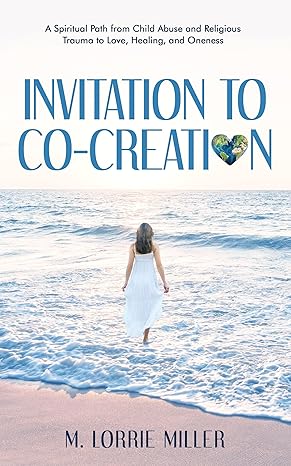
M. Lorrie Miller’s memoir, Invitation to Co-Creation, is a deeply personal and courageous exploration of healing from the scars of childhood abuse and religious trauma. Lorrie’s early years were fraught with abandonment, harsh discipline, and the weight of a toxic religious environment. These experiences led her to retreat into herself, concealing her beliefs, emotions, and painful family secrets. Everything changed when she embarked on a transformative journey. Through inner work and spiritual growth, Lorrie uncovered forgiveness, self-respect, kindness, and a profound sense of self-love. Most significantly, she found peace and love within herself. This journey allowed her to shed the trauma of her past, step into a healed version of herself, and share her powerful story of redemption and growth.
In her memoir, Lorrie answers universal questions such as how do we survive life’s most devastating challenges? How do we move forward to find hope and meaning? Her narrative is raw and vulnerable, written to inspire readers of all backgrounds—spiritual, religious, or otherwise. She bares even the darkest moments of her life to show that healing and transformation are attainable.
This book is both deep and thought-provoking. I was moved by the depth of her story and its ability to offer hope and inspiration to anyone seeking healing, regardless of their spiritual or religious beliefs. Lorrie’s unflinching honesty makes her journey relatable and impactful. While I enjoyed the book, I felt the book’s writing style occasionally affects its clarity. At times, Lorrie’s intentions were less clear, which could make it challenging for readers who are less familiar with spiritual or religious concepts to fully engage with certain passages. However, once the rhythm of her voice becomes familiar, the narrative flows more smoothly. This memoir deserves recognition for its authenticity and courage.
Lorrie’s journey is one of resilience, transformation, and the pursuit of inner peace. Invitation to Co-Creation stands as a testament to the strength of the human spirit, and I honor her willingness to share her story with such openness. Its message of healing and hope makes it a meaningful read.
Pages: 297 | ASIN : B0DPB773X8



 LITERARY TITAN