Blog Archives
Exploring Fear

Fear Struck follows a crime writer who, while writing his latest murder mystery, has his door broken down by police and is arrested for a murder that looks like one of the scenes in his book. What was the inspiration for the setup of your story?
As a writer, I often feel like a conduit for someone else’s ideas, with words flowing so quickly that I sometimes wonder where they are coming from. This experience sparked a question for me: what if a writer suddenly became the instrument for someone else’s story in a very real and dangerous way? This personal connection to the story became the seed for Fear-Struck and its psychological thriller setup.
The truth is, many of my novels begin with a simple “what if.” Whispering Lessons is a good example. I asked myself, what if someone had secretly followed Jesse James and his gang, watched them bury their stolen treasure, and then dug it up after they rode away? Could that be why so many of those legendary treasures have never been found? Those two words, “what if,” open the door to endless possibilities, and they are often the starting point for my strongest storylines.
What are some things that you find interesting about the human condition that you think make for great fiction?
There are so many layers to the human condition that writers need to pay attention to, because those layers are what make fiction feel real. In Fear-Struck, I delved deep into the debilitating impact fear can have on a person. It doesn’t just consume the main character. The suspect gets overwhelmed by it, too. Even the people in the prison around him react out of fear.
Fear is universal. It shapes decisions, drives behavior, and sometimes clouds judgment. Our minds are incredibly powerful, and our thoughts can either protect us or harm us. In this story, fear becomes almost a character in its own right, influencing everyone in its path. That kind of emotional truth, rooted in what people really experience, is what makes fiction resonate.
When you first sat down to write this story, did you know where you were going, or did the twists come as you were writing?
For Fear-Struck, I actually did know the storyline before I began writing. That is unusual for me, as I am not usually a plotter, but in this case, I could clearly see the characters and the journey ahead of them. I knew the ending, and I knew how I wanted to move from the moment of the arrest all the way to the final reveal.
What mattered most to me was exploring fear, not just telling a crime story. I wanted to look at how fear shapes people from the inside out. The reviews have been incredible, and many readers mention how closely they connect with the characters and their reactions. I think that connection exists because fear is something we all face in one way or another. It is a profound human experience, and that truth comes through in the story.
What is the next book that you are working on, and when can your fans expect it to be out?
I am currently writing Book Two in the series. It starts as Kutter is still dealing with the emotional aftermath of what happened in Book One, where he was arrested for a murder that resembled a scene in his own book. These lingering effects push him into a situation unlike anything he has ever faced before. This new challenge forces him to grow in unexpected ways.
In this next installment, Kutter, the main character from Fear-Struck, finds himself sitting across from an unapologetic and prideful serial killer. His personal revulsion toward this man directly clashes with his responsibility to uncover the names of the victims. That internal battle is something many of us understand, because we all face moments where our emotions collide with what we know we must do.
I am thrilled to share that I am aiming to have the next book ready for readers in early 2026. I cannot wait to continue Kutter’s journey and share the next chapter with you all.
Author Interview: GoodReads | BlueSky | Facebook | Pinterest | Website
Detective Tweed believes Kutter’s pages hold the truth. Kutter swears he’s innocent. Yet with each revelation, a darker reality emerges—one bound to him by blood.
Relentless and chilling, Fear Struck will keep you guessing until the final, shocking twist.
Polar Deception
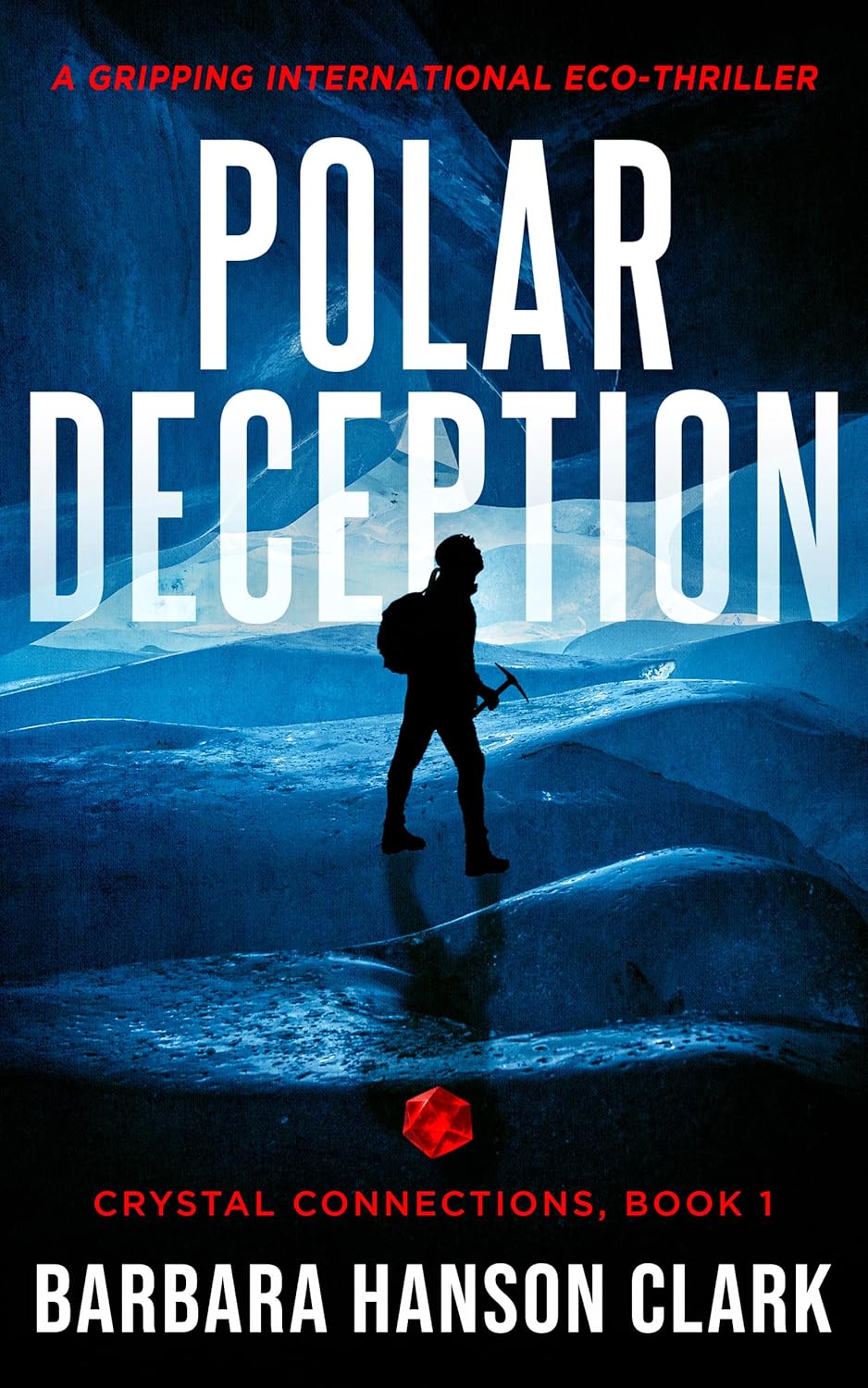

Polar Deception is a tense eco-thriller set in a future shaped by environmental collapse, geopolitical fractures, and the discovery of powerful red crystals hidden beneath the Antarctic ice. The story weaves together the ruthless ambitions of Dr. Carlos Perez, the quiet moral struggle of Dr. Omar Hasson, the grief-stricken journey of Diana Harris, and the covert operations of CIA agents racing to keep the crystals from falling into the wrong hands. What begins as a scientific mystery quickly turns into a globe-spanning battle over technology, survival, and the fragile state of a warming world.
This book never quite let me catch my breath. The writing hit me with sharp images and simple but striking language, and I found myself leaning in, eager for the next twist. I liked how the tension inside the Antarctic station simmered from the first pages. Perez’s obsession unsettled me, and the cold brutality of his choices made my stomach tighten. Then the narrative shifted to Diana, and the tone softened. Her grief carried real weight. I felt that heaviness in her cramped apartment, in the unopened boxes, in the way she talked to her dog like he was holding her together. That contrast between danger and vulnerability gave the whole story a pulse that grabbed me.
There were moments when the ideas themselves hit harder than the plot. The book dives into rare earth scarcity, global power struggles, broken technology, and the desperation that follows. I found myself thinking about how easily science can become a bargaining chip when the world gets shaky. Some scenes made me angry as characters manipulated research for profit or control. Other scenes made me hopeful when people showed loyalty and courage despite everything falling apart around them. I liked how the author slipped in social commentary without making it feel preachy. It felt real. Messy. Relatable.
The story delivered high stakes, a fast pace, and characters who stayed in my head. I’d recommend Polar Deception to readers who enjoy eco-thrillers, survival stories, and science-driven mysteries. It felt like a blend of the high-stakes environmental urgency of The Day After Tomorrow and the globe-spanning intrigue of The Da Vinci Code while carrying the character-driven emotional weight you’d find in The Martian.
Pages: 506 | ASIN : B0FRB6XPYV

The Moaning Lisa
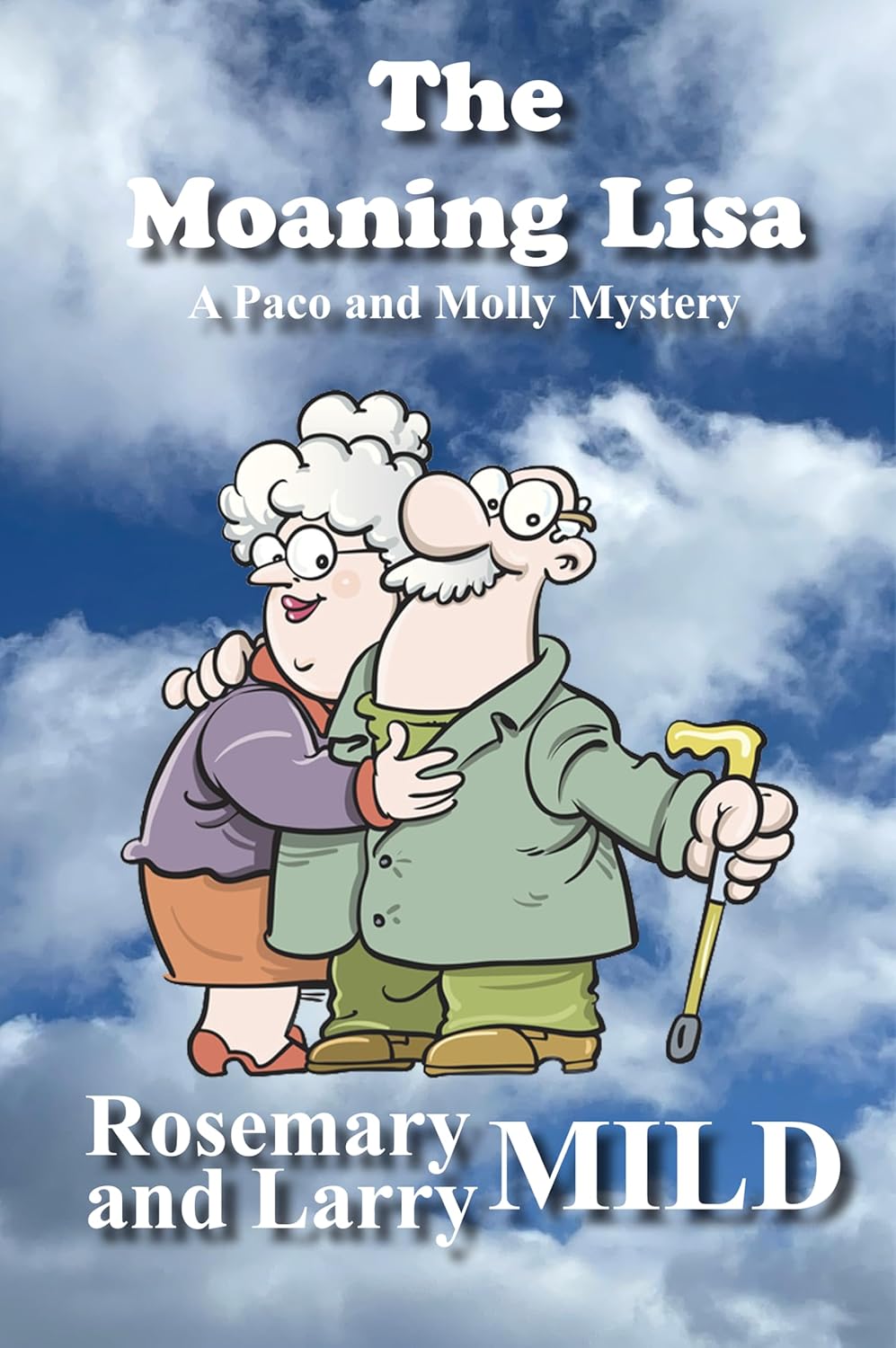

The Moaning Lisa follows Paco and Molly LeSoto, an older married pair of sleuths who land in the middle of a disturbing mystery inside the Gilded Gates assisted living community. A missing resident. Strange moans in the night. A stone turret that hides something far worse than dust and spiders. The story builds piece by piece as Paco and Molly tug at each loose thread until the whole place starts to unravel around them. It is a classic cozy mystery with a darker edge, tied together by the couple’s warmth, humor, and stubborn grit.
I felt surprisingly swept up in the tone of the book. The writing moves with an easy rhythm that let me sink into the world without thinking too hard about it. Sometimes the dialogue cracked me up with its little quirks, especially Molly’s playful mangling of words. Other times, the tension tightened just enough to make me pause. The setting also hit me in a way I did not expect. There is something both comforting and spooky about an assisted living home that tries very hard to look polished while hiding secrets in back stairwells. I found myself rooting for Paco and Molly, not just because they are skilled, but because they feel so relatable, creaky knees and all.
There were moments when the plot leaned into familiar mystery beats, and I caught myself predicting turns before they landed. Still, I did not mind much. The charm of the story is not in shocking twists. It is in how the characters bounce off one another and how their age actually shapes the plot, rather than sitting in the background. I liked that. It made the danger feel different. Slower. Closer. The book also has a gentle emotional core. It touches on loneliness, trust, and the strange little worlds older adults create around themselves. That part stuck with me more than I expected.
I would recommend The Moaning Lisa to readers who enjoy light mysteries with heart. It is especially good for fans of amateur sleuth stories, cozy mysteries with an eerie twist, or tales featuring older protagonists who still have fire in them. If you want something that feels warm but still gives you a few chills, this book will hit the spot.
Pages: 234 | ASIN : B0FJ4WVHYQ
BLOOD OF YARUMAYA

Blood of Yarumaya by Kevin D. Miller follows Isabella Delgado. She’s a wealthy botany student from Malibu who travels to the Amazon rainforest for an internship. Her mentor is Dr. Dominic Quinn. He’s a brilliant but secretive scientist who appears much younger than he is. They discover a complex biological secret to anti-aging that involves rare tree resin and special bees. A corrupt politician named Julio Ortega wants this secret for his own gain. He hires mercenaries to attack the indigenous Kawirén tribe to get it. Izzy must use her newfound survival skills to save Quinn and protect the forest from destruction.
I found the character arc of Isabella surprisingly engaging. She starts the story as a somewhat entitled gymnast. She quickly transforms into a capable survivor. Her growth felt earned rather than just given to her. The romance between her and Quinn is sweet. It also carries a unique tension due to his actual age versus his appearance. I felt genuine anxiety during the raid on the village. Miller does a wonderful job of making you care about the Kawirén people. You desperately want them to survive the encroaching threats of the modern world.
The book tackles heavy themes like deforestation and corporate greed head-on. I appreciated this direct approach because it did not feel overly preachy. The science behind the longevity serum was fascinating to me. I loved the twist with the “rapid aging” weapon used against Ortega near the end. It was a satisfying bit of poetic justice.
I enjoyed this thrilling adventure. It carries a real emotional punch that stuck with me. I would recommend this book to readers who enjoy fast-paced eco-thrillers. Fans of adventure stories with a strong romantic subplot will also like it. It is a perfect read for anyone who has ever dreamed of escaping civilization to find something deeper in the wild.
Pages: 310 | ASIN : B0FTMC4WGN
Fear Struck
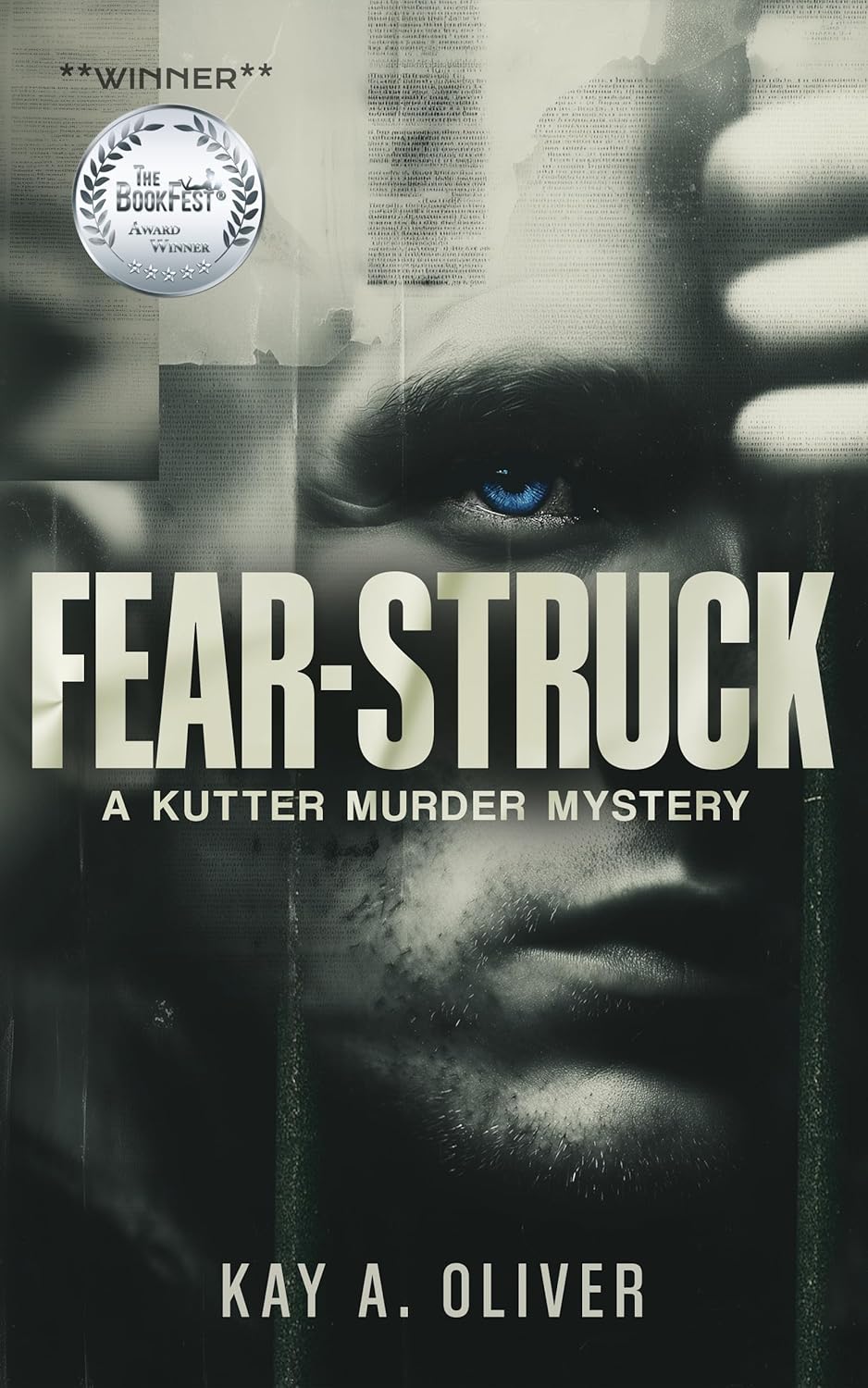
Fear Struck was intense and emotionally powerful, and also kind of creepy. It starts with Orson Kutter, a crime writer whose imagination bleeds a little too close to real life. One minute he’s hammering away on his keyboard, writing about murder and mystery, and the next, the cops are breaking down his door and slapping cuffs on him for killings that look suspiciously like scenes from his books. It’s one of those stories where reality and fiction twist around each other until you’re not sure which one’s real anymore. The whole setup feels like watching someone slowly wake up inside their own nightmare. It’s dark, smart, and honestly a little creepy in that “am I next?” kind of way.
I’ll be honest, this book made me anxious in the best way. I love a good murder mystery, and Fear Struck doesn’t just give you one, it gives you layers of them. I kept trying to guess if Kutter was guilty, if he was being framed, or if he was losing his mind. The writing pulls you into his paranoia so deeply that you start feeling trapped with him. The scenes in the jail, the smell of sweat and fear, the endless echoes, I could almost hear it. The story moves fast, but not in a shallow way. Every chapter left me thinking, “Okay, just one more,” until it was 2 a.m. and I was questioning my life choices. What really hooked me, though, was how Oliver plays with the line between author and character, fiction and truth. It’s almost meta, but not in a pretentious way.
The writing is really sharp. I like how Oliver doesn’t waste time with fancy words or filler. It’s cinematic, full of tension, and just messy enough to feel real. There were moments where I felt sick for Kutter, moments where I didn’t trust him at all, and moments where I wanted to scream at everyone around him for being blind. That’s good storytelling. Some parts slowed a little, sure, and a few twists I saw coming, but the emotion stayed raw. There’s this heavy mix of guilt, fear, and desperation that makes the book feel alive.
If you like stories that make your heart race and your brain spin, this one’s for you. Fear Struck is perfect for murder mystery junkies who like their thrillers dark, psychological, and just a little too close to home. I’d recommend it to anyone who enjoys Gone Girl or Misery but wants something with its own strange heartbeat.
Pages: 392 | ASIN : B0FRRK8HGX
Dark, Cold Eyes

Kay A. Oliver’s Dark, Cold Eyes pulls you straight into a world of sharp tension, mystery, and the unnerving weight of human motives. The story follows Keri and Jade Shaw, private investigators drawn into a string of murders in the otherwise quiet, upper-crust neighborhood of Grosse Pointe. When a couple is found brutally murdered, what begins as a simple research assignment turns into a web of deceit, hidden identities, and moral gray zones. Each chapter builds on suspense while peeling back layers of both the crimes and the people entangled in them. It’s a dark, atmospheric dive into what happens when ordinary lives hide extraordinary secrets.
The writing is vivid and cinematic, almost like watching a detective drama late at night when the rest of the house is quiet. Oliver’s style has a rhythm, it’s crisp when it needs to be and haunting when it lingers. I loved how she gave space for silence, for tension to breathe, for you to feel the pulse of fear. The dialogue between Keri and Jade feels real and warm, the kind of married banter that makes you believe in their partnership even as danger closes in. But sometimes the pace moves so fast that I wished for more time to sit with the emotions of the moment. The action carries you forward, but the emotional aftermath sometimes fades quickly.
What really struck me was how the story blurs the line between justice and obsession. Keri’s drive to solve the case starts to feel personal, like she’s chasing ghosts as much as answers. The way Oliver uses setting, quiet kitchens, dark streets, cluttered evidence boards, to mirror the unraveling of her characters hit me hard. You can sense the exhaustion, the moral weight pressing on everyone. Yet despite all the darkness, there’s a heartbeat of hope running through the pages. It’s not loud, but it’s there, stubborn and relatable.
If you like thrillers that mix grit with empathy, this book’s for you. It’s perfect for readers who love crime stories with layered characters and clever plotting rather than simple chases or explosions. Dark, Cold Eyes is tense, intelligent, and full of heart. A story that keeps your mind racing long after you close the book.
Pages: 395 | ASIN : B0FGWH27M7
A Mother’s Determination

Born in Space: Unlocking Destiny follows a mother who donated her eggs to science, only to discover that they were used to conceive seven infants in space, who were raised in isolation and destined to define the next stage of our evolution. What was the inspiration for the setup of your story?
I wanted to explore what happens when the most intimate human act–creation–becomes an instrument of science and survival. The idea came from real debates about fertility research, genetic engineering, and the ethics of creating life beyond Earth. I asked myself: what if the first humans truly born in space were not astronauts’ children, but part of a scientific project designed to save humanity? From that spark came Teagan Ward, a mother who gave something of herself to science, only to find herself blocked from contact with the babies she loved by the doctor who incubated them.
Your novel explores the morality and the cost of continuing the human race. What are some things that you find interesting about the human condition that you think make for great fiction?
I’m fascinated by the contradictions within us-our capacity for love and empathy alongside our drive for power and control. When survival is at stake, morality becomes fluid, and that’s where stories come alive. Science fiction allows us to push those questions to their limits: What does it mean to be human when birth, love, and even consciousness are engineered? I think great fiction mirrors that tension between our ideals and our instincts, between the need to preserve what makes us human and the temptation to perfect it.
What were some themes that were important for you to explore in this book?
At its heart, Born in Space is about motherhood, identity, and the ownership of life. I wanted to examine who controls our future-corporations, governments, or the individuals who dare to resist them. There’s also an environmental undercurrent: as Earth falters, humanity’s reach for survival shifts outward, to space, but our flaws follow us. And beneath the science and technology, there’s a deeply emotional core: a mother’s determination to reunite with her children, no matter how far apart they are.
Will there be a follow-up novel to this story? If so, what aspects of the story will the next book cover?
Yes. Born in Space is the first in the Sci-Fi Galaxy series. The follow-up, Space Vault: The Seed Eclipse, takes place years later on the Moon, where humanity’s survival depends on a genetic seed vault built into the regolith. Teagan’s story continues through her naturally born daughter Diana, who becomes a symbol of both hope and fear, a genetically engineered child hunted by those who believe they can control evolution itself. The moral and emotional questions deepen as the struggle shifts from reproduction to survival: who decides which forms of life deserve to endure?
Author Links: GoodReads | X | Facebook | Website | Tik Tok
CAN TEAGAN WIN THE COSMIC CUSTODY BATTLE OF A LIFETIME?
When Teagan Ward donates her eggs to science, she never imagines that the consequences will ripple across the cosmos. As Earth crumbles under the weight of conflict and climate disaster, Teagan discovers that seven children, born from her donated eggs, are the centerpieces of a daring experiment to populate the stars. Determined to reunite with her children, she finds herself entangled in a web of greed, betrayal, and cosmic ambition.
In the year 2068, humanity’s hope for survival lies beyond the confines of Earth. Orbiting space habitats offer sanctuary to the privileged, while the rest fight for survival on a deteriorating planet. Teagan’s journey to reclaim her children pits her against powerful adversaries: a ruthless mining magnate obsessed with the treasures of the universe, a morally ambiguous doctor bent on creating life in space at any cost, and a disgraced general seeking redemption and control.
As Teagan navigates the treacherous shoals of interstellar politics and corporate greed, she uncovers secrets that could change the fate of worlds. Her children, each with unique abilities and destinies, hold the key to unlocking the mysteries of the universe and possibly saving humanity from itself.
Secretos De Familia
Secretos de familia by Diego Uribe is a dark and atmospheric thriller that begins with the brutal murder of Emilia Blume, a young woman found dead in her bed with a knife in her heart. The novel unfolds through the investigation led by Inspectora Benatar, who digs into the twisted secrets of the Blume family and the eerie village of Fénix, where superstition, religion, and silence suffocate the truth. What starts as a crime story turns into a psychological puzzle, exploring guilt, repression, and the thin line between love and cruelty. Every chapter drags you deeper into a web of lies and trauma that sticks to your skin.
I have to say, the writing pulled me in right away. The opening scene hit me hard. The author knows how to play with tension, silence, and imagery. The prose feels cinematic, almost like you’re standing in the cold hallways of that cursed house. Sometimes it gets dense with description, but it works. The pacing shifts a lot, slow burns followed by quick bursts of violence, but that uneven rhythm fits the story. It mirrors the confusion of the characters. I found myself anxious, even a little angry, at how the family hid behind politeness and religion while something monstrous was rotting inside their home.
What really got to me were the ideas under the surface. This isn’t just about a murder. It’s about control, silence, and what people will do to keep appearances intact. The women in the story, Emilia, her mother, her sister, and even Benatar, carry a kind of pain that feels too real. There’s also this heavy sense of destiny, as if everyone in that village is trapped by something bigger than them. At times it made me uncomfortable, but that’s a good sign. The author doesn’t let you rest easy. You end up questioning morality, religion, and the price of loyalty.
Secretos de familia is a grim, emotional ride that’s not afraid to stare into the dark corners of the human soul. It’s the kind of book you finish and then sit in silence for a while. I’d recommend it to readers who love crime fiction with real psychological depth, people who like stories that mess with your comfort zone and make you think about the things families hide behind closed doors.
Pages: 343



 LITERARY TITAN