Blog Archives
The Goldilocks Effect in Prescription Drugs
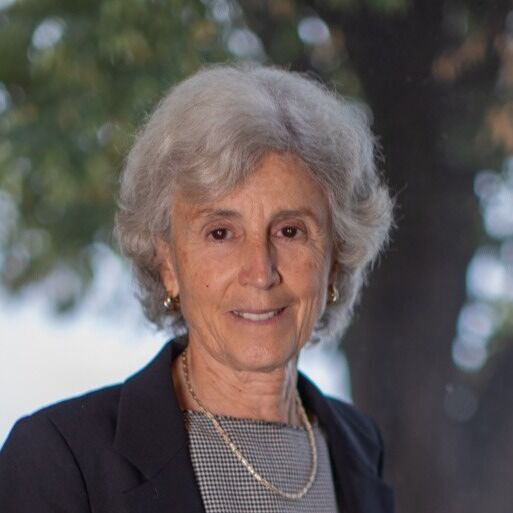
The Goldilocks Genome follows an epidemiologist investigating the death of her best friend, who uncovers more suspicious deaths that can be linked to the Goldilocks effect in prescription drugs. What was the inspiration for the setup of your story?
I heard an NPR interview with Irv Weissman, a leader in stem cell biology, was asked, “How does the lay public learn about science?” His answer: “Fiction.” Weissman’s insight inspired me to use my knowledge and background in pharmaceuticals, genetics, and epidemiology to craft a medical thriller to introduce the lay public to the importance of personalized medicine.
What were some themes that were important for you to explore in this book?
One of the most important themes I wanted to explore in The Goldilocks Genome was the concept of the Goldilocks effect in prescription drugs. Meaning the prescribed dose of a medication can be “too little”, “too much”, or “just right” depending on a person’s individual genetics. Today we have the tools to discover how our genes process prescription drugs and initiate a discussion with their healthcare provider or physician to get a prescription or dose that is right for them.
What is your background and experience, and how did it help you write the medical thriller, The Goldilocks Genome?
My doctoral research was in biomedical anthropology where I used epidemiology to study the natural history of infection with hepatitis B virus. My post-doctoral studies focused on human genetics. I then went on to build a career in pharmaceuticals where I was learned the basics of pharmacology. The Goldilocks Genome combines all of these skills and passions while using antidepressants as the drug of choice to showcase why personalized medicine is important and necessary.
What is the next book that you’re working on, and when can your fans expect it out?
My next book is a memoir, Mud, Microbes, and Medicine that goes into depths of solving the problem of how infants in a remote Melanesian culture become chronic carriers of hepatitis B virus. Beyond the science it is also my coming of age story set in the 1970s across Melanesia, Philadelphia, the Silicon Valley, and Basel, Switzerland. Mud, Microbes, and Medicine will be published April 21, 2026 and is available for pre-order on Amazon and other booksellers.
Author Links: GoodReads | X | Facebook | Website | LinkedIn | Instagram | TikTok
To unravel the puzzle, Carrie assembles a team: some talented post-doctoral fellows, a quirky pharmacologist, an unctuous chemist, and a skeptical FBI agent that she can’t help her attraction for. Together, they follow the data through the twists and turns, eventually uncovering that the Goldilocks effect in prescription drugs—the premise that people are inclined to seek “just the right amount” of something—is central to understanding these mysterious deaths. Through the twists and turns, Carrie and her team enter a race to uncover the truth . . . and catch a killer.
Grounded in real data analysis techniques, real science and pharmacology, and actual current psychiatric practices, The Goldilocks Genome is simultaneously a taut, race-against-time thriller and a condemnation of the psychiatric industry’s failure to implement genetic-based “personalized medicine”—a problem that persists to this day.
Amongst Embers and Ashes


Amongst Embers and Ashes tells the story of Scarlet, a girl raised on an isolated farm who learns she is a pyro elemental. Her quiet life collapses as secrets spill open. She is taken from the only home she has known and thrown into a kingdom where politics, power, and fear swirl around her. The book follows her as she meets the other elementals, discovers the truth behind her past, and feels the weight of a world that both wants and fears her. The tale blends magic, trauma, and coming-of-age moments into a journey that keeps tilting between warm hope and sharp dread.
I felt swept up right away. The writing has this fast pulse to it, almost like Scarlet’s own nerves buzzing under the surface. Scenes crackle with emotion. Little moments hit hard, such as Scarlet lighting her fingertips so she can see in the dark, or the tight, bitter silence that fills the farmhouse during dinner. The dialogue feels natural and messy. People talk over each other. They misunderstand each other. I found that refreshing. The story leans into the confusion of being young and scared, and the author does not tidy it up. Sometimes Scarlet’s thoughts spiral in a way that feels raw and very emotional.
I liked the theme of being labeled dangerous before you even understand who you are. Scarlet’s guilt sits like a stone in her chest, and I could feel its weight while reading. The contrast between her rough farm life and the polished castle made me think about how power works and who gets to feel safe. I also enjoyed the mix of elemental magic with political tension. It gave the world a lot of texture, even in quiet scenes. The pacing is fast, and the energy of the story pulled me along, and I found myself caring more about the characters than the neatness of the plot. That says a lot about how well the emotional core is written.
This book would be great for readers who love character-driven fantasy, especially those who enjoy stories about teens pushed into roles they never asked for. If you like magic mixed with messy feelings, or if you want a tale that hits close to the heart, then Amongst Embers and Ashes is an easy recommendation.
Pages: 362 | ASIN : B0F2ZFDN9W

The Perfect One
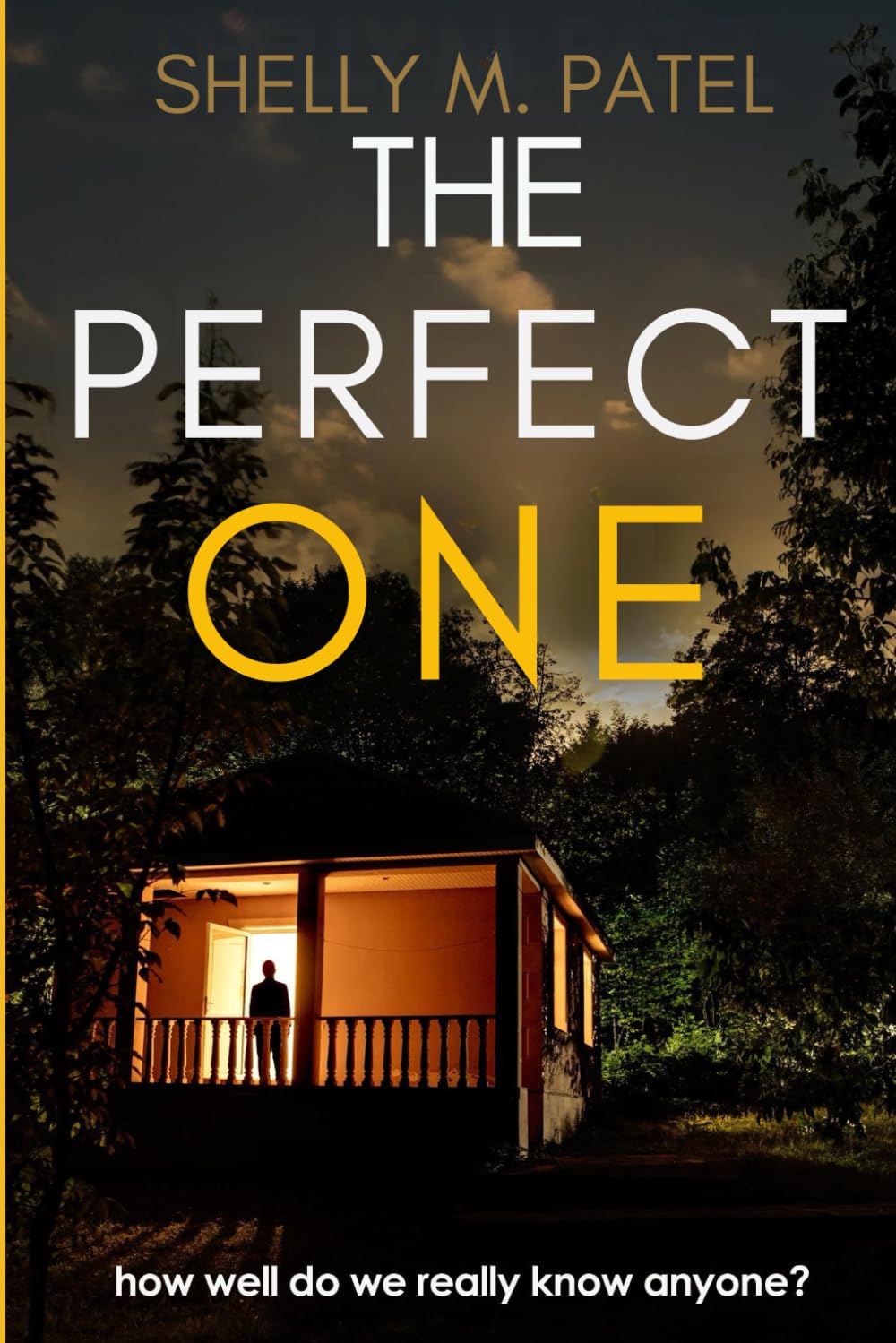

The Perfect One pulled me in right away. The opening sets the tone for a dark and twisting story built on secrets, obsession, and the fragile edges of relationships. The book follows several characters whose lives intersect around a brutal murder in a secluded cabin, and the story unfolds through shifting perspectives that slowly reveal old wounds, hidden affairs, and long–buried resentment. It reads like a slow burn that keeps tightening, chapter after chapter, until every character feels like both a suspect and a victim.
Some chapters felt intimate and tightly drawn, the kind that keep you leaning closer because the emotions feel raw and too real. Other moments felt almost playful, like the author knew exactly when to pull back before things got too heavy. I liked that mix. It made the pacing unpredictable in a good way. I also enjoyed how the book handled tension. It did not rush, and it did not give easy answers. Instead, it let scenes breathe with quiet detail that sometimes made me uneasy. I appreciated that slow drip of dread. It made the world feel lived in and messy, which fit the characters perfectly.
What surprised me most was the emotional twists. I kept catching myself feeling sympathy for characters I had sworn I disliked ten pages earlier. Then the story tossed in another reveal, and my feelings flipped again. I love when a book does that. It makes me feel like I am part of the mess rather than just watching it. The ideas beneath the plot lingered with me, too. The story pokes at pride, loyalty, and the ways people hide things even from themselves.
Everything came together in a way that made sense for the world the author built, even when the truth was painful. I would recommend The Perfect One to readers who enjoy psychological thrillers, character–driven mysteries, or stories where the emotional stakes matter just as much as the plot. If you like books that take their time and let you sit in the characters’ minds while feeding you tension bit by bit, this one will be a great fit.
Pages: 360 | ASIN : B0FM1F3QKW
A Story That Had To Be Told
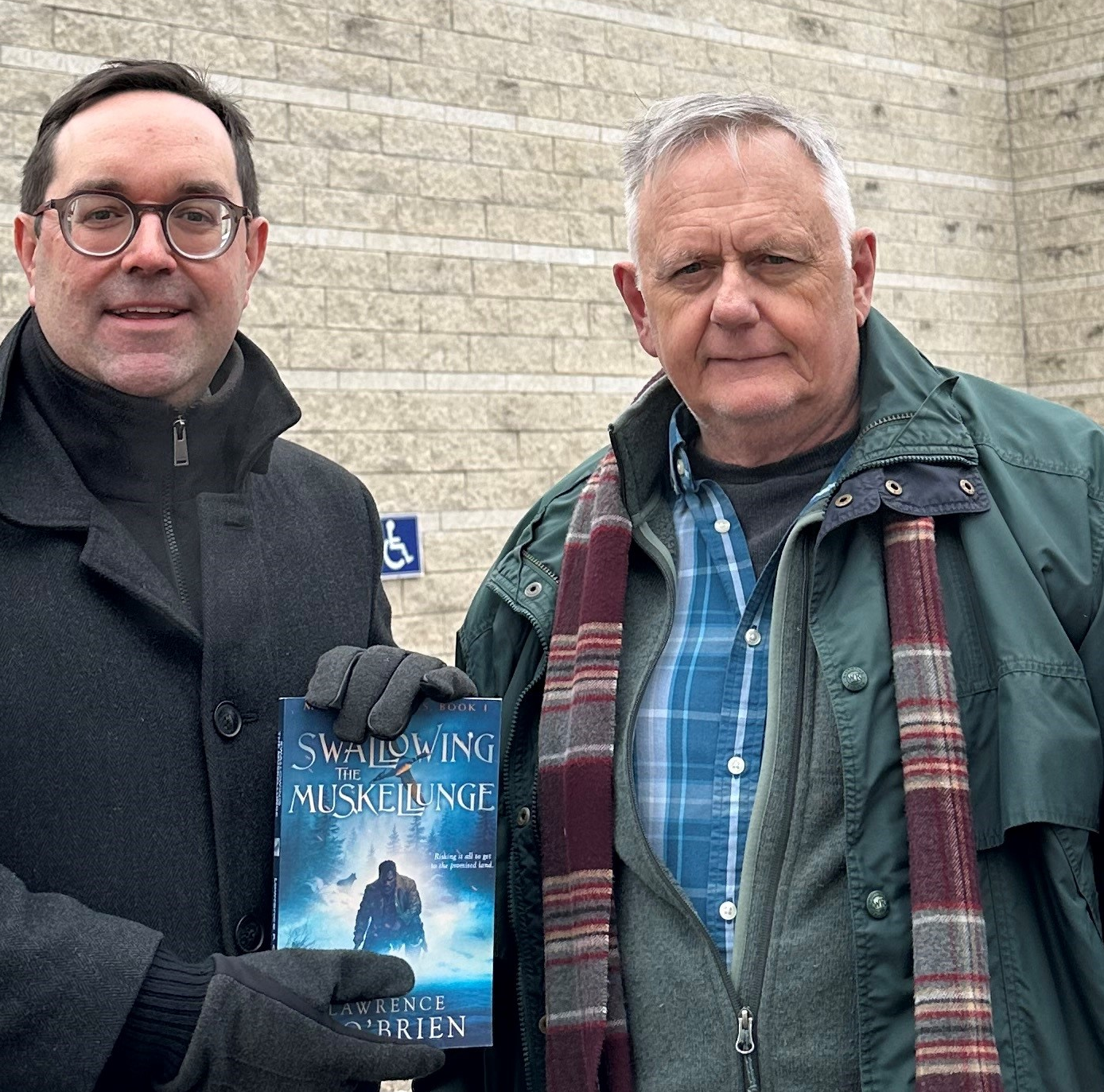
(The other fella is the author)
Swallowing the Muskellunge follows a Black family in the late 1700s as they confront human cruelty and eerie folktale terrors that haunt the forests and rivers surrounding their fragile search for belonging. What was the inspiration for the setup of your story?
I wrote a book about the early Wrightville settlement. Although I never published it, from its bones will come a telling of life during the early period but from the point of view of an Anishinaabe woman. In my research, London’s name kept coming up. There were missing sections within the historical record, which made me curious as to who he was.
My father’s people settled north of his property in the Gatineau hills two life times after he arrived. My grandfather’s parents got married in a church that was built on his land. In recent times, uncles and aunts settled, or acquired land in the area. I had an indirect connection with him, and I felt that his story had to be told, and SWALLOWING THE MUSKELLUNGE is my take on it.
The father–son relationship between London and Abner feels especially raw and vulnerable. Were any real historical accounts or personal experiences influential in shaping their dynamic?
Although the Oxford family had lived in Massachusetts with a label that said they were free, it was still a dangerous place for an African American. Before 1800, one didn’t have to travel far before being vulnerable to the prey of slave holders. It would have been difficult to prove one had papers once they were stolen.
The dynamic of my writing was influenced from numerous cross country drives with my kids, as well as isolated work in the wilderness during my younger days (e.g. logging, surveying, mining, & farming). For the specific dangers in the early part of the book (e.g. Woburn and Framingham), I relied on historical records.
The story balances human cruelty with moments of tenderness. How did you navigate that emotional rhythm without overwhelming the reader?
Whether it was harvesting meteorites for Inco, applying a paint brush during a “Perfect Storm,” witnessing a Chinook disappear two inches of snow within half an hour while sipping a thick cup of lumberjack from behind a cabin by the foothills, I learned that the extraordinary was never far from the mundane. Returning to the time of my grandparents and before also reminded me that hard work most of the time prevented starvation. Folks put up with a lot in order not to go hungry. Although family tenderness made life bearable, its warmth was a counterweight to tragedy, which was not in short supply.
The shadowy forces near the river feel symbolic as well as literal. How do you see the folklore elements interacting with your themes of freedom, fear, and belonging?
Freedom: Persons, mythological beasts, and creatures of the wilderness will not be free if a population attempts to force subservience. Any of the entities can be interpreted as shadowy forces when something attempts to bind them. Ultimately, to be free, a living thing has to be able to feel that it can say no. Others might consider that their ways that are different, but to not be afraid, the entities have to have rights that allow them not to be the same.
Fear: Tribes in the wilderness (of any of the continents) used to acquire mates from beyond their borders. To keep the community vibrant and vital, the other were actively integrated. Whether “the other” remained feared depended on how free they were to show their differences and disagreements when it mattered.
Belonging: To be accepted by “the other,” there has to be a clear understanding that saying no to the norm is socially acceptable. Lacking that, it would not be possible to have a lasting peaceful coexistence. People otherwise would spend their lives trying to escape or doing self-harm.
Author Links: GoodReads | Facebook | Website | Bluesky | Instagram
Young Abner Oxford has kept something of his mother’s. Something else needs what he has. It’s patient, can be quite disarming, and has a monstrous, fierce appetite. Abner and his family, along with a caravan of sleighs, are moving north.
The frigid cold and the blinding white have made the adults slow, weary, and numb. Very few questioned the drag marks in the snow or the mounting number of disappearances. Abner’s father felt like that—until it woke him up.
Fans of The Terror, the Fisherman, and El Norte will be hooked.
The Atlas of Elsewhere

The Atlas of Elsewhere follows Elsie Vine, a quiet librarian whose life has grown too small for her spirit, even if she has not admitted that to herself yet. When a mysterious atlas appears in her library, filled with living maps and impossible worlds, it pulls her into a journey that is as much inward as outward. Each realm she enters reflects a part of her identity. Scale, emotion, memory, choice. All of it blends into a story that feels half fantasy and half self-examination. It is a tale about possibility, courage, and the stubborn tenderness of becoming someone new.
I loved how the story plays with imagination in a practical world. The magical pieces feel warm and handmade. Nothing grand in a showy way. More like pockets of wonder stitched into the edges. I kept getting caught on the gentle humor, too. The philosophical beetle made me grin, and the Cartographer made me feel oddly comforted. I kept thinking about all the places in my own life where I have chosen the chair instead of the door.
The emotional honesty kept pulling me back to this book again and again. The fragility in Elsie’s choices felt real. The regret, the soft longing, the almost childlike ache to believe that something impossible might still be waiting. I got swept up in it. I found myself rooting for her, not in a heroic way, but in a human way. I wanted her to remember her own size. I wanted her to walk through every door, even when it scared her. The writing made me feel that, and it has been a while since a book did that so simply and directly.
The Atlas of Elsewhere reminded me a bit of The Night Circus in the way quiet magic slips into ordinary life and stirs something deep and unexpected. I would recommend The Atlas of Elsewhere to anyone who loves quiet fantasy, reflective journeys, or soft magic that grows out of everyday life. It is perfect for readers who enjoy character-driven tales and for anyone who has ever felt stuck in their own routine and wondered what might happen if they finally picked the door instead of the chair.
Pages: 198 | ASIN : B0FRC44BRZ

Students on the Margins

The Elephant in the Ivy follows a theater student at an Ivy League campus whose playful interdepartmental spy game blurs into real danger, exposing how performance, power, and privilege shape identity and loss. What was the inspiration for the setup of your story?
I had a couple of influences here. First, I had some students a long time ago when I was a middle school teacher that really inspired me. I wanted to imagine what they’d be like in college, and the whole set-up is a metaphor for the kinds of challenges that students on the margins face. Second, I currently teach at a community college, working with students that are often coming back to school after a long break. This population benefits from reassurance that they are “real” college students, that this community is here for them. Alison is a scholarship student in the Ivy League. Her feeling out of place and finding her own ground to stand on– that’s something I see a lot from community college students.
How did your background or observations of academic life influence the book’s tone and details?
College can be a setting where marginalized populations don’t feel welcome. A lot of that comes from the standard dialect being enforced in classrooms. I learned to talk like my teachers and my privileged peers when I was a scholarship student, but I never felt that ownership of the space that others seemed to feel. With Alison, I wanted to show the audience what outsiders feel like in this setting. It’s only when she stumbles upon the game that she starts to see the university as her own space. I think college can be a wonderful place to find your footing, to find something you’re passionate about that makes you want to dig your heels in. For me, it was building sets for the theatre department.
The novel balances humor with real grief and danger. How did you know when to let scenes stay light and when to let them turn dark?
My default is probably light. I’m a funny person, and I make light of most everything. I think there’s even some good jokes in the scene where Alison has to mother her mother. I make the case that Hamlet could be a comedy if you played it for laughs. I actually did that. I played Hamlet and hammed up the stuff I thought was funny. The local papers didn’t like it much, but I did get laughs. The world has light moments and sobering ones, too. I guess I just tried to be Rainbow Rowell during the hard ones, and P. G. Wodehouse the rest of the time. Taking a low-stakes thing and giving it higher stakes by making characters want what they want even harder– that’s a Wodehous move, I think.
What conversations do you hope students, educators, or first-time readers have after finishing the book?
Well, I very much hope I covered the bases of the stuff that’s in literature. Something to say, and a long-form story that says it. A nice mix of passages, characters, and literary devices that serve as metaphors for the big ideas. I’m hoping that the book being free is helpful so that classrooms can take advantage and have one less hurdle to take on. I hope they read it in class and then just stop when it reminds them of something– a life experience, another story, a concept from class. And that they chat about that a bit, and then move on. I think that’s what it takes to become a stronger reader: a place and time dedicated to reading, a community to read with, and someone to talk to about the book.
Author Links: GoodReads | Website
Alison Ashe is a junior at Bauer. A scholarship kid, a theatre major, strapped for cash and even more strapped for time; she’s easily annoyed and something about her privileged peers really wigs her out. But unlike most of her peers, Alison has an outlet where starting on third base doesn’t do anyone any favors. Ancient and secret, Bauer is home to a spy game of sorts. A game where all that matters is that your wits are sharp and you’re willing to take big risks. And, of course, who you trust.
All proceeds for The Elephant in the Ivy are used to purchase books for classrooms. Teachers are invited to reach out to the author to participate in this program.
Praise for The Elephant in the Ivy:
“It’s a real book!” -Danyelle Khmara, Arizona Public Media
“A rollicking heist of a book. Alison Ashe will trick you, and you’ll thank her for it.” -Grace Olsen, WMHC Radio
Written with support from Pima Open Digital Press, an open educational resource initiative at Pima Community College.
Your Problems Solved: Cold Clues
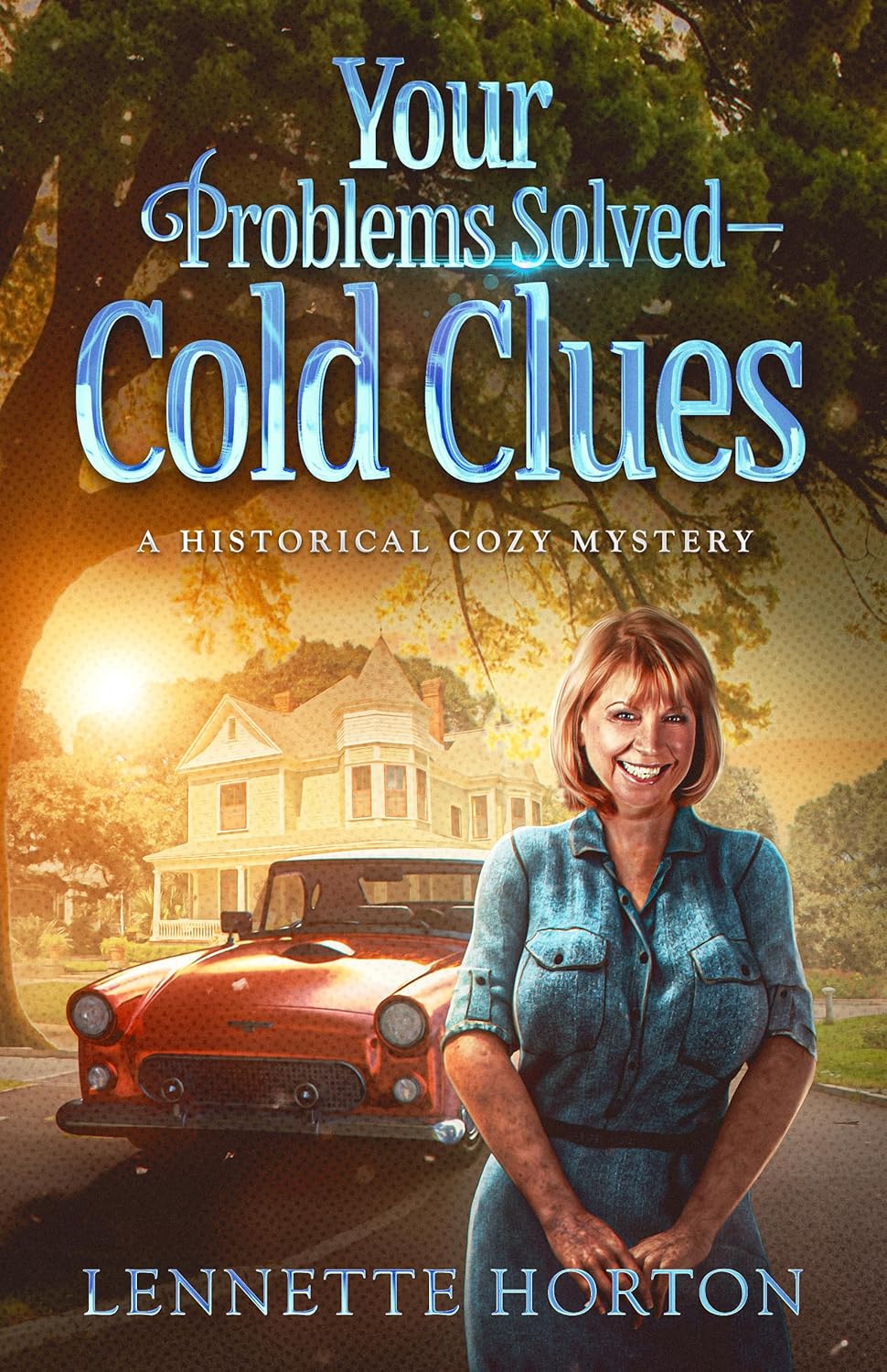
Your Problems Solved: Cold Clues hooked me right from the first scene, where retired librarian Dory Frame steps onto her porch and finds a troubled young woman asking for help. That moment kicks off a mystery rooted in a small California town in 1955, full of heat, old secrets, sharp characters, and the quiet grit of a woman who never expected to become a sleuth. The story winds through murder, corruption, community ties, and one woman’s stubborn insistence on truth. It moves with a gentle rhythm that feels like a stroll through a neighborhood, then tightens when things turn dark. I found myself caring far more than I expected to.
As I read, I kept smiling at the voice of Dory. She is steady and thoughtful, yet she surprises you with a streak of bravery that sneaks up on you. The writing made me feel like I was sitting beside her at the kitchen table, sipping iced tea while she sorted through clues and her own memories. Author Lennette Horton paints small-town life with such affection that even the gossip feels warm. There were moments that hit harder, though, like the quiet grief wrapped around Dory’s widowhood or the unease of a veteran struggling with trauma. Those scenes caught in my chest. They added weight to a book that could have stayed light but chose something richer.
I also appreciated the layers tucked inside the plot. What starts as a simple request from a desperate daughter slowly becomes a tangle of civic corruption, hidden relationships, and buried ledgers. Horton balances this with soft humor and everyday detail. One moment I was caught in the tension of a new clue, and the next I was listening to neighbors talk tomatoes and grandbabies. Oddly enough, that blend worked. It grounded the danger in something very real. I felt like I knew these people. I wanted them safe. I wanted justice to land where it should.
By the final pages, I closed the book feeling satisfied. This story would be wonderful for readers who love cozy mysteries with heart, fans of historical settings, and anyone who enjoys a heroine who solves problems with brains, kindness, and a little stubbornness. If you like mysteries that feel authentic rather than flashy, this one is a great pick. I’m looking forward to reading more of Dory’s adventures.
Pages: 342 | ASIN : B0FNTBNHY3
The Relentless Lure of Greed and Power
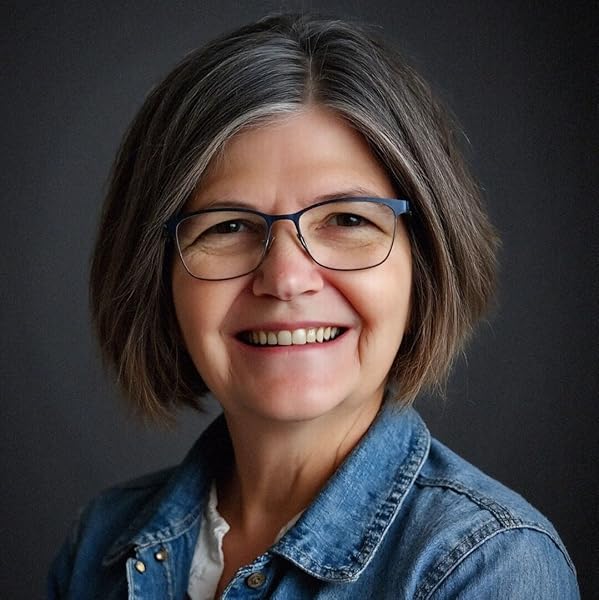
Polar Deception follows a man living in a time of environmental collapse and geopolitical fractures who steals rare crystals from a remote research center and murders his colleagues to secure himself a lucrative deal. What was the inspiration for the setup of your story?
It’s interesting that you characterize the story as following Carlos, the antagonist. Carlos represents all that is wrong with the world—the relentless lure of greed and power. While he doesn’t steal the crystals, he hides them to double‑cross his prospective buyer, China. That act underscores his manipulative nature and the destructive choices people in power often make. History and current events remind us that unchecked ambition and exploitation lead to suffering for the many and lasting damage to our only home in the universe. Diana’s struggle against Carlos is symbolic of humanity’s broader fight to resist those forces.
For me, the heart of Polar Deception is Diana’s story—a smart, adventurous woman who has endured profound personal tragedy, from a difficult childhood to the loss of both her mother and husband within just a few years. Her journey is about resilience and finding the courage to stand up to someone like Carlos.
My novel was inspired by my own visit to Antarctica aboard a ship with a Russian captain. One night was set aside for camping on the shores of Paradise Bay. After digging my “grave” in the snow and arranging my bivy bag, I watched the Zodiac head back to the ship and wondered: What if they don’t come back for us? There are no trees or plants, we were told to bring no food, and going inland only meant the danger of crevasses. My concern for the environment and awareness of rare‑earth issues grew around that moment, eventually forming the foundation of a story I knew I had to tell.
What character did you enjoy writing for? Was there one that was more challenging to write for?
I especially enjoyed writing Angie. She’s a lively, fun companion for Diana, yet she carries her own inner demons that I hope to explore more fully in the next book.
Carlos, on the other hand, was the most difficult. I envisioned him as a narcissistic sociopath, but early (and even recent) feedback suggested he came across as cartoonishly evil. To balance that, I gave him a more nuanced background shaped by personal tragedies, and even a faint conscience—he avoids harming those he believes “don’t deserve it.” Writing such characters is tricky: while narcissistic sociopaths exist in real life, their behavior can feel unbelievable in fiction. Still, if we are to understand and deal with such sociopaths in reality, at the very least we must be able to acknowledge that they have a role to play in fiction.
I felt there was a clear warning in these pages about the direction Earth is headed. What were some themes that were important for you to explore in this book?
The central theme is the butterfly effect—how a single action, whether natural or human, can ripple across the globe for good or ill. The Russian earthquake is one example, echoing the real-life 2011 Japanese earthquake and tsunami that impacted Antarctica. It’s a reminder that it only takes one event in one corner of the world to reverberate thousands of miles away in mere hours
Another theme is the outsized influence of individuals. History shows us how one person—Hitler being a stark example—can alter humanity’s course through threats or promises of power. Carlos embodies this danger, justifying his actions as serving the “greater good.” But Diana ultimately strips that power from him, at least for now, preserving the fragile balance.
What will your next novel be about, and what will the whole series encompass?
Without giving too much away, the next book begins with a global event that sends Diana and Angie to Greenland, where a crisis is brewing. Book 2 is set in 2053 and will explore sustainable alternatives to today’s technology—solutions that are based on existing innovations that are not yet considered economically feasible. The series as a whole will continue to examine how humanity’s choices, both large and small, shape our shared future.
Author Links: Amazon | GoodReads | Website
And Thwaites—the infamous Doomsday Glacier in Antarctica—has collapsed. Submerged coastlines and yesterday’s technologies are the new normal. But deep within Antarctica’s mountains, revolutionary magnetic crystals hold the key to resurrecting the modern era. There’s just one problem—with Thwaites gone, mining will unleash a catastrophic chain reaction, shattering Antarctica’s ice, and reshaping Earth’s future forever.
Dr. Carlos Perez doesn’t care. Prestige and profit are all that matter. After collecting crystal samples at a Chilean research station, he murders three colleagues under orders from his Chinese buyer—then hides the samples until he can cut a new deal. To avoid detection, he returns to the facility aboard a pleasure cruise.
Also aboard is Diana Harris, a recently widowed sustainability advocate with a background in geology, traveling with her spirited best friend, Angie. Diana hopes for healing—but after she stumbles upon a mysterious red crystal and a trail of hidden agendas, she’s pulled into a deadly conspiracy. The CIA is watching. China is listening. And Carlos is ready to kill again.
When Diana and the other campers are left stranded in the icy wilderness, the countdown begins. A rare cyclone is closing in. The truth is cracking through the ice. And Diana must summon her strength to stop a man-made disaster that could redefine civilization.
The truth lies beneath the fracturing ice.
And if it surfaces—nations will kill to control it.



 LITERARY TITAN