Blog Archives
A Story Worth Sharing

We All Want To Be Happy, Volume 3 follows your brother John through the mid- and late-sixties as he searches for peace through army life, factory work, fiery revivals, marriage, and the uneasy space between faith and fulfillment. Why did you decide to devote an entire volume to your brother John’s early adult years?
Every person experiences challenges in becoming an adult; however, those challenges were multiplied by the early death of his mom, his dad’s rather unique approach to fatherhood, as well as his way of dealing with losing a second wife. I observed firsthand my brother’s courage and journey and believe his journey is both inspirational and educational, i.e., worth sharing with the public.
Looking back, what do these years reveal about growing up in the 1960s South?
The 1960s were a volatile time in the South, particularly in the rural South where we attempted to determine “our” place. The older generation, such as John’s father, born in 1895, was uncomfortable with and afraid of the changes. Rock and roll and integration were among the areas generating fear, and that fear created a greater gulf between parents and children, even more so in rural areas.
How does the idea of “peace of mind” evolve across the volume?
As John encounters each obstacle, he fully embraces and studies the opportunities attached to the “possible” ladder out of his instability. Each time, he is reminded of his mother’s teachings and takes another step toward realizing that peace and happiness are his responsibility.
What does happiness mean to John in this volume? Do you think he finds it?
Yes, John does find peace, or at least the road toward peace and joy. He learns that it is not something to find outside oneself, but rather an acceptance of who you are. Once he stops looking outside of himself for the source of contentment, he finds it. He learns: “If you want someone to make you happy, look in the mirror.”
Author Links: GoodReads | Website
As I spend more time with others, particularly young people, I find many are unable to find the bright side of what seems to be a tragedy, a mistake, or a bump in the road. A lack of maturity and experience often creates the inability to look beyond the surface. Some people get lost in what didn’t happen, rather than see the blessings of what did. It may be a normal human reaction, yet as we age – another blessing of getting older – we realize unexpected outcomes result in the most valuable life lessons.
In Volume III, my goal is to share experiences that I observed in my brother’s life. He has been kind enough to allow me to share pertinent times in his much younger years. His memories, as well as our conversations, provided me a deeper look into and understanding of his life. Perhaps the stories will remind you of your own experiences, or those you have witnessed, or provide a laugh, a tug at the heart strings, or a reason to rekindle a friendship.
I WISH YOU JOY AND PEACE OF MIND.
WE ALL WANT TO BE HAPPY VOLUME 3


We All Want To Be Happy, Volume 3 follows the author’s brother John from Thanksgiving 1963 into the mid and late sixties, as he hitchhikes between army posts, small Louisiana towns, and Dallas, chasing work, women, and some kind of peace in his own skin. We watch him drift out of the military, land in miserable factory jobs, fall under the spell of fiery revivals, marry Ruth, and throw himself into Bible reading and lay preaching. The book moves in episodes rather than a single big plot, and each one shows John wrestling with family, faith, money, and that quiet longing for “peace of mind” that sits at the heart of the volume.
I felt pulled in most by the way the writing handles scenes. The hitchhiking trips, the tin roof at Grandpa’s, the Resistol hat factory full of “toads,” the Davis Street auditorium with its bluegrass band and healing line, the Stratton Cleaner sales meeting that feels suspiciously like a revival meeting, all of that felt sharp and specific. The dialogue rings true and carries a lot of weight, especially between John and the older men in his life. I noticed how often the author lets a joke land flat in the moment, then uses that silence to show John’s insecurity. The prose itself is plain and direct, which fits the world. Sometimes scenes run a bit long, but the voice never feels fake. It reads like someone who has lived close to these places and these people, and that authenticity resonated with me more than once.
The book is not just about religion; it is about how a hungry soul can latch onto anything that promises meaning. John throws himself into Pentecostal revival life, studies the Bible every spare minute, works in a hat factory while trying to save coworkers and even a confused cop at White Rock Lake, then slowly realizes that zeal does not automatically equal peace. The tent revival scenes with Brother Gene Ewing, the healing spectacles, the baskets circling for offerings, all raise hard questions without turning the story into a sermon. I felt both moved and uneasy in those chapters, which I suspect is exactly the point. The book keeps circling this tension between genuine spiritual hunger and human ego, between being “saved” and being honest with yourself. By the time John gets pulled into high-pressure sales culture with Stratton, the echo between religious hype and commercial hype feels deliberate and pretty biting.
I came away feeling that We All Want To Be Happy, Volume 3 is a thoughtful portrait of a young man trying to grow up without losing his soul. It will suit readers who enjoy memoirs and biographies set in Southern or Southwestern life in the sixties, working-class families, and evangelical church culture with all its beauty and contradictions. If you are curious about how faith, work, and family pressure shape a person over time, and you do not mind sitting in some emotional discomfort while he figures that out, this book is a good fit.
Pages: 122 | ASIN : B0GGDZW6CK

Your Brain Weighs 500 Pounds: Change Your Mindset to Achieve Desired Outcomes

Your Brain Weighs 500 Pounds is a short, punchy “mindset manual” built around 100 quick “recipes” for achievement. Derrick R. Pledger frames the brain as a body that can get bloated on junk information, then walks through habits that act like a cleaner diet for the mind: ambition, discipline, focus, better use of time, stronger networks, and relentless learning. The book opens with his own story and closes with a tight list of ten core ideas, like “ambition is good,” “discipline is the foundation of achievement,” and “learn like your life depends on it,” all wrapped in the recurring image of putting your brain on a better diet.
The book is fast, direct, and often energizing. The recipes are short, usually a few pages, and written in clear language that feels like a coach talking across a table rather than a lecturer at a podium. I liked the way Pledger uses vivid examples like Rocky IV, Arnold Schwarzenegger’s “no Plan B” stance, door-to-door encyclopedia salesmen, and his own 5:02 a.m. wake-up habit. The repetition around themes like discipline, time, and effort worked for me, because it mirrors what the book is preaching: daily, consistent reinforcement. The style leans into grind culture. Lines about weekends not being for leisure or work-life balance being a myth hit with force.
I appreciated how often he takes familiar self-help points and gives them a more concrete angle. The brain-as-diet metaphor made me stop and think about my own habits with news and social media. The “environmental sabotage” chapter on how your living room layout or pantry contents fight your goals felt very practical. I also liked his insistence that success is mostly about serving other people and that your social circle quietly sets your ceiling. The heavy stress on personal responsibility, discipline, and effort felt honest, especially because he is upfront that simply reading the book will not change your life. The stance on things like snooze buttons, casual weekends, or any Plan B can inspire action.
I came away motivated and a bit challenged, in a good way. I would recommend Your Brain Weighs 500 Pounds to readers who like short, no-nonsense motivation, especially people in sales, entrepreneurship, leadership roles, or ambitious students and athletes who respond well to tough-love coaching. It will resonate most with someone who already feels a pull toward “more” and wants daily prompts to stay locked in on that path. If you want a straight-talking playbook that keeps asking you whether your current habits match the life you say you want, this is a perfect book for you.
Pages: 226 | ASIN : B0CK52GZ3X

The ADHD Awakening: A Woman’s Guide to Thriving After Diagnosis


The ADHD Awakening tells the story of a woman piecing together a lifetime of confusion, emotional intensity, and masked struggle into a clearer picture shaped by a late ADHD diagnosis. The book moves from her childhood experiences of impulsivity, shame, and missed signs into the chaos of undiagnosed adulthood, where relationships, parenting, and self-worth tangled together. It blends research with lived stories from many women, creating a guide that feels both personal and universal. The arc of the book shifts from raw memoir to a practical roadmap for self-understanding. It shows how ADHD weaves itself into every corner of life and how clarity can open the door to self-compassion.
The writing lands with this honest, almost disarming warmth, and I kept feeling like I was eavesdropping on someone telling the truth they never had the chance to say aloud. I liked that the author didn’t try to polish her past into something neat. The stories of hiding in plain sight, of dealing with rejection, of feeling intense emotions that others shrugged off hit with real weight. Some chapters made me stop and think for a moment. The moments about growing up in instability and learning to mask emotions resonated with me. They showed how misunderstood ADHD in girls can be and how easily the real story gets buried under labels like “dramatic” or “too sensitive.”
I also appreciated how the book layered science into the narrative without slipping into cold textbook talk. The explanations of executive dysfunction, emotional flooding, time blindness, and dopamine seeking were human and straightforward and strangely comforting. Sometimes I wished the pacing slowed down so that specific ideas could be explored more deeply, but the emotional honesty kept me hooked. There’s a tenderness in the way the author speaks to her younger self and to the reader. It made the book feel less like advice and more like an invitation to stop fighting your own brain.
I’d recommend this book to women who suspect they might have ADHD or who were diagnosed later in life and are now trying to make sense of the past. It’s also a great read for partners, friends, or anyone who wants to understand the emotional world behind the symptoms. If you like books that explain things with real stories instead of stiff jargon, this one will feel like a warm hand on your shoulder. It’s heartfelt, accessible, and practical, and it gives anyone navigating ADHD a sense that they’re not alone.
Pages: 319 | ASIN : B0G4SP8L38
9 Habits of Happy Retirees: Discover the Secrets to a Fulfilling Retirement


9 Habits of Happy Retirees offers a warm, upbeat, and very accessible guide to reimagining life after work. The book walks through the emotional phases of retirement, the mindset shifts needed to stay grounded, and the habits that build a joyful and meaningful post-career life. It blends practical advice with simple explanations about mental health, purpose, relationships, physical well-being, and the importance of staying curious and socially connected. The chapters move from preparation to mindset to hobbies to health, then social ties, learning, giving back, and travel. The whole arc forms a picture of retirement as a chance to grow instead of slow down.
This book felt surprisingly personal. I went in expecting a very standard self-help outline, but the writing has a friendly tone that made the ideas easy to absorb. The author speaks plainly, almost like a coach who wants you to feel excited about what’s ahead, and that energy made me lean in. I especially appreciated the focus on emotional transitions. Retirement is usually described as a reward and nothing more, yet the book spends time acknowledging loneliness, identity loss, and boredom. That honesty felt refreshing.
I also found myself reacting strongly to the sections about meaning and purpose. The reminders to try new things, build community, and stay flexible struck a chord. The book made me think about how often people assume retirement should mirror a fantasy rather than a real life with ups and downs. I liked the push to experiment, make mistakes, and adjust. I did wish for more storytelling or real-world examples in some chapters, but the spirit of the message carried the reading experience. The tone is upbeat without feeling sugary, and the steady encouragement made me feel motivated.
9 Habits of Happy Retirees is a strong fit for readers who want a straightforward, positive, and compassionate guide to the emotional and practical sides of retirement. It’s especially helpful for people who feel unsure about what comes next or who want gentle direction rather than technical advice. If you like clear language, simple steps, and a friendly voice that nudges you toward growth, this book will feel like a welcome companion.
Page: 136 | ASIN : B0D78Q1NWD
Our Soul’s Lens

Unveiled: A Journey to Soul Realization is part memoir, part spiritual roadmap, and part therapeutic manual that weaves together personal stories, neuroscience, energy work, and metaphysical exploration into one cohesive, soul-centered narrative. Why was this an important book for you to write?
In my trauma practice, I work to help people realize what happened to them was not arbitrary but happened for a reason and has meaning. This was the reason for writing this book as well. We can learn from meaning and create new meaning. This is a powerful function of Unveiled.
I appreciated the neuroscience you incorporated into this book rather than just presenting spiritual information; the combination makes it easier to trust the process. Did you find anything in your research for this book that surprised you?
No, I this is basic to trauma therapists. Trauma therapy evolved with the simultaneous evolution of neuroimaging; thus, the practices being developed could be visually measured and understood, accounting for rapid brain changing therapies we do not see in mental health nor addiction.
What were some ideas that were important for you to share in this book?
Placebo as both miraculous and as what we can do with deliberate meaning change. I discuss our need for evidence and Placebo studies provide that in dramatic and stunning ways. The Self-Healing approaches take that idea of what is possible and plug in applications that are amazing. Of course, this book’s goal is to see through our Soul’s lens and Soul connection is perhaps the pinnacle moment in this text.
How has your experience in the mental health field helped you develop this process for healing and awakening?
Yes, my practice and my ascension evolved as one, energetically and that was amazing. My clients presented things I need to learn, not only as a trauma practitioner but as a spiritual practitioner as well. It was and still is an amazing synergy.
Author Links: GoodReads | X | Facebook | LinkedIn | Instagram | Threads
Have you struggled with letting go of past trauma or understanding why certain things have happened in your life? Have you ever considered a spiritual approach to healing? Or have you never even considered the existence of a soul? In Unveiled, licensed Creative Arts Therapist Herb Cohen challenges and guides our discernment about connecting to our soul and using that connection to better grasp the events of our lives.
With almost forty years of experience working with mental health, addiction, and trauma, Herb pondered the questions he repeatedly asked his clients and condensed years of informed practice into a concise approach to his process.
In this book, you will contemplate:
How separateness impacts our world
What role “awareness” plays in our lives
Why we see the world through certain lenses
How to connect to your soul and be guided by the essence of who you are
How to surrender to self-heal
The goal of this book is to take you on a spiritual journey from trauma or atrocity to one of love and bliss.
The Empowerment Revolution
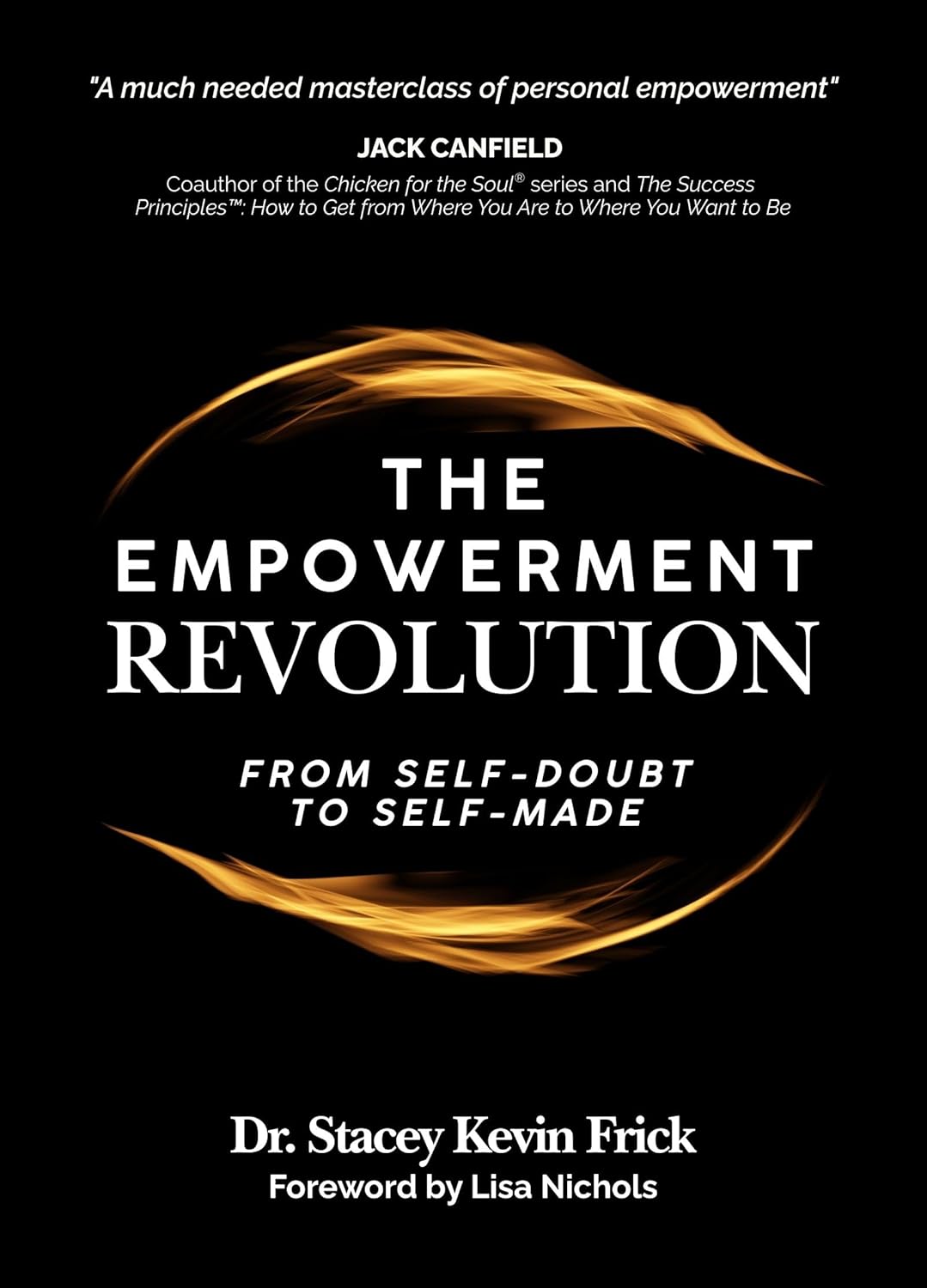
The Empowerment Revolution is a personal-development book that blends memoir, psychology, spirituality, and practical coaching into a clear roadmap for moving from fear and survival into confidence and self-authorship. Dr. Stacey Kevin Frick opens with his own early story of trauma and learned fear, then expands outward into ideas about subconscious programming, emotional survival states, energetic narratives, accountability, and redefining success on your own terms. The book reads like a mix of self-help and narrative psychology, anchored by the author’s belief that empowerment is both a mindset and a lifelong practice of reclaiming your personal agency.
As I moved through the book, I found myself reacting as if in conversation with someone who’s lived the work they’re teaching. Frick’s stories of childhood fear and misaligned beliefs aren’t told for shock value. They serve as the emotional doorway into his central point: most of us inherit limiting stories long before we know we’re allowed to question them. His description of being suffocated as a toddler by his father hit me hard, not because of the event itself, but because of how clearly he connects it to the beliefs he carried into adulthood, beliefs about danger, abandonment, and worthiness. The writing is plainspoken at times, but the honesty gives it weight. I liked that he doesn’t try to sound like a guru. Instead, he sounds like someone who’s been in the dark and is willing to say exactly what it took to find the light.
What surprised me most was how often the book invited me to slow down and check in with myself. There’s a whole section about “old energetic narratives” that blend scientific and spiritual language, but the core idea is relatable: your environment shapes you, and if you’re not careful, it keeps shaping you long after you’ve outgrown it. The story of the CEO who still carried his father’s “you’re not good enough” energy despite having every external marker of success made the point better than any metaphor could. Moments like that made me pause and take stock of which beliefs in my own life were inherited rather than chosen. And even when the book leaned a bit mystical, the practical reminders, like checking where your feet are to remind yourself you’re safe, brought everything back down to earth.
By the time Frick gets to empowerment itself, the tone shifts in a good way. It becomes less about uncovering wounds and more about building something new. The chapter on accountability frames it not as a burden but as a reclaiming of your strength, almost like choosing your life rather than reacting to it. I appreciated that. It felt grounded, not preachy. And the distinction he draws between “proving” and “improving” landed with me. One drains you because you’re performing for someone else. The other fills you because you’re growing for yourself.
The Empowerment Revolution feels best suited for readers who enjoy personal-development books that mix introspection with practical coaching. If you like memoir-styled self-help or transformational psychology, you’ll probably connect with it. The book encourages you to look honestly at the beliefs that built your identity, question the ones that hurt more than they help, and choose new ones with intention.
Pages: 130 | ASIN : B0FNY5VM47
Create Change

In The Art of an Enlightened Woman, you guide readers to rediscover what it means to be whole and encourage them to live with purpose. Why was this an important book for you to write?
I just really want to share with women that they have this untapped, undiscovered incredible voice inside of them. Sometimes we hear it and ignore it and sometimes we do not hear it at all-or feel it. We become numb to our existence. There is such incredible power when we are able to weave experience into wisdom and strength and we all have this capability, sometimes we just need a reminder.
The Art of an Enlightened Woman is the reminder that all we need is already inside of us.
Can you share with us a little about the research that went into putting this book together?
I have spent the last 25-30 years working with women of all ages encouraging them on their health journey. So many times I have encountered incredible women with low self-esteem, fear and a lack of courage- to really listen to themselves and learn from their experience. I have 2 daughters, beautiful female friendships, mothers, sisters and aunts and truly believe that empowerment is internal but also comes from encouragement. We become who we surround ourselves with. I want to encourage women around the world that we are all strong and capable and more so when we are all empowered. We can create change one woman at a time by standing up for what we believe in and insist that we are valuedjust by who we are.
I spent hours reading women’s history, women’s rights, studying buddhism, philosophy and reading, reading, reading-health journals, medical research and so much more and loved every minute of it. What a beautiful process.
Did you learn anything about yourself while writing The Art of an Enlightened Woman?
I have learned so much. I have learned that there is so much to know in the world. I have so much to continually learn. I do not ever want to be not curious. I want to understand what it was like for the women who have walked the earth before me-and for those to follow. It was also a reminder that this manifesto is something that even I can return to when my strength is wavering.
What is one thing you hope readers take away from this book?
That you are capable of more than you know. Self-doubt is simply a construct. You have an internal strength and wisdom waiting for you to discover that will guide you to live your best life.
Author Links: GoodReads | Website | Instagram | Amazon


