Blog Archives
The Price of Nice


The Price of Nice lays out a sharp argument that our cultural obsession with being “nice” keeps us stuck in cycles of false comfort and stalled progress. Barger shows how niceness acts like a velvet glove over an iron fist and how it works as a social construct that preserves the status quo at home, in workplaces, and across society. She breaks the idea down through a think–feel–do–revisit framework and uses stories from her own life, research insights, and cultural examples to show how niceness can silence honesty, block accountability, and mask inequity. Her focus is not on abandoning decency, but on choosing nerve over niceness so real change can happen.
As I read her chapters, I felt a mix of recognition and unease, the kind that comes from seeing your own habits laid bare. Her point about niceness being a survival tactic hit me hardest. She shows how it gets baked into us early through family expectations and social rules and then reinforced through workplaces that want harmony more than truth. I found myself nodding when she brought up how companies perform allyship rather than practice it. The examples she gives, like statements, book lists, and surface-level DEI efforts, felt painfully familiar. Her writing style is candid and conversational, sometimes blunt in a way that pulled me in because it felt like someone finally refusing to sugarcoat the obvious.
I also appreciated how she connects niceness with identity, belonging, and psychological safety. When she talked about the cost of staying quiet, especially when it means acting against your own values, I felt a pit in my stomach because it rings true. Her explanation of mental models and how we are primed to behave, often without noticing, made me rethink the way I show up in spaces that value “professionalism” more than honesty. Some of her metaphors, like comparing niceness to an invisibility cloak or unpacking anchoring and framing with pop-culture references, were simple but really effective.
This book does more than challenge niceness. It challenges the reader to look at how they contribute to systems that reward silence. I walked away feeling a gentle push to speak up more, even when my stomach flips. Barger’s message is clear. Comfort is costly. Growth demands discomfort. And every one of us has a choice in which path we take.
I’d recommend this book to people who work in communications, leadership, or any workplace where culture change is a goal, though honestly, anyone tired of pretending everything is fine will get something out of it. It’s a strong pick for readers who like straightforward talk, personal storytelling, and practical tools wrapped in real-world honesty.
Pages: 224 | ASIN : B0F85YFDC3

Values Based Organizations: Aligning Culture and Strategy
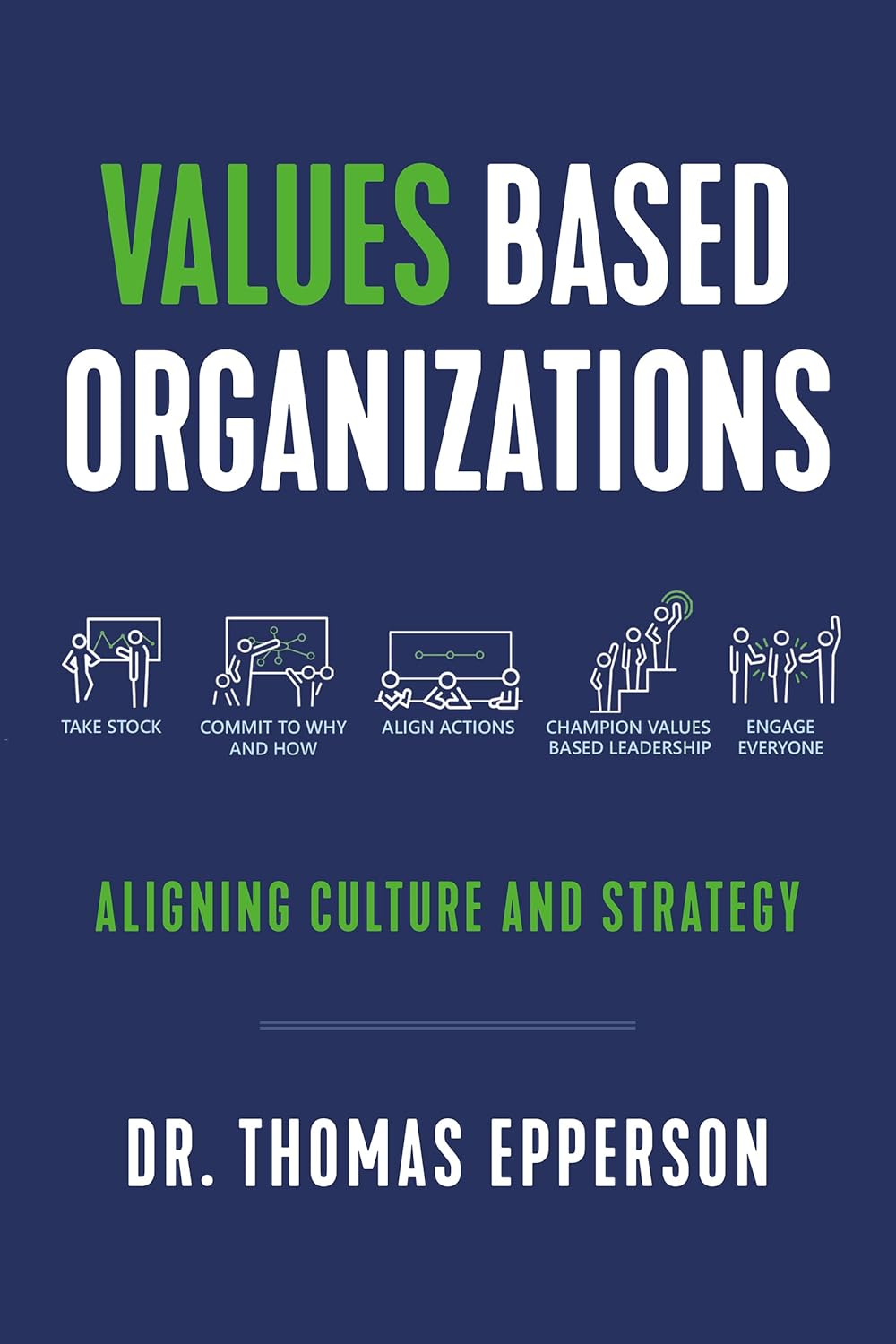
Values Based Organizations lays out a clear and practical roadmap for building organizations that actually live their values instead of just talking about them. It explains how culture, strategy, leadership, and processes can work together when they are aligned. The core idea rests on five practices: Take Stock, Commit to Why and How, Align Action, Champion Values-Based Leadership, and Engage Everyone. Throughout the book, author Dr. Thomas Epperson uses stories, interviews, and real examples to show how these practices play out in companies of all sizes. The narrative leans heavily on the transformation of Luck Companies and other organizations that chose to anchor their work in purpose and values.
I found myself reacting with a mix of curiosity and skepticism that often turned into appreciation. The writing comes across as honest and steady, almost like talking with someone who has seen the same mistakes happen over and over. I liked the plain language and the way the author admits that culture work is messy and sometimes painful. I felt the weight of those stories about organizations drifting or fighting themselves, and I caught myself nodding when he described leaders who avoid hard truths or cling to the wrong assumptions. The book made me think about my own reactions to change. I kept feeling a strange mix of discomfort and motivation, like someone tapping me on the shoulder saying, “Stop pretending you don’t see the problem.” That emotional push gave the ideas more power.
I also enjoyed the practicality of the examples. The section on Taking Stock made me laugh at the image of leaders scribbling complaints and then discovering that none of them had written “me” on the list. That moment says everything about the self-awareness required for real change. The parts about rediscovering a company’s history gave me a sense of warmth and even hope, because the idea that organizations can return to their roots instead of tearing everything down feels refreshing. Sometimes the book leans into repetition, and at moments I wished it would linger less on the obvious, but even then I understood why the reminders mattered. Culture work is slow, and people forget quickly.
The book isn’t flashy, but it is sincere, and it pushes you to think about organizations as living systems that need both care and discipline. I would recommend Values Based Organizations to leaders who want to shift their culture in a real and grounded way, and to teams that feel stuck or scattered. It would also be helpful for anyone stepping into a new leadership role who wants a straightforward guide to understanding how values can steer an organization.
Pages: 164 | ASIN : B0FTLLR57V
The Irrelevant Old Brand
In The Irrelevant Old Brand, J. W. Huebner shares tips on running a business, staying relevant, and maintaining the top position. The author has tips for everyone, whether small, medium-sized, or large businesses. J. W. Huebner has demonstrated his experience in branding and marketing, and through his work, one can conclude that he is an expert in the industry. The advice the author gives, the examples he writes about, the challenges he discusses, and the solutions he offers all apply to business owners and individuals in entrepreneurship.
The book follows the story of a fictional company and its CEO Bob. The narration and flow of the story are impressive; it almost feels real. J. W.’s creative writing skills are revealed through the story of Bob. In the tale, Bob owns a manufacturing company which at some point starts becoming irrelevant, as almost every department of the company is dying. The sales numbers were not looking good, margins shrunk, and the company was also having problems with the bank, among other issues. Bob was in a difficult place and a miserable phase in his life. So, what to do? Enter Peter, a consultant who is good at his job. From the story, every company needs a Peter as he is the man that can bring back to life a company that is considered dying.
The fictional story helps the reader better understand what J. W. Huebner is talking about. In addition, the story of Bob helps give perspective and even makes the discussion more relatable. Having a tale to help the reader comprehend what the author wrote about was intentional and a significant element in The Irrelevant Old Brand.
This book has a different appeal from other books that discuss branding and marketing. The author’s narration style, his breaking down of technical terms, and the inclusion of real-life happenings are commendable. In addition, J. W. Huebner knows how to relate with his readers and further engage them on various topics.
The Irrelevant Old Brand: A Business Fable about Taking Your Brand from Mediocre to Must Have is a short book full of gems. This educational book has multiple lessons on entrepreneurship and running a company. The most crucial lessons I learned were customer relations, brand positioning, financial planning, value addition, marketing, employer-employee relations, cutting costs, and other important subjects. By the end of the reading, you will have learned how to switch from being a dull brand to standing out among your peers in the market.
Pages: 188 | ASIN : B0BGJPNTK8
The Leadership Quotient

In The Leadership Quotient: Practice Meets Theory, the author provides an in depth examination of the qualities of a leader, explains how to be the best leader, helps readers deal with different characters, and shows readers how to apply their intelligence in their quest to guide others. Author Tony Marolt is well versed in matters of leadership and he is detailed when expounding on topics that are not familiar to many. Every topic in this enlightening book is well-researched and well-written. The author does not write based on assumptions; he uses facts and experiences.
The author starts by explaining the various quotients that a leader needs to have. Tony Marolt writes about Intelligent Quotient (IQ), Emotional Quotient (EQ), Action Quotient (AQ), and Decision Quotient (DQ). The author explains how crucial each of these quotients are for a leader, and how they should balance. I really enjoyed the discussions on AC and DQ as I found it most relevant to me personally. I especially appreciate how clear the author was when discussing those terms, given that they are not as known or observed as IQ and EQ. The author’s description of Action Quotient was apt and learning about Decision Quotient was fulfilling. The author advises readers on how to behave as a leader, and what to display to those that are looking up to you. Are you required to say yes, no, or maybe? The reader is enlightened on making decisions and how to respond when faced with a dilemma.
As a reader, you get immersed in the world of leadership, get exposed to the challenges those in positions of power face, and even gauge your leadership skills. The author is practical and knows how to engage his audience. As you read every chapter, you get to connect with the author on different levels. The author shares lessons that will help you become a leader and grow in whatever capacity of leadership you have.
My favorite part of the book was the tips shared and the exercises. Tony Marolt also shares his experiences while in the Navy and in corporate life. The author’s stories are enlightening, entertaining and carry with them substantial life lessons. My biggest takeaway from the author was how to take charge of your environment. I learned that you can control a situation even as an individual who is not in a leadership position.
This book is the ideal guide for individuals that are aiming to be leaders in both small and big positions. Are you looking for a management position? Do you want to head your department? Do you want to earn more respect as the head of your family? Tony Marolt has all the answers for you. With practical guidance and actionable tips The Leadership Quotient is the decisive guide that prospective leaders need.
Pages: 132 | ASIN: B093L5MJSB
The DAP Strategy

Author Raj Sundarason offers readers solid advice on how to run a business or organization; especially in the digital age. The author comprehensively covers various aspects of business, that include marketing, making profits, dealing with losses, branding, leaving a digital footprint, and overcoming challenges while in the industry. The DAP Strategy: A New Way of Working to De-Risk & Accelerate Your Digital Transformation is primarily about Digital Adoption Platform (DAP), and how one can capitalize on the digitization of everything. The author is thorough in the topics that he covers and also engaging. Reading Raj Sundarason’s book will motivate you to think about your business on a global scale. The author gives crucial tips on the management of enterprises and how one can build an empire.
One thing every reader will appreciate about Raj Sundarason is how he personifies almost everything. Raj Sundarason makes his discussions relatable by personifying his experiences and business situations. When he talks about his milestones, one can feel how passionate he is about the work he has done. I love this about the author as it gives one the incentive to keep pushing. The DAP Strategy was an easy read thanks to the author’s moving tone and friendly language.
There are tons of lessons that one will draw from the book. Some of the chapters that were my favorite touched on topics like marketing, networking, digital branding, entrepreneurship, and strategizing. Raj Sundarason discussed relevant topics that would help one climb the career ladder or grow their business. His modest way of highlighting his wins and gracious tone he applies when sharing the knowledge he has acquired was impressive.
In The DAP Strategy, you do not just learn about Digital Adoption Platform. You learn about taking risks, preparing for incoming risks, and solving business issues in a professional manner. The objectivity displayed by the author even when he is talking about personal experiences is commendable. The content in this book is relevant today and can be used as reference material for professionals in different industries. I appreciate the author for his modesty when talking about business and for discussing both his highs and lows while working.
The DAP Strategy: A New Way of Working to De-Risk & Accelerate Your Digital Transformation is a refreshing look at the technology industry and how it impacts and interacts with the business world. This eye-opening book will have readers reevaluating how they run their organizations and will better prepare them for the future of technology.
Pages: 191 | ASIN: B09G3KRVWN



 LITERARY TITAN