Blog Archives
Eagle Scout to Killer: A Novel Based on True Events
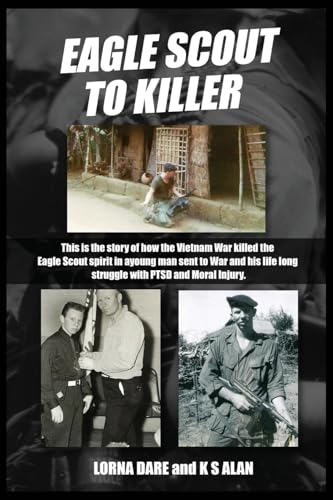

Eagle Scout to Killer by K.S. Alan and Lorna Dare is a harrowing and unflinching account of one man’s transformation from idealistic youth to haunted veteran. Told through the voice of Kurt S. Alan, a soldier whose service in Vietnam blurs the line between heroism and survival, the book chronicles the moral and psychological toll of war. From its opening pages, where Alan recounts his covert involvement in the events surrounding the Gulf of Tonkin, the narrative establishes itself as both historical confession and personal reckoning. This is not a traditional war story; it is an exploration of how combat reshapes identity, erodes morality, and leaves wounds that no medal can redeem.
The authors write with a restrained intensity that makes the book deeply affecting. Alan’s first-person account of meeting CIA operative Coleman and orchestrating a staged naval attack feels chilling in its calm precision. When he admits, “I grew up being taught to never lie, but here I was perpetrating a lie on the U.S. Congress,” the line reverberates beyond his personal guilt; it becomes an indictment of the political machinery that demanded such deception. The prose is unsentimental yet charged with quiet anguish, capturing the conflict between duty and conscience with unsettling clarity.
What gives the book its emotional weight is not only its exposure of covert operations but its portrait of trauma. In the preface and the reflections from Alan’s VA therapist, the story is framed as part of a long process of healing. The therapist describes it as “Kurt’s effort to reclaim his soul,” and the book indeed feels like an act of reclamation. When Alan later visits the Vietnam Memorial and leaves his Special Operations coin at the wall, the gesture becomes a moment of fragile grace amid decades of inner torment. That scene encapsulates the cost of survival and the longing for absolution that haunts so many who return from war.
The combat scenes themselves are vivid, brutal, and often difficult to read. Chapters such as “The Punji Pit” and “Operation Cherry” depict the chaos of Vietnam with visceral precision. Yet the violence never feels gratuitous; it underscores the moral corrosion that the preface warns against. The narrative’s strength lies in its refusal to glorify combat or simplify the psychology of those who endured it. Alan’s voice remains grounded, disciplined, and painfully self-aware. The result is a story that feels at once deeply personal and universally human, a meditation on guilt, loyalty, and the enduring search for meaning after unimaginable loss.
Eagle Scout to Killer is not an easy book to read, but it is an essential one. It speaks to veterans who have carried their battles home with them, and to civilians who have never confronted what war truly demands of those who fight it. For readers interested in military history, moral philosophy, or psychological resilience, this book offers a rare and unsettling clarity. It is both a confession and a cautionary tale, a powerful reminder that while war may end, its echoes never do.
Pages: 264 | ISBN : 9781965390139

The Destiny of Our Stars
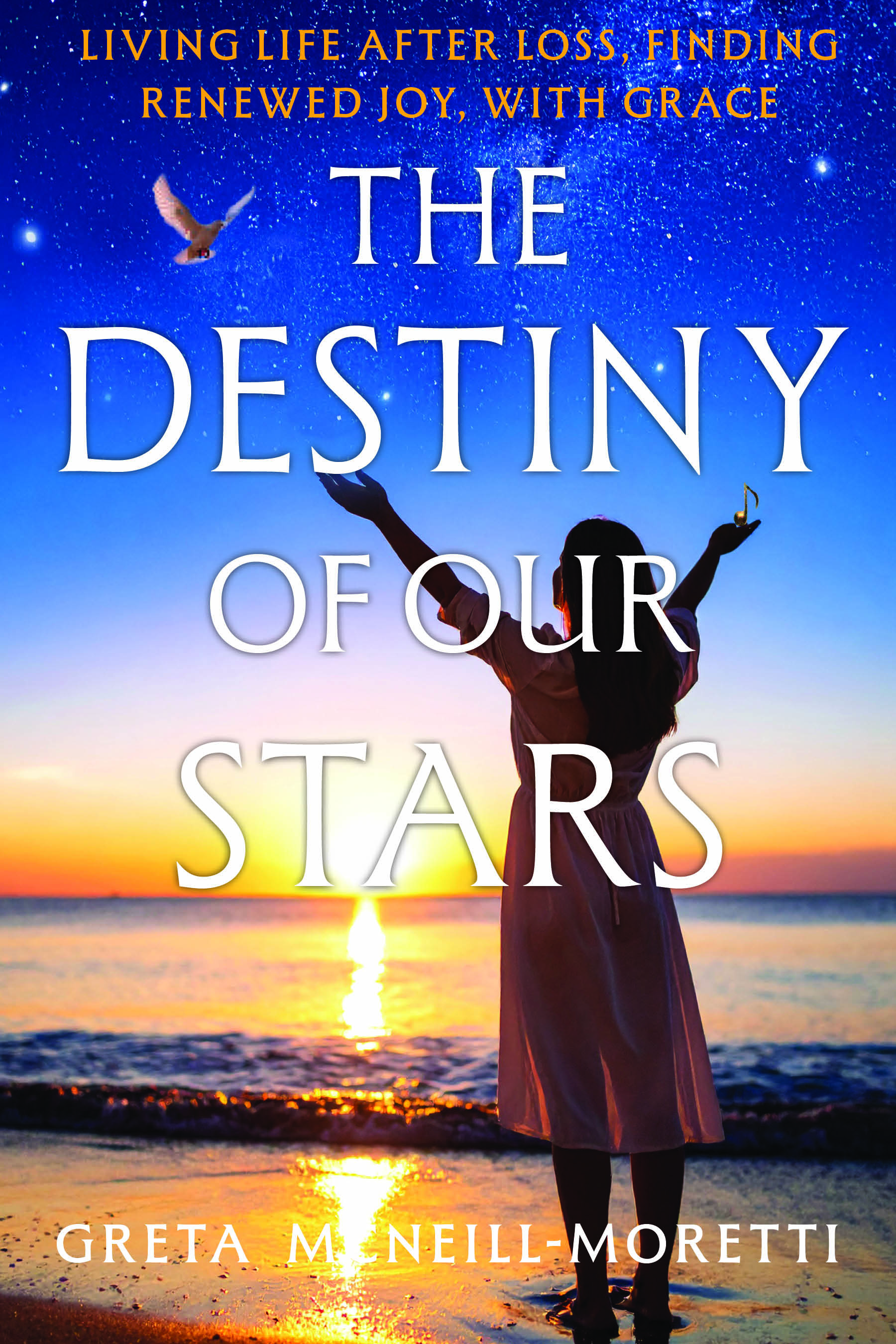

Greta McNeill-Moretti’s The Destiny of Our Stars is a heartfelt memoir about love, loss, and renewal. At its core, it’s the story of a woman navigating widowhood after losing her soulmate, Lawrence, to brain cancer. The book moves from raw grief to spiritual awakening, with reflections on fate, synchronicity, and the mysterious ways the universe brings meaning to suffering. It’s not just a chronicle of mourning; it’s a roadmap through the darkest corners of heartbreak toward the quiet light of acceptance and hope.
The author writes with such sincerity that I often felt like I was sitting across from her, listening to her unpack her life. Her words are simple, but they cut deep. I admired how she didn’t shy away from the messy parts, depression, guilt, the confusion of still wanting to live when your reason for living is gone. She uses humor in surprising places, and it works. It keeps the story grounded and human. Sometimes her honesty stings, but that’s what makes it beautiful. It’s a book that feels lived, not written from a distance.
What really stayed with me was her belief in synchronicity and destiny. I was moved by her conviction. It’s impossible not to root for her as she rebuilds her world, piece by piece. Her reflections on love extend beyond romance. She writes about compassion, family, and friendship in ways that make you think about your own life. At times, the detail is overwhelming. But I think that’s part of the magic. She doesn’t let you skim through her pain. She makes you sit with it, the way grief makes you sit still until you learn to move again.
I’d recommend The Destiny of Our Stars to anyone who has lost someone they love or who simply wants to understand what real resilience looks like. It’s for people who appreciate writing that’s emotional but never self-pitying, and who don’t mind tears mixed with laughter. This book is raw, deeply personal, and surprisingly comforting. It reminds you that even when life shatters, the pieces can still reflect light.
Pages: 303 | ISBN : 979-8-9995413-1-4
From Pain to Reflection to Action

No Filter: From Skateboard Kid to Entrepreneur shares your story about growing up in an abusive home, joining the Army at 19, and after living through combat, trauma, and broken relationships, before turning your pain into purpose. Why was this an important book for you to write?
No Filter was the book I couldn’t keep inside any longer. For decades I carried pain — from an abusive childhood, from what I saw and did in combat, from the way I failed as a husband and father — and it was eating me alive.
This wasn’t just a “next book project.” This was my line in the sand. When I came back from Phoenix, Arizona, after attending a book award event where I felt invisible and out of place, I had an awakening. I realized I could either keep playing nice and hiding behind polite words, or I could tear the mask off and tell the truth, even if it made people uncomfortable.
That’s why No Filter is written the way it is — blunt, messy, unpolished. Thomas Anderson said in his review that it feels “alive and immediate,” like I’m sitting across from the reader, telling it straight. That was intentional. I wanted people to feel like they’re in the room with me, hearing my story unfiltered, hearing the pain in my voice, and watching me fight my way through it.
I didn’t write No Filter to be liked — I wrote it to be heard. Because survival means nothing if you stay silent about what almost killed you.
What were some ideas that were important for you to share in this book?
This book was built on three core pillars: truth, accountability, and hope.
Truth was the foundation. The world is flooded with filters and fake perfection — I wanted the opposite. That’s why No Filter is unapologetically raw. As Thomas Anderson wrote in his review, the “short bursts of thought, the blunt admissions, the cursing when softer words won’t do” make the story feel alive and immediate. I wanted readers to feel like I was sitting across from them, looking them in the eye, telling them what really happened.
Accountability was the second pillar. I’m not just telling my story as a victim — I’m standing trial in front of every reader. I’ve hurt people I loved, including my daughter, and by letting her write the first entry, I opened this memoir by facing my own guilt and her forgiveness head-on.
And finally, hope is what carries the book through the darkness. The stories are painful, yes, but I wanted readers to see the redemption too. I wanted them to feel that even if they’ve been broken, they can still rebuild.
No Filter was never about telling a pretty story — it was about building a platform readers can stand on when life knocks them down. These three pillars hold that platform up.
What was the most challenging part of writing your memoir, and what was the most rewarding?
The most challenging part wasn’t the writing — it was tearing open wounds I’d tried to keep buried for decades. No Filter forced me to relive nights I tried to drink myself numb, the deployments that left ghosts in my head, the years I watched my daughter grow up from a distance because I was too broken to be there.
But it was also physically challenging. I live with severe tremors in my left hand, a lasting effect from years of medication prescribed through the VA. I can’t sit at a keyboard and type like most writers. I don’t use AI, and I don’t hire ghostwriters. Every single word of this memoir came from my own raw voice — recorded into my phone, turned into notes, and shaped into this book. That’s why, as Thomas Anderson wrote in his review, it feels “alive and immediate.” It literally is me, speaking directly to the reader.
The most rewarding part was turning that pain into something that could help someone else survive. When a reader tells me my words made them put the gun down, pour out the bottle, or call their kid after years of silence — that’s when I know No Filter has done its job.
I fought my past, my trauma, and even my own body to get these words out — and if they give just one person the strength to stay alive one more day, then every second of that fight was worth it.
What do you hope is one thing readers take away from your story?
I want readers to finish No Filter with one truth burning in their chest: you are not alone — but you can’t keep hiding from yourself.
That’s why the cover is black and white. It’s not an accident — it’s a statement. That cover is the darkness I was in. It shows me slouched, looking like the weight of the world is crushing me. Then you turn to the back and see the only color image in the entire book — a hint that there’s light on the other side if you’re willing to walk through the darkness.
When readers turn that last page, I don’t just want them to close the book. I want them to put it down, stand up, walk into their bathroom or bedroom, and stare into their own mirror. I want them to ask themselves: “Have I been living as the real me? Or have I been hiding this whole time?”
Because that’s what No Filter is — a confrontation. It’s not just my story. It’s an invitation for readers to strip away their own filters and face the person staring back at them.
And when they scan the QR code on the back cover, I want them to realize this book is just one piece of a bigger mission — The Mirror, The Broken Mirror, and now No Filter. It’s a trilogy designed to move readers from pain to reflection to action.
If just one reader closes No Filter, looks in the mirror, and says, “I’ve been hiding long enough — it’s time to face my life head-on,” then I’ve done what I came here to do. This book isn’t just a memoir — it’s a mirror, and it dares you to look.
What happens when the kid on the skateboard grows up, trades wheels for boots, and finds himself on the frontlines of war, fatherhood, and mental health?
William A. Stephens Jr. takes you on a no-holds-barred journey through the highs and lows of a life lived at full throttle.
This book doesn’t ask for sympathy — it demands honesty. No Filter is the third installment in William’s powerful trilogy that began with The Mirror and The Broken Mirror.
Here, he dives even deeper, peeling back the final layers to reveal a man who has been broken, rebuilt, and refuses to stay silent.
It’s about facing the demons that haunted him after the battlefield. It’s about the toll of PTSD, the pain of fractured relationships, and the unrelenting fight to keep going — not just for himself, but for the ones he loves and the community he serves.
If you’ve ever wondered what resilience really looks like, this book is your answer.
🔥 What You’ll Discover Inside:
• 🛹 Childhood on the Edge – From the streets to the skate park, where rebellion and resilience were born.
• 🎖 Life in Uniform – A front-row seat to deployments, leadership, and the toll that service takes on the soul.
• 💔 The Breaking Point – PTSD, loss, and family struggles laid bare with brutal honesty.
• 🧠 Mental Health Uncensored – No sugarcoating. Just real talk about trauma, therapy, and survival.
• 💼 Entrepreneurship with Purpose – How 1821 Productions became a platform to give “Voice to the Voiceless.”
• 🎃 The Final Chapter – Why No Filter is dropping on Halloween 2025, and what it means to confront your demons.
💡 Why This Book Matters:
• ✅ Perfect for readers who crave real, unfiltered storytelling.
• ✅ A lifeline for veterans, survivors, and anyone navigating their own mental health battle.
• ✅ Proof that you can lose it all, fight back, and still build something bigger than yourself.
⭐ Reader Takeaways:
• 🌌 Hope in the darkness.
• 💥 Courage to speak your truth.
• 🔑 Permission to build your own legacy.
🎯 Ideal For:
• 📚 Fans of military memoirs & survivor stories
• 🎙 Advocates of mental health & PTSD awareness
• 🚀 Dreamers & doers chasing purpose
Cutting Through the Lies

(Photo credit: Kevin Harkins Photography)
Legends of Little Canada is a memoir that shares the story of growing up in a neighborhood in Lowell, Massachusetts, which was eventually destroyed by urban renewal in the 1960s, and how this experience shaped you into who you are today. Why was this an important book for you to write?
For too long the issue of “urban renewal” projects, which forcibly displaced people from their homes and long-established small businesses, has been dispassionately debated by academics and policy makers. The “debate” has been between those who condemned the policy as cruel and systematically unjust because it always came at the expense of the most marginalized people to further the interests of the powerful, and those who defended the policy by arguing that, even if the plans ended up failing, the intent was a benevolent one aimed at improving the lives and conditions of the people living in substandard housing.
After spending my adult years learning about the systemic forces that class and race play in dehumanizing the poor and people of color, I utilized that knowledge to resist, organize and empower others by developing strategies to protect them from meeting the same fate I couldn’t prevent happening to me and my loved ones as a child. To do for them what I wish others would have done to defend and protect the rights and dignity of my Aunt Rose and those I loved from being denied to them.
It would have been totally appropriate for me to have written a historical account of what happened and cried out about the injustice of what was done. But, I also observed the insidious trap of how writing such a book would have little use because it would just be dismissed, or minimized, by labelling it as a book with an “agenda,” to be taken with a grain of salt because of my political leanings. As a result, in this age of harsh ideological divisiveness, those who agree with my positions would accept it to confirm their own convictions and those who opposed my political persuasions would reject the book without even reading it. Or to read it only with the intent to find ways to “cherry-pick” parts out of context to try and discredit it among others who might be persuaded by my conclusions.
It was bad enough that the people of Little Canada were powerless to prevent the destruction of the community they loved and were forcibly displaced from their homes, but what makes that injustice even more insidious was that the same power structure also controlled the ability to shape the historical narrative to justify the wrongs they did. They used their power to shape and concoct a false narrative which whitewashed their human rights violations against the people of Little Canada by claiming that their true goal was to improve our lives rather than admitting it was done for their own economic interests.
For the reasons I already stated, I realized that I would not be able to reclaim the narrative if I wrote a scholarly historical account, a polemic or even a memoir in my present adult voice because those who created the false narrative would seek to dismiss my efforts to reclaim the narrative as ideologically driven. They would be allowed to maintain the revisionist history that their prime intention was to create better living conditions for the people of Little Canada. That they did it for us.
I am not powerful enough as the man I am today to overcome their ability to continue to spin that false narrative and get away with it. But I knew somebody who was. The boy I was when I lived through what they did to me and the people of the community I loved. So I chose to write a memoir of that experience, not in my adult voice recalling what was done, but to write it by reliving it as the young person who had no formed politics or understanding of who was doing this to us.
By taking readers back through the innocent eyes of a 13 year old boy who didn’t have any comprehension of the economic forces and political machinations he only heard identified as a faceless entity called “urban renewal,” “young Charlie’s” voice, not only gives witness to those who are no longer here, his innocence blows apart the false narrative that the destruction of Little Canada was done for his and his loved ones benefit.
“Young Charlie’s” painful experience enabled him to cut through the lies and revisionist history by his simple ability to tell right from wrong and reclaim the narrative for the people who were victimized by what those in power did to them and their community.
You grew up in a neighborhood that supported one another and formed a genuine community, not just people living in the same place. What were some ideas that were important for you to share in this book?
You are correct, Little Canada was a community not just a place to live. By community, I mean that everyone felt more like an extended family who knew and cared for each other and felt pride in that unity. A feeling like everyone mattered and each person was loved for who they were and the whole gained by the strength that comes from being able to appreciate and pool all of the unique quirks and characteristics each person brings to the community.
I also learned that to keep oneself and a community strong one has to stand firm against bullies and others who seek to bend a community’s will to their own selfish quest for domination. If they succeed then a community based on sharing and compassion can be turned into an oppressive domination that the demagogue or bully can use to intimidate anyone who threatens their power by enforcing conformity to their demands.
That’s not community, that’s blind tribalism. I have been searching all of my life to find the sense of community I lost that I had living in the Little Canada community that was destroyed by urban renewal.
My success as a leader and organizer has come when I was able to build a community where it didn’t exist. Where I was able to show people that strength comes from diversity, not division and that instead of remaining intimidated by bullies and feeling too weak and hopeless to resist, that they must stop believing the myth that compassion is weakness. In fact, compassion, unity and love is the only thing powerful enough to defeat a cruel bully or oppresser. Think of it. Even the sheer lust for power or greed will never generate more ferocity within a person than somebody fighting to protect somebody they love from being taken from them.
What is one piece of advice someone gave you that changed your life?
I think the faith and moral teachings my Aunt Rose taught me that God doesn’t stop bad people from what they’re doing, that God expects people to do it. And that prayer does not produce supernatural miracles like parting the Red Sea, but it’s something we draw on to give us the internal strength “to do what’s right, when it’s easier to do wrong, or to keep hoping when all appears hopeless. It’s not that goodness or hope always comes out on top, but they have NO chance if somebody stops believing in them.”
Whether one believes in God or not, the wisdom of this advice has changed my life by recognizing that I must make the choice and be responsible about what kind of moral path I will follow.
What was the most challenging part of writing your memoir, and what was the most rewarding?
It was a very painful experience because I had to reopen the raw pain and trauma I spent years trying to repress as I saw one friend after another disappear from my life as each eviction came and the devastating emotional toll it had on my family and neighbors unable to comprehend how this thing called urban renewal could force thousands of us out of our homes. I had to relive the horror of being powerless to protect my beloved Aunt Rose from being forced out of the home she lived in all 65 years of her life and the ensuing tragedies that befell her and so many others.
The most rewarding part of writing the memoir is that it allowed me reconnect with these very same people I loved and lost and the more I opened up my memories to the details I had repressed the more they felt alive again, as if I was transported by a time machine and I had another chance to be with them. And to keep revisiting them anytime I want by rereading my book.
Author Links: GoodReads
Healing by HIs Spirit
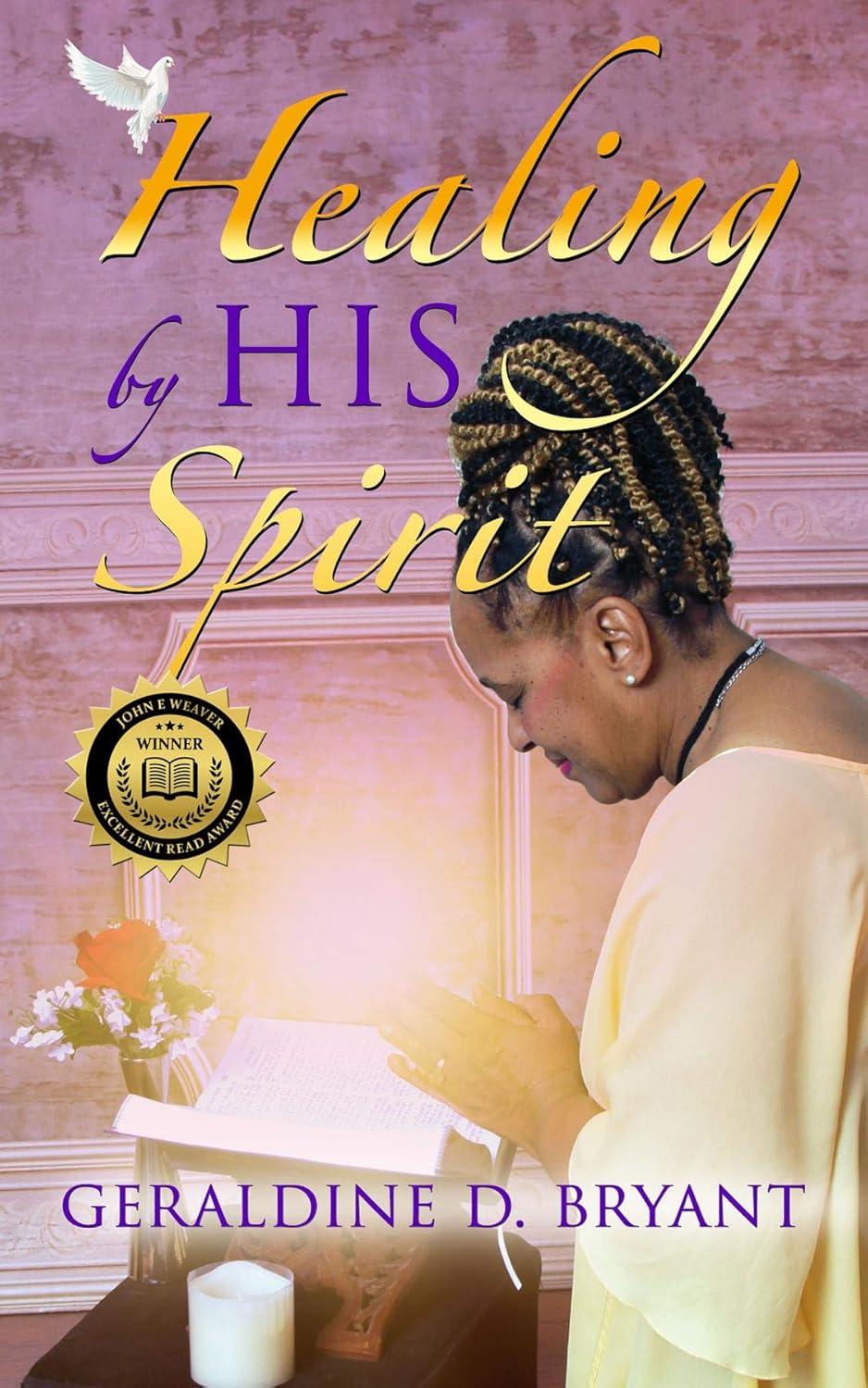
Healing by His Spirit is a raw, deeply personal journey through pain, endurance, and redemption. Author Geraldine D. Bryant lays bare her life story with fearless honesty, tracing her path from a young, innocent girl in Philadelphia to a woman who finds healing through faith after unspeakable trauma. The book begins with her tender teenage experiences, first love, heartbreak, and youthful dreams, and then plunges into harrowing territory as she recounts the violence, betrayal, and shame that shaped her womanhood. Yet, throughout the darkness, her story never loses its pulse of hope. The power of her faith, her determination to survive, and her eventual embrace of God’s grace shine through every page, transforming the memoir into a testament of spiritual renewal.
Reading Bryant’s writing stirred a complex mix of emotions in me. Her storytelling is vivid and unflinching. She writes like she’s sitting across from you, speaking straight from the soul, unpolished but powerful. I found myself holding my breath during the most painful parts, not just because of the events themselves, but because of how clearly she remembered every sound, every look, every feeling. The emotional weight is heavy, but she never sinks into self-pity. Instead, she finds meaning in her suffering. The faith that threads through her pain feels lived, not preached. What stood out most to me was her courage in revisiting wounds that would be easier to bury. That bravery makes her voice resonate even more.
Stylistically, the book feels intimate, like reading a journal that was never meant for public eyes. The language is simple and direct, without pretension. There are moments where the pacing slows, where details linger longer than expected, but even those moments feel intentional. I found myself reflecting on how trauma can break a person open in ways that also let light in. Bryant doesn’t shy away from showing both her brokenness and her faith in the same breath. That combination of vulnerability and resilience is what gives the book its power.
Healing by His Spirit left me both heartbroken and inspired. Bryant’s life story reminds me that healing isn’t about forgetting, it’s about reclaiming your story from the hands of pain. I’d recommend this book to anyone who has faced hardship and is searching for a way to turn it into strength. It’s especially meaningful for women of faith, survivors of trauma, or anyone walking through the long, winding road toward peace.
Pages: 164 | ASIN : ASIN : B083LMTPJH\
Legends of Little Canada

Charlie Gargiulo’s Legends of Little Canada is a memoir that tells the story of a boy’s life in a neighborhood in Lowell, Massachusetts, that was eventually destroyed by urban renewal in the 1960s. Through his eyes, we see a community stitched together by family, faith, comic books, music, and the kind of neighbors who drive you crazy one minute and save you the next. His Aunt Rose, Harvey of Harvey’s Bookland, and the larger-than-life figure of Captain Jack become guiding lights during his turbulent youth. The book moves between the personal and the political, showing how loss, poverty, and resilience shaped both the man and the activist he became.
The writing has a raw honesty that makes you feel like Charlie is sitting across from you, spilling his life out in all its messy, funny, heartbreaking detail. I loved how he didn’t dress up the hard stuff. His father leaving, the grinding poverty, the fear of bullies, and the shame of welfare are all laid bare. At the same time, there’s humor, warmth, and an eye for detail that made me feel like I could smell the musty stacks at Harvey’s or hear the racket in the cramped tenements. I kept nodding along, feeling the ache of displacement and the bittersweet pull of memory.
What struck me most, though, was the deep love he carried for the people who gave him hope. Aunt Rose, with her faith and her quiet strength, reminded me of people in my own family who never had much but gave everything they had. Harvey’s kindness and generosity showed how one person’s decency can ripple through a kid’s life. Even Captain Jack, tragic and rough, added texture and humanity to this portrait of a vanished neighborhood. I found myself laughing at the small absurdities, then sitting still, lump in my throat, at the grief of watching a place be erased in the name of progress. The emotional swings felt real, never forced, and that gave the book a beating heart.
By the time I finished, I realized this book is as much about survival as it is about memory. It’s about finding a way to hold on to dignity when the world tries to strip it away. I’d recommend it to anyone who loves stories about working-class families, immigrant neighborhoods, and the stubborn hope that refuses to die even when whole blocks are torn down. If you’ve ever felt tied to a place that doesn’t exist anymore, this book will find you.
Pages: 192 | ISBN : 0931507537

Apples of Gold in Settings of Silver

Apples of Gold in Settings of Silver is a heartfelt collection of personal stories, memories, and reflections, tied together with faith, family, and the rhythms of everyday life. Author Deborah Off shares vivid snapshots from her childhood, her marriage, her role as a mother, and her deep belief in God’s presence in both ordinary and extraordinary moments. From tender recollections of her grandmother to humorous tales about raising children, each piece carries warmth and sincerity. The voice is conversational, sometimes playful, sometimes somber, but always rooted in gratitude and wonder.
I felt a strong sense of intimacy while reading. The stories feel like being invited into a family living room where laughter and tears are both welcome. At times, the language is plain and unpolished, yet it fits the spirit of the book. There’s no artifice, only honesty. Some stories, especially those about her faith and prayers, struck me as deeply moving. Others, like the playful tales with her children, made me smile and think about my own family. The flow meandered now and then, and a few stories felt more like personal notes.
What stood out most to me was the emotional openness. Off doesn’t shy away from loneliness, doubts, or hurt, but she consistently circles back to hope. That resilience, paired with humor in the smallest details, made the book memorable. I admired the way she wove faith into everyday struggles without preaching. It felt real, like someone quietly leaning on God rather than loudly declaring Him.
I’d recommend this book to readers who love memoirs centered on faith, family, and small yet powerful moments of life. It’s not a book to speed through but one to read slowly, a story or two at a time, the way you’d enjoy a long conversation with a trusted friend. If you want something raw, heartfelt, and rooted in gratitude, this book is for you.
Pages: 185 | ASIN: B0FWMT6XKG
Girl, Groomed
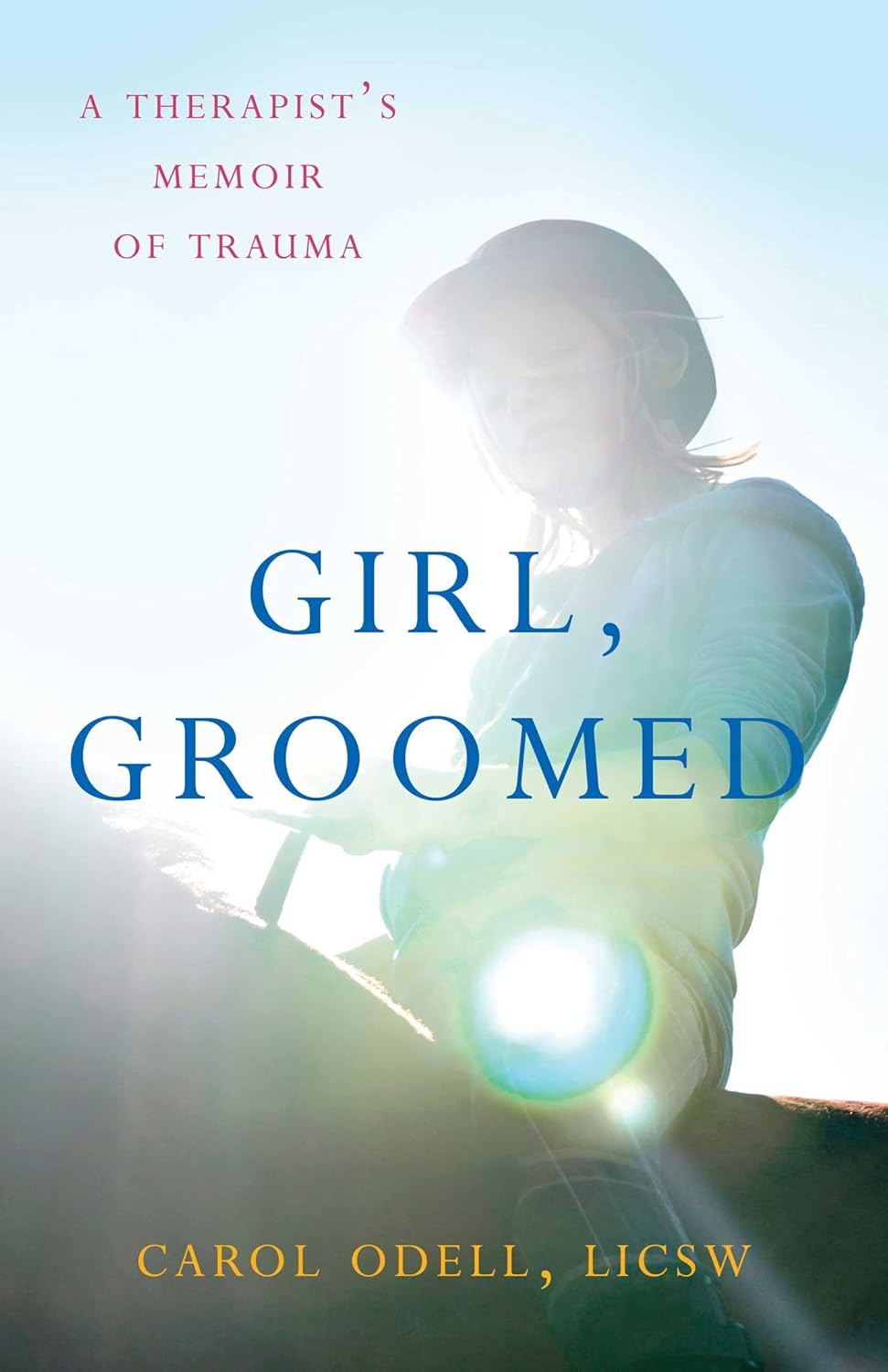
Carol Odell’s Girl, Groomed is a raw and unflinching memoir that traces her childhood experiences of grooming and abuse at a horse stable, the deep love she had for horses, and the long, painful process of understanding how that past shaped her adult life and relationships. Odell moves between her girlhood innocence, where horses offered her comfort and belonging, and the unsettling reality of how her trust was exploited. As she grows into adulthood, she reckons with the trauma, explores how it bled into her marriage and identity, and shows how therapy, reflection, and courage helped her reframe her story.
The writing is vivid, sometimes almost cinematic, and the way Odell describes both the beauty of horses and the darkness of abuse made me feel pulled in two directions at once. There were moments where I found myself smiling at her descriptions of childhood wonder, then seconds later reeling from the cruelty and manipulation woven into those same memories. I admired her honesty, but I also found myself feeling frustrated on her behalf, angry at how easily her vulnerability was taken advantage of, and heartbroken that the safe space she longed for was the same place that hurt her.
What impressed me most was how Odell refuses to simplify her story. She doesn’t paint herself as a perfect victim. She shows her younger self caught in admiration for her abuser, which was difficult to read but also profoundly true. That honesty made the book feel even more important because it illustrates the messy, confusing ways trauma imprints on us. I appreciated the way she linked her past to her marriage struggles later in life, and I found myself pausing often to reflect on how our old, unexamined wounds shape the way we love, fight, and cope.
I would recommend this book to readers who want a deeply personal exploration of trauma and survival, but also to anyone interested in the psychology of how abuse and grooming take root. It’s not an easy read, but it’s an essential one. I think therapists, survivors, and anyone willing to confront hard truths will find it valuable. It left me unsettled and hopeful at the same time, which to me is the mark of a powerful memoir.
Pages: 222 | ASIN : B0D96PPVDQ



 LITERARY TITAN