Blog Archives
The Fox and the Election Fraud
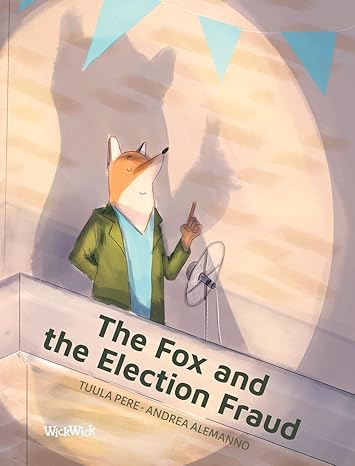

The Fox and the Election Fraud by Tuula Pere delivers a clever, engaging story that weaves humor and important lessons into a memorable tale. It follows Francis the Fox, a character who can’t seem to grasp the concept of honesty, despite Major William the Wolf’s best efforts. When an election campaign sparks his interest, Francis becomes determined to win at any cost. He pulls out all the stops, leveraging every connection, working tirelessly, and strategizing to sway the voters. Yet, as the reality of defeat looms over him, Francis resorts to a desperate, underhanded plan: tampering with the vote count. But the city’s robust judicial system has no tolerance for dishonesty, and Francis learns the hard way that cheating never pays.
Though it deals with themes that seem geared toward adults, The Fox and the Election Fraud keeps things light, witty, and refreshingly creative. The writing shines with clarity and vivid storytelling, drawing readers into Francis’ antics. It’s a story bursting with well-structured ideas and fast-paced action. Pere gives us a protagonist who, despite his flaws, remains oddly charming and relatable. Francis may be a trickster, but his humorous escapades serve as a vehicle for teaching critical life lessons about integrity, honesty, and the inevitable triumph of good over deceit. The various schemes he devises to bolster his campaign are as entertaining as they are instructive, making the plot thoroughly enjoyable. Tuula Pere impresses me with her ability to craft narratives that are both dynamic and meaningful. The book, though part of a series, stands strong on its own, offering just enough background to make Francis’ story accessible to any reader. Pere’s attention to detail is evident in every aspect, from the engaging text to the vibrant illustrations that bring the world to life. The format is designed to captivate young readers while keeping adults invested, making it an ideal pick for family reading sessions.
The Fox and the Election Fraud is a standout story that I highly recommend. It’s a perfect blend of humor, moral lessons, and entertaining characters. Children will learn about honesty and responsibility while laughing along with Francis’ misadventures, and adults will appreciate the book’s wit and charm.
Pages: 46 | ISBN : 9528201628

The Fox’s New Channel
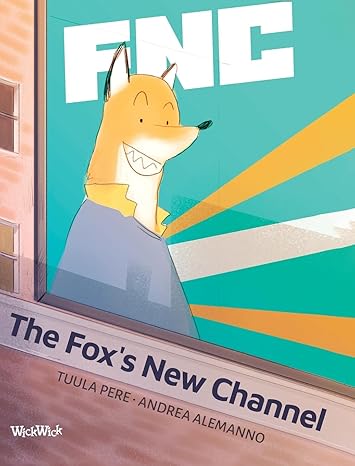
The Fox’s New Channel, by Tuula Pere, captivates readers with a timely and engaging tale that brings real-world issues into a format young readers can grasp. The story follows Francis the Fox, who, burdened by bills and financial woes, hatches a clever business plan. Armed with electronic gadgets and communication gear, he creates a home studio with help from his ever-supportive mother. But Francis has a sharp tongue and an even sharper sense of humor. His commentary becomes merciless, disregarding people’s privacy and the repercussions of spreading gossip. Surprisingly, his project thrives, and he moves to the city to launch The Fox’s New Channel. Fame skyrockets, followers pour in, but his reckless spread of fake news spirals beyond his control, forcing Francis to face the real-world consequences of his actions.
Tuula Pere’s storytelling is wonderfully accessible, wrapping serious themes in a narrative children can easily follow. I admire how she uses Francis’ journey to shine a light on pressing societal issues, from the dangers of misinformation to the complexities of media influence. The book also explores the significance of family support and the wisdom of elders, illustrating how Francis’ disregard for good advice leads to chaos. The pacing keeps readers engaged; each chapter introduces new challenges and goals, driving the story forward with momentum and energy.
Andrea Alemanno’s illustrations enhance the reading experience. They’re bright and inviting, full of expressive and endearing characters brought to life with soft, warm colors. The artwork adds a visual charm that perfectly complements the narrative, making each page pop with personality. While the ending left me wanting a bit more closure, the overall story remained enjoyable, with humor skillfully interwoven throughout to keep things lighthearted and fun.
The Fox’s New Channel is both entertaining and thought-provoking, offering children a playful yet meaningful lesson on integrity, media responsibility, and social dynamics. It’s a book that teaches while delighting, and one I’d wholeheartedly recommend for parents and educators seeking a story that sparks important conversations in a kid-friendly way.
Pages: 44 | ISBN : 978-9528200697
The Fox and the Election Fraud
The Fox and the Election Fraud by Tuula Pere, with illustrations by Andrea Alemanno, tells the story of Francis the Fox, a cunning and ambitious character who decides to run for mayor against William the Wolf. Francis is not exactly popular, nor is he honest, but that doesn’t stop him from hatching a scheme to manipulate the election. Throughout the book, he tries various underhanded tactics, including bribery and eventually tampering with the votes, but things don’t go according to his plans. In the end, justice prevails, and Francis, caught red-handed, faces the consequences of his actions.
I found the narrative to be an engaging and witty portrayal of political manipulation and greed. Francis’s character is amusingly over-the-top, and his audacity makes him both laughable and frustrating. The way he convinces himself that he’s the hero of his own story—despite clearly being a villain—felt so true to life, particularly when he dismisses the consequences of his past failures and tries to shift the blame onto others. The dialogue, especially Francis’s inner thoughts, added a lot of humor to the story, making me chuckle at how delusional he was, like when he complained that the city didn’t value his “remarkable skills.” The book’s pacing is snappy, and the plot kept things entertaining, and the escalating absurdity of Francis’s schemes really pulled me along. One of the standout parts of the book was the moral it carries about integrity, leadership, and the consequences of dishonesty. The climax, where Francis’s plan unravels in front of the entire city, was satisfying and drove home the point that shortcuts and deceit don’t lead to real success. The book manages to convey these lessons without feeling preachy, which I appreciated.
The Fox and the Election Fraud is an enjoyable, light read, perfect for kids but also entertaining for adults who enjoy clever allegories about power and ethics. It’s an especially great pick for young readers who are beginning to learn about fairness, honesty, and the importance of good leadership. The playful tone and vibrant illustrations make it even more appealing, and while it’s a fun read, it’s also a thought-provoking one. If you’re looking for a children’s book that blends humor, important life lessons, and a bit of political satire, this is definitely worth checking out.
Pages: 46 | ISBN : 9528201628
The Fox’s New Channel
The Fox’s New Channel by Tuula Pere tells the story of Francis the Fox, a once-successful entrepreneur who, after experiencing personal and financial collapse, reinvents himself by launching a media empire. He thrives on tabloid-style journalism, creating scandal and spreading gossip, much to the dismay of his community. His path to success is filled with deception, as he manipulates stories and uses lies to climb back to prominence. The book paints a vivid picture of a fox whose relentless ambition leads him down a dark path, threatening to ruin the lives of those around him, including his old mentor, William the Wolf.
One thing that struck me about the writing is how quickly Pere immerses the reader in Francis’s world. From the start, Francis is painted as an arrogant yet oddly charming character. His fall from grace is almost pitiful, but it’s hard to feel fully sorry for him given his constant self-centeredness. The dialogue feels real, capturing the casual yet sharp exchanges between characters, like his conversations with his mother, which effortlessly reveal the tension between familial love and disappointment. What really impressed me was how the story unfolded like a satirical reflection of modern media culture. Francis embodies the worst of media moguls, using his platform not to inform but to manipulate. The section where he shamelessly plots with his assistants to fabricate stories, such as creating a fake scandal about Pauline the Bulldog, felt like a biting commentary on the ethics of today’s media landscape. It’s clear that Francis’s “success” comes at the cost of integrity, and this part of the story made me reflect on how easily public figures can shape narratives for personal gain.
The Fox’s New Channel is a smart and entertaining read, packed with moral lessons about truth, ambition, and the consequences of greed. I’d recommend it to readers who enjoy stories with a touch of satire and those interested in modern takes on how media influences society. While the book might be aimed at younger readers, its themes will resonate with adults too, making it a great read for parents and kids to discuss together.
Pages: 44 | ISBN : 9528200699
Powerless Victims

The Bird Prison follows a gardener with a vision of what a perfect garden should look like and even sound like, so when birds are drawn to her garden, she does her best to chase them away. What was the inspiration for the setup of your story?
This story isn’t really about gardening at all. It tells about a power struggle in which the ruler of a particular area keeps its inhabitants in a tight grip. It is also a story of selfishness, lack of empathy, and an inability to see the beauty that lies in diversity.
Although I always think about child readers and their needs when I write books, I may choose difficult societal situations as topics. Despite its apparent lightness, The Bird Prison belongs to such books because the themes beneath the surface are challenging.
Current events in the world of adults often make me think about the questions in this fairy tale’s background. Who has the right to define different boundaries, and in which situation is it right to cross them? How far can one go in using power without considering the status and well-being of others? How can families be protected against hostile and unfair behavior? Do the weaker parties have any means at their disposal? What kind of opportunities can be achieved through cooperation and helping?
I found the title of this story interesting, and it made me curious about the story within. How did you decide on the title of this book?
The name of this book was challenging to find. I first thought of many options related to the garden, but I had to reject them all. They were misleading and suggested a harmonious and tame story.
I wanted the title to indicate the book’s actual conflict, represented by the cage rising in the garden. Although the big cage—the bird prison—only appears in the middle of the story, it is clear from the beginning that the birds are not free. There is an ever-increasing threat to their nesting and existence, ultimately leading to captivity.
When I finally settled on The Bird Prison, I knew I was taking a risk because the word prison has such a strong emotional charge. I was willing to take that risk because the conflict with a beautiful garden and capturing birds requires a sufficiently strong title. It’s nice to hear that my choice has aroused interest and curiosity towards the story.
What were the morals you were trying to capture while creating your characters?
There are three main parties in my story. The cruel and selfish gardener, Griselda, represents the most prominent threat to the others in the garden. Her counterparts are the innocent birds, who alone are powerless in the face of evil, and the little but numerous group of ants.
As the story progresses, Griselda’s behavior becomes increasingly inhuman. By describing her progress through various demands and actions, I want readers to notice how gradually the effects of evil spread and grow. This happens in real life as well. If injustices and their progression are not paid attention to in time, fighting them becomes increasingly difficult and may eventually become impossible.
In the description of the birds, I emphasize the pressure and priority for living creatures to take care of their offspring. Birds’ behavior is mainly driven by the focus on securing the nest and caring for the chicks. In that situation and state of mind, their attention and strength are not enough for anything else. This makes the birds, in a way, powerless victims who could not survive without help from the outside.
Ants play a central role in the story. Although they are small, there are an impressive number of them. I want to encourage everyone who feels small and insignificant by highlighting the ants’ role and possibilities as they join their forces for a good purpose. I’m glad illustrator Sofia Panchyshyn managed to bring the ant characters so much friendly determination. The pictures of them wearing boots and shovels fit well into the scene where the birds escape prison through a tunnel.
What is one thing that people point out after reading your book that surprises you?
This book is still so new that I haven’t been able to discuss it with readers very much. The comments I’ve received so far show precisely what I’ve been waiting for. The readers’ reactions, mainly from the book-buying adults, could be divided into different groups based on what they pay attention to—illustrations, gardening, parenting, or powerplays in society in general.
For some readers, book illustrations are crucial—even so important that they rise above the story. The Bird Prison has exceptionally detailed pictures, which are the delicate art of Ukrainian Sofia Panchyshyn. Many visual-art-oriented people have admired them for a long time and devoutly also at the illustration exhibition I arranged at my Wickwick Summer Bookshop in July. Some of the most enthusiastic
home gardeners have studied the flowers and their colors in the drawings and told me about their gardening activities.
Children’s attention is often intensely focused on how to free the birds from the prison cage. So it’s no surprise that they think the most important heroes of the book are the ants, who dig a tunnel under the edge of the cage in the dark of the night.
Some adults immediately notice how serious the book is. The beautiful pictures do not fool them, but they see the themes of imprisonment, freedom, and rights behind the story. I have had good discussions with them about how even serious topics can be handled gently and encouragingly. In general, they find such a book necessary.
I’ll have an excellent opportunity to discuss my book further and hear readers’ comments when I present some of my books at the next Turku Book Fair on the Finnish Youth Authors’ Stage. My theme will be “Freedom and imprisonment in fairy tales”—a topic I like to talk about.
Author Links: GoodReads | Facebook | Website | Amazon
So when noisy, colorful birds start nesting in her garden, Griselda gets angry. Their feathers shimmer in all different colors, and they constantly chirp songs.
It’s time for a merciless battle against the birds!
Children and Adults Have Fears

Dread in the Dark follows a little boy that has a new sister and a new room, but the new room is scary at night. What was the inspiration for your story?
It must be admitted that I am fascinated by different fears. That’s why I have written a whole Little Fears Series! Both children and adults have them, and the ways to cope with them vary. I think that adults have a great responsibility to ensure children’s welfare. This does not mean growing up in cotton wool and removing all difficulties, but sensitivity to recognize situations where help is needed. In this book, on the one hand, I deal with the common fear of the dark, but as a side plot, I also deal with the significant change that the birth of a little sibling causes in the family.
I remember trying to sleep in the kitchen for a while as a child – with no success. Although I wasn’t afraid of the refrigerator, its vibrations and noises in the middle of the night made it difficult to fall asleep. The birth of a new child also creates confusing contradictions in the lives of many families. Older children often feel that they are losing something in their status and may worry about their parents’ feelings for them. Fortunately, as a child, I was thrilled to be a big sister, so that side of the story is not based on my experiences.
What were some ideas that were important for you to share in this book?
Dread in the Dark is a book in the Little Fears Series that addresses various situations of wise parenting – seven books so far! So, the book’s target group includes both children and their parents. Little ones can best overcome their fears with adults’ encouraging and calm attitude.
With my book, I want to highlight the importance of cooperation between adults and children when fear disturbs a child’s life. When viewed through the eyes of an adult, recognizing the need for help may be complicated because fearful situations often seem pointless from their perspective. The little person doesn’t always get the parent’s patient attention and calm handling in a problematic situation.
A child’s fear may unexpectedly appear in an everyday situation where the adult’s attention is on other, more important things in his opinion. In the middle of a rush, he may ignore the child’s fear lightly, even irritably, or postpone dealing with it to a more suitable time from his point of view. Of course, giving the case enough time is a good idea, but this promise must not go unfulfilled. A few friendly words of encouragement, even in the middle of a rush, might help as first aid. So the child will be noticed and feel valued.
Children may also be reluctant to confess their fears and talk about them. The pressure of coping alone and being brave is also there. Building trust and revealing even sensitive thoughts is a long-term process. You could also write a whole book about it under the parenting title!
What was your approach to writing the interactions between Elliot and his dad?
It is no coincidence that I chose a child and his father for this book. My relationship with my father was the bedrock of my childhood. Although Father was an old-fashioned man in many respects, he also could understand a child’s sensitivity and need for security. On the other hand, I have gained the challenge of coping with different situations myself.
My parenting experiences as a mother of three children – and now also a grandmother – have confirmed my idea that dealing with different fears is essential. There are many ways. There is first aid and long-term work. There are playful solutions, serious discussions, and, above all, sensitive listening. It’s pointless to try to force quick solutions, no matter how busy you are as an adult. It is better to find time and patience when the child’s need is greatest – not until tomorrow or next week. Childhood is short, but what it creates for the rest of life is vital!
Some essential topics in Dread in the Dark relate to Elliot’s trust in his father and the security he represents. Catty Flores’ delightful illustration brings humanity and warmth to both main characters. Adult readers can undoubtedly identify with the sleepy father’s attempts to get the situation under control in the middle of the night, with his own eyes half closed from fatigue.
What is one thing that people point out after reading your book that surprises you?
Especially with the Little Fears Series books, I often get into conversations where adults reveal their surprising childhood memories. I am usually amazed at how big someone’s small fears can become in a person’s mind. Situations that seem trivial in themselves may have grown into problems that affect even an adult’s life.
Often, fearful situations and memories concentrate on two kinds of strong feelings. The first category is anger and disappointment with the adults of one’s childhood: Why didn’t anyone notice? Why didn’t anyone understand? Why didn’t anyone help? The second type of thought is a shame that an adult feels: Am I still the same timid child? Dare I admit to anyone that I still need help dealing with this old fear?
I have sometimes ended up hugging and comforting an adult for whom painful memories from childhood have suddenly surfaced. That’s when I’m on the right and necessary path when writing books like this. I have succeeded if I can help children in challenging situations and make it easier for parents struggling with parenting issues!
I often get suggestions from children and their parents for new stories in the Little Fears Series. I collect them because they may inspire more books in this much-needed series. – One of those topics brewing in my mind recently popped up, and I found a fun way of handling one more fear! Just wait and see!
Author Links: Facebook | Website
Elliot has a new baby sister. He also has a room of his own now, where he can build castles out of blocks, as big as he likes.
But there is one thing that worries Elliot. In his new room, he can’t fall asleep as easily as he did when he slept closer to Mom and Dad. On top of that, a monster is nesting under his bed. It growls every single night, even though no one believes Elliot.
Finally, with Dad’s help, Elliot learns the cause of the strange noise, and he can sleep peacefully again.
Friendship Takes Work and Time
Colin the Crab’s Friends follows a busy crab as he helps all his friends with repairs they need to have done and then throws a party for them all. What was the inspiration for the setup to your story?
Colin the Crab and his friends represent a village community or a small town to me. In such places, people of very different types often know each other well and work closely together.
In my childhood, I lived for a decade in a small country village and another decade in a small town. The residents of the rural village, especially, left a lot of human memories in my mind. That’s why the characters and events in Colin the Crab’s Friends are inspired by real life.
I must admit that observing activities and interactions within different communities is exciting. The types of people, the networks of connections, and the behavioral patterns between persons repeat themselves surprisingly. If we change the focus from the village to the workplace or the environment of hobbies, we can observe remarkable similarities in roles and behavior.
In many respects, I am a real-life Colin the Crab, so I write Colin stories based on my personal experiences and observations. I hope the reader finds them relatable and honest that way.
Aside from Colin, what character in the series do you have the most fun writing about?
Several of Colin’s friends are amusing, although I occasionally feel pity for them. It’s because I know them “better” from what I have already written about them in the Colin the Crab Series with books for older readers. In that original series about Colin, darker shades related to each character’s funny image are more visible.
Regarding the fun of writing, I immediately think of Sally the Starfish, whose vain mood swings are fun to write about. She is earnest about her needs and ideas, which often seem meaningless to outsiders.
Another fun guy is Eddie the Eel, a tech freak who often appears in the Colin the Crab books but doesn’t play a significant role in this book in the Mini-Crab series. I know several technology-enthusiastic people closely in real life. Their optimistic infatuation with all new devices sometimes leads to comical situations. Fortunately, these people resembling Eddie have seen the humor in this eel’s character when reading my Colin the Crab stories.
Although we are now talking about the Mini-Crab Books, I am very tempted to highlight the deeper features of the characters, which are more versatile and complete in that other series—with four books already—intended for older readers.
As the children grow up and gain more reading experience, they quickly move from the Mini-Crab Books to the more demanding Colin the Crab Series, which still presents the familiar world of the riverside and water with its characters. And the fun continues!
What does friendship mean to you, and how do you show your friends you care?
Friendship is a unique relationship between people. I have a few true friends with whom I have shared life for a long time. A friendship must last so that it can develop deeply.
I’m very cautious about friendship because I’m afraid losing it would hurt too much. After disappointments, starting a new friendship is even more difficult. I’ve had to learn this life lesson as well. Talking behind the other person’s back can break even a long-term relationship. After disappointment, it isn’t easy to build new trust. Also, misusing the other person’s help and efforts is selfish and unacceptable. I always try to give more than I take—I hope to succeed. I am good at keeping secrets, too, I guess.
True friendship gives both parties the safe feeling that a reliable person exists by your side on both good and bad days. You don’t have to pretend anything to your friend. It’s enough to be honest and genuinely you. I try to be a true friend to people close to me. They know I’m there even if we haven’t seen each other for a while. The bond between us is solid and lasting.
My friendships include conversation and listening, shared experiences in nature, family parties, joint concerts, and good food. If I have enough time, I like to bake and set a good coffee table for my friends. Sharing coffee time together is one common thing in Finnish friendship!
Have you ever thought about expanding the underwater series with a book about one of the sub-characters, maybe Ms. Catfish of Sally?
Some of my avid readers have repeatedly asked me the same thing! I have noticed that Sally the Starfish has many admirers who would like to read even more about her adventures. Sally is an inspiring, great person who might deserve her particular underwater book series. Her character has also inspired me in the Colin the Crab Series for older readers I mentioned. There, we get to know her equally vain and handsome boyfriend, for example. We follow how her wishes and desires emerge and influence in connection to Colin the Crab’s wedding arrangements. Sally’s personality tends to see everything from her perspective.
I’d be glad to write a whole series of Ms. Catfish, too. She is particularly well suited to topics where different generations’ opinions and experiences differ. Her various friends at the river bay help the loneliness of the old catfish living alone in the big house. Of course, Colin the Crab has an extraordinary role as a practical help in building maintenance.
In the other series aimed at more advanced readers, we can already follow Ms. Catfish’s thoughts and opinions in more detail. Her way of life and thinking reflect the past world. This topic is close to everyone who faces generational differences in their lives. Such a separate series about Ms. Catfish could be pretty interesting for grandparents and grandchildren to read together.
Finally, let me tell you about one big dream of mine. Colin the Crab Series and Mini-Crab Books would work perfectly as animated films. They feature a fascinating underwater world with interesting characters representing different and believable types. In addition, there are exciting adventures with continuity. Now that I’ve written about this secret dream, it’s no longer a secret! —If only it would come true one day!
Author Links: Facebook | Website
Norma the Newt and Sally the Starfish constantly need Colin’s help too. On top of that, a hungry fish family hopes the crab will share his delicious soup with them.
After a busy week, a happy group of friends gets together at Colin’s blue garden pavilion.
Axel’s Baking Day (Axel and Ava)

Axel’s Baking Day, by Tuula Pere, with delightful illustrations by Nyamdorj Lkhaasuren, is a charming tale that captures the heart of childhood curiosity and the joy of baking. The story follows young Axel, who faces an unexpected challenge when his parents have to leave, disrupting their usual Saturday baking routine. Determined to uphold the tradition, Axel sets out to bake on his own, leading to a series of humorous and relatable mishaps.
Pere’s writing is both engaging and accessible, making it a perfect read for children. Tuula Pere has a knack for capturing the essence of a child’s perspective, particularly through Axel’s determination and disappointment when things don’t go as planned. The narrative is straightforward yet rich in detail, which makes it easy for young readers to follow along and stay interested. For instance, the description of Axel struggling with the sticky dough and his efforts to call his friend Ava for help are both vivid and entertaining.
One of the highlights of the book is the illustration work by Nyamdorj Lkhaasuren. The images are colorful and expressive, adding depth to the story and bringing Axel’s adventures to life. Each page is filled with charming details that complement the text, from the messy kitchen to the final triumphant pancake. The illustrations not only support the narrative but also provide visual cues that enhance comprehension for younger readers. The book also subtly imparts valuable lessons about perseverance, problem-solving, and the importance of friendship. Axel’s determination to bake despite the obstacles, and Ava’s willingness to help, showcase the power of teamwork and resilience. The humorous tone and light-hearted approach make these lessons enjoyable and memorable.
Axel’s Baking Day is a delightful book that I would highly recommend to parents and educators looking for a fun and educational read for children. Its engaging story, combined with beautiful illustrations, makes it a joy to read aloud or enjoy independently. This book is particularly suited for young readers who are beginning to explore their own interests and hobbies, as well as those who enjoy stories about friendship and family traditions. Whether you’re a fan of baking or simply enjoy a good laugh, Axel’s baking adventures are sure to entertain and inspire.
Pages: 32 | ISBN : 978-9528200536



 LITERARY TITAN