Blog Archives
Letters from the Sand


Letters from the Sand is a reflective military memoir that follows a soldier’s deployment to Iraq, told in vivid, sensory detail. The book moves from arrival in the desert, through the daily rituals of patrols, barracks life, cultural encounters, and the emotional weight of service. It reads like a series of lived moments stitched together: the heat, the dust, the camaraderie, the fear, the boredom, and the quiet resilience that keeps people going in a place where everything is stripped down to necessity. As a nonfiction war memoir, it captures both the grind and the humanity inside a deployment.
The writing is descriptive in a way that pulls you straight into the environment. Sometimes the detail is intense, but that felt honest. Deployment is overwhelming. I appreciated how the author didn’t rush through anything. He let the boredom breathe. He let the fear sit. Even the small rituals, like cleaning a rifle or sorting gear, were given space to matter. Those choices made the narrative feel grounded rather than dramatized.
What struck me most was how genuinely the book handled relationships. The people aren’t flattened into stereotypes. They’re messy, thoughtful, funny, irritating, and necessary. Watching those early, awkward introductions shift into something like family reminded me how much of military life is built on small gestures. I also liked how the author showed the mental shifts that happen over time, the way vigilance becomes second nature, and how the desert environment presses into everything, even your dreams. Some passages feel almost meditative, others blunt and raw. The mix worked for me. It felt like someone telling the truth without trying to polish it.
By the end, I found myself thinking less about the missions and more about the emotional residue of the experience. The book doesn’t preach. It doesn’t try to define service in grand terms. It just lets you live inside it for a while, long enough to understand why leaving is almost as disorienting as arriving. For readers who appreciate military memoirs that focus on lived experience more than strategy, this will resonate deeply. I’d recommend it to anyone curious about the human side of deployment, especially those who value slow, reflective storytelling that feels personal and unfiltered.
Pages: 201 | ASIN: B0G2335VNQ

Operation Cast Lead – The Case


Operation Cast Lead by Banafsheh Zia is unlike anything I’ve read before. It weaves together a soap opera storyline, the Israeli–Palestinian conflict, and the author’s own lived experience of surveillance, paranoia, and spiritual searching. At its heart, it argues that Operation Cast Lead was not just a war but also part of a carefully designed narrative that played out both on TV and in real life. The story mixes memory, political history, and personal confession. It’s intense and full of questions about truth, power, and the meaning of freedom.
The writing is raw and sometimes disorienting, but that’s also what made it gripping. I could feel the author’s confusion, anger, and longing bleeding through every page. There’s a vulnerability here that’s hard to ignore. I found myself wondering what was real and what wasn’t. It put me in the same unsettled space the author describes. The way she ties together pop culture with political violence shocked me, and I caught myself rereading passages just to sit with the strangeness of it all.
What really stuck with me was the emotional honesty. Even when the connections were surprising, the feelings were sharp and undeniable. There’s a loneliness in these pages, a sense of trying to dance with the world while constantly being pushed out of step. I admired the courage it took to put all of that into words. There is a lot of details in this book. The references to TV plots and political events pile up quickly. Reality and fiction blur, and the reader is left to sort out what matters most.
What amazed me most was how the book connects the soap opera General Hospital to something as heavy as war and international law. By showing how a love story between Sonny and Kate lined up with political turning points and the violence in Gaza, the book makes you question how much of what we consume is innocent entertainment and how much is design. It’s a strange but striking reminder that culture and politics are never really separate. If you’re curious about how personal stories intersect with global ones, or if you like work that mixes confession with political critique, Operation Cast Lead – The Case is worth your time.
Pages: 139 | ISBN : 978-1-83418-380-0
Tidal Fates: Calling

Tidal Fates: Calling, the first in a new fantasy series by Thomas Usle, follows a richly imagined world where politics, prophecy, and personal legacies collide. At its core, it’s the story of Ira and his sister Esther, two outcasts journeying through a land filled with ancient secrets, divine mysteries, and brewing revolutions. Their quiet life with dwarven kin is disrupted by the rising tide of rebellion against an aging empire. From forest hunts to sea-bound voyages, and imperial courts to hidden temples, Usle weaves together high-stakes adventure and intimate struggles in a world where loyalty is tested and destinies are called.
What struck me most about this fantasy novel was its earnestness. The prose is lush, often poetic, full of rich description and a genuine reverence for its own mythology. At times, I found myself pausing to reread sentences, not for clarity, but to savor them. But it’s also wordy. Scenes that could be tight linger in their own ambience. I appreciated the care and attention to world-building—cities, rituals, languages, even fashion are all deeply thought out—but it did slow the pace early on. Still, I cared about Ira and Esther. Their pain felt real. Their bond felt lived-in. And their quiet dignity in the face of judgment made them easy to root for.
Usle isn’t afraid to tackle empire, identity, exile, and redemption all at once. He paints power with nuance—never wholly evil, never blindly good. I loved the tension between those loyal to tradition and those aching for change. The court politics were rich and layered, pulling me deep into the complexities of shifting alliances and long-standing tensions. There’s a lot to track, but it makes the world feel full and alive, like I was uncovering pieces of a larger puzzle. The villains stood out with their intense convictions, and while I had inklings of where some arcs were heading, that sense of anticipation added to the enjoyment. Watching it all unfold made the payoffs feel satisfying and earned.
Tidal Fates: Calling is a sweeping and soulful epic that blends high fantasy with an emotional core. It’s not a breezy read, but it’s a rewarding one. If you love the grand world-building of Tolkien, the political drama of Sanderson, or the emotional pull of Le Guin, there’s a good chance you’ll be drawn in here. I’d recommend it to readers who want to live inside a world, not just visit it.
Pages: 309 | ASIN : B0F36NHNVQ

Eramus of Hares End

Eramus of Hare’s End is a deeply heartfelt and surprisingly rich tale about survival, grief, and finding purpose when everything around you seems to be crumbling. It follows Eramus, a humble village farmer, who’s burdened with the task of saving his drought-stricken village from starvation. The journey that follows is as much inward as it is outward — full of painful memories, reluctant hope, and unexpected encounters that pull you into something much larger than you’d expect from the first few chapters.
What hit me first was how real Eramus felt. The writing here is simple in the best way — no fluff, no fancy prose trying to impress. Just raw emotion, hard choices, and lived-in characters. When the Ruling Hand decides to trade daughters for food, I swear I had to put the book down for a second. It’s brutal, but not in a shock-value way. It’s just the kind of awful decision people might actually have to make when hope is running on fumes. You feel the desperation — not because the author tells you to, but because it leaks from every word.
As the story unfolds, what really hooked me wasn’t just the survival stuff. It was the quiet, personal grief behind Eramus’s drive. The scenes where he visits his wife’s grave were emotionally difficult but in a good way. There’s this one part where he’s laying in the field at night, looking up at the stars, and you can just feel how much he misses her. It’s simple. Poignant. Beautiful. And then, boom — dreams, visions, whispers of something bigger stirring underneath the dirt and drought. The fantasy elements creep in softly, like mist, and I loved that slow burn. When he encounters Lewatollma — the mysterious, pointy-eared healer — I was fully in.
The book starts slow. It meanders a bit, especially in the early travel sections. But stick with it. There’s a subtle shift from a grim survival story into something laced with myth and destiny. And somehow, it works. The pacing feels intentional — like the world is slowly cracking open for both Eramus and the reader. When the wolves show up and Eramus is on death’s door, the story suddenly kicks into another gear, and I couldn’t stop reading. His hallucinations, his panic, that haunting moment where he thinks he’s being eaten by a demon — it’s weird and intense.
In the end, I was moved. Not just by Eramus’s journey, but by what the story says about pain, memory, and resilience. It’s not flashy fantasy. There are no sword fights, no magic duels. But there is magic — the quiet, earthy kind that shows up in healing hands, dream-visions, and the bonds between people. This book would be a great fit for readers who love character-driven fantasy, grounded world-building, and stories that feel like oral histories passed down by firelight.
Pages: 392 | ASIN : B0CW1D8T81
The Whore Saint
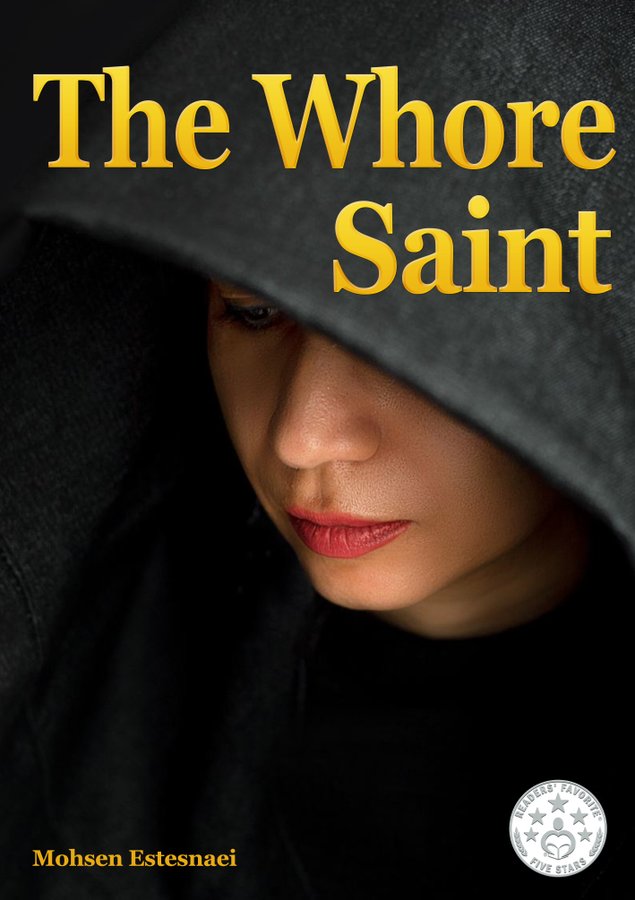
The Whore Saint by Mohsen Estesnaei is a compelling literary work that dances between history, mysticism, and the painful realities of a war-torn Afghanistan. Through a journey of self-discovery, truth-seeking, and a search for spiritual enlightenment, the narrator sets out to understand the essence of love, truth, and the unbreakable human spirit. Rich with anecdotes about Rumi, Hallaj, and the haunting yet resilient stories of Afghan women, Estesnaei intertwines history and narrative to ask and ponder profound questions about existence and humanity.
The writing stands out for its immersive storytelling. Estesnaei crafts a vivid world, from the dusty streets of Balkh to the fearful tension of encounters with the Taliban. I was particularly moved by the chapter on Rabia Balkhi, a tale that juxtaposes love and tragedy in ways that evoke a deep emotional response. The author weaves this history with vivid imagery, making the characters’ suffering and strength feel real and heartbreaking. Another aspect I found remarkable was the raw and unfiltered emotional tone. The author does not shy away from illustrating the darkness surrounding the Afghan people’s struggles, particularly women. The teacher in the clandestine poetry class left a lasting impression on me. Despite facing oppressive regimes, these women came together to keep the spirit of Rumi alive. The whore’s story, in particular, struck me with its heart-wrenching themes of betrayal, loss, and ultimate transformation. It was hard not to admire her bravery and vulnerability, especially when she whispered Rumi’s verses, planting seeds of love amidst a backdrop of desolation. Still, I couldn’t help but feel a sense of injustice for her. Estesnaei effectively conveys how systematic oppression reduces people to mere shadows of themselves, and it’s a reminder that love and mysticism sometimes serve as the last bastion of hope. The thematic exploration of truth and the mystics’ philosophy is both thought-provoking and challenging. The narratives about Hallaj and the discussions of existentialism were impactful but heavy. When the narrator grapples with whether he is a fanatic or a true seeker, Estesnaei cleverly uses these moments to critique societal norms. The story of the American woman who meets Gurdjieff also had me thinking for days. While these philosophical musings were deep and reflective, at times, they felt like detours that slowed the story’s progression. Yet, I understand that these sections are meant to reflect the narrator’s internal journey and question the very nature of reality.
The Whore Saint is a book that challenges the reader’s mind and heart. It’s a thought-provoking read that will resonate with those interested in spirituality, Persian mysticism, or the socio-political struggles of Afghanistan. If you appreciate stories that require emotional investment and philosophical reflection, this book is for you. Be ready for a narrative that is as emotionally demanding as it is enlightening. While not a light read, it is undeniably powerful and unforgettable.
Pages: 116
Humans are Living Mysteries
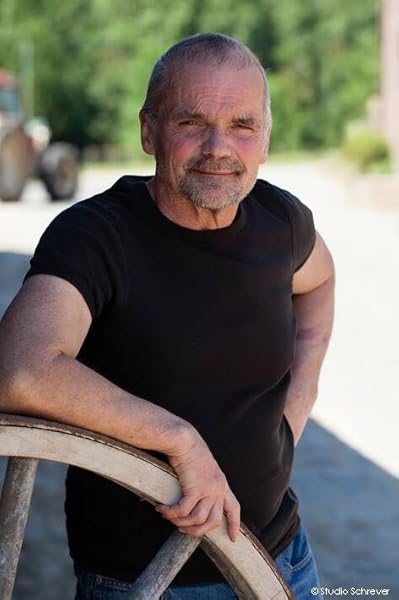
Scars of The Heart is an influential collection of short stories that delve into the profound impacts of physical war and the psychological impact of violence on humanity. What made you write a story about this topic? Was anything pulled from your life experiences?
I have been a travel writer from 1990 to 2003 and wrote New Journalism texts about conflict zones in the world (contributions that report on events taking place, but in a literary, subjective way). I visited Somalia, Liberia, Bosnia, Sudan, Gaza, Iran, Iraq, Mozambique, Kosovo, Lebanon, and Myanmar… to name a few. I got very close to the atrocities of war, its physical but also its mental consequences. I thought I could handle them, but these days I have PTSD symptoms. They have become more bearable with time, but I can’t forget people’s suffering in war circumstances. In my eyes, I was a “war tourist” who shared their life for a couple of weeks and disappeared again while they were doomed to stay in hellish places. My anger, my shame, remorse, sadness, and despair fuel my stories.
What are some things that you find interesting about the human condition that you think make for great fiction?
When you think about it, humans are living mysteries: contradictory, unpredictable, chaotic. Great fiction tries to create a holistic image of our ambiguity. I believe no other art form is more proficient for this task. Great fiction asks the reader to feel what is hidden between the words so that the voyage into the depths of our being – the maze in our souls, if you like – is an honest, compelling exploration for the reader and the writer. Therefore, great care must be given to the choice of words, their ambiguity, and the rhythm of the sentences. This mixture is called style, and it is necessary to pick up glimpses of the hermetic, sometimes angelic, sometimes demonical, poetry that drives our lives. Great literature is a mixture of empathy, relentless challenges, and mighty victories, yet already tainted with the treason of our egos.
What themes were important for you to explore in this book?
Although they take place in different eras and countries, the background of the stories deals with violence, greed, sexual conquest, and our amazing capability to lie to others and ourselves. Probably you’re thinking now: “And love? Where is love?” Oh, it’s there, sometimes at the brink of obsession or tragedy, sometimes fueling our inner loneliness and addiction to happy dreams and delusions. It is said that readers like happy endings. So sorry to disappoint: when I wrote this collection, the tragic and sad endings even took their toll on me, so I want to advise the reader to read each story at intervals and not right after each other.
What is the next book that you are working on, and when can your fans expect it to be out?
“The Firehand File,” my next book, is set in Berlin in 1921. Let me give you the blurb of the Dutch mother version of the novel so you have the broad outline.
1921. Berlin is a city of extremes. Political violence plagues the streets during the day. A serial killer whom the media call “The Skinner” roams the streets at night. It is suspected that he is a rabid World War I veteran, but he remains untraceable. In this human pressure cooker, the relationship between the famous Flemish DADA poet Paul Van Ostaijen and his impetuous girlfriend Emma Clément is on edge. Like hundreds of thousands of others in Berlin, they live in poverty and are addicted to cocaine and other drugs.
When Van Ostaijen, on a high whim, steals the Feuerhand Obsession file in the apartment of the spy Elise Kraiser, the poet sets in motion a series of dramatic events that shed surprising light on a politician who is rapidly gaining influence: Herr Adolf Hitler.
Carly Rheilan, my translator, scores a fantastic – and poetic! – job. However, the novel’s second part is hard to translate because I tried to use the same manner of Van Ostaijen’s spoken language, a mixture of Antwerp dialect from the twenties with French and German words. “The Firehand File” is a literary suspense novel but also a homage to Paul Van Ostaijen, who revolutionized poetry in the Roaring Twenties. We hope to have the translation finished at the end of this year so that the novel can come out in 2025.
Author Links: GoodReads | X | Facebook | Website
Through ten stories set in different countries and eras, Van Laerhoven takes us through the destructive consequences of our passions as a common thread, from contemporary Syria to Algeria in the 1950s, and the civil war in Liberia to the uprising in Belgian Congo in the 1960s.
The ten stories in SCARS OF THE HEART highlight the dark side of love, which fuels our violence, inner loneliness, and greedy egos.
Scars 0f The Heart

Scars of The Heart by Bob Van Laerhoven is a compelling collection of short stories that delve into the profound impacts of war. The initial stories, set in various war eras, are particularly devastating, highlighting the unquantifiable effects of war on the human psyche. Through these narratives, Van Laerhoven transports readers to the shattered worlds of war-torn individuals, offering poignant glimpses into their lives and struggles.
The author takes a unique approach to representing human nature, weaving tales that feature a diverse cast of characters, including aliens, painters, friends, enemies, and exploring themes of betrayal, loyalty, greed, love, and revenge. This eclectic mix adds depth and variety to the collection, ensuring that each story is distinct and memorable. Van Laerhoven’s writing style is reminiscent of the macabre and powerful prose of Roald Dahl. His stories shock and captivate, blending mysticism with stark reality. Although fictional, these tales resonate with truths about the human condition. Not all stories are set on battlefields, but the sense of war—whether physical or psychological—permeates the collection. The settings range from the war-torn Middle East to World War II and Nazi Germany, bridging past and present to create relevant and relatable narratives. I finished the book with immense respect for the author’s raw and heartbreaking portrayals of reality. The non-war stories are equally compelling, showcasing Van Laerhoven’s versatility and skill in crafting riveting tales.
Fans of Roald Dahl or Edgar Allan Poe will appreciate the beautifully crafted stories in Scars of The Heart. For those who enjoy well-constructed plots and complex characters, this collection is a must-read. I highly recommend this book to anyone who can endure the psychological turmoil and pain depicted, as it offers profound insights into the atrocities and resilience of life.
Pages: 245 | ASIN : B0CX5S8NJZ
My War at Windsor School
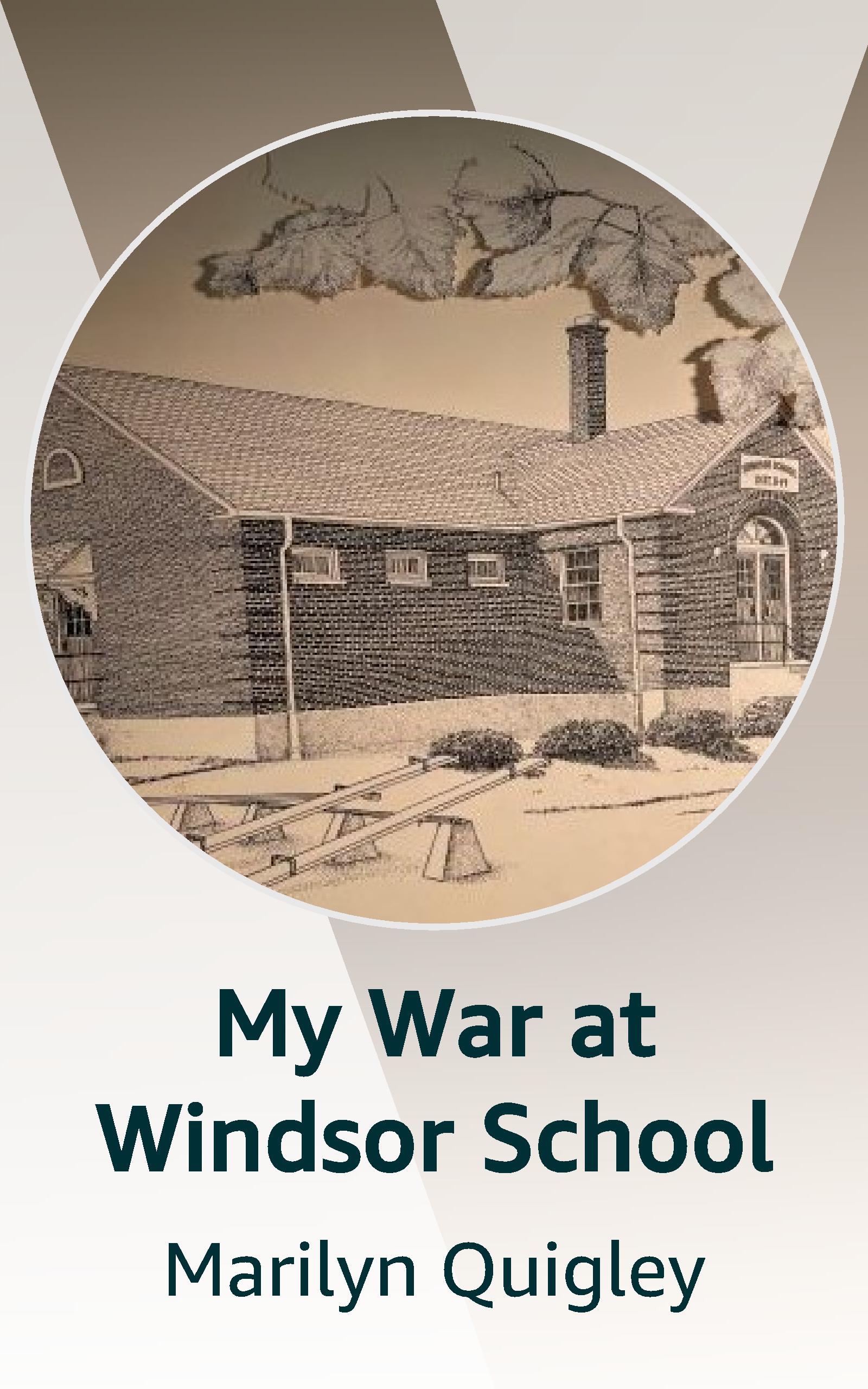
Marilyn Estes Quigley’s My War at Windsor School blends historical accuracy with the engaging elements of a coming-of-age narrative set against the backdrop of World War II. The novel draws on Quigley’s own experiences as a schoolgirl in the 1940s, presenting a tapestry of both real events and imaginative fiction. Central to the story is Sally, a young girl navigating the trials of adolescence and the harsh realities of war after an accident forces her to repeat a year at Windsor School, a situation that leaves her feeling isolated and out of place.
As Sally grapples with making new friends and the heartache of her uncle going off to war, she encounters moral dilemmas that test her values, particularly around honesty—a virtue deeply esteemed by her family. These personal battles coincide with her academic challenges and the blossoming of an unlikely friendship that introduces an element of mystery to her life. Despite the war’s shadow over her everyday existence, Sally’s internal and external struggles reflect a poignant journey of resilience and growth. Approaching this historical fiction, I appreciated the nuanced portrayal of life in the 1940s, which Quigley articulates through both the ordinary and the extraordinary aspects of the era. Initially, the narrative’s casual tone seemed at odds with its historical context, yet this choice ultimately complements Sally’s youthful perspective, enhancing the accessibility of the events and emotions she experiences. The simplicity of the storytelling, coupled with well-paced chapters, facilitates a smooth and engaging reading experience. The characters are distinctly crafted, each bringing a unique presence that enriches the narrative. Particularly compelling is Sally’s relationship with her family and her uncle, whose character, though not as deeply explored as one might hope, adds a significant layer to the emotional landscape of the story. Sally herself is a character of commendable depth, her passion for horses and her dedication to her principles painting a portrait of a young girl whose strength and kindness shine even in the face of adversity.
My War at Windsor School not only offers a window into the impact of war on the lives of ordinary people but also serves as a testament to the strength required to navigate such turbulent times. Quigley successfully captures the essence of the era and the indomitable spirit of its people, making this novel a thoughtful and informative read for enthusiasts of historical fiction.
Pages: 315 | ISBN: 979-8-218-40551-9



 LITERARY TITAN