Blog Archives
What We Bury Doesn’t Disappear

From Wounds to Purpose is a spiritual guide that offers practical guidance and steady encouragement to turn suffering into strength. You write that pain is unavoidable, but our response to it is a defining choice. When did that idea become central to your work?
As stated in my book, my brother, Ronnie LaCombe, preached a Sermon, “We Serve A Stumbling God.” When he said, “I’m talking about the Almighty God that was manifested in the flesh. The God that stars and angels sang over his birthplace. They called his name Jesus. This was God’s eternal son.
He could change water into wine.
He could walk the turbulent waves of the deep like a pedestrian would walk across the street.
He could call the dead by name and they would be raised to life again.
He could touch the lame and they would walk.
He could give sight to the blind.
He could cleanse disease and demonic powers had to leave at his presence.
But listen to me, this visible image of this invisible God needed help to get his cross to the top of a hill.
Somebody had to help him carry his cross!”
As I listened to that sermon, tears flowing, I realized… That’s it!
That’s my ‘HOW’. That’s HOW I got through all those years!
And so my response is, that is when the ‘idea’ became not only the central to my life… but my work!
You encourage readers to turn toward their wounds rather than bury them. Why is that so difficult for many people?
Turning toward our wounds is difficult because it asks us to face what we’ve spent years trying to survive.
For many people, wounds are tied to pain, shame, fear, or loss—and the mind is wired to avoid what hurts. Burying pain can feel safer than reopening it. Avoidance becomes a form of protection:
If I don’t look at it, maybe it won’t hurt anymore. Unfortunately, what we bury doesn’t disappear—it simply goes underground and quietly shapes our thoughts, relationships, and choices.
Another reason it’s hard is that wounds often challenge the stories we tell ourselves. Facing them may mean admitting that something wasn’t okay, that we were hurt, abandoned, silenced, or misunderstood.
That truth can feel destabilizing, especially for people who learned early on to “be strong,” “move on,” or “not dwell on the past.”
There’s also fear of being overwhelmed. Many worry that if they turn toward their wounds, the pain will be too much—that they’ll fall apart or never recover.
What they don’t yet know is that unacknowledged pain has more power than pain that is lovingly faced.
This is the heart of From Wounds to Purpose: not asking readers to reopen wounds recklessly, but inviting them to gently, bravely, and truthfully turn toward what shaped them—so it no longer controls them.
How do you balance encouragement with honesty about how hard healing can be?
Balancing encouragement with honesty means refusing to sugarcoat the journey while never removing hope from it.
True encouragement doesn’t say, “This will be easy.”
It says, “This is hard—and you are not weak for finding it so.”
Healing asks people to sit with discomfort, grief, anger, and unanswered questions. Being honest about that difficulty builds trust. When we name the struggle, readers feel seen rather than pressured. They realize they’re not “failing” at healing—they’re experiencing it.
At the same time, honesty without hope can feel overwhelming. That’s why encouragement matters. Encouragement reminds readers that difficulty does not mean impossibility, and pain does not mean permanence.
We can say:
This will take time — without implying it will take forever.
You may feel undone at moments — without suggesting you’ll stay broken.
There will be setbacks — without denying real progress.
The balance comes from normalizing the mess while illuminating the meaning.
Honesty names the cost of healing.
Encouragement names the value of it.
What advice do you have for someone who feels resistant or stuck?
Here are several core pieces of advice from the heart of my book, offered without pressure and without judgment:
- Stop trying to force healing.
Healing does not respond well to demands. When we push ourselves with “I should be over this by now,” resistance grows stronger. The book invites readers to replace force with curiosity. Instead of asking, “What’s wrong with me?” ask, “What is this part of me protecting?” - Go smaller than you think you should.
Feeling stuck often comes from trying to take leaps when the nervous system only feels safe taking steps. The book encourages micro-movements. Progress measured in inches still moves you forward. - Honor resistance as a guardian, not an enemy.
Resistance usually formed during a time when it was necessary for survival. When resistance is respected rather than fought, it often softens on its own. - Separate your wound from your identity.
One reason people feel stuck is because pain has quietly become part of who they believe they are. The book reminds readers: You are not your trauma, your past, or your coping strategies. - Allow meaning to come later.
The book is clear: purpose cannot be rushed. If someone is still in pain, they don’t need to “find the lesson” yet. Healing comes first; meaning follows. Trusting that timing removes pressure and reduces shame.
Above all, the book offers this reassurance: Being stuck does not mean you are broken. It often means you are standing at the threshold of change.
From Wounds to Purpose doesn’t ask readers to push through resistance—it invites them to listen to it, honor it, and gently move with it, trusting that even slow steps are still steps toward freedom.
Author Links: GoodReads | Amazon
They’re proof of survival and strength.
This book is a healing companion for anyone who has lived through trauma, heartbreak, or brokenness. From Wounds to Purpose doesn’t just talk about pain—it shifts your perspective. Through honest reflections and Spirit-led encouragement, Sharon reminds you that your pain doesn’t have to be the end of your story. It can be the beginning of something greater.
This book offers honest, hope-filled, and deeply practical wisdom for anyone searching for meaning in their struggles.
More than a “self-help” book, this is a guide, a lifeline, and a reminder that your hardest seasons can birth your greatest calling.
Finding Joe Adams: Overcoming Great Odds A Son Searches For His Father
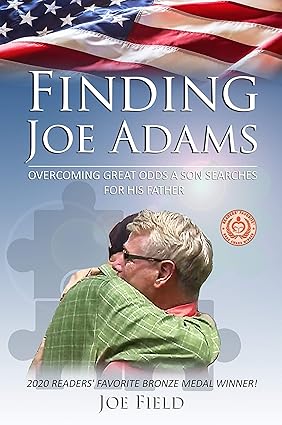

After reading Finding Joe Adams by Joe Field, I can say it’s one of the most emotionally honest and gripping personal stories I’ve come across in a long time. The book follows the author’s decades-long journey to find his biological father, a man he never knew and was never told about. What starts as a survival story, abandonment, poverty, abuse, and resilience, morphs into a powerful account of identity, faith, and redemption. We follow Joe from a harrowing childhood in foster care and public housing to his adult years as a lawyer, all while haunted by the mystery of his origins. The turning point comes at age 60, when he finally discovers his father and a whole new family, culminating in a reunion that was captured on national television.
Joe Field’s writing is raw, often unpolished, and deeply human. His tone is not literary, but it hits you hard with its sincerity. He’s trying to tell the truth, and that truth isn’t always easy to digest. What stuck with me was how vividly he remembers pain. Not just his own, but also the impact of his absence on others. His childhood recollections are intense. Some moments are outright heart-wrenching: hiding from foster parents, watching his belongings vanish after yet another eviction, or enduring violence while alone. And yet, he rarely lets bitterness win. Instead, what comes through is a surprising current of humor, humility, and faith.
More than just storytelling, the book carries deep reflections on identity, belonging, and forgiveness. I was particularly touched by how Joe navigated his faith journey, not through sermons, but through the small, often overlooked kindnesses of others and the slow realization that he was never alone. His emotions are never oversold, which somehow made them hit harder. There’s an undercurrent of hope through every hardship, and that’s what makes the book linger. You walk away thinking not about how hard life was for him, but how strong the human spirit can be when it’s anchored by even the thinnest thread of hope.
I would recommend Finding Joe Adams to anyone who enjoys memoirs about resilience, family, and self-discovery. It’s especially powerful for readers who’ve ever wondered about their roots or struggled to make peace with a chaotic past. It’s a deeply personal story that feels universal in all the right ways. It’s not perfect, but then again, neither is life. And maybe that’s exactly what makes this book so worth reading.
Pages: 194 | ASIN : B0841PMGK2

EL Gran Intercambio
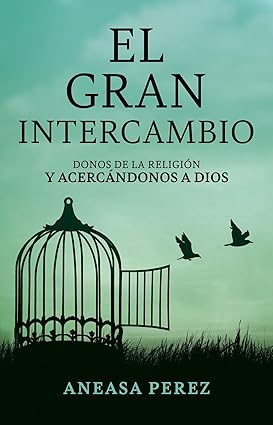

El Gran Intercambio es un poderoso testimonio autobiográfico de Aneasa Pérez que narra vívidamente su viaje espiritual, emocional y personal desde el dolor y la decepción hasta la sanación y la restauración divina. Escrito con sincera sinceridad, el libro explora los oscuros valles del trauma infantil, las relaciones abusivas, los falsos sistemas religiosos y la profunda soledad, culminando en un encuentro transformador con el verdadero amor de Dios.
Pérez abre su alma, relata momentos personales de desesperación, pensamientos suicidas y la búsqueda de aceptación. Su transparencia hace que el libro sea cercano y cautivador, especialmente para lectores que han sufrido abuso religioso, abandono familiar o relaciones tóxicas. Un tema central es la crítica a los falsos profetas y a los sistemas religiosos manipuladores. Pérez expone con valentía las tácticas de control y comercialización dentro de ciertas iglesias, especialmente a partir de su experiencia con la Iglesia Universal del Reino de Dios. Este segmento es particularmente impactante y estimulante para los cristianos que se enfrentan a la autoridad espiritual.
Más allá de la oscuridad, Pérez ofrece esperanza. Su narrativa está impregnada de reflexión bíblica y enfatiza el poder de Dios para redimir, restaurar y sanar. Su nueva paz, simbolizada por eventos sencillos pero profundos, ilustra cómo las pequeñas victorias pueden ser el símbolo de una sanación espiritual más profunda. El libro incluye orientación para mujeres que enfrentan abuso y confusión espiritual. Pérez comparte lecciones sobre la independencia emocional, la fe genuina y la importancia de discernir la verdad en entornos religiosos.
El Gran Intercambio es un llamado a la claridad espiritual, la sanación y la verdad. La voz de Aneasa Pérez es de valentía y compasión, y se dirige a quienes tienen el corazón roto y se pierden en la niebla de una religiosidad engañosa. Su camino es un testimonio del amor redentor de Dios, y el libro ofrece un rayo de esperanza a quienes buscan una fe genuina tras la desilusión.
Pages: 103 | ASIN : B0F49JZQ8K
Tough Fatherly Love

Dead Men Walking: A Stairway to Life is a raw and deeply personal appeal to Black men and their communities to rise from spiritual death into a life of purpose and redemption through Christ. Why was this an important book for you to write?
This book was important to write because I am tired of seeing young black men dying needlessly on the streets via homicides. This is impacting the very essence of the black family. Black Fatherlessness pandemic is real and we as a race are better than this. It’s us killing us. It is unacceptable that it’s ingrained in our culture that Black murder is normal I am on a mission to save black men and to turn this thing around. Turning them to Jesus Christ.
What were some ideas that were important for you to share in this book?
Jesus Christ is a chain breaker and he will change your life. He is the answer.
The book is also is an encouragement to women using the example of Priscilla as a strong woman of God modeling faith and character and training children using God given wisdom.
The importance of having a father in children’s lives versus those who don’t.
What is one piece of advice someone gave you that changed your life?
My father gave me some tough fatherly love. When I graduated from high school, my father sat me down and said, “So, what are you going to do with yourself? I said, “I want to work in the steel mill like you.”
His response was, “I figured you wanted to be like me, but I want you better than me. Because you want to be like me, I want you out of my house now, or I arrange for you to go to college.”
I chose college. I attended Marian College a Catholic college and graduated with my BA degree. I got hired in State government and held several executive positions. My highest accomplishment was as executive director of the Medicaid Waiver program for the state of Indiana. In that position, I received a National award from the health care financing administration under President Clinton administration for my management overseeing thousands of patients receiving needed home care services. My father’s tough love caused this to happen. He wanted better for me.
What do you hope is one thing readers take away from Dead Men Walking: A Stairway to Life?
One thing I hope readers take away from Dead Men Walking a Stairway to Life is that Jesus provides us with a whole new way of life. He can make your life better. He is ever present.
Author Links: GoodReads | Amazon
There is an old saying, “Enough is enough, and too much is too much.” The book was written by a Black man for a Black man. You no longer have to remain on the road of death. For a dead man fears nothing, not even death itself.
Doing without an awareness of God’s judgment and no sense of urgency to get your life right. A prayerlessness life with no worship, no fellowship, and no appetite for those things of God. A loveless life.
Love is expressed by one’s actions. The actions of a dead man is not love. God is love, and he desires your love and commitment to him. The book reveals the importance of placing God at the center of your life. God can take you from being beneath and cause you to be above. You will move from being the tail and becoming the head.
Throughout the book, Philippians 4:13 reveals, “I can do all things through Christ who strengthens me.” Everything God has called me to, he gives me the strength to accomplish, no matter how difficult it is. Author Elder Walter Thomas has made it through many things in life by remembering this verse and trusting it to be true.
Changing your life not only makes you a better man but also a better husband, a better father, which results in a better family, making a better community. Families, pastors, teachers, politicians, governmental officials advocacy groups, mentors, lay individuals, and others will be able to exercise the usage of Dead Men Walking a Stairway to Life to turn this thing around.
The Great Exchange

The Great Exchange is Aneasa Perez’s deeply personal and spiritual memoir that explores her journey from trauma, deception, and religious bondage toward a more authentic relationship with God. Through candid storytelling, she walks the reader through childhood neglect in Trinidad, manipulation by false prophets, abusive relationships, and ultimately, emotional and spiritual healing. Her message is clear: God is not found in ritual or human institutions but in truth, freedom, and love. This book is not just a testimony—it’s a warning, a lament, and a triumphant cry all at once.
Reading this book felt like sitting across from someone baring their soul without a filter. Aneasa’s writing is raw and emotional, sometimes scattered, but always sincere. There’s a kind of aching in her words that hit me hard, especially when she described feeling invisible as a child, or the chilling recount of abuse cloaked in religion. Her voice is tender and broken in places, yet unwavering in its hunger for God. At times, I wished for a bit more structure, but then I realized that this is about a heart cracked wide open. And that’s what makes it stick with you.
What really struck me was her critique of religious institutions. She doesn’t just point fingers, she names names, churches, and systems that exploit the vulnerable. And yet, her goal isn’t to burn it all down. It’s to call people back to Jesus, stripped of theatrics and power games. I found myself nodding, grieving, and even angry at how often good people are led astray under the guise of “serving God.” There’s something incredibly brave in how she wrestles with guilt, shame, and the idea of divine punishment, only to find mercy waiting for her every time.
The Great Exchange is a book for those who’ve been burned by the church, but still believe in God. It’s for anyone who has loved and lost, trusted and been betrayed, and still dares to hope for healing. Aneasa Perez writes not from a pedestal, but from the trenches, and that makes her story all the more powerful. I’d recommend this to spiritual seekers, survivors of religious abuse, and anyone wondering if grace still has room for them.
Pages: 98 | ASIN : B0DKQVJS49

Dead Men Walking a Stairway to Life

Walter Thomas’s Dead Men Walking: A Stairway to Life is a raw and deeply personal appeal to Black men and their communities to rise from spiritual death into a life of purpose and redemption through Christ. Blending biblical scripture, social statistics, historical analysis, and testimony, Thomas focuses intently on the crisis of fatherlessness, Black-on-Black violence, and the erosion of the Black family. Anchored in his own devastating loss—the murder of his daughter by a young Black man—the book channels grief into a passionate call to action rooted in faith, responsibility, and communal healing.
Reading this book stirred up a mix of emotions in me. There were moments I felt deeply moved, especially when Thomas speaks about his daughter or when he recalls his father’s advice. There’s an urgency in his voice, steady and strong. He doesn’t mince words. He lays the problems bare—fatherless homes, cycles of violence, spiritual emptiness—and he puts it back in our hands to fix it. The writing is unpolished at times, full of repetition and raw edges, but it’s also heartfelt. It’s not about eloquence. It’s about impact. I could feel the pain behind the words, and more importantly, the hope that things can change.
What stands out most is Thomas’s honesty and how directly he speaks to the reader. He doesn’t sugarcoat the issues. He leans heavily on scripture and spiritual transformation. His message is clear: nothing changes without turning back to God. Whether he’s referencing Priscilla and Aquila, Martin Luther King and Benjamin Mays, or the Moynihan Report, he ties every thread back to this idea of responsibility—spiritual, familial, communal.
This book is for someone who needs a wake-up call. It’s for fathers who’ve lost their way, sons who feel like no one’s looking out for them, and communities tired of watching their boys die too young. If you’re open to faith-based reflection, willing to face hard truths, and looking for a message that comes straight from the soul, Dead Men Walking is worth your time.
Pages: 94 | ASIN : B0DS3QT1V2
Kalani: Mists of Despair

Kalani: Mists of Despair is the second book in Jolene Fine’s Fostering Worlds series, and it picks up right where Shadows of Destiny left off. This time, the stakes are higher. The setting? The terrifying and eerie Mists of Despair—a bleak, supernatural realm that challenges every ounce of faith, hope, and courage in its characters. The story follows Desiree and Zach as they plunge headfirst into this cursed land, guided by a mission to rescue their loved ones and, in Zach’s case, to redeem himself. Alongside them are companions—new and old—who are tested by darkness, literal and spiritual, at every turn. It’s an emotional gauntlet through grief, loyalty, and destiny, steeped in poetic writing and mythic world-building.
This book grabbed me harder than the first. It’s darker, sadder, messier—and that’s a good thing. Jolene Fine doesn’t just raise the stakes; she drowns you in them. Desiree’s transformation is so raw, so tangled in grief and courage, that I felt every emotional throb right alongside her. And Zach? He’s still chasing Gretchen, but it’s not just about love anymore, it’s about proving he’s more than a reckless teen with a cause. His struggle with faith in the middle of soul-swallowing despair resonated with me. I’ve read a lot of “chosen one” stories, but there’s something unique about the way Fine lets her characters flail, fail, and still push forward, bruised but not broken. It made me root for them even more.
The language is lush. There were moments I had to slow down and reread to make sure I caught what was actually happening beneath all the ornate phrasing. And the philosophical and theological undercurrents are deep. If you’re looking for light, fast fantasy, this isn’t that. But honestly, I didn’t mind. The weight of the words matches the weight of the story. It’s thoughtful, patient, and unafraid to linger in its own sorrow.
Mists of Despair is a hard-hitting sequel. It’s for readers who like their fantasy with a spiritual backbone and their characters with real, jagged edges. If you love stories about chosen families, quiet acts of bravery, and finding light when everything screams darkness, this one’s for you.
Pages: 332 | ASIN : B0CVH1CC8S
When Jesus Calls

Martha Gayle’s When Jesus Calls is a heartfelt Christian fiction novel that follows the emotional and spiritual journey of Mary, a woman seeking healing, purpose, and a deeper connection with Jesus after a string of personal heartbreaks. The story unfolds through Mary’s inner reflections, her work at a charming inn, her close friendships, and her life-changing decisions, like buying a cottage by the sea and choosing forgiveness over bitterness. Along the way, Mary grapples with past wounds, discovers the redemptive power of faith, and learns how to let Jesus guide her life.
I found myself emotionally invested in Mary’s story from the very first chapter. Gayle’s writing isn’t flashy, but it’s deeply sincere. She writes with a raw honesty that makes you feel like you’re sitting with a friend who’s laying their heart bare. Her style is intimate, plainspoken, and brimming with warmth. There’s no pretense, just a genuine voice telling a story grounded in love, loss, and the quiet call of God. I admired how Mary’s spiritual insights came through lived experiences, not sermons. It didn’t feel like I was being preached at. Instead, I was invited to reflect right alongside her, which made the story more powerful and real for me.
What stood out most was the emotional depth and vulnerability. I felt Mary’s loneliness. I understood her ache for love, her longing for peace, and her deep need for meaning. Gayle doesn’t gloss over the hard stuff—betrayal, temptation, self-doubt—but instead shows how grace meets us in the middle of the mess. I loved the supporting characters. Mr. Henry, the inn’s general manager, especially touched me. His quiet faith journey and the kindness he showed others brought tears to my eyes more than once. The book reminded me how much we all need community and how God can speak through the people around us.
When Jesus Calls is a quiet reminder that healing is possible, faith is alive, and we’re never too far gone to be called back home. I’d recommend this book to anyone who’s been through heartbreak, who’s questioning their faith, or who just needs a gentle story that breathes hope.
Pages: 174 | ASIN : B0DHSXZCP6



 LITERARY TITAN