Blog Archives
What We Bury Doesn’t Disappear

From Wounds to Purpose is a spiritual guide that offers practical guidance and steady encouragement to turn suffering into strength. You write that pain is unavoidable, but our response to it is a defining choice. When did that idea become central to your work?
As stated in my book, my brother, Ronnie LaCombe, preached a Sermon, “We Serve A Stumbling God.” When he said, “I’m talking about the Almighty God that was manifested in the flesh. The God that stars and angels sang over his birthplace. They called his name Jesus. This was God’s eternal son.
He could change water into wine.
He could walk the turbulent waves of the deep like a pedestrian would walk across the street.
He could call the dead by name and they would be raised to life again.
He could touch the lame and they would walk.
He could give sight to the blind.
He could cleanse disease and demonic powers had to leave at his presence.
But listen to me, this visible image of this invisible God needed help to get his cross to the top of a hill.
Somebody had to help him carry his cross!”
As I listened to that sermon, tears flowing, I realized… That’s it!
That’s my ‘HOW’. That’s HOW I got through all those years!
And so my response is, that is when the ‘idea’ became not only the central to my life… but my work!
You encourage readers to turn toward their wounds rather than bury them. Why is that so difficult for many people?
Turning toward our wounds is difficult because it asks us to face what we’ve spent years trying to survive.
For many people, wounds are tied to pain, shame, fear, or loss—and the mind is wired to avoid what hurts. Burying pain can feel safer than reopening it. Avoidance becomes a form of protection:
If I don’t look at it, maybe it won’t hurt anymore. Unfortunately, what we bury doesn’t disappear—it simply goes underground and quietly shapes our thoughts, relationships, and choices.
Another reason it’s hard is that wounds often challenge the stories we tell ourselves. Facing them may mean admitting that something wasn’t okay, that we were hurt, abandoned, silenced, or misunderstood.
That truth can feel destabilizing, especially for people who learned early on to “be strong,” “move on,” or “not dwell on the past.”
There’s also fear of being overwhelmed. Many worry that if they turn toward their wounds, the pain will be too much—that they’ll fall apart or never recover.
What they don’t yet know is that unacknowledged pain has more power than pain that is lovingly faced.
This is the heart of From Wounds to Purpose: not asking readers to reopen wounds recklessly, but inviting them to gently, bravely, and truthfully turn toward what shaped them—so it no longer controls them.
How do you balance encouragement with honesty about how hard healing can be?
Balancing encouragement with honesty means refusing to sugarcoat the journey while never removing hope from it.
True encouragement doesn’t say, “This will be easy.”
It says, “This is hard—and you are not weak for finding it so.”
Healing asks people to sit with discomfort, grief, anger, and unanswered questions. Being honest about that difficulty builds trust. When we name the struggle, readers feel seen rather than pressured. They realize they’re not “failing” at healing—they’re experiencing it.
At the same time, honesty without hope can feel overwhelming. That’s why encouragement matters. Encouragement reminds readers that difficulty does not mean impossibility, and pain does not mean permanence.
We can say:
This will take time — without implying it will take forever.
You may feel undone at moments — without suggesting you’ll stay broken.
There will be setbacks — without denying real progress.
The balance comes from normalizing the mess while illuminating the meaning.
Honesty names the cost of healing.
Encouragement names the value of it.
What advice do you have for someone who feels resistant or stuck?
Here are several core pieces of advice from the heart of my book, offered without pressure and without judgment:
- Stop trying to force healing.
Healing does not respond well to demands. When we push ourselves with “I should be over this by now,” resistance grows stronger. The book invites readers to replace force with curiosity. Instead of asking, “What’s wrong with me?” ask, “What is this part of me protecting?” - Go smaller than you think you should.
Feeling stuck often comes from trying to take leaps when the nervous system only feels safe taking steps. The book encourages micro-movements. Progress measured in inches still moves you forward. - Honor resistance as a guardian, not an enemy.
Resistance usually formed during a time when it was necessary for survival. When resistance is respected rather than fought, it often softens on its own. - Separate your wound from your identity.
One reason people feel stuck is because pain has quietly become part of who they believe they are. The book reminds readers: You are not your trauma, your past, or your coping strategies. - Allow meaning to come later.
The book is clear: purpose cannot be rushed. If someone is still in pain, they don’t need to “find the lesson” yet. Healing comes first; meaning follows. Trusting that timing removes pressure and reduces shame.
Above all, the book offers this reassurance: Being stuck does not mean you are broken. It often means you are standing at the threshold of change.
From Wounds to Purpose doesn’t ask readers to push through resistance—it invites them to listen to it, honor it, and gently move with it, trusting that even slow steps are still steps toward freedom.
Author Links: GoodReads | Amazon
They’re proof of survival and strength.
This book is a healing companion for anyone who has lived through trauma, heartbreak, or brokenness. From Wounds to Purpose doesn’t just talk about pain—it shifts your perspective. Through honest reflections and Spirit-led encouragement, Sharon reminds you that your pain doesn’t have to be the end of your story. It can be the beginning of something greater.
This book offers honest, hope-filled, and deeply practical wisdom for anyone searching for meaning in their struggles.
More than a “self-help” book, this is a guide, a lifeline, and a reminder that your hardest seasons can birth your greatest calling.
Self-Worth in God’s Love

Identity Crisis: Who Am I, Really? shares my journey from abandonment and anger to spiritual renewal, offering readers a thoughtful, faith-centered examination of identity. Why was this an important book for me to write?
Writing Identity Crisis: Who Am I, Really? was profoundly important because my personal journey from confusion about who I truly was to clarity about my ultimate identity mirrors a struggle that I believe is universal. The book is the story of how God took me—a man defined by the lies of his past, which was marked by abandonment, neglect, and abuse—and taught me who I truly was.
My motivation stemmed from my understanding that the “spiritual chains” that bound my heart were from society’s definition of who I was, and the deepest help I could offer to others was to show them the path away from this cobweb trap. I wanted to give my readers the euphoria of their own enlightened journey from a life of angry entitlement to one of humble gratitude, from anxious performance to restful security. By surrendering my story to the “divine Author,” I found that my entire path from early childhood, including my former orphanhood, abuse, and anger, could be transformed into the very tools of faith that could help others discover their own freedom. In short, the book was necessary for me to share – I felt a deep obligation to offer a roadmap that others might use on their quests for their own true identities.
What were some ideas that were important for me to share in this book?
I emphasized several foundational, Christ-centered ideas designed to dismantle a performance-based identity in favor of establishing true self-worth in God’s love. Key ideas that are important for me to share include:
- Identity is Found in Divine Design, Not Self-Creation: The central truth is that everyone’s identity must begin with the Creator, rooted in the Bible telling us we were created in the Imago Dei (Image of God). This inherent value is endowed, intrinsic, and immutable, and it cannot be increased by success or diminished by failure. True self-discovery comes not from looking inward, but from looking up to the Creator.
- The Radical Nature of Divine Adoption: A paramount idea is that as a believer, I am not merely forgiven, but am legally and lovingly adopted as a child of God. This concept, drawn from the irreversible Greco-Roman legal practice of huiothesia, means my old debts and legal ties have been erased, and I gain all the rights of a natural-born heir. This status is permanent, unbreakable, and the ultimate antidote to spiritual orphanhood and shame.
- The Freedom of Resting in Christ’s Finished Work: Crucially, the book aims to show that the only remedy for the soul-crushing performance trap is the reader learning how their identity is obtained by stripping away old facades with the freedom obtained through grace. Their righteousness is not earned but imputed (credited) to their accounts through the substitutionary work of Christ on the cross. Because Christ bore the divine wrath, each and every one of us is given the credit of having rendered perfect obedience to the law and thus is declared righteous by God. No earthly accomplishment can achieve that! Our standing is secured by Christ’s perfection, not our own, and certainly not by how we are evaluated or judged by others.
- The Battle for the Mind: It is essential for readers to understand that the enemy’s primary tactic is deception, accusation, and distortion of truth. This will never go away, and so our ongoing work is to continuously renew our minds by demolishing all the strongholds of lies and replacing them with the truth of God’s Word. My book shows how we can do this through Scripture, prayer, and community.
What was the most challenging part of writing your memoir, and what was the most rewarding?
- Most Challenging: The most difficult aspect involved confronting, and then allowing myself the vulnerability of exposing, the raw experiences of my childhood—the horrible feelings of abandonment and being neglected by those who were supposed to love andcare for me, the “searing, silent language” of being branded with negative names, and myabsolute, deep-seated anger toward God for all of it. It was very difficult going back to reveal this journey, all the way from being an unwanted foster child to my role, striving to become a respected police officer who was trying to earn his own sense of worth, all the while finding a way to silence those “old, familiar names” with all their various earthbound identities. This process required immense spiritual meditation and emotional honesty.
- Most Rewarding: The most rewarding element was clearly the process of discovering and then presenting to others the glorious truth of my new identity in Christ. This “new journey” transformed my path from a life of anxious performance to one of a restful and secure identity. The reward turned out to be knowing that my most painful chapters—my orphanhood and abuse—were used by God to give others a “roadmap” to their own God-given identity and the freedom which comes from their true name as a child of the King.
What do you hope is one thing readers take away from your story?
The single most important takeaway I hope for my readers is that they will understand they are created in God’s image and must stop searching for any identity in worldly evaluations, that by stripping away secular manifestations of identity, they can immediately reveal the truth of their own perfect identity already given to them through God’s love and sovereign design.
I am praying that my readers will:
- Hear God’s quiet and still voice, which cuts through every one of the competing voices.
- See themselves as God sees them: not as an orphan, but as a legal heir and child of the King.
- Understand at their core that their identity is not bound to anything from their past or anything related to achievement or performance, but that they are seen as righteous and deserving in God’s sight, forgiven and freed through the actions of His Son.
My final call to action is for readers to reject the exhausting slavery of performance and step into the joyful freedom of grace, living fully in the light of their true identity in His name, and now theirs, as well.
Author Links: GoodReads | X (Twitter) | Facebook | Website | Amazon
Why I Wrote This Book
My childhood was a chaotic collage of broken places and broken people, defined by the searing, silent language of abandonment. I learned the cold linoleum hallways of foster homes, where I tried to survive by becoming invisible, believing the cruel labels hurled at me: “stupid,” “worthless,” and “trouble.” For years, my identity was forged in a furnace of neglect, and I was utterly alone, desperately fighting for a sense of worth. I tried to seize control, to write a new story for myself through performance and success, even choosing to become a police officer as the ultimate expression of control and strength. But beneath the uniform, the armor was heavy and hollow—my self-made identity was a painkiller, not a cure.
I spent years looking around and inside me for the answer to the fundamental question, “Who am I?” It wasn’t until I stopped trying to write my own story and started looking up that I found the truth. Through His relentless grace, God took a man who was defined by the lies of his past and taught him who he truly was. The Bible became a mirror that shattered my self-made identity and revealed a glorious, God-given identity I never knew was possible.
This book, Identity Crisis: Who Am I, Really?, is a roadmap born from that journey. My prayer is that my story of moving from an angry, anxious life of performance to one of restful, humble security will help you, no matter your past failures or struggles. It is an invitation to every person asking to fill an inner void to discover that the struggle for identity ends in the heart of the God who made you. He sees you not as an orphan or a failure, but as a child of the King, beloved and secure. It’s time to stop striving, surrender your story to the divine Author, and finally come home to your true name.
Identity Crisis: Who Am I, Really?
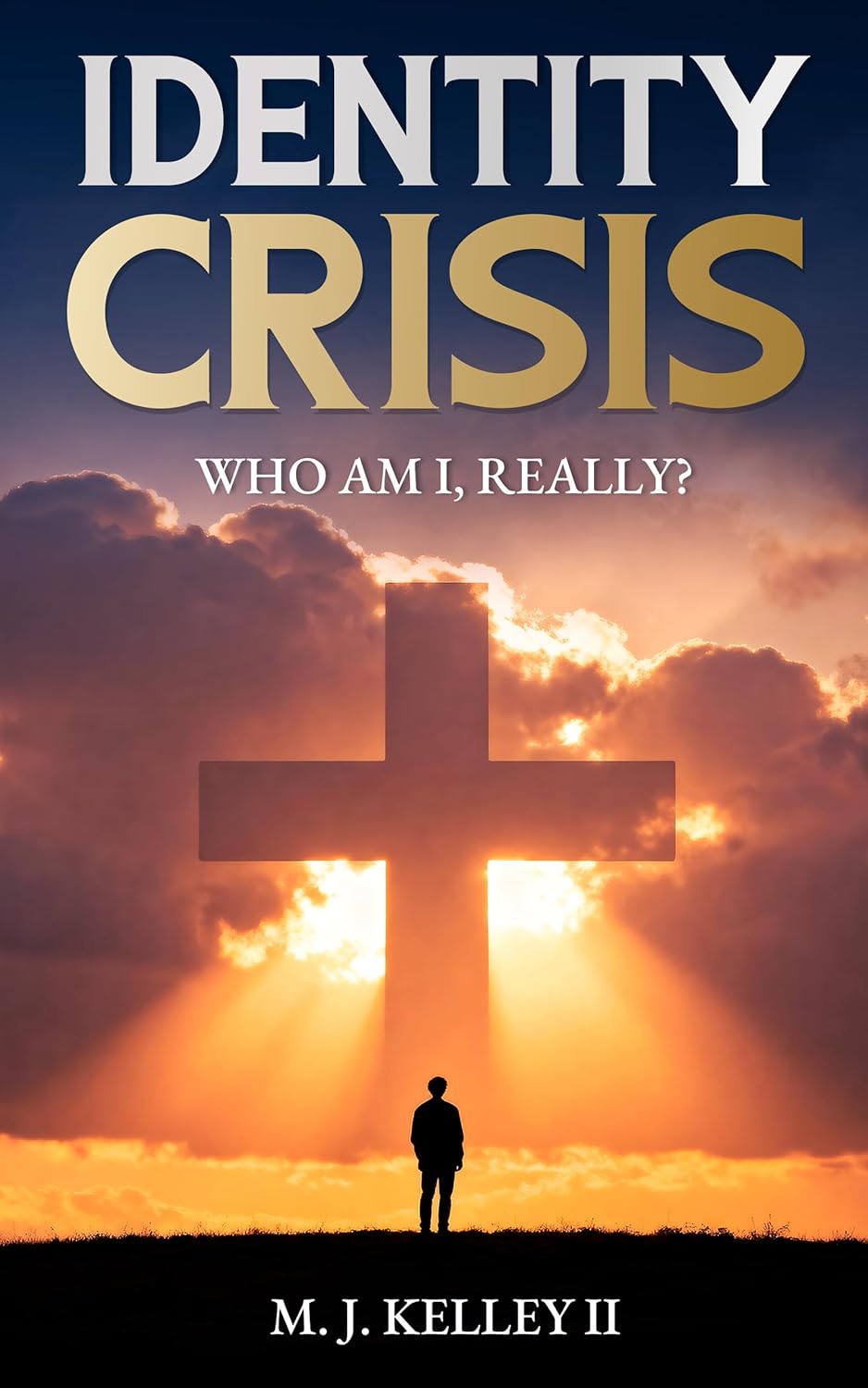

Identity Crisis: Who Am I, Really? offers a striking blend of memoir and theology, tracing one man’s journey from abandonment and anger to spiritual renewal. The author begins with a vivid recollection of his upbringing in foster care, marked by instability, neglect, and emotional wounds. His story unfolds through a lens of deep honesty, moving from survival and self-reliance to the gradual recognition of divine purpose. What begins as a personal account of loss transforms into a broader reflection on how individuals construct their identities in an age of distraction, performance, and comparison.
The opening chapter establishes both the emotional and philosophical weight of the work. When the author describes “the names I had been called were weapons,” the reader is immediately drawn into his internal conflict between strength and brokenness. His career as a police officer becomes a metaphor for control, an outward display of stability masking an inward fragility. This contrast anchors the book’s central theme: that human worth cannot be secured through achievement, image, or reputation. The author’s eventual encounter with faith reframes identity not as something earned, but as something received.
Beyond the personal narrative, the book engages thoughtfully with cultural issues. In “The Crisis of Identity,” the author critiques the social and psychological consequences of the digital age, arguing that social media’s obsession with validation has eroded authentic self-worth. His discussion of the “comparison trap” is particularly compelling, weaving together research on narcissism and mental health with theological reflection. The prose maintains clarity even when exploring complex ideas, inviting readers to think critically about how technology shapes the self.
One of the most powerful sections, “When Labels Become Limiting,” exposes the damage caused by societal categorization and contrasts it with the Christian understanding of identity as being “created in the image of God.” The author’s exploration of spiritual adoption, our becoming children of God with a new name and inheritance, provides the emotional and theological resolution of the narrative. This theme of restoration lends the book both its moral force and its hope.
Identity Crisis is deeply personal yet widely relevant. It speaks to anyone wrestling with self-worth, purpose, or belonging in a world that prizes performance over authenticity. The author’s courage in revisiting his past, combined with his grounded biblical insight, makes the work both reflective and redemptive. Readers seeking a thoughtful, faith-centered examination of identity will find this book profoundly moving and intellectually satisfying.
Pages: 241 | ASIN : B0G1NK5V76

Wagon of Worries

Mabel is gathering something in her little red wagon, though it’s hardly the sort of collection that brings comfort. What she piles inside are worries. They appear everywhere, multiplying with ease, and Mabel scoops them up almost without thinking. Soon the wagon swells with these gray tokens of unease, growing so weighty that she can scarcely drag it along. She tries to abandon it, to shake herself free, yet finds she’s somehow bound to it, tethered by forces she doesn’t fully grasp. The question becomes urgent: how can she move forward? A turn toward a higher power may hold the key.
Wagon of Worries, written by Ruthie Godfrey, targets readers roughly ages 4 through 11. While older children may find the message too direct, younger readers are likely to enjoy its vibrant illustrations and the gentle wisdom woven throughout.
Godfrey introduces the idea of anxiety with refreshing creativity. The dull gray coins Mabel gathers function as symbols for the small but persistent stresses that follow us through life, whether we are children learning to navigate the world or adults juggling responsibilities. As those worries accumulate, steering one’s life can feel increasingly difficult. Mabel’s journey demonstrates that seeking help from the divine can offer a release, a way to surrender the heaviest burdens and trust in something beyond oneself. Once she does, her wagon and her path forward grow lighter.
The symbolism may lean toward the obvious, yet the message remains valuable for young readers. Godfrey emphasizes that even those outside the Christian faith can find meaning in the book’s core principle. A “let go, let God” mindset, whether interpreted literally, spiritually, or metaphorically, can help anyone overwhelmed by anxieties regain perspective. In an era where worry feels nearly universal, the book presents a gentle, sensible approach to coping, wrapped in a story children can understand and remember.
Pages: 36 | ASIN : B0F6M8Y7BH
Marcus Douglas Presents Dimensions of the Soul part 1
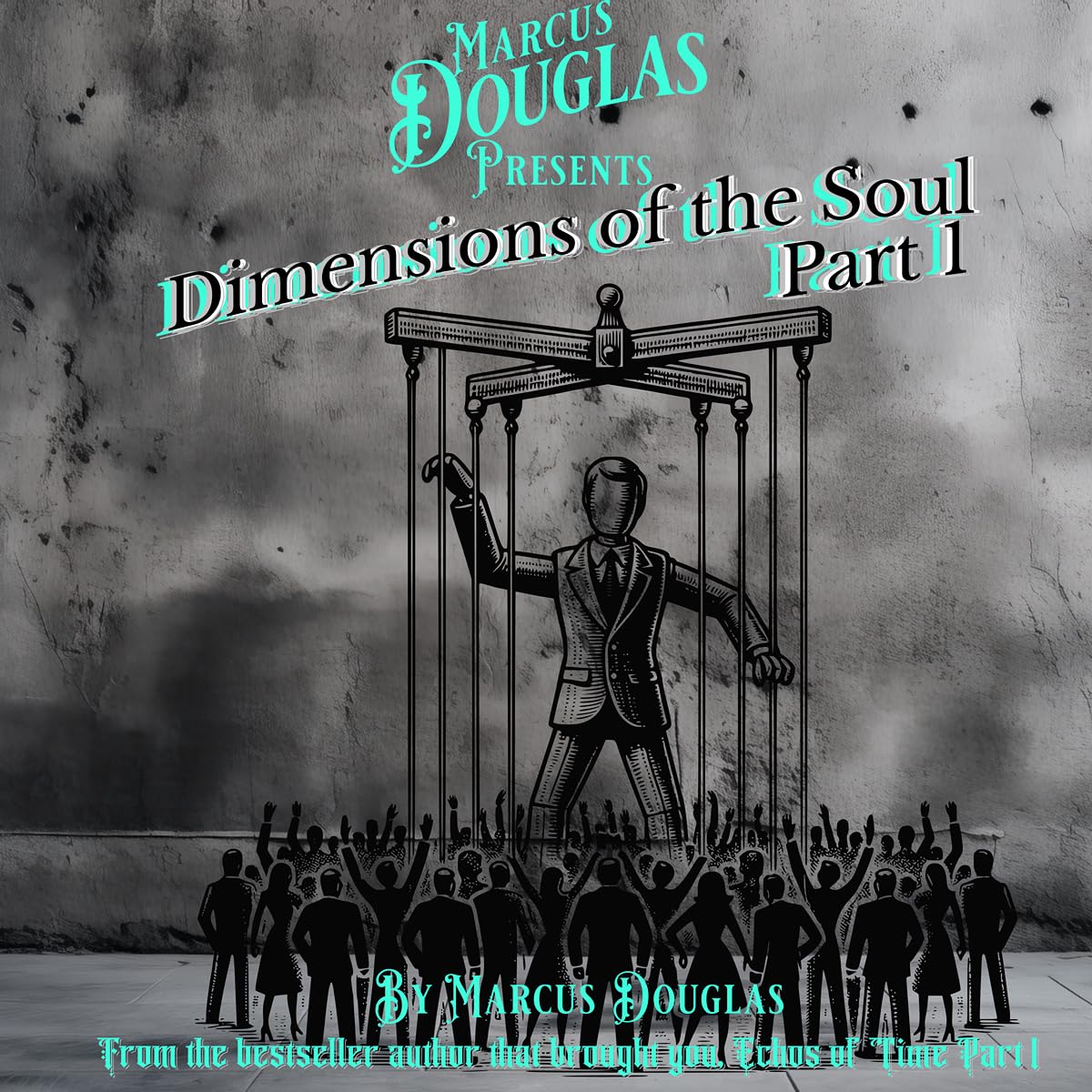

Marcus Douglas Presents Dimensions of the Soul is a fascinating mix of spiritual philosophy and high-stakes political thriller. The book dives deep into what defines the human soul, breaking it down into the mind, emotions, and will, and then wraps those ideas into a complex narrative about psychic government agencies, prophetic dreams, and the rise of a new U.S. president burdened with destiny. The story’s structure moves between theological meditations, called “Overtures,” and cinematic chapters filled with intrigue and danger. It’s both a metaphysical exploration and a modern myth, questioning how our inner selves shape the outer world and the consequences that follow when that balance is disturbed.
I found myself pulled into the book’s rhythm, first by its ideas, then by its characters, especially Natalie Massey and President Kirklin Adams. The writing is earnest and unfiltered, sometimes poetic, sometimes raw. There’s a moral sincerity that runs through every chapter, even when the dialogue leans toward melodrama. The theological reflections are surprisingly personal. I could sense Douglas’s own wrestling with faith, destiny, and the tug-of-war between spirit and flesh.
Emotionally, this book hit me in unexpected ways. There were moments when I had to pause just to think, especially during the scenes where the characters confront their inner demons or divine purpose. Douglas’s imagery, like the soul as a mediator between body and spirit, stayed with me. Some of the political plotlines felt far-fetched, yet the underlying message about corruption, faith, and the unseen battles of conscience made them strangely believable. The fusion of faith-based allegory with science-fiction ideas like “Dream Walking” is bold, and though not every concept lands cleanly, I admired the audacity.
I’d recommend Marcus Douglas Presents Dimensions of the Soul to readers who enjoy stories that challenge both heart and mind. It’s ideal for people who like their fiction thoughtful but not pretentious, and who appreciate a spiritual twist on classic suspense. If you’re drawn to tales where faith, science, and the human psyche collide, and you don’t mind a few wild turns along the way, this book will stay with you.
Pages: 245 | ASIN : B0F336CF1J

Jesus Help Me Know You More: How to Experience the Depths of God’s Love

Jake Huffman’s Jesus, Help Me Know You More is a heartfelt and conversational guide to deepening your relationship with Jesus. It’s a blend of personal stories, biblical reflection, and gentle spiritual coaching, all meant to help readers experience the love of God in a more real and intimate way. Huffman breaks the journey into chapters focused on rediscovering love, clearing spiritual clutter, facing suffering, and embracing joy, grace, and identity through Christ. Each chapter ends with reflection questions, inviting readers not just to learn but to live what they’ve read.
This book surprised me. A lot of Christian devotionals feel either too stiff or too shallow. Huffman threads the needle with warmth and clarity. His voice feels familiar, like a trusted friend sharing what helped him crawl out of spiritual dryness. The personal stories, especially those involving family and friends facing hardship, made the abstract truths stick. There’s a kind of quiet power in his writing. He doesn’t shout or preach. He just invites, gently and consistently, into a deeper knowing. I appreciated how he doesn’t sugarcoat the struggle. The chapter on suffering, for instance, hit close to home and didn’t try to explain it away; it just sat with it, and that honesty was refreshing.
One of the book’s strengths is its gentle, steady tone. Huffman stays grounded, offering simple truths through scripture and warm metaphors like “sitting by the fire.” There’s a comforting rhythm to the way he revisits key themes, circling back to the heart of knowing Jesus in different ways. For readers who are weary from striving or burned out on performance-based faith, this kind of repetition isn’t just helpful; it’s healing. The book’s simplicity becomes its strength, offering a quiet space to breathe and reconnect.
I’d recommend Jesus, Help Me Know You More to anyone looking to slow down and realign with the heart of their faith. If you’ve drifted or feel numb in your walk with God, this book could be like cool water for a parched soul. It’s a relational wake-up call. For new believers, tired churchgoers, or anyone who just wants to feel close to Jesus again, this book feels like a gentle hand on your shoulder saying, “Hey, He’s still right here.”
Pages: 241 | ASIN : B0F3PFXKPM
When Jesus Calls

Martha Gayle’s When Jesus Calls is a heartfelt Christian fiction novel that follows the emotional and spiritual journey of Mary, a woman seeking healing, purpose, and a deeper connection with Jesus after a string of personal heartbreaks. The story unfolds through Mary’s inner reflections, her work at a charming inn, her close friendships, and her life-changing decisions, like buying a cottage by the sea and choosing forgiveness over bitterness. Along the way, Mary grapples with past wounds, discovers the redemptive power of faith, and learns how to let Jesus guide her life.
I found myself emotionally invested in Mary’s story from the very first chapter. Gayle’s writing isn’t flashy, but it’s deeply sincere. She writes with a raw honesty that makes you feel like you’re sitting with a friend who’s laying their heart bare. Her style is intimate, plainspoken, and brimming with warmth. There’s no pretense, just a genuine voice telling a story grounded in love, loss, and the quiet call of God. I admired how Mary’s spiritual insights came through lived experiences, not sermons. It didn’t feel like I was being preached at. Instead, I was invited to reflect right alongside her, which made the story more powerful and real for me.
What stood out most was the emotional depth and vulnerability. I felt Mary’s loneliness. I understood her ache for love, her longing for peace, and her deep need for meaning. Gayle doesn’t gloss over the hard stuff—betrayal, temptation, self-doubt—but instead shows how grace meets us in the middle of the mess. I loved the supporting characters. Mr. Henry, the inn’s general manager, especially touched me. His quiet faith journey and the kindness he showed others brought tears to my eyes more than once. The book reminded me how much we all need community and how God can speak through the people around us.
When Jesus Calls is a quiet reminder that healing is possible, faith is alive, and we’re never too far gone to be called back home. I’d recommend this book to anyone who’s been through heartbreak, who’s questioning their faith, or who just needs a gentle story that breathes hope.
Pages: 174 | ASIN : B0DHSXZCP6
A Wave of Uncertainty

When Jesus Leads: A Sequel to When Jesus Calls follows a woman struggling with her feelings of fear, uncertainty, and a desire to protect her heart and her daughter. In complete faith, Mary leans on God to guide her path. What was the inspiration for the setup of your story?
Although written as fiction, both Novels are based on true-life testimony.
Mary met Jimmy, who had a past that she wasn’t familiar with, but in a vision, God showed her his heart, as He saw it. God called her to love him. This wasn’t easy for Mary, but she had no choice as the conviction from God was strong. As a single mom, desiring to protect her daughter’s heart made it more difficult for Mary. God poured so much love into her heart for him, and most importantly, she wanted to follow God’s will for her life. Mary’s Faith became more real than she had ever known it as she continued to walk against a wave of uncertainty to love Jimmy through his addiction that ultimately brought him to Jesus, and his life was dramatically changed.
Are there any emotions or memories from your own life that you put into your character’s life?
Although When Jesus Calls and When Jesus Leads are written as fiction, both of my books are based on true life experiences. I used Mary as the main character because Mary always rested at Jesus’ feet while Martha always seemed to worry. This was a lesson that Mary continued to grow in. When Jesus Calls is about my life and how being betrayed at a very young age caused a lot of trust issues; Mary poured herself into her work as sales and marketing director at the Inn to hide behind the pain. When Jesus Leads brings Jimmy back into the story of dating, meeting family, holidays, etc. Mary continues to seek to understand God’s will for her life with him and ultimately surrenders her will to God’s.
While writing my story, God healed my heart on many occasions and freed me from pain that I never dealt with. Pain that I never knew existed. Writing both books has been an amazing but emotional journey, as real-life experiences are written deep into the pages of each Novel.
What experience in your life has had the biggest impact on your writing?
After marrying my husband, God called me to leave my career many years ago to be a stay-at-home wife and homeschool mom. It was a tough decision for me, as I trusted in my ability and what I could do to provide for myself and my daughter.
I had to understand the importance of letting go/surrendering and trusting Jesus above all else. After my daughter went to college, I asked the Lord to please give me something that I could do on my own again. I studied for all of my insurance licenses and, within six months, owned my own insurance agency. After building a business almost four years later, God called me to sell my business to write When Jesus Calls and When Jesus Leads. This has been a profound journey of God’s amazing love.
When we trust God and walk in His will, hearts change.
When Jesus Leads has already won a Gold, 5-star award with The Literary Global Book Awards. I am humbled!
What next book are you working on, and when will it be available?
I am currently working on the 3rd book in the series. This book should finish the story, or there may be one more. My prayer is that it will be available in the Fall.
John 11:40 – Jesus said, “Did I not tell you that if you believe, you will see the glory of God?”
Author Links: GoodReads | Website | Amazon
Join Mary on an inspirational journey of romance, hope, forgiveness, and, most importantly, faith. Will Mary’s unwavering faith be enough to follow God’s will for her life?
When Jesus Leads is a sequel to When Jesus Calls—Mary’s life as a young woman whose life does not turn out as planned. The betrayal in her marriage leaves her bitter, heartbroken, and angry. Focusing on forgetting the pain of her past, Mary pours herself into her work as a sales and marketing director of a charming resort called the Inn and becomes an award-winning author. Her job becomes her identity.
Mary’s life takes a remarkable turn when she meets Michael, an author. After he decides to leave town and not return, Mary becomes a single mom. Mary attempts to try to find a balance in her life, enjoying her career at the Inn and writing. She then meets Jimmy, who has a past that she is uncomfortable with, and as God calls her to love him, her world feels uncertain. “Is this God’s will for my life?” she asks herself.
Surprisingly, Michael comes back into her life, leaving her feeling vulnerable about her and her daughter’s future.
As she grapples to understand her relationship with Jimmy, doubt and fear surround her.
When Jesus Leads is a story about undeniable faith and a journey toward romance, forgiveness, love, and learning to trust God above all else. Jesus reminds her of His word in John 11:40: “Did I not tell you that if you believed, you would see the Glory of God?”


