Blog Archives
Liberator: The People’s Guard Vol. 3 Metamorphic-Humans


The third volume of Liberator: The People’s Guard throws us straight into a harsh world where ruthless politics, dangerous science, and volatile new powers keep clashing. Early scenes in Cherbosk show terrified workers drowning under impossible state demands, then the chaos explodes when a catastrophic chemical spill sets off a chain of events that births new metamorphic humans. Soon after, a violent shapeshifter named Mistika tears through banks and museums while the Liberator scrambles to understand her powers and the government’s role in creating beings like her. The story mixes political fear, personal struggle, and huge action in a country desperate to control forces it barely understands.
As I read through these chapters, I felt pulled in by the sense of pressure everyone seems to live under. The writing made me feel that tight knot of stress in my stomach, the one you get when you know something terrible is coming, and there is nothing you can do but watch it arrive. Oksana’s frantic attempts to please her superiors hit me hard. She rushes, she panics, she breaks things, and she pays the price. Those scenes made me feel frustrated and sad because you can see her fear coming off the page. Then you have Mistika, who storms into a bank like a comic book villain brought to life. Her scenes are intense and sometimes brutal, and I was shocked at how casual she is about killing. The casualness made her feel more real and more frightening.
The political tension is strong, and I kept feeling uneasy about how often the government hides the truth. The conversations about the super soldier serum made me pause, especially when Tovarich realizes he might not be the only one or even the first one. That whole debate around a genetic arms race made the story feel bigger than a simple superhero fight. It gave me this weird mix of worry and curiosity. I liked that the book did not give easy answers. Instead, it let the fear simmer while the characters tried to keep moving forward.
This volume would be perfect for readers who enjoy superhero stories that lean darker and more political. If you like action mixed with fear, moral tension, and characters who feel trapped by forces bigger than they are, this is a strong fit. I would recommend it to fans of gritty comic book worlds and anyone who likes stories about power that comes with a cost.
Pages: 116 | ASIN : B0FTV1KZ2X

Daughters of the Empire
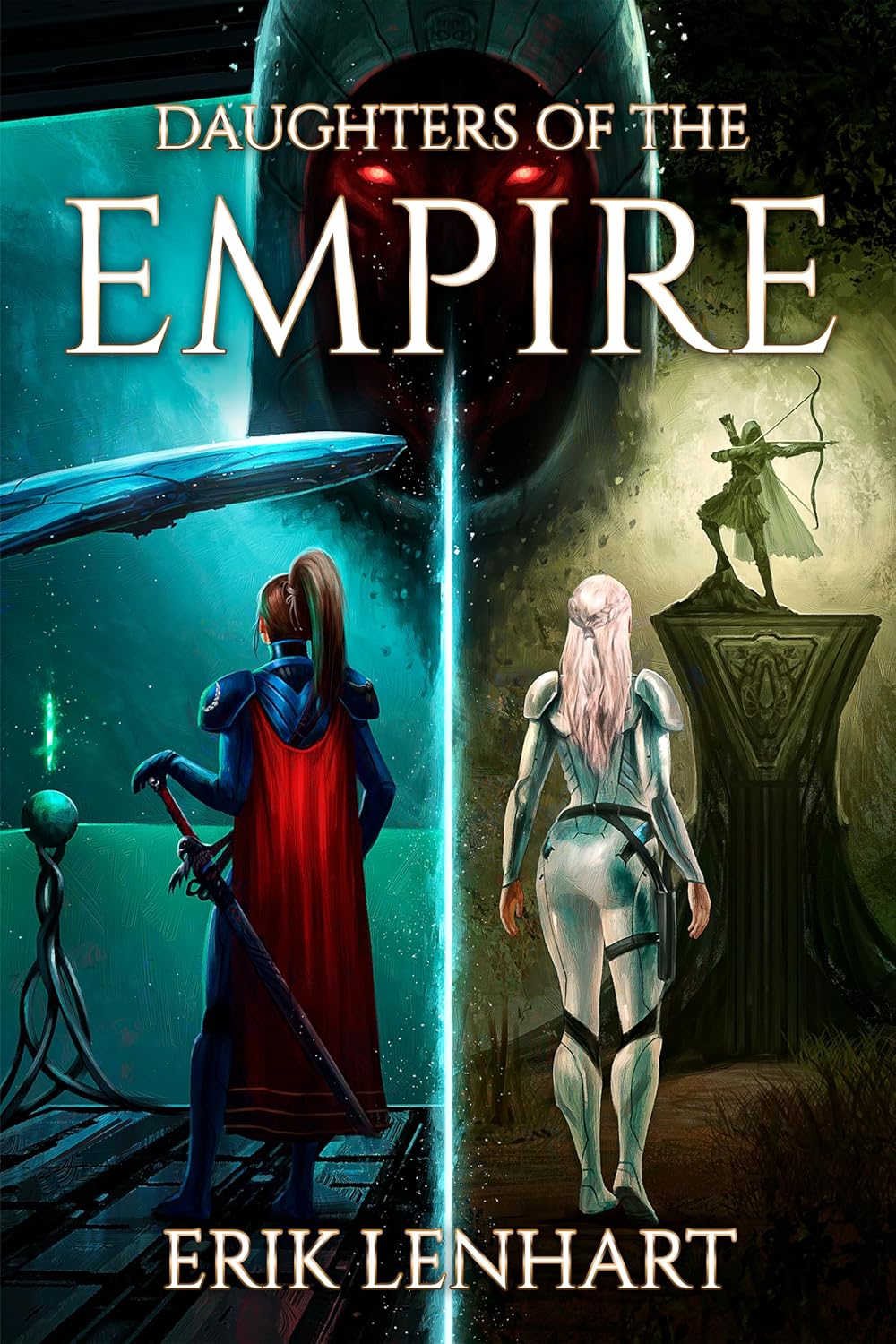
The story kicks off with a punch. It drops you straight into a massive space battle where Valerica Crassus commands a fleet with sharp precision and a colder kind of confidence. Then the book switches gears and gives a warm, grounded look at Deanna and her cousin Miyu living a quiet merchant life on Dorset II. Their world feels ordinary until it suddenly breaks apart as raiders strike the annual Vintage Festival. From that moment on, the story pulls together politics, ancient prophecies, power struggles, and a galaxy that feels both huge and fragile. The contrast between star-spanning warfare and small human hopes gives the novel a strong emotional core.
I enjoyed how bold the writing can be, and I felt pulled into the action when Valerica faced Drakos. The pacing had real energy. I liked how the author shifts from sweeping military strategy to quiet domestic scenes. The jump between those worlds kept me on my toes. I did find myself craving more breathing room during some of the denser political explanations, since the universe is packed with factions and titles. Still, I appreciated that the author refuses to treat worldbuilding like filler. It carries weight. It feels like people actually live in this place instead of moving through a backdrop.
I also got attached to Miyu more quickly than I expected. His stubborn bravery and his rough humor made the raid hit hard. Watching Deanna run into the forest felt tense in a very personal way. The book knows how to mix danger with heart, and that mix worked for me. On the other hand, Valerica’s storyline sometimes felt so large that it overshadowed Deanna’s. Even so, the emotional sparks between Valerica and Lana were vivid, and their relationship added warmth to a story that could have been too cold without it.
I would recommend Daughters of the Empire to readers who enjoy big galaxy-shaking plots but also want characters who feel alive and flawed. It’s a good pick for fans of military sci-fi who like mythology, political tension, and a bit of romance. If you want a space opera that moves fast, has heart, and isn’t afraid to swing between quiet moments and high stakes, this one should be on your list.
Pages: 525 | ASIN : B0FVXWR1NZ
An Unsuitable Job
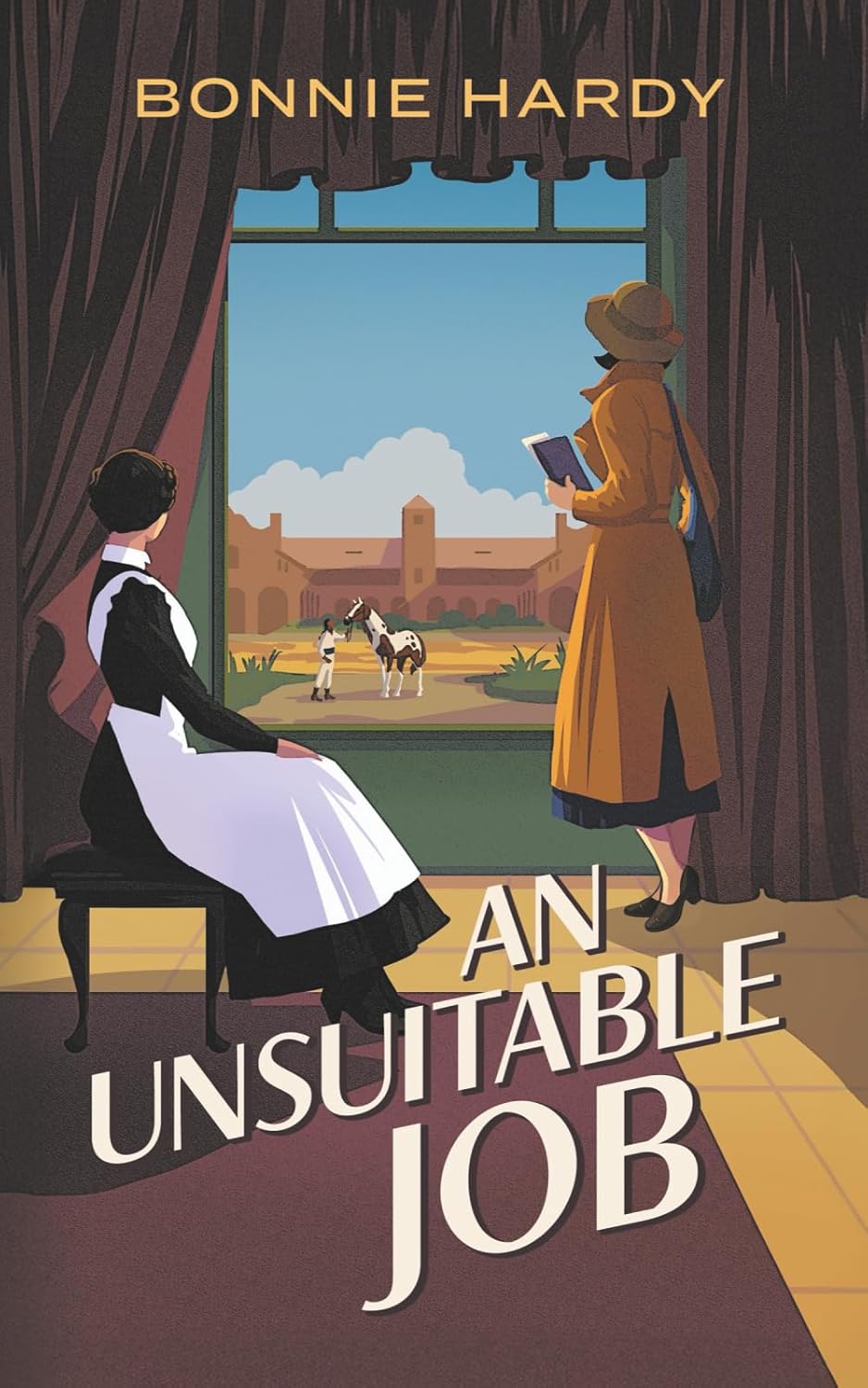

An Unsuitable Job drops readers straight into Josie MacFarland’s world and wastes no time showing the grit behind the glamour. The story follows Josie as she returns to the Harvey Company to serve as their first woman detective. A dead salesman, a scandal brewing in the Castañeda Hotel, and a tangle of secrets push her into danger and discovery. The pages move fast. The scenes glow with the heat of New Mexico. The world of Harvey Girls, rail travelers, cowboys, and local families feels alive and loud. The book reads like a window into 1930. The mystery unfolds piece by piece as Josie digs through gossip, grudges, and old wounds.
The style hit a sweet spot. Simple. Direct. No fluff. I liked how the dialogue carried the weight of the story. It felt crisp and quick. The emotions ran close to the surface. Josie’s tall presence, sharp eyes, and constant tug between courage and doubt made her easy to root for. I found myself grinning when she pushed back against people who underestimated her. I felt a pinch of sympathy when old mistakes nipped at her heels. The author paints these moments with an ease that makes the scenes sink in deep. The setting did a lot of lifting, too. The dusty roads. The clatter of the dining room. The smell of rain on sage.
Some moments caught me off guard. The tension between Josie and the sheriff had this spark that made me sit up straighter. The small flickers of jealousy or nerves or pride made the characters feel relatable. I also liked the way the story let the gossip swirl. Secrets traveled in whispers. People watched over their shoulders. The book didn’t shout its themes. It let them simmer. Women are boxed in by rules. Power running quietly through a small town. What people hide to keep the peace. The mystery itself moved with a steady beat. No rush. No drag. Just enough clues to keep me leaning forward.
This was a satisfying read. The story wrapped up in a way that felt clean but still left room for more. I could picture Josie walking off in her trench coat, not done with danger yet. I would recommend An Unsuitable Job to readers who like cozy mysteries with a little grit. Anyone who enjoys historical settings. Anyone who likes strong women who push back when they are told to stay quiet. It is a book for people who want quick pacing paired with warm character work. I enjoyed it, and I think many others will too.
Pages: 280 | ASIN : B0FQYRCBNH
Part of the Solution: A Mystery
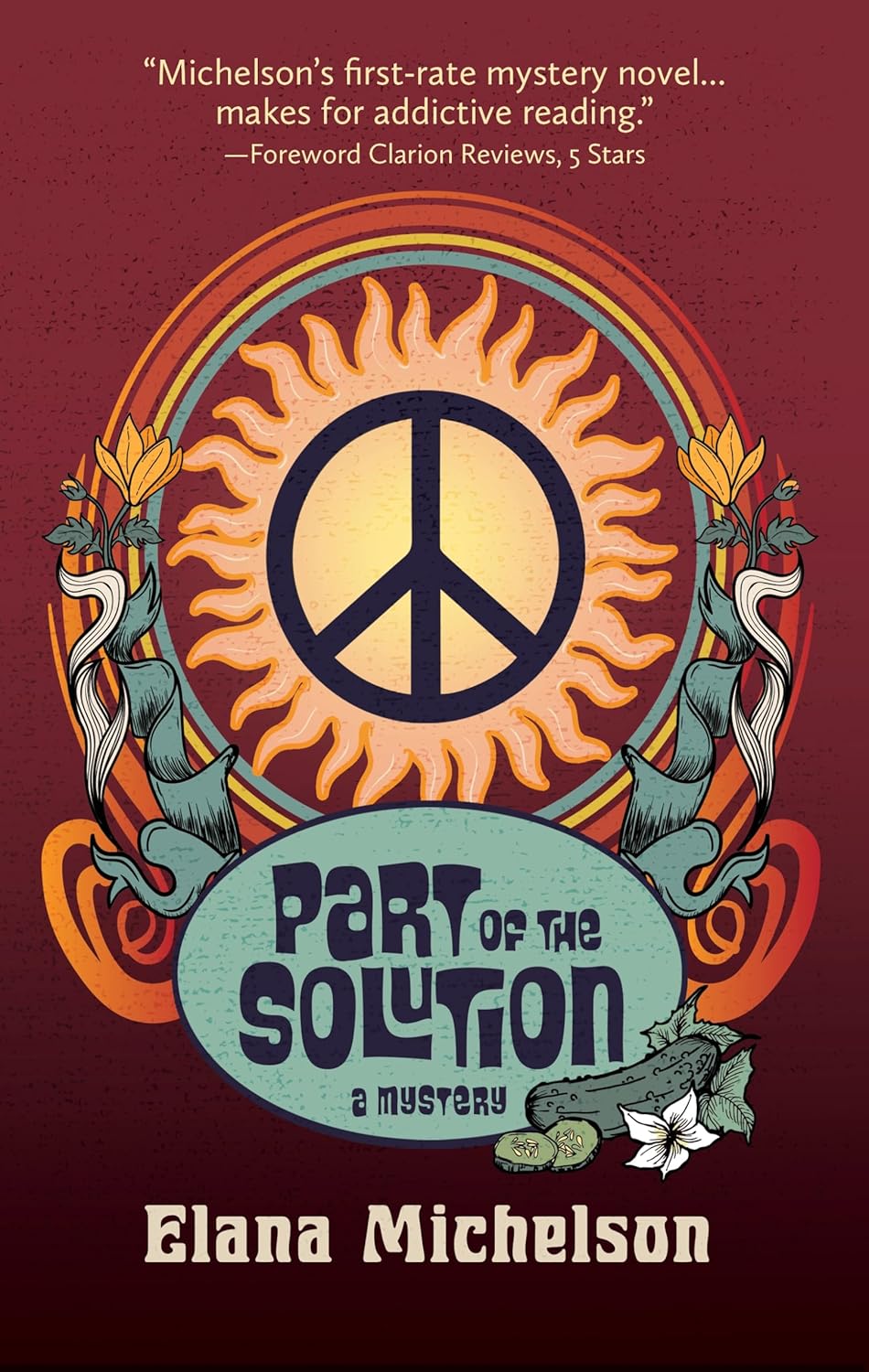
Part of the Solution follows Jennifer Morgan, a New York professor who returns to Boston for a conference and suddenly collides with her past. A chance meeting pulls her back into the late seventies, when she lived in a tiny Massachusetts town full of hippies, activists, dreamers, and drifters. The book moves between the present and that earlier world, and the story slowly circles a death that shattered the odd little community she once called home. The narrative blends memory, mystery, romance, and political reflection in a way that feels alive and warm and a little bittersweet.
Reading it felt like stepping into a room that smells like coffee and incense and old books. The writing has a cozy quality. It rambles in a good way, like someone talking while cooking dinner, and I found myself leaning in. I had moments of real affection for the characters. They fight. They love. They hold grudges that make no sense and cling to ideals that make no sense either. The dialogue has a lively spark that kept surprising me. Sometimes it hopped around. Sometimes it took its time. I liked that. And even when the tone shifted into darker territory, the heart of the book kept beating steady.
The ideas underneath the story resonated with me more than I expected. Michelson captures the messy idealism of the counterculture era with charm and also with a sharp pinch. I kept nodding because the book understands something about how people try to build a better world and then stumble right over their good intentions. The spiritual seekers. The radicals. The shy intellectuals who think too much and then think even more. I felt the book’s tenderness toward them, and I felt its frustration too. The tension between hope and disillusionment had real weight. It made me sit back and think about my own younger self and the beliefs I thought would never bend.
I would recommend Part of the Solution to readers who enjoy character-driven mysteries, stories about found communities, and novels steeped in the moods of the sixties and seventies. If you like fiction that mixes warmth with tension and lets people be flawed in recognizable ways, you’ll enjoy this book.
Pages: 298 | ASIN : B0FL4MH5WY
The Mourning Locket

The Mourning Locket is a supernatural thriller about an agency called the Inheritance Bureau, a place where heirlooms hold the emotional residue of the dead and where objects literally remember their owners. At the center is Dr. Cassian Vale, an empath whose contact with a Civil War locket sets off a chain reaction of visions, secrets, and dangerous revelations. The book follows him and his team as they uncover the Bureau’s buried experiments, confront its founder, and wrestle with the cost of inheriting pain that isn’t theirs. From the opening scene of Clara Alden’s locket humming at her deathbed to the Bureau’s escalating malfunctions and betrayals, the story blends memory, grief, and identity into a spiraling mystery that ties past and present together.
I was hooked by the atmosphere. The writing carries this heavy, electric hush that makes even quiet moments feel alive. The way the book treats objects as emotional sponges really grabbed me. It’s eerie but tender at the same time, and I kept pausing just to absorb the mood. Scenes like the introduction, where the narrator talks about antiques holding fingerprints and sorrow rather than beauty, hit hard because they feel so human and so haunted at once . I loved that the supernatural elements never felt like gimmicks. They feel like feelings we’ve all avoided or held onto too long. And the characters, especially Cassian and Arden, are written with these little cracks that make them feel both fragile and stubborn. Their connection feels like the kind of closeness born from shared damage rather than romance or convenience.
I also found myself getting swept up in the Bureau’s darker layers. The Blood Ledger, the Silent Lens, the old experiments Callen buried, those ideas are so unsettling because they twist empathy into a tool instead of a virtue. The Apparatus section especially pulled me in. It’s wild and emotional and messy, and it made me feel that buzzing thrill you get when a story finally shows its teeth. Some chapters hit so fast and sharp that I had to slow down to follow every detail. The book lets consequences linger. It lets the characters stay complicated. And honestly, I appreciated the streaks of humor tucked into tense moments. They feel like how real people actually cope, with snark, with tired jokes, with “I stopped for denial” energy.
By the end, I walked away feeling like I’d read something strange and warm and unnerving, all in the best ways. I’d recommend The Mourning Locket to readers who like emotion-driven supernatural stories, to people who enjoy found-family dynamics with rough edges, and to anyone who loves mysteries that grow teeth as they unravel. If you like fiction that feels a little haunted and a little hopeful, and if you enjoy worlds where empathy is both power and liability, this book will be right up your alley.
Pages: 138 | ASIN : B0FW5NDTPV
SWALLOWING THE MUSKELLUNGE
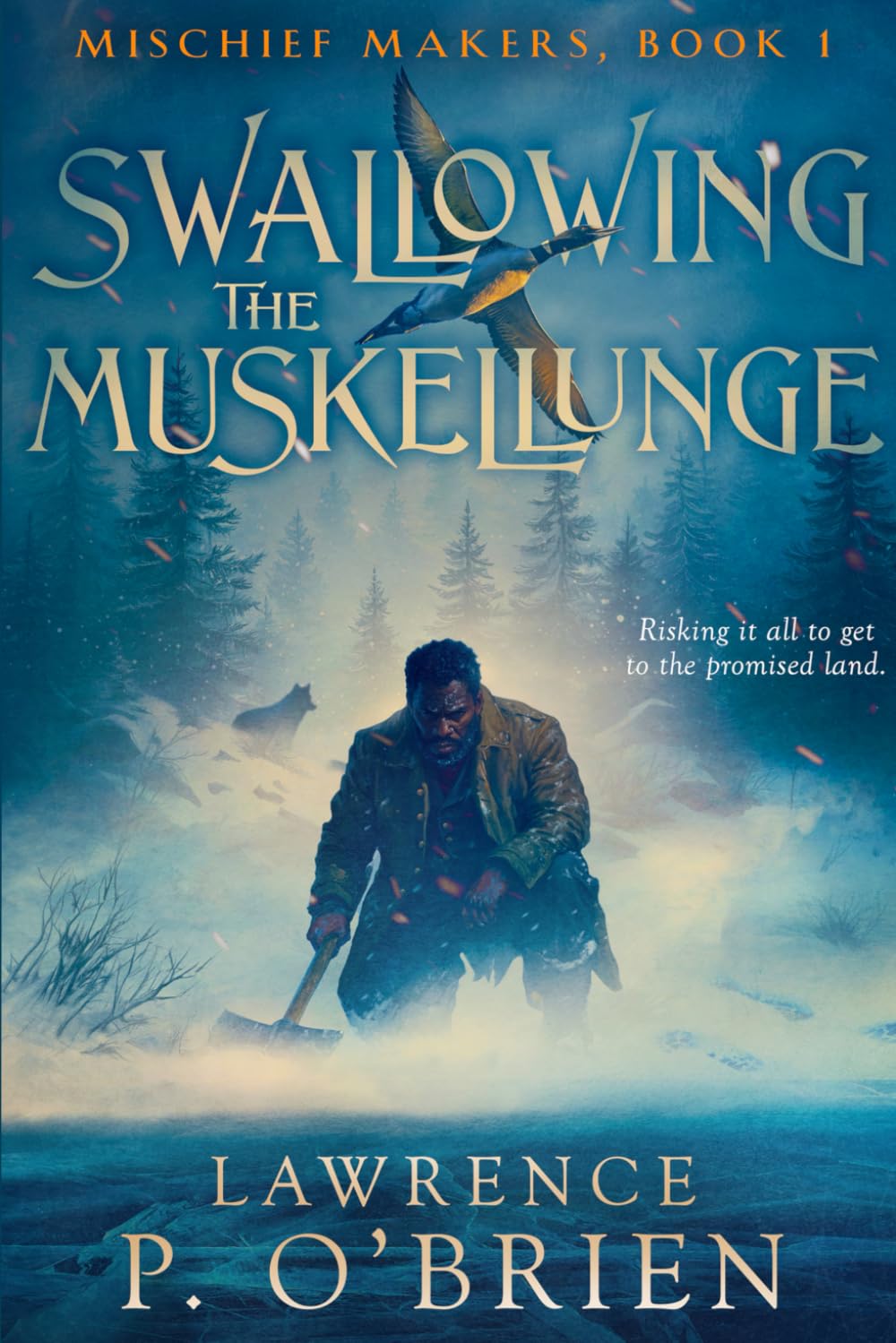
Swallowing the Muskellunge drops you into a brutal and uncanny world where Black families in the late 1700s try to carve out a life in a landscape full of danger, superstition, and raw human fear. The story follows London Oxford, his son Abner, and the Wright family as they navigate violence, prejudice, mysterious deaths, and something darker hiding in the woods and rivers. The book mixes historical fiction with unsettling folklore, and the result is a journey that twists between real-world cruelty and eerie, mythic threats.
The writing hits with a quiet confidence, yet it never lets you rest. Scenes that start with simple family troubles drift into something tense, then something dreadful, then something almost magical. I found myself leaning in and frowning at the page, not because the prose was hard, but because the emotions were sharp. O’Brien has a way of slipping horror into places that should feel safe. Kitchens, barns, small paths, quiet rivers. The fear creeps in slowly. I kept thinking, I know these people, and I don’t want anything to happen to them, yet trouble keeps finding them. Some moments even made my stomach turn, especially when the book turns toward the threats against Abner or the strange shadow creatures near the river. It all felt personal.
What struck me hardest, though, was the mixture of cruelty and tenderness. I felt anger at the unfairness thrown at London and his family, and I felt warmth in the smaller human moments that kept them standing. A father reaching for his son after a violent scare. A mother snapping at the world because she is scared of losing everything. Those scenes felt raw. The conversations are messy and real. People stumble through their choices, and you see their flaws, yet you can’t help rooting for them. O’Brien’s ideas about freedom, belonging, and survival sit right under the surface. They poke at you in quiet ways. I loved that.
This is a gripping story that digs into both the mythic and the human. I would recommend Swallowing the Muskellunge to readers who enjoy historical fiction with grit, folktale shadows, and characters who feel painfully real. Anyone who likes stories that blend lived struggle with something uncanny will find a lot to chew on here.
Pages: 371 | ASIN: B0G1J3C3HQ
The Moments Between Choices
The Moments Between Choices tells the story of Omar Rashid, a man who drifts through life on autopilot until a sudden accident tears open the hidden cost of his choices. The book jumps between the present and his past. It shows the small moments where he hurt the people who loved him. It also shows the glimpses of kindness that hinted at the man he could have been. The final pages follow his quiet reckoning as his life slips out of his hands and into something stranger. The whole thing feels like watching a life replay in fast flashes that hit harder each time.
The language is simple, almost disarmingly so, and then a scene hits like a falling brick. Moments that seem harmless at first crack open into something sad. I kept thinking about the gap between intention and impact. The author doesn’t scream the message. He lets it sit there. The scenes with Omar ignoring his daughter or brushing off his wife felt too real. I felt annoyed with him at first. Then I felt uneasy. Then I felt guilty for how easy it is to slip into the same habits. The emotional rhythm jumps between warmth, frustration, and dread, and the shifts kept me on edge in a good way.
I also liked how the book handles memory. The childhood chapters were surprisingly vivid. The prank with the glue made me laugh. The pepper incident made me wince. The moment with the old janitor honestly touched me. These scenes felt like tiny snapshots that carried more weight than I expected. The book moves fast. I wanted more breathing room in a few spots, but the pace gave the story a kind of heartbeat. I never felt bored. I just sometimes felt shaken. And maybe that was the point. The structure carries this idea that life is stitched together through small choices. And those choices keep echoing, whether we like it or not.
By the time I reached the final chapter, I felt a mix of anger, pity, and something like hope. The ending left me quiet for a minute. It didn’t try to fix everything. It offered clarity. And I appreciated that. It made the story feel honest rather than preachy.
I’d recommend The Moments Between Choices to readers who enjoy emotional stories that keep you thinking about them. People who like character-driven arcs. People who reflect on their own habits and relationships. Anyone who wants a book that nudges them to sit and think about the tiny decisions they make every day. It’s not a light read, but it’s a meaningful one.
Pages: 116
Refuge for Human Civilization
Fragments of Light follows a young Archivist named Keela as she uncovers relics of a forgotten civilization while ancient machines awaken beneath the ice. What was the inspiration for the setup of your story?
Winter. It all started with that. I live where winter is a VERY present concept, and as much of an avid reader as I am, rarely did I ever find a compelling SciFi story that took place in winter or somewhere where winter was the norm. So I figured that starting everything there would be something that could generate a different type of texture to the narrative. And one of those threads is the impact – or I should probably say “impacts” – of climate change. As harsh an environment as the Arctic is, climate change has a disproportionate effect on it; everything seems magnified. So to me, that area would likely be a natural refuge for human civilization should the World go to Hell in a handbasket…
Keela’s emotional journey feels incredibly intimate. Was her character shaped by any personal experiences or themes you wanted to explore?
No personal experience per se. However, being a parent, I see that many young people – and having been one myself – are unsure of the potential in them; of the strength that inhabits them. Sometimes it’s easier to wait for someone else to do what needs to be done, but most of the time, YOU could do it, and you could probably do it better. As for the archivist part, that’s purely projection: I’m a big history nerd! I just find it fascinating – good and bad – how technology throughout the ages shaped humans; how it creates a virtuous (or perverted, depending on where you stand) cycle where humans create technology that changes them and allows them to create more “advanced” or different technology that in turn changes them again, and so on and so forth.
What were some themes that were important for you to explore in this book?
Resilience. Ambiguity. Adventure. Friendship. And as corny as it sounds, humor. Because I really do not want to live in a world where even during the worst of the worst we are not able to smile or laugh. Maybe not at what’s happening, but surely at how we deal with ourselves and others.
The machines beneath the ice feel both mythical and scientific. What was your process for designing their nature and purpose?
Well, in Fragments of Light, machines are not generally “under the ice.” Some are, but it’s more because of their purpose, really. In the subsequent books, we see that Keela and Anina need to go outside the safety of their known world – the Arctic – and cross entire continents to continue their quest and get to interact with many different societies, machines, and people.
.
Without spoiling too much, let’s just say that machines are left over from a technologically advanced world that existed pre-Fracture. One where geo-engineering was seen as the way to stop/reverse/curb global environmental collapse. Think huge sun reflecting mirrors, carbon catchers, water purifiers, methane gas processors, etc. These would need to be massive, on a scale that would blow your mind, in order to affect the climate of a system as big and complex as the Earth. And you are right, as with anything that is old, eventually they did drift into mythology or quasi-myth.
Author Links: GoodReads | Amazon
Keela was meant to guard the past, not be claimed by it. In the frozen city of Lumik, she touches a relic that hums with memory, and nothing stays buried. Her quiet life shatters, pulling her into a truth no one else will face.
With Anina, a gifted technician who reads machines like language, Keela follows its call across a fractured Earth. Engines stir beneath snow. Salvage-built cities whisper of healing long abandoned. Wonder ignites, but so does danger, as rivals twist awe into power.
This is not destiny. It is choice. And when no one else steps forward, Keela must.
For fans of Skyward, Scythe, The 100, and Ship Breaker. Discovery-driven sci-fi with brave heroines, hidden tech, and the courage to do what must be done. Scroll up to begin.



 LITERARY TITAN