Blog Archives
Underlying Strength

Beneath the Scarlet Frost follows a princess living in a magical kingdom who has to grow up quickly and come to terms with reality when wielders of wicked magic invade their lands. What was the inspiration for the setup of your story?
The world of this story, Alse Hanya, was actually one I created back in 2011 when I was fourteen years old. I had wanted to write a book about warring magical clans at the time but never got too far into it. In 2014, I started a book about a war of magic vs non-magic, inspired by the Grimm story, “Sweetheart Roland.” I wrote and re-wrote the first ten chapters countless times, but it was never “right.” Then, in 2019, I read a book by Helen Rappaport, The Race to Save the Romanovs, and as the family had always interested me, the more I learned the more I was inspired by those real historical events. I ended up combining the world-building from my fourteen-year-old self, the characters I’d started in the retelling, and the influences of WWI and the Imperial family of Russia at the time. That, and I knew without a doubt that I wanted to write a heroine who showed different strengths than we normally see in modern books. I wanted to show how the quiet, dutiful, compassionate character that usually hangs back could be the strong protagonist, and how those strengths have such an impact.
A lot of time was spent crafting the character traits in this novel. What was the most important factor for you to get right in your characters?
The most important factor for me was making sure the characters all interacted authentically. I wanted the sibling dynamics to really feel like siblings, each with their differing personalities but unquestionable love for one another. I also wanted to show a different kind of “strength” to each character. No matter which character you look at in this novel, main, secondary, or minor, each one has a certain underlying strength to them, traditional or less commonly seen. Of course, they all have flaws and weaknesses too, as is human nature, but the personal impact and emotional depth through the characters were extremely important to me. Additionally, I modeled the Zdraevit family with some character traits from the real Romanov family, and I did a lot of research to get to know the family as much as possible, including reading their personal journals. I definitely wanted to hide those little easter egg details in there.
I find the world you created in this novel brimming with possibilities. Where did the inspiration for the setting come from and how did it change as you were writing?
As I mentioned above, the world came from a story I wanted to write about warring clans when I was fourteen. I wrote lore and histories etc., and created a rough magic system surrounding thirteen “types” of magic, for which their country was named. When I started the retelling in 2014, the world setting was very flat, it was also set against more of a 1940s London backdrop. It wasn’t until I decided to use the Romanovs as inspiration that the pieces clicked together, and I knew I wanted there to be nods to real-world countries and histories woven throughout the narrative, which of course then influenced the setting at large. Eisa for example, started out as a land of endless winter but then was dialed back to a climate and environment more realistically akin to Russia.
What will the next book in that series be about, and when will it be published?
Following the significant event that takes place at the end of Beneath the Scarlet Frost, book two, Within Forsaken Shadows, will focus on exploring more of the world and coming to terms with grief, duty, fear, and moving forward. It is a story of survival and healing, growing war, courtly politics, and culture shocks, and it is a story of new beginnings and understanding. Some of the naivete displayed in book one, won’t really fly in the sequel. The world the characters are entering into is dangerous and often very unforgiving, with little room for innocence or stagnance. Within Forsaken Shadows is set to release on February 18th, 2025.
Author Links: GoodReads | Amazon
Shadows scream, whispers torment, and wishes curse.
The empire of Eisa once stood as a symbol of hope for purging the wicked magic that had plagued its lands. But, when Wielders are spotted within those borders, the sanctity that once acted as an unshakable foundation crumbles beneath Sorrel Zdraevit’s feet.
With the resurgence of Wielders on Eisan soil, protests are increasing in the streets, citizens are suffering, and everywhere she turns tragedy fractures the facade of peace that had sheltered her.
As the second eldest princess in Eisa’s imperial family, when war is brought to the kingdom’s door, Sorrel is forced to step into a new role, leading her deeper and deeper into the world she fears most. Desperate to protect her country against dark and twisted magic, and heal those around her, she must decide what it is she stands for when the world as she knows is rendered senseless.
Unsure of whom to condemn, and whom to put her faith in, Sorrel is faced with tainted realities that threaten to destroy everything she’s ever held dear. All that matters is keeping her kingdom and family safe against the monsters infiltrating her country. Secrets and lies drag her into the depths of her worst nightmare, where fighting through the calamities is the only way she will have any hope of making it out alive- If she can hold on to her own will to live.
The Royal Order of the Last Coin
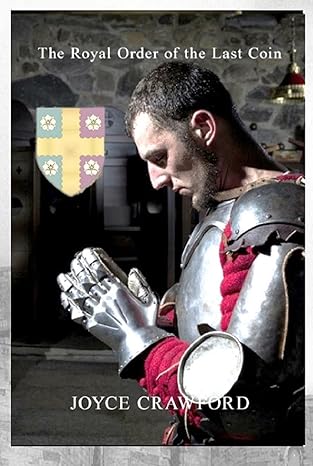

In Royal Order of the Last Coin, Joyce Burton Crawford embarks on a captivating journey through her family’s past, unearthing a hidden chapter that reaches back to the 13th century. This compelling narrative blends themes of service, courage, faith, romance, and moral conviction, all centered around the birth of the De Burton legacy. Crawford masterfully intertwines history and storytelling, crafting a narrative that feels alive with emotion and depth.
Rather than a straightforward recounting of historical facts, Crawford reimagines events through a unique blend of fact and fiction. Her writing defies the conventions of traditional historical works, transforming what could have been a dry retelling into an engaging and emotionally resonant story. She doesn’t simply list events; instead, she adds touches of humor and moments of romance that draw readers in, making history feel fresh and relatable. Narrated from the perspective of her ancestors, the book unfolds in third person, giving each character their own voice and allowing their stories to develop with nuance. This narrative choice brings the past to life, giving readers an intimate view of the lives, struggles, and convictions of those who shaped the De Burton legacy. Despite the centuries between them, these ancestors feel vivid and immediate, their experiences unfolding naturally through Crawford’s careful and concise prose. Joyce’s writing is clear and accessible, ensuring readers can easily follow along as she guides them through her family’s rich history. She sets the stage from the outset, explaining her purpose and providing context for what is to come. Every scene and event is described in meticulous detail, making the story not only easy to follow but deeply immersive. The reader is transported into the world of her ancestors, experiencing the weight of their decisions and the significance of their faith. While the pace occasionally slows during more detailed sections, these moments offer readers time to reflect on the deeper themes at play—faith, legacy, and personal duty. Crawford isn’t merely recounting her ancestry; she’s capturing the essence of the values that shaped her family, particularly their unwavering devotion to God.
Royal Order of the Last Coin is more than a historical account. It is a deeply personal exploration of legacy and faith, a heartfelt story that will resonate with readers interested in family history or tales of moral conviction and strength. Crawford’s work is a testament to the power of storytelling to bring the past to life, making it an enriching and memorable read.
Pages: 214 | ASIN : B0B3JW932M

Tapestry


Tapestry is an intricate, multi-generational tale that weaves together the stories of women who have been marginalized and oppressed but are fiercely resilient. Set against the backdrop of historical periods where patriarchy, sexism, and injustice reigned supreme, the book tells the stories of women like Aida and Rosalie, whose lives were marked by pain but also by fortitude and wisdom. At its core, the book is a tribute to the strength of ancestral female wisdom and the persistence of the human spirit.
What struck me immediately was the rawness of the storytelling. There’s something visceral in how the author portrays Aida’s life in the 1700s. The imagery of her as a child left to survive in a pigpen, later abused, and sold, but ultimately rising to become a healer, was both heartbreaking and triumphant. The writing captures not just the brutality of her circumstances, but also her inner strength and resilience, particularly when she delivers babies and saves lives with her herbal knowledge.
While the stories are compelling, the pacing in some sections, like Petra’s story in the convent, was slower and more introspective, while other parts, such as the vivid descriptions of Rosalie’s journey on the convict ship, were packed with action and emotion. The lengthy descriptions and heavy use of historical context sometimes pulled me out of the emotional depth of the characters’ journeys. I would’ve loved more balance between the historical backdrop and the intimate personal moments that define these women’s lives.
Another standout element is how the book dives into themes of female solidarity. The interactions between Aida, Ursula, and the group of women they eventually join in the woods felt empowering. These women, despite being rejected by society, form their own community, sharing knowledge and supporting one another. That part of the book, to me, was a beautiful ode to the strength of women when they come together. The detailed descriptions of the forest life, the food they gather, and the herbal remedies they concocted made these scenes feel rich and alive.
Tapestry is a bold and sweeping story that showcases the harsh realities faced by women throughout history but also their incredible resilience and ability to thrive despite it all. I would recommend this book to readers who enjoy historical fiction with deep emotional depth and a strong focus on female empowerment.
Pages: 242
Moses and Akhenaten: A Child’s Tale
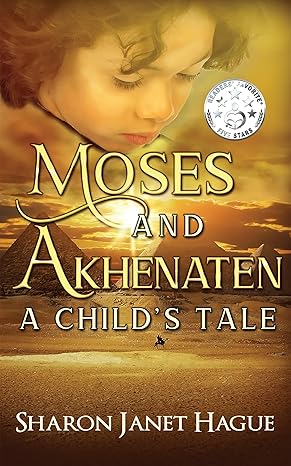
Moses and Akhenaten by Sharon Janet Hague takes on the ambitious theory that the biblical Moses and the Egyptian Pharaoh Akhenaten were the same person. The book weaves historical analysis and imaginative storytelling, proposing that the famous biblical exodus and Akhenaten’s religious revolution are intertwined stories of the same man. Through a blend of fictional dialogue, historical narrative, and philosophical musings, Hague presents a compelling story for this theory.
The book is a unique mix of informal conversation and deep historical exploration. At times, it feels like sitting in on a heated debate among scholars as characters such as Walter, Tom, and Ernest discuss the possible connections between Moses and Akhenaten. For instance, Tom’s logical statement, “If Theodore Davis’ discovery in cache number fifty-five was Akhenaten’s body, then Akhenaten cannot be Moses,” drives home the tension between hard evidence and speculative theory. This dynamic made the book engaging and made me feel like I was part of an intellectual journey, though I feel that sometimes the debates veered into detailed and repetitive territory.
One of the things I loved about the book was its willingness to tackle big ideas with an unapologetic mix of history and conjecture. The idea that Akhenaten’s monotheism predates and even influences the Jewish faith is thought-provoking, and Hague doesn’t shy away from pushing that theory. She writes, “Nobody can convince me that billions of people worshipping one god, thirty-one centuries later is anything but a success”, showcasing Akhenaten’s monumental impact, whether or not he was Moses. While the story borders on speculative fiction, Hague’s presentation of Akhenaten as a revolutionary and somewhat tragic figure is heartfelt, bringing life to what could otherwise have been a dry historical argument. At one point, Akhenaten himself complains about modern perceptions of him: “I can’t tell you how heartily sick I am of being labeled everything from a weak king to a Nazi.” Moments like this add a humorous, almost anachronistic flavor that, while entertaining, sometimes undermines the gravitas of the subject. Still, the book’s casual conversations helped break down the dense historical material, making it more digestible and approachable for readers less familiar with ancient Egypt’s intricacies.
Moses and Akhenaten is a fascinating blend of historical theory and speculative storytelling. It’s ideal for readers who enjoy mixing history with a splash of imaginative fiction. If you’re a fan of ancient history, religious studies, or philosophical debates on the origins of faith, this book will keep you thinking long after you’ve finished it.
Pages: 301 | ASIN : B0BQCT1G1Q
The Pulse of My Heart (Taken Series #3)

The Pulse of My Heart by E.C. Roderick is a captivating sequel in the Taken series, blending historical fantasy, romance, and time travel. The story follows Sylvie, who has returned to modern-day Los Angeles after being trapped in Colonial Era New England. Although she has reunited with her twin children, Leif and Leila, her heart remains tethered to the past, where she left behind the love of her life, Leif, who is also the father of her children. As she tries to move on, destiny pulls her back when a visitor from the past reignites the possibility of a future with Leif.
Roderick sets the stage for an emotional and engaging narrative as Leif unexpectedly follows Sylvie into the present. The novel explores their efforts to rekindle their romance, despite the time that has passed and the challenges of integrating their lives. Now a mother of two, Sylvie must navigate the complexities of introducing her children to a father they have never known, while Leif faces the disorienting task of adapting to life in the modern world. Much of the story revolves around family dynamics and Leif’s bewilderment as he acclimates to a future far removed from his own time. The chemistry between Sylvie and Leif remains electric, with their intimate moments becoming even more intense than in the previous book, Taken. Roderick shines in crafting the evolving dynamics between these characters, allowing readers to dive deeper into their relationship and their role as parents. The relatively low-stakes plot lets the focus rest on the emotional connections, which brings depth to both the romance and the family storyline. A few minor proofreading errors are noticeable, and at times the dialogue feels overly formal, making certain scenes, especially the more intimate ones, feel stilted or overly technical. Additionally, Roderick’s use of Scottish words and phrases, while adding authenticity to the characters, may leave some readers confused, and a pronunciation or meaning guide could be beneficial.
The Pulse of My Heart is an enjoyable and heartfelt sequel. Roderick’s writing shines in the emotional depth she brings to Sylvie and Leif’s relationship, making this book a treat for fans of romance and historical fantasy. Readers will find themselves fully immersed in this story of love, family, and second chances.
Pages: 480 | ASIN : B0CTPSBZKW
Matilde’s Empress: Book Three of the Visigoth Saga

Matilde’s Empress by Robert Philips delves into the turbulent aftermath of Gainas’ failed coup, leading to his death and Matilde’s desperate flight to her maternal home. There, her family embraces her, offering solace as she mourns both her husband and their unborn child. Soon after, Matilde marries her stepbrother Alaric and gives birth to their son, Theodoric. When Matilde is summoned for her connection to Gainas’ rebellion, Alaric steps in to protect her, but at a heavy cost. His intervention results in the loss of his position within the Roman Empire and his people being deprived of critical resources. Tragedy strikes again when Matilde’s tribe is attacked, and she, along with her son and servant, is taken prisoner. After enduring these hardships and eventually reuniting with her family, Matilde faces more losses, with several close family members having perished. For a brief time, she finds love and achieves high status within the Roman Empire, but it is short-lived. Though peace is eventually restored, Matilde is left with only a bittersweet resolution.
Set between 400 CE and 422 CE, Matilde’s Empress is rooted in historical fiction, drawing from real events of the Roman Empire. Some characters, like Matilde, are fictional, while others, such as Constantius, are based on historical figures. The novel explores the complexities of life in the Roman Empire, particularly highlighting how women’s femininity often overshadowed their intelligence. Matilde, a woman of sharp mind and wisdom, consistently provided sound advice, something Constantius himself acknowledged. However, her failure to bear him a child distanced him from her, favoring Placidia as empress due to her ability to give him an heir. Despite Matilde’s many contributions, she is never granted an official position, emphasizing the harsh reality that her influence depended on her attachment to powerful men. As she ages and is considered past her prime, her ability to make a significant impact fades, and she spends her later years bonding with her grandchildren. Philips excels in exploring the theme of “death by natural causes,” which adds an unexpected twist and depth to the narrative.
Matilde’s Empress is a richly layered tale of survival, loss, and resilience in a time when a woman’s worth was measured more by her ability to bear children than by her intellect. The novel succeeds in painting a vivid picture of life during the Roman Empire and offers readers a thoughtful exploration of the complexities faced by women in history.
Pages: 273 | ASIN : B0DBGQQ26F
I Needed To Get It Out

Wiser Now: Lessons Learned from an Ill-advised Relationship shares with readers the circumstances that led you into a turbulent romantic relationship and what you did to leave that situation and embark on your own journey of self-discovery. Why was this an important book for you to write?
One of my friends put it best; I needed to get it out of my system. I won’t say that I remain traumatized; I am not. Writing it down, most of what I could remember, that is, allowed me to properly analyze the reasons I made such an egregious error of judgment. That is, I made a huge mistake in going on a second date at all. Then I compounded the damage by refusing to back away from the entire relationship even after I recognized what a colossal failure it was.
I appreciated the candid nature with which you told your story. What was the hardest thing for you to write about?
The greatest challenge overall was admitting my lack of discernment, however, mentioning private moments between me and my ex was painful. Some components of a marriage are not for public conversation. However, in this case, I felt it was necessary to share the variety of ways I was manipulated and controlled, some of which violated my conscience, my sense of modesty, and my faith.
What is one piece of advice you wish someone had given you when you were younger?
Good question, but I don’t think anyone could have said anything that would have changed my actions unless they had caught me with my ex on the first date and taken me aside for a “What the heck?” session. After that, I was too embarrassed to admit I had made a mistake. Hopefully, other women are not reluctant to see what is in front of them and take action to mitigate the damage.
What is one thing you hope readers take away from your story?
When getting to know someone, especially as a prospective partner, pay attention to how that person acts around your friends and his when you are present. If his actions/faith/priorities do not line up with yours in large part, back away.
Author Links: GoodReads | Facebook | Webstite | LinkedIn | Book Review
Gayle is cash-strapped, lonely, and becoming desperate when she answers a personal ad in the local newspaper. During the short courtship with Jake, Gayle sees differences in their respective lifestyles and values but sets her concerns aside. During their two-year relationship, she has to deal with a controlling spouse, infidelity, emotional abuse, and encounters with alcohol-fueled rage.
Wiser Now is a cautionary tale that should hit home with any individual who has made—or is making—relationship mistakes, as well as friends and family who are concerned about a loved one who is walking a dangerous path, allowing their emotions to overcome rational decision-making.
No Requiem for the Tin Man
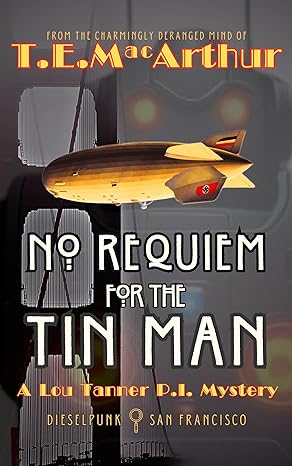
No Requiem for the Tin Man is a gripping, dieselpunk detective novel set in 1930s San Francisco. It’s absolutely dripping with atmosphere and intrigue. Lou Tanner, our protagonist, is a hard-nosed private investigator navigating a world of American Nazis and mysterious clients amid an undercurrent of political tension. The story kicks off when a disheveled, terrified man stumbles into Lou’s office. He warns of unseen dangers and mumbling about “Tin Men.” What follows is a twisty and action-packed investigation that dives into the darker corners of society. Lou Tanner’s sharp wit and no-nonsense attitude leads the charge.
One thing I loved about T. E. MacArthur’s book is how she nails the voice of Lou Tanner. Lou is a true gumshoe. She’s complete with biting sarcasm and a rough-around-the-edges charm that readers will find hard not to admire. Her internal monologues are pure gold. They’re filled with dry humor and sharp observations that bring her character to life. This voice is what kept me coming back to this book, even when the plot delves into the convoluted politics of the time.
The plot was engaging but it sometimes felt like it was juggling a lot. The introduction of various characters and subplots, like the mysterious “Tin Men,” the shady War Department, and the Gruber family, sometimes made it hard for me to keep track of what was going on. There were moments when I found myself flipping back a few pages to remember who was who. But the complexity of the plot also added to the book’s depth and the way everything ties together in the end is satisfying.
What stood out to me was the setting. The dieselpunk version of 1930s San Francisco is familiar and alien at the same time with zeppelins hovering over Market Street and an undercurrent of fascism threatening to boil over. The author does a bang-up job of blending historical elements with speculative fiction to create a world that is detailed and immersive. The descriptions of the city, the constant tension in the air, and the creeping dread as Lou uncovers more about the “Tin Men” all contribute to a mood that is equal parts thrilling and unsettling.
I highly recommend No Requiem for the Tin Man to fans of hardboiled detective fiction that looking for a story with a twist. If you are into strong female leads, adore noir settings, and looking for a story with a bit of dieselpunk flair, then this book is definitely for you. Lou Tanner is a character you will not forget and her adventures in this darkly imaginative world are gripping.
Pages: 275 | ASIN : B0D9MRDLGS



 LITERARY TITAN