Blog Archives
Eagle Scout to Killer: A Novel Based on True Events


Eagle Scout to Killer by K.S. Alan and Lorna Dare is a harrowing and unflinching account of one man’s transformation from idealistic youth to haunted veteran. Told through the voice of Kurt S. Alan, a soldier whose service in Vietnam blurs the line between heroism and survival, the book chronicles the moral and psychological toll of war. From its opening pages, where Alan recounts his covert involvement in the events surrounding the Gulf of Tonkin, the narrative establishes itself as both historical confession and personal reckoning. This is not a traditional war story; it is an exploration of how combat reshapes identity, erodes morality, and leaves wounds that no medal can redeem.
The authors write with a restrained intensity that makes the book deeply affecting. Alan’s first-person account of meeting CIA operative Coleman and orchestrating a staged naval attack feels chilling in its calm precision. When he admits, “I grew up being taught to never lie, but here I was perpetrating a lie on the U.S. Congress,” the line reverberates beyond his personal guilt; it becomes an indictment of the political machinery that demanded such deception. The prose is unsentimental yet charged with quiet anguish, capturing the conflict between duty and conscience with unsettling clarity.
What gives the book its emotional weight is not only its exposure of covert operations but its portrait of trauma. In the preface and the reflections from Alan’s VA therapist, the story is framed as part of a long process of healing. The therapist describes it as “Kurt’s effort to reclaim his soul,” and the book indeed feels like an act of reclamation. When Alan later visits the Vietnam Memorial and leaves his Special Operations coin at the wall, the gesture becomes a moment of fragile grace amid decades of inner torment. That scene encapsulates the cost of survival and the longing for absolution that haunts so many who return from war.
The combat scenes themselves are vivid, brutal, and often difficult to read. Chapters such as “The Punji Pit” and “Operation Cherry” depict the chaos of Vietnam with visceral precision. Yet the violence never feels gratuitous; it underscores the moral corrosion that the preface warns against. The narrative’s strength lies in its refusal to glorify combat or simplify the psychology of those who endured it. Alan’s voice remains grounded, disciplined, and painfully self-aware. The result is a story that feels at once deeply personal and universally human, a meditation on guilt, loyalty, and the enduring search for meaning after unimaginable loss.
Eagle Scout to Killer is not an easy book to read, but it is an essential one. It speaks to veterans who have carried their battles home with them, and to civilians who have never confronted what war truly demands of those who fight it. For readers interested in military history, moral philosophy, or psychological resilience, this book offers a rare and unsettling clarity. It is both a confession and a cautionary tale, a powerful reminder that while war may end, its echoes never do.
Pages: 264 | ISBN : 9781965390139

Sharing the Lives of Free People Of Color

Miles Lassiter(circa 1777-1850) traces the remarkable journey of your ancestor, Miles Lassiter, a free African-American Quaker living in North Carolina before the Civil War, and the impact that he made in history. Why was this an important book for you to write?
There has been much written about the abolitionist support of Quakers, but it was rare for African Americans to be fully admitted to membership in a meeting. To learn that my 4th great grandfather was one of the very few, and the only one in North Carolina at the time of his death seemed significant.
What sparked your interest in genealogy led you to discover this lost portion of your family and its history?
I’ve had an interest in genealogy since childhood. I learned my paternal family story as a child from my father’s sister. However, whenever I asked my mother about her family she said she left North Carolina when she was seven and just didn’t know anything about family that might still be there. Once I moved to the Washington, DC area, I had easy access to repositories such as the National Archives and Library of Congress to begin searching for my maternal ancestors. In addition, I was able to take classes to learn how to research my family and I was introduced to my local Family Search Center (then called genealogy library) which gave me access to the vast research collection of the Family History Library in Salt Lake City.
What were some ideas that were important for you to share in this book?
It was important to share information about the lives of free people of color. It was also important to share the story of my 4th great grandfather specifically. I also wanted to show through my research story how others could research their families.
How has writing Miles Lassiter (circa 1777-1850): An Early African-American Quaker from Lassiter Mill, Randolph County, North Carolina: My Research Journey to Home impacted or changed your life?
The process of researching and writing the many early versions of the story, culminating in the published book, brought me to North Carolina to meet family I had not known, and places that held my history, a place that was my maternal home. It allowed me to become enveloped by the love of a family I almost lost completely because my mother had not grown up around them. It allowed me to take my mother back to that home after 60+ years away. And this year, it allowed me to obtain a William Pomeroy Hometown Heritage Historic Marker for Miles Lassiter.
Author Links: Goodreads | Facebook | Instagram | LinkedIn | Website | Amazon
Margo Williams had only a handful of stories and a few names her mother remembered from her childhood about her family’s home in Asheboro, North Carolina. Her research would soon help her to make contact with long lost relatives and a pilgrimage “home” with her mother in 1982. Little did she know she would discover a large loving family and a Quaker ancestor–a Black Quaker ancestor. This story follows her research journey through records and Carolina countryside as she uncovers her roots.
“This work re-affirms Margo Williams’s commitment to excellence and perfection, both as a researcher and as a historian. The reader is made part of the story, not only in place but in time. But, most importantly, she re-asserts the point that, by and large, the information is available to the researcher. All one has to do is to look for it. A job well done!” — V. L. Skinner, Jr., Fellow, Maryland Genealogical Society.
Margo Lee. Williams was born in New York. She holds an MA in Sociology and an MA in Religious Education. She developed an interest in genealogy early in life, but only after moving to Washington DC did she actively pursue family research. In the 30+ years since, she has researched and written extensively on her family. She is a well-known lecturer for the Family History Centers of the LDS Church in the Washington, DC area, a former editor of the Journal of the Afro-American Historical and Genealogical Society, and through her private research company, Personal Prologue, has developed expertise in identifying heirs for intestate probates. She is currently a National Service Officer with Vietnam Veterans of America. She lives in Silver Spring, Maryland with her daughter, Turquoise Williams.
I Have to Laugh So I Don’t Cry

Adventures in Online Dating is a humorous chronicle of your plunge into the unpredictable world of online dating, sharing the good, the bad, and the utterly bizarre encounters you have had while swiping. What inspired you to share your journey into the shallow end of the pool?
Honestly? I needed to laugh about it or I’d cry! After diving into online dating, I quickly realized I wasn’t alone in experiencing the absurd, awkward, and occasionally wonderful moments that come with swiping through profiles. Every bizarre encounter felt like a story that needed to be told — not just for entertainment, but to help other women feel less alone in the chaos.
I wanted to create something that said, “Hey, this is messy, it’s weird, and sometimes it’s downright ridiculous — but you’re not crazy for trying.” If my misadventures could make someone laugh while they’re navigating their own dating journey, then every awkward coffee date was worth it.
How did you decide what stories to include and leave out in your book?
Great question! I focused on stories that highlighted the full spectrum of online dating — the hilariously bad, the surprisingly good, and everything in between. I wanted readers to see themselves in these experiences, so I chose encounters that illustrated common themes: catfishing, ghosting, first-date disasters, unexpected connections, and those moments where you question your life choices.
I left out anything that felt mean-spirited or too personal to the other person involved. The goal was to share my perspective and lessons learned, not to embarrass anyone (except maybe myself! Okay, and Steve – F*ck that guy!). If a story made me laugh out loud while writing it or taught me something valuable about dating or myself, it made the cut.
What advice do you have for women who are looking to jump into the dating pool?
Keep your sense of humor and your standards high. Online dating can be overwhelming, but remember — you’re not shopping for a discount couch; you’re looking for a genuine connection. Don’t settle just because you’re tired of swiping.
Here’s my practical advice:
● Trust your gut. If something feels off, it probably is.
● Meet in public places. Always. Safety first.
● Don’t take rejection personally. It’s not about your worth; it’s about compatibility.
● Take breaks when you need them. Dating fatigue is real.
● Laugh at the absurdity. You’ll have stories to tell, I promise.
● Know your dealbreakers. And stick to them.
Most importantly, remember that you’re already whole. You’re not looking for someone to complete you — you’re looking for someone to complement the amazing life you’re already building.
What do you hope is one thing readers take away from your story?
That you can laugh your way through life’s messiest moments — and come out stronger on the other side. Online dating is just one chapter in the bigger story of figuring out what you want and who you are. Whether you find love, find yourself, or just find some hilarious stories to share with friends, the journey is worth it.
I hope readers close the book feeling less alone, more empowered, and ready to embrace whatever comes next — whether that’s another swipe, another date, or the decision to take a break and focus on themselves. Life’s too short not to laugh at the chaos.
Author Links: Website | Facbook | GoodReads | X | Instagram | New York Blog | Tik Tok | SELINN FINE ART STUDIO
By S.E.Linn
Forget saving the world—she’s just trying to survive dating apps.
Join author S.E. Linn on a wild and hilarious journey through the chaotic world of online dating in her new memoir, “Adventures in Online Dating.” From the cringe-worthy encounters with a man and his cat-hair-covered adult toy, to the emotionally unavailable “Viking” with a wife and spa plans, this book is a rollercoaster ride of modern love. But amidst the laughter and relatable moments, lies a cautionary tale of the dangers of swiping right.
Meet the fearless and unapologetic main character as she navigates the treacherous waters of online dating, armed with biting wit and brutal honesty. If you’ve ever said, “there are no normal men left,” or Googled “how to exit a date without faking your death,” this book will make you feel grateful for never going on that second date.
And for those who have survived the trials of dating apps, you will feel less alone and less likely to respond to that guy holding a fish.
Stigma About Suicide

In Suicide: Hope Beyond the Darkness, you offer hope and healing through firsthand stories of those who have tried to take their own lives and those who have lost loved ones to suicide. Why was this an important book for you to write?
I felt like there was a growing need for information and awareness about suicide. The more involved I was, whether studying, counselling or training people, I saw such a lack of information and so much stigma about suicide. The problem with that was that people were being negatively impacted. People stopped talking about their suicidal thoughts, which is dangerous, and people who lost loved ones to suicide were unable to talk about how they were feeling, which complicated their grief process.
I felt I had something to offer due to my knowledge and experience. That was a big part of my motivation.
And sharing stories helps people connect. People can identify with parts or all of someone’s life experience. And when we hear other people’s stories, we don’t feel so alone. We don’t feel abnormal. It helps break down fear and isolation. It helps break down the stigma.
The stories you share are highly emotional. What was the most difficult aspect of putting this book together?
I think the most challenging aspect for me was ensuring that I truly honoured the people who shared their stories with me. I wanted to ensure the voices of those who are still here were heard and to acknowledge those who are no longer with us. I wanted to be their voice too.
What is one misconception you have found through your research that many people have regarding suicide?
Unfortunately, there are many misconceptions about suicide — and every one of them is harmful.
One of the most common is the belief that talking about suicide might “put the idea” in someone’s mind and increase the risk of them acting on it. Research consistently shows the opposite to be true. Talking about suicide does not cause suicidal thoughts or behaviour. Rather, it can bring relief and open the door to hope and help.
Having a compassionate conversation about suicide can reduce distress and encourage help-seeking.
In the book, I spoke with Sally, who shared that her son was severely depressed. She was terrified to raise the topic of suicide, believing that mentioning it might make things worse. Many others I spoke with shared the same fear.
In reality, people who are depressed have often already thought about suicide. Offering a safe space to talk about these thoughts can ease their burden and provide an opportunity for connection and support.
What is one thing you hope readers take away from your book?
My hope is that someone will read this book and relate to one of the stories or read some of the information, and it will help them manage wherever they are in the suicide spectrum. Whether they have suicidal thoughts or have attempted, or they are supporting someone who is suicidal, or if they are bereaved by suicide, I hope it gives people an understanding of the complexities of suicide and takes away the fear and judgment, reducing the stigma. I hope that people will see that even in our darkest moments, there is hope.
Author Links: Website | Instagram | Facebook
If you’ve been touched by suicide-whether you’ve faced crisis points, supported someone through suicidal thoughts, or lost someone to suicide, this book will reveal that You Are Not Alone! There is hope.
Suicidologist and mental health counselor Debbie Swibel shares powerful and educational insights while weaving together a collection of lived experiences, evidence-based research, clinical knowledge, and a candid but compassionate look at suicide and its impact.
This book has been hailed as a resource for survivors, therapists, the bereaved, caregivers, and those who face challenges around this often “taboo” topic in society.
Suicide: Hope Beyond the Darkness includes stories that are too often left untold-but these are stories that must be told. Real-life experiences of pain, strength, resilience, loss, and of course, the power of the human spirit.
This pioneering book confronts the silence and unravels the complexity of suicide; helping the reader gain understanding and awareness to a subject many don’t find answers to.
More than a book about suicide, this is a book about people: sons and daughters, parents and partners, families and communities. It is a call to awareness, a challenge to stigma, and above all, a gift of hope.
A Healthy Body, Mind, and Spirit
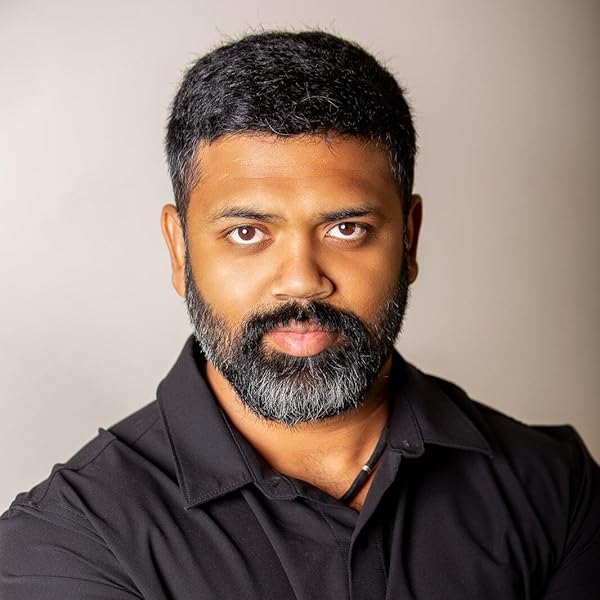
The Practice of Immortality is a deeply personal account of your journey from the quiet discipline of a monastery to a life of teaching and guiding others across the world. Why was this an important book for you to write?
This book holds deep personal significance for me because it encapsulates what shaped my own journey. The routines, life adventures, and the ancient Yogic systems that transformed my reality. These teachings form the very foundation, the building blocks, of a healthy body, mind, and spirit.
When I stepped into the world beyond the monastery, I observed that while people are incredibly skilled in their professional lives, many are limited not by their abilities but by their own inner state of being. I have an urge to offer the same resilience tools to the world – practices that are rooted in ancient wisdom that are further validated by modern science.
The Practice of Immortality is my way of making these wellness tools accessible to everyone. When individuals begin to heal, they naturally become the seeds of healthier, more compassionate communities across the world.
Can you explain what the Yoga of Immortals (YOI) protocol is, what it is used for, and how you developed it?
Yoga of Immortals (YOI) is a research-backed mental health program that I curated by integrating ancient Yogic systems with modern scientific validation. It is a series of structured practices designed to bring integrative health to the body, mind, and spirit. The protocol includes controlled breathwork, guided meditative techniques, and cognitive stimulation exercises that help regulate the nervous system and enhance emotional resilience for inner stability and balance.
The YOI journey began during the global pandemic crisis in 2020. As the world faced mental health challenges, I felt a calling to offer a practical, evidence-based solution rooted in Yogic wisdom. And they had to be easy to access during the lockdowns. Drawing from my years of rigorous monastic training, I curated specific meditative and breath-based modalities and shared them to help all navigate that period of crisis.
The overwhelming response from thousands of participants inspired me to bring scientific validation to these experiences. I collaborated with senior clinicians and researchers across the United States, India, and South Africa to conduct IRB-approved, double-blind clinical trials. Within just 4 to 8 weeks, the studies demonstrated remarkable results, showing up to 82% reduction in severe insomnia, generalised anxiety, and moderate to severe depression symptoms, along with significant improvements in overall quality of life.
Today, YOI continues to evolve as a bridge between timeless Yogic knowledge, based on Indian Knowledge Systems, and modern mental health science, empowering individuals globally to lead healthier, more conscious lives.
There is a common misconception about the meaning of immortality. In your book, you argue that immortality is not about living forever in the body but about changing our relationship with time, shedding illusions, and learning to live in the present moment.
Yes, in Yogic science, immortality is not about the physical body living forever. It is about realizing the part of us that is timeless. Knowing the pure consciousness that remains unchanged amidst chaos, joy, grief, or fear. Yes, that sounds hard, but it IS possible.
When we awaken to this awareness, we begin to experience life differently. We no longer live trapped in memories of the past or anxieties of the future; rather, become fully present in the now.
What is one thing that you hope readers take away from The Practice of Immortality?
My wish is that every soul under this blue sky, who is seeking healing or hope, may find a guiding light through this book. I hope they realize that within every challenge life presents, there lies a hidden diamond — a lesson, a strength, a success waiting to be discovered.
Author Links: Website | Facebook | Instagram | GoodReads
Rooted in the story of his own transformative journey, a monk and internationally beloved founder of Yoga of Immortals shares the methods he uses to help us tap into our unlimited potential.
Ishan Shivanand was born into an ancient lineage of yogis spanning twenty-one generations, and spent the first twenty years of his life in a Himalayan monastery. Grounded in the traditions of yoga, meditation, martial arts, storytelling, and herbal medicine, he developed the Yoga of Immortals (YOI) protocol, which is designed to help followers combat stress, anxiety, depression, and create healthy individuals and healthy communities. The Practice of Immortality shares these lessons and practices. In a world suffering the effects of fear, competitiveness, and anger, Ishan encourages us to take a step back.
Structured as a thoughtful narrative with practices based in the true intentions and meaning of yoga, The Practice of Immortality will help you achieve that which you never thought possible.
The Stories


Frederick Douglas Harper’s The Stories is a collection of deeply personal reflections that straddle the line between memoir and spiritual testimony. The book unfolds like a tapestry of moments rather than a straight narrative, each thread representing an encounter with faith, destiny, or divine intervention. Harper shares tales of near-death experiences, prophetic dreams, and ancestral guidance, interwoven with memories of growing up Black in the Jim Crow South and his long academic career. More than a life story, it’s a meditation on meaning, a spiritual ledger of lessons learned and messages received. The book moves through themes of faith, purpose, race, family, and love with honesty and heart, creating a body of work that feels both confessional and universal.
Harper writes with conviction and humility, his voice both scholarly and soulful. At times, his stories surprised me with their sincerity. His recounting of prophecies and clairvoyant encounters might sound far-fetched to a skeptic, but he presents them with such clarity and calm faith that I couldn’t help but lean in. I found myself feeling comforted by his certainty that life’s events, however strange, connect in divine order. His storytelling rhythm is slow and deliberate, full of pauses for reflection. He often circles back to the same questions: Are our lives predestined? Do spirits guide us? I liked that he didn’t try to convince me. He just invited me to listen.
What moved me most wasn’t the supernatural stories but the raw humanness underneath them. The moments where Harper described loss, or his mother’s death, or his early brushes with racism, those hit hard. There’s pain in these pages, but it’s wrapped in grace. His prose is plainspoken, but it carries warmth and wisdom. I could feel his gratitude in every story, even the hard ones. What I admired most was his lack of bitterness. Harper has lived through injustice, through grief, through brushes with death, yet what he chooses to write about is redemption and light.
The Stories is for readers who like to think, to feel, to question what they believe about life and what might lie beyond it. It’s for those who’ve wondered about coincidences that feel too perfect or dreams that feel like messages. Harper’s book feels like a long, heartfelt conversation with an old soul, and by the time it’s over, you can’t help but feel a little changed. I’d recommend it to anyone who finds comfort in faith, mystery, and the quiet beauty of lived experience.
Pages: 446 | ASIN : B085DYRJT7
The Backyard Peace Project

The Backyard Peace Project, compiled by Cathy Domoney, feels like a woven quilt of human experience stitched together with courage, pain, and healing. Each chapter comes from a different voice, yet they all hum the same melody of self-discovery, resilience, and love. From psychic awakenings to stories of grief, motherhood, and self-acceptance, every piece pulls at something tender inside. The narratives are raw and deeply personal, sometimes almost uncomfortably so, but they carry an undercurrent of light that keeps the pages turning. It’s not a book about perfection. It’s about peace found in the middle of mess and meaning drawn from the fragments of ordinary lives.
Some chapters hit me harder than others. Alice Terry’s account of her psychic gift and the fear that shadowed it as a child made me pause and think. Cathy and Skye Domoney’s mother-daughter dialogue about inherited trauma and forgiveness touched something familiar, that ache we all have for connection that doesn’t wound. And then there’s Gretchen Holmes, whose story of learning to love herself harder when everything hurt, felt like an echo of what many of us need to hear but rarely say aloud. The writing across these stories is conversational, imperfect, and real. It pulls you close instead of performing for you.
What I loved most was the honesty. These writers are trying to connect with the reader. There’s this feeling of being seen through their words, even when the subjects are heavy, like grief, illness, loss, and shame. I found myself nodding, sometimes tearing up, other times smiling at the resilience that sneaks through in small moments. The tone is hopeful without being forced, spiritual without preaching. A few stories reiterate lessons about self-love and empowerment. You can sense that every contributor truly believes in the peace they’re offering.
The Backyard Peace Project feels like a gentle nudge to look inward and to see our scars as invitations instead of flaws. It’s not just a collection of essays; it’s a movement of voices reminding us that healing happens in community. I’d recommend this book to anyone walking through their own transformation, anyone craving connection, or anyone who just needs to be reminded that there’s light even in the cracks. It’s for people who want to feel rather than analyze, who value stories told from the heart more than those crafted for applause.
Pages: 278 | ASIN : B0FSQWQ1GZ
The Politics of Hope

Beyond the Politics of Contempt explores how ordinary Americans can move from division to dignity, offering a compassionate roadmap for healing relationships, communities, and democracy itself. Why was this an important book for you to write?
We wanted to write the book now given how much division we have in our country. Large numbers of us are fearful and untrusting of others, and many have lost hope in our democratic republic. We wish to transform this politics of fear and contempt into the politics of hope, and build a national culture of kindness, dignity, and respect. At one level, we offer practical solutions for readers who want to heal their relationships with their estranged relatives, neighbors, and friends, and in the process, strengthen their mental health. At another level, through collective action, we can strengthen our communities and nation.
You describe dignity as a “muscle” we’ve forgotten how to use. What daily practices help people strengthen it again?
For many of us, an important first step is getting in touch with our values. We have an entire chapter devoted to identifying our values, and then examining these values in relation to how we feel about others who support politicians we don’t approve of. Owning the disconnect is key to strengthening our muscle of treating others with differing political views with dignity. From there, some engage in a daily physical workshop, or a regular mindfulness meditation practice, or a frequent detox from social media “doomscrolling.” Then, we are ready to tackle conversations on issues we disagree with, becoming curious and humble toward others. We like to say “Be curious, not furious.”
In your research and experience, what’s the most common obstacle that prevents people from having “braver conversations”?
In our experience, there are several obstacles. It may be the fear that others won’t respond positively to our reaching out- -that they will not be heard by “the other side.” Sometimes it’s “Why should I reach out? They created the mess.” Interestingly, sometimes it’s our own side that presents the biggest obstacle – “How can you talk to those people?” We don’t want to alienate our tribes so we stay siloed in our echo chambers.
What gives you hope right now that America can move beyond contempt, and what signs of healing do you see emerging?
Americans are increasingly realizing that we are being manipulated by conflict entrepreneurs, a term describing forces that serve to profit or gain power from sowing division. These include some media outlets, tech companies, some politicians, and foreign powers. Americans don’t want to be taken advantage of – -we believe we are better than this. As we become more aware of the conflict entrepreneurs, our hope is that more of us will see the importance of uniting across differences, not to agree, but to treat each other with respect. We are heartened by the increased membership of Americans in groups such as Braver Angels that promote courageous citizenship, including the skills of engaging in healthy conflict rather than an “us” vs “them” mentality.
Author Links:
GoodReads: Doug Teschner | Beth Malow | Becky Robinson
X (Twitter): Beth Malow
Facebook: Doug Teschner | Beth Malow | Becky Robinson
Website: Book Website | Doug Teschner | Beth Malow | Becky Robinson
“In Beyond the Politics of Contempt, Teschner, Malow, and Robinson offer nourishment for America’s hungry soul. You’ll discover, in invitingly bite-sized chunks, a cogent analysis of how we became so polarized. Diverse in their politics and rich in expertise, these authors add in generous dollops of storytelling where they examine their own assumptions and biases, often with surprising outcomes. Then, they challenge us with intriguing exercises to explore our own role in today’s political dynamic. Take them up on the challenge. Use this book to get together with colleagues or cousins, neighbors or strangers, friends or frenemies, and explore the art of listening to understand.”
—Susan Clark, coauthor of Slow Democracy: Rediscovering Community, Bringing Decision Making Back Home
In a climate of widespread contempt and even hatred for people who disagree politically, we can each make important contributions to better our lives, our relationships, and our country. We can stand up for what we believe while also building bridges across the political divide. While many fear for our nation’s future, there are practical steps we can each take to build hope for a better America. The book includes:Skills for greater self-awareness of how our reactions to political events and others impact our health and well-being;
Practical ways to mend relationships torn apart by politics and to empower yourself and others when difficult conversations arise;
Steps to integrate political activism and bridge building; and
Actions to rebuild a national culture of kindness, dignity, and respect.


 LITERARY TITAN