Blog Archives
The Definitive Israel-Palestine Reader
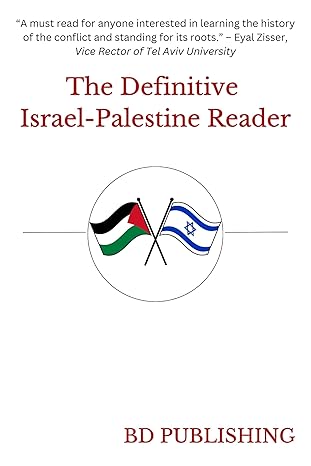

Some books try to tell a story. Others try to prove a point. The Definitive Israel-Palestine Reader does neither, it throws you headfirst into one of the world’s most complicated and emotionally charged conflicts, armed with historical documents, personal testimonies, and political arguments from both sides. The book is less of a singular narrative and more of a carefully curated collection of perspectives, spanning from the earliest days of Zionism to the latest developments in 2023. It doesn’t try to tell you what to think. Instead, it presents a historical and political puzzle, daring you to put the pieces together yourself.
What struck me first was the sheer depth. This isn’t a light read. It’s dense, packed with letters, government statements, and firsthand accounts that range from inspiring to infuriating. One moment, you’re reading Theodor Herzl’s impassioned call for a Jewish homeland, filled with the desperation and hope of a people searching for security. The next, you’re in the middle of the Peel Commission’s cold, bureaucratic breakdown of Arab unrest in the 1930s. There’s something unnerving about seeing history unfold in its rawest form, with no editorializing, no modern lens to sanitize it. Just people, in their own time, grappling with their own realities.
The best part of this book is also its biggest challenge: it refuses to take a side. That’s rare in anything related to Israel and Palestine. Instead, it lays everything bare from the moments of heroism, the betrayals, the propaganda, the outright lies. Some accounts contradict each other entirely, which at first is frustrating, but then you realize that’s the point. Truth in this conflict isn’t singular. It’s layered, messy, and often in direct conflict with someone else’s truth. Reading accounts of the 1948 war from both Israeli and Palestinian perspectives feels like reading about two different events. The Israeli narrative paints a picture of survival, of a people finally reclaiming their homeland. The Palestinian accounts tell a story of displacement, loss, and the erasure of a way of life. Both are true. Both exist at the same time.
Some sections are heavy with political rhetoric, and a few documents are outright racist or deeply propagandistic. The introduction warns about this, explaining that the book includes perspectives that range from “antiquated colonialist views to outright modern bigotry.” It’s a valid point, understanding a conflict means understanding even its ugliest justifications. But it didn’t make it any easier to stomach when you’re reading about the dehumanization of entire groups of people, presented in their own words. It’s a necessary discomfort, but a discomfort nonetheless.
The Definitive Israel-Palestine Reader is not for those who want a simple, digestible history with clear heroes and villains. If you’re willing to wrestle with conflicting narratives, challenge your own biases, and piece together a deeper understanding of a conflict that has shaped the world, this book is an invaluable resource. It’s for history buffs, political junkies, and anyone who refuses to accept easy answers. It’s frustrating, enlightening, exhausting, and essential all at once.
Pages: 1353 | ASIN : B0DTTH94NL

The Mole Vol XIX: New York Poems and a Subway Shooting

Ronald Raye’s The Mole Vol XIX is a poignant blend of poetry and reflection, diving into the chaotic, electric spirit of New York City while weaving in the dark realities of urban life. The book traverses the subway cars, bookstores, and streets of Manhattan, presenting the city as a living, breathing organism, teeming with aspirations, heartbreaks, and history. At its core, it captures the juxtaposition of dreams and despair, most notably through a harrowing retelling of the infamous 1984 subway shooting incident.
What struck me first was Raye’s vivid imagery. In poems like “Sketches of New York,” the city unfolds as both a muse and a menace. His portrayal of immigrant struggles and the pursuit of elusive dreams felt raw and personal. Raye’s strength lies in his ability to craft images that evoke emotions, whether it’s the chaos of subway commutes or the haunting stillness of Central Park.
Some poems flow like a rhythmic celebration of life’s grit. The recurring motif of being “a lost twenty-something” wandering Manhattan was relatable. That said, poems like “Under a New York Sky” reignite the emotional potency of his narrative, offering a striking balance of hope and melancholy.
The section on the subway shooting is where Raye shifts from introspection to reportage. His recounting of the event, combined with poetic interludes, makes for a chilling read. The description of Thornton’s actions and the subsequent fallout is gripping yet unsettling. Raye’s treatment of the subject raises moral questions, leaving readers to grapple with their own judgments.
The Mole Vol XIX is a heartfelt tribute to the struggles and stories of New York’s inhabitants. Its blend of poetry and prose captures the city’s heartbeat. This book is a compelling read for those who crave the grit of urban life, the nuance of moral dilemmas, and a narrative that doesn’t shy away from uncomfortable truths. If you’re a fan of poetry that challenges as much as it inspires, Raye’s work deserves a spot on your shelf.
Dramatic Similarities

When Liberty Enslaves: The Toxic Blend of Faith and Politics offers a detailed look at how the intersection of faith and politics has shaped the course of American history, particularly through the lens of liberty. Why was this an important book for you to write?
The death of George Floyd on May 25, 2020, dramatically impacted the viewing world at the time. Watching George Floyd’s life seep away while his cries of not being able to breathe were ignored did something to me. Watching the replayed video of a police officer continuing to kneel on the neck of a handcuffed Black man for nine minutes and 29 seconds opened my eyes. For the first time, I could “see” the plight of Black people in our nation’s history. This was the genesis of the inspiration for writing this book.
How much research did you undertake for this book and how much time did it take to put it all together?
Being trained as an engineer my appetite for learning and understanding our nation’s history was never compelling. After a thirty-year avocation as a lay minister in various Christian denominations, it took a spiritual “awakening” to take on the broad spectrum of topics covered in trying to describe the intersection of faith and politics. Over approximately eighteen months I used the writings of contemporary historians, ministers, journalists, and authors to pull together a diverse approach to the subject.
What were some ideas that were important for you to share in this book?
The first critical idea of this writing is to point out that the blending of faith and politics is not a new concept. To illustrate the point, I suggest that there was a deliberate blending of faith and politics even during Christ’s earthly ministry. The primary point of the writing is to compare the dramatic similarities between our times and those immediately before the Civil War. The implied emphasis with that comparison is that the possibility of a Civil War occurring in our nation again is very possible.
The second critical idea of this writing is that these efforts to blend faith and politics are deliberate. The current experience of blending faith and politics in our nation began with a concerted effort in the early 1970s. I can attest to being part of that movement in the 1980s when I was part of Jerry Falwell Sr.’s ministry in Northern Virginia.
What is one thing that people point out after reading your book that surprises you?
I was pleased to hear the reader is drawn into the case being made through the personalization of the story. My experiences make the points being made credible to the reader. Additionally, the many references used in the writing illustrate that the case being made is not only my opinion. This writing is a compilation of the prevailing thoughts of many contemporary historians, authors, ministers, and journalists.
Author Links: GoodReads | X (Twitter) | Facebook | Website | Amazon
There is a common experience between our experiences today and those before the Civil War many years ago. The effect of the intersection of faith and politics during these two experiences has had on our elections and our governance is uncanny in their similarities. Both times an election insurrection was stopped by the sitting vice president. Both times had people of the same faith on both sides of the social issues of the day claiming God’s favor and willing to divide the nation over those competing positions.
Part 1 of this writing focuses on the Civil War era and how liberty centered around the issue of equality. Some people of faith believed all men were equal, some did not. Part 2 focuses on our present times and how liberty centers on the sanctity of life concerning abortion and gun control. Some in our nation feel enslaved by the liberty of others. Part 3 describes methods for closing the divide in our nation beginning with the faith communities.
Literary Titan Gold Book Award: Nonfiction

The Literary Titan Book Award recognizes outstanding nonfiction books that demonstrate exceptional quality in writing, research, and presentation. This award is dedicated to authors who excel in creating informative, enlightening, and engaging works that offer valuable insights. Recipients of this award are commended for their ability to transform complex topics into accessible and compelling narratives that captivate readers and enhance our understanding.
Award Recipients




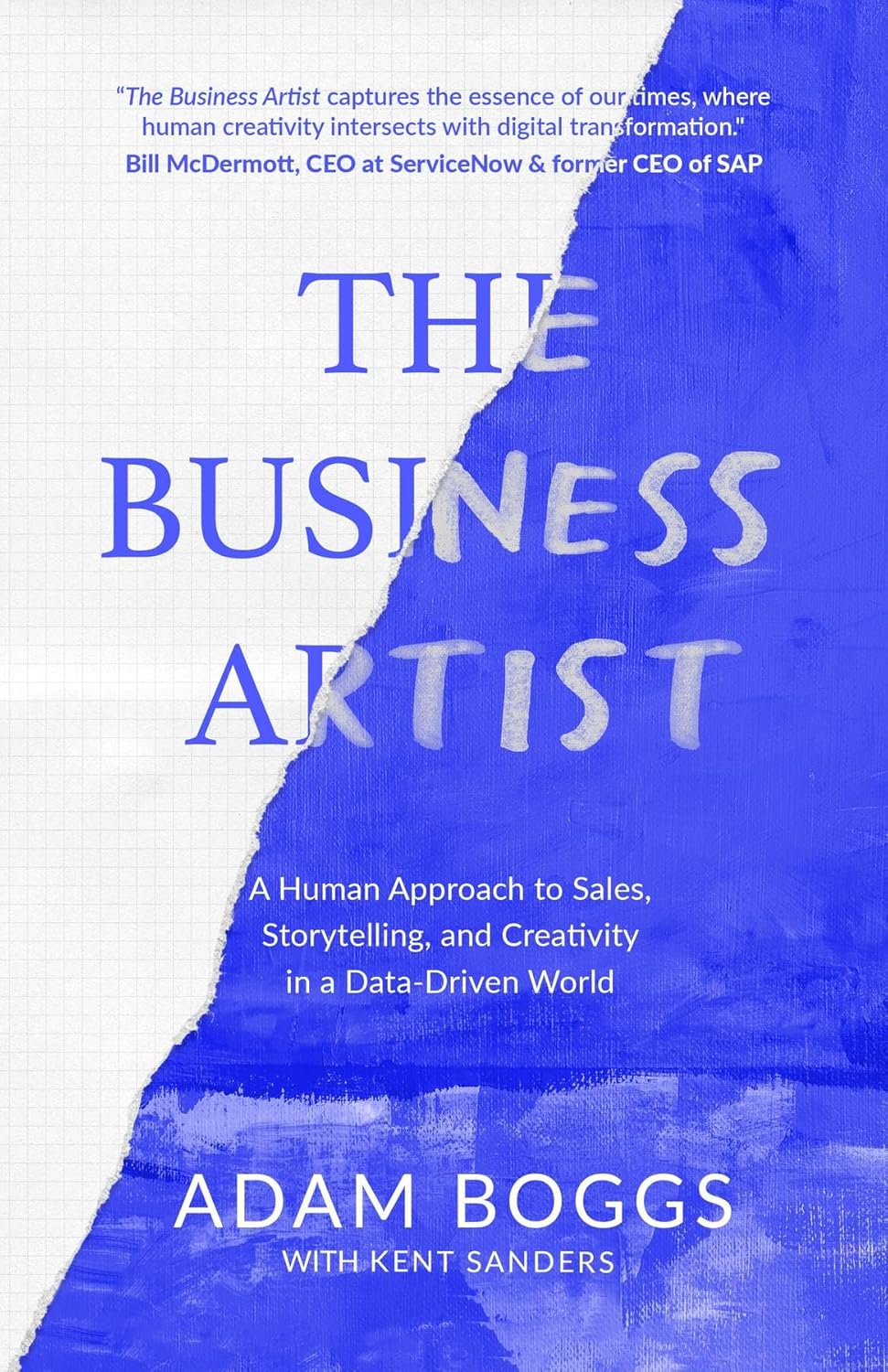


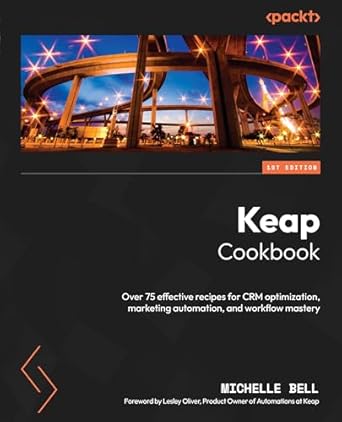


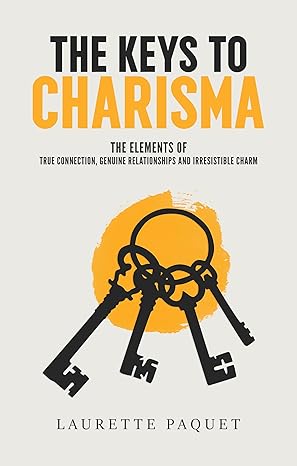
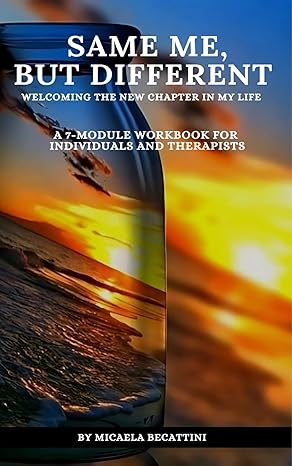







World War III by Kenneth Hamer-Hodges
We All want to be Happy by Ann Mullen-Martin
It’s TIME TO GROW: How Focusing On Spiritual Growth Can Transform Your Life and Relationships
Visit the Literary Titan Book Awards page to see award information.
The Mole Vol XVIII: Adventures of the Strophe – Book III
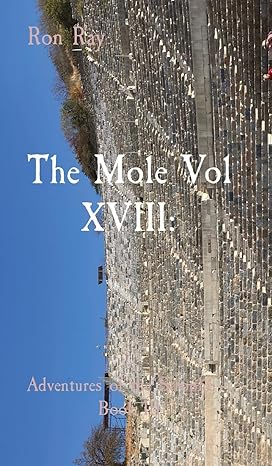
How well do we truly understand the world around us? In The Mole Vol XVIII: Adventures of the Strophe: Book III, the speaker embarks on a quest to unravel the complexities of existence, including the elusive concept of immortality. Life is portrayed as a journey, with the speaker immersing himself in his surroundings, brimming with hope for what lies ahead. His heart overflows with the promise of reuniting with a beloved, whose presence has brought immense joy to his life. Through his words, he expresses a deep longing for this lover, celebrating the youthful energy, compassion, and dedication that define their relationship. Yet, the speaker also confronts the inevitable—death and the profound grief that accompanies the loss of a loved one.
The speaker’s reflections draw a striking contrast between the beauty and rejuvenation of morning and the enigma of nighttime. The passage of time emerges as a central theme, with the narrator continually revisiting the past and pondering its influence on the present. Memories serve dual purposes: they provide comfort and simultaneously remind us of what has been lost. Throughout this volume, vivid imagery and metaphorical language vividly bring these themes to life. The poems frequently explore longing, remembrance, and the relentless march of time. The narrator delves into the complexities of love, capturing both its moments of bliss and its inevitable challenges. A sense of nostalgia pervades the collection, evoking a longing for simpler times while acknowledging the inevitability of change and loss. In addition to these emotional explorations, the poems venture into philosophical territory, grappling with questions about the nature of existence, the meaning of life, and the roles that dreams and memories play in shaping our reality. The narrator’s reflections on the past are a constant thread, as he seeks to understand how it shapes his present. There’s an undercurrent of melancholy and a meditation on mortality, yet the poems also offer a glimmer of hope, celebrating the enduring power of human connection.
Ron Raye’s The Mole Vol XVIII: Adventures of the Strophe: Book III is a collection of introspective and evocative poems that invites readers to reflect on their own lives and the universal emotions that bind us all. Through its exploration of love, loss, time, and existence, this volume resonates deeply, offering a poignant reminder of the shared human experience.
Pages: 158 | ASIN : B0DB8S8MVN
We Can Demand Better
Making Democracy Count explores the impact of mathematics on the many facets of the democratic process. Why was this an important book for you to write?
This book grew out of my various efforts in the math and democracy space. I teach a course called Math and Politics at Wellesley College and direct the Institute for Mathematics and Democracy. Through my many interactions and projects with students and researchers, I realized that there was a need for a book serving as a reader-friendly, gentle introduction to the math of democracy and that I actually had something to say about the subject.
How much research did you undertake for this book, and how much time did it take to put it all together?
If you count the years that I taught the Math and Politics class — which is when I learned much of the material that is in the book, tested the examples, and adjusted things based on student feedback — then it took more years than I care to admit. But once I sat down to start writing, it took about a year and a half to complete the book. The amount of research I had to do was immense, but also very fun since I had to learn a lot of statistics, history, political science, economics, and law which I knew nothing about before.
What is one misconception you think many people have regarding the election process?
The general misconception is that the democratic processes we use, including those that govern our elections, are the right ones and that they are unchangeable. We take so many things about the engine of our democracy for granted. We do not realize that the voting methods we use are flawed, that the Electoral College is a terrible relic of the past, that districting as we do it is a horrific instrument of disenfranchisement. But we can change these processes. We can demand better, more mathematically sound ones.
What is one thing you hope readers take away from Making Democracy Count?
Mathematics can point the way toward better democratic processes. Our democracy runs on algorithms, and mathematics can tell us which ones are flawed and which ones we should use instead. From the objective, non-partisan point of view of mathematics, things like ranked choice voting, multi-winner districts, and open primaries are clearly better because they provide more representation and a more complete picture of the will of the people. We should embrace the mathematical point of view and work to increase our political quantitative literacy.
Author Links: GoodReads | X (Twitter) | Facebook | Website | Amazon
How we can repair our democracy by rebuilding the mechanisms that power it
What’s the best way to determine what most voters want when multiple candidates are running? What’s the fairest way to allocate legislative seats to different constituencies? What’s the least distorted way to draw voting districts? Not the way we do things now. Democracy is mathematical to its very foundations. Yet most of the methods in use are a historical grab bag of the shortsighted, the cynical, the innumerate, and the outright discriminatory. Making Democracy Count sheds new light on our electoral systems, revealing how a deeper understanding of their mathematics is the key to creating civic infrastructure that works for everyone.
In this timely guide, Ismar Volić empowers us to use mathematical thinking as an objective, nonpartisan framework that rises above the noise and rancor of today’s divided public square. Examining our representative democracy using powerful clarifying concepts, Volić shows why our current voting system stifles political diversity, why the size of the House of Representatives contributes to its paralysis, why gerrymandering is a sinister instrument that entrenches partisanship and disenfranchisement, why the Electoral College must be rethought, and what can work better and why. Volić also discusses the legal and constitutional practicalities involved and proposes a road map for repairing the mathematical structures that undergird representative government.
Making Democracy Count gives us the concrete knowledge and the confidence to advocate for a more just, equitable, and inclusive democracy.
Making Democracy Count: How Mathematics Improves Voting, Electoral Maps, and Representation

Making Democracy Count is an intellectually stimulating exploration of how mathematics underpins the fabric of our democratic processes. Author Ismar Volić takes readers on a journey through the mathematical principles that govern voting, districting, and representation, revealing how these often-overlooked aspects are crucial to the fairness and functionality of democracy. From the nuances of voting methods to the complexities of gerrymandering, Volić unravels the intricacies with clarity and enthusiasm, making a strong case for the importance of mathematical literacy in civic life.
What struck me most about Volić’s writing is his ability to make complex mathematical concepts accessible without sacrificing depth. The opening anecdote about a classroom movie vote is a perfect example of how he distills abstract ideas into relatable scenarios. The discussion about the flaws in plurality voting is both compelling and eye-opening. Volić’s knack for storytelling shines as he connects everyday experiences with broader, systemic issues, effectively engaging readers who might not typically be drawn to mathematical discourse.
While the book is enlightening, it can occasionally feel overwhelming in its detail. The chapters on different voting methods and their mathematical justifications are fascinating but may require multiple readings for those not well-versed in mathematics. The depth of analysis, particularly in chapters like “The Impossible Democracy,” where Volić delves into Arrow’s Impossibility Theorem, is impressive but can also be dense. This level of detail provides a thorough understanding for dedicated readers.
Volić’s examination of gerrymandering and districting is a section that really stood out to me. The author explains the mathematical tools used to detect and prevent gerrymandering, such as symmetry and compactness tests, in a particularly insightful way. His discussion of the impact of these mathematical strategies on political representation is both timely and crucial.
Making Democracy Count is a must-read for anyone interested in the intersection of mathematics and democracy. It’s particularly well-suited for readers with a background in mathematics or political science, as well as educators and policymakers who want to deepen their understanding of how to improve democratic processes. Volić succeeds in showing that mathematics is not just a tool for scientists but a powerful framework for creating a more just and equitable society.
Pages: 394 | ASIN : B0CKPHRLHD


 LITERARY TITAN