Blog Archives
Seven Magic Bullets
The Hole in Your Life is a compassionate and practical guide to navigating grief and bereavement, shared from a place of not just professional expertise, but lived personal experiences, making it relatable in a way other books are not. Why was this an important book for you to write?
I get a great deal of satisfaction, even joy, when I can relieve suffering. If you like, you can think of this as selfish: I’ve been cursed with way too much empathy, so, for example, the daily news is a horror show. I cannot avoid it because being informed is necessary for my job as a Professional Grandfather (striving for a tomorrow for today’s youngsters, and a tomorrow worth living in), so if I don’t take precautions, I shed sympathetic tears of blood in response to war, environmental disasters, inhumane treatment of people and the like.
This book sets out how I deal with deep distress of any kind including this second-hand grief, but also the death of my daughter, and what I have taught to lovely people during decades of my counseling psychology practice. And the good thing is that these tools are all science-validated.
All sentient beings are apprentice Buddhas, apprentice Jesuses. So, when I remember (but never when I don’t), I act as if I were already enlightened. The Dalai Lama has said, “My religion is kindness,” and “The aim of enlightenment is to be of service,” so this book is an important step on my chosen journey.
What were some ideas that were important for you to share in this book?
First, life is too short for the seriousness it deserves. There is no point in being gloomy when writing about sad topics. In fact, fun is one of the “seven magic bullets” that shoot down monsters like depression, chronic anxiety, irrational anger. When you put a good dose of the seven magic bullets into your life, you are a pogo stick: the harder life bounces on you, the higher you rise. You’ll find them described at http://bobswriting.com/psych/firstaid.html
Second, whatever is, is. Acceptance, what in Buddhism is called equanimity, is the most powerful way to deal with any problem. This doesn’t mean condoning evil, but is part of being an effective change agent.
Third, forgiveness (including self-forgiveness), gratitude, and generosity are the most important tools of positive psychology, which is the scientific basis of my work.
Oh… about generosity. I have a long-standing policy: anyone sending me proof of purchase of one of my books, and anyone subscribing to my blog, Bobbing Around, has earned a free (electronic) book.
What was the most challenging part of writing your book, and what was the most rewarding?
I love all my children. That includes the real physical two-legged beings who call me Dad, and also the children of my imagination. On three occasions, these two groups have overlapped, giving me the opportunity to give double love.
My fictionalized autobiography, Ascending Spiral, has my children in it with their genuine personalities, and the events in their lives, but fictionalized names. (How surprising is that?)
Anikó: The stranger who loved me is my biography of a remarkable woman who achieved the impossible and survived the unsurvivable more than once. She is my mother. I visited her in Hungary during her dying days and returned with a huge amount of material. I couldn’t even look at it for two years, then wrote the book, which has won four awards.
The third book is of course The Hole in Your Life: Grief and Bereavement. It uses the story of how I dealt with the death of my daughter, Natalie, so there she is, loved twice over. Is that challenging enough?
And this is also the most rewarding part. Unlike my mother’s biography, this book was almost completed weeks after Natalie’s death, thanks to all I have learned in the past twenty-four years.
What do you hope is one thing readers take away from The Hole in Your Life?
Your wonderful reviewer has pinpointed it. The best way to deal with suffering is through it rather than avoidance. This gives us the opportunity for growing from the experience. Hmm… I should be about 50 ft tall by now. Hold it, that’s not the kind of growth I mean.
Thanks to the handicap of a scientific training, I don’t believe anything but go with the evidence. So far, I’ve spent a brief 82.75 years collecting that evidence, so I won’t list it all here. There is a part-completed draft of a book hiding in my computer about that. But the conclusion is that the purpose of life is spiritual growth. There is no point in change when everything is perfect. Suffering is the spur to growth. It doesn’t feel nice—but ask a teenager about growing pains.
A major loss is awful, but it is also the opportunity for a new start.
Author Links: GoodReads | X | Bluesky | Facebook | Website
The Practice of Immortality
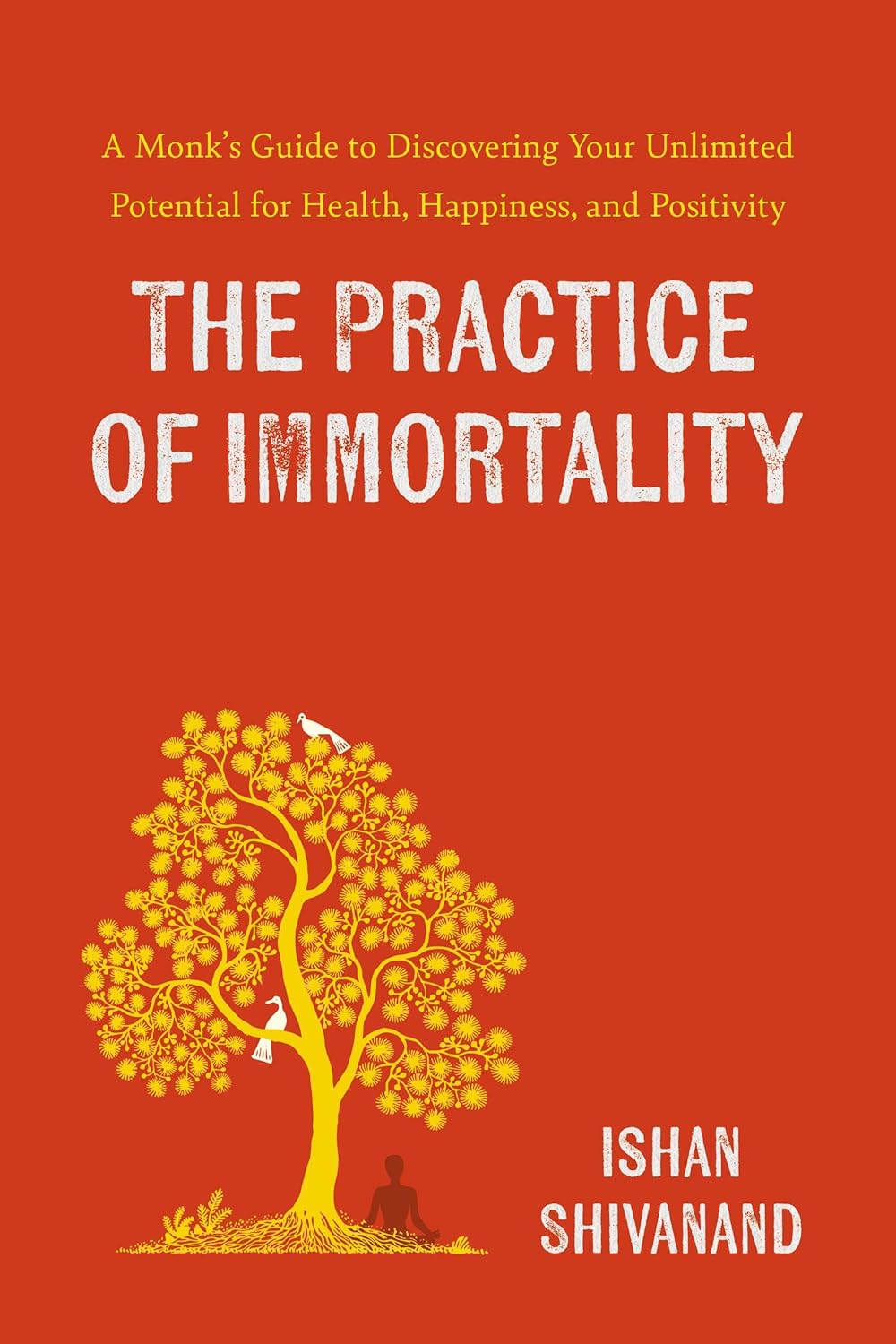

Ishan Shivanand’s The Practice of Immortality is a deeply personal account of his journey from the quiet discipline of a monastery to a life of teaching and guiding others across the world. The book blends memoir with instruction, weaving together stories from his childhood, lessons from his gurus, and modern applications of ancient yogic wisdom. The book argues that immortality is not about living forever in the body but about changing our relationship with time, shedding illusions, and learning to live in the present moment. Shivanand introduces practices of breathwork, meditation, and reflection, offering not just philosophy but tools that readers can try for themselves.
I enjoyed the storytelling in this book. The writing is simple, yet it carries weight. He doesn’t drown the reader in technical language. Instead, he paints vivid scenes of life in the monastery, of starlit skies and desert sands, of lessons handed down by his father. These stories are balanced with real-world encounters, like meeting seekers from abroad who came chasing legends of mystical herbs. That mix of sacred tradition and modern longing for meaning makes the book relatable, even when the ideas are lofty. At times, I felt swept away by the rhythm of his words. Other times, I had to pause because the thought itself demanded reflection.
Shivanand circles back to the same themes: time, illusions, the immortal self, and each return felt like another layer being added. Rather than skimming past big ideas, he makes sure they sink in. The rhythm is steady and deliberate, almost meditative in itself, which mirrors the practices he describes. His sincerity shines through on every page. There’s no sense of showmanship, no jargon to hide behind. Instead, it feels like sitting with someone who has lived these lessons and is sharing them with quiet honesty. That tone drew me in and made me more receptive.
I think this book is best suited for readers who are searching for something deeper than self-help hacks or quick fixes. It’s for those who are willing to sit with a story, to think about what it means, and maybe even to try the practices woven into each chapter. If you’re curious about the intersection of ancient wisdom and modern life, or if you’ve ever felt the pressure of time and wished for a way to step outside it, this book has something to offer. I walked away with a sense of calm, a reminder that the immortal self is not something to find far away, but something already inside me, waiting for attention.
Pages: 262 | ASIN : B0D7VKRT8Z

The Hole in Your Life: Grief and Bereavement

Dr. Bob Rich’s The Hole in Your Life is part memoir, part guidebook, and part quiet act of grace. It opens with a deeply personal account of his daughter Natalie’s final months, setting a tone that is both tender and raw. From there, Rich blends professional insight with lived experience, walking readers through grief’s unpredictable terrain. He writes about denial and despair, hope and healing, blending practical techniques, like scheduling grief time and mindfulness, with heartfelt stories from his counseling practice. The book never lectures. It feels like a hand on your shoulder, reminding you that pain is part of being alive, and healing, though never complete, is possible.
I found myself deeply moved by the book’s honesty. Rich doesn’t sugarcoat anything. He talks about loss as something brutal and transforming, a force that tears through you but can, somehow, make you more whole. His writing is simple and kind, with a quiet humor that lightens the heaviness. I liked how he tells real stories, of clients, friends, even himself, without turning them into neat lessons. It’s messy and human. Some parts made me tear up, others made me smile. There’s warmth in his words that feels genuine, like you’re listening to someone who’s been through hell and came back wiser, not just older.
Some sections sometimes read like therapy notes, but then I’d hit a line or story that stopped me cold and made me think about my own losses. Rich’s balance between intellect and compassion is rare. He talks about pain as a teacher, about finding meaning even when nothing makes sense. I felt comforted, not because the book promised easy answers, but because it didn’t try to.
The Hole in Your Life isn’t just for people drowning in grief. It’s for anyone who’s loved deeply and lost something they can’t get back. It’s for the quiet moments when you want to believe life can still hold beauty. I’d recommend it to therapists, caregivers, and anyone sitting in the dark looking for a light that doesn’t blind you with false hope, but steadies you with truth.
Pages: 109 | ASIN : B0FFZVVK6X

Awakening Stories
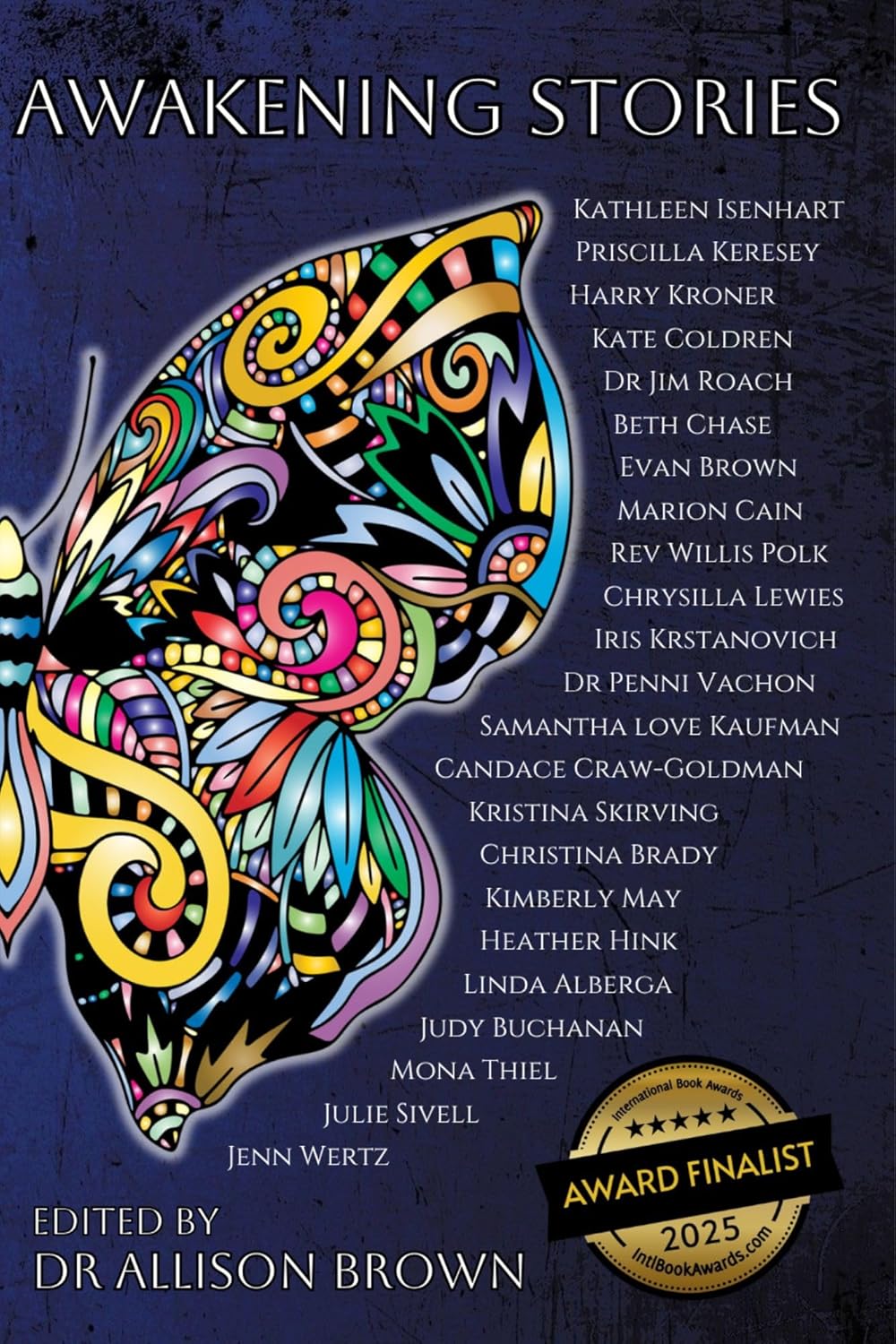
Awakening Stories is a collection of personal essays written by twenty-three individuals who share their spiritual and emotional transformations. The book begins with an introduction by Dr. Allison Brown, who frames the anthology as part of a broader human awakening, a time when individuals and societies are breaking down old ways of being to rebuild something more authentic and compassionate. Each story follows a different thread: grief, addiction, faith, illness, self-discovery, and love. Together, they form a patchwork of healing, vulnerability, and inner strength that echoes one truth, awakening isn’t a single event but a lifelong process of remembering who we are.
Every chapter opened a window into someone’s private reckoning with pain and renewal. The writing varies, sometimes lyrical, sometimes blunt, but always sincere. I found myself pausing often, not because the text was dense, but because it stirred things I hadn’t planned to feel. Some stories shimmered with beauty, like Julie Sivell’s reflection on homesickness for the divine, or Evan Brown’s raw recollection of a moment of awakening in a Hawaiian temple. Others punched harder, especially those that dealt with trauma and survival. There’s a rhythm to the book, like waves of confession and clarity, and though the voices differ, there’s a common heartbeat pulsing through them: hope.
Stylistically, the book has an intimacy that pulls you close. It doesn’t read like a polished self-help manual or a philosophical treatise, it reads like a gathering around a fire. Some passages drift into the mystical. It invites you to question, to lean in, to wrestle with what you believe. Dr. Brown’s vision as editor feels grounded in compassion rather than doctrine.
I’d recommend Awakening Stories to anyone feeling lost, restless, or curious about the deeper layers of being alive. It’s not a quick read, it’s one you sit with. If you’ve ever faced a moment that cracked your sense of self, this book will meet you there and whisper that you’re not alone. It’s for the seekers, the skeptics, the wounded, and anyone brave enough to believe that breaking apart might just be the first step toward becoming whole.
Pages: 287 | ASIN: B0DKG1RNT3
Navigate Family Technology: A technology roadmap for families with ideas to navigate uncharted waters

Navigate Family Technology is a clear-eyed, heartfelt guide to raising kids in a world ruled by screens. Author Nora Duncan O’Brien lays out the modern family’s digital dilemma: how to help children thrive without letting technology consume them. Through chapters that blend research, personal stories, and practical advice, she explores everything from communication struggles and social media traps to empathy loss, anxiety, and sleep disruption. The book reads like a roadmap for parents who feel lost in the constant hum of notifications and the tug-of-war between connection and control. It’s as much about reclaiming calm as it is about setting boundaries.
I found myself nodding along at every mention of the “magnetic pull” of devices. O’Brien doesn’t wag her finger or preach, she levels with you like a friend who’s been there. I appreciated how she backed her advice with science but kept her tone real and warm. Her writing has rhythm and heart, and you can feel her genuine concern for kids and families in every line. Some chapters, especially those about online predators and the permanence of digital mistakes, made me pause and feel a lump in my throat. She’s not just talking about technology, she’s talking about childhood, safety, and the kind of presence that screens quietly steal from us if we’re not careful.
There’s something brave about the way O’Brien admits she’s learning right alongside us. She owns her mistakes and turns them into lessons without ego. I loved how she weaves humor into serious topics, it makes the heavy stuff easier to sit with. Her practical ideas for setting boundaries, encouraging empathy, and helping kids “embrace boredom” actually feel doable. The mirror she holds up to our tech habits is unflinching.
I’d recommend Navigate Family Technology to any parent, teacher, or even older teen who’s trying to understand why screens feel so irresistible. It’s a wake-up call for families trying to find balance in a hyperconnected world. If you’ve ever found yourself scrolling through your phone while your child talks to you, this book will make you want to put it down and really listen. It’s wise, gentle, and full of heart, a rare mix in a world that’s usually shouting advice at us from every glowing screen.
Pages: 222 | ASIN : B0DZF9VL27
The Destiny of Our Stars
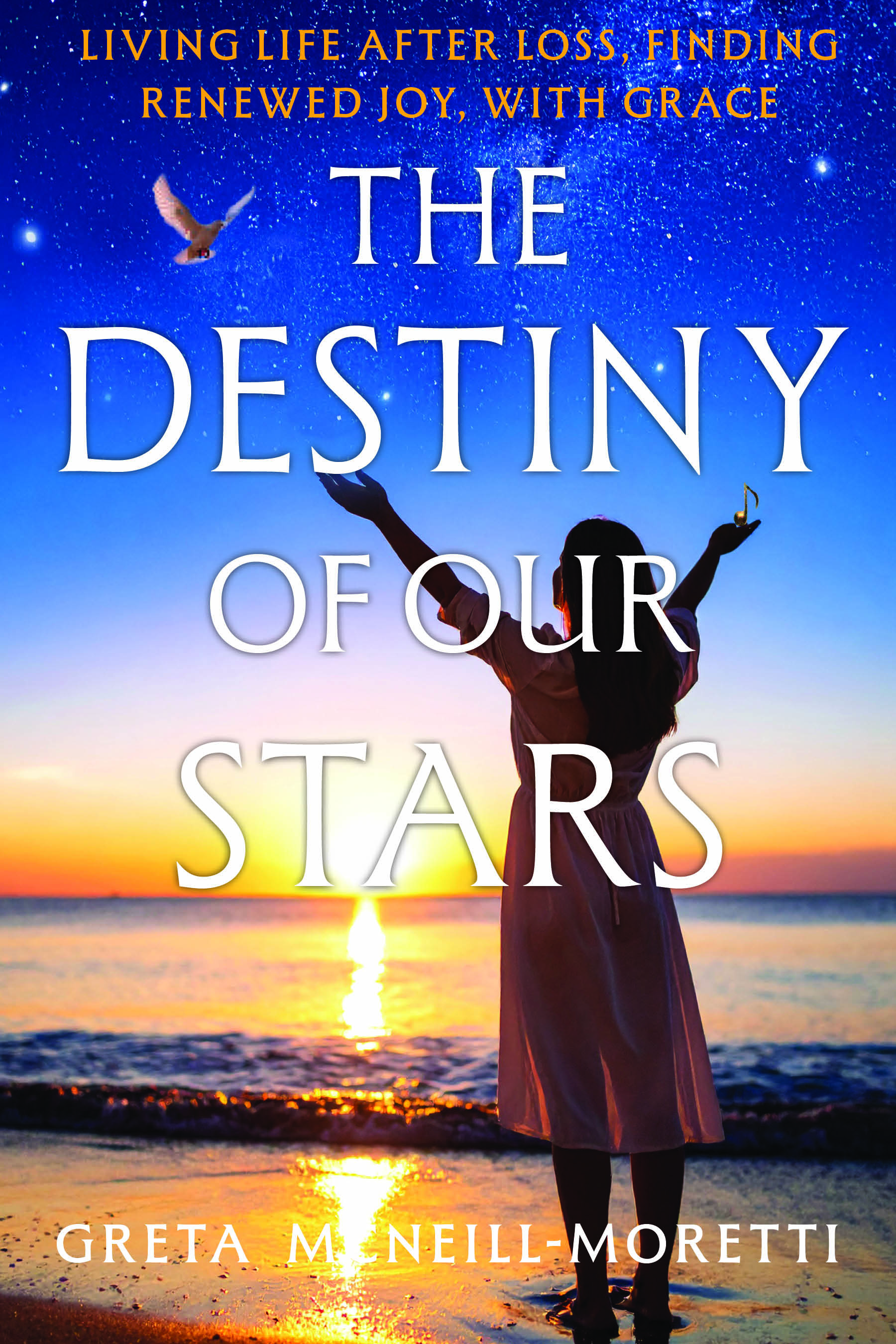

Greta McNeill-Moretti’s The Destiny of Our Stars is a heartfelt memoir about love, loss, and renewal. At its core, it’s the story of a woman navigating widowhood after losing her soulmate, Lawrence, to brain cancer. The book moves from raw grief to spiritual awakening, with reflections on fate, synchronicity, and the mysterious ways the universe brings meaning to suffering. It’s not just a chronicle of mourning; it’s a roadmap through the darkest corners of heartbreak toward the quiet light of acceptance and hope.
The author writes with such sincerity that I often felt like I was sitting across from her, listening to her unpack her life. Her words are simple, but they cut deep. I admired how she didn’t shy away from the messy parts, depression, guilt, the confusion of still wanting to live when your reason for living is gone. She uses humor in surprising places, and it works. It keeps the story grounded and human. Sometimes her honesty stings, but that’s what makes it beautiful. It’s a book that feels lived, not written from a distance.
What really stayed with me was her belief in synchronicity and destiny. I was moved by her conviction. It’s impossible not to root for her as she rebuilds her world, piece by piece. Her reflections on love extend beyond romance. She writes about compassion, family, and friendship in ways that make you think about your own life. At times, the detail is overwhelming. But I think that’s part of the magic. She doesn’t let you skim through her pain. She makes you sit with it, the way grief makes you sit still until you learn to move again.
I’d recommend The Destiny of Our Stars to anyone who has lost someone they love or who simply wants to understand what real resilience looks like. It’s for people who appreciate writing that’s emotional but never self-pitying, and who don’t mind tears mixed with laughter. This book is raw, deeply personal, and surprisingly comforting. It reminds you that even when life shatters, the pieces can still reflect light.
Pages: 303 | ISBN : 979-8-9995413-1-4
3 Wines In

Hilary Saxton’s 3 Wines In is part story, part self-help manual, and part pep talk in book form. It begins as the tale of four women, Linda, Emma, Jenny, and Kate, friends bound by monthly lunches and life’s bruises. Their lives unfold through laughter, heartbreak, and hard-won self-awareness. As the narrative evolves, Saxton reveals her “Evolve Program,” a personal development framework built around the acronym ROSÉ: Realise, Organise, Study, and Elevate. It’s both metaphor and method, promising to help women reclaim confidence and live as if they were “three wines in,” relaxed, honest, and unafraid, but without the alcohol.
Reading this book felt like chatting with a wise friend who’s been through it all. The fictional stories of the women were warm and messy, full of the kind of real-life details that made me nod, laugh, and sometimes wince. I liked how Saxton wove the characters’ challenges, career burnout, relationship breakdowns, body image issues, into her coaching philosophy. The writing isn’t fancy or overly polished, but it’s authentic. It carries a tone of empathy and experience. There were moments where it drifted into predictability, especially when lessons became a bit too tidy, yet it feels like honest guidance, not clinical theory.
What stood out to me most was Saxton’s genuine passion for transformation. Her voice is encouraging, a mix of coach, cheerleader, and confidante. Some parts felt like a motivational seminar written down. The best sections are when she speaks from the heart about confidence, failure, and finding one’s worth again. I could feel her own story pulsing beneath the surface, especially in her reflections on rebuilding from pain.
3 Wines In is perfect for women who are feeling stuck, self-doubting, or just craving a nudge toward something better. It’s for anyone who’s ever looked in the mirror and thought, “There’s got to be more than this.” If you like books that mix storytelling with self-improvement and a glass of humor on the side, this one will hit home. It’s not about drinking wine. It’s about remembering who you are when you finally relax and tell the truth.
Pages: 185 | ASIN : B0CCQQCFBV
Thru The Eyes of a Warrior

This book is both memoir and meditation. Merrill A. Vaughan blends poetry, storytelling, and raw personal truth to explore what it means to serve, survive, and remember. Through the fictional voice of Jack Delaney, a veteran haunted by his experiences in Vietnam, Vaughan builds a bridge between past and present, between the young soldier who went to war and the older man learning to heal. The story moves between letters, memories, and poems that capture the brutal honesty of combat and the quiet ache of coming home. It’s not a linear tale but rather a mosaic of moments, stitched together by grief, guilt, and grace.
The poems have grit and rhythm, the kind that comes from someone who has lived the words he writes. I could feel the heaviness in Jack’s silence and the relief when he finally found his voice again. Some passages felt personal, like peeking into someone’s private confession, yet that’s what made them so powerful. Vaughan doesn’t hide behind pretty phrasing or elaborate structure. He just tells it straight. The scenes in the jungle, the letters to Ella, the haunting of lost friends, they all stay with you long after you close the book.
What I loved most was the sense of hope quietly pulsing beneath the pain. The character of Claire, the nurse who teaches Jack to write, and Ella, the granddaughter who asks to hear the truth, turn this story into a full circle. It’s not only about what war takes but what art gives back. The poems woven throughout, about veterans, remembrance, and America itself, feel like collective prayers for understanding. The mix of fiction and poetry works surprisingly well. At times, it feels like a diary cracked open. I found myself pausing often, just sitting with the weight of the words.
I’d recommend Thru the Eyes of a Warrior to anyone who wants to understand the emotional landscape of a veteran’s life, beyond statistics and slogans. This book would especially resonate with veterans, their families, and anyone who believes that storytelling can heal what silence can’t. Vaughan has written something painful, tender, and brave.
Pages: 110 | ASIN : B0FPT9WGZP



 LITERARY TITAN