Blog Archives
Nether Land: High School Temptation, Insurance Haze, Stolen Resolution, and Murder


Nether Land follows the tangled rise and tragic end of Ed Netherland, a boy from Murfreesboro who grows into a bold, brilliant, often reckless man whose life eventually spirals into money schemes, fraud, and a mysterious death on St. John Island. The story begins with his funeral and jumps back to the author’s childhood, tracing decades of shifting friendships, grudges, ambition, and uneasy admiration. The book pairs coming-of-age moments with a slow, unsettling unraveling of Ed’s world, and by the time the narrative returns to that final day in 2014, the path feels both inevitable and deeply strange.
While reading it, I felt pulled into a long conversation with the author, one that wandered through memory in a way that felt warm, irritated, tender, and suspicious all at once. His writing is simple on the surface, yet tight with tension underneath. I liked how he captured the awkward cliques and rivalries of Central High. I also felt his lingering resentment toward Ed slip through, even when he tried to be neutral. That honesty made the book feel more vivid. The chapters about UT football, fraternity life, and early adulthood had a friendly, nostalgic tone. Then the tone shifted. The deeper the book went into Ed’s business dealings, the more the storytelling tightened. I could feel the author wrestling with disbelief. The emotional through-line held steady even when the pacing slowed because he kept circling the same question that I found myself asking, too. How does a smart kid from a decent home end up in a storm of lies, lawsuits, and danger.
I kept thinking about the author’s mix of curiosity and frustration. He wrote with affection for the people who shaped him, although not always affection for Ed. Even so, he treated Ed as a real person and not a tabloid headline. I liked that balance. Sometimes I felt the narrative turning slightly dreamy as he drifted back into old school hallways or late-night parking lots. Other times, the writing snapped into something harder when he described the financial tricks, the false promises, and that chilling stretch before the murder. I found myself reacting in quick swings. I laughed at small teenage moments. I felt annoyed at Ed’s constant posturing. I felt sad when the story reached the island and stayed there. The emotional unpredictability made the book gripping, and I never drifted away from the author’s voice.
I would recommend Nether Land to readers who enjoy true crime that leans more toward reflection than sensationalism and to people who like memoirs about Southern towns, complicated friendships, and the strange ways ambition can bend a life. If you enjoy true crime with heart, you’ll enjoy Nether Land.
Pages: 246 | ASIN : B0FZWPXJ9R

Scams are the World’s Fastest-Growing Crime

Scams Are the World’s Fastest-Growing Crime is a straight-talking field guide to modern scams. Author Ken Ray walks through how scams evolved, why they work, and how they hit regular people in every channel of life, from phone and email to social media, crypto, fake stores, and in-person tricks. He starts with history and psychology, then gives a simple four-step model of every scam: setup, lure, attack, hook. After that, he moves into detailed profiles of common schemes, global impact, why victims stay silent, and how scammers pick their targets. He wraps it all up with danger scales, checklists, legal context, a glossary, and a very raw victim story, all tied to Scam Watchdogs’ mission to protect, educate, and expose.
What I liked most was the human focus. Ray keeps reminding me that scams are not about clever tech. They are about emotions and habits. He lays out trust, fear, greed, love, guilt, and overconfidence as levers that scammers pull, then shows how those levers show up in real situations like “grandparent” calls, romance cons, and fake tax threats. I felt angry reading the sections on shame and silence, and how victims stay quiet because they blame themselves or worry no one will listen. The chapters on the snowball effect and the global scale of the problem hit pretty hard too. They show how a tiny “test payment” can snowball into life-changing loss and how those losses add up across families, small businesses, and even trust in basic institutions. Reading that, I felt a mix of frustration and urgency, like this is not just sad stories; this is a public safety issue.
I liked how practical and plain the book feels. The tone is warm and professional but still sounds like a real person talking, not a legal brief. The early chapters give clear frameworks, then the scam profiles repeat the same structure each time with “setup, lure, attack, hook” and a danger rating. That rhythm made it easy for me to skim to what I needed. I also appreciated the checklists, the “Stay Safe” section, and the simple definitions at the back, since those are easy to share with less tech-savvy family members. The author’s note about using AI tools like ChatGPT as a helper, while taking responsibility for the facts, felt transparent and current, which I liked.
I came away feeling both rattled and oddly reassured. Rattled, because the examples show how easy it is for smart, cautious people to get pulled in, especially through investment and romance scams that mix money with emotion. Reassured, because the book keeps coming back to simple habits that anyone can build: pause, verify, talk to someone, report what happened. There is a steady compassion for victims that cuts through the usual blame, especially in the dedication and the closing message that every report turns a private loss into a public shield.
I would recommend this book to everyday readers who want to protect themselves and their families, especially people who do not live in the world of cybersecurity but still live on their phones and laptops all day. It is a strong choice for parents, caregivers, community leaders, and small business owners who need something they can hand to others without translation. People looking for a clear, empathetic starter guide and a reference you can dip into whenever a weird text or email pops up, it does the job very well.
Pages: 175 | ASIN : B0G35VCVP1

Looking for Trouble
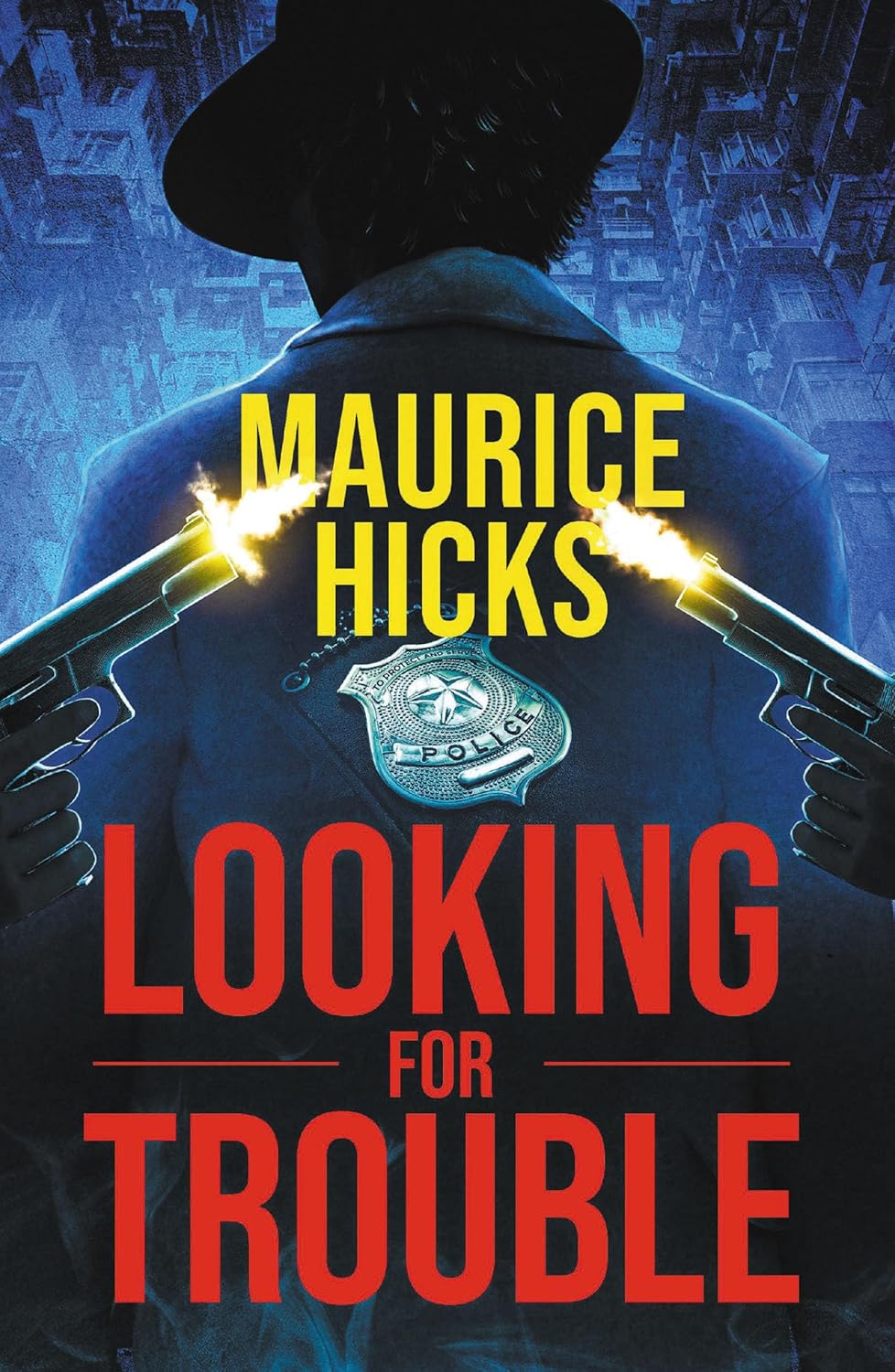

Looking for Trouble follows Maurice Hicks from his childhood in Baltimore through his early years in law enforcement. The book moves fast, almost breathless at times, as it shows a kid growing up in a rough world who somehow stays hopeful. It tracks his path from a paperboy with big dreams to a Marine and then to a police officer who ends up facing danger that feels unreal. The stories unfold with heat and sweat and fear and sometimes humor, and they paint a picture of a city that seems alive and angry and wounded all at once. What struck me most was the constant push and pull between survival and duty. The book never slows down. It grabs you at the start and keeps going.
The writing is blunt. It is raw in spots. It has a rhythm that feels like someone talking to you across a table late at night. The scenes inside the housing projects made my stomach knot. The tension builds so sharply that I kept catching my breath. At the same time, the author also slips in these little pieces of heart, small moments of gratitude or pride or humor that soften the edges. I liked that mix. It made the stories feel relatable. I found myself angry at the chaos around him, frustrated at the failures of systems that should have helped people, and surprised by how quickly small choices could turn dangerous. The book does not try to pretty anything up. It gives you the smoke and the noise and the fear straight up, and I respected that.
What stayed with me even more were the quieter reflections woven into the story. The author writes about the weight officers carry and the scars they collect along the way. He also writes about the people who shaped him, from family members to neighbors to teachers who saw more in him than he saw in himself. Those parts hit me hardest. They felt honest. They felt like memories he never stopped holding. I found myself thinking about how the environment shapes a person and how strength sometimes comes from the most unexpected places. The ideas here feel grounded. Nothing lofty. Nothing inflated. Just real life and the lessons scraped out of it.
I would recommend Looking for Trouble to readers who want a vivid, unfiltered look at police work, city life, and the long road a person walks to find purpose. It is a strong fit for people who enjoy memoirs that pull no punches and for readers curious about what it feels like to be inside the chaos instead of watching it from far away. The book is sharp, tense, and full of heart.
Pages: 535 | ASIN : B0C15B8JDB
Fifty Shades of True Crime

Fifty Shades of True Crime is a wild ride through the strangest and darkest corners of human behavior. Author Douglas Fifer, a former Alaskan cop, strings together story after story of crimes soaked in sex, kink, and shocking perversity. From bestiality cases in small towns to necrophilia, from bizarre arrests involving vegetables to chilling encounters with killers, the book leans on real-life cases to show just how messy and twisted desire can be. It’s told with a mix of dark humor and blunt honesty, which makes it both grotesque and oddly entertaining.
At times, I laughed, mostly at Fifer’s cop-gallows humor and his no-nonsense storytelling. Then a few pages later, I felt queasy. The stories don’t hold back, and the details are unflinching. His style is raw, sometimes crude, yet always conversational. It felt less like I was reading a book and more like I was being told insane stories by a cop who had seen too much but knew how to keep you hooked. I appreciated how he threaded in questions about morality and kink, forcing me to reflect on where the line between fantasy and crime really lies.
I also found myself admiring his honesty. He doesn’t try to sanitize the brutality of human desire or the failures of the legal system. Instead, he puts it all out there, and whether you’re disgusted, amused, or both, you can’t look away. One story that stuck with me was the “Cool as a Cucumber” case. A drunk driver in Anchorage not only crashed his minivan but was also discovered with a massive cucumber, wrapped in plastic, stuck inside him. The image is outrageous and grotesque, yet Fifer tells it with such dark humor that I couldn’t help but laugh and cringe at the same time.
I’d recommend Fifty Shades of True Crime to readers who like their true crime with a heavy dose of shock and unfiltered storytelling. If you want a book that dares to blend the outrageous with the horrifying, and if you can handle humor in the middle of horror, this book will grip you from start to finish.
Pages: 229 | ASIN : B0D7X1SDFC
I Wasn’t Alone
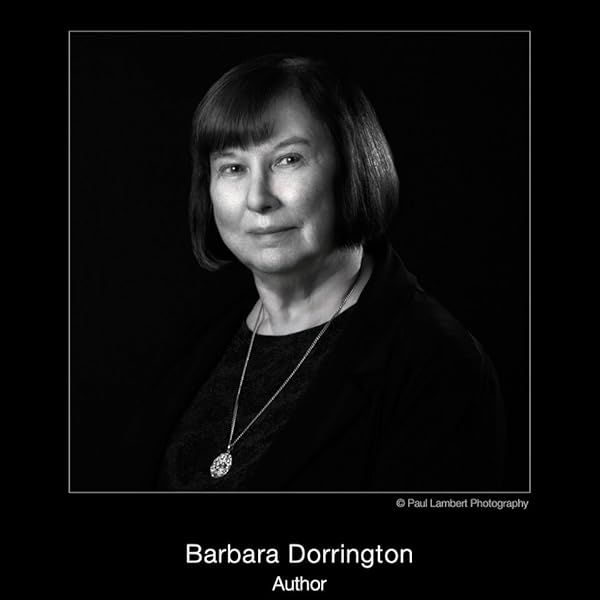
The Trauma Monster shares your story of looking into the unsolved murder of your childhood friend, and through the investigation and with the knowledge you gained as a trauma therapist, helped your community heal. Why was this an important book for you to write?
The Trauma Monster was never just about writing a book. I was not a writer by profession but I decided to learn to write so I could help others deal with longstanding trauma. It was also about breaking a silence that’s hung over my community, and over my own life, for decades. I grew up with unanswered questions, carrying the weight of childhood loss, violence, and unresolved grief. When someone you cared about is murdered, as my first crush, Scott Leishman, was, and the case goes unsolved, the trauma doesn’t end. It lingers, it shapes one, and it shapes the town around each of us that was affected.
This book was my way of finally giving voice to the pain that was hidden for too long. But it’s also a book about hope. It is about how, even after decades, people can come together to seek truth, to heal, and to demand answers. Writing The Trauma Monster allowed me to honour the victims, amplify the voices of those who were silenced, and show others that healing is possible, even when justice feels out of reach.
What were some ideas that were important for you to share in this book?
There are three important ideas that I hoped my book described. First, I wanted people to understand that trauma doesn’t just belong to the families of victims, it eventually ripples through entire communities. When a murder goes unsolved, it leaves behind more than grief. It leaves fear, silence, and shame. I saw that in London, Ontario, and I carried it personally with me for decades.
Sometimes, families didn’t want the investigation stirred up again. They were grieving in their own way, or protecting themselves from more pain, which is their right. But that silence didn’t stop the hurt, it just pushed it underground for everyone else. Friends, classmates, shopkeepers, neighbours and others, we all were left with unanswered questions, and nowhere to put their pain.
Second, I wanted to show that unsolved murders aren’t just cold files, but actual human stories. The victims weren’t statistics; they were kids I went to school with, the boy I once had a crush on. They had dreams, fears, favourite songs. Their stories deserved to be told, and with dignity, with truth.
Third, I wanted people to know that healing is possible, but it starts with facing the past. It starts with stories being told, even the uncomfortable ones. Even when justice feels impossible, we can still reclaim our voices. Silence may have protected some, but it also trapped many others. It’s time for the silence to end.
What was the most challenging part of writing your book, and what was the most rewarding?
The most challenging part of writing The Trauma Monster was carrying other people’s pain, and recognizing my own pain, at the same time. I spent years listening to stories that were buried for decades, including stories of violence, fear, and loss. Some of those were my own stories too. There were moments I’d sit at my writing desk and think, I can’t do this because it’s too heavy, too heartbreaking. But I also knew that staying silent wasn’t an option anymore, not for me, and not for the community.
Another challenge was navigating the delicate reality that not everyone wanted these stories reopened. Some families, understandably, wanted the past to stay buried. I had to find a way to respect that, while still standing up for the friends, classmates, neighbours, meaning the rest of us who’d been living with unanswered questions and hidden trauma all this time.
The most rewarding part, without question, was seeing what happens when people finally feel heard. I’ve had survivors, classmates, even complete strangers tell me that reading The Trauma Monster made them feel less alone. For the first time, their fear, their grief, even their anger, was seen, validated and understood. That’s why I wrote it. Not to stir up pain for the sake of it, but to remind people that silence doesn’t heal, but truth, connection, and shared stories can.
How has writing this book impacted or changed your life?
Writing The Trauma Monster changed my life in ways I didn’t expect. It gave me back my voice and not just as an author. It gave me a way to tell my own story as someone who grew up carrying unanswered questions and unspoken grief. For decades, I thought I had to live with the silence. I thought that’s just how it was because people didn’t talk about these murders, and the pain stayed tucked away in the corners of our lives.
But the more I researched, the more I listened to other people’s stories, the more I realized how many of us had been carrying the same weight. Writing this book showed me that I wasn’t alone. More importantly, I didn’t have to be quiet anymore.
It also connected me with people I never would have met otherwise, including other survivors, families, citizen sleuths, even people from my own past I lost touch with. Some of them shared their memories for the first time in 50 years. That’s powerful.
Most of all, it reminded me that healing doesn’t come from pretending nothing happened. It comes from telling the truth, even when it’s messy, even when it’s hard. Writing this book helped me face my own trauma, honour the people we lost, and finally believe that it’s not too late for change or for answers, or for a community to begin healing together.
Author Links: GoodReads | X | Facebook | Website
The Trauma Monster: A Healing Journey through the Untold Cold Case Stories Of One Ontario Community

The Trauma Monster is a gut-wrenching yet hopeful book that weaves together personal memoir, true crime investigation, and trauma therapy insights. Set in Ontario during the 1960s and ’70s, the book begins with the unsolved murder of the author’s childhood crush, Scott Leishman. That loss becomes the starting point for a wider exploration into a series of cold cases that haunted the community and left lingering emotional scars. Through firsthand accounts, interviews, and years of therapeutic work, Dorrington tells the stories of survivors, people who were children during those years and never had a chance to speak. At its heart, the book is about the long reach of trauma, the silence it breeds, and the healing that comes when people feel safe enough to speak.
There’s a raw honesty to Dorrington’s voice that pulled me right in. She doesn’t write from a distance. She’s not an outsider poking around in someone else’s pain. This was her town. These were her friends. She opens herself up on every page, and that openness gives the book its power. The writing is simple, which works here. No need for flowery prose or academic terms. At times, the book left me breathless. She paints the ’60s in vivid detail. The crime scenes aren’t sensationalized, but they do haunt. I kept thinking about the kids who didn’t come home. The way Dorrington connects personal grief with collective trauma is what makes this more than a true crime book.
What surprised me most was how tender it is. For a book about murder and silence and shame, there’s so much care here. Dorrington is a trained trauma therapist, and it shows, not in technical talk, but in how she handles each story with compassion. She gives voice to people who were never asked to speak. Her inclusion of art, storytelling, and even a workbook makes the book not just a record but a tool for healing. I found myself thinking about my own losses, my own unspoken stories. That’s the kind of impact this book has. And still, she doesn’t tie anything up neatly. She’s not pretending these wounds close easily. The monster, as she calls it, never disappears. But it can shrink. It can be drawn, faced, and named.
This book is not just about old murders or sad memories. It’s about witnessing. About telling stories that were hidden too long. I’d recommend The Trauma Monster to anyone who’s been through something hard and is still trying to name it. It’s not an easy read, but it’s a comforting one. If you like true crime with heart, if you’ve felt unseen or unheard, or if you’re trying to heal, then this book is for you.
Pages: 297 | ASIN : B0F7D6SCL8
Integrity, Optimism, and Empathy

Odyssey Moscow is a riveting and brutally honest memoir that chronicles your harrowing arrest and imprisonment in Russia following a business dispute gone dangerously political. Why was this an important book for you to write?
Writing Odyssey Moscow was cathartic. After living through such an intense and surreal ordeal—being unjustly arrested, imprisoned, and isolated—I needed to make sense of what happened, both for myself and for those closest to me. It became especially important to me that my children, when they’re older, could read this and understand the values I tried to live by: integrity, optimism, and empathy, even under impossible circumstances. It was also my way of honoring the people who helped me survive—my family, my friends, and the men of Cell 604. Their decency and courage in the darkest of times deserve to be remembered.
How did you balance the need to be honest and authentic with the need to protect your privacy and that of others in your memoir?
I wanted to be candid and transparent, because I felt a responsibility to tell the truth—not just about what happened to me, but about the broader system that enabled it. At the same time, I was deeply aware of the risks others faced. In some cases, I deliberately anonymized details, not to obscure the truth, but to protect individuals who didn’t choose to be part of this story. Honesty and concern for the safety of others had to go hand in hand.
What was the most challenging part of writing your memoir, and what was the most rewarding?
The hardest part was reliving it. Each chapter forced me back into the fear, confusion, and emotional strain of those months. There were times I considered putting the project aside entirely. But what kept me going was the encouragement I received from those I trust—especially my wife, Julia, who not only supported me throughout my imprisonment, but later helped shape the book with wisdom and clarity. The most rewarding part? Without a doubt, it’s knowing that this story might offer others courage. If someone going through a crisis reads Odyssey Moscow and finds even a sliver of hope, or a reason to stay true to their values, then it’s all been worth it.
What do you hope is one thing readers take away from your story?
If there’s one thing I hope people take away, it’s that even while Russia’s regime and justice system should be condemned, we should have sympathy and admiration for average Russian people. They are the main victims of that system. The courage and resilience of my cellmates was inspiring, but the courage of other Russians who stood up for me and helped me to obtain freedom is also something for which I’m deeply grateful.
Author Website
Odyssey Moscow: One American’s Journey from Russia Optimist to Prisoner of the State
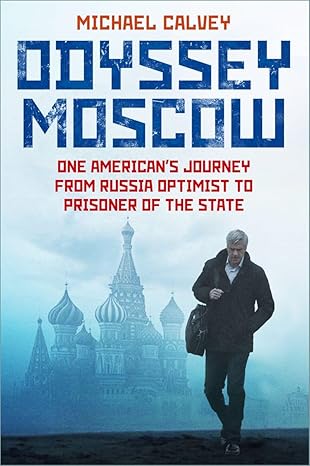
Michael Calvey’s Odyssey Moscow is a riveting and brutally honest memoir that chronicles his harrowing arrest and imprisonment in Russia following a business dispute gone dangerously political. Framed around his 2019 detention on charges of fraud, Calvey recounts the Kafkaesque nightmare of navigating the Russian criminal justice system with gripping detail and a surprising amount of grace. Part prison diary, part corporate thriller, and part philosophical reflection, the book explores power, corruption, and survival with uncommon vulnerability.
Calvey doesn’t hide behind business-speak or self-pity. From the first pages, where he’s ripped from his Moscow apartment by FSB agents, his voice is calm but charged with disbelief and raw emotion. I found myself holding my breath as he described his first night in a cramped cell, trying to keep it together while one cellmate shows off his biceps and the other does endless push-ups. The contrast between Calvey’s former life—Loro Piana shirt, Harvard degree—and the grimness of Matrosskaya Tishina is jarring, and he never once lets us forget how surreal and dehumanizing that shift is.
The book’s real power, though, comes from the way Calvey makes space for others. He doesn’t just tell his story; he lets in the lives of Sasha, Ildar, Dmitry, and others—cellmates, guards, lawyers—each rendered with empathy, even humor. I found myself unexpectedly moved by his relationship with Sasha, a streetwise repeat offender who gifts him molasses cookies and prison wisdom. Even when he’s describing psychological warfare—like the endless sirens and the lights that never shut off—Calvey never descends into bitterness. There’s real introspection here. He wonders what it means to have championed Russia for decades, only to be betrayed by the very system he believed in.
Still, there are moments that made me fume. The scene in the courtroom where the Vostochny Bank security chief films Calvey, giggling as if it were a show, is infuriating. Even more galling is how the Russian court system appears as a hollow formality—the “glass cage,” the parade of character witnesses, the judge who seems moved but ultimately rubber-stamps the FSB’s orders. Yet Calvey keeps his cool. He channels his rage into logic, into planning, into fighting back—not with violence, but with integrity and relentless clarity. That was inspiring.
In the end, Odyssey Moscow isn’t just about one man’s legal battle—it’s about holding onto your values when everything around you crumbles. Calvey never pretends to be perfect. He admits to fear, to pain, to moments of despair. But he also shows us resilience in the most literal sense. I finished the book feeling humbled, a little shaken, but also strangely hopeful. This book is for anyone who enjoys true stories about endurance, justice, and moral courage.
Pages: 291 | ASIN : B0DY5PR2ZM



 LITERARY TITAN