Category Archives: Interviews
Connection vs Performance
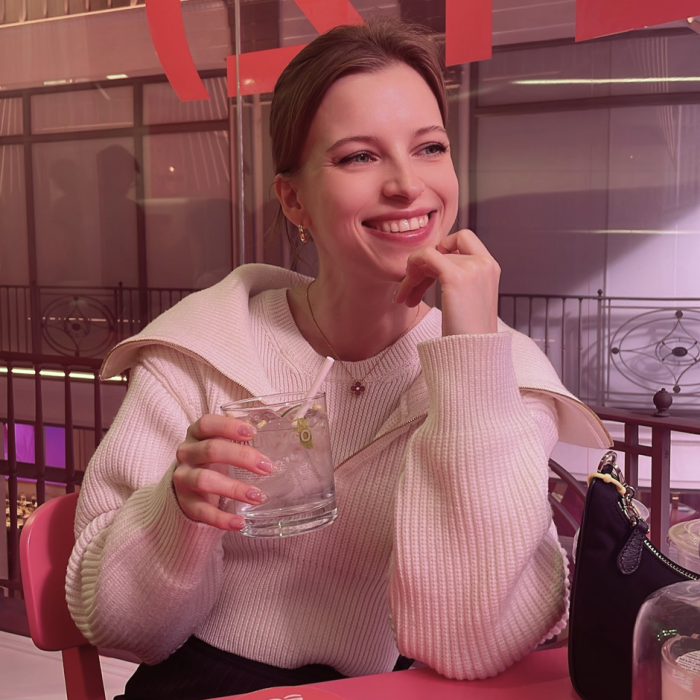
The Influencer’s Canvas follows an elite nail artist from London who is invited to an exclusive Maldives retreat for elite creators, where, while she does their nails, she documents their hidden lives. I think this original idea is intriguing. How did you come up with this idea and develop it into a story?
The idea came directly from my work. I’ve been doing nails for influencers and celebrities in London for years, and there’s something about the intimacy of that process: having someone’s hands in yours for an hour whilst they’re away from their cameras. That’s when people drop their guards completely. I started noticing this pattern. Their online personas were completely different from who they became during our sessions.
X, my nail artist character, first appeared in Polished Edges as someone who collects these unguarded moments. When I was developing her story arc, the Maldives retreat setting felt natural because I’d heard about these exclusive influencer events where the performance pressure is even more intense. The isolation, the competition, the need to create content even whilst supposedly relaxing: it creates the perfect pressure cooker for masks to slip.
The lives of social media content creators are intriguing, as is their die-hard followers’ obsession. What aspects of the human condition do you find particularly interesting that could make for great fiction?
The performance of authenticity fascinates me. We’re living through this moment where being ‘authentic’ has become a brand strategy, where people curate their vulnerability for maximum engagement. There’s something deeply human about our need to be seen and loved, but social media has commodified that need.
I’m drawn to characters caught between who they are and who they think they need to be to survive. The influencers in my book aren’t villains; they’re people trapped in a system that rewards them for turning their lives into content. That tension between genuine connection and strategic self-presentation feels universal now.
I found this novel to be a cutting piece of satire. What is one thing that you hope readers take away from your book?
I hope they start questioning the difference between connection and performance in their own lives. The book is satirical, but the real target isn’t individual influencers: it’s the systems that turn human relationships into metrics.
If readers think more critically about what they consume online and what they share themselves, that’s success. We’re all performing to some degree now. The question is whether we can still recognise ourselves underneath the performance.
What is the next book you are working on, and when can fans expect it to be released?
I’m working on Project Mirror, which takes these themes into speculative territory. It’s about a world where beauty becomes algorithmic: people subscribe to facial features and get software updates for their appearance. My protagonist is a technician who fixes glitches in people’s neural aesthetic systems.
What unsettles me is how plausible it feels when you look at where beauty technology is heading. We’re already filtering ourselves in real-time during video calls. Neural implants for aesthetic modification seem like the logical next step.
No firm publication date yet, but I’m deep into the writing process. The research keeps making my fictional dystopia look conservative.
Author Links: GoodReads | Facebook | Website
What you’ll find insideConfessions at the manicure table
Each chapter is a fresh set of nails and a fresh secret, from burnout hidden beneath flawless French tips to crypto fraud masked by liquid-gold chrome.
High-gloss social satire with a beating heart
Picture White Lotus colliding with The Devil Wears Prada, written in micro-cinematic detail and edged with sly wit.
A thriller of algorithms and aesthetics
Beneath the sunsets and “sustainable luxury” hashtags lurks Project Chimera, an AI experiment that scores every guest’s malleability. Recommendation: neutralize or recruit.
Sensory prose that sparks the feed
Sharp dialogue, vivid color palettes, and scroll-stopping quotes perfect for BookTok or Instagram.
Perfect for readers whoScroll Instagram before they blink and wonder what is real
Devour sharp, contemporary fiction like Crazy Rich Asians and Such a Fun Age
Love luxury-world settings, moral gray areas, and plot twists that sting like acetone on a paper cut
Will the polish crack, or will the algorithm win?
The Influencer’s Canvas peels back the gel-coat glam to expose the messy, human nailbed beneath, then asks whether authenticity can survive once the cameras stop rolling.
One retreat. Two weeks. A million followers waiting.
Swipe in if you dare.
Compassion and Vulnerability
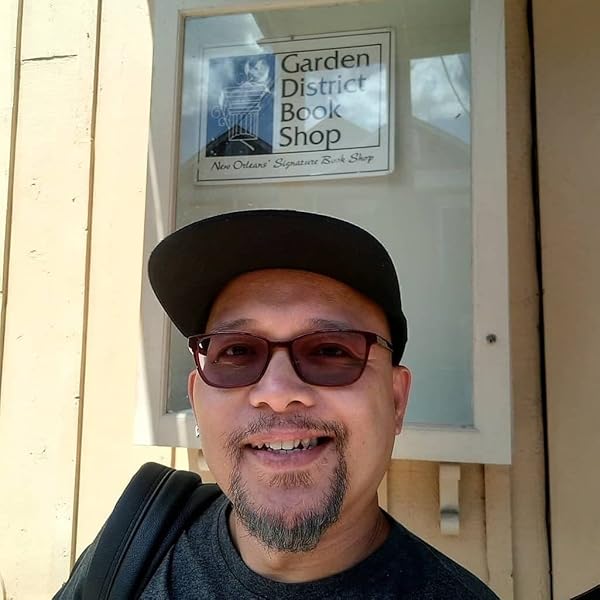
Dark District Primer: Duology on the Lore and Lure of the Dark District combines two novellas, Sojourn and Take Me Now, weaving personal identity with fantasy, Filipino folklore with urban life, and spiritual questions with surreal encounters. What was the inspiration for these stories?
For Sojourn, I wrote it in a time of grief when my father passed away. And so most of the things that I wanted to say and wanted to do were all poured into that novella as well as the emotions involved in such a given circumstance. Writing it was both an affirmation for me in being the son that I am and the son that he wanted. He was the first one to acknowledge my writing growing up. Perhaps he already knew something even before I knew who I was.
For Take Me Now, I wanted to incorporate the world that I have established and expound on it and give it more spice and relationship-driven. While Sojourn was written first, it was Take Me Now that was first published and I had to go back and tweak Sojourn in order that it would mirror the world that I wanted to establish.
What are some things that you find interesting about the human condition that you think make for great fiction?
I love it when we show our humanity both through compassion and vulnerability. Compassion when we are able to put ourselves in the shoes of others to either feel their weakness in order to give them a little bit of our strength so that we help sustain them and what they need to do and vulnerability when it is our time to be on the receiving end of the help and empathy we give to others.
What were some themes that were important for you to explore in this book?
As my father’s passing was the catalyst for me to be more introspective and re-examine my writing, it was both my feelings of grief, honesty and self-identity that I wanted to explore more in Sojourn while framing it within a created universe that has touchpoints in Philippine Folklore. In any relationship, being true and comfortable with oneself is one of the pillars in making it work. Lose that or postpone that form of self-affirmation then the foundation to establishing a relationship with another falls apart.
What is the next book that you are working on, and when can your fans expect it to be out?
My next book is the next installment of the Tales from the Dark District series, entitled Take My Heart, and is being targeted for a FALL 2026 release. Along with that I shall also resume work on my New Adult series, which will also be set within the Dark District Universe.
Author Links: GoodReads | X | Instagram | Facebook | Website
By C.J. Edmunds
Welcome to the Dark District. A place where magic hides in plain sight, and desire leads you deeper into the unknown.
In this atmospheric duology by C.J. Edmunds, two queer protagonists are drawn into the same hidden world—but under very different circumstances.
🌀 In Sojourn, David Lansing, a half-Filipino call center trainer, suddenly begins seeing visions and a mysterious spirit guide. Haunted by creatures from Philippine folklore—Tikbalang, Aswang, and the White Lady of Balete Drive—he embarks on a magical and existential journey that becomes one of purpose, ancestry, and an invitation to a place where people like him finally belong.
✅ Recommended for ages 16+ due to complex parental and identity themes and supernatural tension.
🔥 In Take Me Now, Alvin is tired of the wrong men, wrong choices, and wrong timing. Until the Dark District opens its doors and gives him more than he bargained for. Steamy encounters, eerie magic, and dark truths collide in this sensual tale of love and self-worth.
⚠️ Recommended for ages 17+ for sensual scenes and mature emotional content.
Whether you crave introspection or intensity, Dark District Primer invites you to step through the veil—and explore what’s waiting on the other side.
This lush and haunting collection explores:
Filipino urban legends reimagined
Queer identity and transformation
Steamy encounters and emotional awakenings
A universe where fantasy, myth, and reality blur
Welcome to the Dark District. You might not want to leave.
Perfect for fans of Neil Gaiman’s The Sandman, Philippine mythology, and magical realism with queer narratives.
📘 Includes the complete novellas “Sojourn” and “Take Me Now.”
Humans Are Very Complicated

Mind the Blinds follows a seventeen-year-old boy living in Nigeria, who struggles with alexithymia and antisocial personality disorder while navigating a life marked by family violence, peer pressure, and dangerous encounters. What was the inspiration for the setup of your story?
I finished watching a Korean drama series called MOUSE, and was like, well, this is good. It had dived into the topic about psychopaths and the production of some kind of technology or medication that could determine if a child was going to be born a psychopath or not. Everyone explores the psychology of adult men or women, but I thought it would be interesting if I could write and explore the psychology of a young boy who had an anti-social condition, suffering from domestic violence.
What aspects of the human condition do you find particularly interesting that could make for great fiction?
I do like the aspect of human psychology – why they do things, what they are thinking, how they will survive in different situations, what they will do when given one or no option. Humans are very complicated, both in their actions and reasoning, so it’s really interesting to dive into the complexity of the human mind, even in fiction.
What themes were particularly important for you to explore in this book?
To me, I loved exploring themes of domestic violence and how it affects the minds of children, directly or indirectly. I felt it was absolutely necessary to lay it all out in an unforgivably raw form as it pertained to the main character. But I also wanted to explore the nature of love the main character had for his little brother. I believe children or young people are shaped by family and the society they live in.
What is the next book that you’re working on, and when can your fans expect it out?
I am currently working on another psychological thriller in which a college student is arrested for the murder of another female student, and when his sister goes missing, he takes extreme measures to find her and the culprit, whilst under the accusing eye of a detective. It’s a mystery versus a psychological thriller, and it should be out in 2026.
Author Links: Website | Amazon
All Elyas wants is to ace his final exams and escape from his abusive father. Everything changes when three students Elyas fought turn up dead. The same night, in an act of self-defense, Elyas sets off a dangerous chain of events that pulls him deeper into darkness.
Meanwhile, Detective James Afizere is on the hunt for a notorious serial killer. The investigation points toward Elyas, but there’s no solid proof. Soon, the lines between victim and killer begin to blur. Can Elyas find the strength to emerge from the shadows, or will the past consume him?
A story of survival, betrayal and manipulation, Becky Anyanwu’s MIND THE BLINDS is a gripping psychological thriller.
Myth-inspired Fantasy

Resurrection follows a woman caught between two identities, the adopted daughter of mortals and the blood-born child of the King of the Faeries, who has to decide what she is willing to risk, and what path her future will hold. What was the inspiration for the setup of your story?
The inspiration came from Irish folklore and the land itself. The Scald Crow introduces Calla Sweet and sets her on the path that carries her straight into the faerie realm in Resurrection. My worldbuilding is rooted in the Tuatha Dé Danann of Irish mythology, and the setting is drawn from Donegal County in Ireland, a place I had the privilege of visiting. Walking that landscape—its bogs, cliffs, and souterrains—helped me plot the story directly onto the land, blending the myth-soaked history of the region with my characters’ journeys. Rather than magical realism, I would call it myth-inspired fantasy: the legends of Ireland reimagined in a way that asks Calla, and the reader, what risks are worth taking and what future is worth choosing. Readers who enjoy romantasy grounded in rich folklore—think ACOTAR with a darker, more mythic edge—will feel right at home.
I find the world you created in this novel brimming with possibilities. Where did the inspiration for the setting come from, and how did it change as you were writing?
The setting began with Donegal—the wild Atlantic coast, the ruins, the hidden valleys. That landscape gave me my foundation, but as I wrote Resurrection, the world kept expanding. The faerie realm began to layer itself over the geography of Ireland, drawing on souterrains, standing stones, and cairns, reimagined as portals, prisons, or thresholds of power. What started as a place grounded in Ireland’s physical beauty grew into something more myth-drenched and shifting, shaped as much by the Tuatha Dé Danann as by Calla’s choices. In many ways, the setting became a character in its own right, evolving in step with her journey. For readers who crave immersive, atmospheric worlds where myth and magic are woven into every shadow, this is that kind of story.
In fantasy novels, it’s easy to get carried away with the magical powers characters have. How did you balance the use of supernatural powers?
Each character in Resurrection has a specialty, a gift that feels innate to them, yet the Tuatha Dé Danann as a whole share the same mystical capabilities. What creates balance is not the sheer presence of power, but its limits. The abilities come with costs, consequences, and vulnerabilities, and those aspects are as important as the magic itself. I was careful to keep the focus on the characters—their decisions, struggles, and relationships—so that the powers serve the story rather than overwhelm it. In that way, the supernatural becomes a natural extension of who they are, rather than the entire definition of them.
Where does the story go in the next book, and where do you see it going in the future?
Beyond the Faerie Rath is, at its heart, the story of three sisters—Calla, Nemain, and Macha—whose destinies are bound to the faerie realm in dangerous and surprising ways. Book Three, Tides of Treachery, follows Macha into the House of Faces, a place of illusion and betrayal where every mask hides a threat. If Resurrection was about identity and belonging, Macha’s journey delves into deception, ambition, and the peril of choosing the wrong allegiance.
As the series continues, each sister’s path will unravel different facets of the Tuatha Dé Danann and the shadows working against them. Their stories are meant to build layer by layer, until the moment their journeys converge again—when the fate of the realm will rest on the choices of all three.
Author Links: GoodReads | Facebook | Website
Colm, weighed down by more than just his name, embodies the voice of an ancient power that risks consuming him, even as he strives to protect his loved ones. When a threat jeopardizes everything dear to him, he ventures into the Faerie realm—pursued, haunted, and determined to find Calla before it’s too late.
Ciarán returns, but the burden of freedom weighs heavily on him. Can he let go of past wrongs and live in the light?
Saoirse shines brightly. The land feels it. The old gods stir.
Their journey continues in Resurrection, a darkly romantic fantasy where love is dangerous, power is awakening, and the dead whisper.
Someone Needs to Explain This Stuff
Humans Are Awesome! is a lively and colorful children’s book that sets out to explain the difference between human abilities and artificial intelligence in a way that feels both playful and empowering. What was the inspiration for your story?
You know that moment when your kid asks Alexa if she has feelings, and you realize you have NO idea how to explain AI to a six-year-old? That was us. We were watching our kids interact with technology like it was magic – or worse, like it was human – and we thought, ‘Someone needs to explain this stuff before an entire generation grows up thinking Siri is their best friend.’ Cal knows AI inside and out, and I know how kids’ brains work. It was like peanut butter meeting chocolate – we HAD to make this book happen.
What were some educational aspects that were important for you to include in this children’s book?
The biggest thing? We wanted kids to know that THEY’RE the boss, not the iPad. You know how kids can get totally zombified by screens? We’ve all seen it – that glazed look when they’ve been watching YouTube for three hours straight. We wanted to snap them out of it and remind them that technology is supposed to work FOR them, not the other way around. Plus, we needed to tackle the scary stuff – like not telling ChatGPT where you live – without making kids paranoid about every piece of technology. It’s like teaching them about fire safety without making them afraid of birthday candles.
I loved the activities that were incorporated into this story, giving the lesson an interactive quality that can last beyond the time it takes to read the story. How did you come up with the activities? Also, I would love to see printable resources for teachers and parents that they could use to help reinforce these lessons. Is this something you have considered?
Honestly? We tested everything on our youngest daughter. She was our guinea pig – poor kid! We’d come up with an activity and she’d either be totally into it or give us that look that says ‘this is lame, Mom.’ Kids are brutal critics, which is exactly what we needed. The activities that made it into the book are the ones that got her excited enough to drag her siblings into trying them too.
And YES on the printable resources! Teachers have been asking for them since day one. We kept this first edition short because, let’s face it, kids’ attention spans aren’t getting any longer. But we’re already working on downloadable worksheets, discussion guides, and even some games that parents and teachers can use. Should be ready by the holidays!
Is this the first book in the series? If so, when is the next book coming out, and what can your fans expect in the next story?
“The Try Again Kid” is coming out in late November, and honestly? This one’s personal. We watched so many kids during the pandemic just… give up when things got hard. They’d try something once, fail, and decide they’re ‘just not good at it.’ Meanwhile, they’ll die 50 times in a video game and keep going! So we thought – how do we transfer that video game resilience to real life?
This next book is all about failing spectacularly and getting back up. Think of it as the antidote to participation trophy culture. We’re teaching kids that messing up isn’t just okay – it’s NECESSARY. And yeah, we might have snuck in some lessons about growth mindset and perseverance, but mostly it’s about making failure fun instead of terrifying.
Author Links: GoodReads | Amazon
“Humans are Awesome! A Kid’s Guide to Staying Smarter Than AI” empowers children ages 5-11 with crucial digital literacy skills through an exciting superhero journey.
What Makes This Book Special:
Transforms AI safety into a fun superhero adventure
Teaches 5 “superpowers” that make kids uniquely human
Includes practical safety rules kids will actually remember
Features vibrant, engaging illustrations throughout
Perfect for independent reading or family discussion
Your Child Will Learn:
Why their creativity beats any computer
How to protect their personal information online
When to trust their “gut feelings” about digital content
The difference between AI suggestions and real thinking
How to maintain healthy screen-time boundaries
Created by Experts Who Understand:
Cal Lopez: Technologist and acclaimed sci-fi author
Natalia Ulloa: Educator with 25+ years experience
Abdel Hassam: Talented illustrator bringing concepts to life
Don’t let technology intimidate your family. Give your child the confidence to navigate our digital world while staying wonderfully, powerfully human.
Ultra-Criminal Types
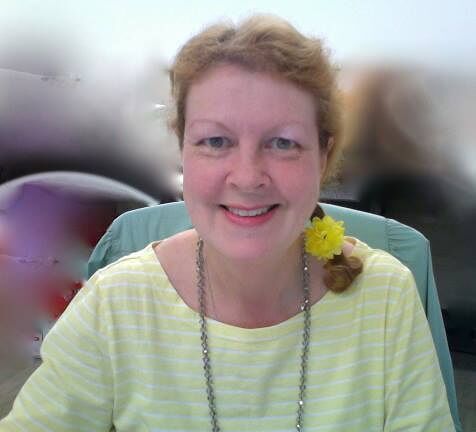
Once Upon a Safehouse follows a woman who receives a large inheritance from her uncle, thinking that it’s a life-altering fortune and a mysterious mansion, but it turns into a legacy she never expected or wanted. What was the inspiration for the setup of your story?
During the pandemic, I watched a whole lot of streaming shows, and one of them was all about the Nazi ratlines to South America. Those shows were astonishing because a lot of the “hideouts” that were located had secret rooms, or escape tunnels, built right into their architecture. Talk about bizarre! Who would do that – unless they had something to hide that was major. And that was enough to get me thinking about it and wanting to turn it into a story!
Were you able to relate to your characters while writing them?
I was able to relate to most of them, yes – the decent characters, especially. It’s always a challenge to try to get into the heads of the more nefarious ones, and this book had some ultra-criminal types in it. Still, I tried putting myself into the place of hunted people who had convinced themselves they’d done “nothing wrong” and took it from there.
What intrigues you about this time period enough to write such a thrilling period piece?
Thank you for calling it thrilling! I look at it this way. The whole World War II era was bizarre in so many ways, and the wrong people had taken over dozens of countries in the world. Everything was upside-down. Decency towards marginalized groups was outlawed, murders of persecuted groups were legalized, and bombs were being dropped all over the place. It was insane. Germany was ruling half of Europe in an atrocious manner, and Japan was just as bad, if not worse, in the countries they took over in Asia. So there are a lot of possibilities for material! And I always try to tell a story where there’s plenty of hope in spite of it all, too.
What is the next book you are working on, and when can fans expect it to be released?
I’m working on one mystery involving suffragettes, and another about a school that closes down under very odd circumstances. I’m having fun with them both!
Author Links: GoodReads | X (Twitter) | Facebook | Website | Amazon
Former American paratrooper Glenn Halliday and his British-born wife Ivy think they’ve struck gold when they inherit a sprawling mansion in Argentina in 1963. But the house has other plans.
A poorly concealed door hidden off the parlor. A Nazi-era coin found in their daughter’s room. Strangers watching the house with unnerving intent.
As Glenn and Ivy dig deeper, they uncover a chilling legacy—one that links wartime crimes, hidden identities, and a past that refuses to die. What was this house really used for? And why does it seem to be calling them into its shadows?
Some inheritances come with strings. This one comes with living ghosts.
Power of Forgiveness
The Raven Moonstone follows an orphaned high schooler who discovers a wizard’s journal and accidentally turns the town librarian into a goat, sending him on an adventure to find an arcane artifact to reverse his spell. I enjoyed the depth of the main character, Noah. What was your process to bring that character to life?
I wrote The Raven Moonstone, sitting cross-legged in the back of our van. It was a time for stepping outside my comfort zone. I walked away from my career in IT and decided it was time to retire. The plan was to drive the backroads of America and explore. Somewhere in Missouri, we had pulled into a free campsite, and sometime during the night, another camper arrived. In the morning, I peeked out the window to catch a glimpse of our neighbor when a young man opened the back of his SUV to let his dog out. But it wasn’t a dog, but a goat. My curiosity sparked, and I grabbed my coffee and walked over to introduce myself. The young man’s name was Noah, and he was traveling cross-country with a pet goat with no name.
My grandson is just learning to read, so I thought I’d write him a story. It had always been on my bucket list to write a book. I’d thought it’d take years, so I targeted it for when he’d be about twelve. My goal was twofold: 1) create a fun story, and hopefully he’d grow to love books as much as I do, and 2) pass on words of wisdom, as a legacy, in a way that he wouldn’t. I was speaking to him. After my character Noah showed up on the page, the book wrote itself.
What themes were particularly important for you to explore in this book?
The Raven Moonstone is a weird, funny, whimsical story of family and secrets and courage, but underneath it all, it’s a story about the undeniable power of forgiveness.
Can you tell us more about what’s in store for Noah and the direction of the second book?
The Dragon Moonstone, book 2 in Noah’s adventures, brings us to Castle Dragon, where Noah is sent to master his gifts. Noah’s magic is out of control, and his powers caught the attention of some unsavory characters. Noah is impulsive and impatient, and decides to take shortcuts during his lessons, which turns out poorly. Determined to right his wrong, he is sent on a quest, but his plans become complicated when the Dragon Moonstone goes missing. He must find it and restore the balance to the realm. Along the way, Noah meets many new characters, all with their own agenda. Typically described as a loner, Noah must rely on his friends and work together and learn to trust if he is going to solve the mystery.
Author Links: GoodReads | X (Twitter) | Facebook | Website | Amazon
Now ominous ravens lurk in the shadows, watching his every move.
Noah is determined to reverse his magical mishaps. To do that, he must find a powerful arcane artifact—the Raven Moonstone. With the help of his friends, Sara and Jesse, he sets out to solve the mystery behind the missing heirloom.
With unexpected magic, an evil witch, and a herd of feisty goats, Noah’s journey is about to spiral wildly out of control.
Book One of The Moonstone Legacy Series
Encouraging Young Minds

Galileo’s Points of Light in the Night Sky follows a pair of curious siblings and Dr. K and her magical time portal, who travel back to Renaissance Italy to meet Galileo and experience firsthand the wonder of his telescope and discoveries. What was the inspiration for the setup of your story?
The inspiration came from my desire to make science and history feel alive for children. Galileo’s discoveries changed how we understand the universe, yet for many young readers, history can feel distant or abstract.
By introducing a magical time portal and pairing the story with two inquisitive siblings, I wanted to create a bridge between today’s readers and the past.
The setup allows children to see history not as dusty facts in a textbook but as living experiences full of curiosity, wonder, and adventure.
I enjoyed your characters, especially Dr. K. What was your favorite character to write for and why?
Dr. K was certainly the most rewarding character to write. She is both a guide and a fellow traveler, modeling how to ask questions, nurture curiosity, and balance seriousness with a sense of wonder. Through her, I was able to weave together elements of science, history, and imagination.
She is not only a mentor to the children in the story but also a representation of my own lifelong passion for encouraging young minds to explore the world around them.
What were some educational aspects that were important for you to include in this children’s book?
I wanted to emphasize both Galileo’s scientific process and the cultural context of his discoveries. Children learn not only that Galileo built a telescope and observed the moons of Jupiter, but also that these observations challenged established beliefs of the time.
The book highlights critical thinking, perseverance, and the courage to question accepted truths.
I also included a “Science Primer” at the back of the book to give readers and educators additional resources, ensuring that the story supports learning in both classrooms and homes.
Can you tell us more about what’s in store for Dr. K and the direction of the second book?
The second book, Marie Curie’s Radiant Quest, transports readers to Paris at the turn of the 20th century.
In this story, Dr. K and the siblings meet Marie Curie and learn about her groundbreaking work with radioactivity.
The narrative continues to blend adventure with science, showing not only Curie’s discoveries but also her perseverance in the face of challenges as a woman in science.
The series as a whole will continue to introduce children to great scientists across time, always with an emphasis on curiosity, resilience, and the wonder of discovery.
Author Links: GoodReads | X (Twitter) | Facebook | Website | Katherine Korkidis | Amazon
In the awarding-winning Galileo’s Points of Light in the Night Sky, the first book of the captivating Dr. K’s Portal Through Time series, Jennifer, a vivacious 10-year-old, and her intellectually curious 8-year-old brother, Daniel, embark on an exceptional voyage through the annals of time. Guided by the enigmatic and brilliant scientist, Dr. K, they are transported to the heyday of Renaissance Italy, straight into the workshop of the iconic astronomer, Galileo Galilei.
As they traverse the time portal, Jennifer and Daniel experience firsthand Galileo’s groundbreaking observations of the celestial expanse through his innovative telescope. They are enlightened about the significance of questioning established norms and the audacity needed to defy the status quo. The siblings witness Galileo’s unveiling of the cosmos’s wonders and his revolutionary proposition that our Earth is not the center of the universe.
Throughout their journey, Jennifer and Daniel support Galileo in chronicling his pioneering discoveries. They confront challenges that enhance their problem-solving abilities and deepen their grasp of the scientific method. Their adventure cultivates an appreciation for the quest for knowledge and the potency of curiosity.
This enthralling tale seamlessly blends history, science, and adventure. It offers young readers a captivating, educational narrative, introducing them to the mesmerizing world of astronomy and the enduring contributions of one of history’s most illustrious scientists. The story of Jennifer and Daniel will inspire the readers to question, explore, and cherish the pursuit of knowledge, just like Galileo did. The book, while being a thrilling read, also helps foster a love for STEM disciplines in young, inquisitive minds, making it a perfect addition to any child’s reading list.
At the end of Book 1 is a QR code for the Science Primer, a comprehensive, free downloadable guide over 100 pages long, written specifically for parents and teachers. It also includes a complete Teacher’s Guide with detailed lesson plans, a glossary of terms, and an extensive list of resources such as books, videos, websites, and other online Resources for teaching about Galileo and his discoveries. The primer is designed to make science education engaging and accessible. Each of the books written for the series will feature its own tailored Science Primer. Book 1 itself also includes a glossary of terms and resources designed specifically for children ages 8-12, complementing the exciting adventures of Jennifer and Daniel.



 LITERARY TITAN