Blog Archives
Healing and Honesty

In A Journey into Manhood from the Path of an Idiot, you share with readers your reflections on childhood, family dynamics, and your personal growth. Why was this an important book for you to write?
This book was deeply important to me because I believe it’s vital for young boys and men to understand that making mistakes is part of life—and that it’s okay. Growth comes from acknowledging those mistakes, learning from them, and moving forward with purpose. My own life has faced challenges in every area imaginable, but through accountability and embracing my past, I was able to turn my struggles into stepping stones for success. Sharing this journey offers hope and encouragement to others who might feel trapped by their circumstances, showing them that change is possible and that their past does not define their future.
What was the hardest thing for you to write about?
The most challenging part was opening up about the death of my nephew. My editor suggested I start the book with something compelling that would grab readers’ attention, but I hesitated because I had always hidden that pain. Confronting that loss forced me to face what I had been running from for years. Writing about it was emotionally challenging, but ultimately, it was a necessary step toward healing and honesty—both with myself and my readers.
What is one piece of advice you wish someone had given you when you were younger?
I wish someone had told me not to fear success. Growing up, I found failure easy to accept because no one expected much from me. When success did come, I struggled to believe I deserved it or that I could overcome my mistakes. If I had known that success was attainable and that I was worthy of it, I might have approached life with more confidence and a greater belief in my potential.
What is one thing you hope readers take away from your experiences?
I want readers to see that no matter how many mistakes they’ve made, they can still achieve greatness. The key is to look past those errors and recognize the inner strength and goodness within oneself. Everyone has talents and a purpose—they just need to embrace who they are and keep pushing forward, helping themselves and others along the way.
Author Links: GoodReads | Facebook | Website | Amazon
The title of this book could have been written backwards, and it would still have conveyed the same meaning. From The Path of an Idiot to A Journey Discovering Manhood is the story I never thought I’d have the strength or the literacy skills to tell. This book is my truth—born from anger, shaped by confusion and survival, and ending in transformation. I wrote this for the boy I used to be: lost, unloved, and misunderstood. I wrote it for the man I was becoming—reckless, hardened, and trying to find meaning in a world that never gave me a blueprint for manhood. And I wrote it for every person who has ever wondered if redemption is still possible.
Through raw reflection and hard-earned lessons, I open the door to my past from illiteracy, juvenile detention, and gang involvement to the struggles of fatherhood, faith, and forgiveness. This isn’t a polished tale of overnight success. It’s a testimony of stumbling, standing again, and finding purpose on the road I once thought would destroy me.
If you’ve ever felt broken, overlooked, or counted out, I hope this book reminds you: the journey may start in darkness, but it doesn’t have to end there.
This is my journey. These are my lessons. This is Manhood, revealed.
–Carandus T. Brown Sr.
Every Journey is Valid
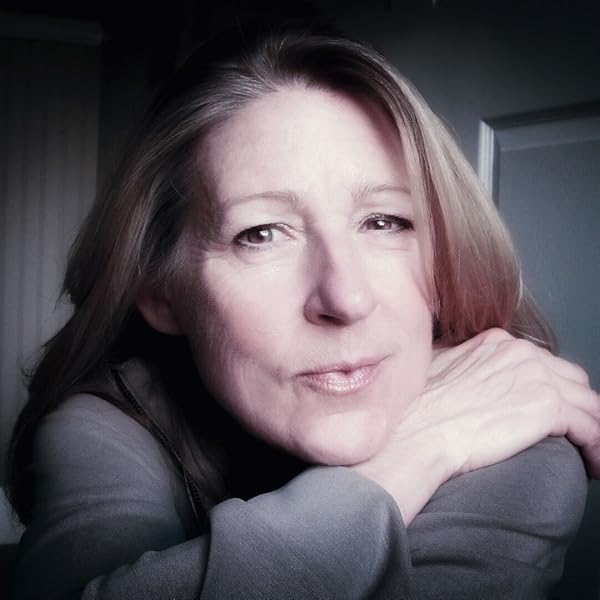
In Barely Visible, you share the heartbreaking loss of your daughter and the challenges and victories that come with raising a son with autism. Why was this an important book for you to write?
I was 5 1/2 months pregnant with our daughter when it was discovered that something was seriously wrong. Dozens of tests revealed a very rare duplication of chromosome 9p. We were told that if she survived, she would have no quality of life—yet she would look normal. That struck me hard.
At seven months, we faced the devastating decision to end the pregnancy. I truly believe we were never meant to walk down that path. Even if her physical features appeared normal, our daughter’s disability would have been readily apparent. People would have looked upon us sympathetically. They would have granted us accommodations and leeway because they would have been able to see that it was an unworkable situation. Her behaviors would have been accepted without explanation.
Instead, we were destined to face the challenge of parenting a child whose disability is not readily visible. On the surface, my son looks like every other kid out there, but he interprets and reacts to the world in ways that most people don’t understand. It’s as if he’s trying to navigate an unfamiliar landscape with a map written in a language he doesn’t speak.
As a parent, you want to protect your child—you want to shield them from criticism and discomfort, and for others to see them in a good light. Learning when to step in and advocate for your child, versus stepping back and allowing situations to fall apart so they can learn to navigate on their own, demands tremendous foresight and strength. Watching them be bullied because they are a bit “different” is heartbreaking. Seeing them miss out on opportunities because they “don’t quite measure up” is discouraging. Knowing that it is all beyond their control is devastating.
It was important for me to share it all because living with—and parenting—an invisible disability is often a lonely and misunderstood journey. The world isn’t always kind to those who “look fine” but struggle in ways that aren’t immediately apparent. I wanted people to understand that just because a challenge isn’t visible doesn’t mean it isn’t real, or worthy of empathy, support, and compassion.
Writing Barely Visible allowed me to process my own grief, frustration, and ultimately, pride. It gave me space to honor both of my children, while having the chance to connect with other parents and individuals who are walking similar paths, often in silence. It’s a reminder that every journey is valid—whether it’s clearly marked or barely visible.
I appreciated the candid nature with which you told your family’s story. What was the hardest thing for you to write about?
The failures! There were so many along the way, it seems—a first baby with a severe chromosomal disorder, a second child with a disability, a failed marriage, a decision to ignore our son’s diagnosis, not taking the time to understand the cause of his behaviors once we did accept it, the countless missteps we made because we never educated ourselves—and so on. Granted, not all those circumstances were within our control, but they still felt like failures nonetheless. It’s difficult to acknowledge, not only to yourself, but to the world, that you buried your head in the sand, made poor choices, put your own needs first at times, and stumbled. But to admit anything less wouldn’t help anyone.
Writing about my failures forced me to confront the version of myself I’d rather forget—the scared, overwhelmed, sometimes selfish and stubborn version—the one who made decisions I regret. The minute you relive all those low moments on the page, in full view of others, they become real again in a much greater way. Suddenly, they’re exposed and permanent—and the only thing to do is own them.
Growth doesn’t come from pretending we got it all right. It comes from being willing to look back, acknowledge the hard truths, and do better moving forward. I’ve learned that it’s okay to get it wrong, as long as you keep showing up and you’re willing to learn.
What is one misconception you think many people may have about children with autism?
Because the spectrum is so broad, I can’t speak about misconceptions concerning all children with autism, but I can share from my experience as the parent of a high-functioning son and how that label creates unrealistic expectations—mainly, an assumption of success. People believe that because a child is “high-functioning,” they’ll be just fine, that they’ll somehow grow out of their limitations or eventually learn to manage them.
On the surface, my son looks like every other young adult beginning his journey in the real world. He has a college degree and a job; he drives a car, plays sports, and is even pursuing a modeling career. It gives the appearance that “he’s got this.” But the truth is far more complicated.
The moment he reacts to a situation in a way that falls outside the norm—in a way that isn’t considered socially acceptable—he’s suddenly judged differently. He’s viewed as being rude, poorly disciplined, or lacking self-control. The strengths that make him appear just fine on the surface mask the challenges he faces every day.
High-functioning doesn’t mean he doesn’t struggle and need support. It doesn’t automatically equate to maturity, independence, or the ability to think critically in every situation. What it means is that his difficulties are simply less visible, and people don’t take the time to understand him or make space for him. It’s easier to say, “He’ll be fine,” than it is to recognize the effort it takes for him to get through each day and do the hard work of accepting, understanding, and supporting him. As a result, he ends up vulnerable to judgment and isolation.
What is one thing you hope readers take away from your experiences?
None of us is perfect, and parenting is hard, period. But when you’re raising a child who isn’t neurotypical, the challenges multiply. It’s okay to struggle. It’s okay to feel overwhelmed, frustrated, and exhausted. That doesn’t make you a bad parent; it makes you human.
What I hope readers take away is this: even when you feel like you’re failing, even when you’re taking three steps back, you are still moving forward. You’re still by your child’s side, day after day, doing your best and loving them. That’s what matters most. I want parents, especially those raising high-functioning autistic children, to know that it’s never too late to do better. Get vocal—not just with the world, but with your child. Talk to them. Teach them who they are. Help them understand how their brain works. Instill confidence and empower them to self-advocate. I wish I had done that sooner. I didn’t—and I’m making up for it every day.
Author Links: GoodReads | Facebook | Website | Instagram | Amazon
When your child is diagnosed with autism, a million questions come to the surface and fear sets in. The discovery that they are high functioning comes as a relief—it may enable them to disguise their shortcomings. Or it may create additional problems.
Barely Visible is not a heroic tale of a champion parent. It’s a candid memoir of one mother’s struggle with the gray space between her son appearing one way on the surface, yet being quite different beneath it. Walking that fine line between when to say something and when to bite your tongue, hoping your child can handle life on his own, requires tremendous foresight and energy. How do you convince others to “cut your child some slack” when the kid they see looks like every other kid they know? How do you explain away behavior that, at face value, looks like the result of bad parenting? And how do you prevent others from discriminating against your child once you do disclose their disability?
Chronicling a journey spanning twenty-three years, Barely Visible is a mother’s admission of guilt for choosing to ignore her son’s diagnosis initially; acceptance of defeat, for rarely knowing the right thing to do; and an acknowledgment of love—not only for her son, but also for herself.
Anecdotes and Observations
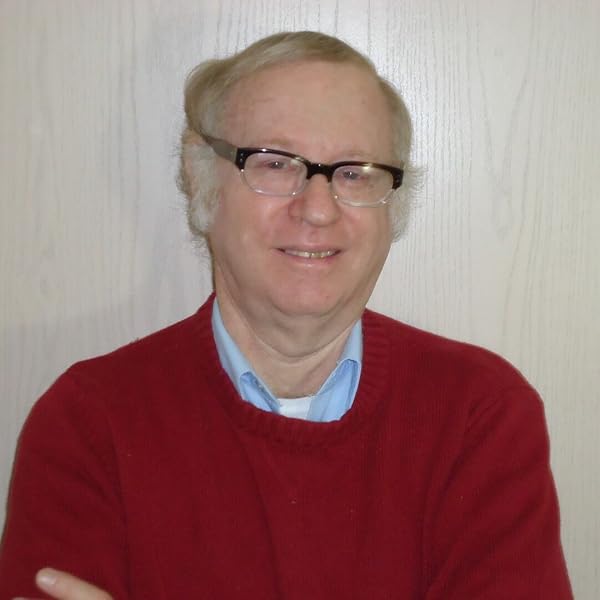
In You Don’t Have to Be Famous to Write a Memoir, you share a story of a life well-lived from your childhood in post-war America to your travel and career adventures over the years. Why was this an important book for you to write?
There are several reasons I wrote this memoir. I wanted to reminisce and remember events and people who were important in my life. Writing this memoir gave me the chance to do that. Revisiting those memories was an enjoyable and rewarding experience. Equally important, I wanted to leave behind a record of my life for my children and grandchildren. Like many, I now wish I had asked my parents and grandparents more about their lives—but I didn’t, and now it’s too late. This memoir fills that gap. It offers my family not just stories about me, but glimpses into the lives of their grandparents and great-grandparents. I also wrote it for my cousins and friends—people who shared parts of this journey with me—and finally, for the general public. I wanted to produce a story that is entertaining (it is filled with humorous anecdotes and observations, quotes, occasional jokes, fun facts, and bits of boomer wisdom) and relatable, showing you really don’t have to be famous to have a life that is worth sharing.
Is there anything you left out of this memoir that you now wish you had included?
No, not really. Of course, in writing a memoir, you choose what to include and what not to include. There are other stories I could have included, but I am satisfied with the ones I did include.
Did you learn anything about yourself as you were putting this book together?
Writing this memoir has helped me see just how fortunate I’ve been—and how truly blessed my life has been.
What advice would you give to someone considering sharing their own story with readers?
Early on, decide the tone of your memoir. Is your memoir going to be reflective, nostalgic, somber, serious, or confessional? The tone I chose was conversational with understated humor. I wanted the readers to feel like we were two old friends sitting in a coffee shop, reminiscing about our lives. I am a fan of trivia (which I call “fun facts”) and humorous quotes, so I knew I wanted to weave lots of them into my memoir whenever possible, using my life stories as springboards.
Author Links: GoodReads | Amazon
Always Swing
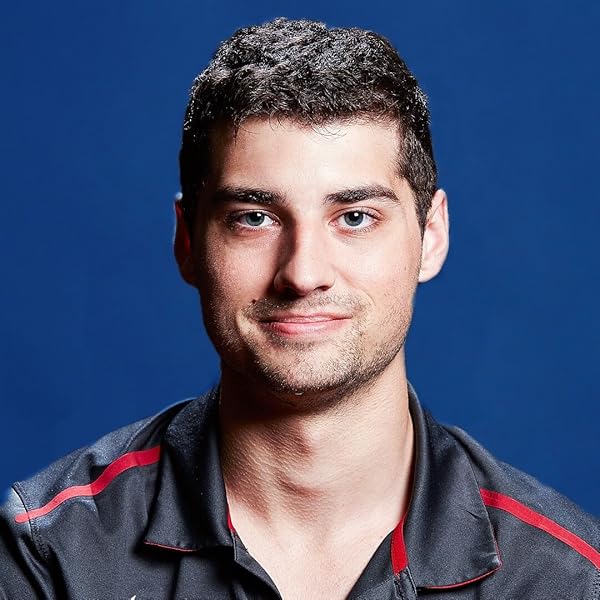
In Open Water, you share the details of your difficult upbringing, your struggles with mental health, and the mysterious medical condition that ultimately changed your life. What inspired you to share your story with readers?
The goal in writing this book was and is still to help others in any way possible. That could mean just being able to spread awareness of this condition in hopes of eventually finding a cure for people, or also hopefully preventing others from having to go down the dark road that I did in order to find an answer. I am also hopeful that this could reach people or their families with this specific disorder or any other similar diagnosis and make them feel less alone and let them know that there is always hope.
I appreciated the candid nature with which you told your story. What was the hardest thing for you to write about?
I think that while it was honestly quite difficult and emotional to revisit some of those darker places and times, like my stay in Haliston Hospital, the hardest thing about writing all of this was honestly emotionally reconciling all of the difficult family aspects of this and coming to terms with the best way to tell the story 100% truthfully while telling of some of the more difficult moments with family and people that I will always love dearly!
How important was it for you to convey a sense of hope to your readers?
That sense of hope is absolutely critical. Getting through my own struggle or any even remotely similar, requires understanding that there is always hope and you can always persevere no matter what. I can’t think of a more important message to get across and I very much aim for that sense of hope to be something that readers definitely take with them.
What is one thing you hope readers take away from your experiences?
As all of these answers hopefully suggest, raising awareness for this disorder, as well as being able to help others in anyway possible are certainly the main goals. As far as a take away that I would love to be able to relay? Always persevere, always try to press on no matter what, and using the metaphor in the book, always swing, knowing that there is always hope.
Author Links: GoodReads | Facebook | Amazon
Open Water details that journey and communicates many of the lessons that he learned from it and hopes others can benefit from as well. The goal is to ensure that those who might be dealing with similar conditions never have to feel as darkly alone as he did at times, going through his own many-years-long search for a diagnosis and learning to live with a disability. Alex stresses that if reading this can help just one person going through anything even remotely similar to what he went through to feel less alone or desperate or afraid, it will all be worth it to him. He hopes that any such individual’s family or close friends are able to process and understand better what is happening as they move forward as well.
The title, Open Water, is a visual comparison carried throughout the story. Like open water, life can be absolutely beautiful and sometimes terrifyingly stormy as well, with moments when the only choice is just trying to swim and stay above the surface. Times of relative serenity still bring with them the fear of the unknown, not knowing what lies below the murkiness around us. The only thing to do is keep pressing on in hopes of eventually finding clarity.
Serving the Leftovers: Balancing Service and Sanity in an Uncommon Life of Dog Rescue


Serving the Leftovers is a memoir that blends the grit of animal rescue with the raw edges of personal survival. Alysia Dubriske shares her journey from a fractured marriage and unfulfilling jobs into a life defined by compassion, chaos, and canine companionship. Through stories of Pekingese rescues, barnyard adventures, and late-night emergency vet runs, she invites readers into the messy, heartbreaking, and often hilarious reality of saving “the leftovers,” the unwanted, overlooked, and broken animals who need someone stubborn enough to fight for them. The narrative isn’t just about the dogs, though. It’s about how rescue work transforms the rescuer, forcing them to confront their own scars while tending to the wounds of others.
Reading this book, I felt like I was riding shotgun in Alysia’s truck, driving from one impossible situation to the next, always with a dog (or three) in the back. Her writing is candid and conversational, never dressed up with needless polish, which makes the emotional punches land harder. Some chapters made me laugh, like with the golden retriever too bored to fetch, or the duck-pool competitions, while others left me with a lump in my throat. She doesn’t sugarcoat the burnout, the heartbreak, or the anger at human cruelty. Yet she also never loses sight of the beauty in each small victory. That mix of grit and tenderness stuck with me.
What I admired most was her unflinching honesty about herself. She talks openly about mistakes, moments of doubt, even the selfish thoughts that creep in during hard times. It makes her wins feel earned. At times, the pacing feels like a kitchen table conversation. Stories tumble out with tangents and sudden swerves, but that unpredictability works here. Rescue is chaotic, and so is life, and she captures that without forcing it into a neat box.
I’d recommend Serving the Leftovers to anyone who loves animals, but also to anyone wrestling with the idea of purpose. This isn’t just a book for dog lovers. It’s for people who have been knocked down and gotten back up, and for those still down, who might discover that reaching out to help another soul could be exactly what saves them, too.
Pages: 247 | ASIN : B0DJMXGHJ7

The Daily Reality of Marriage

In Unconverted, you share with readers the surprising journey that resulted from your unexpected marriage to an Episcopal priest. Why was this an important book for you to write?
This was an important book for me to write because, beginning around the time I started going to church every Sunday with my children, I was thunderstruck by the feeling that my life had changed enormously, and in a way that I hadn’t fully anticipated before marriage. I realized that falling in love with a particular person, who was on a particular trajectory, set in motion a whole chain of events that brought me into unfamiliar territory: The Church, really, Any Church. I needed to figure out who I really was: how much I could shift around inside myself to accept some degree of religion, even as a bystander; how much my well-being depended upon my staying the secular person I had always been. Sitting in a pew, time after time, watching my husband up front performing his duties, I became fascinated with both the covenant and the daily reality of marriage – what it asks of us, how it enables us to grow and sometimes to merge with another person, how much room it allows for maintaining individuality.
I appreciated the candid nature with which you told your story. What was the hardest thing for you to write about?
Since this is a book about our marriage, I had to be careful throughout with any scenes depicting my husband’s actions or words; I needed his buy-in, his memories of these particular scenes, for accuracy. It was important to me that, overall, he comes across as the very decent and loving person that he is. And I couldn’t make the mistake of assuming I knew what his feelings were in particular moments, either – only what I observed (unless he wanted me to know). Probably the hardest parts of the book to write were the episodes when I stand apart, in some way, from engaging in the full experience of a church service. Specifically, the section when I remain in the pew at communion time, watching my kids go up for the wine and wafer, feeling a kind of necessary isolation; also Chapter 36 — “At the Consecration,” because that event was so celebratory in nature, with many people looking at me, I knew that my internal anxiety pegged me as someone swimming against the tide. And yet, that feeling was precisely what made the scene worth depicting in a book. It was in my Memoir Incubator class at Grub Street that I got the idea to begin this chapter with a childhood memory of lying in a field, seeing the crows circling; I’m proud of the honesty in this writing.
What is one misconception you believe many people have regarding mixed-faith marriages?
Mixed-faith marriages have become increasingly common over the past 50 years or so, part of the cultural landscape that most of us accept as normal. And yet, people continue to gather data on these unions, trying to discern how much impact this particular kind of difference makes over time, in the life of a couple, especially when it comes to divorce rates. From my perspective, a common misperception that is still prevalent is probably that couples spend a whole lot of time wrangling over matters of faith, trying to come to agreement about their individual beliefs. In the case of my marriage, we had probing conversations on the topic through our courtship, owing to the fact that we each knew we were falling in love and so needed to bring it all out into the open: the fact that he was devoting his life to serving the Church, while I wasn’t even sure what I believed! My willingness to have our children be brought up Episcopalian meant that we didn’t need to disagree about a key element in how they were raised, or what holidays we celebrated, etc. Over time, while we continued to explore our diverging beliefs (many being already in synch) we discovered that the key challenges we faced in maintaining daily harmony had more to do with how we were each “built” – his introversion and need for quiet, my extroversion and need for connection – than any specific doctrines we embraced. How well we managed a long drive to Nova Scotia together, for instance, wasn’t determined by anybody’s faith tradition, or lack thereof.
What is one thing you hope readers take away from your experiences?
As they finish Unconverted, I hope readers will take away a sense of tenderness about what’s involved in living out any long-term commitment between two people, especially one in which a fundamental difference is baked right into the relationship. I also hope that they’ll consider how such a difference can actually enrich a union, rather than threaten it, with each person being able to see and respect and learn from “another way” followed by a beloved without fully adopting that other way. Perhaps many readers will have had some kind of a similar experience – when they’ve felt the need to retain their own true nature, stay loyal to their roots, while also making space for someone else’s next to them – and therefore they will take away encouragement that the effort is worth the challenge. In addition, I hope readers might reflect upon how falling for and staying with another person always takes some degree of courage as well as vulnerability; you are taking a risk, putting yourself on the line, opening yourself up to many potential kinds of changes. So long as you don’t give up a sense of your own integrity, your heart can grow in surprising ways.
Author Links: GoodReads | Facebook | Website | Instagram
In lyrical prose that is reflective, candid, and warm, this is the story of how an extroverted agnostic remained true to herself through three decades of marriage, three children, and four relocations. As Polly’s husband rose through the ranks to become an Episcopal bishop, she stayed steadfast in her love of literature, sports, nature, and her family, while deepening her understanding of herself, her husband, and marriage itself.
You Don’t Have to Be Famous to Write a Memoir

Stephen Mark Silvers’ You Don’t Have to Be Famous to Write a Memoir is a warm and winding recollection of a life well-lived, stitched together from stories of family, travels, and career adventures. Silvers walks the reader through decades, from childhood in post-war America, through California’s cultural tides of the ’60s, to nearly four decades in Brazil, and finally back to the US in later years. The book blends humor, tenderness, and thoughtful digressions, all while painting portraits of the people who shaped him most.
Reading this memoir felt like sitting with a friend who is telling stories over coffee. Silvers’ writing is friendly and light, with just enough wit to keep you smiling without drowning the moments that deserve quiet. I enjoyed how he weaves in little asides like historical facts, pop culture nods, and odd statistics that give the sense of wandering through his mind. The structure is loose in a way that mirrors real memory. It’s not a linear march but a series of moments that ripple outward.
Some of my favorite parts were the glimpses into Brazil, like how he learned Portuguese, met his wife Neusa, and built a teaching career there. There’s a lot of love in those pages. The humor is understated, which I liked, though now and then a joke would sneak in that made me laugh. It’s the kind of humor that comes from knowing your own quirks and not taking yourself too seriously.
This book is for people who like gentle, meandering stories, who appreciate the small turns in life and the way memory makes meaning out of them. If you’ve ever thought your life was too ‘ordinary’ to write down, this memoir will nudge you to think otherwise. I’d hand it to anyone who enjoys memoirs that feel like conversations, or who simply likes a good, unhurried story told by someone with a big heart.
Pages: 288 | ASIN : B0FG9T83QB

Extraordinary Life and Legacy
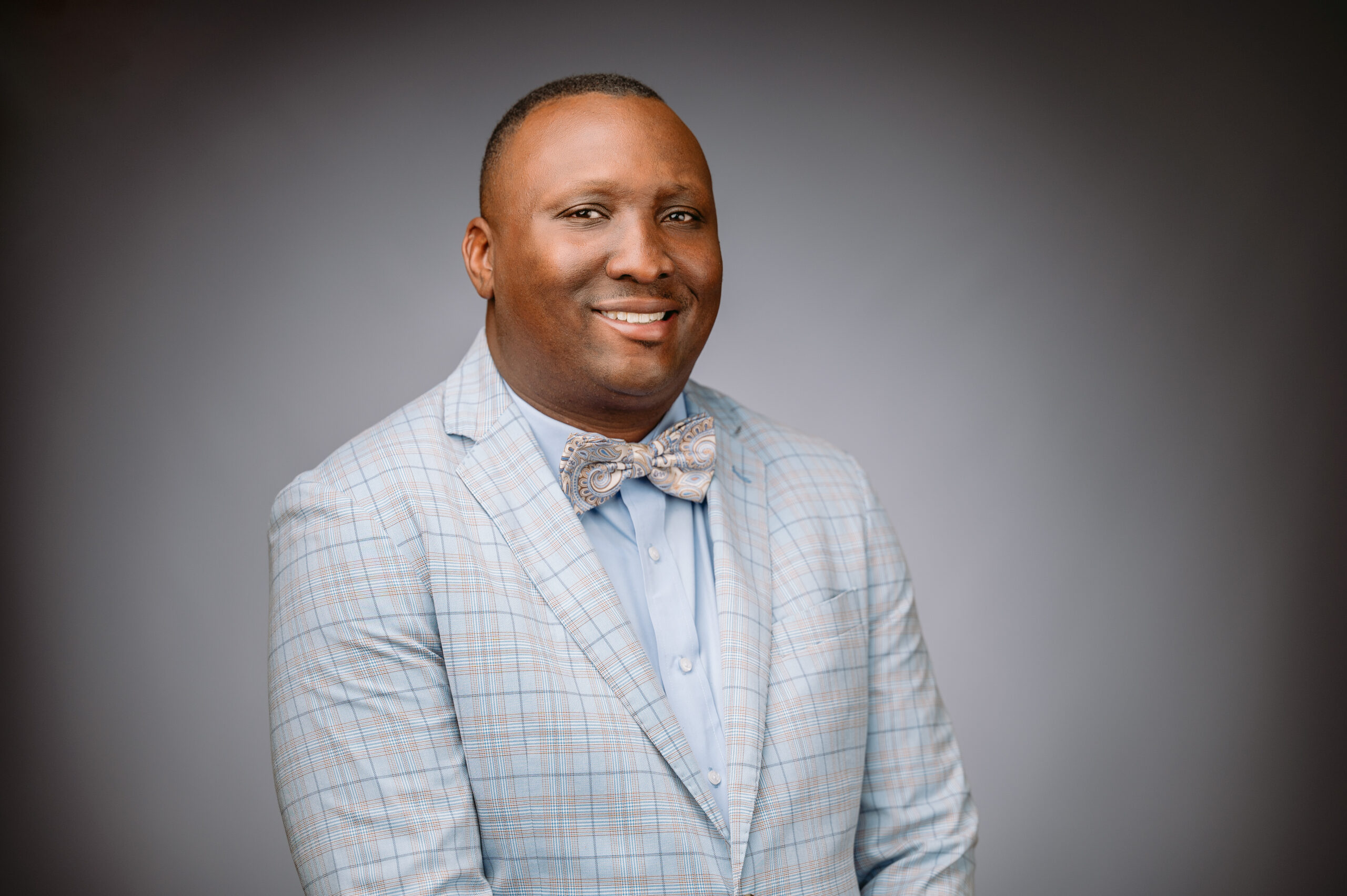
South Carolina’s Matilda Evans is a sweeping tribute to the life and legacy of Dr. Matilda Arabella Evans, the first African American woman licensed to practice medicine in South Carolina. What inspired you to tell Dr. Evan’s story?
I found inspiration to share Dr. Evans’ story upon realizing our ancestral connection through my maternal lineage. It turns out that Dr. Evans’ grandfather, Harry Corley, was the half-brother of my ancestor, Lavinia Corley Thompson. Additionally, I learned that Dr. Evans’ mother, Harriet Corley Evans, played a pivotal role as one of the founders of my maternal family church, Smyrna Missionary Baptist Church, located near Springfield, South Carolina. These familial ties, combined with Dr. Evans’ remarkable achievement as South Carolina’s first African American woman licensed to practice medicine, ignited my curiosity to delve deeper into her life. Most notably, the absence of an official record of Dr. Evans’ story motivated me to conduct further research and study her extraordinary journey.
Did you find anything in your research of this book that surprised you?
Dr. Evans impressed me with her well-rounded and innovative approach to medicine. She utilized animal bones in surgical procedures, developed a mineral spring water product called Villanova for patients with kidney issues, and established a free clinic to serve underserved communities during the Great Depression in 1930. Her clinic garnered support from prominent African American figures, including Dr. George Washington Carver and Cab Calloway, who contributed to fundraising efforts. Additionally, Dr. Evans demonstrated her compassion by caring for a child abandoned on her doorstep.
How did you decide what aspects of her life to include or leave out when telling her story, and what are the key takeaways you want readers to remember about Dr. Evans?
We aimed to showcase events and experiences that reflect the diverse life of Dr. Matilda Evans, encompassing her medical career, civic engagement, and entrepreneurial ventures. Our research drew from both primary and secondary sources, including Dr. Evans’ own insights found in her book, Martha Schofield, Pioneer Negro Educator. This biography highlights the significant contributions of her mentor, Martha Schofield, an influential African American educator who profoundly impacted the post-Civil War South. Through the extraordinary life and legacy of Dr. Matilda Evans, we hope to inspire readers to explore and appreciate the vital contributions of African Americans in South Carolina and across the nation.
What is the next book that you are writing, and when will that be published?
We are considering plans for a future sequel to the book and exploring additional projects focused on preserving and promoting the legacy of Dr. Evans.
Author Links: GoodReads | X (Twitter) | Facebook | Website | Arcadia Publishing | Amazon
Matilda Arabella Evans was born four years after the abolition of slavery and raised on a family farm in eastern Aiken County. She was the first African American woman in South Carolina to obtain a medical license and fervently championed better healthcare for African Americans, with a particular focus on children. Her early life experiences, academic accomplishments, strong religious beliefs and innovative medical approaches made her a crucial figure in enhancing healthcare accessibility for families in South Carolina, especially during the difficult era of racial segregation, when she also served as a civic advocate to uplift her local community. Authors Dr. Walter B. Curry, Beverly Aiken Muhammad and Anusha Ghosh reveal the inspirational story of Dr. Evans and her remarkable journey throughout her career.



 LITERARY TITAN