Blog Archives
Forced Apart


Forced Apart follows Calista Snipe and Skyler McCray as they face the toughest challenge of their young lives. Cali’s family circumstances pull her away from Parkington, away from her friends, and away from Sky. The story blends teen romance, grief, loyalty, and the strange mix of fear and hope that comes with growing up. Most of the book lives inside Cali and Sky’s thoughts, and it shows how two smart teens try to hang on to each other while the world pulls at them. The plot stretches from the shock of unexpected separation to the daily grind of starting over in a new town, all while their old group of friends tries to keep their bond alive. Even with kidnappings in the characters’ past and danger never far away, the heart of the book is emotional rather than violent. It feels more about surviving change than surviving threats.
The writing style felt open and honest, almost like reading a long personal letter from two teenagers who speak before they filter anything. Sometimes the pages run hot with emotion. Other times, they slow down to simple moments like sitting in a car or walking up a hill. I liked that shift in pace. It pulled me in because it felt real. Life for these characters is loud one minute and quiet the next. I did wish, at times, for shorter scenes or tighter dialogue. Still, the sincerity in the writing won me over. The author clearly understands how teens overthink everything and still try to sound brave.
The ideas inside the book struck me more than the plot itself. The loneliness of being uprooted. The heavy tug of first love. The fear of losing the people who make you feel safe. Those themes sat with me long after I finished reading. I felt frustrated for Cali as she tried to be mature about the choices her parents made, even when those choices broke her heart. I felt Sky’s emptiness when he tried to fill the silence she left behind. The book reminded me how fragile teens can be and how strong they become when they figure out who they want to be in the middle of all that pressure. I also appreciated the look into friendships that feel like family. The group around Cali and Sky is full of loyalty and messy humor. Those moments softened the sadness and made the story feel fuller.
I would recommend Forced Apart to readers who enjoy emotional coming-of-age stories, especially ones that lean into romance and friendship. Teens who like character-driven books will connect with Cali and Sky. Adults who work with teens may also find value here. The book would speak most to anyone who has been forced to start over in a new place and felt the ache of leaving people behind.
Pages: 374 | ASIN: B0FRNN1R22

The Living Bridge
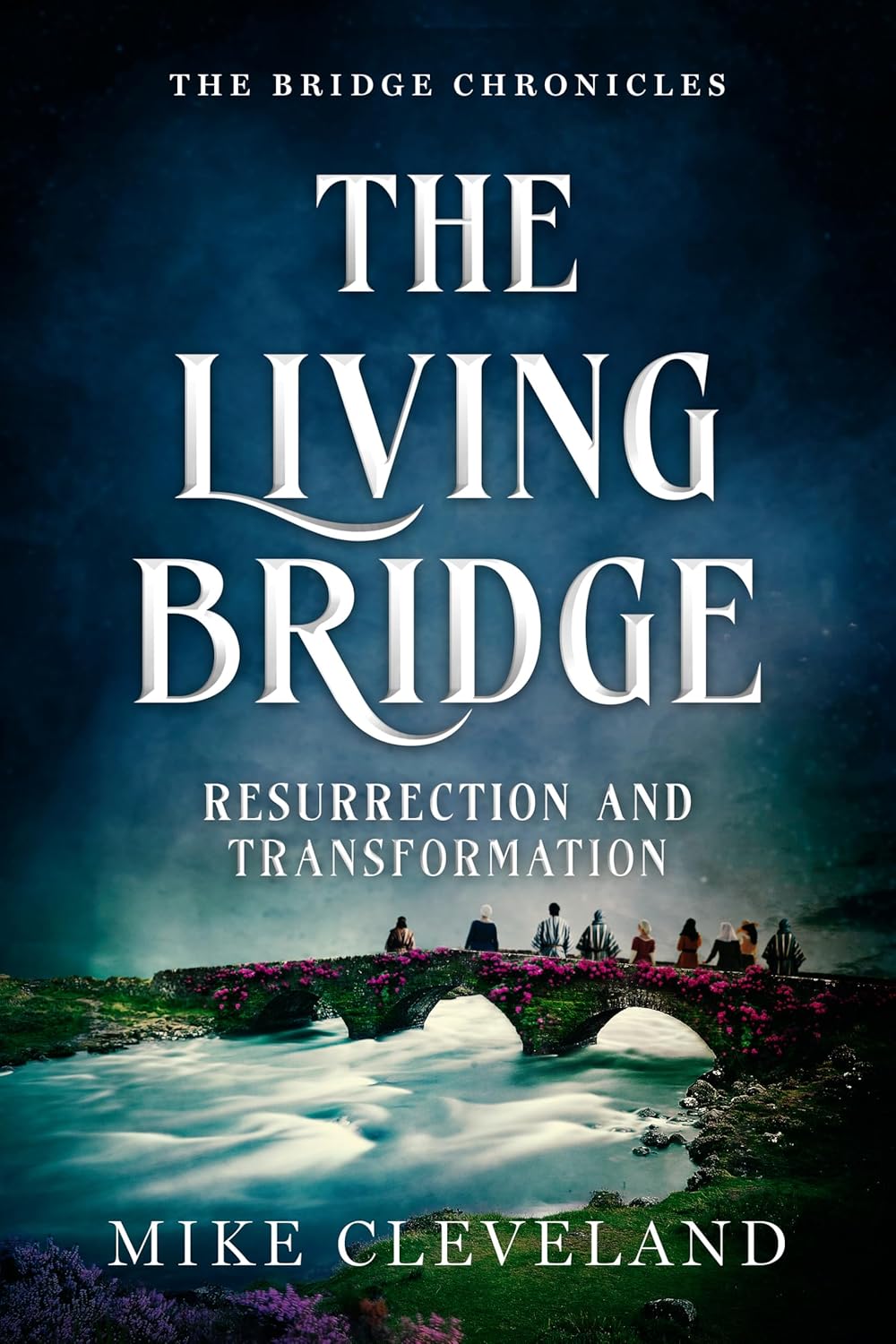

The Living Bridge is a work of Christian allegorical fiction that weaves together the stories of five broken people whose lives intersect in the shadow of a shattered bridge between Eastlight and Westshore. The book follows Mary, Lydia, Matthias, Cleopus, and Tamar as each carries grief, guilt, or despair to the riverbank where everything once fell apart. Their stories unfold in three movements that chart their journey from damage to darkness to eventual restoration, all centering on the arrival of a mysterious teacher named Geshriel, whose presence begins to mend what the earthquake destroyed. The opening chapters set the tone well, especially Mary’s torment under “Legion” and her stunning moment of deliverance, and Lydia’s aching exile from her family across the broken river.
As I read, I found myself reacting less to the plot mechanics and more to how the author frames suffering. Cleveland writes with a kind of steady compassion, letting each character’s pain breathe before offering any hint of resolution. Mary’s chapter in particular struck me. Her inner world felt raw and believable, and the moment her mind finally quiets when Geshriel calls her “beloved” is one of the more affecting scenes in the book. The prose is simple, almost plain at times, but it works because the emotional beats land without being dressed up. It felt like sitting with someone who has been wounded for so long they’ve forgotten anything else is possible. The author doesn’t shy away from darkness, but he also doesn’t exploit it. Instead, he uses it to build a kind of slow, patient hope.
There were moments when I paused, not because the story demanded it but because something in the writing touched on familiar human questions. Lydia’s longing for her daughters across an uncrossable river is written with a tenderness that feels lived-in rather than symbolic. Matthias’s crushing guilt over the collapse he caused, and the way he interprets every failure as further proof of his curse, could have felt melodramatic, but it didn’t. His scenes carried the weight of someone who can’t imagine forgiveness applying to them anymore. Cleveland seems most comfortable when exploring how shame isolates people, how grief reshapes their days, and how mercy begins as a voice they aren’t even sure they heard correctly. Sometimes the metaphors are quiet, sometimes they shine brighter, but they always feel in service of the characters rather than the other way around.
The book’s message is clear without being heavy-handed. The “living bridge” isn’t just a rebuilt structure but a person, a sacrifice, and a way back home. This won’t surprise readers familiar with the genre, but it still lands because the characters’ journeys make the message earned rather than assumed. If you enjoy faith-centered fiction, particularly stories that blend biblical echo with imaginative narrative, this book will likely resonate. Readers who appreciate character-driven arcs of healing and gentle spiritual allegory will find plenty here to sit with. And for anyone who has ever felt stuck on the wrong shore of their own life, the book offers a quiet reminder that bridges can be rebuilt, even when you’ve forgotten how to hope.
Pages: 227 | ASIN : B0FX5WS62Y
New Harmony: A Mother’s Story of Love and Loss
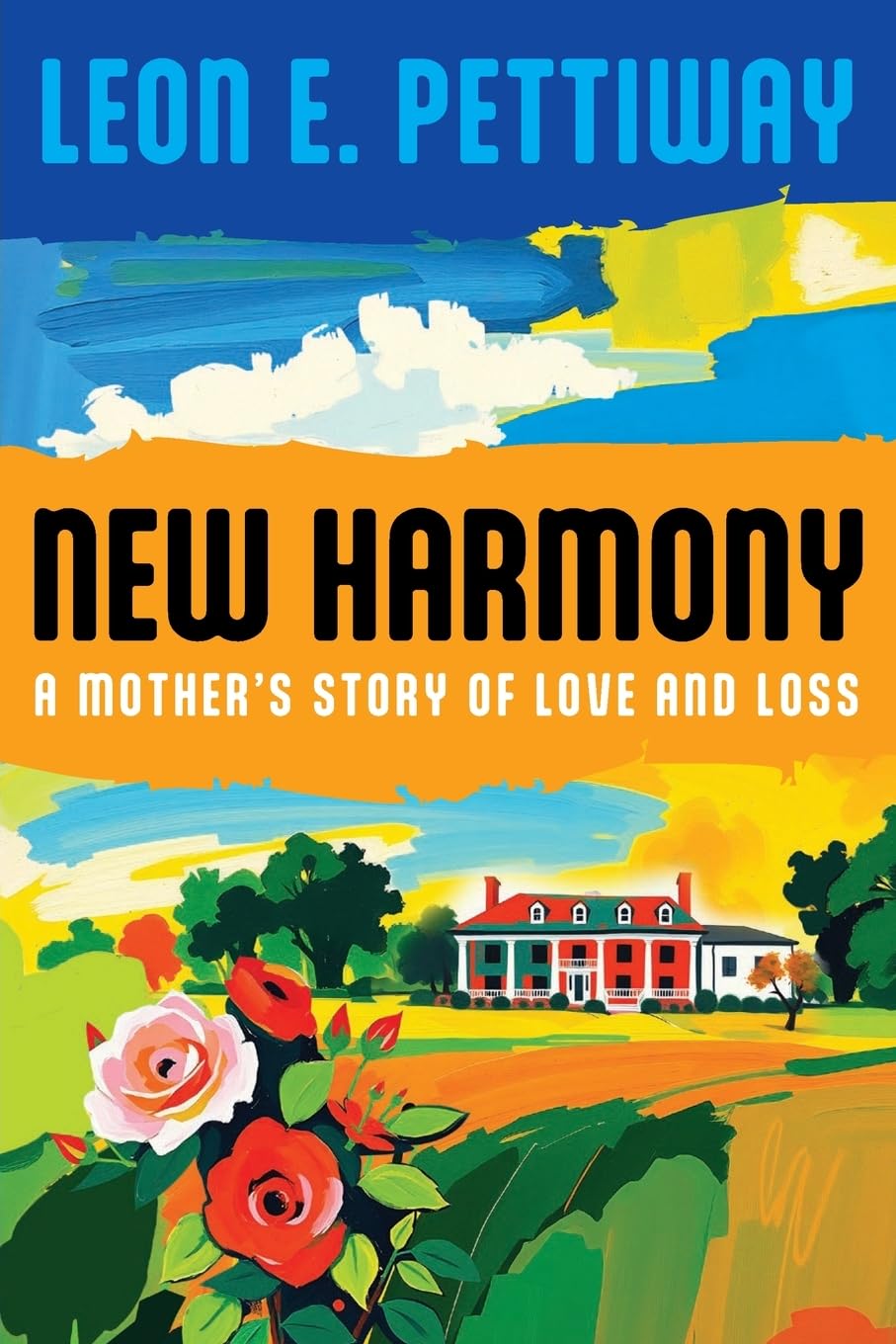
New Harmony opens with a grieving mother, Margaret Butler, recounting the gut punch of losing her teenage son to racist violence in 1949. The story reaches backward through her memories as she traces the long chain of choices, injustices, and quiet heartbreaks that shaped not only her life but the world that destroyed her boy. The novel moves between Margaret’s childhood on a South Carolina plantation, her uneasy ties to the white Demmings family, and the sorrow-filled road toward the truth behind her son’s death. It is a story made of memory, pain, stubborn hope, and the weight of generations.
I was pulled straight in by Margaret’s voice. The writing has this rhythm that feels lived in. Soft at times, sharp at others, always honest. The author doesn’t dress anything up. He lets Margaret speak in her own cadences, and I loved how that drew me closer to her world. I could feel the heat of the fields, the hush of the church during the funeral, the tightness in her chest when the pastor’s words sliced open her grief. The scenes in the Big House hit me hardest. They’re full of beauty on the surface and danger right underneath, and the writing captures that quiet tension so well.
Certain moments were very emotional and thought-provoking. The way Margaret watches the small signs of how power works. The way she tries to shield her children, even though she knows she can’t keep the world off them. The book doesn’t rush. It sits with the hard parts. And the ideas about how small acts, good or bad, weave themselves into a life stayed with me. The whole story feels like someone laying out a quilt square by square. Every piece matters.
By the end, I felt a mix of sadness and admiration. Sadness for everything this family carries and admiration for the strength that keeps rising up through the story. I would recommend this book to readers who want a powerful character voice, who like stories rooted in the South, and who don’t mind being pulled into heavy truths. It’s especially good for anyone who values fiction that feels real enough to leave a mark.
Pages: 374 | ASIN: B0G348J1KP
Bathed in Ink and Blood

Bathed in Ink and Blood opens as a dark, magic-laced fantasy that follows two threads: Noddum’s brutal clash with Brist, the infamous Butcher of Greenlake, and the quieter, more intimate story of twins Dacre and Esmee as they undergo the Test that reveals their signamantic abilities. Right away, the book establishes itself as epic fantasy with grimdark edges, mixing the political tension of a kingdom cracking at the seams with the personal stakes of people trying to survive systems that see them as tools or threats.
Reading it felt like slipping into a world that’s heavy with history. The magic system built around ink, brands, and carved symbols is vivid and tactile. I found myself leaning in during sections, partly because the author writes pain and power in a way that’s blunt but also strangely tender. The early chapters around Dacre and Esmee hit me hardest. Their innocence, their hope, and then the slow realization that their mother may have just sold them made my stomach drop. Author Robert Laymon doesn’t rush those moments. He lets them sit, lets them ache. It works.
On the other side of the story, Brist’s chapters are sharp and unsettling. He’s haunted, vengeful, messy, and written in a way that made me feel both wary of him and weirdly sympathetic. His scenes drip with tension. Even when he’s still, the writing hums. I appreciated how the author doesn’t treat violence like spectacle. It’s brutal, sure, but it’s also shaped by emotion, regret, and purpose. The dynamic between Brist and the people around him feels lived-in, like a group stitched together by survival rather than trust. It adds weight to the plot and makes his arc more interesting than a simple revenge story.
Raya is an interesting character because she starts out feeling overlooked in a family obsessed with power, but she slowly shows how strong and capable she is. We see flashes of her compassion, like when she notices how her father mistreats the servants, and those moments make it clear she’s nothing like the rest of the Adans. I think Raya is a standout character whose quiet resilience, empathy, and determination make her compelling.
By the time the two storylines start bending toward each other, the world feels wide and dangerous. The writing style helps with that. It’s clear but atmospheric, not bogged down by jargon, and the pacing keeps you moving. Some chapters are quiet and reflective. Others are teeth-clenching. The mix makes the book feel grounded, even when the magic flares bright.
If you like fantasy that leans dark but stays character-driven, with a magic system that feels both fresh and gritty, this will likely hit the spot. Fans of grimdark, epic fantasy, and stories that explore power, loyalty, and the price of survival will probably enjoy Bathed in Ink and Blood the most.
Pages: 439 | ASIN : B0FLRP6TYX
Mosswood Apothecary

Mosswood Apothecary is a cozy fantasy novel that follows Rowan Mosswood, a gentle, anxious botanical alchemist who accidentally grows invasive fungi during exams and packs dirt in his suitcase because it helps him think. After barely securing his graduation, he’s sent north to Frostfern Valley to study the region’s dwindling magic. What he finds there isn’t just a research assignment. It’s a quiet mountain town with withering crops, a long-abandoned greenhouse, a warm carpenter named Jimson, and a community that slowly becomes his home. The book blends slice-of-life pacing, soft magic, queer romance, and small-town healing, ending with Rowan opening his own apothecary and saying yes to a wooden ring carved from the oldest tree in the forest. It’s all very tender and very intentional.
The writing is simple in the best way: unhurried, a little vulnerable, and often funny without trying too hard. The worldbuilding leans more cozy than epic, even though the setting includes universities, automatons, and intricate alchemical sigils. What grounded me most were the sensory details that weren’t flashy: dirt under Rowan’s nails, windows iced in delicate patterns, the smell of elderflower tea hanging from the rafters.
I also loved how the story lets Rowan be soft. In so much fantasy, magic is about power or destiny, but here it feels like craft, patience, and care. Rowan’s magic grows wilder and more unpredictable the farther north he goes, and instead of turning that into a high-stakes threat, the author uses it to show how Rowan is changing, too. The romance builds the same way. Jimson isn’t swoony in a scripted sense; he’s solid, warm, and fully part of the town’s rhythm. Their relationship grows like something planted, slow at first, then steady, then suddenly blooming so clearly that by the time the Winter Festival proposal arrives, it just feels right. Even the townsfolk, with their worn-down farms and quiet pride, become part of Rowan’s chosen family, which gives the whole book the emotional softness of queer cozy fantasy at its best.
Mosswood Apothecary feels like TJ Klune’s The House in the Cerulean Sea crossed with the gentle, craft-centered magic of Travis Baldree’s Legends & Lattes, delivering a story that’s just as warm, queer, and quietly transformative. If you enjoy cozy fantasy, queer romance, or stories where magic supports character growth rather than overshadowing it, this book will be completely your vibe. It’s especially lovely if you like narratives about chosen family, rural communities, and soft magic that feels more herbal than explosive.
Pages: 392 | ASIN : B0FH5L8X2F
Sousanna: The Lost Daughter

In the aftermath of World War II, the world was in a state of flux. Countries devastated by the war faced the daunting task of rebuilding while their citizens grappled with profound changes in their lives. Greece, in particular, was further battered by the onslaught of a Civil War, compounding the struggle for survival. Amidst this backdrop of turmoil and rebuilding, America emerged as a symbol of hope and prosperity, an idyllic destination promising a life free from hunger and deprivation.
Sousanna: The Lost Daughter delves into this historical context, narrating the poignant tale of a young girl named Sousanna, caught in the crosscurrents of hope and despair. The memoir unfolds with Sousanna’s father, driven by a blend of hope and desperation, making the heart-wrenching decision to send his youngest daughter to America. This decision, born out of a belief in temporary separation, spirals into years of longing and heartache for Sousanna and her family back in Greece. The narrative poignantly captures the family’s clinging to the hope of Sousanna’s well-being, juxtaposed with her struggle to maintain her identity in a foreign land brimming with abundance.
Set between the 1950s and 1970s, the novel offers a compelling exploration of the complexities surrounding international adoptions, particularly from economically challenged countries. It insightfully presents the perspectives of the biological family, the adoptive family, and most crucially, the child at the heart of these life-altering decisions. The book sheds light on the controversial practices that led to the adoption of thousands of Greek children by American families, often under dubious circumstances.
Sousanna: The Lost Daughter, by Sousanna Stratmann, is a thought-provoking and relevant exploration of themes that resonate as much today as they did in the mid-20th century. The narrative is a testament to the enduring human spirit and the quest for identity in the face of overwhelming odds. This book is highly recommended for its insightful portrayal of a little-known chapter of history and its moving reflection on the human experience.
Pages: 272 | ASIN : B07JKBN66Y
Our Soul’s Lens
Unveiled: A Journey to Soul Realization is part memoir, part spiritual roadmap, and part therapeutic manual that weaves together personal stories, neuroscience, energy work, and metaphysical exploration into one cohesive, soul-centered narrative. Why was this an important book for you to write?
In my trauma practice, I work to help people realize what happened to them was not arbitrary but happened for a reason and has meaning. This was the reason for writing this book as well. We can learn from meaning and create new meaning. This is a powerful function of Unveiled.
I appreciated the neuroscience you incorporated into this book rather than just presenting spiritual information; the combination makes it easier to trust the process. Did you find anything in your research for this book that surprised you?
No, I this is basic to trauma therapists. Trauma therapy evolved with the simultaneous evolution of neuroimaging; thus, the practices being developed could be visually measured and understood, accounting for rapid brain changing therapies we do not see in mental health nor addiction.
What were some ideas that were important for you to share in this book?
Placebo as both miraculous and as what we can do with deliberate meaning change. I discuss our need for evidence and Placebo studies provide that in dramatic and stunning ways. The Self-Healing approaches take that idea of what is possible and plug in applications that are amazing. Of course, this book’s goal is to see through our Soul’s lens and Soul connection is perhaps the pinnacle moment in this text.
How has your experience in the mental health field helped you develop this process for healing and awakening?
Yes, my practice and my ascension evolved as one, energetically and that was amazing. My clients presented things I need to learn, not only as a trauma practitioner but as a spiritual practitioner as well. It was and still is an amazing synergy.
Author Links: GoodReads | X | Facebook | LinkedIn | Instagram | Threads
Have you struggled with letting go of past trauma or understanding why certain things have happened in your life? Have you ever considered a spiritual approach to healing? Or have you never even considered the existence of a soul? In Unveiled, licensed Creative Arts Therapist Herb Cohen challenges and guides our discernment about connecting to our soul and using that connection to better grasp the events of our lives.
With almost forty years of experience working with mental health, addiction, and trauma, Herb pondered the questions he repeatedly asked his clients and condensed years of informed practice into a concise approach to his process.
In this book, you will contemplate:
How separateness impacts our world
What role “awareness” plays in our lives
Why we see the world through certain lenses
How to connect to your soul and be guided by the essence of who you are
How to surrender to self-heal
The goal of this book is to take you on a spiritual journey from trauma or atrocity to one of love and bliss.
Live a More Informed & Enriched Life

Down to Earth: Demystify Intuition to Upgrade Your Life is a thoughtful blend of personal stories, practical exercises, and scientific studies showing readers that intuition is not a mystical talent, but an everyday skill that can be honed. Why was this an important book for you to write?
I am convinced that tapping into intuition can help us live more informed and enriched lives. I developed simple ways to tap into intuition and wanted to share these with as many people as possible. Intuition always held a special place in my life, and became more important after a life-altering event that brought moments of deep mental and emotional peace. I talk about this in the Introduction of my book. I often came up with creative ideas and solutions to long-standing problems while I was in this mentally and emotionally calm state which activated my intuition. Curious about this process, I began researching intuition. I studied with various teachers, completed an apprenticeship, and read every book and scientific study on intuition I could find. I started offering intuitive guidance sessions and eventually developed my own approach to help clients access their intuition more effectively. As more people joined as students, I created a curriculum that later became the foundation of my book, Down to Earth: Demystify Intuition to Upgrade Your Life, published on September 15, 2025.
What is a common misconception you feel people have about intuition and a person’s ability to develop it as a life skill?
Some people think that intuition is a special skill that only highly intuitive people have. In reality, it is a readily available skill that we all have and even use without realizing it. Intuition is a form of knowing or a sensation we get about something or someone without any prior conscious thought process. It draws on the knowledge and experiences we accumulate throughout our lives. There are many activities that we engage in without consciously thinking about every move and every step such as playing a sport or cooking. There may be some parts of these activities that require conscious analysis but for the most part, we just go with what we sense and muscle memory. We also use our intuition a lot socially. We sense if someone is tense or relaxed just by noticing their posture or the pace of their breath. All of this is intuition in action. It gives us useful information that can help guide our decisions and actions when we learn how to interpret and combine it with logic and other inputs such as research for due diligence.
I loved that you used neuroscience and psychology research as well as provided readers with examples and exercises to gain a better understanding of intuition. Did you find anything in your research of this book that surprised you?
In many cases, my exercises and guided meditations were inspired by students and clients based on what they needed to figure out. I tried these exercises with others, and if they worked, I included them in my book. I also used slow intuition. This type of intuition is activated when you take a break from trying to solve a problem and do something that calms your mind and emotions. Researchers such as Kenneth Gilhooly have described how nonconscious processing occurs during these break periods as intuition gets activated. It was surprising for me to learn that stepping away for such a break right after being introduced to a problem results in more creative solutions compared to working on the problem for a while then taking such a break when you get stuck. For example, you look at what the problem is, then go for a quiet walk in nature even before making your first attempt at solving it. I talk about this in the last chapter of my book.
What is one thing that you hope readers take away from Down to Earth?
I hope that readers discover ways to tap into intuition that work well for them and combine their intuition with logic and other inputs to make more grounded decisions, improve relationships, and take better care of themselves. As people connect more with their intuition, they can understand themselves and each other more deeply. This can cultivate greater compassion for themselves and others making the world a better place for all of us.
Author Links: GoodReads | Facebook | Website
If you’ve ever wondered how to harness your intuition to make better, more informed decisions, this is the practical guide you need. In Down to Earth, intuition teacher Nil Demircubuk guides you in understanding how to distinguish your conscious thoughts from your intuition, then intentionally combine it with your intellect for everyday decision-making and personal growth.
The book introduces “priming,” a method for tapping into intuition by achieving mental and emotional calmness, offering several techniques tailored to different learning styles. As you practice reaching this state and tuning in, you’ll also learn what makes your intuition come alive through a non-conscious process.
Through easy-to-follow exercises, real-life applications, and client stories, Down to Earth helps you use your intuition to make better decisions, improve relationships, navigate challenges, and enhance self-care.



 LITERARY TITAN