Blog Archives
Lips: Kiss the Lips that Lie


The book begins with a haunting scene of a father walking into the cold vastness of Lake Michigan, and from there it stretches into a sweeping and layered narrative that mixes family history, secrets, art, desire, and the way the past claws its way into the present. At the center is Davis Beckwith, heir to a complicated family legacy, and Selene, a young Englishwoman whose charms and tangled impulses drive much of the story forward. Their relationship unfolds against a backdrop of wealth, decay, and long shadows of tragedy, with the author weaving together voices, memories, and settings in a way that blurs the line between truth and invention.
Reading it pulled me in slowly at first, like wading into deep water. The prose has a deliberate, almost meditative rhythm, and sometimes it lingers on detail long enough to feel claustrophobic. Yet I found that same attention to detail intoxicating. The rooms, the objects, the little observations of human behavior felt alive. I loved the way the author treats silence and absence with as much weight as spoken words. At times, I was frustrated with how opaque the characters could be, but that frustration worked in the book’s favor. It mirrored the way secrets seep into family life, how you can love someone without ever really knowing them.
Emotionally, the book left me uneasy and restless. I alternated between admiration for the writing and irritation at the characters, especially DB, who often seemed passive to the point of vanishing. Selene, on the other hand, is magnetic and maddening, brimming with contradictions. I didn’t always like her, but I couldn’t look away. The novel made me think about the lies we tell ourselves and others, and how much of love is invention. I felt caught between awe and discomfort, which is not a bad place for a novel to put me.
I’d recommend this book to readers who like fiction that doesn’t rush, who enjoy atmosphere and layered family drama, and who don’t mind a story that raises more questions than it answers. If you like being unsettled and pushed to look harder at the ties that bind people together, LIPS is well worth the read.
Pages: 339 | ASIN : B0F9FYY7ZD

Santa’s Last Ride
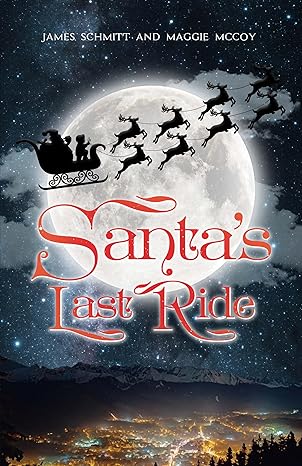
Santa’s Last Ride tells the story of a family at the North Pole where Santa Claus is nearing the end of his career. His son, Chris, is expected to take on the role of Santa, but he has little interest in reindeer or flying and harbors a deep fear of heights. His daughter, Kristy, however, adores the reindeer and dreams of soaring through the skies. The story unfolds with humor, family tension, and a lot of heart, exploring tradition, expectations, and the possibility of change in a world bound by old rules.
I found myself grinning through the opening chapters. The playful back-and-forth between Kristy and Chris had the messy, real feel of siblings who know exactly how to get under each other’s skin. What struck me most was how ordinary family dynamics were woven into this magical setting. The North Pole felt less like a faraway fairy tale and more like a farm kitchen or workshop down the road. The dialogue often landed with warmth. I liked that it didn’t shy away from showing Santa as tired and even vulnerable, weighed down by age and pain.
The story leans on familiar Christmas imagery, but the book is charming. I would have liked more moments where the tradition of Santa collided with the modern world. Kristy’s longing to step into a role she’s told isn’t hers felt both funny and frustrating, and I caught myself cheering her on. The writing had a cozy rhythm that made the chapters fly by.
This is a story about family, tradition, and courage dressed up in the glitter and frost of the North Pole. I would recommend it to middle-grade readers who enjoy holiday tales that mix humor with heart. Kids who love Santa stories will find a lot to laugh at, and adults might smile at the way it reflects the small struggles of growing up and letting go. It’s best suited for anyone who wants a warm, lighthearted read in the glow of Christmas lights.
Pages: 105 | ASIN : B0DD4LR8QP
Forces Outside Our Control

Lily Starling and the Storm Riders follows the captain and crew of a starship who, while on a routine rescue mission, get ambushed by a group of raiders wielding the power of a cosmic tempest. What was the inspiration for the setup of your story?
The first book is about agency—Lily finding her own way, claiming an identity, learning she has a voice in her own story. For the second book, I wanted to put her up against something she couldn’t just outwit or outfight. There are forces in life that are simply bigger than us, no matter how defiant we feel. You can raise your middle finger to them all you want, but they don’t go away.
So the storm became that unstoppable force. It isn’t just a backdrop, it’s a presence—something ancient and impartial that challenges the crew at every turn. Lily has to confront what it means to face chaos after she’s already defined herself. She’s grown, but she’s still running from her heart, still scared of commitment, and still making messy, very human decisions. Some of the consequences this time around are unavoidable. I wanted to see how she—and the people around her—hold up when survival itself is on the line.
The supporting characters in this novel were intriguing and well-developed. Who was your favorite character to write for?
Xynn, without a doubt. She plays a much bigger role in this book, and her dynamic with Lily is becoming one of the central threads of the series. They’re opposites—Xynn is organized, methodical, practical, while Lily is impulsive and emotional—and that tension makes every scene between them spark. I hit a point while drafting where I realized something was missing, so one night I sat up in bed and wrote an entire novella about their time together on Adius II between books. That’s how real they feel to me—sometimes the story just demands more space for them to breathe.
Beyond that, I had so much fun bringing in new voices. Charlie and Tevya were a blast to write, and Ronin—well, who doesn’t love a good villain? But Xynn and Lily together are where a lot of the emotional heart of Storm Riders lives.
What were some themes that were important for you to explore in this book?
A big one was the idea of forces outside our control. The storm is a metaphor for that—chaos that no one can outrun. I think the pandemic left us all with a deeper understanding of how uncontrollable events can reshape our lives, and how our reactions to them can send us in completely different directions.
Another theme is faith twisted into extremism. I grew up in a religious environment, and while that gave me empathy and perspective as an outsider, I also saw firsthand how beliefs can be damaging or dangerous when taken too far. That’s woven into Leviathan’s Hand in the book, which is less about any specific faith and more about how conviction can be distorted into violence.
I also wanted to explore Earth. Lily didn’t want to go back—she dreaded it—because she already knew it could never be the place she once imagined. And she wasn’t eager to reopen her own past. That visit forces her to confront the tension between leaving the past behind, letting it haunt you, or finding some middle ground. For her, it’s not nostalgia—it’s reckoning.
And threaded through all of this is a layer of hypocrisy. If you look closely, it comes up again and again: institutions, leaders, even individuals who claim one thing but act in another way. That contradiction is part of what the crew—and Lily in particular—are wrestling with in Storm Riders.
I hope the series continues in other books. If so, where will the story take readers?
The main arc will be at least five books—possibly more if spin-offs grow out of it—but there’s a clear throughline I’m building toward. Book three, Lily Starling and the Death Machine, continues some of the threads from Storm Riders while taking a few turns I don’t think readers will expect.
The central theme this time shifts toward the institutions we put our trust in every day. When you start peeling back the layers, you may find less to believe in than you hoped. Any organization with great power, even one with the best intentions, carries secrets. The questions become: where is the line that finally causes you to lose real trust? Is it possible to do good from within a flawed or corrupt system? Or does integrity mean walking away?
And of course there will be plenty of adventure—space chases, a manhunt across the stars, friends pitted against each other, and a mystery or two to keep readers guessing. I’m just as excited as anyone to see where the adventure takes us.
Author Links: GoodReads | Threads | Facebook | Website | Instagram | TikTok
Lily Starling thought she’d finally found her place among the stars. But when a routine rescue mission turns into a devastating ambush, she watches in horror as the Storm Riders—a ruthless band of spacefaring raiders—vanish into the chaos, taking her closest friend with them.
Now, with the Salamander crippled and the galaxy on edge, Lily must convince her crew that the Storm Riders are more than just pirates. They are zealots, wielding the power of a cosmic tempest the Union refuses to understand—one that may have been set in motion long before Lily was even born.
As the hunt takes her to the farthest reaches of known space, Lily must rely on unlikely allies, question everything she’s been taught, and face the growing storm within herself.
Because the leader of these zealots is hiding a dark secret.
And if Lily can’t stop them, the storm will swallow everything.
The Glass Pyramid

The Glass Pyramid by Vesela Patton follows the journey of Ahamoset, a young girl in ancient Egypt whose fierce ambition and vivid dreams set her apart from those around her. She longs for love, respect, and ultimately power, while navigating a dangerous world of family conflict, betrayal, and mystical encounters. At its heart, the book weaves together palace politics, sibling rivalry, and encounters with a strange otherworldly figure named Sekhem, who guides her toward a destiny larger than herself. The story blends history with myth and imagination, creating a sweeping tale that shifts between daily life in the New Kingdom and spiritual journeys through dreamlike realms.
The imagery is often stunning. Scenes of gardens, palaces, and feasts are rich and sensory, making me feel like I was walking alongside Ahamoset. Her mystical visions, especially those with Sekhem, pulse with strange beauty and unsettling wonder. At the same time, the cruelty of her brother Wajmose left me shaken. His violence made me angry, even sick at times. This clash between brutality and beauty gave the story a raw energy, but it also made the reading experience jagged, almost exhausting in places.
I admired the ambition of the book. It doesn’t just aim to tell a simple historical drama; it tries to marry myth, philosophy, and morality with personal struggle. This works especially well when Ahamoset pushes against the limits of her world and dreams of a future she is told she cannot have. At times, the writing leaned toward the reflective, with stretches of dialogue that carried a lesson-like tone, slowing the pace of the story. I wanted more chances to see Ahamoset simply as a young girl before her destiny pressed in. Still, the richness of the prose and the author’s clear passion for the story shone through. That dedication gives the book its strength and keeps the reader engaged.
The Glass Pyramid is a story I would recommend to readers who enjoy lush detail, mythic overtones, and tales of young women striving against the odds in rigid societies. If you like a mix of history, fantasy, and moral struggle wrapped in vivid storytelling, this book is worth your time.
Pages: 234
Waiting For Them to Come Back

The writing is raw, unfiltered, and relentless. The way Finley captures Walter’s inner turmoil feels painfully real. I could almost hear the silence in the house, the beatings, the slammed doors, and the endless need for comfort that never came. The style is unpolished in the best way. Sentences are jagged, like thoughts gasped out between sobs. I realized it mirrored Walter’s spiraling mind. The story doesn’t offer relief or lightness, and at times, I found myself desperate to look away. But the honesty kept me glued.
What hit me hardest were the moments of yearning. Walter wanting to laugh at dinner. Walter staring at his sister’s shoes, wishing she would speak. Walter clutching a dirty tissue from a kind police officer like it was gold. Those small details broke me more than the violent scenes. I’ll be honest, the mother’s perspective in the later part of the book stirred complicated feelings. I wanted to hate her fully, yet Finley doesn’t let you take the easy way out. Her regrets arrive too late, and they don’t erase what she’s done, but they force you to face the complexity of cruelty born out of misery. It left me unsettled, and I think that’s exactly the point.
By the end, I sat with a heavy chest, not knowing if I felt sad, angry, or just hollow. This isn’t a book for someone looking for comfort or escapism. It’s a story for readers who want to stare straight into the messy reality of trauma and what it does to families. If you can stomach the pain and you’re willing to walk alongside Walter in all his despair and fragile hope, then this book will stay with you long after you close it.
Pages: 42 | ASIN : B0F2GCS2LR
Where the Orchard Ends
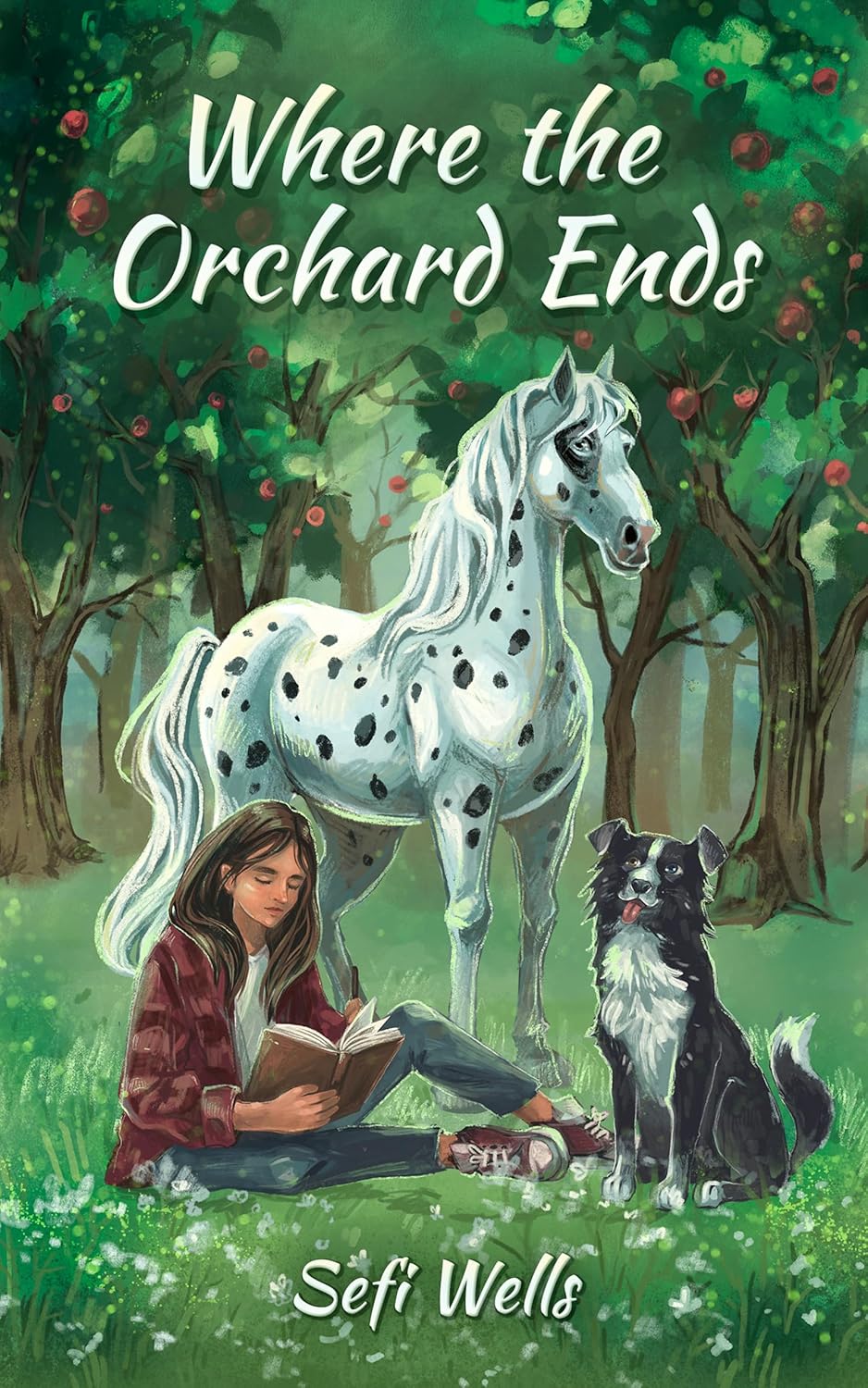
Where the Orchard Ends is a quiet and emotionally stirring novel about grief, healing, and the deep connections that form when words fail. It follows twelve-year-old Wren Harper, who hasn’t spoken in seventy-three days after her mother’s death. Sent to live with her grandmother on an apple orchard in the Pacific Northwest, Wren drifts through silence and sorrow, until a storm leads her to a wounded Appaloosa mare, a wild horse who’s just as lost and broken. In that fragile, unspoken bond between girl and horse, the story slowly opens up to become a tale about trust, resilience, and finding a way back to oneself.
This book pulled at me in ways I didn’t expect. The writing is gentle and raw, full of details that make even silence feel loud. Wren doesn’t say a word for much of the book, but her thoughts and emotions are laid bare through beautiful imagery, quick sketches, and soft moments between her and her grandmother. The mare, Talowa, becomes more than a metaphor, she’s a mirror. The way Wells writes their connection is tender without being saccharine. And Mimi, Wren’s grandmother, is quietly wonderful. She gives Wren space, makes mistakes, and listens better than most people ever do.
Wren’s pain is sharp and honest, but so much of it is held back behind carefully drawn scenes. The pacing can feel slow, especially in the middle, where the book lingers on similar beats. Still, those moments aren’t empty. They just simmer. And honestly, the slower parts give the reader a chance to breathe, to sit in the orchard with Wren, to feel the weight of memory pressing down alongside her.
This book is best for readers who are okay with stories that unfold like mist slowly dissipating. It’s perfect for teens who feel out of place, for adults remembering the ache of being twelve, and for anyone who’s ever needed something unspoken to feel a little less alone. Where the Orchard Ends doesn’t shout. It hums.
Pages: 297 | ASIN: B0FHBQ2VXP

Romero Pools
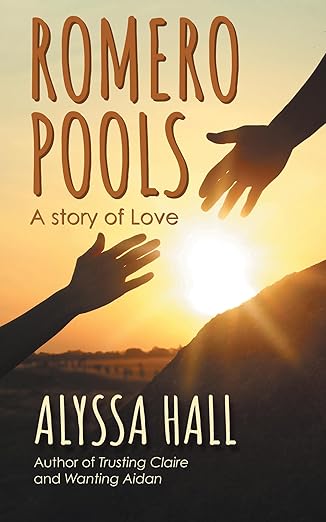
Romero Pools, by Alyssa Hall, is an intense love story wrapped in the sharp, sunlit folds of the Arizona desert. The book follows Marin, a young woman still grappling with grief and guilt years after a traumatic accident claimed her fiancé, Tyler. While hiking alone, she stumbles upon Adam, an injured man who has just fallen down a ridge. Their shared journey down the mountain becomes more than a physical one, it’s emotional, raw, and revelatory. As their connection deepens, so too does the mystery surrounding Tyler’s death, ultimately pulling the reader into a web of memory, secrets, and healing.
I really enjoyed Hall’s ability to make the desert come alive with so much character. The way she writes about light, heat, and silence makes you feel the weight of every step on the trail and every breath between two people learning to trust. The dialogue flows naturally, sometimes playful, sometimes heavy, but always honest. Marin and Adam feel like real people, broken but trying, hurt but still relatable. I found myself rooting for both of them in a way that made the end surprisingly heartbreaking. It didn’t feel like a gimmick. It felt like life.
I did feel the writing leaned on telling more than showing at times. The exposition, especially when the backstory was shared through dialogue, could get a bit weighty. I wished for more scenes to unfold slowly instead of being relayed in a block of conversation. Still, there’s something comforting about the voice Hall uses. It’s gentle, it’s warm, and even when the story dips into darkness, it doesn’t feel hopeless. The twisty thread of maybe-Tyler-still-being-alive added a quiet tension that never quite resolved, and honestly, I didn’t mind. The book was never about plot fireworks; it was about emotional honesty.
Romero Pools left me thoughtful and a little wistful. It’s a book for anyone who’s lost something they didn’t think they could live without, and for those trying to start again, however messy that looks. I’d recommend this to readers who love slow-burn romance, quiet personal dramas, and stories that find beauty in the ordinary.
Pages: 232 | ASIN : B09NB63P58
Car Trouble

Car Trouble follows Jim Crack, a down-and-out young man whose misadventures across the freeways and backstreets of Southern California form a gritty, chaotic odyssey of personal implosion. What begins with his Volkswagen catching fire on the 5 Freeway spirals into a bleak but strangely comic day filled with existential spirals, weed smoke, porn, broken relationships, and failed attempts to find meaning in a world so dependent on cars, status, and surface-level happiness. Through vivid flashbacks and derailed digressions, Jim’s day of misfortune exposes a lifelong grappling with abandonment, identity, trauma, and a simmering, unshakeable rage toward the machinery of life, both mechanical and societal.
Reading this book was like crawling inside someone’s unfiltered stream of consciousness. Zorn’s writing is raw and intense, often hilarious, sometimes painful, and always fully immersed in Jim’s spiraling, disillusioned psyche. There were moments I laughed, like the pure absurdity of a landscaping crew rescuing Jim from a flaming car, only to feel a gut punch pages later as he sinks into total emotional paralysis on a crusty couch with nothing but a bong and old porn for comfort. Zorn captures the erratic rhythm of thought with a ferocity that reminded me of Bukowski meets Vonnegut, but with more exhaust fumes and burnt-out brake lights. The prose veers wildly. Sharp, punchy lines land like jabs to the ribs, then unravel into stoner-poetic rants or tragic internal monologues that drip with disillusionment.
But what really hit me hard was how real it all felt. Jim’s pain, his failures, the weird moments of tenderness or sudden clarity linger. This book doesn’t follow a clean arc. It doesn’t tie up neatly. That felt true to life. At times, I was frustrated by the sheer amount of dysfunction, the digressions, the lack of redemption. But maybe that’s the point. This isn’t a story about fixing things. It’s about someone living in the fallout of a life already shattered, trying, failing, and trying again in ways that are small, stupid, human. The way Zorn writes about cars as both literal death traps and symbols of modern isolation stuck with me after I closed the book.
I wouldn’t recommend Car Trouble to everyone. It’s harsh. It’s crude. It’s uncomfortable. But if you’ve ever been young, broke, high, angry, and unsure what you’re supposed to be doing with your life, this book will feel painfully familiar. It’s for readers who crave something raw and don’t mind wandering through the smog of existential burnout.
Pages: 273 | ASIN : B07CP4R132



 LITERARY TITAN