Blog Archives
Strength in Motion : The Next Chapter of Stroke
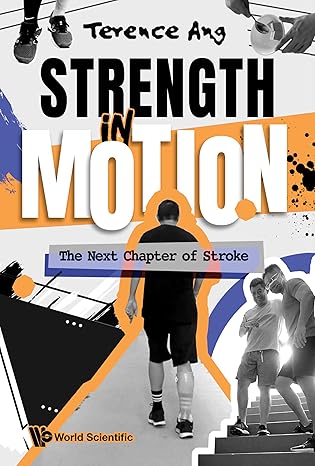

Strength in Motion, the final installment in Mr. Ang’s enlightening trilogy, delves into the nexus of exercise, physical therapy, and stroke recovery. This insightful book, enriched by contributions from several experts, extends its relevance beyond stroke survivors, advocating for a universally active lifestyle.
Mr. Ang’s narrative is rooted in his personal journey of recuperating from a stroke. He presents himself as a fortunate individual blessed with access to medical facilities, a caring support network, and a community earnestly invested in his recovery. His humility, kindness, and unwavering determination resonate deeply throughout the book, offering inspiration and hope.
A particularly poignant aspect of Strength in Motion is its contrast with the experiences of those who lack such support. This disparity is skillfully highlighted, underscoring the significance of a nurturing environment in the recovery process. Dr. Shamala Thialrajah, among others who have been part of Ang’s journey, provides valuable insights and expertise on the challenges and requirements faced by stroke survivors. The book also serves as a personal reflection for the reviewer, evoking memories of a grandfather who suffered a stroke and the painful realization of the limitations faced without a supportive network. This personal connection adds a layer of emotional depth to the review, bridging the gap between Ang’s experience and the universal challenges of stroke recovery.
Strength in Motion emerges as a significant contribution to our understanding of stroke recovery, symbolizing hope and the potential for renewal even in the face of adversity.
Pages: 159 | ASIN : B0CVVV22MK

NeuroMastery: Retraining Your Brain to Conquer Anxiety, Fear, and Panic Attacks

In the vast realm of mental health literature, NeuroMastery, by Ugochukwu Uche, stands out as an invaluable guide into the intricate world of anxiety, fear, and panic attacks. Drawing upon recent findings, the book highlights the profound effects these emotional states have on individuals, underscoring the importance of grasping the underlying neuroscience required to formulate interventions. The book artfully differentiates between anxiety, fear, and panic attacks, delving into their psychological and biological roots. Uche adeptly illustrates insights from neuroscience, helping readers better understand the reasons behind these emotional experiences and their influence on behavior. A noteworthy highlight is the concept of neuroplasticity, showcasing the brain’s incredible adaptability over one’s lifespan. Throughout the narrative, Uche champions the optimistic message that positive change and recovery are attainable.
Grounded in solid neuroscientific principles, NeuroMastery delivers a thorough analysis of anxiety, fear, and panic attacks. Beyond mere theoretical discourse, Uche emphasizes the tangible applications of these principles, making them actionable for individuals striving to manage or overcome these challenges. The introduction of Lucy’s story as an example serves as a beacon, helping readers visualize the practical application of theoretical concepts in real-life scenarios. The content, comprehensive yet digestible, is methodically arranged, breaking down intricate concepts for easy comprehension.
Ugochukwu Uche’s literary contribution is undeniably enlightening, offering a look at anxiety, fear, and panic attacks through a neuroscientific prism. The no-nonsense language and structured introduction to the subject not only set the book’s tone but also highlight the author’s unwavering professionalism throughout the narrative. The unique intertwining of emotional experiences with neuroscience renders this book invaluable. The discussion on neuroplasticity, in particular, is captivating. NeuroMastery is an essential read for those grappling with anxiety, fear, and panic attacks.
NeuroMastery: Retraining Your Brain to Conquer Anxiety, Fear, and Panic Attacks is an articulate, succinct, and methodically curated guide that demystifies a complex topic for those unfamiliar with neuroscience. Lucy’s narrative significantly enhances the reader’s engagement, making the content even more relatable. Uche’s writing, infused with hope and novel insights, promises to pave new avenues in addressing mental health challenges.
Pages: 128 | ASIN : B0CJ6DWND9

NeuroMastery: Retraining Your Brain to Conquer Anxiety, Fear, and Panic Attacks

NeuroMastery: Retraining Your Brain to Conquer Anxiety, Fear, and Panic Attacks by Ugochukwu Uche ingeniously intertwines the realms of neuroscience and psychology, crafting an enlightening resource designed to navigate through the intricate process of reshaping brain responses to anxiety, fear, and panic attacks towards a life of enhanced health and happiness. Uche, with meticulous detail, immerses the reader into an exploration of the brain’s anatomy, illustrating the intricate correlations between its various parts, emotions, and memories while shedding light on the paramount concept of neuroplasticity—our brain’s remarkable capability to adapt and establish specific patterns through time and directed training.
Uche doesn’t merely present theoretical insights but also bestows upon readers practical tools, delineating varied techniques and therapeutic approaches to assist in their self-evolvement journey. Significantly, he elucidates complex concepts by interweaving the compelling story of Lucy, a young woman navigating through the tumultuous waters of panic attacks, particularly while confronting the fears anchored in the simple act of sitting in a car’s front seat.
In an era where discussions pertaining to anxiety, fear, and panic attacks burgeon amidst their increasing prevalence, Uche’s work distinguishes itself by delving into the support of neuroscience and actual brain activities that transpire, providing a distinct perspective that transcends mere surface-level dialogues. His examination of neuroplasticity, a pivotal, albeit not widely recognized phenomenon of our nervous system, is presented with such a friendly tone that the learning experience becomes as comfortable and engaging as absorbing wisdom from a friend over a leisurely coffee.
Speaking from a psychology student’s perspective, this book has not only deepened my understanding of certain concepts encountered in academia. Still, it has also proved immensely valuable on a personal front, aiding in comprehending my stress management strategies. It inspires an active engagement in consciously altering ineffective habits, encouraging the discovery and application of more efficacious techniques to navigate through the everyday stresses of life.
I recommend NeuroMastery primarily to individuals grappling with anxiety, fear, and panic attacks. I am confident that within its pages, you will unearth a technique that resonates and assists you in your journey. Furthermore, professionals within the mental health field will find this to be a substantive and illuminating read. Uche’s book is compelling, leading readers to eagerly anticipate his future contributions to the literary and psychological realms.
Pages: 126 | ASIN : B0CH1JMZC6
Making Neuroscience Engaging & Intuitive

Baby Senses: A Sensory Neuroscience Primer for All Ages shares with readers the world of nervous systems and how they have developed into the senses we have. Why was this an important book for you to write?
Thank you for this great question! I’ve always been passionate about making science engaging, relatable, and accessible to the interested lay audience. As an artist, I’ve also found the actual forms in biology incredibly complex and beautiful. As a tutor with Reading Partners, I wanted to share my love of neuroscience, art, and reading with the kids I was tutoring, but a search of the existing neuroscience books for children left me disappointed in the lack of truly engaging neuroscience content for beginning/emerging readers. And there a germ of an idea was born – to illustrate and write a children’s neuroscience book with accurate visual representations of sensory systems. I wanted my book to also impart fundamental principles of the scientific endeavor, for example, to convey that knowledge is built over time, with many researchers from diverse backgrounds working together (or apart) to gather facts in small steps. Related to this was my desire for Baby Senses to be a stand-alone educational resource for classrooms and families laid out in a scientific format. I think than an early introduction to how diversity in nature makes all animals special is important to encourage an appreciation of our ecosystem and why its delicate balance needs to be conserved. This was coupled with the intent to spread the subtle message that what makes us different is often our strength and neurodiversity is to be celebrated.
How much research did you undertake for this book, and how much time did it take to put it all together?
As an auditory and visual neuroscientist, I was already very familiar with several sensory systems before I decided to write Baby Senses. Some of the facts included in the glossary are in fact inspired by my doctoral dissertation. There were some systems I was less familiar with before writing my book, and for these I read several research articles and textbooks to gain a deeper understanding of each of these systems. I then condensed them down into narratives and ‘fun facts’ to highlight, as well as how contemporary research into these areas relate back to the lay audiences’ daily lived experiences.
The idea of writing Baby Senses really crystallized for me during the COVID-19 global pandemic. I’d been working on creating a series of neuroart paintings since 2018. The realization that I’d created a series of paintings that tied together into a narrative about the beauty and complexity of the many ways in which brains have evolved to do extraordinary things, coupled with the realization that there are not many neuroscience books available to early readers, really motivated me to sit down and start working on this project. I took about 8 months to finish my first draft of the book including the expanded glossary, the rhyming dialogues, and all the illustrations. I then spent several months researching publishing options and timelines, choosing my publisher, revising my book, and working on the cover images. Overall, it took a year and 5 months for my book to be published from when I started working on it.
What were some goals you set for yourself as a writer in this book?
In my experience, children are easily inspired or discouraged from pursuing further learning in topics based on demographics and gender, as well as how scientific topics are taught. An important goal for me was to make neuroscience engaging and intuitive so that children are inspired to pursue it, regardless of gender or demographics. When I take a step back to look at the bigger picture, the challenges facing neuroscientific endeavors are complex and large. To solve them requires team-science efforts, new ideas, collaboration within and across diverse teams, and an open-science, data sharing approach. All of these require that people from diverse backgrounds are drawn to and remain in research careers, and in the long-run, I hope that Baby Senses will contribute to that goal.
Another major goal for me in writing Baby Senses was to use multi-modal ways to engage diverse minds (neurotypical and neuroatypical), and of all ages. I wanted to maintain the balance between writing an engaging and relatable narrative while not shying away from scientific terminology. To do so, I used subtle cues like the parent-child bond as the context of these question-and-answer conversations to make the content relatable. More scientific choices like including the full references list were also deliberate. A related goal for me was to dispel scientific misconceptions, such as the all-pervasive idea that humans only have ‘5 senses’ and that having a ‘6th sense’ was somehow an anomaly. As humans, we have more than 5 ways to sense our internal and external environments, with research still ongoing to better characterize all the ways in which we sense our environment; for instance, how our gut microbial environment influences our brains through the gut-brain axis is an active area of research.
What is the next book that you are writing, and when will that be published?
I would certainly like to write more – I’ve a couple of ideas I’m playing around with right now. As a first-time indie author, I’ve learned a lot about the publishing process and am still learning so much with Baby Senses, so I am not ready to completely move onto the next project yet. I also have ideas about further expanding the reach of Baby Senses by for example, turning it into a sing along project. A lack of ideas has never been an issue for me so stay tuned for updates on my website https://babysensesbook.com/, where you can also sign up to receive my newsletter with events and updates or follow me on social media platforms!
Author Links: GoodReads | Twitter | Facebook | Instagram | Website
Baby Senses: A Sensory Neuroscience Primer for All Ages
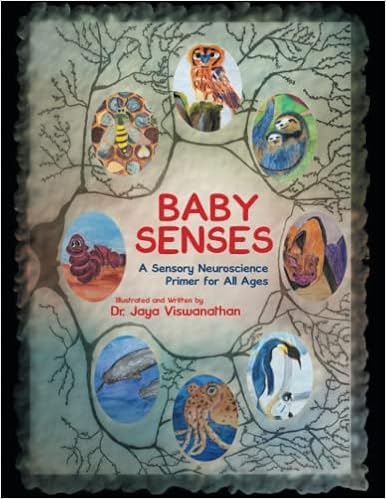
Baby Senses: A Sensory Neuroscience Primer for All Ages is an illuminating book by the creative mind of Dr. Jaya Viswanathan, an author whose passion for unraveling the intricate workings of the human brain was ignited at the remarkably young age of 14. Throughout history, the enigmatic complexities of the human brain and those exhibited by our fellow creatures have been the subjects of ceaseless fascination. Thanks to remarkable strides in scientific understanding, we stand on the precipice of delving ever deeper into the labyrinthine mechanisms governing the nervous system and the human brain itself.
In the pages of Baby Senses, a mesmerizing tapestry of creatures, from serpents to lemurs, penguins to worms, are unveiled to illuminate the 16 systems emerging from the bedrock of our five fundamental human senses: vision, hearing, touch, taste, and smell. This extraordinary odyssey unfolds through the lens of young animals inquisitively engaging their elder counterparts, who bear exceptional attributes such as night vision and reaping enlightening revelations in return.
One facet that conspicuously distinguishes this work is the inclusion of an all-encompassing glossary nestled at its conclusion. Personal encounters with sensory organ descriptors had left me grappling with their essence and role. The addition of this invaluable glossary not only demystifies these terminologies but also bestows an enriched grasp of their functionalities. The vivid and visually compelling graphics interwoven within the narrative further elevate the reading experience.
Baby Senses by Dr. Jaya Viswanathan is a wellspring of education. Beyond inspiring wonder and curiosity, this book stands as a repository of indispensable educational wisdom.
Pages: 74 | ASIN : B0C36NXZJ2
The Embodied Mind
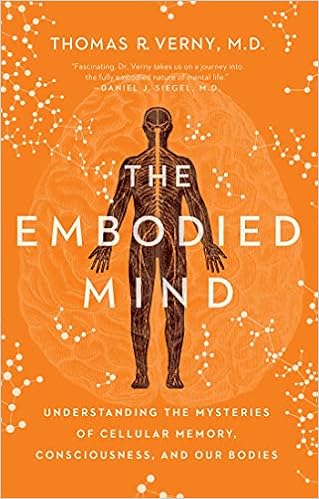
In The Embodied Mind: Understanding the Mysteries of Cellular Memory, Consciousness, and Our Bodies, Dr. Thomas Verny presents a comprehensive exploration of the intricate relationship between the brain, our bodily functions, and the ways our bodies respond to cerebral directives.
Dr. Verny delves into the realms of dreams and consciousness, explaining how our existence is influenced by internal bodily factors and external elements alike. The book is a masterclass in communicating complex ideas, demonstrating how cells utilize consciousness to perform their primary functions.
Aimed not just at medical professionals but at any intellectually curious reader, The Embodied Mind acts as a gateway to understanding the mysteries of the mind, brain, and the human nervous system. The book demystifies how cells maintain behaviors vital to life, leaving the reader with a profound appreciation of the human body’s marvel and the complexities of the brain, often overlooked by the layman.
One of the book’s strengths is its seamless blend of complex discussions and real-life narratives. This is evident from the warm introduction, where Dr. Verny shares his inspiration for writing the book and his fascination with the brain. His account of a young patient highlights individual variations in memory and consciousness and is particularly compelling.
The first chapter— a thought-provoking discussion on the significance of genes and an insightful dive into epigenetics— stands out as a highlight. This informative book covers various complex topics, including the mechanisms behind memory, the workings of the immune system, and the enigmatic nature of human cells.
Dr. Verny’s exploration of how the body retains memory while the brain forgets is a standout section. It resonates due to its relevance to everyday experiences and is presented in a manner accessible to all readers, regardless of their scientific background.
The book is a testament to Dr. Verny’s extensive research, incorporating a wealth of scientific material and revealing fresh insights throughout its ten informative and enlightening chapters. Beyond its educational discussions and engaging narratives, it challenges established scientific concepts and provides clear explanations, making it a valuable resource for anyone seeking comprehensive information on memory, genetics, the human brain, and the body.
Dr. Verny’s insightful understanding of human memory’s nature is impressive, and his ability to explain complex ideas lucidly is commendable. “The Embodied Mind” is a compelling, powerfully engaging read. However, this book isn’t just a testament to Dr. Verny’s expertise—it is a riveting journey into the mysteries of our bodies and minds.
Pages: 238 | ASIN : B08WM42Y2P
Entrancement: The Consciousness of Dreaming, Music and the World
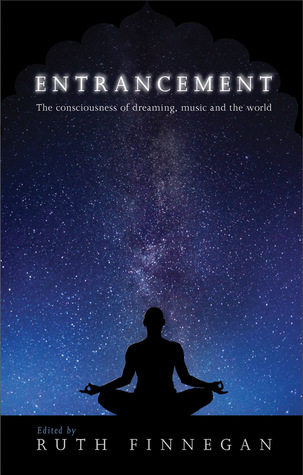

If you’ve ever wondered where your mind goes in those moments when you’re not quite awake or when you’ve been staring out the window for just a tad too long, you will find some clues to an answer in Ruth Finnegan’s Entrancement. This collection of essays from educated professionals will expose you to different viewpoints on the topics of dreaming, trancing and the collective unconscious. Fashioned the same way a textbook might be, readers will gain insight into various hypotheses on what happens to our minds when we enter these states. Exploring the world from a slight occultist view, readers are privy to personal stories from professionals in the field of the social sciences who have backed up their personal experiences with data and sources. Investigate how music and dreaming contribute to artistic expression; identify your own personal cues and what might draw you into a trance.
Finnegan begins with her own personal experience with trancing. During her sections at the beginning and the end of the book she uses language that is friendly for non-academic readers. The same can be said for all of those who have contributed to this piece. By using common language, Finnegan has opened up the potentials for her audience. Anyone who is interested in this topic will find useful information within its pages.
There are some typos in the book which were distracting in such a highly educated piece. But the errors are few and can be easily forgotten. The presentation of the book leaves a little to be desired. The table of contents could use some formatting and the pages between essays could have been laid out better. These are all minor things, but they impact the reader experience.
It is interesting to read a collection of essays on a somewhat supernatural topic that is rife with research. For someone who is studying psychology or the other social sciences, Entrancement by Ruth Finnegan would be an excellent resource piece to read. The abilities of the mind have been studied for decades and we are no closer to unraveling the secrets now than we were in the beginning. If you’re a beginner doing preliminary readings or research on this topic, you will find this book useful. The content is not only useful, but the suggested readings in the back open up a whole library of future readings. For those who hunger for more information, who want to explore this world and our place in it, this is a delightful bonus.
Pages: 288 | ASIN: B06XVD9WKM



 LITERARY TITAN