Category Archives: Five Stars
The Art and Science of Aviation Instruction


The Art and Science of Aviation Instruction lays out a clear and urgent argument for reinventing how flight instructors teach. The book moves through research, case law, human behavior, assessment strategies, and curriculum design. It blends aviation with lessons from healthcare and other high-risk fields. It also pushes instructors to move away from time-based teaching and toward structured, competency-driven training. Throughout the text, the author ties pilot error, instructional gaps, and weak training standards together into one central message. Safety improves only when instructional quality improves.
While reading, I felt a steady mix of respect and frustration. Respect for the clarity of the author’s thinking. Frustration because so many of the issues he raises feel preventable. The writing is direct, almost clinical at times, yet the message carries a sense of personal urgency. I liked how the author admits that aviation has borrowed too little from other high-stakes industries. His comparisons to surgical education hit hard. They made me think about how casually we sometimes treat pilot training. I also appreciated the blunt stories about CFI turnover and weak instructional habits. They feel honest, and they sting a little, and that is what makes them effective.
The ideas on assessment struck me the most. The book keeps coming back to planning, documenting, and diagnosing learning like an educator rather than just a pilot. The tone gets a bit heavy with academic framing, but the purpose behind it is sound. I found myself nodding when the author described how poor remediation leads to bad habits that follow a pilot into every flight. The discussion of legal cases also stirred something in me. It felt like a wake-up call. Instructors are not just mentors. They are accountable professionals, and the courts treat them that way. Reading those sections made me reflect on how much responsibility sits on a CFI’s shoulders, sometimes without them realizing it.
In the end, I walked away feeling motivated. The book challenges you and asks you to rebuild how you teach. I came out of it believing the aviation community needs more books exactly like this. I would recommend it to CFIs, flight school leaders, and even advanced student pilots who want to understand the deeper purpose of training. Anyone serious about shaping safer pilots will get a lot out of this work.
Pages: 256 | ASIN : B0G32882YT

The Secret of Spirit Lake

In The Secret of Spirit Lake, a young adult mystery with a gentle paranormal twist, we follow fourteen-year-old Amy, yanked away from her old life and dropped into a big yellow Victorian on a quiet Virginia lake. She ends up in the tower bedroom, where strange things start happening that point to a girl named Sally who used to live there. The story moves back and forth between Amy’s present-day summer of swim practices, new friends, and family tension, and the late 1930s life of a farm girl named Penny whose path slowly, uneasily, begins to overlap with the lake and the house Amy now calls home. The mystery sits in the space between those timelines, asking what really happened at Spirit Lake and what it means for the people still living there.
I really liked how the book uses that alternating structure. At first I was more invested in Amy, mostly because her voice feels so familiar: grumpy about her parents, irritated by younger siblings, convinced no one understands her, then slowly softening as she gets pulled into swim team life and real friendship. But Penny’s chapters crept up on me. Her world is harder and narrower, full of chores and exhaustion, and then that terrible fire that takes her parents hits with real emotional weight. The mystery works because those two stories start to rhyme. Amy is lonely and displaced; Penny is lonely and trapped. Sally is caught between them as a literal ghost, but also as this symbol of what happens when adults fail kids. The writing itself is clean and straightforward, the kind of YA prose that trusts younger readers to keep up while still feeling approachable. Short chapters keep things moving, and the ghost scenes are eerie without ever turning into nightmare fuel. There is a soft, almost cozy feel to a lot of the pages, even when the subject matter is dark.
What stood out to me most was the way the author chose to center safety and care instead of just creepiness. The ghost is sad more than scary, and the book keeps circling back to the question of who looks out for children when their parents can’t or won’t. You see it in Penny’s encounters with the state worker at the hospital, who is doing her best inside a rigid system, and in how Lucy and Henry neglect and emotionally abuse Hal and Millie behind the façade of a beautiful lake house. You see it again in Amy’s realization that her “annoying” little siblings are actually kind of adorable when she lets herself pay attention, and that her parents, while imperfect, are trying very hard to give their family a better life. As a YA mystery, the book leans more emotional than plot-twist-heavy, and sometimes the coincidences that help the girls solve the decades-old case feel a little convenient, but the emotional payoffs mostly earned my trust. I cared more about Millie hugging her long-lost brother on a sunny balcony than about every logistical detail lining up perfectly.
By the end, I felt like I’d spent a summer at the lake myself, watching Amy grow into her own skin, cheering through swim meets, and then sitting up way too late trying to fit together scraps of diaries and old letters with her and her friends. The paranormal element stays light, but the feelings underneath are not. The Secret of Spirit Lake is the kind of YA mystery I’d hand to a thoughtful middle schooler or young teen who likes ghost stories that are more about healing than horror, or to adults who enjoy warm, character-driven young adult fiction with a bit of intrigue. It would fit well in school and library book clubs, especially with readers who are ready to talk about grief, neglect, and found family in a safe way.
Pages: 335 | ASIN : B0FLM38VSC
9 Habits of Happy Retirees: Discover the Secrets to a Fulfilling Retirement

9 Habits of Happy Retirees offers a warm, upbeat, and very accessible guide to reimagining life after work. The book walks through the emotional phases of retirement, the mindset shifts needed to stay grounded, and the habits that build a joyful and meaningful post-career life. It blends practical advice with simple explanations about mental health, purpose, relationships, physical well-being, and the importance of staying curious and socially connected. The chapters move from preparation to mindset to hobbies to health, then social ties, learning, giving back, and travel. The whole arc forms a picture of retirement as a chance to grow instead of slow down.
This book felt surprisingly personal. I went in expecting a very standard self-help outline, but the writing has a friendly tone that made the ideas easy to absorb. The author speaks plainly, almost like a coach who wants you to feel excited about what’s ahead, and that energy made me lean in. I especially appreciated the focus on emotional transitions. Retirement is usually described as a reward and nothing more, yet the book spends time acknowledging loneliness, identity loss, and boredom. That honesty felt refreshing.
I also found myself reacting strongly to the sections about meaning and purpose. The reminders to try new things, build community, and stay flexible struck a chord. The book made me think about how often people assume retirement should mirror a fantasy rather than a real life with ups and downs. I liked the push to experiment, make mistakes, and adjust. I did wish for more storytelling or real-world examples in some chapters, but the spirit of the message carried the reading experience. The tone is upbeat without feeling sugary, and the steady encouragement made me feel motivated.
9 Habits of Happy Retirees is a strong fit for readers who want a straightforward, positive, and compassionate guide to the emotional and practical sides of retirement. It’s especially helpful for people who feel unsure about what comes next or who want gentle direction rather than technical advice. If you like clear language, simple steps, and a friendly voice that nudges you toward growth, this book will feel like a welcome companion.
Page: 136 | ASIN : B0D78Q1NWD
Fang, Bang and the Midnight Mouse: The Christmas Call

The Christmas Call, the latest installment in J-J Murray’s Fang, Bang, and the Midnight Mouse series, is tailor-made for cozy holiday read-alouds shared with family. Illustrated by Katie Tayler, the story opens on a snug Christmas Eve with the Jollie family, where cat detectives Fang and Bang are reveling in their favorite season. The warmth doesn’t last long. Trouble strikes at the Hill Inn when a prized wheel of Stilton cheese disappears without a trace. Summoned to investigate, the two feline sleuths follow a tantalising trail of crumbs far from home, all the way to Cambridge, where they come face to face with Midnight Mouse and her mischievous crew. What follows is a brisk, festive mystery packed with sharp twists, seasonal mayhem, and more than a few cat-astrophes.
One of the book’s greatest strengths is how naturally it weaves together humor, intrigue, and genuine warmth. The pace is swift and confident, keeping young readers absorbed as Fang and Bang pursue clues through snowy streets, bustling museums, and even a Christmas carol service. The language remains light and approachable, sprinkled generously with cat puns that will prompt giggles from children and knowing smiles from adults. At times, the narrator speaks directly to the reader, posing questions and inviting them to think alongside the detectives, which adds a playful, interactive dimension to the story.
Katie Tayler’s illustrations brim with energy and charm. Every page feels alive with movement and warmth, allowing Fang and Bang’s distinct personalities to shine. The festive settings are richly imagined, and the artwork supports the text beautifully, guiding young readers through the action while deepening the cozy Christmas atmosphere.
Beneath the mystery lies a thoughtful message about generosity and empathy, particularly fitting for the holiday season. Midnight Mouse is not portrayed as a simple villain. Her motivations are handled with surprising tenderness, offering children a nuanced understanding that mistakes do not define a character’s worth. A brief section at the end exploring the history of Stilton cheese adds an unexpected educational touch, enhancing the story without interrupting its momentum.
Overall, this is a delightful choice for families seeking a festive tale that balances entertainment with heart. The Christmas Call is witty, inventive, and warmly inclusive, an excellent pick for young readers who enjoy mysteries, animal heroes, and Christmas adventures wrapped in charm.
Pages: 32 | ASIN : B0FXNP9YC4
Crossfire

Crossfire follows Moirin Garrett, a high-powered executive juggling corporate pressure, family expectations, and the uneasy beginnings of an environmental partnership that forces her into the political, personal, and ethical “crossfire” she’s spent a career avoiding. From the first chapters, the story grounds us in her world of boardrooms, complicated family brunches, and the shimmering social circles where everyone wants something from her. As the plot widens, the book becomes a layered look at ambition, reinvention, and the messy overlaps between public responsibility and private longing.
Reading this in first person, I found myself rooting for Moirin even when she frustrated me. She’s sharp, driven, polished on the outside, and quietly unraveling beneath the surface. The writing makes room for that contradiction. The scenes move with a steady rhythm, sometimes clipped and tense, sometimes opening up into softer, more reflective moments that show how lonely success can feel. I liked how Herman lets small details do the emotional lifting: the staleness of office coffee, the weight of a family legacy, the flicker of discomfort when Moirin realizes she’s being sized up not just as an executive but as a woman in a room full of men with agendas.
What stood out most was the author’s choice to frame the story’s tension around both career stakes and personal awakening. The environmental study storyline sets up a believable moral tangle, especially as shady players circle around Moirin’s work. At the same time, the book gives her space to question what she actually wants beyond the next professional milestone. Moments with her friends feel warm and real, and her slow steps toward vulnerability make the corporate drama feel more human, not just high-stakes business maneuvering. The writing stays simple, grounded, and clear, letting the emotional beats land without theatrics.
The book feels like a story about a woman stepping out of a life she mastered and into one she’s still learning how to want. It’s women’s fiction with corporate intrigue woven in, built for readers who enjoy character-driven arcs, workplace complexity, and the slow burn of personal transformation. If you like stories about strong women navigating reinvention in midlife, or if you enjoy fiction set at the intersection of power, family, and identity, Crossfire will hit the mark.
Pages: 365 | ASIN : B0FTDX5MML

Reservations: A Samantha Wright Crime Series
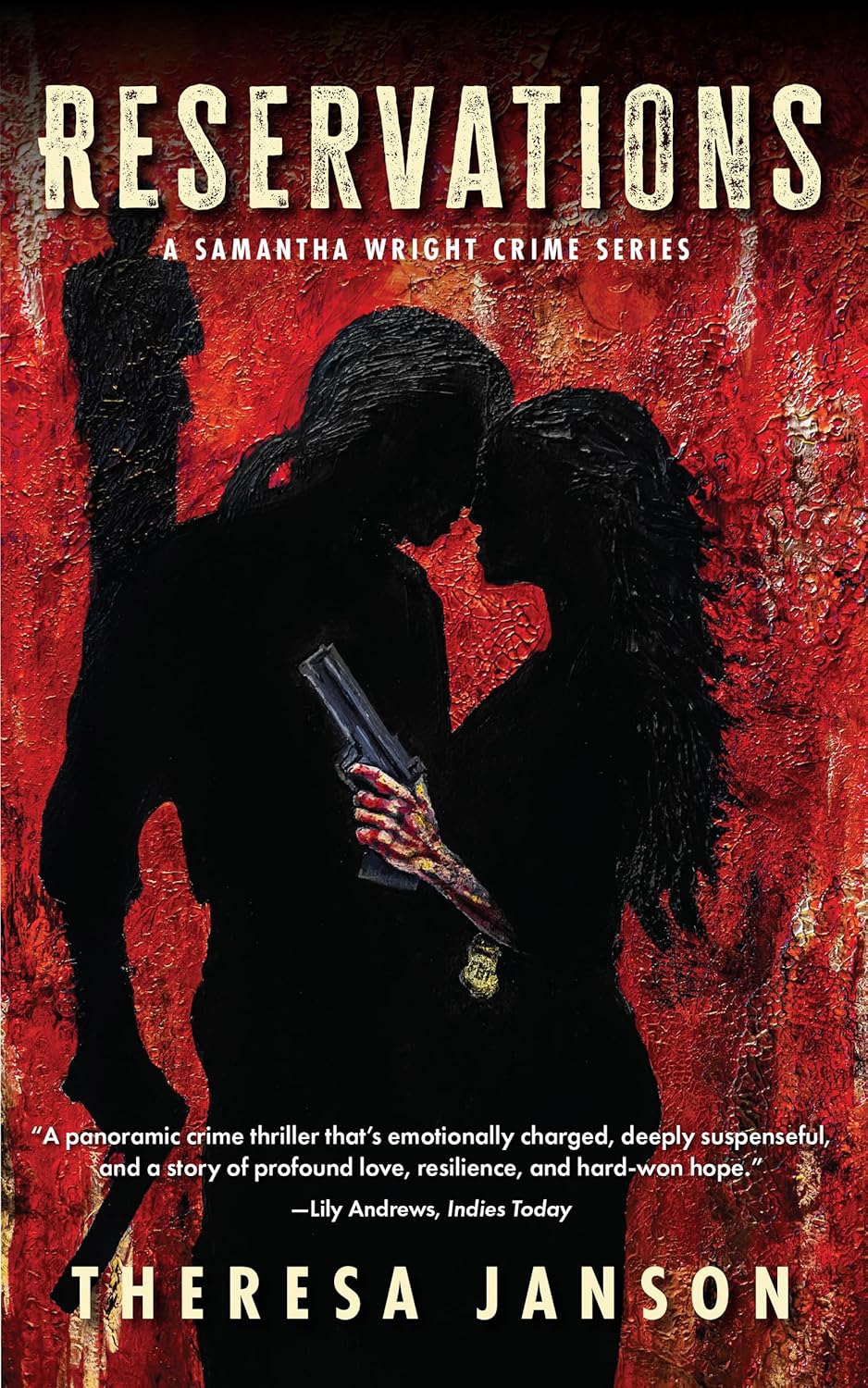
Reservations follows FBI profiler Samantha Wright as she’s pushed back into the hunt for a serial killer after the sudden death of her mentor and closest friend, Dr. Edmond Sampson. The story opens with grief, then moves fast into danger as Sam takes over the RESERVATIONS case, a string of murders involving young boys on reservations across the American West. Her past traumas, messy romantic entanglement with Special Agent Charlie Falken, and deep loyalty to Dr. Sampson color every choice she makes. The book blends crime, trauma, culture, and romance in a way that feels raw and intimate, almost like sitting beside Sam as she thinks her way through every dark corner of the investigation.
I liked how emotional the writing feels. The author doesn’t rush through Sam’s pain. She lets it sit there, real and jagged. Sam grieves her mentor with this quiet, private sorrow that feels heavy and familiar. At the same time, the pacing snaps between slow internal moments and sudden shocks. The memories of the BAKER’S DOZEN case are especially rough. The writing keeps things personal. It doesn’t pretend Sam is made of steel. She’s brilliant, but she’s tired, haunted, and sometimes unsure, and I liked her more because of that.
The mix of genres also surprised me in a good way. The romantic scenes with Charlie are blunt, sweaty, flawed, and full of emotional landmines. They’re not polished or dreamy. They feel like two people clinging to each other because they don’t know what else to do with their hurt. Then the story swings into investigative mode with sharp detail and a steady buildup of dread. The casework feels grounded and tense, especially when Sam revisits crime scenes or pieces together old trauma with new evidence. The writing is vivid.
I’d recommend Reservations to readers who enjoy crime fiction with strong emotional depth and a protagonist who feels human in all the best and hardest ways. It’s especially fitting for people who like stories that dive into trauma, culture, identity, and the complicated ties we form with the people who shape us. If you want a thriller with heart and heat, something that grips you and makes you feel a little raw by the end, this book will get you there.
Pages: 332 | ASIN : B0FHYLFVBZ
Desperate Souls

Desperate Souls follows several lives caught in moments of fear, loss, and fragile hope. The story opens with young Joseph watching his world collapse in a violent attack on his family’s mission, then shifts to Grace, a talented ballet instructor whose body begins to betray her just as her future seems set, and to Nathan, a new father fighting to keep his wife alive. Each thread builds toward a picture of people pushed to the edge of what they can endure and reaching for faith, purpose, or simple survival. The writing leans heavily into emotion, and the pacing keeps the reader on alert as tragedies unfold without warning.
This book pulled me in fast. The emotional punches land hard, and I found myself bracing during several scenes. The details of Joseph’s escape, Grace’s slow unraveling, and Nathan’s desperation created a steady tension that made me keep turning pages. The writing is clear and direct, and it leaves room for the reader to feel the weight of each character’s fear. At times, I wanted a moment to breathe, yet the speed of the story felt true to what these characters were living through. Their worlds were breaking apart.
I also enjoyed how the story handles faith and suffering. It does not drift into heavy explanations, and it avoids preaching. Instead, it shows characters trying to cling to what they believe while everything they trust falls away. Some moments really resonated with me. Grace trying to keep her life together while hiding her symptoms felt painfully real. Nathan stumbling through fear with a baby in his arms made me tense in my seat. I felt frustrated with these characters sometimes, and I felt protective of them too. That mix made the story stick with me.
Desperate Souls will appeal to readers who enjoy character-driven drama with high emotional stakes. It is well-suited for people who like stories about ordinary lives facing sudden upheaval and who appreciate a blend of suspense, faith, and personal struggle. If you want a book that makes you feel something deep and keeps you thinking after you close it, this one will do exactly that.
Pages: 414 | ASIN : B0FHQKDM88
the quiet calendar
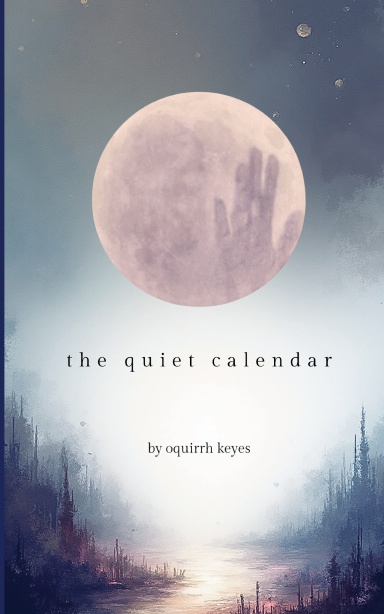
The Quiet Calendar feels like a month of someone’s inner world laid bare. It traces day by day how a woman crawls out of a long, damaging entanglement and slowly learns to hear her own voice again. The book moves through grief, shock, anger, clarity, and finally something like peace. Each poem marks a moment in time. Some are sharp. Others feel like exhaling after holding your breath. The drawings scattered through the book soften the blows a bit. They echo the mood of the poems and give everything a floating, ghostly feel. The whole collection reads like a journal.
As I moved through the pages, I felt myself pulled into her emotional rhythm. The writing is simple on the surface, but it hits hard because of that simplicity. Some lines shocked me with how plainly they revealed the manipulation she endured. Other lines made me root for her like a friend who keeps getting stronger each day without realizing it. The pacing is tight. The shift from longing to clarity feels natural. It never rushes.
I also loved the way the book explores self-return. Many poems break open the idea that healing is not one big moment. It is a series of tiny decisions that build you back up. I felt myself smiling at her small victories. A cup of coffee alone. A morning without checking the phone. A song that once hurt now simply playing in the background. These little moments felt huge and real and made me weirdly proud of her. The writing carries a lot of tenderness, even when it stings, and I kept thinking about how many people will see bits of their own story in hers. The art deepened that feeling. The cracked hourglass. The key with wings. The feather.
The book is honest about the messy parts of leaving someone who should never have been held so tightly. It is gentle about the slow return to a life that was waiting the whole time. I would recommend The Quiet Calendar to anyone who is coming out of a breakup that left them confused, guilty, or hollow. It is soft, real, and full of small truths.
Pages: 112 | ISBN: 9798218838591




 LITERARY TITAN