Blog Archives
Instant Parenthood
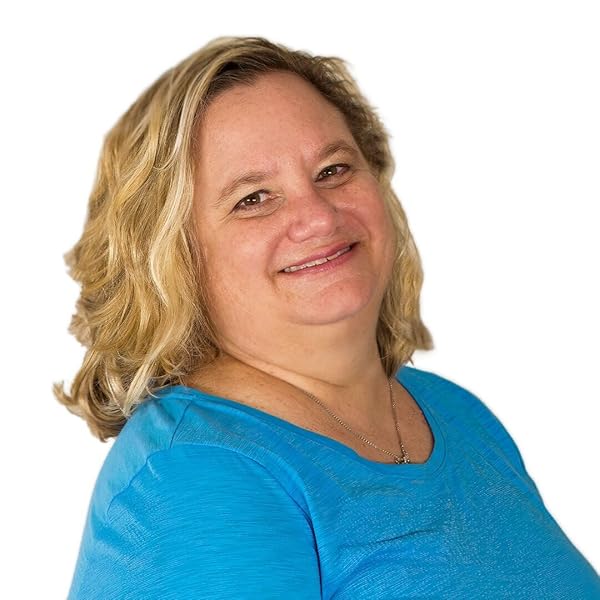
What to Expect When You Weren’t Expecting is a heartwarming memoir sharing your challenges and experiences marrying a man with two children and navigating the role of a stepparent. Why was this an important book for you to write?
When I was thrown into instant parenthood, I went to the bookstore and library assuming that I’d easily find a “Stepparenting for Dummies” type resource. This was not the case. When I spoke to a few counselors, the advice always leaned towards being the silent parenting partner. For years, I thought perhaps stepmothers were rare.
The further I got into my role, the more I realized that step parenting was not rare at all, that blended families were everywhere, and that we were all being given advice that was not realistic or useful.
As my family began to turn the corner from struggling to surviving to succeeding, I knew that my story would help others. It is not a blended marriage “saver,” but it does touch on many topics that I hope will make those struggling understand why they are struggling. I wanted to give those brave enough to take on this role an ally. I wanted to offer a voice that matched theirs and one that could verify a light at the end of a long tunnel.
I appreciated the candid nature with which you told your story. What was the hardest thing for you to write about?
Any time the word “fail” appears (or “tears” or “frustration” or “arguments”), you must know that I was likely writing with a pit in my stomach and minutes away from forgoing this project. Sharing that I used to hide in the shower sobbing feels like the most blatant admittance of failure, something I was not accustomed to. I have never failed over and over and over in anything – yet there I was, trapped with three people who could not handle another lost parent or wife. And later, there I was, preparing to expose all of my shortcomings to the world.
What is one piece of advice you wish someone had given you when you were a new stepmom?
It’s funny, as I’m currently recording the audiobook I’ve just narrowed down that one piece of advice: Honor History.
Honor who you are and who you were before coming into this parenting role. Make space to enjoy hobbies or activities that are truly just for you.
Honor your children’s past. Ask them about the happy times, ask about their favorite vacations or what they love the most about their biological mother. Display photos from that previous live, even if only in their bedroom.
Honor your partner’s road. Divorcing is not a happy time, often full of trauma that lasts for years (if not decades). Give your husband the space to grieve and be willing to walk him through that process.
What is one thing readers take away from your story?
Hopefully, that it will be okay in the end. And, I suppose, that the road is longer than they are anticipating. Success takes time and patience and endless do-overs. Success may look different for others than it did for me – but it will come, eventually. It will be okay in the end and when it is, much of the tumultuous times will become moments that bring the most pride.
Author Links: Twitter | Facebook | Website
What to Expect When You Weren’t Expecting is a memoir chronicling Jyl Barlow’s bumpy road to success as a (step)mother. Shared are the struggles of being inserted into an existing family that has yet to fully emerge from the emotional woodchipper of divorce. Jyl shares real-world lessons, not the mumbo-jumbo one can receive for the low price of a co-pay. If you are a (step)mom or on the path to becoming a (step)mom, or if you know a (step)mom, this book will serve as a sanity saver, offering endless reassurance in knowing that you are not alone in your struggle to find stability.
This memoir is for the whole family, meant to be shared among husbands and mothers-in-law and (step)children and, well, maybe ex-wives. What to Expect When You Weren’t Expecting offers readers a greater understanding of just how difficult it is for (step)mothers to dive headfirst into a role in which they are typically not welcome.
Make My Readers Question That Norm

The Cycle of Eden: The Young Revolution follows a young hero in a land of darkness who is destined to restore light to his world. What was the inspiration for the setup of your story?
The concept of Light vs Dark typically revolves around Good vs. Evil. The Young Revolution sets this up to be the usual case, but there are aspects involved in the first chapters involving Seth’s mother and later on in the series that will make my readers question that norm. Maybe there is a place, a reason, for Darkness in the world? Maybe the Light is too good to be true? Lady Eve, Seth’s mother, representing the “Moon with a Dark side” has a lot of meaning readers will catch on to as the series progresses. This part in the setup was what I had planned for a while. The vagueness behind the essences of Light and Darkness match with the fact that Seth is still a growing hero who has much to learn. The readers will learn more about Eden at the same pace Seth and his companions do which leads to many twists and turns in the plot.
Seth is filled with doubts about his abilities to carry on his mother’s legacy and save Eden from the darkness. What were some driving ideals behind your character’s development?
Throughout the series, I never wanted to portray Seth as the typical hero that simply saves the day because “that is his destiny/purpose.” Seth very much has to rely on others, even from the very beginning of the book. He may be the “main” protagonist, but that doesn’t mean he is better or more important than any of the other brave and talented souls he meets along his journey. He never could do this alone, and that is the point I make with his character. There is nothing wrong with getting help, because together, we as people can achieve anything no matter who we are.
What were some themes that were important for you to explore in this book?
There are many positive messages that relate to our own world that I hope my readers take away from The Cycle of Eden. In many ways, Eden is obviously a representation of our own Earth and the moral dilemmas we as humans put it through. A major lesson in The Young Revolution is “…the best way to find kindness is by sharing your own.” No matter how dark and lonely the world feels, kindness will always be the unifier, for we all seek it and deserve it. In general, the major message I discuss as the series goes on is the importance of history. As long as we learn from our past mistakes, the hope for changing for the betterment of the world will always exist. There are also some dark moments, but another relevant theme in The Young Revolution is finding the strength to survive. Any reason to keep getting up after we are hit down, big or small, is worth it. Self-Discovery and character growth are big components that were important to me as well, the ability to have relatability with the characters. Understanding why certain characters are the way they are and why they find a reason to change gives us perspective for people in our own world.
Where does the story go in the next book and where do you see it going in the future?
A fun fact is that the entire Cycle of Eden series is already written and completed, so its future is quite clear to me. The fast-paced action will always be a huge staple in the Cycle of Eden series; however, book #2 gives us a special focus on Internal Conflict whereas The Young Revolution was heavy on External Conflict. There will be a lot more emotional turmoil and desperation in Seth’s destiny. In The Young Revolution, we saw that the Neo God is physically and spiritually powerful in the ways of using Darkness. In Book #2, we will see a whole other side to his deviousness, the mental torture he can inflict on the heroes. I can assure that those who enjoyed The Young Revolution will love this next book, because we will be entering a sequel where trust is put on a wobbly pedestal ready to fall at any moment, and I am very excited for it to be published.
There are a lot of vague hints I drop at the start of the series, especially in Book #1 and #2, that readers aren’t supposed to understand until they finish the series or read through it again. I love the moment in storytelling where I go back and notice/recognize an aspect I didn’t or couldn’t realize before. Those moments of “Ohhhh, that’s why this was written.” or “Ohhhh, the author was referencing this the entire time!” are both rewarding for the readers and the author. That’s what I’m hoping to give my readers in the future as this series goes on.
Author Links: GoodReads | Twitter | Facebook | Website
The Darkness cursing Eden’s history has festered long enough. The time for change, a Young Revolution, has come.
Eden is a world of unrecognized history and potential, potential that is found in the heart of this cycle’s prophesied hero, Seth. His mother was historically important to Eden’s previous rebirth. So, when this monarch of good is murdered before Seth’s eyes by his older brother, the young hero is left alone in an Eden spiraling into darkness. Yet, unknown to Seth, there is a gift his mother passed on to him, one that allows the candle of hope to burn ever so dimly. Can this charismatic goofball reclaim Eden like his mother did in the past? However, the Age of Light she created failed. Maybe Darkness is the true path for Eden after all?
In The Cycle of Eden: The Young Revolution we experience the beginning of a fantasy series with many growing characters and intense action sequences that interchange between sighs of relief to heartbreaking tragedies. Daniel Varona’s fast paced style keeps your fingertips eager to turn the next page as you dive into Eden’s intricate storylines that affect the series till the end.
Magical And Educational
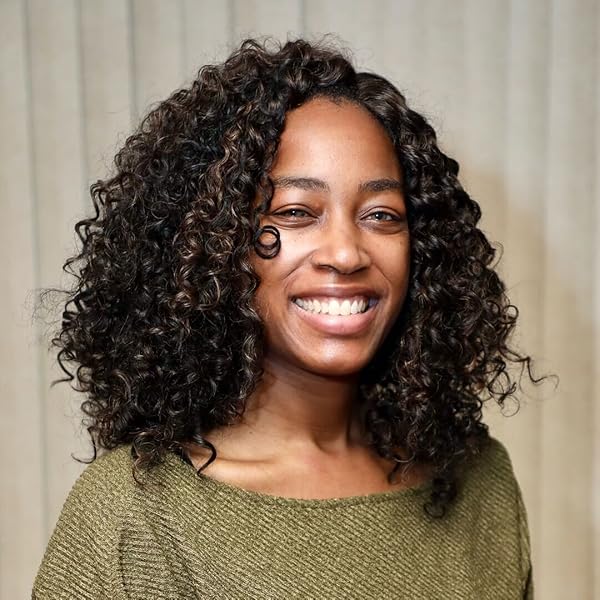
Find Me in Time: Meeting Columbus follows a group of friends with a magical treehouse who travel through time to see history take place in real life. What was the inspiration for the setup of your story?
The concept of time travel has always been fascinating to me, and I wanted to create a story that would not only entertain children but also educate them about important historical events. The idea of a magical treehouse that transports a group of friends to different eras seemed like the perfect way to make the story both magical and educational.
What was your inspiration for the characters and their relationships?
The characters’ relationships were inspired by my experiences growing up and my relationships with my peers. I wanted to show how a group of friends can work together to solve problems and achieve their goals. As society becomes increasingly diverse, I sought to reflect this reality with a wide range of relatable characters that could provide valuable insights and knowledge.
What were some educational aspects that were important for you to include in this children’s book?
Accurately portraying the historical events that my characters experienced was of utmost importance to me. To achieve this, I researched the era extensively and consulted with historians to ensure the details were precise. Moreover, I underscored the significance of learning from the past and how historical events influence contemporary society.
Furthermore, I intended to introduced students to the conflicting versions of history. It is crucial for children to comprehend that history is not always clear-cut, and that diverse perspectives and interpretations can shape our perceptions of the past. By delving into different viewpoints, my objective is to encourage critical thinking and instill a greater appreciation for the intricacy of history.
What will the next book in that series be about and when will it be published?
The next book in the series will take the characters to 1961 to explore the first lunar landing. I’m excited to take readers on this journey and show them what it was like to witness such a historic moment. The book is scheduled to be published in August 2023, so keep an eye out for it!
Author Links: GoodReads | Website
A normal day of hide-and-seek turns into a discovery of a lifetime when five young friends are transported back in time after finding a secret clubhouse at the top of a sycamore tree. Dubbing themselves the Tree House Club, Ashley, Emma, Keith, Aaron, and Harry learn that events of the past didn’t necessarily unfold the way they learned in school.
The treehouse has magical abilities that take Ashley and her friends to Guanahani in 1492, a time the kids requested to witness Christopher Columbus’s first arrival on his voyage to the New World!
There, the friends—dubbed the Tree House Club—meet the kind and generous Taino Lukku-Cairo tribespeople who welcome their new visitors with food and gifts.
It isn’t long before the Taino chief, Tiburon, and the Tree House Club friends see three sailing ships approaching. With history on their side, the kids realize it is the famed explorer, Christopher Columbus, who quickly makes his claim for the Taino’s native land for the Queen of Spain.
The kids soon learn that what their history books did not teach them was some of the lesser-known facts about Columbus, his greedy intentions in Guanahani—or San Salvador, as he named it—and his poor treatment of the humble Taino people.
But the children’s friendships with the Taino put their own lives in danger from the European colonists. Will the treehouse save them in time? Order your copy now and find out!
Production Was A Mysterious World
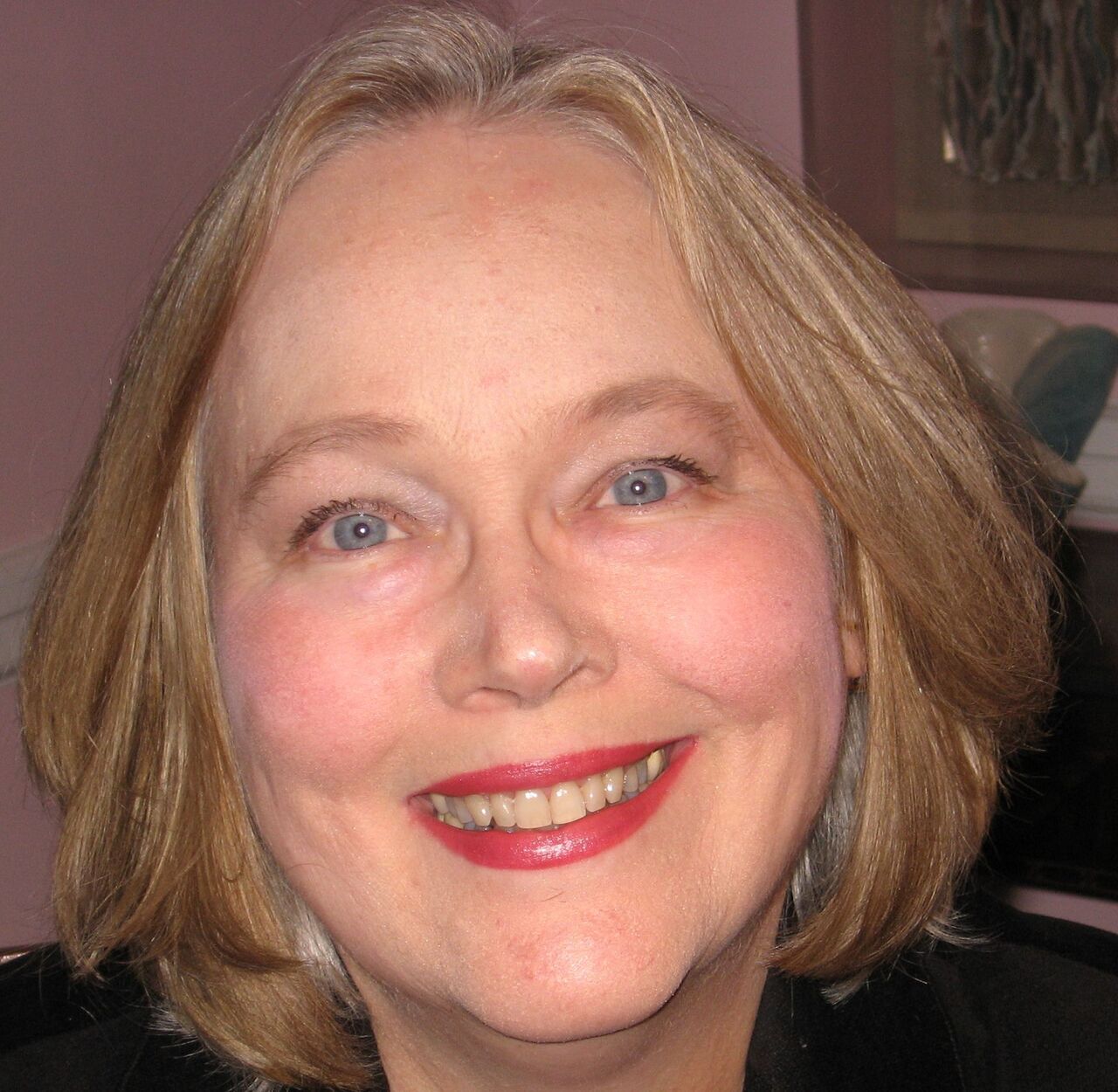
One More Seat at the Round Table follows an aspiring young woman who dreams of working in theatre and becomes an assistant to the production crew of Camelot. What was the inspiration for the setup of your story?
When I graduated from Michigan State, I was torn between pursuing a career as a writer or a singer. I was lucky enough to find a job as a publicist at a dinner theater in Boston which mainly hired me to write press releases. That job led to another publicity job at Goodspeed Opera House, then another at Syracuse Stage in Syracuse, New York, where I stayed for three rewarding years. (And yes, I continued with my singing lessons, since I was still on the fence about my vocation.)
At Goodspeed and again at Syracuse Stage, I found myself increasingly fascinated by the production side of theater, admiring those who designed and built the sets, handled the props, designed the costumes, and of course directed the shows since the director’s vision is central to any play’s success. The more theater I saw—by then I was regularly visiting Broadway—the more I understood that backstage professionals made the magic happen as surely as any actor in the spotlight. And yet production was a mysterious world that few were privileged to observe firsthand.
The drive to perform slowly evaporated. I continued with theatrical publicity and marketing, hoping to eventually write fiction, and in 2012 I published my first novel, The Voice I Just Heard, about an ambivalent soprano, a subject I knew intimately. Later, when planning my novel about Camelot, I thought it would be illuminating for my readers to offer them a gritty glimpse behind-the-scenes, so I made my protagonist a production assistant. Ironically, as I was writing my novel, my adult daughter decided to change her career path and is now training for the production side of theater. It’s a wondrous bit of synchronicity for me and our family. And by the way, the “one more seat at the round table” is for my female protagonist, Jane, who must struggle to make her way in the male-centric world of 1960 when only one in three women worked outside the home and few women worked backstage. (Does Jane earn her seat? You’ll have to read the book to find out.)
What was the inspiration for the relationship that develops between the characters?
The main characters in Once More Seat at The Round Table are Jane Conroy, the ambitious and resourceful production assistant I mentioned before, and Bryce Christmas, a gifted singer in the chorus who also understudies Lancelot. I sought to show the helplessness of their attraction—they both think it might be a bad idea to get involved with a colleague—and the difficulties of forging a romantic relationship during the chaos of Camelot in Toronto and Boston when the script is changing daily, songs are being cut, critics are carping, and two of the creators are hospitalized, librettist Alan Lerner with ulcers and director Moss Hart with a coronary. Sadly, Mr. Hart must quit, leaving the cast and crew in doubt about Camelot’s Broadway debut. This isn’t an ideal time to get involved especially since Jane and Bryce are also facing career concerns, and they need to decide if their attraction is a passing fancy or lasting love. I also introduce another couple, Sarah Wilkins and Dan Elsdon, who face a possible calamity when Sarah finds herself in a gut-wrenching predicament. Having been Jane’s college roommate, Sarah looks to Jane for help, and their sisterly bond allows me to explore the powerful gift of female friendship.
What research did you do for this novel to get it right?
I can honestly say I began researching my book long before I ever knew I’d write a novel. I fell under the spell of the original cast album which evoked the “one brief shining moment” in the mystical realm of Camelot. The music and lyrics were enchanting, spinning a tale of the young insecure King Arthur, his restless Queen Guenevere, the founding of the Round Table, and the queen’s tragic love for Arthur’s bravest knight, Sir Lancelot, an affair that scuttled the king’s dreams of a new moral order. I saw a touring production in 1963 and the Lincoln Center revival in 1980 with Richard Burton, who originated the role of Arthur on Broadway. I was utterly captivated. By then I had met an actor who’d worked in the original production and shared his charming stories and I’d played Guenevere in an amateur version that had borrowed the original sets—a huge thrill for me. Despite my passion for Camelot, however, I didn’t think of writing a novel about it until I read Alan Jay Lerner’s memoir, The Street Where I Live. That’s when I learned about the endless out-of-town troubles that nearly derailed the show before it reached Broadway. I subsequently read other biographies and memoirs that confirmed Lerner’s recollections. Before I began to write, I also spoke to actors and production people who knew the backstage layout of the O’Keefe Centre in Toronto and the Majestic on Broadway, and I visited the Boston Shubert: these are all theaters where Camelot played. My goal was to create a “you are there” ambience for my readers. I hope I did.
By his own account, Alan Jay Lerner had a miserable time writing his script, known as “the book,” and I was fortunate to get my hands on an early draft that was donated to the Ransom Center in Austin, TX by the show’s production stage manager, Robert Downing. It showed me some of Lerner’s false starts and many crossed out lines of dialogue, which offered insights into his writing process. For me, research is always great fun, but there comes a point when you need to set it aside and write from the heart as if your story is unfolding in real time before your eyes.
What is the next book that you are working on and when will it be available?
I’m finishing a novel called Annie Oakley in the Wild West about the great American markswoman and her thorny relationship with her longtime boss, William F. Cody, the eponymous founder of Buffalo Bill’s Wild West. You probably heard of the musical Annie Get Your Gun (which also became a movie) in which Annie Oakley competes with her future husband, Frank Butler, rowdily singing “Anything you can do, I can do better.” But the real historic competition was between Annie and Bill Cody, not Annie and Frank. (Butler was, in fact, glad to work behind the scenes as Annie’s manager.) I don’t feel any novel, movie, or the Irving Berlin musical has captured the conflict between Annie and Cody when they performed in England in 1887 for Queen Victoria’s Golden Jubilee. Since the 100th anniversary of Annie Oakley’s death will happen in 2026, I am aiming to release my novel before or during 2025. I’ve had such a great experience with Atmosphere Press I hope they’ll publish this book too.
Author Links: GoodReads | Twitter | Website
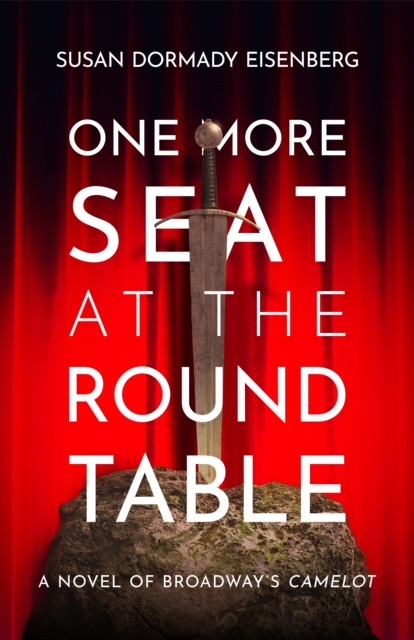
Amid the out-of-town chaos of the 1960 musical Camelot, a clever production assistant, Jane Conroy, tries to juggle her first theater job and her unexpected passion for a gifted singer in the chorus, Bryce Christmas. Part coming of age novel, part love story, part dish-filled history, ONE MORE SEAT AT THE ROUND TABLE follows the comic travails of Camelot from its New York rehearsals to its lackluster tryouts in Toronto and Boston to its disappointing New York debut.
The show’s creators Alan Jay Lerner, Fritz Loewe, and Moss Hart, and its stars Richard Burton, Julie Andrews, and Robert Goulet, struggle to save the tuneful tale of King Arthur’s Round Table as Jane and Bryce face professional and romantic complications. How Camelot becomes a belated Broadway hit is one of the surprises of this midcentury novel that combines the wit and whimsy of My Favorite Year and TV’s Smash with the backstage charms of Elizabeth Gilbert’s novel CITY OF GIRLS.
The Power Of Unconscious Forces
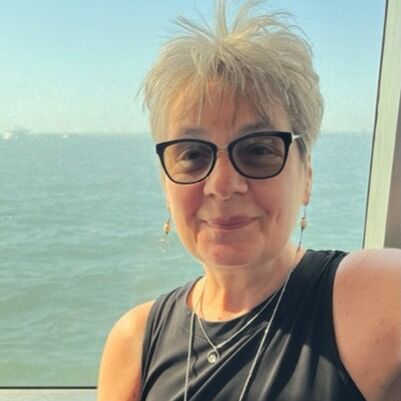
Triskele follows two siblings separated by abuse whose lives intersect with a psychoanalyst they both independently develop a relationship with. What was the inspiration for the setup of your story?
Coincidence and the power of unconscious forces were the kernels that drove the story. Bethany and Paul’s relationship was the necessary fulcrum upon which the entire drama would unfold. My premise was to establish that individuals are unconsciously drawn to seek out what they most ardently desire. Paul’s leaving home was a metaphor for anyone who has had a tragic family occurrence that ends with separation. Such “lost” persons frequently spend a lifetime making choices that are motivated by a wish to reconnect with that part of themselves that has vanished. I have observed such situations in my work and in my own family. Personally, it began when I discovered through happenstance that my mother’s brother, who had been killed in WWII, was someone she adored but rarely spoke about. On the day I graduated from psychoanalytic training, my mom told me that it was the same date as her estranged father’s birthday – whom I also never knew. This coincidence piqued my interest. I researched the family tree and eventually found out that the date in question was not my grandfather’s birthday but the date that my mom’s brother had been killed. I located his grave and paid my respects. His memory had been found, so to speak, after a generation of his absence. I believe this was the impetus for my story. Of course, I didn’t realize this until Triskele was completed.
Was there anything from your own life that you put into the characters in your novel?
We write about what we know as well as that which we are not consciously aware of but need to express. Psychoanalytic thinkers believe that writers are in touch with unconscious drives, and debut novelists frequently work through their conflicts in a first work of fiction. Because I am a psychoanalyst, most people assume that the character of Dr. Lillian Mitchell is the closest depiction of myself. However, the two siblings, Paul and Bethany, share aspects of my character, very much like every character in a dream.
What were some themes that were important for you to explore in this book?
I wanted to explore the concept of motivation as an essential component of human behavior. We don’t always understand why we do the things we do, and sometimes we can’t give them up or change them even when they don’t serve us. Psychoanalysis, I believe, is a vehicle that can help people to discard counterproductive tendencies once they come to know who they really are and why they do what they do. Through this process, individuals can change.
Is this the first book in the series? If so, when is the next book coming out, and what can your fans expect in the next story?
The core conflict of each central character was resolved, or at least on the road to resolution, at the end of Triskele. Therefore, I do not envision a sequel or series. I am currently working on a second novel about self-discovery and transgenerational secrets. It is not quite as dark. It is called Keys to the Castle and contains a bit of magic.
Author Links: GoodReads | Twitter | Website | Instagram
A bizarre tragedy drives ten-year-old Paul from his dysfunctional home, leaving his younger sister, Bethany, behind. Paul flees to his estranged father’s apple orchard where he discovers comfort and parenting for the first time. Two decades later, the long-lost siblings settle separately in NYC where a gifted psychoanalyst, Lillian, develops independent relationships with them as all three characters search for seemingly unattainable connection while carrying inescapable demons.
In Triskele by B. D’Amato, we experience a psychological story that takes us through generations to the research and art departments, galleries and art lecture halls of distinguished Franklin University; an idyllic upstate farm; heart-wrenching therapy sessions; a seminary and the raunchy crime and drug infested NYC streets during the early 1980’s. A kaleidoscope of settings provide symbolic backdrops for the complex, human desires of individuals struggling for emotional wholeness. The story explores the irrational behaviors people embrace and the apparently antithetical, yet underlying motives, for their actions. Rich dream material furnishes complexity and deepens perspective into the conflicts of each character’s internal world, all the while asking: where do we find grace?
The Drama Of A Personal Vendetta
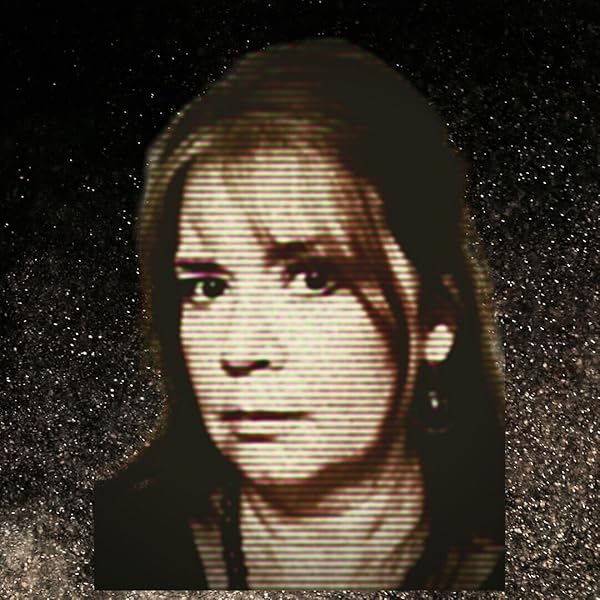
Harshest Dawn: Beyond Cascadia: Four follows a husband and wife who are trying to escape a sadistic enemy with a revenge-filled plan to destroy them. What was your inspiration for the wild journey you take readers on in this novel?
Harshest Dawn picks up plot threads that were laid in the second installment of the series, Eclipse Rising. I had readers tell me how much they liked the rapport between Owen and Sofia, plus how menacing they thought Hayden Singer was, so it felt natural to continue those themes. I also liked the idea of having the drama of a personal vendetta enacted against the broader elements of a realistic political scenario. As I got into the nuts and bolts of how this might play out, I really had fun setting up obstacles and narrow escapes for the characters!
Were you able to relate to your characters while writing them?
I always get inside a characters’s head as I’m writing, even the ones on the side. It was challenging emotionally to get inside the antagonist, Singer, but I felt he needed to be depicted as believable as possible. However, I think the character I related to most closely was Sofia, especially when she switched to ‘mama bear’ mode and became more engaged in the action.
What scene in the book did you have the most fun writing?
That’s a really tough question! I certainly enjoyed plotting Enrique’s rescue sequence, but overall, my favorite was the final escape scene, because I really felt I was alongside Owen and Sofia, holding my breath until the last line of that chapter!
Where does the next book in the series take the characters?
While the main plot of Harshest Dawn is resolved by the end of the book, it’s obvious there’s much more political intrigue and personal drama to explore. The setting will deal with the U.S.’s response to China and Russia gaining a foothold in Pacifica, but the main focus will be on Owen’s entanglement with the insurgent movement, and Singer’s lust for more power in the new country. Of course, those two goals are going to end up on a collision course!
Author Links: GoodReads | Twitter | Website
The progressive “Successor” party has seized control of the West Coast, further isolating the region from the decayed and feckless United States. Imposing their warped utopian vision on the defenseless citizens, the leaders of the new nation of Pacifica swiftly ramp up persecution of all social and religious opposition.
In a haven far from the chaos, American cyber defender Owen MacIntyre hears disturbing rumors about conditions in his former home, but there’s little he can do to help. Frustrated and powerless, he wonders if it’s time to abandon politics and focus instead on building a peaceful life elsewhere with his wife, Sofia.
But Owen’s ex-supervisor, Pacifica’s Chief Enforcer Hayden Singer, has other ideas. Even a world away, he has MacIntyre dead in his sights and is determined to make him pay for his disloyalty.
Thus politics becomes personal when the fugitive couple is caught in a revenge-fueled scheme that rips their family apart. Desperate and driven, Owen and Sofia will need every skill at their disposal—and some top-secret, risky new technology—to overcome the nightmare of Singer’s sadistic plans.
Although Harshest Dawn builds on the events in Eclipse Rising,the author includes enough backstory that readers new to the series will have no trouble getting up to speed and enjoying this fast-paced tale of high-stakes personal drama, played out against a backdrop of all-too-believable political turmoil.
The Connection Is Human Nature
From Evolution to God: An Integration of Faith Science is an exploration of the universe, human existence, nature, and contemporary life from the unique perspectives of religion and science. What were some ideas that were important for you to share in this book?
The most important idea is that there is a connection between God and science and that connection is human nature. Try as we might, we seem to need hierarchical figures to show us how to get along with one another, survive psychologically and understand how the world works. It isn’t a choice, but a mandate created by nature through the massive expansion of the human brain and its unavoidable tendency to ask questions and seek resolution.
What is a common misconception you feel people have about believing in science and still having faith in God?
That they are exclusive, that ‘belief” in one implies disbelief in the other. Yet when all is said and done the goals of both are the same. Healing, the need for psychological comfort in a tumultuous world, and the need to explain how the universe works – these are all aspects of both scientific and religious inquiry, and always will be.
What do you What is one thing readers take away from your book?
Whether in reference to recent ideas in theoretical physics (particularly the idea of entanglement – which suggests we cannot be objective observers or controllers, but rather are integrated into the natural world) or in reference to various religious texts, we are forced to be humble; not separate from the world, or superior to other creatures, but merely a thread albeit a very significant one) in nature’s overall tapestry.
Author Links: Amazon | GoodReads
Extreme Vulnerability

Learning to Feel is a personal story for you, sharing your path of emotional discovery and guiding others on how to do this as well. How hard was it to put this story out in the world for people to read?
This was a difficult book to write since it differs from all of my previous writing. I am accustomed to writing as a subject matter expert on topics from my field. Learning to Feel however was my first attempt to write a personal experience of exploration. Writing in a way that was not overly autobiographical (afterall the book is not really about me – but about the process of discovery) and yet revealing of the challenges I faced was a real tightrope walk. The most difficult part was when I submitted the book for reviews. I experienced a moment of panic and extreme vulnerability I had not felt before.
What were some ideas that were important for you to share in this book?
I think the things that are important drivers for writing Learning to Feel were a sensitivity for how so many of us today are numbed out by the pain, terror and violence evident wherever we look. At some point, many have just said “I can’t handle any more, so I don’t want to feel.” In addition, as a man who has been involved in men’s work and counseling men since back in the late 1970’s I am attuned to how men have been programmed not to feel and not to allow their thinking to be swayed by emotion. But the point here is that the warrior spirit is heavily attuned to emotions as part of our early warning system. SO I am hoping to reach a certain segment of the male population.
What is a common misconception you feel people have about feelings and emotions?
Many people say “I don’t let my emotions rule the day” meaning that when they get up and don’t “feel” like going to the gym, they summon the guts to do it anyway. However I submit that isn’t a feeling – it is a thought! And those folk, having denied their emotions, have also blocked access to their inner thoughts (the producers of emotions). I also think that many people believe that if they access their full array of emotions, they will be run by their emotions – that they will become “too emotional.” Nothing could be further from the truth. Emotions are natural and part of our evolutionary process. Everything we have as elements of our current life form has evolved for a reason and emotions are no exception. It is therefore incumbent on each of us to understand our emotions and the clues they provide about our thoughts and beliefs. That is where the real work is.
What is one thing readers take away from your story?
1. Emotions are natural and good. 2. Emotions provide us clues to how we perceive the world around us and therefore provide a path to how we can become more aware and effective in life by understanding our emotions and their antecedent thoughts and beliefs.
Author Links: Twitter | Facebook | Website



 LITERARY TITAN