Blog Archives
From Wounds to Purpose


Pain threads itself through every life. No one escapes it, yet our response to that ache becomes the defining choice. We can surrender to it and let it sculpt our identity, or we can press upward and reshape the narrative. From Wounds to Purpose embraces this truth and pushes deeply into its terrain. Readers carrying loss, heartbreak, or trauma will find a guide here, one that encourages honest reckoning, steady processing, and, ultimately, transformation. The book urges individuals to gather the fragments of their hurt and redirect them toward something constructive, even hopeful.
Sharon LaCombe Been’s work fits the self-help genre, but it doesn’t stay confined there. It stretches outward, functioning as a meditation on the human condition and a testament to what grit, intention, and inner resolve can accomplish in the face of what once felt immovable.
The author champions a courageous act: turning toward one’s wounds instead of burying them. Simple to articulate, difficult to live. Healing requires effort, and the author never pretends otherwise. Still, she offers practical pathways, approaches accessible to anyone, regardless of how deep or long-standing their suffering may be.
The book’s most striking strength lies in its universality. Heartbreak, bereavement, and sudden upheaval can halt a life in its tracks. Been writes with care and clarity, outlining ways to acknowledge these experiences without allowing them to dictate who we become or where we go next.
Not every reader will find the work easy to internalize, yet those willing to lean into its message may discover something transformative. Brimming with insight, resilience, and quiet encouragement, From Wounds to Purpose stands as a tribute to human courage and might be exactly the companion you need when life feels unbearably heavy.
Pages: 101 | ASIN : B0FR3P8SGQ

Miracles Beyond The Crowd

Miracles Beyond the Crowd is a heartfelt call to push past spiritual passivity and step into a faith that moves, reaches, climbs, and refuses to settle. Author Nico Smit weaves together vivid Gospel narratives with pastoral insight, showing how people who pursued Jesus with grit and hunger were the ones who encountered breakthrough. The book traces stories like the woman with the issue of blood, Bartimaeus, the paralytic lowered through the roof, and the Canaanite woman, and shows how each miracle came to someone who would not stay in the safety of the crowd. The message is simple and clear, yet full of fire. Faith walks. Faith presses in. Faith does not back down. Smit invites readers to become people who step toward Jesus even when blocked, ignored, or discouraged.
I was surprised by how personal the writing felt. The tone is warm and direct. It almost reads like a conversation with a pastor who refuses to let you drift into complacency. I felt challenged in ways that caught me off guard. Certain lines made me nod along, and others made me stop and stare because they hit something inside me. The stories are familiar, yet Smit retells them with a kind of urgency that made me feel the tension in each moment. When he describes the woman crawling through the crowd or the friends ripping open a roof to get to Jesus, I could almost feel the dust and desperation. The writing moves quickly and stays clear, and it stirred up old questions for me about what I have quietly stopped believing God for.
I also appreciated how honest the book is about resistance. Smit does not pretend that faith is polished or pretty. He talks about faith that crawls, shouts, stumbles, and keeps going anyway. I felt a kind of relief reading that. It made space for the days when hope feels thin, and the crowd feels loud. The tone is bold and I could feel it pushing me to examine the ways I settle for proximity to Jesus without actually pursuing Him. There were moments I felt encouraged, and others where I felt exposed in the best possible way. The writing carries a strong emotional pull. It made me want to stand up and believe again for things I had quietly filed away.
Miracles Beyond the Crowd is a passionate and stirring read. I would recommend it to anyone who feels stuck, weary, or spiritually dull, and especially to those who believe in Jesus but have lost the fire to chase after Him. It is a great fit for people who love practical faith stories, people who enjoy devotional style encouragement, and anyone longing for fresh hope.
Pages: 122 | ASIN : B0FX5ZH62M
The Eternal Bridge

The Eternal Bridge is a fantasy parable about a world healed on the surface yet still aching inside. The story begins three years after Geshriel becomes a living bridge that joins two once-hostile shores. People trade, marry, feast, and rebuild, and life looks whole again. Then small tremors shake the land, crops wither, and feasts feel thinner, and the community senses a deeper break between earth and heaven that no wooden span can fix. The book follows families like Fidel and Verita, Liberta and Dathan, and many others as they wrestle with grief, restlessness, and hope while they wait for Geshriel to return and complete the work he began. In the final movement, the bridge turns into a vertical path of light, the dead are raised, a radiant city descends, and the people find their true home in the presence of the Lamb and the Maker, in a union that feels final and yet ever deepening.
I felt pulled in first by the tenderness of the relationships. The marriages and families feel warm and lived in, and I cared about them very quickly. The scenes of simple daily life on the bridge, the artisan work, the trade, the shared meals, all carry a quiet glow. When the cracks appear in that paradise, the emotional punch hits hard, because the book has already convinced me that this community matters. The later reunions with lost children, spouses, and elders hit an even deeper nerve. The big theological ideas turn very personal there, because the hope of resurrection shows up not as an abstract promise but as a mother getting her baby back, or a couple finally freed from decades of guilt.
The prose leans lyrical and earnest, and sometimes it worked for me. The symbols are very clear, and the story rarely hides what it wants to say. The bridge, the orchard, the feast, the tremors, every image points to a spiritual theme. That clarity will comfort some readers. The early chapters linger on peaceful life on the bridge, and a few of those sections felt long, while the cosmic finale races by in a rush of visions, reunions, and worship. I enjoyed that ending.
I would recommend The Eternal Bridge to readers who love clear, heartfelt Christian allegory and who enjoy stories in the vein of C. S. Lewis’s The Great Divorce or classic devotional fiction. If you are hungry for a story that talks openly about loss, longing, reunion, and eternal hope, and if you like the idea of seeing big doctrinal themes lived out in ordinary families, this novel will likely move you.
Pages: 223 | ASIN : B0G4NYKT9J
The Living Bridge
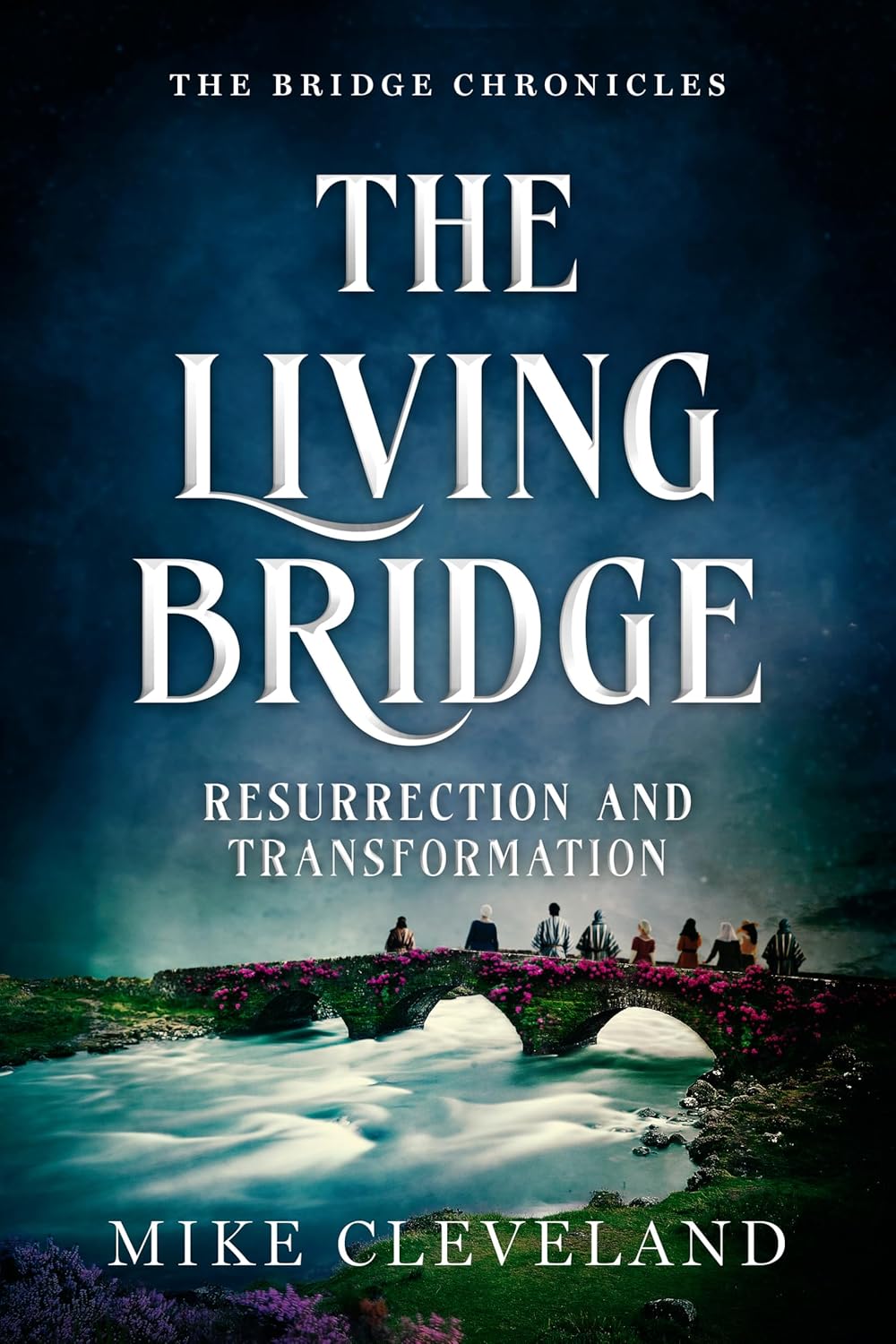
The Living Bridge is a work of Christian allegorical fiction that weaves together the stories of five broken people whose lives intersect in the shadow of a shattered bridge between Eastlight and Westshore. The book follows Mary, Lydia, Matthias, Cleopus, and Tamar as each carries grief, guilt, or despair to the riverbank where everything once fell apart. Their stories unfold in three movements that chart their journey from damage to darkness to eventual restoration, all centering on the arrival of a mysterious teacher named Geshriel, whose presence begins to mend what the earthquake destroyed. The opening chapters set the tone well, especially Mary’s torment under “Legion” and her stunning moment of deliverance, and Lydia’s aching exile from her family across the broken river.
As I read, I found myself reacting less to the plot mechanics and more to how the author frames suffering. Cleveland writes with a kind of steady compassion, letting each character’s pain breathe before offering any hint of resolution. Mary’s chapter in particular struck me. Her inner world felt raw and believable, and the moment her mind finally quiets when Geshriel calls her “beloved” is one of the more affecting scenes in the book. The prose is simple, almost plain at times, but it works because the emotional beats land without being dressed up. It felt like sitting with someone who has been wounded for so long they’ve forgotten anything else is possible. The author doesn’t shy away from darkness, but he also doesn’t exploit it. Instead, he uses it to build a kind of slow, patient hope.
There were moments when I paused, not because the story demanded it but because something in the writing touched on familiar human questions. Lydia’s longing for her daughters across an uncrossable river is written with a tenderness that feels lived-in rather than symbolic. Matthias’s crushing guilt over the collapse he caused, and the way he interprets every failure as further proof of his curse, could have felt melodramatic, but it didn’t. His scenes carried the weight of someone who can’t imagine forgiveness applying to them anymore. Cleveland seems most comfortable when exploring how shame isolates people, how grief reshapes their days, and how mercy begins as a voice they aren’t even sure they heard correctly. Sometimes the metaphors are quiet, sometimes they shine brighter, but they always feel in service of the characters rather than the other way around.
The book’s message is clear without being heavy-handed. The “living bridge” isn’t just a rebuilt structure but a person, a sacrifice, and a way back home. This won’t surprise readers familiar with the genre, but it still lands because the characters’ journeys make the message earned rather than assumed. If you enjoy faith-centered fiction, particularly stories that blend biblical echo with imaginative narrative, this book will likely resonate. Readers who appreciate character-driven arcs of healing and gentle spiritual allegory will find plenty here to sit with. And for anyone who has ever felt stuck on the wrong shore of their own life, the book offers a quiet reminder that bridges can be rebuilt, even when you’ve forgotten how to hope.
Pages: 227 | ASIN : B0FX5WS62Y

The Good News Novel, A True Story


The Good News Novel tells the story of Jesus in a vivid, chronological narrative that blends Scripture with dramatized scenes. It opens with creation, sweeps through prophecy and silence, and then plunges into the lives of Mary, Joseph, Zechariah, shepherds, and scholars as the long-promised Messiah arrives. The book moves from Bethlehem to Nazareth to Jerusalem with cinematic detail, giving familiar events fresh warmth and emotional clarity. It reads like a historical novel, but it stays rooted in biblical text, weaving theology into a story that feels immediate and alive.
As I read it, I kept noticing how the writing leans into sensory moments. The author pauses for dust in the air, trembling hands, cold nights, whispered prayers, and raw human fear. I felt pulled into the tender confusion of Mary as she fled to Elizabeth’s home. I felt Joseph’s heartbreak when he tried to make sense of what looked like betrayal. And the shepherds’ shock under that sky of blazing angels brought a real lump to my throat. The author’s style is simple and direct, but it carries an emotional honesty that surprised me. It avoids heavy theology in favor of scenes that let truth land in its own time, and I found myself reacting to these familiar stories with fresh awe.
The scenes in Heaven before the incarnation felt striking and almost intimate. The kitchen-table moments in Nazareth gave the holy family a warmth that felt gentle and real. And the conversations between young Yeshua and the rabbis made me grin because they captured both innocence and impossible wisdom. The book does lean into dramatic embellishment, which some readers might question, yet I felt those additions stayed respectful and added texture without losing the heart of Scripture. At times the tone becomes earnest to the point of intensity, but I didn’t mind it. It felt like the writer was trying to honor something sacred, and that sincerity came through.
I’d recommend The Good News Novel to readers who want a fresh and heartfelt retelling of the life of Jesus, especially those who enjoy biblical fiction or devotional storytelling. It’s great for people who want to feel the story rather than just study it. And it’s a lovely fit for anyone longing for a reminder that hope still breaks into ordinary places, sometimes in ways small enough to fit in a manger.
Pages: 319 | ASIN: B0FVVGQVP2
This Is For MY Glory: A Story of Fatherlessness, Failure, Grace, and Redemption

This Is For My Glory is a memoir that follows Stephen B. Glenn’s journey from a childhood marked by fatherlessness and emotional chaos to a later life unraveling under the weight of financial collapse, legal consequences, and deep spiritual searching. The book moves between scenes of his upbringing, his complicated relationships with the various father figures who entered and exited his life, and the months he spent in federal prison. It’s a Christian memoir about failure, love, trauma, and redemption. It reads like a blend of personal testimony and reflective narrative, a kind of spiritual autobiography wrapped in a story of loss and return.
The author’s writing is unpolished in a way that feels relatable. He doesn’t hide the messy parts: the shame of prison, the generational wounds passed down through his family, the way fatherlessness shaped every corner of his inner world. What struck me most was how he layered scenes from prison next to scenes from childhood. One moment he’s describing the cold shock of learning the man he loved wasn’t his father, and the next he’s sitting in a holding cell decades later wondering how he became the man who broke trust and ended up stripped of everything. That back-and-forth rhythm works. It shows how the threads of our early lives tug on us long after we think we’ve cut them.
His descriptions of his mother’s pain and volatility felt raw, almost like he was opening a wound that still hasn’t fully closed. And in other places, especially the spiritual reflections, the tone softens into something quieter and more hopeful. Whether or not you share his faith, those moments feel genuine. There’s a scene in the prison gym where he hears a worship song and breaks open, realizing that all the failures he thought defined him were only pieces of a longer story. That moment stays with you. I wish he had gone even deeper into certain relationships, especially the ones that shaped him as a young adult.
The book feels like listening to someone who has finally stopped running and is trying to make sense of what happened. If you appreciate stories of redemption that don’t pretend the journey is smooth, or if you’re drawn to narratives about overcoming generational pain and finding identity through faith, you’ll probably connect with this one. It’s for readers who value honesty, reflection, and the reminder that even the most broken chapters can lead somewhere worth going.
Pages: 237
Into The Arms

From the very first page, Into the Arms throws you straight into the storm. This isn’t a story told, it’s lived. We follow Rei, a girl clawing through her youth with an aching heart and sharp eyes, struggling to understand love, shame, and survival in a world that often turns its back on innocence. Author Angelica Lamb’s novel is part memoir, part emotional reckoning, a raw and lyrical unraveling of trauma, told through flashbacks, poetic fragments, and brutal honesty. We’re led from Rei’s early days at a cold Catholic boarding school through a series of shattering, formative experiences into womanhood. What holds it all together is a quiet inner light, dimmed but never out. The writing itself is jagged, unfiltered, emotionally dense, and it works.
Angelica Lamb doesn’t give you time to warm up or settle in. You’re tossed into Rei’s mind. Her pain, her longing, her awkward, tender, and often horrifying moments, every one of them slices through you. Some scenes, especially with Rei’s father or the grotesque acts at boarding school, made me physically squirm. And yet I couldn’t stop. The writing is wild. Sentences swerve, thoughts bleed into each other, and punctuation comes second to rhythm. It reads more like memory than fiction, fragmented, dreamlike, vivid. Lamb’s greatest gift might be how she makes trauma feel both intensely personal and alarmingly universal. I saw my younger self in Rei more times than I care to admit.
There’s barely a plot in the traditional sense, but the emotional thread? Oh, it’s there. It pulls you under and doesn’t let go. I loved the way Lamb lets Rei be a contradiction. Sweet and angry. Lost and wise. Scarred and still somehow soft. Her journey is filled with abuse, abandonment, awakening, and through it all, this persistent, haunting whisper: “You are love.”
If you’ve ever felt silenced, if you’ve questioned your worth, or carried shame that didn’t belong to you, then Into the Arms might just feel like someone seeing you. I’d recommend it to women healing from emotional or sexual trauma, to lovers of poetic memoir, and to those who find power in pain. It’s a hard read. A beautiful one. And one I won’t forget.
Pages: 416 | ISBN : 1036966186
Identity Crisis: Who Am I, Really?
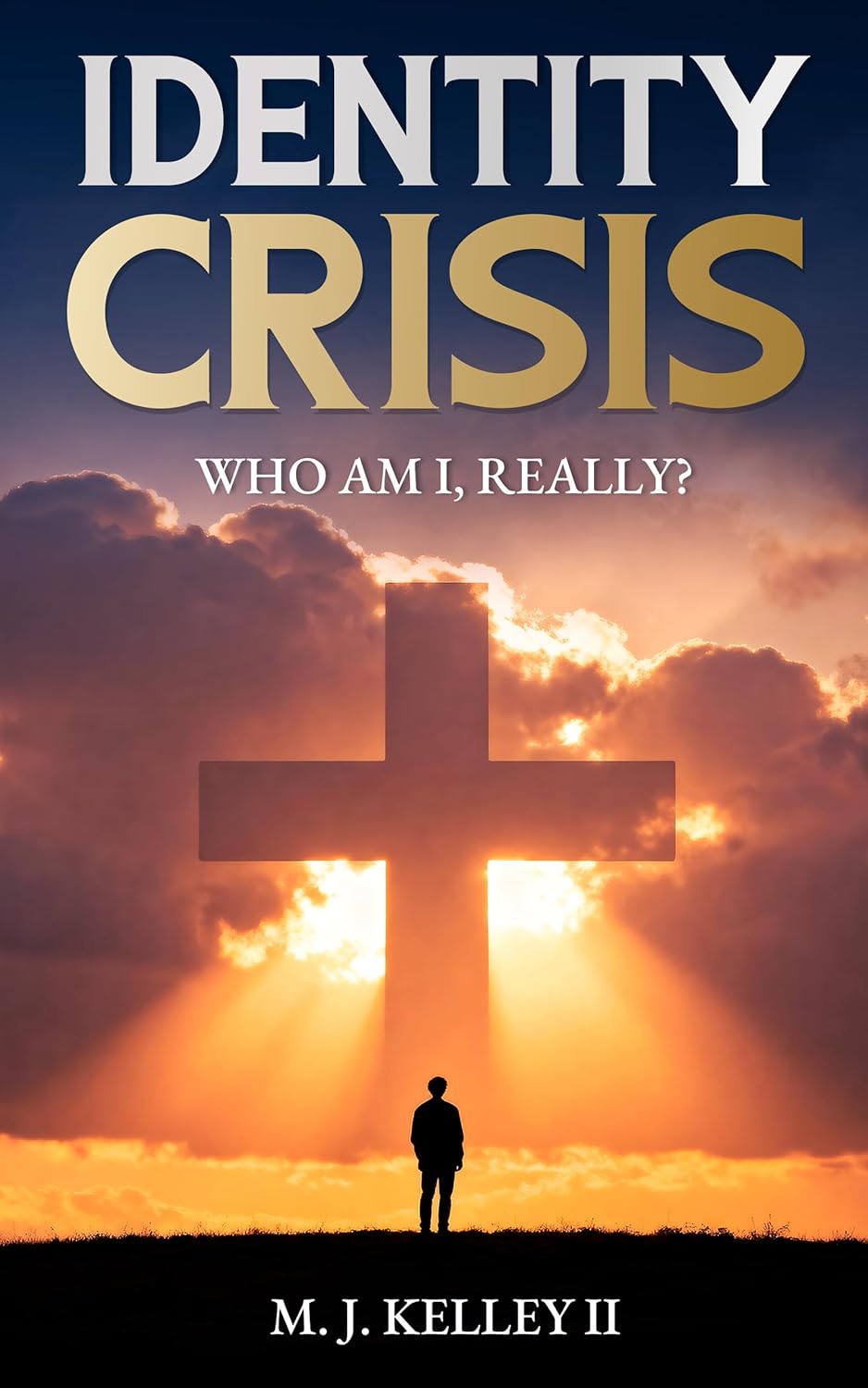
Identity Crisis: Who Am I, Really? offers a striking blend of memoir and theology, tracing one man’s journey from abandonment and anger to spiritual renewal. The author begins with a vivid recollection of his upbringing in foster care, marked by instability, neglect, and emotional wounds. His story unfolds through a lens of deep honesty, moving from survival and self-reliance to the gradual recognition of divine purpose. What begins as a personal account of loss transforms into a broader reflection on how individuals construct their identities in an age of distraction, performance, and comparison.
The opening chapter establishes both the emotional and philosophical weight of the work. When the author describes “the names I had been called were weapons,” the reader is immediately drawn into his internal conflict between strength and brokenness. His career as a police officer becomes a metaphor for control, an outward display of stability masking an inward fragility. This contrast anchors the book’s central theme: that human worth cannot be secured through achievement, image, or reputation. The author’s eventual encounter with faith reframes identity not as something earned, but as something received.
Beyond the personal narrative, the book engages thoughtfully with cultural issues. In “The Crisis of Identity,” the author critiques the social and psychological consequences of the digital age, arguing that social media’s obsession with validation has eroded authentic self-worth. His discussion of the “comparison trap” is particularly compelling, weaving together research on narcissism and mental health with theological reflection. The prose maintains clarity even when exploring complex ideas, inviting readers to think critically about how technology shapes the self.
One of the most powerful sections, “When Labels Become Limiting,” exposes the damage caused by societal categorization and contrasts it with the Christian understanding of identity as being “created in the image of God.” The author’s exploration of spiritual adoption, our becoming children of God with a new name and inheritance, provides the emotional and theological resolution of the narrative. This theme of restoration lends the book both its moral force and its hope.
Identity Crisis is deeply personal yet widely relevant. It speaks to anyone wrestling with self-worth, purpose, or belonging in a world that prizes performance over authenticity. The author’s courage in revisiting his past, combined with his grounded biblical insight, makes the work both reflective and redemptive. Readers seeking a thoughtful, faith-centered examination of identity will find this book profoundly moving and intellectually satisfying.
Pages: 241 | ASIN : B0G1NK5V76



 LITERARY TITAN