Blog Archives
When People Leave
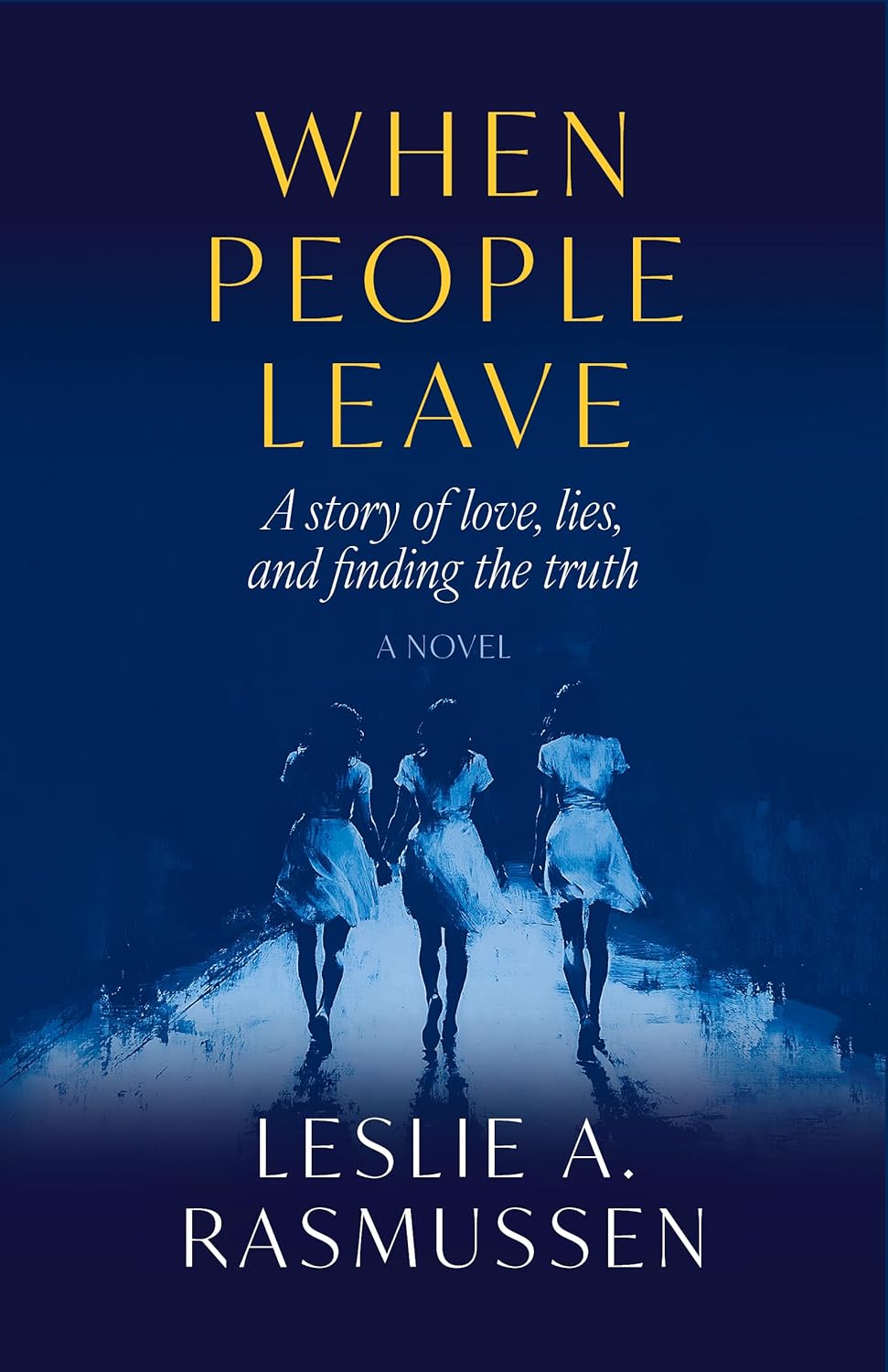

When People Leave by Leslie A. Rasmussen follows three sisters—Morgan, Charlie, and Abby—as they grapple with the shocking loss of their mother, Carla. After her unexpected death, what first appears to be a tragic suicide sets the sisters on a journey of grief, discovery, and long-buried family secrets. Alongside this mystery, the novel weaves in the sisters’ personal struggles: Morgan’s sobriety, Charlie’s crumbling relationship, and Abby’s overwhelming life as a young mother. Each chapter switches perspectives, layering the narrative with emotion, humor, and an exploration of what it means to really know someone you love.
From the very first chapter, I was hooked. Rasmussen’s writing feels natural, like a good friend sitting you down and telling you a story they have to get off their chest. Her dialogue snaps with authenticity, and the emotional beats land hard without ever feeling forced. I found myself laughing at some parts and genuinely tearing up at others. It’s rare for a book to feel this alive. The pacing was spot-on too; I never once felt bogged down or tempted to skim, which says a lot. Rasmussen nails the chaotic, messy beauty of family, and she doesn’t sugarcoat the ways love and pain can tangle together.
There were a few moments where the writing leaned on exposition, especially when digging into backstories. But honestly, I didn’t care that much because the characters were so real, so heartbreakingly flawed, that I would’ve followed them anywhere. I especially loved Morgan’s arc—her inner battles were raw and painful and, ultimately, hopeful. Rasmussen has a real gift for showing how healing isn’t a straight line but a looping, stumbling kind of journey.
When People Leave is one of those stories that lingers. It’s for anyone who’s ever wondered if they really knew their parents, or who’s ever struggled to forgive the people they love most. I’d recommend this book to readers who like emotionally honest fiction with lots of heart, a touch of mystery, and characters you want to reach through the pages and hug.
Pages: 311 | ASIN: B0DW751V7B

Locust Hill: A Romantic Family Saga
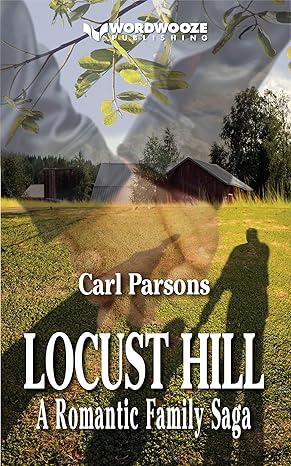

Locust Hill is a nostalgic, slow-burning romantic saga set in the rural landscape of West Virginia during the 1960s. Told through the voice of Cassandra “Cassie” Clark, a popular high school girl with big dreams and big-city expectations, the novel traces her unlikely love story with James Russell, a quiet, philosophical young farmer. What begins as a tutoring session in trigonometry unfolds into a deeply layered exploration of family, resilience, sacrifice, and the quiet kind of love that grows deeper with time. It’s a coming-of-age tale just as much as it is a love story—rooted in soil, memory, and legacy.
On the surface, it reads like a wholesome farm story, but Parsons writes with such clarity and charm that I was hooked by the end of chapter one. The first few pages in which Cassie describes her surprise attraction to the serious, slide-rule-toting Jim are full of heart and humor. The whole “fertility goddess” conversation made me laugh and then think way harder than I expected. Jim’s quiet wisdom stuck with me. He’s not just a farmer, he’s a philosopher with dirt under his fingernails.
One of the most touching and vivid sections is when Cassie visits Jim’s family farm. The way she describes the house, the land, the compost piles, the ducks, the guineas, it’s more than just descriptive. It’s loving. You can feel her world shifting as she walks through the barn or sees the warmth of Jim’s mother. Parsons doesn’t romanticize farm life. He honors it. He shows how the land, like love, takes patience, work, and guts. There’s a part where Jim says the garden “informs the fields,” and I had to pause and take that in. It’s a beautiful metaphor for how small efforts, like relationships, can grow into something sustaining.
Some chapters drift like a slow river, and if you’re expecting non-stop action, this might feel a little sluggish. But that’s kind of the point. The pacing mirrors the farm life it describes—seasonal, methodical, purposeful. There’s real tension beneath the calm, especially when the story veers into environmental issues in later chapters. Still, it’s the romance that held me. The way Jim proposes at the creek, under budding trees, made my heart melt. It’s tender without being sappy, and just the right amount of awkward.
I’d recommend Locust Hill to anyone who loves character-driven stories, rich settings, and quiet, meaningful drama. If you enjoy books where not much “happens” but everything matters, you’ll feel at home here. It’s especially perfect for readers who miss the days when love stories were more about soul than spark. This isn’t a whirlwind romance, it’s a slow build that feels earned. Like a good harvest after a long, hard season.
Pages: 220 | ASIN : B0DVCFPM4M
Those Who Live
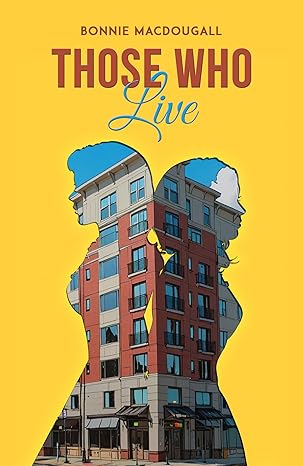
This book got its hooks in me right from the first chapter. Those Who Live follows two cousins, Chinle and Mae, who stumble onto a chilling family secret—six baby girls, all born into their family, all dead in infancy, and nobody wants to talk about it. When Mae and Chinle start digging through old diaries and confronting family members, they open a Pandora’s box of dark history, secrets and, let’s just say, not-so-trustworthy narrators. The story is told through a mix of diary entries, interviews, and personal accounts, which gives it a raw, almost documentary feel. But don’t let that fool you, this book is anything but dry. It’s eerie, emotional, and absolutely gripping.
Bonnie MacDougall has this way of making everything feel so personal, like you’re sitting in the room with Mae and Chinle, listening to them argue about who makes the next phone call or watching them lay out their case like true detectives. The dialogue is sharp, and the characters especially Chinle, have real depth. Chinle, with her physical struggles and razor-sharp mind, is one of the most compelling characters I’ve read in a long time. There’s a moment when she starts having visions of an old trauma (was it really an accident, or was she pushed?), and that absolutely floored me. The way MacDougall weaves together past and present makes the tension constant. I couldn’t stop flipping pages.
The mystery itself is layered. One of my favorite parts is when they meet their cousin Maple-Syrup (yes, that’s her real name), an alcoholic with a chip on her shoulder the size of a boulder. She’s got sass for days, and her interactions with Mae had me laughing and cringing at the same time. But she also holds pieces of the truth, and when she finally starts opening up, it’s heartbreaking. The book keeps you guessing. Every family member seems to have a version of the past that doesn’t quite line up. And then there’s Theresa’s diary (wow), which is honestly one of the most disturbing and fascinating pieces of the whole book. It completely shifts the story into something even darker than I was expecting.
By the time I reached the end, I was emotionally wrung out. But I loved it. Those Who Live isn’t just about solving a mystery, it’s about family, trauma, and the weight of unspoken history. Fans of true crime, family sagas with a dark twist, or anything Gillian Flynn-esque will eat this up.
Pages: 298 | ASIN : B0DS9RFGP6
CROSSING BORDERS AND GENERATIONS: One Man’s Journey To Search For His Ukrainian, Greek, And Bulgarian Roots

Kiril Kristoff’s Crossing Borders and Generations is a masterfully crafted fictional memoir that chronicles the lives of multiple generations of the Kakhovskiy family. At its heart is George Kakhovskiy, a Bulgarian native who, at just sixteen, escapes the oppressive grip of communism and emigrates to America. In this new world, he fights to survive, driven by the dream of a better future. However, through a surreal twist of fate following a car accident, George and his teenage grandson embark on an extraordinary, otherworldly journey—one that allows them to relive George’s past and trace the profound impact of immigration on their family’s history.
Kristoff’s use of innovative narrative techniques elevates the storytelling, making George’s life unfold in an immersive and deeply emotional way. The supernatural journey shared by George and his grandson, Alex, serves as a compelling literary device, allowing readers to experience George’s struggles, triumphs, and sacrifices firsthand. More than a mere retelling, it becomes a deeply introspective exploration of generational resilience and the enduring consequences of leaving one’s homeland.
Themes of displacement, perseverance, and the pursuit of the American dream permeate the novel. As Alex observes his grandfather’s past, he gains an appreciation for the hardships George endured. The novel effectively captures this realization and moments like these bridge the generational gap, transforming historical struggles into personal revelations.
One of the novel’s most striking elements is its ability to convey emotion through memory. The re-experiencing of George’s past does more than recount events, it immerses the reader in his emotional reality. Kristoff’s skill in translating raw emotion into words, allowing the reader to step into the mind of a man who has lived through exile, hardship, and ultimate resilience is unmatched.
Beyond George’s personal journey, Crossing Borders and Generations skillfully examines how immigration shapes an entire lineage. The novel portrays the pain of separation, the struggle to adapt, and the complex emotional landscape that immigrants and their descendants navigate. George’s mental health, his son’s feelings of alienation, and the often-complicated father-son dynamic all intertwine to form a rich, multi-layered narrative. Yet, amid the adversity, the novel celebrates the enduring strength of the human spirit and the invaluable privilege of freedom—something often taken for granted by those born into it.
Kristoff’s novel is a captivating and inventive take on the memoir genre, skillfully blending fiction with personal history. Through its unique structure and poignant storytelling, Crossing Borders and Generations offers a compelling glimpse into Bulgaria’s past and the lived realities of those who sought a better future beyond its borders. Thought-provoking, deeply moving, and beautifully executed, this book is a must-read for anyone interested in immigration narratives, family sagas, and the timeless quest for belonging.
Pages: 314 | ASIN : B0DC4QR89S
Baby Number Three

Tamara Chavalle’s Baby Number Three, the sequel to But Baby, You’re Worth It, offers an engaging continuation of Tabitha Powell’s journey as a single mother. Tabitha is raising her thirteen-year-old daughter, Rose, and seven-month-old son, Max, in a small apartment in her mother’s home in suburban Sydney, Australia. Determined to expand her family, Tabitha faces a challenge: a traumatic birth experience with Max has left her unable to carry another child. Undeterred, she shifts her focus toward finding a surrogate and navigating the complex and emotionally charged path that follows.
Chavalle’s writing is both captivating and emotionally resonant, making Tabitha’s struggles and triumphs compelling from start to finish. A central theme is Tabitha’s belief in the idea that everything happens for a reason, even when the reasons remain elusive. This perspective provides her with the strength to confront life’s many obstacles, resonating deeply with readers. Unexpected twists and turns in the narrative kept me invested, eager to uncover how Tabitha’s journey would unfold for herself and her family.
I found the exploration of Australian surrogacy laws intriguing. In Australia, commercial surrogacy is illegal, meaning that surrogates must act out of altruism rather than for monetary compensation. This legal and cultural distinction added depth to the story, as Tabitha’s quest to find someone willing to carry her baby took on a unique and heartfelt dimension. The emotional and ethical complexities of altruistic surrogacy were woven seamlessly into the plot, enriching the reading experience.
One element of the story that I liked was Tabitha’s approach to seeking a surrogate. She wrote emails to close friends and family members, asking if they would consider helping her. While this method may have felt natural to Tabitha, it struck me as impersonal for such a monumental request. Asking someone to carry a child is deeply significant, and I felt such a conversation warranted an in-person discussion. This disconnect added an interesting layer to Tabitha’s character but also left me questioning her choices.
At times, the narrative felt slightly repetitive, especially when detailing the endless hurdles in Tabitha’s path. However, that may also be the point. It mirrors the cyclical nature of her struggles and triumphs. Moments of humor, like her interactions with other parents or her wry commentary on modern dating, provided welcome relief and added texture to the story.
Baby Number Three is a heartfelt exploration of resilience, family, and the lengths one woman will go to fulfill her dreams of motherhood. Tamara Chavalle skillfully balances emotional depth with cultural insight, crafting a story that is thought-provoking. The novel’s charm and complexity make it a memorable read.
Pages: 226 | ASIN: B0DR56JK2H
Fan of Historical Novels

Hard Road to Freedom follows a Union officer through his imprisonment into the political and social aftermath of the Civil War. What inspired you to write this book?
Having taken a course on American history while at university, I became interested especially in the events leading to, during, and after the US Civil War. This interest was revived 50 years later when my dying mother asked me to write a bio. I refused, saying if I did so. I’d be arrested. We laughed but having done so I remembered my student interest in the Civil War and thus inspired, started to write, not knowing that I had so little time to present something worthwhile to my mother (who was also a fan of historical novels) before she passed on.
What were some of your inspirations as a writer?
First of all, I don’t consider myself to be a competent writer as such. I am more of a poet as my 4 books of poetry will attest to. With that said, other than my mother, my inspirations were fine writers such as Margaret Mitchell, John Jakes, Ernest Hemingway, Arthur Hailey, Alex Haley, James Michener, and my father Anthony Carter who wrote 4 illustrated books on native legends of British Columbia.
How much research did you undertake for this book, and how much time did it take to put it all together?
For 4 months, writing from 5 am to 10 pm every day (thousands of hours doing research) I finished books 1-3 just in time for my dying mother to read them. Book 4 was written a month later. The next 17 years was spent editing and re-writing (I suffer from mild dyslexia, two-finger typing, and now old age ..I’m 79), and then a few years ago I added illustrations to each book.
Can you give us a glimpse inside book 4 of the Matari series? Where will it take readers?
Full of action-packed suspense, Book 4, The Bastard Ground, was written mainly because my readers at the end of Book 3 were left wondering if the villain Lucas Garrow having fallen into the rapids of the Tennessee River had somehow escaped due justice. Thus provoked I wrote Book 4 as a post-Civil War ‘western’ to conclude the series with a satisfactory ending. Book 4 deals with the reconstruction phase that occurred when the Confederates were defeated on the battlefield but not in their hearts or minds. As a result, the Jim Crow laws persecuted blacks south of the Mason-Dixon line and to some extent north of it. Blacks also suffered the violence of the KKK and others so inclined. Through lynching, intimidation, the Lost Causers, and other racist methods, the defeated attempted to regain their honor as exemplified in Lucas Garrow. To counter this persecution, utopian colonies sprang up, Harambee being just one of them. Book 4 will satisfy those readers willing to partake in a wild and unpredictable adventure that personifies the times in which they occurred.
Author Links: Website
River Town: Wellsville Ohio
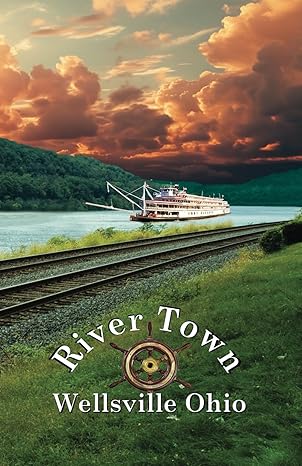
River Town: Wellsville Ohio, by David Navarria, is a multi-generational historical narrative set in a small industrial river town that was essential to America’s growth. Based on his mother’s memoirs, diaries, and dictations, Navarria chronicles the lives of various families in Wellsville, Ohio, with a focus on themes of survival, war, and humanity’s darker side. The book spans pivotal moments in American history, from the town’s contributions to two world wars to the struggles of settlers and immigrants. The story moves between personal accounts, romance, crime, and war, shedding light on the human condition and the costs of building a nation.
What stands out to me is the sincerity and passion Navarria pours into recounting his family’s history. The writing, especially in the early chapters, does an excellent job of capturing the grim realities of life in a small industrial town, with vivid descriptions of Wellsville’s growth, its atmosphere, and its people. For example, in the opening scene, the fog-covered streets and the interaction between Pip and the towering Irishman McElhenny evoke an eerie, mysterious mood. Navarria’s style can be heavy at times, but the detail adds richness to the setting, pulling readers into the life of this river town.
Navarria shifts between narrative styles, sometimes diving into lengthy historical exposition, then moving to personal anecdotes, like Luigi Massaro’s escape from a vengeful duel in Sicily. While the historical context is interesting, I found myself more drawn to the personal, emotional stories of individual characters than the broader history of Wellsville.
One of the book’s strongest aspects is its portrayal of complex characters and their moral struggles. The violence, especially in the context of war and survival, is unflinchingly depicted. Navarria doesn’t shy away from showing how brutal life could be for both men and women, as seen through the brutal duels and raw family conflicts. I appreciated that the author remained true to his mother’s accounts, not sugarcoating the harsher aspects of life. While the book is filled with darkness and hardship, there is also a strong undercurrent of redemption and resilience, particularly in the characters who are fighting for survival.
River Town: Wellsville Ohio is a heartfelt and dense historical account that would appeal to readers interested in American history, family sagas, and personal stories of redemption. The historical accuracy combined with the emotional weight of the personal narratives makes this book particularly meaningful for anyone with a love of family history or small-town America.
Pages: 562 | ASIN : B0DBKJ9719
Bridges Between Our Hearts

Bridges Between Our Hearts, by Jennifer Collins, is the poignant conclusion to the Love That Does Not Die trilogy. Set against the backdrop of post-pandemic recovery, the story explores Larissa’s journey as she reconnects with her family, navigates complex relationships, and finds solace in her memories and the act of writing. Readers gain intimate insights into her struggles and triumphs through her diary entries, making this a deeply emotional and relatable narrative.
Collins’s writing is rich and evocative, immersing the reader in Larissa’s inner world. Her prose is both lyrical and accessible, making complex emotions and situations resonate on a personal level. One of the standout aspects of the book is how Collins portrays grief and healing. For instance, Larissa’s reflections on her daughter Emma, who passed away, are heart-wrenching yet filled with a sense of enduring love and connection. This is particularly evident when Larissa participates in a TV show discussing Emma and the tribute song written for her, where she shares her fears and the beauty of her daughter’s legacy.
The novel’s structure, alternating between diary entries and narrative storytelling, allows readers to directly experience Larissa’s raw emotions and thoughts. This format adds a layer of intimacy and authenticity, making the characters’ experiences feel more profound. The scenes where Larissa interacts with her family, especially her grandchildren, are touching and realistic. For example, her relationship with her granddaughter Beth is beautifully depicted through their shared moments and the special “birthday in a tote bag” tradition, highlighting the depth of their bond and the legacy of love Larissa aims to leave.
While I enjoyed the story, I felt that there were moments where the pacing felt somewhat uneven, particularly when transitioning between memories and present events. While these shifts are essential to understanding Larissa’s character development, I think they occasionally disrupt the narrative flow. Despite this minor issue, the book’s emotional weight and heartfelt messages remain impactful. Collins effectively uses these transitions to underscore the theme of bridging past and present, showing how memories and current experiences shape Larissa’s journey.
Bridges Between Our Hearts is a heartfelt exploration of love, loss, and the enduring connections that define our lives. The author captures the essence of familial bonds and the healing power of writing. This book is highly recommended for readers who appreciate deeply emotional narratives and those who have followed Larissa’s story from the beginning of the trilogy.
Pages: 291 | ASIN : B0CRXJ357K




 LITERARY TITAN