Blog Archives
A Bold Bargain


A Bold Bargain follows Jack Blaine, an eighteen-year-old conservation agent in 1950s Missouri who keeps stumbling into danger, mystery, and unexpected connections. The story moves between tense encounters with poachers, the quiet bond between a boy and a half-wolf pup, and Jack’s growing involvement with vulnerable people near the Sac River. The book blends rugged outdoor life with soft moments of compassion, and it ties everything together with a thread of personal history that Jack can’t quite outrun.
Jack’s mix of grit and gentleness lands with a real thump in the chest, and the writing makes his inner world feel close enough to touch. The scenes along the river pulled me in fast. The pacing shifts from calm to sharp in a blink, and that rhythm kept me turning pages even when I told myself I should stop. The dialogue feels natural, plain spoken, and warm. I liked how it brought out the heart of the community around him. No big speeches. Just people trying to make sense of life as it comes.
I also felt a tug of emotion watching how Jack steps into other people’s pain without hesitation. His encounters with Mrs. Fletcher and the French family hit me harder than I expected. The writing paints poverty, loneliness, and aging with a simple brush, and it still lands heavy. Nothing feels overplayed. I appreciated how the book lets kindness show up quietly, almost shyly. At the same time, I wanted just a touch more complexity in a few side characters. Still, the sincerity in the storytelling made me forgive that pretty quickly. I could tell the author cares deeply about these people and this place, and that care shines through.
A Bold Bargain is a book for readers who enjoy heartfelt stories set against open sky and rough country roads. If you like character-driven tales with danger, tenderness, and a little old-fashioned grit, this one will be perfect for you. In many ways, A Bold Bargain reminded me of Where the Crawdads Sing, because both stories mix raw nature, quiet resilience, and the fierce pull of human connection into something that stays with you.
Pages: 346 | ASIN : B0FD7VSY68

Let the Story Unfold

Forbidden Runes follows a girl stolen from her royal past and raised in hiding, who grows into a bold young woman using forbidden rune magic to save others, till she is faced with the man she both fears and loves. What was the inspiration for the setup of your story?
My inspiration for this novel was a combination of a couple of TV shows that I was watching at the time, along with a few novels that I was reading or had read. Your review seemed to pick up a couple of those inspirational items, which surprised me. I did not believe that I was successful in adding those elements into the story, but I am happy to see that I did.
I find the world you created in this novel brimming with possibilities. Where did the inspiration for the setting come from, and how did it change as you were writing?
I don’t want to give too much away, but the setting came from the thought of what happens to magical places when the magic starts dying out. I set this on a ‘small island’ in this world. The magic is dying, although the characters don’t know it. The thing I love about science fiction and fantasy is that I can make anything happen. I hope the changes that take place in the next book will surprise the readers.
What were some themes that were important for you to explore in this book?
I don’t write like other authors. Most authors begin with an outline, with themes, etc. When I write, I base my story on a character and how that character shows me events unfolding. In this book, I didn’t start with a main theme. I knew I wanted it to be on the love story for Anna and Ben, and I knew I wanted the Rune powers to be prevalent. After that, I let the story unfold as I wrote.
When will Book Two be available? Can you give us an idea of where that book will take readers?
I am working on book two now and hope to have it ready by September 2026 (if my day job doesn’t get too busy). Book Two will bring to light that the magic was slowly dying off and how they can bring it back to life. It will also expand the setting greatly. More information on the Rune powers will be brought to light along with a few new characters.
Author Links: GoodReads | Facebook | Amazon
Ben has been hoping that one day he will find his missing childhood love. He never dreamed that they would find her smuggling a caster child out of his kingdom. Now his struggle is to get her to remember her past, avoid a marriage to the new princess of the bordering kingdom, solve the blight issue with his crops, and reunite the two kingdoms. Can his love for Anna be enough to solve all these problems?
Trade-Offs

Crossfire follows a high-powered executive who is struggling to juggle corporate pressure, family expectations, and the uneasy beginnings of an environmental partnership that pushes her boundaries. What was the inspiration for the setup of your story?
I am fascinated by the impact of each choice we make in life, and each benefit requires a sacrifice, no matter how small. I wanted to use the green energy debate to show how small decisions really add up over time. For the series inspiration, I think we have so many books focused on coming-of-age stories, decisions that define the original trajectory of a life in early adulthood, but few dealing with middle age, which is where I wanted to focus. This first book series looks at a woman in the middle of her life, reflecting back on all those trade-offs she’s made—like choosing career over family, or balancing what she believes about the environment with what’s actually practical. I was most inspired by the idea that all these choices we think are separate actually connect and end up shaping where we land in life, but one or two different decisions can change everything at any point.
There was a lot of time spent crafting the character traits in this novel. What was the most important factor for you to get right in your characters?
It was important that Moirin, the main character, remained deeply committed to her convictions while being unyieldingly tough and independent in the workplace, yet vulnerable and yearning in her personal life.
What were some themes that were important for you to explore in this book?
This series explores the experiences of women in midlife, and a common theme is the impact of life choices, such as prioritizing work over having a family or vice versa. I wanted to explore this with the extra layer of the moral, ethical, and financial choices made on behalf of a corporation. Every choice each of us makes impacts not only what we expect, but often has implications we could have never imagined. The results end up being our legacy in life, and the ultimate choices Moirin made.
What will the next book in that series be about, and when will it be published?
The next book in the series follows Jo Sanderson, Moirin’s best friend, who is dealing with the midlife financial challenges of a widow who loses her job, but a deeper struggle is at play with overcoming decades of loss and grief. As a result of her history, she developed a people-pleasing personality, constantly seeking to support the dreams of others, even those deceased, at the sacrifice of her own. It’s another story of growth that has a lot of cowboy and Wyoming outdoor influences. It will be available by mid-year 2026.
Author Links: GoodReads | X (Twitter) | Facebook | Website | Amazon
Everyone around her marked the passage of time through celebrations of weddings, anniversaries and graduations, measuring life success through joy in family portraits. Everyone else had a life with husbands and wives, children, grandchildren. Moirin has a cat named Orson.
After decades spent building her grandfather’s Denver-based energy company into an international corporation, she’s poised to be the next CEO, when the Board of Directors announced a rigorous vetting process, ostensibly to avoid nepotism. It should have been a formality, but the challenges of an environmental impact study, resolving a string of increasingly suspicious management issues, and a vindictive business associate aren’t helping her pass their scrutiny.
When she meets a state brand inspector and team roping cowboy, his pragmatic outlook and life philosophy challenge her ideas about environment, life, and legacy. On the verge of achieving everything she’d worked for, Moirin Garrett wonders – had she made the right choices in life? At this stage, was it too late to change her legacy?
Ghosts and Baklava


Ghosts and Baklava follows Rehan Monsoor, a thirty-something Pakistani American “numbers guy” who thinks his biggest problem is getting a promotion at Nexus Billing. He is fired instead, and a weird chain of events drops him into his uncle’s struggling restaurant, Baklava Express, where ghosts, jinn, and a doomsday cult keep showing up with very personal plans for him. The story jumps between his teenage dare in a haunted “Spook House,” his present-day fight against a vengeful jinn and a group called the Ten, and his slow-burn love story with Wava, the girl he crushed on in high school and never quite forgot. Food, family drama, creepy magic, and wisecracking horror scenes all swirl together until Rehan has to decide what kind of “merchant” he is and who he wants next to him when the supernatural countdown hits zero.
I had a lot of fun with the voice in this book. The narration sounds like a friend telling you an insane story. Rehan cracks jokes when things get tense, and the humor stays pretty sharp, even when people are literally catching fire in front of him. The dialogue moves fast and feels natural, and the running gags about 90s music, Vanilla Ice, and Desi aunties gave the whole thing a warm, familiar vibe. Sometimes the banter leans a bit heavy, and a few emotional beats get undercut by a punch line, but the mix of horror and rom-com mostly lands. I also liked how clear the action scenes felt, even with cultists, ghosts, and flying furniture in the same room. The pacing dips a bit in the middle when the lore around the jinn and the book of spells gets explained, yet the story never fully stalls, because the character chemistry keeps pushing it forward.
Rehan’s “cursed mark” and the Spook House incident read like a metaphor for that one bad choice or trauma you keep dragging behind you, even after you grow up and get a corporate ID badge. His fear of being ordinary, his obsession with the promotion, and the way his whole identity collapses when he gets fired all feel uncomfortably real. The supernatural trouble almost feels like anxiety made physical, something that creeps out of old stories your parents told you and refuses to stay imaginary. I really appreciated the way the book treats community, too. The Desi family stuff, the restaurant regulars, the blend of faith, superstition, and everyday hustle, all give the horror weight. The jinn is scary, but the cult’s willingness to sacrifice other people for their “Harvest” feels like the more pointed commentary. It is about how far people will go when they convince themselves they are chosen or special.
I’d call Ghosts and Baklava a lively, heartfelt supernatural rom-com with some surprisingly grounded thoughts about failure, faith, and second chances baked into all the chaos. It fits readers who enjoy character-driven stories, pop-culture jokes, and mashups that put jinn, cults, and awkward Desi family dinners in the same scene without blinking. If you like your spooky reads with romance, comfort food, and a main character who copes by oversharing, this book is a pretty tasty pick.
Pages: 374 | ASIN : B0FRZPYGW1
Soul of the Saviour

Soul of the Saviour drops you into a wild mix of brutal training grounds, smoky alleys, ancient magic, and the strange heat of Hell itself. The book follows Saxon Payne as he crawls back into life after years in a mystical retreat. It weaves through his past, the rise of lethally gifted assassins, demonic lovers, grim prisons, tender memories, and the looming clash between Heaven, Hell, and everything in between. It moves fast and swings between action, horror, and raw intimacy. Sometimes it feels like half spiritual odyssey and half grindhouse myth. I found myself swept up in the momentum because the story rarely slows down enough for you to catch your breath.
The writing goes for broke. Scenes in Hell’s kitchens shimmer with disgusting brilliance, and scenes of training in the mountains bristle with physical grit and stillness. There is a real commitment to showing bodies under strain and souls under pressure. The prose jumps from grim to tender in a heartbeat, and it gave me that sense of watching someone flip through different emotional filters just to see what hits hardest. The violence is bold. The sensuality is bold. The humor sneaks in with a wink. I liked how messy it all felt, because it made the characters feel lived-in and not staged.
The whole thread around becoming more than human through suffering made me uneasy and fascinated at the same time. I found myself rooting for characters who should have terrified me and shaking my head at choices that were obviously doomed. The story loves duality. Hope beside despair. Faith beside hunger. Love beside something darker and stranger. Sometimes it veers into excess, and sometimes the emotional beats come so fast I had to take a moment to reorient. But even then, I felt drawn along by the sheer confidence of the storytelling. It feels like the author trusts you to surf the chaos, and I liked that.
By the end, I felt satisfied and also curious because the book leaves a lot of questions humming under the surface. I would recommend Soul of the Saviour to readers who enjoy high-energy dark fantasy, intense character arcs, sharp edges, and worlds that bend myth with modern grit. If you like stories that mix heart with horror and beauty with brutality, this one will keep you turning pages long after you planned to stop.
Pages: 325 | ASIN : B0FCDT2J11
Intention and Action
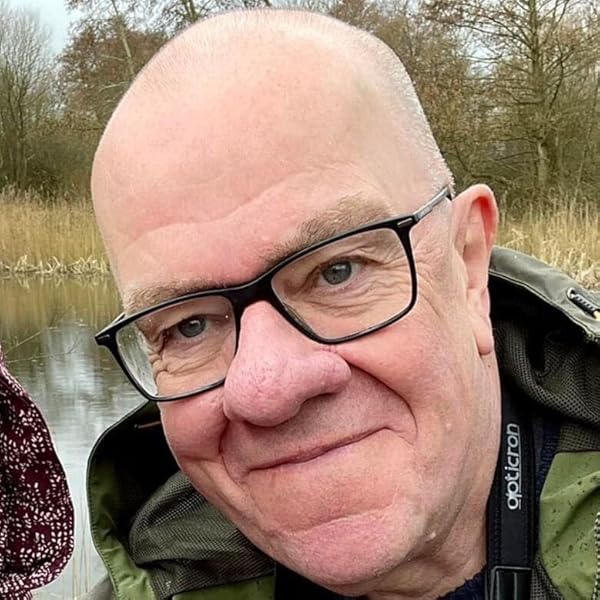
Where The Winds Blow follows the rise of Path Finder, a grassroots movement born from grief and idealism, while powerful governments, criminal networks, and ordinary people collide around it. What was the inspiration for the original and fascinating idea at the center of the book?
The inspiration for Path Finder came during the COVID crisis, while I was cleaning out my garage for the third time in a week. I suddenly imagined finding the UK’s prime minister hiding in there – someone who’d simply decided he couldn’t cope any more. That image stuck, and I started writing, using it as a focal point.
It led to a simple but unsettling thought: for all their bombast and posturing, governments have only limited control over what actually happens within their own borders. The responses to the 2008 crash, COVID, and countless regional crises revealed not grand strategists, but leaders who were overwhelmed, reactive, and often out of their depth.
Lies, distraction, and obfuscation disguise their weakness and uncertainty – skills that modern power structures have perfected. Meanwhile, real influence increasingly sits with billionaires, technocrats, and the vague, unaccountable entity we call “the markets,” all of whom operate with little responsibility to the societies they shape.
Across much of the world, there’s a simmering resentment paired with helplessness – a frustration that’s often misdirected toward convenient scapegoats rather than those truly responsible. What feels missing is a spark: something that turns anger and despair into constructive action rooted in honesty, humanity, and hope.
I don’t pretend to know how that spark might happen in real life, although I believe it will. In the Path Finder series, I’ve created a world only inches removed from our own, where readers can enjoy the humour and drama in the story, recognise familiar institutions and personalities, and perhaps imagine a different future – for themselves as much as for society as a whole.
History is full of ordinary people doing extraordinary things, often accidentally or without understanding where their choices might lead. This series begins with one man deciding he’s had enough of pretending to be something he isn’t and disappearing. Three books in, even I’m not entirely sure where that decision will ultimately take him or Path Finder. I just know it’ll be fun finding out!
What are some things that you find interesting about the human condition that you think make for great fiction?
What fascinates me most about the human condition is the gap between who we think we are and how we actually behave when things stop going to plan. We like to believe we’re rational, principled, and in control, but pressure, fear, love, grief, and ambition have a habit of knocking those ideas sideways. That gap – between intention and action, certainty and doubt – is where great fiction lives.
I’m also interested in how ordinary people respond when they’re swept up in events far bigger than themselves. Most of us don’t set out to change the world, break systems, or become symbols of anything. We’re just trying to get through the day, protect the people we care about, and make sense of the noise. Yet history shows that it’s often these accidental participants – people acting from love, stubbornness, guilt, or hope – who trigger the biggest consequences. That tension between small, human decisions and vast, unpredictable outcomes runs through the Path Finder series.
Finally, there’s the absurdity of it all. Humans are capable of extraordinary kindness, bravery, and resilience, but we’re also unwittingly brilliant at self-delusion, tribalism, and panic. Put those traits under stress – mix them with power, money, ideology, or blind faith – and you get situations that are by turns terrifying, ridiculous, and darkly funny. Satire lets me explore those contradictions honestly, without pretending we’re either heroes or villains. We’re usually just flawed, emotional creatures doing our best… sometimes making an almighty mess of it… occasionally doing something amazing.
What is one thing that you hope readers take away from Where The Winds Blow?
More than anything, I hope readers come away feeling that the time they spent with Where The Winds Blow was time well spent. I want them to have been entertained – laughing at the absurdity, caught up in the momentum, and maybe a little breathless at times – but also quietly validated in the way they see the world.
If there’s a deeper takeaway, it’s the reassurance that confusion, doubt, and frustration aren’t personal failings; they’re rational responses to a chaotic system. The characters in the book don’t have grand plans or neat answers – most of them are muddling through, reacting, improvising, and occasionally getting things spectacularly wrong. And yet, meaning still emerges from those imperfect choices.
I also hope the book leaves readers with a sense that individual actions matter, even when they seem small, accidental, or misdirected. Change doesn’t always come from heroes or leaders; it often starts with ordinary people deciding to stop pretending, to care a little more honestly, or to take one step they didn’t think they were capable of taking.
If readers finish the book feeling entertained, understood, and perhaps a little more open to the idea that hope can exist without certainty, then I’ve done my job.
I hope the series continues in other books. If so, where will the story take readers?
The series will continue. As for where the story will take the reader, who knows?! I’m currently writing shorter pieces for my Path Finder newsletter subscribers that fill in some of the character back stories. One of those pieces became a major plot line in Where The Winds Blow, and I have no doubt that one or two of my current works in progress will do the same in the fourth novel.
Author Links: GoodReads | Threads | Facebook | Website | Amazon
The Path Finder movement has gone global. Millions of followers. Endless headlines. Oceans of cash.
Only one tiny snag: the founders still have no idea what the movement actually is. Now the powerful want answers – and they’ll do anything to keep control.
Meanwhile, an ex-soldier from Afghanistan crosses continents and the Mexico-US border, desperate to reach his family before the authorities catch him or local vigilantes do even worse.
Elsewhere, Simon and Pippa Pope are chasing storms, blissfully unaware that their late wedding gift could unleash consequences for humanity, the planet, and a whisky-soaked Scotsman on a collision course with destiny.
Fast, funny, and ferociously sharp, Where The Winds Blow skewers the powerful and the absurd in equal measure.
It’s the third and wildest instalment in The Path Finder Series, following Paths Not Yet Taken and Good for the Soul. Each offers satire with bite, stories with heart, and storms of every kind.
The Arts Council

When I finished The Arts Council, a satirical novel by Dolly Gray Landon, I felt like I’d been dropped into a carnival mirror version of the arts world. The book follows Honorée Oinkbladder, a gifted young artist raised inside a family business that quietly manufactures the physical tokens of achievement for institutions everywhere. Through her eyes, we watch a small city’s arts ecosystem twist itself into a tangle of ego, corruption, favoritism, and theatrical self-importance. Her tense rivalry with Modesty Greedance unfolds against a backdrop of inflated awards, misused donor funds, and a once-noble arts council that has drifted far from its original ideals. The result is a story that sits squarely in the literary satire genre, though it often reads like a character-driven dramedy with teeth.
The writing is lush, verbose in a way that feels deliberate, like Landon wants the excess itself to be part of the joke. There are long, winding sentences loaded with wordplay and invented terms, and then sudden needle pricks of clarity. It’s funny, but also strange, because the humor is threaded through moments that cut close to the bone: the way Honorée hides her beauty so she won’t attract the wrong kind of attention, or the way Modesty relies on spectacle instead of craft because spectacle is what the system rewards. The satire bites hardest when the book peels back the arts council’s history, revealing how a once-merit-driven institution slowly rotted after a leadership collapse. The contrast between past ideals and current dysfunction is one of the book’s most memorable tensions.
What I liked most was how much the novel asks us to think about value. Who gets to decide what counts as art. Who benefits from the illusion of fairness. Who learns to play the game and who refuses. Even the absurd elements feel purposeful: Honorée’s family literally manufactures the symbols that feed inflated egos, yet they see through them more clearly than anyone else. That irony gives the book a reflective core I didn’t expect. The novel also manages to be playful without losing its edge. It mocks the arts world, yes, but it also mourns what the arts can become when honesty gives way to self-interest. I found myself chuckling at one page and nodding in recognition on the next.
The Arts Council is a bold, brainy satire with a lot on its mind. I’d recommend it to readers who enjoy literary fiction that doesn’t mind being a little unruly, especially anyone curious about the messy intersection of art, ego, and institutions. If you like stories that mix humor with critique and aren’t afraid of dense, stylized prose, this one will keep you thinking. For readers who enjoy sharp, offbeat takes on creative culture, it’s a fascinating ride.
Pages: 558 | ASIN : B0G2TFBLHZ



 LITERARY TITAN