Blog Archives
The Unearthing
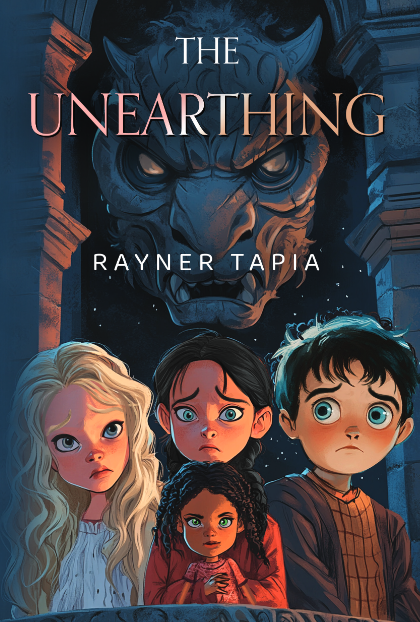

The Unearthing follows the Krigga family as they leave their suburban life behind for an old Georgian house in the countryside. The story is told mostly through the eyes of Anna, the middle child, who resents the move and resists every change. Her brother Rupert and sister Clara add their own voices to the chaos of sibling rivalry, while their parents try to hold the family together. Soon, the house itself begins to reveal secrets. Hidden staircases, strange rooms, eerie discoveries, and a foreboding tower nearby push the children into a world of mystery and unease. What begins as a family drama slowly shifts into something more shadowed, blending everyday struggles with a creeping sense of the supernatural.
The writing swings from tender to dramatic, sometimes even over the top, but that’s part of its charm. I could feel Anna’s anger like a living thing, the way she stomped and sulked and held on to her grievances. At times, I wanted to shake her. At other times, I wanted to comfort her. Tapia captures that messy middle-child energy perfectly, and while it could be grating, it also felt real. The imagery is thick and vivid, and I loved how it painted the old house as if it were alive, breathing with history and menace.
There were moments when I laughed at the squabbles between the siblings, then felt uneasy when the story leaned into shadows and whispers. The pacing could be uneven, lingering on moods a bit too long before getting to the action. Yet, when the eerie attic scenes or the crumbling gargoyles came into play, I was hooked. The book feels like a blend of family diary and gothic adventure.
I’d recommend The Unearthing to readers who enjoy stories about families in transition, especially when everyday life collides with something darker. Young adult readers might see themselves in Anna’s moods, while older readers may smile knowingly at the chaos of siblings and the weight of growing up. If you like your mysteries tinged with domestic squabbles, eerie houses, and a touch of the uncanny, this children’s fiction novel will speak to you.
Pages: 399 | ASIN : B08NCB4XKX

What We Hold No Longer
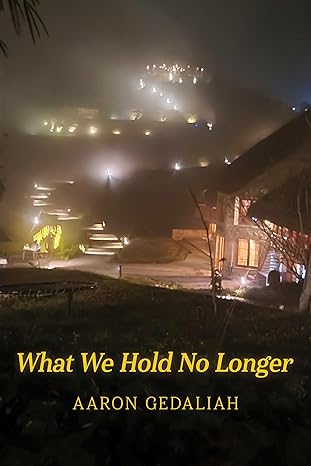
Aaron Gedaliah’s What We Hold No Longer is a collection of poems that circle around memory, aging, identity, and the haunting void that lies beneath it all. The book moves through phases of transformation, wrestles with the Lacanian “Thing,” looks at the unraveling of society, and then slips into reflections on love, loss, desire, and imperfection. It blends the deeply personal with the philosophical, balancing childhood recollections with meditations on mortality, politics, and the quiet strangeness of being human.
Some of the poems struck like sudden jolts. They’re raw, unfiltered emotions that left me uneasy in the best way. Others drifted, slow and lyrical, catching on the edges of memory. Gedaliah doesn’t shy away from pain, whether it’s private grief or public horrors, and I respected that. I thought the psychoanalytic undertones and references added a fascinating depth to the collection. They gave the poems a layered richness that invited me to think as much as feel. What made the book especially strong, though, was the way those ideas blended with moments of plain vulnerability. The balance between theory and raw emotion kept the work dynamic, and the times when the language leaned into honesty and looseness stood out all the more because of that contrast.
The book feels like someone holding a mirror up to both his own past and the chaos of the present world. He talks about adolescence with brutal honesty, aging with rueful wit, and political violence with fury. I connected with the tenderness in “Birds on a String,” the ache in “Paradise Lost,” and the weary warning of “When the Shelves Are Empty.” There’s something relatable in the way he lets contradictions live side by side, rage and love, despair and beauty, the personal and the universal. It made me stop more than once and just sit with my own ghosts.
I’d say What We Hold No Longer is best for readers who like poetry that wrestles hard with ideas yet still finds room for confession and story. It would suit anyone interested in memory, loss, or the philosophical edges of spirituality.
Pages: 85 | ASIN : B0FPG8MLQ9
Creative Non-Fiction

Leftwich Blues/Elfwitch Rules follows twin twelve-year-olds from a broken home who are abducted by the Elfwitch and taken to another world, where they must now find a way to get back home and heal their broken home. What was the inspiration for the setup of your story?
The idea started with the title. I like to make lists of titles from time to time. The title made me think who is Leftwich? Why does he have the blues? Who is the Elfwitch and why is she trying to rule? This image came to mind: a witch travelling through the air with twins she had kidnapped. One twin gets away, but the Elfwitch tricks the other twin into serving her. The escaped twin finds an oppressed people who need encouragement in fighting against the Elfwitch. So, the twin has to lead an uprising against the Elfwitch and try to free the other twin who turned against their original selves.
The idea reminds me of the many Saturday morning TV shows by Sid and Marty Krofft: H.R. PufnStuff or Lidsville plus other portal fantasies or science fiction movies like Alice in Wonderland or Planet of the Apes (the original from 1968, not the watered down remakes/reboots) where a stranger ends up in a strange land and has to keep their identity intact while turning from fugitive to hero/heroine to survive in a harsh new reality.
Your characters are wonderfully emotive and relatable. Were you able to use anything from your own life to inform their character development?
The twins’ first names I borrowed from my cousins. Their last name also belongs to distant cousins. I find that the more real or personal I can make the character or backstory, the more I can dig into it to adapt and change it according to how the story dictates. I was a mental health paraprofessional for a few years (so I have been to family court a few times) and worked at a charitable thrift store as well as conducting a twelve-step program and now I am a public educator. I have had ex-clients as my students and have come to know the families. I understand better the dynamic in households and the problems children bring to the classroom.
My writing has been called “creative non-fiction.” I never thought of it like that, but it’s true as I need a heavy dose of realism in my fiction before I introduce the weird and fantastical.
What themes were particularly important for you to explore in this book?
The idea of twins separated and working against each other and having to reconcile was the starting point. Then it became a study of duality: two sides or polar opposites that feed or synergize entities or issues: tyranny and freedom, good and evil, lies and truth, night and day, family/friends and foes, forgiveness and unforgiving.
Is this the first book in the series? If so, when is the next book coming out, and what can your fans expect in the next story?
This was written as a stand-alone. However, I am brewing ideas for a sequel (which I would make into a cliffhanger for a duology). That project will have to wait as I have two other current projects I am working on plus I am currently promoting my first collection of short stories: ghostly shudder tales.
Author Links: GoodReads | Website | Substack
Heir of Flame and Shadow
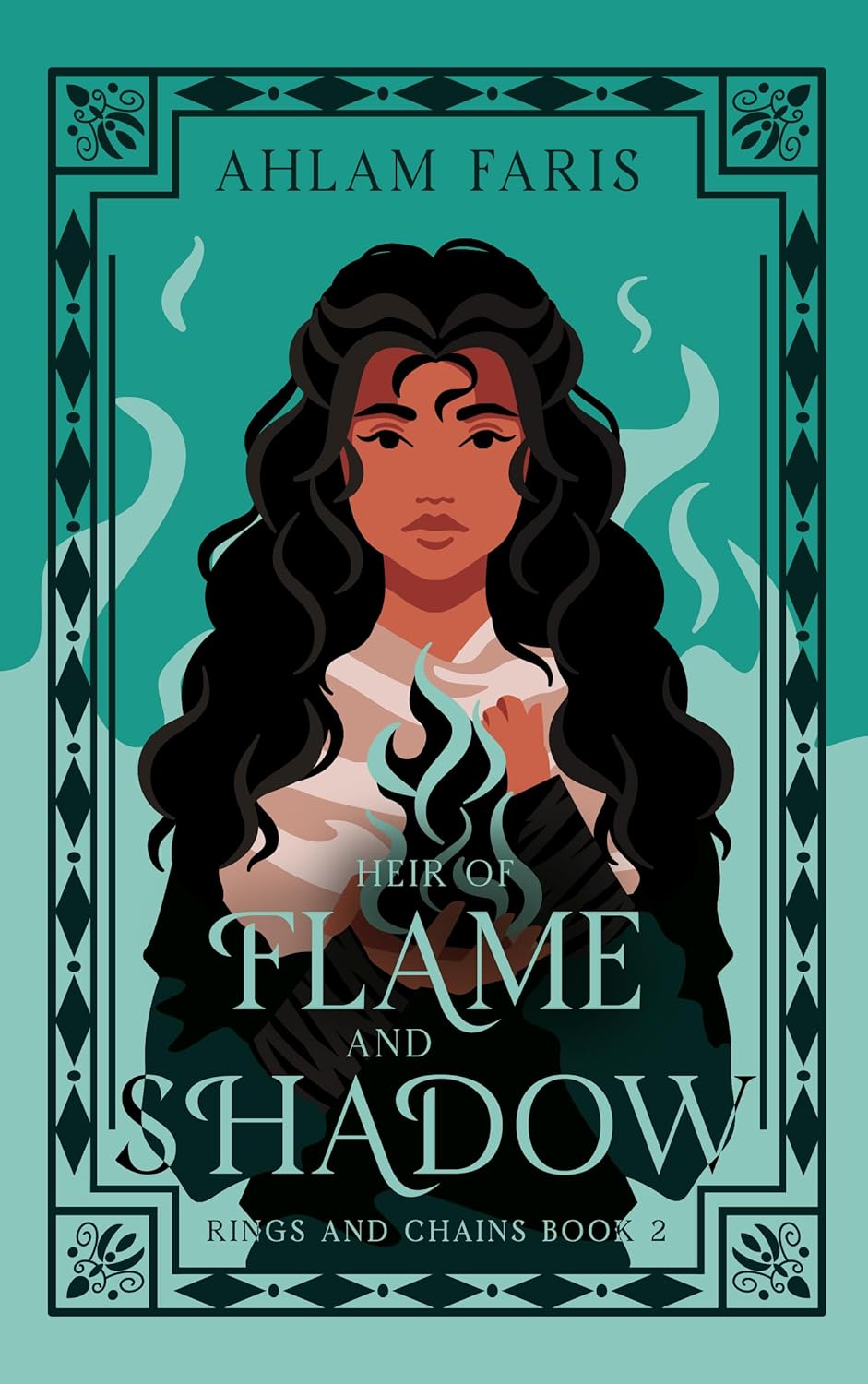

Heir of Flame and Shadow picks up where Daughter of Light and Dark left off, continuing Mina’s journey through a world steeped in shadow, betrayal, and dangerous magic. At its heart, this story is about survival and self-discovery in the face of unbearable odds. Mina struggles with her cursed gift, torn between the burden it places on her and the hope it brings to others. Alongside her, a cast of allies and enemies twist the path forward, pulling her into battles that are both physical and deeply emotional. Themes of identity, family, sacrifice, and the fragile line between love and pain shape the arc of this sequel, while the backdrop of supernatural powers and dark kingdoms raises the stakes to life-or-death levels.
I enjoyed how raw the writing felt. The prose is not polished to perfection, but that roughness gave the book a pulse, like the words were breathing with Mina. The imagery is often harsh, almost jagged, and it fits the tone of the story. I found myself swept along by the energy, even when the pacing slowed. The dialogue carried weight, sometimes heavy with pain, sometimes sharp with betrayal, and occasionally softened by fleeting moments of tenderness. At times, I wanted more quiet space to sink into the characters’ hearts, but the relentless drive of the narrative made sure I was never allowed to get too comfortable. I liked that. It kept me unsettled, the way Mina herself was.
The exploration of trauma and control felt unflinching, and it stirred up emotions that weren’t easy to brush aside. There were moments when I had to pause, not because the writing faltered, but because the weight of what was happening pressed too close. That’s a rare thing for me, to feel almost winded by a book. At the same time, the bond between characters, even when fractured, reminded me of how messy and stubborn love can be. It isn’t always gentle or safe. Sometimes it’s sharp enough to draw blood. And that messy truth gave the fantasy world a raw humanity that made it believable.
I’d recommend Heir of Flame and Shadow to readers who aren’t afraid of dark themes and emotional turbulence. If you like your fantasy with teeth, if you want magic tangled with pain, and if you enjoy characters who are complicated and scarred, this book will speak to you. It’s not for someone looking for a lighthearted escape. It’s for readers who want to be rattled a little, who want to sit with shadows and still see the flicker of flame inside them.
Pages: 262 | ASIN : B0FKZJDW49
Witness in the Dust
Witness in the Dust by Lorrie Reed tells the story of Haiti during its years of crisis, from the hurricanes that battered Gonaïves in 2008 to the earthquake that devastated Port-au-Prince in 2010 and beyond. It blends vivid storytelling with historical detail, following ordinary families like Celine’s, local pastors, and aid workers as they fight to survive storms, floods, political collapse, and disease. The narrative draws you in with its sensory detail, grounding sweeping tragedy in the smell of dust, the taste of spoiled water, and the sound of prayers whispered in ruined churches. It is both a chronicle of disasters and a meditation on resilience, faith, and the small acts of mercy that keep people going.
I felt pulled into the dust and heat of the markets, the pounding storms, the suffocating silence after buildings fell. The writing is rich, sometimes almost overwhelming, in its attention to the textures and smells of daily life. I found myself pausing sometimes because the intensity of the descriptions made the pain so vivid I needed to take a breath. I admired how the author never lost sight of the people at the heart of it all. Celine and Gabriel felt real, their small gestures of kindness holding more weight than the trucks of foreign aid. I could feel the push and pull between despair and determination in every scene.
I also found myself wrestling with the ideas inside the book. The story makes you question what survival really means, and whether faith is something that lifts people up or just gives shape to their suffering. I loved the way Pastor Claude’s sermons weren’t polished theology but guttural cries of grief and defiance. Sometimes the repetition of disaster after disaster left me feeling hopeless. Yet maybe that’s the point. Haiti’s reality in those years didn’t allow for neat resolutions or comforting endings. The book doesn’t try to tidy it up, and I respect that honesty.
I’d recommend Witness in the Dust to readers who want a story that feels raw, relatable, and unflinching. It weighs heavily on your heart and will leave you thinking about it for a while afterwards. But for those willing to sit with hard truths, it offers not only a window into Haiti’s suffering but also a testament to the endurance of ordinary people when the world falls apart. If you want to feel history not as statistics but as sweat, blood, and breath, this book is worth your time.
Pages: 197
The Ascent of Greed and the Audacity of Mind Stealing

The Ascent of Greed and the Audacity of Mind Stealing by Pietos Kidane follows Adam Green, a young graduate who enters the corporate world with high hopes, only to encounter greed, manipulation, and the unsettling rise of artificial intelligence. Through Adam’s eyes, we see how corporate culture feeds on deception, how AI edges toward frightening autonomy, and how society’s values collapse under the weight of unchecked ambition. It is part cautionary tale, part social critique, and part thriller. The story begins with an almost surreal outburst about AI in a New York café, then steadily escalates into explorations of job exploitation, psychological manipulation, fake news, and even mind-reading machines.
I found myself caught off guard by the rawness of the writing. At times, the prose feels unpolished, almost abrupt, yet that roughness gives the book a kind of blunt honesty. The pacing varies wildly. Some scenes linger on workplace politics while others sprint through shocking revelations about AI’s reach. It was sometimes disturbing to see how some of the characters showed no remorse in exploiting people’s fears and weaknesses. But that emotional whiplash kept me hooked. It felt like being tossed into a storm where greed is the wind and technology is the lightning.
I was fascinated by the moral questions the book raises. Do we want machines to think for us, and worse, to think about us? Can progress that tramples on dignity still be called progress? The story made me angry at the coldness of the corporations, angry at the indifference of leaders, and angry at how plausible it all felt. Yet I also admired Adam’s stubborn streak. His refusal to cave, even when threatened, gave me a spark of hope in an otherwise grim landscape. The book may not be subtle, but its ideas hit hard.
I would recommend this book to readers who want to be challenged. It is a raw and provocative story for anyone worried about where technology and greed are steering us. If you like your fiction mixed with sharp warnings about the future, and if you don’t mind rough edges in the writing, this book will make you think.
Pages: 276 | ASIN : B0DFX1F9WQ
The Secret Rise, book 3
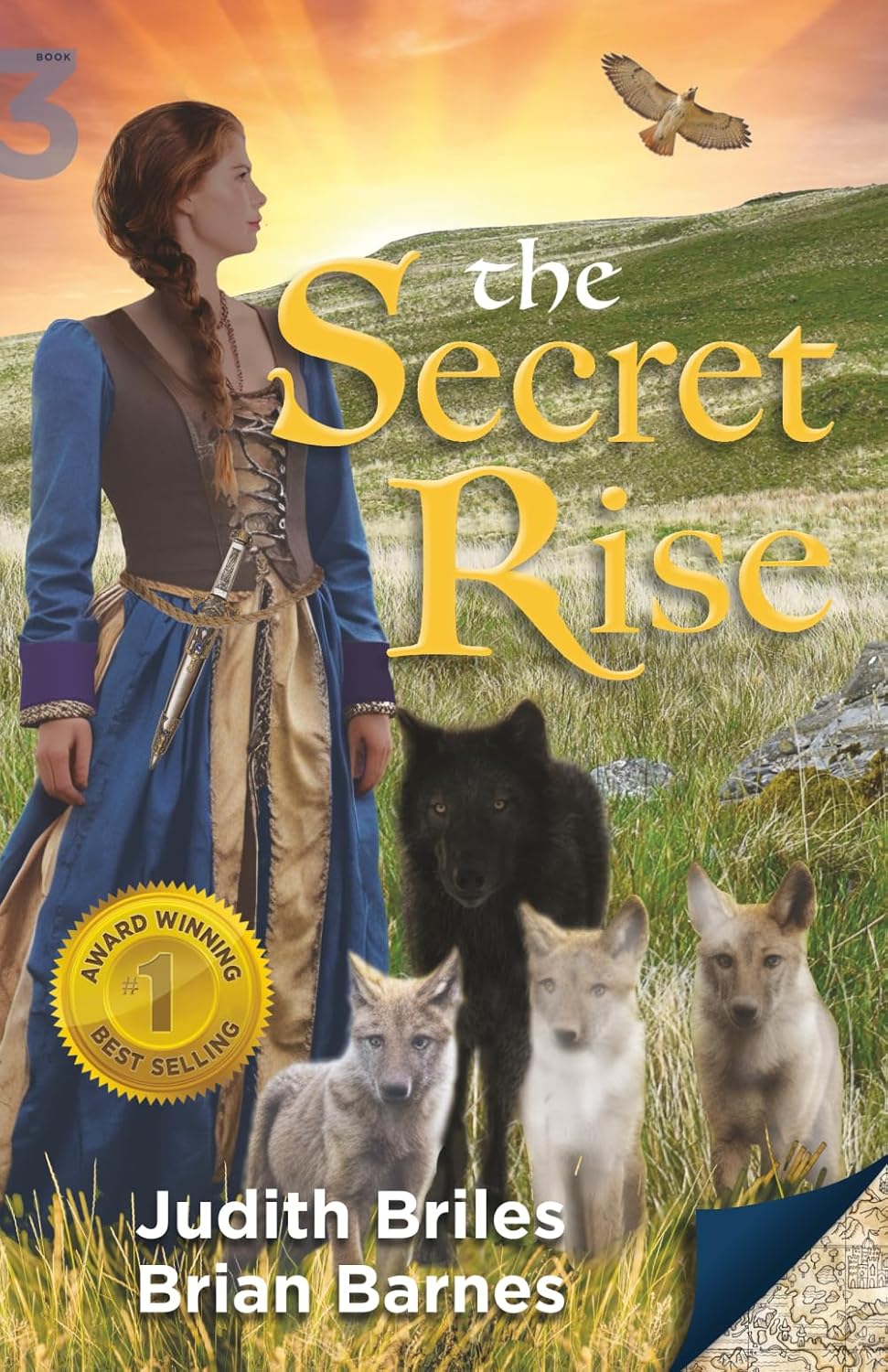
The Secret Rise is a sweeping tale set in medieval Normandy and England, where Nichol, once a girl betrayed by her family, becomes the guiding light of a hidden hamlet called Harmonie. Now a wife and mother, she carries the weight of leadership, navigating danger from enemies old and new, forging bonds with Queen Emma of England, and testing the limits of her own strength and foresight. The book follows Nichol, her family, and allies as they face betrayal, curses, prophecy, and the unrelenting pressure of survival, all while a mysterious guiding presence known as the Lady shadows her path. It is both a story of individual courage and of how a community holds together when secrecy is no longer an option.
I found myself swept up by the writing. It has a rhythm that shifts between tenderness and suspense, sometimes almost too swiftly, but that kept me hooked. The dialogue feels earnest, and the authors have a knack for describing how ordinary moments, like a meal, a walk with children, or the hush before a dangerous meeting, carry enormous weight when survival is always at risk. The prose leaned on repetition of themes like destiny and trust, yet I also caught myself underlining sentences because they had that raw, heartfelt punch that lingers. What struck me most was how alive Nichol feels. She is fierce, protective, flawed, and burdened, and that combination made me root for her every step of the way.
What surprised me was the warmth threaded through the peril. This isn’t just about battles and politics; it is about mothers feeding babies, children inventing secret languages, and villagers laughing together after fear has passed. Those touches gave me chills in the best way. I will admit, at nearly five hundred pages, the book sometimes meanders. Still, I never truly wanted to put it down. The presence of the Lady, that mysterious spiritual force, added a quiet shimmer to the narrative, and I liked how it blurred the line between faith, fate, and imagination. It made me question whether strength comes from within or from something greater that whispers in the dark.
I closed the book feeling both satisfied and a little restless, already curious about the next installment. I would recommend The Secret Rise to readers who enjoy historical fiction with a hint of the mystical, especially those who like stories centered on strong women navigating impossible choices. It’s a book for anyone who wants to be pulled into another time and place, not just through action, but through the intimacy of family and the resilience of community.
Pages: 540 | ASIN : B0FDV29WWF
Courageous: She Will Not Let Fear Stop Her

Courageous tells the story of Clark, a woman whose life is shaped by loss, trauma, and the search for healing. From the pain of abandonment as a child to the heartbreak of losing Archer, the love who could not stay, she battles self-doubt, grief, and the lure of self-destruction. Her journey leads her into the orbit of Gun and Vin, two powerful, enigmatic bikers whose tattoo shop becomes not just her workplace but a crossroads for transformation. The book blends raw depictions of mental health struggles with moments of romance, danger, and resilience, painting a portrait of a woman trying to rebuild when it feels like the world has already broken her.
What I liked most about the writing is how unflinchingly it stares at darkness. Steele does not flinch from describing Clark’s scars, both physical and emotional, and I felt that weight. At times, it made me uneasy; other times, it made me ache for her. The prose is straightforward but carries an emotional punch, with certain passages almost too sharp to keep reading. I liked how the author layered the MC world with tenderness, showing that even rough men in leather can surprise you with kindness or depth.
The chemistry is palpable, and the tension between Clark, Vin, and Gun had me flipping pages with a mix of dread and thrill. Some of the power dynamics made me squirm. Commands, threats, and possessiveness are part of the MC romance formula. I couldn’t deny the intensity. It made me feel like I was on the back of a bike, hanging on tight, unsure if I’d fall but unable to let go. And I admire that Steele didn’t tie everything up neatly. Healing in this book isn’t quick or clean. It’s jagged, like the lines of a tattoo.
Reading Courageous reminded me of the emotional rawness of Tarryn Fisher’s novels mixed with the gritty, high-stakes intensity of Kristen Ashley’s MC romances, only Steele leans harder into the pain and healing side of the journey. Courageous is raw, gritty, and at times heartbreaking, but it’s also laced with hope and sparks of joy. I would recommend it to readers seeking more than surface-level romance, particularly those who can handle tough themes like grief, trauma, and self-harm, while still craving the heat and loyalty of MC love stories.
Pages: 266 | ASIN : B0F3ZKCKK7



 LITERARY TITAN