Blog Archives
Literary Titan Book Award: Nonfiction

The Literary Titan Book Award recognizes outstanding nonfiction books that demonstrate exceptional quality in writing, research, and presentation. This award is dedicated to authors who excel in creating informative, enlightening, and engaging works that offer valuable insights. Recipients of this award are commended for their ability to transform complex topics into accessible and compelling narratives that captivate readers and enhance our understanding.
Award Recipients












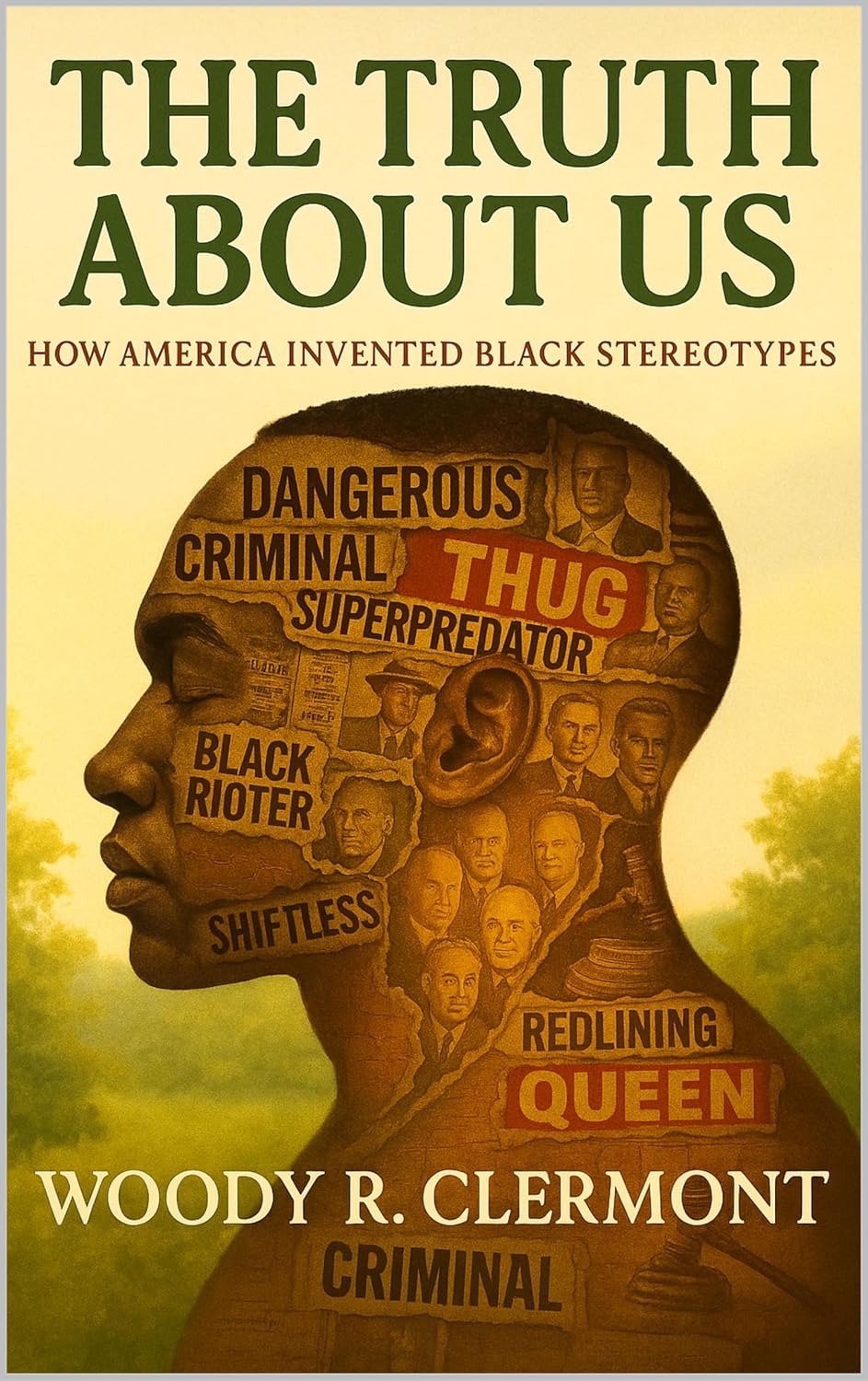














Visit the Literary Titan Book Awards page to see award information.
The Biggest Financial Decisions of Their Lives

Pay Less for College is a college financial aid and affordability guide that lays out for parents and students a clear and practical roadmap for cutting the true cost of a college degree. Why was this an important book for you to write?
Families are often making one of the biggest financial decisions of their lives in a fog. Students and parents are rightfully overwhelmed. And the guidance they get is often cookie-cutter for a system that doesn’t financially reward a cookie-cutter approach. During our 15 years in this field we have seen and heard about the financial landmines families step on – sometimes from inexperience, misinformation, desperation, or other factors. We wanted to clear out the fog and help families create a realistic, step-by-step plan to keep college affordable. Instead of vague advice, we focus on what actually moves the needle on cost– the things families can control.
In your book, you cover the latest and upcoming changes to the FAFSA, PLUS Loans, Pell Grants, and college financial aid policies. What are some key points that parents and students need to know about these options for financial aid?
The FAFSA and Pell Grants underwent major changes that were fully implemented in the 2024-25 academic year. The book walks readers through every part of the new FAFSA and breaks down the updated undergraduate Pell Grant eligibility rules. In spring 2025, Congress passed a budget bill that changed PLUS Loans, including significantly lower annual and lifetime limits for new borrowers of undergraduate loans. This may leave private loans with their less favorable terms as the only borrowing option for parents in the student’s third or fourth years.
What are some common mistakes or oversights that people make when deciding what college to attend, and what advice do you have to help others avoid these mistakes?
Colleges should be right for students academically, socially, and financially. Students often only apply to colleges they have heard of, ones their relatives want them to go to, or the ones their friends are applying to. They fill out the required financial aid forms and cross their fingers. Those schools may be okay academically or socially but financial fit is more complicated. It is often the most misunderstood part of the college search process.
If saving money is important to you, dig into the college’s financial aid policies to see how they align with your individual financial situation. Also, look for colleges that will love you back – those where your genuine interests and capabilities meet or exceed what the college is looking for. And finally, submit an application that showcases your strengths and makes it easy for the admissions officers to see your value.
What is one thing that you hope readers take away from Pay Less for College?
That they have more control than they think. When families build a smart college list, apply at the right time and in the right way, understand how aid really works, evaluate offers carefully, and trim costs–both big and small–before, during, and after college, they can meaningfully cut the real cost of a college degree.
Author Links: Amazon | GoodReads
Choosing a college is about finding a place where you belong—a place that fits your goals, your heart, and your wallet. Paying for college may be one of the biggest financial challenges you’ll ever face–but it doesn’t have to be harder than going to college. You can honor your dreams without sacrificing your financial future.
Pay Less for College is the go-to college financial aid and affordability guide for parents and students who want to make smart, confident choices. It offers clear, actionable insights to help you save real money—often tens of thousands of dollars—by:
Finding the colleges most likely to be generous
Understanding how and why a college will love you back
Demonstrating your value to that school
Avoiding common, costly mistakes
Cutting costs, both big and small
Why pay more than you have to?
Smart strategies. Real savings. The confidence to say yes to the dream—and afford it.
_____________________________________________What’s new in the 4th Edition
Fully updated to cover the latest and upcoming changes to the FAFSA, PLUS Loans, Pell Grants, and college financial aid policies.
Expanded tools and examples that help families understand college costs, maximize need-based and merit aid, compare true net prices, and submit standout applications.
Inside you’ll find
Part I: College Costs and Financial Aid
Understand exactly what college will cost and how financial aid works.
Part II: How to Pay Less for College
Learn how to increase aid eligibility and find the most generous colleges.
Part III: Planning
Turn knowledge into action with concrete family planning tools.
Part IV: Resources and Tools
10 detailed appendices, including guides to the FAFSA, CSS Profile, Pell Grants, and financial aid if your parents are unmarried, divorced, separated, remarried, or widowed, as well as tools to help you identify your academic strengths, social needs, and college priorities, and how to make your personal outreach most effective.
Beginner’s Guide to Growing Wealth and Investing: Planting Seeds & Growing Riches


The book lays out a clear journey for beginners who want to understand wealth building from the ground up. It uses a gardening metaphor to explain how money grows slowly through planning, patience, and consistent action, beginning with mindset shifts and ending with long-term habits that shape a legacy. The guide repeatedly emphasizes becoming the kind of person who can invest, not just learning about investing itself, and frames the reader as the CIO of their own financial life, responsible for planting and tending the seeds of their future. It walks through core financial concepts, tools, behavioral pitfalls, and emotional management, finishing with a message that wealth is cultivated over time and that every decision contributes to a family’s long-term future.
I found the writing warm, steady, and surprisingly comforting. The gardening metaphor is everywhere, and while metaphors can get tired fast, this one works. It made the book feel patient and grounded, almost like someone was sitting with me at a kitchen table, showing me how to repot a plant. The message that wealth grows “underground before it blossoms” hit me in a personal way because it captures how slow progress can feel when you’re just starting out. At times, the tone is motivational, almost like a pep talk, and I caught myself nodding along anyway. The author seems to know that readers might come in with fear or shame, and the writing gently pushes against that with encouragement.
I also appreciated how direct the book is about mindset. The idea that every dollar is an employee and that you are responsible for directing them made the whole wealth-building process feel more intentional and less mysterious. I liked the sections that broke down risk, fees, time, and inflation in simple terms. They avoided jargon and kept everything practical. Some sections felt a bit repetitive since the book often circles back to the same big ideas, but I didn’t mind too much because the repetition made the advice sink in. The emotional guidance in later chapters feels honest and helpful, especially the reminders to stay grounded during uncertainty.
Beginner’s Guide to Growing Wealth and Investing impressed me with its mix of heart and straightforward teaching. I’d recommend it to anyone who feels overwhelmed by money or stuck in old habits. It works well for readers who want a simple path, a friendly voice, and a sense of direction rather than complex charts or intimidating math. If someone wants a book that eases them into investing and gives them a little hope while teaching them the basics, this is a great place to start.
Pages: 170 | ASIN: B0FXTY8PJX

The Black Wall Streets of America: Towards a Black Stock Exchange

This book takes the reader on a journey through the history of thriving Black business districts across the United States, from the Greenwood District in Tulsa to Sweet Auburn in Atlanta and Bronzeville in Chicago. Author Woody Clermont recounts their origins, their rise, and the deliberate forces that brought them down, whether through racial violence, redlining, or highway construction. Beyond its historical context, the book pivots toward the future. It lays out a detailed framework for rebuilding economic power, including the call for a Black stock exchange, the use of AI for empowerment, and policies to ensure wealth creation that can last. It is both a historical record and a forward-looking manual, blending storytelling with strategy.
I found myself deeply moved while reading. The writing has a clear rhythm, direct and unpretentious, almost like a conversation with someone who refuses to give up hope. The stories of Tulsa, Rosewood, Overtown, and Hayti broke my heart. These communities built so much from so little, only to see it wiped away. I could feel the injustice in my chest, but I also felt admiration for the resilience. Clermont’s framing of each city through metrics like business density, land ownership, and cultural vitality made the past feel real and measurable. It wasn’t just nostalgia; it was proof that prosperity was built, and proof that it can be built again.
The vision of a Black stock exchange is bold and inspiring. I caught myself wondering how much of this could really be implemented, given the political and financial climate of today. Still, the conviction in Clermont’s words carried me through those doubts. The chapters on AI as a leveling tool stood out. They challenged me to stop seeing technology as something distant or threatening, and to instead think of it as a weapon for independence. That shift in tone, from history to possibility, was what kept me turning the pages with real excitement.
I would recommend this book to anyone who cares about history, justice, and the power of ownership. It’s not just for economists or scholars. It’s for community leaders, young entrepreneurs, and even everyday readers who want to understand the depth of what was lost and the potential for what could be regained. If you’ve ever wondered how to make lasting change, this book offers both the reasons and the roadmap.
Pages: 204 | ASIN : B0FPB4HKHR

Brave Money: Build Financial Freedom, Confidence, and Wealth as a Single Mom, Without Shame, Guilt, or Fear (The Brave Rebuild Series)

Brave Money is a warm, steady-handed guide for single mothers who feel financially overwhelmed and emotionally exhausted. It’s part practical workbook, part soul-level pep talk. The book tackles money not just as a numbers game but as a deeply personal, emotional subject. Wells walks readers through fear, debt, income challenges, investing, and planning for the future, all while weaving in themes of empowerment, self-worth, and resilience. Each chapter builds with small, manageable steps, designed specifically for those who are doing it all alone and still hoping for more.
What stood out to me most was the writing itself. It’s tender but fierce, honest without ever being harsh. It doesn’t sugarcoat the reality of financial struggle, but it also never talks down. I felt like Wells was in the room with me, saying, “I know it’s hard, and I’m not going to let you give up.” The emotional honesty of the book surprised me. She gives permission to feel ashamed, scared, or behind, but never lets those feelings write the ending. I appreciated how she connected money to the heart. That’s something most financial books avoid. Wells redefines budgeting as an act of love, saving as rebellion, and wealth as something rooted in mindset long before the bank balance shows it.
Some chapters revisit the same ideas, especially when she revisits mindset themes. But honestly, even that repetition felt like it had a purpose. Sometimes you need to hear “You’re not broken” five different ways before it actually sticks. And for an audience likely drowning in both stress and self-doubt, a little extra encouragement doesn’t hurt. What might feel over-explained in another context feels like necessary care here.
I’d recommend Brave Money to any woman, single mother or not, who’s ever felt like she’s failing at money, or like she missed the class everyone else took on “how to do adulthood.” It’s not a quick-fix manual. It’s a slow burn of healing and hope. This book is for anyone who needs both a plan and a hand to hold.
Pages: 142 | ASIN: B0F9VS3JM4
Your Future Is NOW Your Blueprint for Solving Your Retirement Puzzle

Jeffrey Panik’s Your Future is NOW is a thorough and practical guide for anyone who’s within shouting distance of retirement. It covers everything from defining personal goals to calculating how and when to take Social Security, while also diving into often-overlooked areas like identity theft protection, debt elimination, and estate planning. It’s not just about money, it’s about preparing your whole life to change gears smoothly and confidently. Panik gives readers a methodical “blueprint” built around common-sense principles, all aimed at helping you make retirement work for your real life, not just your bank account.
I appreciated how Panik skips the fluff and gets right to the point without scaring you into panic. He lays things out in a step-by-step fashion, with examples, real-life stories, and checklists that make the whole retirement thing feel less like an unsolvable puzzle and more like a weekend project (a big one, sure, but manageable). His tone is calm, confident, and rooted in experience. One of my favorite sections was the part on taking a “test drive” with retirement goals like hobbies or travel. It’s practical advice with a personal touch. I also liked that Panik doesn’t assume you’re rich or debt-free. He acknowledges the stress and setbacks most folks deal with, and that made his advice feel even more trustworthy.
There’s a lot of ground to cover, and sometimes it reads like a to-do list more than a narrative. I think some chapters could’ve used a bit more warmth or storytelling to lighten the load. But overall, the value of the content outweighs any dryness. I found myself bookmarking pages and jotting down notes. The workbook-style approach makes it easy to take real action, not just think about it. I came away with a strong sense of control and clarity, and that’s no small thing when thinking about something as big and overwhelming as retirement.
This book is perfect for anyone aged 45 and up who wants a clear, no-nonsense roadmap for retirement. Whether you’re ahead of the game or just starting to wonder if you’ve saved enough, Panik’s guide meets you where you are. If you’ve ever felt unsure about Social Security timing, confused by Medicare options, or just worried about running out of money, this book can be a game changer. It’s not flashy, but it’s solid, wise, and incredibly helpful.
ISBN : 979-8-89138-541-2
Your Key To Financial Freedom

I’ve read my fair share of books promising “financial freedom,” most of which deliver the same surface-level guidance. Mia Doucet’s Your Key to Financial Freedom is a different breed entirely. Rather than focusing on budgets or investment strategies, this book drills deep into the subconscious beliefs that silently sabotage many professionals’ financial lives. Using a 3-part system that blends neuroscience, childhood imprinting, and energy-based modalities, Doucet guides readers through a process of identifying and rewiring the limiting money beliefs rooted in early life. It’s a deeply introspective journey that insists financial growth starts inside the mind—not with spreadsheets.
I enjoyed how candidly Doucet confronts the often-ignored emotional blocks we carry around money. In Chapter 1, she rattles off a list of deeply relatable self-sabotaging thoughts—like undercharging clients out of guilt or thinking your talent alone will attract wealth. She doesn’t let you hide behind excuses, and that’s a good thing. In Chapter 2, she tears apart the empty promises of get-rich-quick schemes and online “millionaire bootcamps,” calling them out for what they are: shallow fixes that never get to the root of the problem. As a financial advisor, I’ve seen clients fall for these traps too many times. Doucet’s honesty is bracing but necessary.
Emotionally, the book had a surprising effect on me. Chapter 4, where Doucet recounts her childhood trauma of losing her home and nearly everything in a hotel fire, left me stunned. Not just because of what she went through—but because of how clearly she connects that trauma to her lifelong pattern of financial instability. Her story, raw and unfiltered, gives the book an authenticity that most financial texts sorely lack. It’s not just theory, it’s lived experience, and that vulnerability makes it powerful.
I’d recommend Your Key to Financial Freedom to any coach, consultant, or self-employed professional who feels like they’re stuck earning less than they’re worth. If you’ve read all the standard finance books and still feel blocked, this one’s for you. It’s not always an easy read, but it’s a necessary one. This book won’t teach you how to pick stocks or set up a Roth IRA. It will, however, help you finally charge what you’re worth, stop playing small, and get out of your own way.
Pages: 185 | ISBN : 978-1-7380603-2-0


