Blog Archives
“We never knew.”
Untertauchen follows a Jewish couple living in Berlin under the rule of Hitler, who, when summoned for “resettlement,” went underground for thirteen months, living in fear of capture. Why was it important for you to share this story, which is based on a real couple and real events?
Having edited and helped the couple publish their memoir, it was obvious their story held a side of the Holocaust barely known. UNTERTAUCHEN does not dwell on the death camps (few in Germany knew precisely what was happening) but all knew, those sent east were never heard from again. The book brings to life what one couple endured under Nazi rule between 1932 and 1942, then the rigors of living underground, hiding in plain sight for 13 months while the Allies bombed Berlin round the clock. As one Jewish reader told me, “We never knew.” The story is written as fiction for intrigue and suspense, earning five-star ratings and lauded by reviewers. The original manuscript was over 30 years in the making and somewhat academic. Before publication though, it was rewritten and edited numerous times to make it “reader friendly.” Readers are now praising it wholeheartedly.
What were some goals you set for yourself as a writer in this book?
Goals? As Herr Shacker — the real person behind the character Hans Bracher — told me more than once, he wanted the world to know his story. Now, this has become reality. Secondly, to show through thoughtful writing that good literature can be inviting without vulgarity and obscene language. The reviewers definitely agree. And maybe too, to leave a legacy that has the possibility of changing lives, one reader at a time. As one lady put it: “Your life will never be the same, once you’ve read UNTERTAUCHEN.”
What was one of the hardest parts in Untertauchen for you to write?
Not necessarily difficult, rather prolonged — doing the massive research into Nazi laws, promulgations, etc., that affected Jews under their domination, then bringing this into perspective in Hans and Anna’s daily lives, making sure the time frames were in sync. In other words, writing historical facts into understandable reality without being boring.
What is the next novel that you are working on, and when will that be available?
My preference for Historical Fiction is definitely the biographical. Up next focused on Robert Smalls, the slave who was the pilot of a Confederate gun ship, out of Charleston (S.C.). He and several other slaves who were deck hands (accompanied by their families) commandeered The Planter, sailing it past Fort Sumter (where the opening volley of the Civil War took place) and turning it over to the Union forces which were blockading the Charleston harbor. My research began a year before I learned of a bill in the S.C. General Assembly that would have a statue of Smalls placed on the State House grounds. This legislation was signed by Gov. Henry McMaster (R-South Carolina) several months ago, during which he hoped the image would be ready by 2028. I’m looking toward a similar time frame for the book –yet to be titled — to be published.
Author Links: Amazon | GoodReads
Untertauchen is an historical novel, based on the true story of a German Jewish couple who outlived Hitler’s Thousand-Year Reich. When their summons for “resettlement” arrived in November 1942, they went underground, living a heartbeat away from capture for thirteen months.
The reader will be drawn into the maelstrom of their tortuous existence, from the time of their engagement as the Nazis came to power, until their escape from war-torn Berlin with falsified papers on Christmas Day, 1943.
Principle dates and events—the historical and those in their personal lives—are as they were.
Fatal Castle


David Boito’s Fatal Castle is a vivid blend of historical fiction, mystery, and modern suspense. The novel begins in 1850, as Queen Victoria receives the fabled Kohinoor diamond, a gem steeped in blood and superstition. The scene, rich in imperial detail, establishes the diamond’s dual identity as both a symbol of conquest and a vessel of curse. From there, Boito shifts to 2023, where the story follows Ashley Bellamy, an American graduate student researching British history, and her father, Clive, the Chief Yeoman Warder of the Tower of London. When Ashley handles the same diamond that once adorned Victoria’s crown, the quiet rhythms of her life and her father’s duty-bound existence are disrupted by echoes of the past.
Boito’s command of setting is remarkable. The Tower of London is rendered as more than a historical monument; it becomes a living organism, filled with its own shadows and echoes. The description of the “castle amidst skyscrapers” evokes both reverence and unease, as if the past refuses to die beneath the modern skyline. The opening chapters, particularly those involving Queen Victoria and Lord Dalhousie, are grounded in historical authenticity while introducing the supernatural undertone that ripples through the rest of the book. The contrast between the 19th-century grandeur and contemporary London life creates a fascinating tension between legacy and change.
The novel’s strength lies in its emotional core: the strained but tender relationship between Ashley and her father. Clive’s old-world devotion to tradition clashes with Ashley’s modern independence, creating a dynamic that mirrors Britain’s own struggle between history and progress. Their exchanges, especially the scene in which Ashley presents her father with an AI-powered informational kiosk, only for him to perceive it as a threat to his calling, reveal Boito’s sensitivity to generational conflict. Through them, the novel suggests that inheritance is not only material or historical but deeply personal.
Though the pacing shifts between the historical and modern storylines, these transitions ultimately enhance the novel’s rhythm. Boito’s seamless fusion of factual history and imaginative suspense creates a narrative that remains consistently engaging, both intellectually stimulating and genuinely thrilling.
Fatal Castle will appeal to readers who enjoy historical thrillers with intellectual depth and emotional resonance. It offers a compelling meditation on how relics, whether jewels, buildings, or memories, continue to shape those who guard them. Poised between history and haunting, Boito’s novel is an ambitious and evocative exploration of the legacies we cannot escape.
Pages: 264 | ASIN : B0FSC9MWXS

The Moral of the Story is the Story

The Tilted Palace: Weeds of Misfortune follows a retired Green Beret haunted by Vietnam and marooned in the quiet of small-town Massachusetts, who meets a disheveled paster with whom he forms a bond as they struggle to survive. What was the inspiration for the setup of your story?
Righting the narrative around Vietnam had been simmering inside me since before I returned from that war in 1968. Discovering and writing an essence of the real story, beyond the general impression of the presumed feckless French in the French-Indochina War, got the ball rolling with Weeds of War: Those Who Bled at Dien Bien Phu, the first in the trilogy.I understand there are something over three thousand books on Vietnam, from text-like to raw and unending visceral adventure. While each may have a distinct target audience, I needed something that speaks to my neighbor, my ex-wife, and a general audience. Ingesting human interest story with historical “corrections” is what I came up with in Weeds of War, and carried forward with Irish Weeds and now The Tilted Palace.
What are some things that you find interesting about the human condition that you think make for great fiction?
Our assumptions about others — almost always wrong. Our mistaken belief in knowing what is best or not knowing, much less understanding, the entire story. The too late epiphany between characters. The “Plan B” that each of us comes up with when life goes south.
Was it important for you to deliver a moral to readers, or was it circumstantial to deliver an effective novel?
In large part, the moral of the story is the story. Imparting my truth has been the point. Being able to do so in a manner that touches the mind or the heart or the soul of the reader is, of course, an effective novel.
Where do you see your characters after the book ends?
There is potential for all of them going in different directions, either together or separately. Trinity and Jilly could easily be lesbian or bi-sexual, or seen to be, then discovered so by the communist government — oh my! Chang may be “turned” by a CIA operative — oh my! Jimmy Ray? Who knows? Perhaps a pathetic effort to replace Jezz or he may be saved by the need of the other characters to be saved by him. Or another story could begin with Jimmy Ray’s headstone and epitaph. Patrick and Thuy? They may simply die on the vine, aged and with memories that have either sustained or killed them — what could have been, perhaps. Or, Jimmy Ray’s mother could easily return to be the classic character she is in Irish Weeds. Old, yet fiery, Bess could be a main character in The Troubles of Northern Ireland, with Jimmy Ray either assisting or trying to redirect her.
What fun it all is.
Author Links: Amazon | GoodReads
The reality is strongmen with militias pressing for power, and multiple politicians and political factions with sharp elbows eyeing the Presidential Palace and affecting its balance.
Supported and directed by communism, a guerilla force called Viet Cong is recruiting and stirring things up for the government. Patrick and Thuy did not expect another war, nor to be engaged in it to the bitter end and beyond.
Now, fifteen years after it ended, that American-Vietnam War is seldom spoken of other than when an isolated veteran messes up real bad. Then Vietnam vets are referred to as “drug-crazed baby-killers.”
Jimmy Ray Crandall served years in the war. “It ain’t right,” he would grind out, revealing a hint of his trauma. Just in time he meets the dog. Her owner is a young woman with her own troubles. There is sharing, drinking, and bickering until insight begins to perform little miracles.
Can a return to Saigon be healing?
Old friends with new stories come to the fore. Regardless of it all, the war was lost years ago—no change there. Perspective on the past, however, can change a great many things.
The Tilted Palace: Weeds of Misfortune

The Tilted Palace: Weeds of Misfortune is a haunting and human story about broken souls trying to stitch themselves back together. It opens with Jimmy Ray Crandall, a retired Green Beret haunted by Vietnam and marooned in the quiet of small-town Massachusetts. His loneliness seeps through every line until a wounded stray dog, and later a disheveled pastor named Trinity Hathaway, stumble into his life. What follows is a gritty, sometimes funny, often painful dance between despair and redemption. Through late-night bourbon, raw honesty, and shared pain, two strangers become mirrors of each other’s brokenness. It’s not a simple war story or a tale of faith. It’s about survival when everything that gave life meaning has already burned to ash.
The writing pulls no punches. It’s blunt, messy, and real. The author writes like someone who’s seen too much and refuses to pretty it up. The dialogue, sharp and layered, swings between biting sarcasm and quiet revelation. There’s a strange rhythm to it, like life itself, uneven but true. Some scenes hit me hard, especially when the pastor and the soldier lay their wounds bare. Both want to die, yet somehow keep each other alive. The dog, Jezz, might be the most human of them all. She’s the glue, the silent witness to two lost people trying not to drown.
This is an emotional book. It made me angry at how war chews up men like Jimmy Ray and spits them out forgotten. It made me ache for people like Trinity, trying to preach hope while secretly running on fumes. There’s no sermon here, just raw humanity. The story doesn’t tie things up neatly, which I liked. Life rarely does. The prose has its rough edges, sure, but they fit the characters. They live in those jagged lines. At times, the story drifts into monologues that feel like confessionals, and that works because I feel like the whole book is one long confession.
I’d recommend The Invisibles to readers who crave something honest and bruised. I think it’s for those who understand that redemption doesn’t always look holy and that healing can start with a bottle, a stranger, or a dog scratching at the door. For me, this book wasn’t just a story; it was an experience.
Pages: 253 | ASIN : B0FF4B3CF5

Sense of Foreboding

Along the Trail follows a young woman traveling westward with her family in search of new beginnings on the Oregon Trail, who learns about resilience, love, and the freedom and cost of such a dangerous journey. What was the inspiration for the setup of your story?
I grew up in Kansas City, MO, which is about 20 minutes from the town of Independence, where the Westward Trails began. It was a point of interest for me, starting all the way back in elementary school. I found everything about it fascinating: the adventure of it all, the beauty of the wilderness, and the extreme grit and hope that the people of that time had to possess in order to even begin. But I also wanted to make sure to highlight the drudgery, the discomforts, and the dangers that they faced along the way. I didn’t want it to be overly romanticized, as that would downplay the magnitude of the obstacles that the travelers faced, which was the opposite of what I hoped to do during the story.
Winnie is a charismatic character that readers get to watch figure out who she is and what path she wants to follow. Were you able to achieve everything you wanted with her character in the novel?
I doubt any author can ever say they achieved everything they wanted with a character, haha. Well-developed characters often seem to move through their story on their own, and it’s all the writer can do to keep up with them! But honestly, I wanted Winnie to be representative of her time and her circumstances. That said, she had to be open-minded enough to recognize that some of her initial reactions to things she encountered during their journey were not justified reactions – rather, that some of them came as a result of fear and not from her own experience. I do think that she’s a relatable character, and even an admirable one. Not everyone will so readily admit to being wrong as she does. Not everyone chooses personal growth, but Winnie does.
What were some themes that were important for you to explore in this book?
I think one of the biggest themes for me was that the setting (thousands of miles of wilderness) was often the protagonist, but also sometimes acted as the antagonist. Such an environment was brutal and beautiful. Stunning, and stifling. It had to flow and change along the way, and at other times, remain so similar and vast as to seem unconquerable, like the travelers were barely making progress at all. It was important to me that the setting inspire both a sense of wonder and a sense of foreboding.
Another theme that I hope comes across is that of resilience, enduring hope, and personal growth. The characters experience some grueling physical challenges, and also some tough mental ones – things with the potential to break anyone’s spirit. But instead of turning on one another, or even turning back, they come together to form a community and rely on each other in times of need. I didn’t want my characters to be stealing from one another, or harming each other – I wanted them to represent the best of humanity, to help rather than harm, wherever possible. Perhaps that’s a bit naive, but there’s enough doom and gloom in the world these days; I chose to highlight human resilience and hope rather than focus primarily on division.
That’s not to say there aren’t some nuanced perceptions that the characters have to overcome to achieve personal growth, because that’s one of Winnie’s main character arcs. But she gets through it because she has the introspective honesty and open-minded nature to acknowledge a prejudice in her world, analyze the validity of it through what she experiences (rather than what she’s told by others), and come out the other side with her own opinion. And I hope that journey shines through for readers.
Will this novel be the start of a series, or are you working on a different story?
I’m seriously considering writing a sequel and making it a duology. There is a lot left to explore with the Hayes family once they reach their destination, and also a lot that I’d like to expand on with Mae and some of the other strong secondary characters.
Even though their journey ended once the overland travelers chose a spot to settle, their hardships did not. It was grueling work to build a homestead, to make it through winter in an unfamiliar territory. There’s a lot to discover there that I think would make for a great second novel.
Author Links: GoodReads | Instagram | Facebook | Website | Amazon
Threatened by storms, wild animals, and outlaws, Winnie must rely on the bonds she’s made and all she’s learned in order for them to make it to Oregon alive. She also must decide if she is ready to risk forming an attachment to Hal, the cowhand who has a knack for showing up just when help is needed, or whether she will emulate Mae, the free-spirited daughter of their trail guide.
Mask of Romulus


Mask of Romulus, by Mark Jamilkowski, is a sweeping historical novel that bridges the grandeur of Rome with the mysticism of ancient India. The story begins with the rise of Augustus and stretches across continents, weaving Roman ambition with Eastern spirituality. It follows Kamala, a visionary oracle from Ujjain, whose divine insight leads her into the political currents of two powerful civilizations. The book paints vivid portraits of Julius Caesar, Augustus, and their world, while revealing an unexpected connection between these empires through diplomacy, faith, and human yearning. It’s a dense and cinematic journey that turns history into living, breathing drama.
Reading this book felt like walking through marble halls and dusty roads at the same time. The writing is lush, descriptive, and deliberate, but also deeply emotional. I admired the author’s attention to historical detail, yet I found myself pulled in even more by the human side of it all. The conversations between Caius and Marcus, the moments of fear and defiance, had a strange intimacy that stuck with me. It’s not an easy read, sometimes the prose is heavy, and I felt the pacing is a bit slow, but it feels earned. Every page builds toward something larger, like watching a fresco take form stroke by stroke.
What I enjoyed most, though, was the way Jamilkowski handled belief and destiny. The Roman hunger for order meets the Indian hunger for meaning, and somewhere between them, you feel the question that still haunts us: what does it mean to be guided by fate? The author writes with both reverence and rebellion. At times, the dialogue feels ancient and formal, and at other times, raw and modern. I caught myself pausing, rereading sentences not because I had to, but because I wanted to. They hit somewhere deep, stirring something old and familiar. There’s real heart here. It’s not just history, it’s longing dressed in Latin and Sanskrit.
I’d recommend Mask of Romulus to readers who love sweeping historical epics and who don’t mind getting lost in layered storytelling. It’s for those who like The Eagle of the Ninth or The Palace of Illusions and wish someone had tied them together. It is more than a worthwhile read that rewards patience, curiosity, and empathy.
Pages: 342 | ISBN : 978-1959127482
Literary Titan Book Award: Fiction

The Literary Titan Book Award honors books that exhibit exceptional storytelling and creativity. This award celebrates novelists who craft compelling narratives, create memorable characters, and weave stories that captivate readers. The recipients are writers who excel in their ability to blend imagination with literary skill, creating worlds that enchant and narratives that linger long after the final page is turned.
Award Recipients


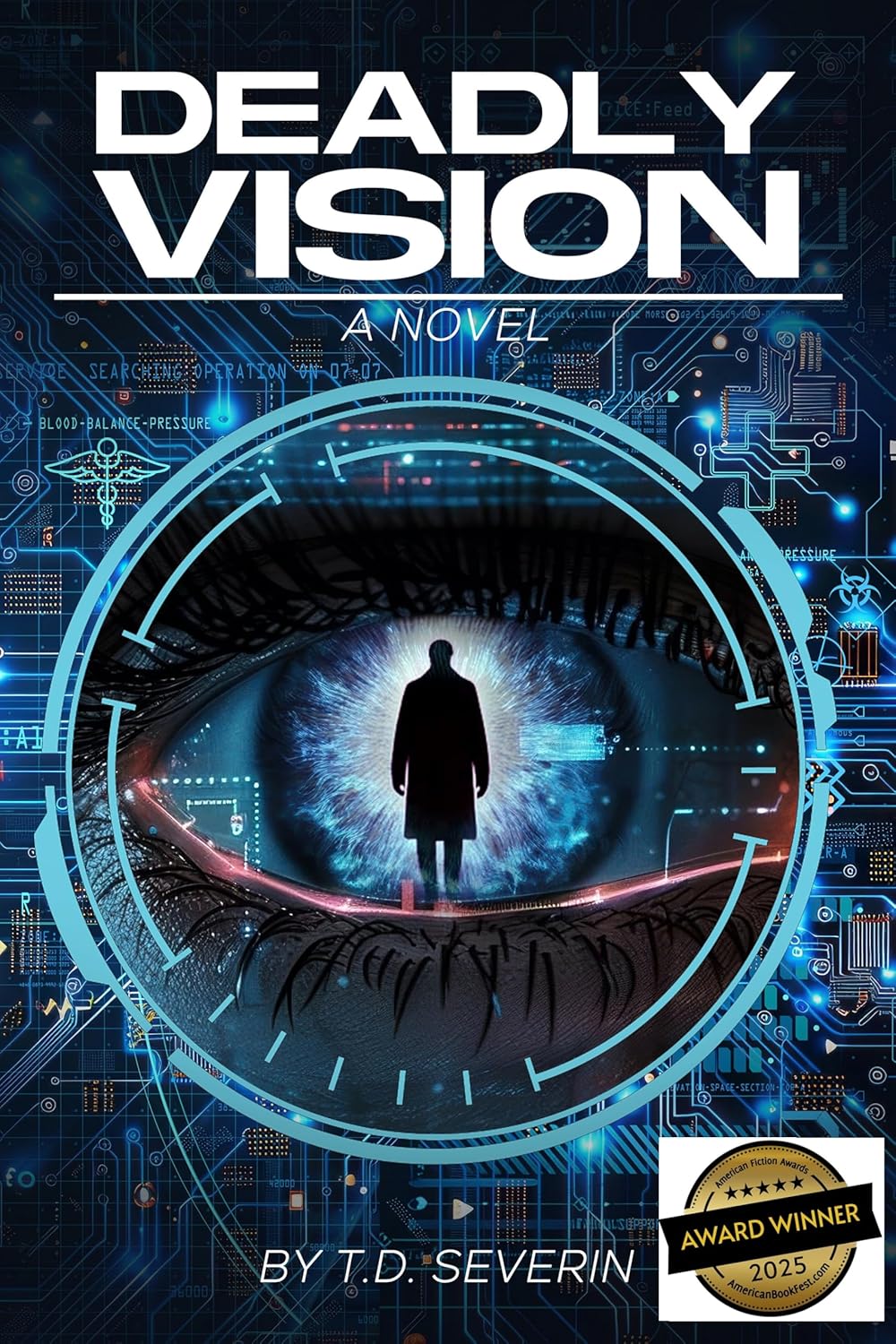

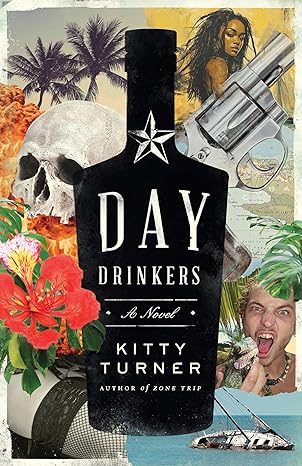
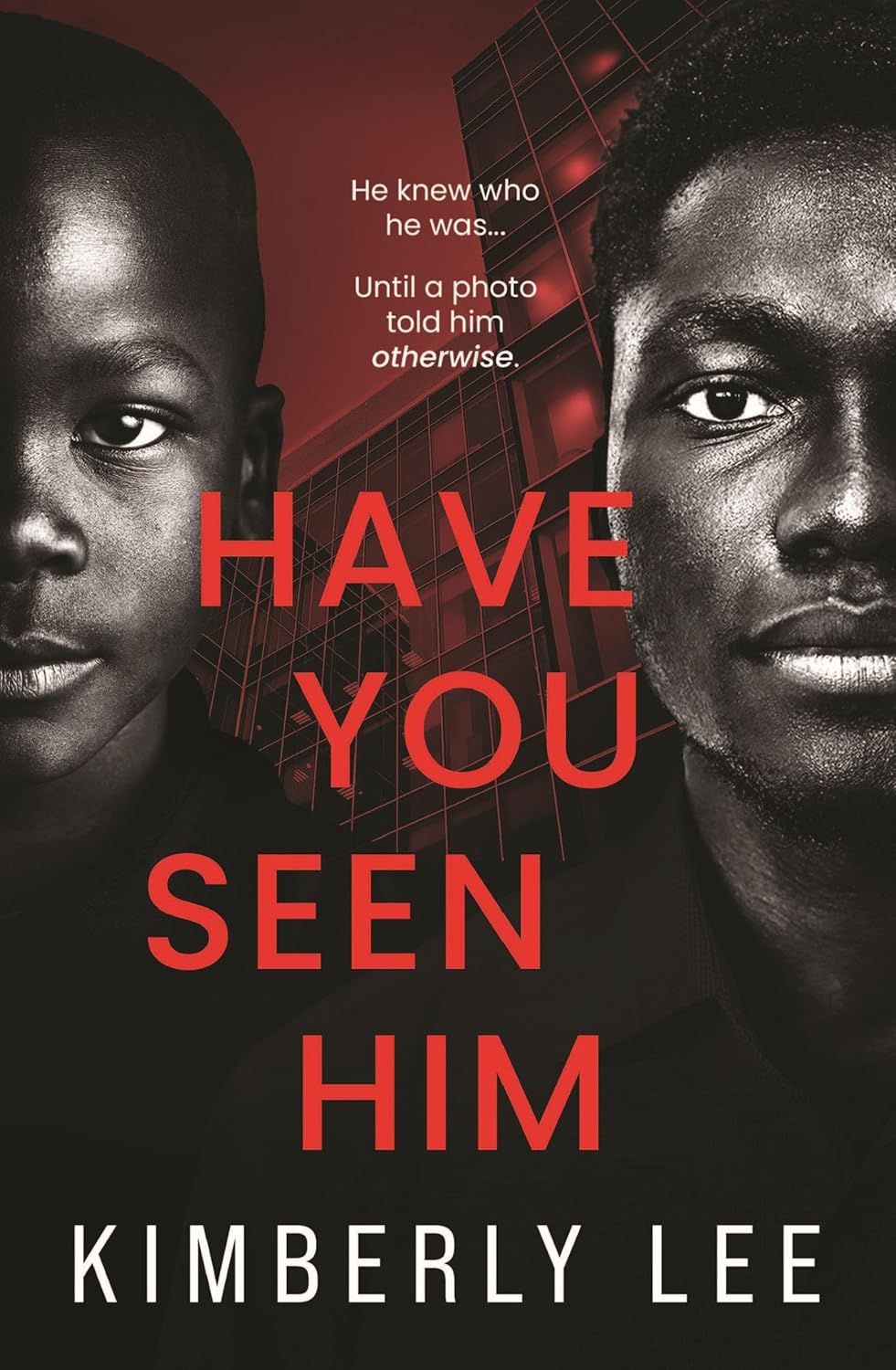
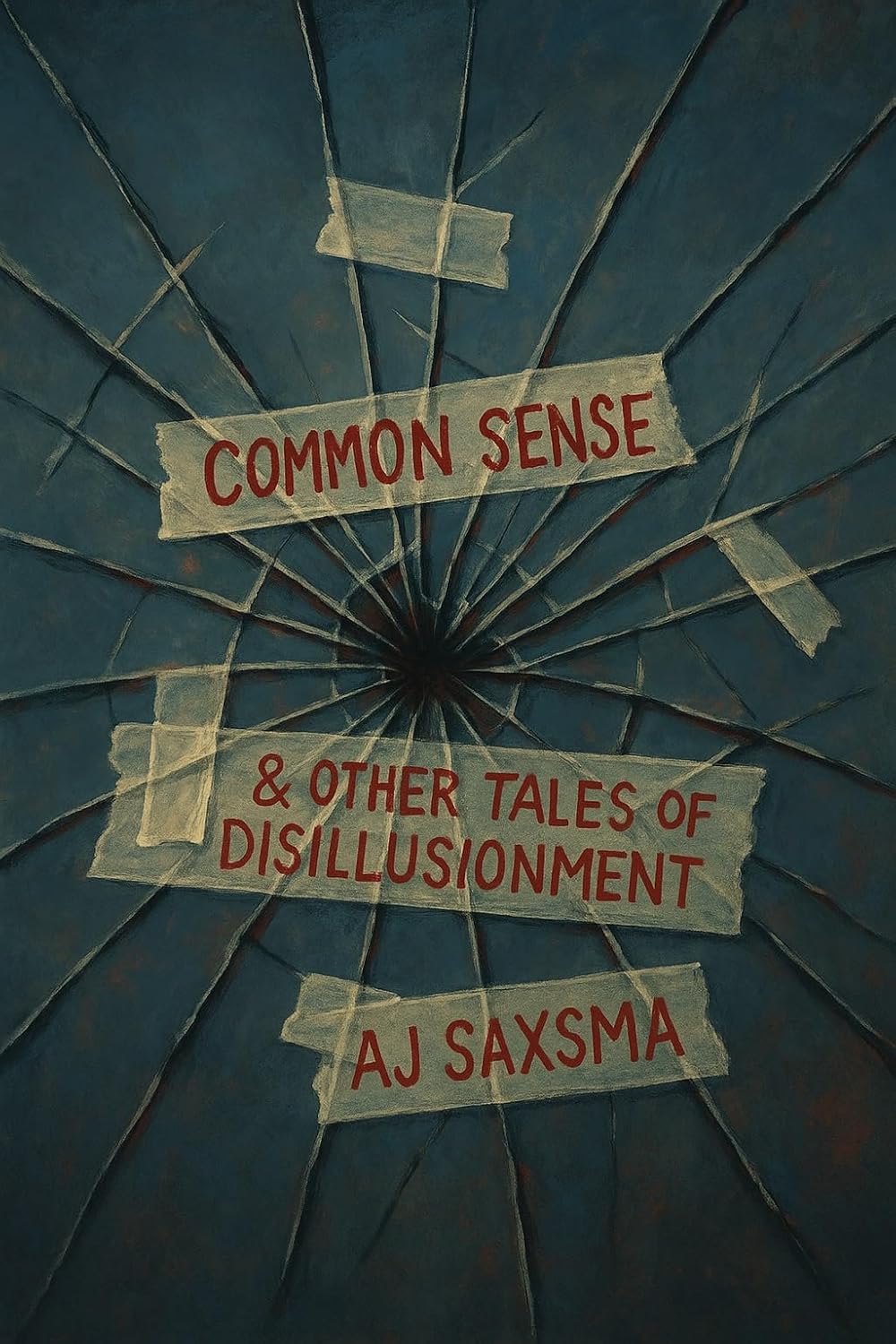




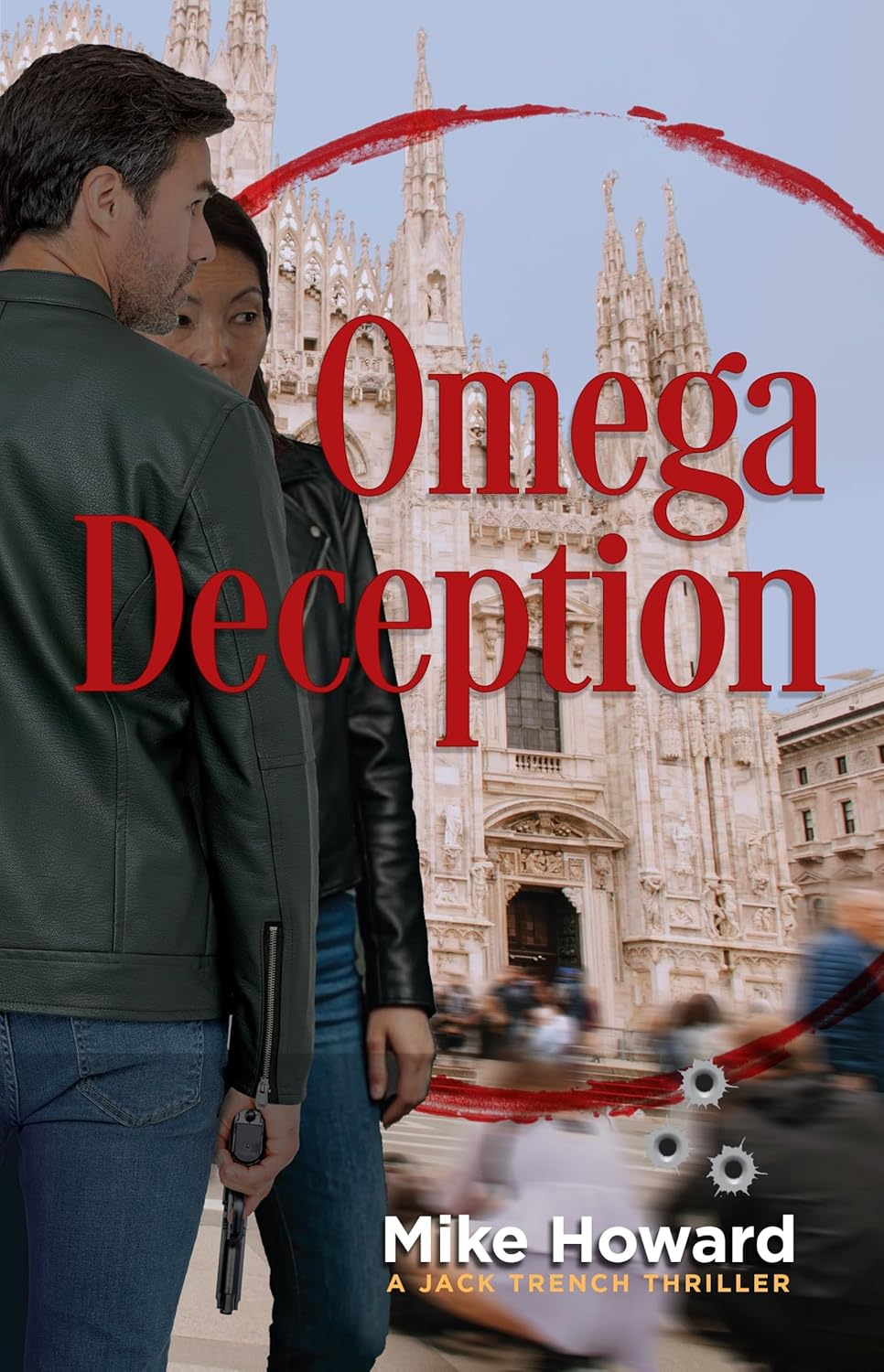
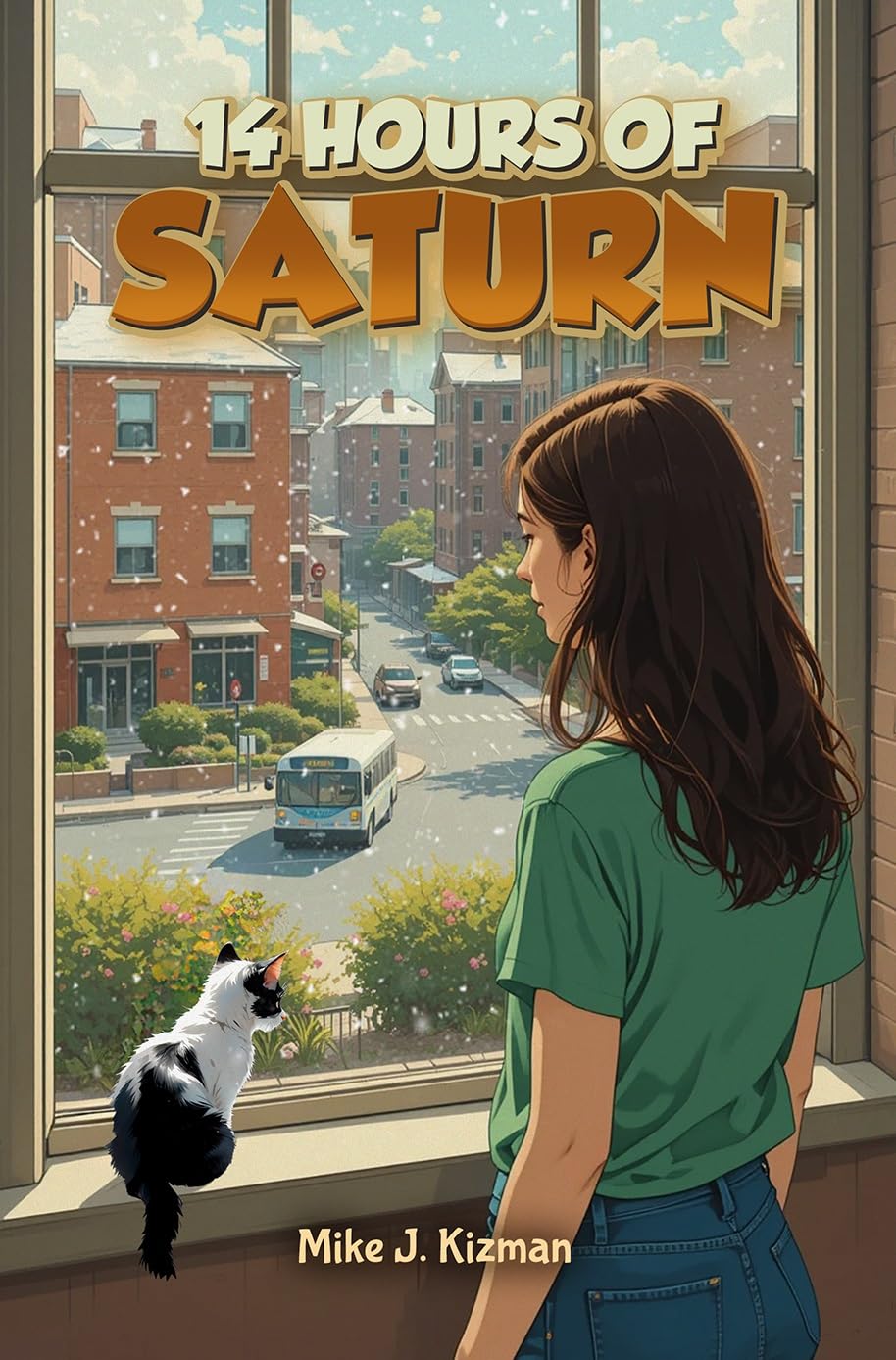
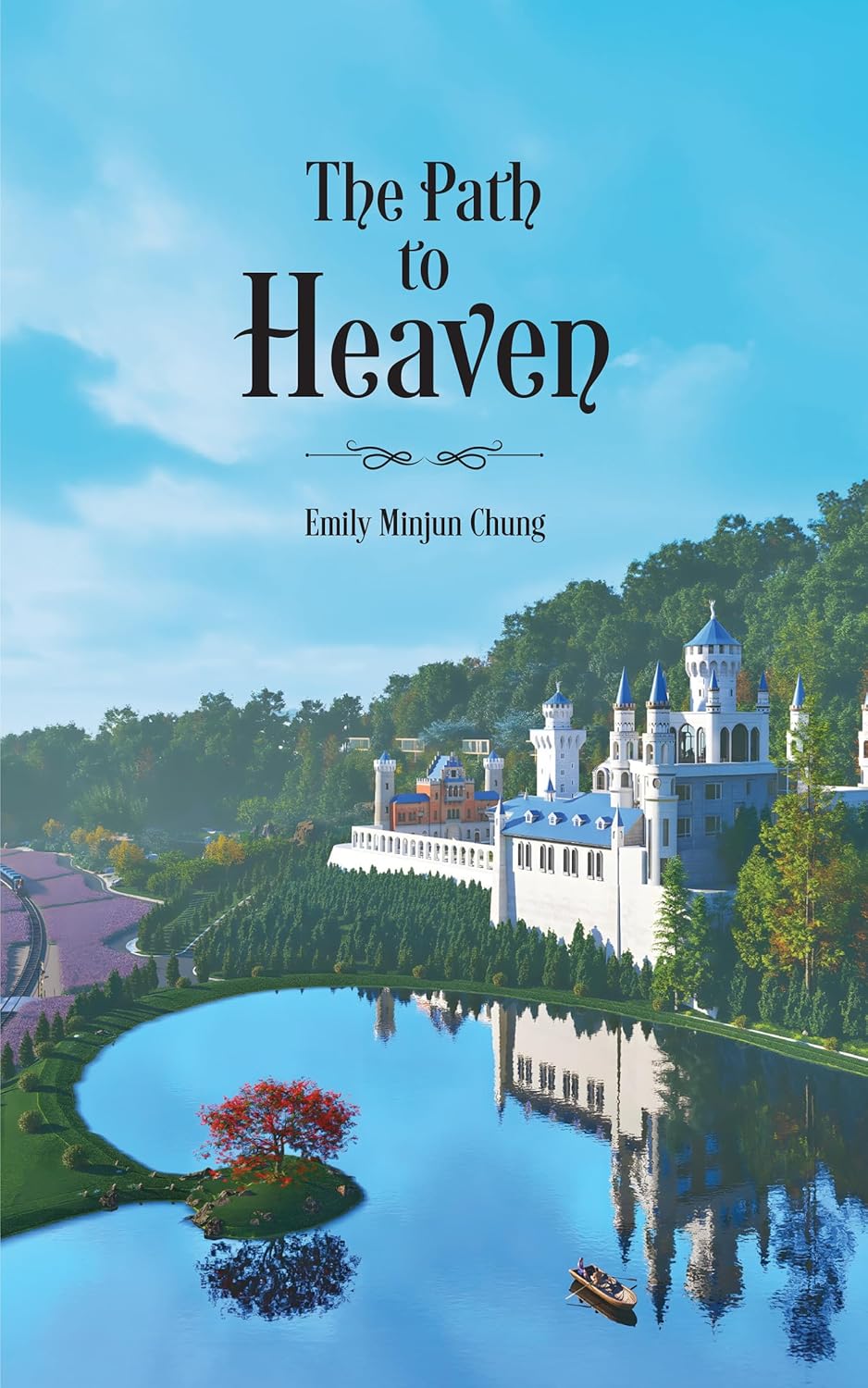






















Childhood’s Hour: The Lost Desert
Visit the Literary Titan Book Awards page to see award information.



 LITERARY TITAN