Blog Archives
A Recipe for a Psychedelic Freakout Novel
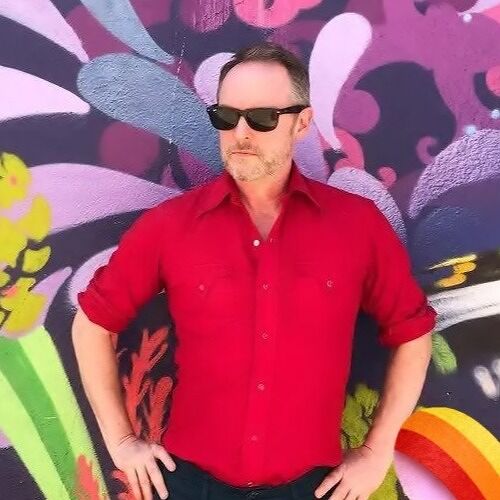
In Many Arms Enfold Us, a young girl, her brother, and her mother move to a remote area of Montana and discover the horrifying truth about what lies beneath the town. What was the idea, or spark, that first set off the need to write this book?
As a teen in Portland, OR, I discovered there was a network of tunnels under our downtown, and that was the case in many cities. I’ve always been intrigued by cephalopods, jellyfish, and bioluminescence, and I spooked myself pretty hard thinking about encountering a floating, oxygen-breathing version in the Ape Cave lava tubes in Washington. Add to that my former religious upbringing, and my wariness of cults and groupthink–this election notwithstanding–and I felt I had the recipe for a real psychedelic freakout novel.
What intrigues you most about the horror genre?
When I was a boy, I saw the short film Amelia starring Karen Black. I had nightmares for a month, and my mom forbade me to watch horror films ever again. My rebellious nature ensured I’d be devoted to scary stories from that moment on. Then I discovered Stephen King and HP Lovecraft, and I was hooked. I steer away from splatter–I think it numbs us to violence. I prefer characters that discover their resilience and bravery through some supernatural trauma.
Is there anything from your own life you put into Kara and her family?
I was raised on a religious commune in the old growth redwoods of Humboldt, CA. My experience was fairly tame, but we were definitely a cult. We believed in demonic possession, and I saw my share of drifters hitchhiking through our camp, having drug-related episodes that we were convinced was the Devil. I spent hours peering into the forest with only a kerosene lantern, listening to the scuttle of unknown creatures, creating horrors for myself. In regards to cults—I think many people with only a faith-based education will have a difficult time criticizing their leaders and practicing independent thought, because obedience, fear, and arrogance are cooked into their unassailable belief. My church was dismayed when we moved to Portland and I attended public school, and for good reason. Evidence, scrutiny, scientific method, citations, and a curious mind are all enemies of religion. Worshipping imaginary friends is unwise–imposing them on others is abuse.
What is the next book you are working on, and when will it be available?
I recently finished an autofiction called The Devil Wand. The first half mirrors my upbringing, but the second half is fiction. The protagonist discovers from watching the opening scene in Kubrick’s The Shining that a VW bug driving through beautiful scenery can be made terrifying by adding scary music. He later becomes a preeminent avant-garde composer for horror film soundtracks, much like Joseph Bishara and Mark Korven. The novel will be published next year. Meanwhile, the book I’m currently writing is tentatively called Silverlake Demon. It’s about a young man living in LA who winds up homeless, and discovers a wealthy alchemist is using an experimental serum to eradicate the indigent population, mutating them and making them commit suicide.
Author Links: GoodReads | X | Website | Instagram | TikTok | Book Review
A terrifying novel that explores feminism and consent, religious fervor, and the dark history of American asylums—filled with kaleidoscopic wonder and cosmic terror.
Ravenswood


Ravenswood plunges readers into the eerie world of a decaying asylum, where a team of paranormal investigators embarks on a chilling journey. At the center of the story is Stephen, a skeptic dragged along to challenge his disbelief in the supernatural. As the tale unfolds, Stephen is faced with more than he bargained for, and by the end, the book hits all the familiar beats of a classic horror movie—for better or worse.
Right from the start, Ravenswood excels at what it sets out to do as a horror story. The pacing mirrors that of a well-crafted horror film, starting slow and steadily building toward heart-pounding intensity. As the tension mounts, so too does the fear, dread, and sheer terror. The true star of the story, though, is Ravenswood Asylum itself. It looms large as the perfect villain, its atmosphere thick with menace and mystery. The asylum is vividly described, its every creak and shadow brought to life in a way that avoids falling into overused horror tropes. It stands as a fully realized, terrifying setting that adds depth to the story and elevates the scares. Like many modern horror films, Ravenswood places its focus more on the concept and setting, which results in a strong atmospheric experience. Stephen, the protagonist, does undergo some character growth, which adds depth to his role, though the real emphasis of the story is on the paranormal intrigue. The supporting cast, while serving specific roles in the plot, effectively helps to keep the focus on the eerie atmosphere and the unfolding mystery. By the end, the introduction of new characters adds a fresh layer of excitement, helping to propel the narrative forward and offering dynamic ways to resolve the group’s dire situation. The process of summoning the primary antagonist, a demon, is deliberately simple, relying on a skeptic, a chant, and minimal ritual elements, which enhances the story’s accessibility and draws readers into the tension quickly. Dispelling the demon, in contrast, requires much more effort, emphasizing teamwork and belief from all involved. This shift in difficulty adds a layer of complexity that keeps readers engaged. Familiar with the horror genre, this structure creates anticipation and a sense of challenge, leaving readers invested in seeing how the characters will overcome the escalating stakes.
Ravenswood is an engaging and atmospheric horror novel that successfully captures the essence of classic supernatural thrillers. Its chilling setting, combined with a steadily building sense of dread, creates an immersive experience that horror fans will appreciate. While the focus leans more on the eerie concept and paranormal intrigue, the journey is filled with tension and suspense, keeping readers on edge from start to finish. With its blend of supernatural scares, intriguing twists, and a truly haunting setting, Ravenswood is a thrilling read that delivers plenty of excitement for fans of the genre.
Pages: 224 | ASIN : B0DHB2L3FP

Winter in the City
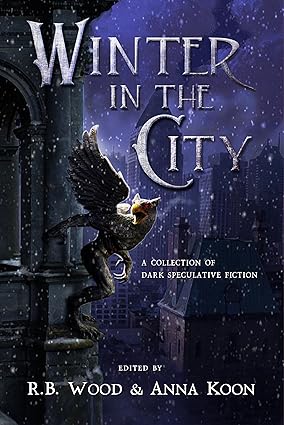

Cozy mysteries are a fall favorite, but if you’re looking for something darker to pair with those chilly nights, Winter in the City: A Collection of Dark Speculative Fiction, edited by R.B. Wood and Anna Koon, offers a different kind of intrigue. This anthology takes readers on a tour of 18 cities across the globe, transforming winter into an ominous force that influences each story. From an artist in Paris unraveling a chilling secret on the frozen Seine, to children navigating icy tombs in Jerusalem, and a fighter battling for freedom in Manila’s slums, each tale unfolds against the backdrop of an unforgiving winter season. The result is a thrilling mix of mystery, danger, and survival.
What struck me most about this collection was the vivid imagery woven into each story. Whether you’re in the snow-dusted streets of Brooklyn or the cold, eerie tombs of Jerusalem, the settings are brought to life with meticulous detail. Winter isn’t just a season here; it’s a character in its own right, shaping the mood and tension of every narrative. You can practically feel the biting cold in each scene, and that relentless chill amplifies the sense of isolation and danger throughout the book. This anthology pulls you into each city’s unique atmosphere, making it easy to get lost in these dark, speculative worlds.
Another highlight is how the collection offers a global journey. Each story transports readers to a new city, maintaining a consistent tone of suspense while offering a fresh perspective on urban life under winter’s grip. The variety of locations adds richness and depth to the overall experience, making every tale feel distinct yet part of a cohesive whole. While I feel a few stories might be a tad predictable, the overall quality of writing and the gripping atmosphere more than make up for it.
Winter in the City is perfect for fans of dark speculative fiction who crave both eerie tales and the thrill of exploring new places. If you’re in the mood to travel the world without leaving your cozy spot on the couch, this anthology delivers a suspenseful, chilling adventure through winter’s harsh embrace.
Pages: 340 | ASIN : B0DGQSD55H
Silence

Silence, by Che De Leon, is a gripping dystopian novel set in a world where society is starkly divided into the Complete and the Incomplete. The chasm between these two groups has never been wider, with desperation and greed ruling the day. The black market thrives, as the wealthy treat body parts like fashion accessories, swapping them at will. Amidst this chaotic world, we meet Lily—the girl with no tongue. In this brutal reality, De Leon explores the fragility of humanity. Can a world built on violence, theft, and survival possibly change? Is there room to dream of something better, or is hope a luxury no one can afford? These questions are at the heart of Lily’s journey, as she navigates a life torn between the past and the present.
The novel alternates between two timelines, reflecting Lily’s dual existence. In one, she recalls her seemingly idyllic childhood in a quiet seaside village, where she still had her tongue and a sense of belonging. In the other, we see her in the bustling, cutthroat City, where survival means becoming Complete again—no matter the cost. Lured by a mysterious girl in an ugly sweater who offers promises of fulfillment, Lily embarks on a dangerous quest, learning how to navigate a society that treats her as inferior. Along the way, she meets others like her, who teach her the skills needed to survive in the cruel and unforgiving City. She also faces tormentors, individuals who challenge her dignity and pride, testing her will to continue. As Lily struggles to come to terms with all that she has lost—her body, her identity, and perhaps her hope—De Leon’s storytelling shines.
The author weaves a complex narrative that is as emotionally resonant as it is darkly imaginative. Lily’s internal battle mirrors the external conflict in this fractured world, making her story both deeply personal and universally relatable. De Leon’s voice is both distinct and powerful, offering readers an unflinching look at themes of survival, identity, and resilience.
The lessons embedded in Lily’s journey transcend the dystopian setting, speaking to readers of all backgrounds, regardless of race, gender, or age. While set in an alternate reality, the novel strikes an eerie chord, suggesting that this world may not be as far from our own as we would like to believe.
Silence is not just a tale of a girl trying to reclaim what was taken from her. It is a reflection on human nature and the lengths to which individuals will go to feel whole again. De Leon’s masterful storytelling and richly drawn world make this a novel that lingers long after the final page, challenging readers to think about what it means to be complete in a world that feels so broken.
Pages: 225 | ASIN : B0D88K98TR
Searching for the Origins of Halloween

Facing Demons: An All-Hallows’ Eve Tale follows the town constable who is approached by a young girl accusing an esteemed family of being involved in witchcraft, leading to an investigation that reveals a darker truth. What was the inspiration for the setup of your story?
I enjoy watching horror films each year in October and I’m a big fan of the “Halloween” franchise. I was up late one night watching AMC and they had “Halloween III: Season of the Witch” airing. I had never seen the film before because many of my friends told me it wasn’t that great. I decided to watch it and I thought the concept was very interesting. After it caught my interest, I began researching the origins of Halloween which go back to the ancient Celts. I thought if I set the prologue in Ireland and used some aspects of Samhain, it would be a great way to pay homage to the ancient roots of Halloween even though much of it is still debated to this day.
Was there a reason why you chose this location as the backdrops for your story?
When I write the stories for the “All Hallows’ Eve Tales” series, I try to base them on old legends that I heard growing up. Most of the time, my stories are loosely based so I can take liberties with the storyline. In regards to “Facing Demons,” the story is loosely based on South Carolina’s forgotten witch trials which occurred almost 100 years after the Salem Witch Trials. Several of the towns I use in the story reference the final case of witchcraft in South Carolina. In this case, a woman from Chesterfield named Barbara Powers was accused of witchcraft around 1813-1814.
What draws you to the horror genre and makes it ripe for you to write such a great mystery story in it?
I think what drew me to the horror genre was the mystery surrounding local legends in the Southeast. For example, “The Beast of Talbotton” is loosely based on a werewolf legend that took place in Talbotton, Georgia. From the first time I learned about it, I always wondered what started the legend. Did someone see a wild animal that they could not identify? Was this just an accusation to smear someone? Or was there something we truly can’t explain? I tried to portray the same thing in “Facing Demons.” If a magical or mysterious event occurred, I wanted a possible rational explanation as well. Like many mysteries, who knows what really happened.
What is the next book that you are working on and when can your fans expect it to be out?
I’m currently working on a western-style story that takes place in south Florida in the 1850s. It involves outlaws, gunmen, soldiers on assignment from the Florida Militia, and the wilds of south Florida in an era sometime around the 3rd Seminole War and just before the American Civil War. I’m hoping to have it out in 2-3 months. I’m also working on a new addition to the “All Hallows’ Eve Tales” series which will be released by next October.
Author Links: GoodReads | X | Facebook | Website | Spring | Book Review
At the start of the nineteenth century, a girl approaches the town’s constable, William, and accuses the powerful O’Neill family of witchcraft. She is quickly dismissed, but Bridget, a bright nurse and William’s love interest, soon convinces him that the girl is telling the truth. An investigation commences, and William and Bridget join forces to unravel the mystery.
As they navigate the increasingly sinister facts, the duo finds out what evil is. They are soon forced to keep secrets to stay safe…only to learn that others will pay the price. Confronting their own terrors, William and Bridget discover that not everything is what it seems-sometimes, it’s darker.
This haunting story revels in our fears and the strange things we can’t explain.
Recipient of the Literary Titan’s Book Award in October 2024.
Where Is My Blood Going?
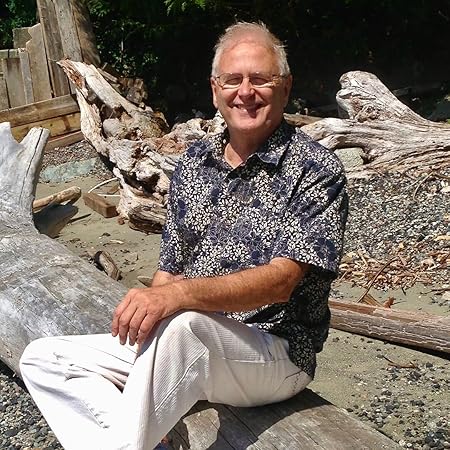
Vampires in BC follows a man who has been partially transformed into a vampire as he grapples with his new identity and the moral questions he faces in this new form. What was the inspiration for the setup of your story?
I was in the hospital waiting for a delayed operation, so I caught up on reading. I decided to re-read Bram Stoker’s Dracula. It awakened a long-hidden fascination with vampires, and then, as my blood was being taken twice a day, I wondered what they were doing with it. The idea of vampires stalking the corridors emerged as we were a sitting target for bloodsuckers to take advantage of. At night in my ward, there were times when patients screamed, which awakened my creative side.
However, I have always been fascinated by the animal and human worlds from different standpoints. My dog’s perspective on life is very different from mine, and I wonder how an intelligent animal would react to what we have done to the environment. I wanted to bring that up, not to lecture about it but to introduce it as an idea for people to consider. Jude also faces a moral dilemma as Vampires in BC depicts the struggle between instinctive behaviour and human compassion.
Did you plan the tone and direction of the novel before writing, or did it come out organically as you were writing?
The first draft emerged while I was writing the book, but the characters created the novel’s direction. A lot of re-writing took place, and ideas surfaced as I was writing. As I said, the characters come alive and know how they behave. They develop, and for example, I’ve tried to show how Gav comes across as a wise-cracking, arrogant teen, but he has another side to him, and although Jude doesn’t acknowledge this openly, he benefits from Gav’s interventions.
What were some themes that were important for you to explore in this book?
The underlying sexuality in the book resonated with me. If you can shape change as Vampires do, what’s to stop you from becoming a woman, a man, or an animal? With vampires, their overwhelming need to survive is to feed on blood, and the most desirable blood comes from us. However, they have to attract humans, seduce and overwhelm them. You may notice that with those they want to turn, they ask permission first, but at other times, when they have a different objective, they don’t.
Transformations from human to vampire and the lure of longevity are fascinating topics to explore. Don’t we all want to live longer? The lure of wealth and unlimited power is bubbling under the surface of our psyche, which leads to the question: What are we prepared to do to achieve those aims? It’s the age-old dilemma of selling your soul to the devil for riches. Christopher Marlowe’s play Doctor Faustus explores this wonderfully.
The changes we are experiencing due to climate change because of human exploitation gave me a chance to look at it from another species’ point of view. Change, however, is frightening and has repercussions that may not always be positive. So, how does Jude try to balance his love for his vampire life with vestiges of his human empathy?
Can fans look forward to more books from you soon? What are you currently working on?
The first book scattered seeds that could be followed up in a sequel but are still in the embryo stages. I’ve also got an unfinished book waiting for me to return to. However, I found writing about vampires was a lot of fun, as you can create a fantasy worldview around them. In a potential sequel, I would like to concentrate on how vampires are similar to humans with complex characters. One of the younger vampires I’ve introduced could be developed, along with the mission Jude and Gav set for themselves. I also need to develop the roles of the Children of Sasquatch and the Canadian Special Forces. But I’d also like to get reactions from readers to get their perspectives.
Author Links: GoodReads | X | Facebook | Website | Instagram | Book Review
Although Jude loves the power of being a partial vampire, which includes shapeshifting into whatever he wants, he struggles with guilt over the harm his vampiric nature may cause. His human side clings to his past, but as a vampire he has access to a world of power, immortality, and liberation from human limitations.
Should he work to destroy the world he lives in and dominate the planet, or side with humans in fighting the vampires that control him?
Chimaera and Other Stories

Horror can come in many forms; sometimes, it’s visceral and gory, and other times, it digs deep into the mind. Chimaera and Other Stories by Steven Bruce gives readers a mix of both. In the titular story “Chimaera,” a woman trapped in a crumbling relationship is haunted by terrifying hallucinations. Elsewhere, a teenager’s life unravels after encountering a mysterious creature, while a pair of kidnappers find themselves battling a monstrous force in a secluded cabin. In another unsettling tale, a restaurant owner prepares a meal for an engaged couple who aren’t at all what they seem. Each story is a doorway to sleepless nights, and Bruce doesn’t hold back in making sure you regret opening them.
This collection of Flash Fiction reminds me of the dark genius of Stephen King or Clive Barker, particularly the latter’s Books of Blood series. Bruce has a sharp eye for detail and doesn’t shy away from taking his readers to some truly gruesome places. If you’re easily disturbed, be warned—stories like “Voila” and “Gristle,” both centering on the horrors of food gone wrong, will churn your stomach in the best possible way. Just when you think you know where a tale might lead, Bruce twists it, often to the grisliest extremes, relishing the macabre journey. But it’s not all blood and guts. The title story, “Chimaera,” stands out for its psychological horror, which makes it even more unnerving. Unlike some of the other entries, this one sneaks up on you with its subtler approach. Anyone who’s been in a doomed relationship will recognize the protagonist’s growing paranoia and doubt, making it a truly relatable nightmare. It’s this slow descent into madness, rather than overt terror, that leaves the most lasting impression.
This collection offers plenty to devour for readers who enjoy exploring the darkest corners of the mind and are unfazed by a bit of bloodshed. Steven Bruce dives fearlessly into horror’s most unsettling depths, and the results are nothing short of chilling. Chimera and Other Stories should be at the top of your reading list if you’re a fan of psychological horror with a sharp, bloody edge.
Pages: 40



 LITERARY TITAN