Blog Archives
The Opioid Epidemic

Flirting With Extinction is a raw and unapologetic mosaic of personal essays and stories that chart a life punctuated by grief, recklessness, resilience, and searching. Why was this an important book for you to write?
I needed to process my grief in some way, and I thought that by analyzing it and finding the life lessons in all that had transpired and writing about it would help me navigate my pain as well as the pain of others who have lost cherished loved ones to the opioid epidemic sweeping America’s youth.
What were some ideas that were important for you to share in this book?
My love for my sons was not as powerful a motivating force in their lives as the cultural zeitgeist they lived with. They had moved away from their Land Before Time and Pokémon mindset into what their peers were doing in the Seattle music scene in the late 1990s and early 2000s. The 1960s bohemian fashion was in style along with designer drugs I had never heard of until one of my sons died after using the latest drug on the scene, fentanyl. And then even after rehab, the other one followed suit several years later, killing himself on meth. I was absolutely devastated.
I appreciated the candid nature with which you told your story. What was the hardest thing for you to write about?
The deaths of my sons, I cried every time I worked on that aspect of the story. It took multiple edits with my tears running into my coffee and ruining the taste.
What do you hope is one thing readers take away from your story?
If you value life, and even if you believe in an afterlife, after experiencing the death of a loved one, it’s important for one’s sanity to find the positive in the negative and nurture those seeds of positivity in everything, to make the pain more bearable. In my sons’ memory, I wear the Jewish Chai symbol that serves as a reminder to embrace life’s inherent beauty, to cherish the present moment, and to recognize the profound interconnectedness of all life.
Author Links: GoodReads | X (Twitter) | Facebook | Website | Amazon
After converting to Judaism and adopting her new husband’s name, she moved to Washington state and together with her husband, Joanna helped create a utopia on their island home, far from family feuds. As a family they explored the Pacific Northwest wilderness and played sports. Their children thrived in an environment filled with art, music, and freedom. But the idyllic life they built took a dark turn when their teenage son Micah, along with his friends, defaced a yeshiva, with one drawing swastikas and the chilling message, “this way to the gas chambers”—a reckless joke that would lead to devastating consequences.
As the law came down hard on Micah, the family faced the unbearable loss of their other son, Seth. In Flirting with Extinction, Joanna Kadish explores the deep-rooted trauma inherited from Holocaust survivors. Micah’s great-grandfather was killed in a German labor camp, and Micah’s grandfather, with his mother and sister, fled Germany shortly before Kristallnacht. Decades later, that trauma continues to haunt the family, proving that the wounds of history are not so easily healed.
These are Joanna’s stories of survival, loss, and the enduring impact of generational trauma.
Where Eagles Fly Free
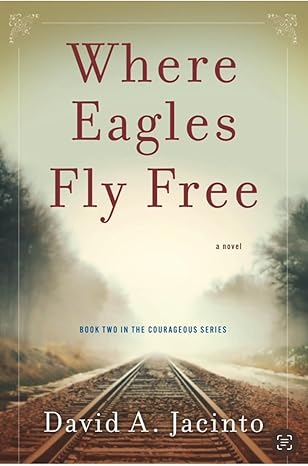

David A. Jacinto’s Where Eagles Fly Free is an immersive historical novel that whisks readers back to 1868, following Tom Wright and his family as they embark on a grueling transatlantic journey from England to America. Their story is one of resilience, hope, and unyielding determination as they flee the oppression of the British aristocracy in pursuit of a dream to live freely on their own land. Throughout, the narrative teems with vivid imagery, from the breathtaking Irish Sea to the cramped, unsanitary ship conditions, and highlights the toll of physical and emotional hardships faced by immigrants.
Jacinto’s writing made me feel present in every scene. His descriptions of the Colorado ship, the swaying wooden masts, the pungent smell of mildew, and the ever-present threat of the Atlantic’s fury were so vivid I felt seasick myself. One standout moment was when the ship endured a violent cyclone, complete with cracking masts and desperate sailors. It was heart-pounding and terrifying, yet it highlighted Tom’s courage under pressure. At the same time, the book’s pacing allowed for reflective moments, particularly during the extended inner monologues about America’s promise, which offered a hopeful and idyllic vision of the future that added depth to Tom’s dreams.
The novel shines brightest in its portrayal of human relationships. Annie, Tom’s pregnant wife, was a standout character for me. Her compassion and sheer grit stole the spotlight repeatedly. I found myself rooting for her during the scene where she faced off with the ship’s detestable cook, Mr. Bunnings, over the rotten food being served to sick passengers. Her determination to improve conditions for everyone, even as she battled her own exhaustion, was inspiring. Tom’s interactions with his wife left me conflicted. While his dreams for America were noble, his occasional dismissiveness of Annie’s struggles added a layer of tension that felt unresolved.
The bonds of family and the pain of loss are central themes. Tom and Annie’s shared grief over their son Henry’s death added a poignant layer to their relationship. Scenes like Annie comforting her ill nephew or witnessing a mother and child being buried at sea were gut-wrenching. These moments grounded the story in raw emotion and reminded me of the immense sacrifices immigrants made for the hope of a better life.
Where Eagles Fly Free is a deeply evocative tale of perseverance, filled with memorable characters and stirring imagery. While it occasionally leans into idealism, the novel’s focus on family, faith, and the pursuit of freedom will appeal to readers who enjoy richly detailed historical fiction. I’d recommend it to anyone with a taste for emotionally charged narratives, particularly fans of stories about immigration or survival against the odds.
Pages: 400 | ASIN : B0DZY69F2J

The Gift of Friendship

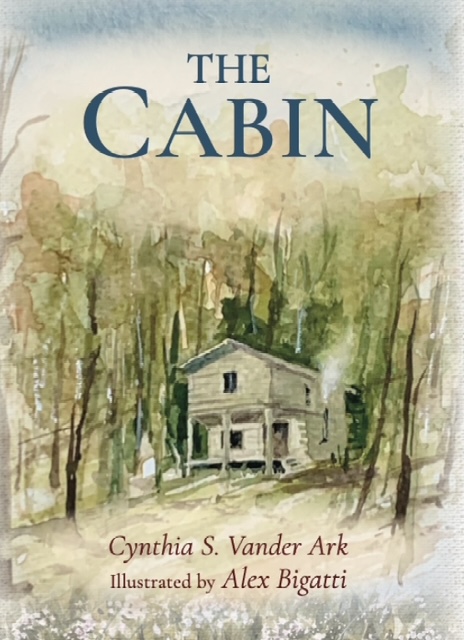
The Cabin tells the story of two children who become attached to the mystique surrounding a cabin in the woods and the sense of loss and subsequent resilience upon its destruction. What was the inspiration for the setup of your story?
This story is inspired by a true event that took place on Hog’s Back Mountain in Upstate New York. Summers spent on my grandmother’s farm provided a real time experience of life, play, and death. Due to our wonderful experiences, we blossomed as human beings while there.
Is there anything from your own experience found in the characters of Keith and Cynthia?
Haha! Actually, yes! We are the characters and I could not be happier with what they discover through unexpected friendship, loss, and the continuance of their rhythm of farm life.
The artwork in your book is wonderful. Can you tell us a little about your collaboration with illustrator Alex Bigatti?
Alex understood and loved the story from the start. I wanted the medium of watercolor to convey a sense of wistfulness and she agreed. Neither of us knew much about doing art for a children’s book, but she was persistent and did her research. Alex’s insight and passion for her art is clearly seen in the illustrations and she was so easy to work with. She captured the emotional world of the characters and the story!
What were some themes that were important for you to explore in this book?
The theme of resilience was the top theme for me. It emerged as I did the rewrites: Resilience in the face of loss. What also came out was the importance of rhythms in our life…rhythms that can carry us through difficult and wonderful times, but are always there. The gift of friendship also seemed important. The joy and surprise as well as the fragility of them is clearly seen and felt in The Cabin.
Author Links: Instagram | Website
Angels in the Sand
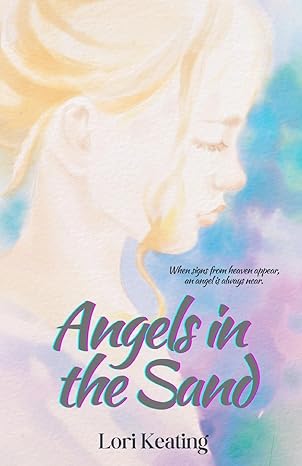
Lori Keating’s Angels in the Sand offers a touching and heartfelt exploration of loss, resilience, and the enduring power of family bonds. At the heart of the story is 10-year-old Jessica (Jess) Alexander, a young girl grappling with profound loss. Her father’s tragic accident has already left a void in her life, and now, her family faces another heartbreak: her grandmother’s terminal cancer diagnosis. As Jess and her mother prepare to spend one final Christmas with her grandmother, the narrative unfolds into a poignant journey of love, remembrance, and hope.
Keating masterfully paints the dynamics of Jess’s close-knit family. Jess’s determination to make their last holiday together unforgettable leads her to create a “must-do” list for her grandmother, filled with activities designed to create lasting memories. These moments serve as both a celebration of life and a reminder of the importance of cherishing the time we have with loved ones.
This book is an essential read for children coping with loss and for parents seeking to understand the inner workings of a grieving child’s mind. Keating captures the raw emotions of grief, illustrating not only the sorrow but also the glimmers of joy that can coexist in the healing process. The story reassures readers that it’s okay to feel happiness again, a sentiment that provides comfort and encouragement. The message that departed loved ones would want to see us happy adds a layer of solace for readers navigating similar experiences. The narrative also underscores the significance of preserving memories. Through Jess’s perspective, the book highlights how easily children can forget cherished moments, urging adults to share stories and details about those who have passed. These shared memories become invaluable threads connecting the past with the present. Keating weaves subtle Christian elements into the story with grace, using biblical references to instill hope and faith. These moments of spiritual reflection are seamlessly integrated, offering a comforting perspective to readers who may draw strength from such beliefs.
Jess’s character is a standout achievement in this book. Her innocence and curiosity shine through, making her reflections feel authentic and deeply relatable. Keating’s vivid storytelling allows readers to experience the world through Jess’s eyes, capturing the sweetness of small moments and the depth of her family’s love. These tender memories serve as a beacon of light during dark times, reminding readers of the beauty in connection and care.
Angels in the Sand, by Lori Keating, carries a profound moral: cherish the people around you and remain open to the signs that lost loved ones continue to watch over us. Keating’s gentle yet powerful storytelling leaves an indelible impression, making this book not only a source of comfort but also a celebration of life’s most precious gifts.
Pages: 112 | ISBN : 978-1957656816
HOMEMADE SHRINE
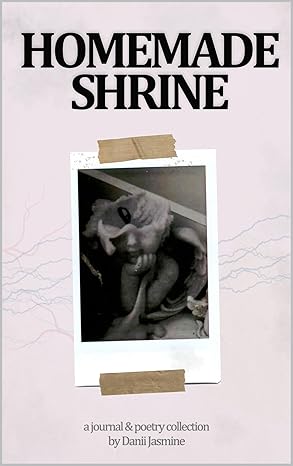
Danii Jasmine’s collection of poetry is an evocative exploration of love, loss, and identity filtered through the lens of surreal nostalgia and unfiltered introspection. Each poem feels like stepping into a dreamscape—full of vivid imagery, shadowy emotions, and fleeting memories that are as unsettling as they are beautiful. From suburban settings steeped in twilight gloom to the intimate mundanity of a whispered phone call, Jasmine builds a deeply personal shrine to a fractured but deeply felt life.
What struck me first was Jasmine’s ability to tether seemingly mundane details to existential depth. In “Sunshinelater”, for instance, the suburban setting of “empty houses” and “flower-embroidered pillowcases” morphs into a melancholic reverie, turning ordinary imagery into a commentary on fleeting happiness. Her writing radiates a blend of resignation and quiet rebellion, making the familiar feel alien.
Another standout is “Brandy Melville”, where Jasmine captures the turbulence of toxic intimacy. Lines like “I wrote five paragraphs about neglect” and “the people around me…recognize this resigned sad version” reveal a raw vulnerability. Yet, the poem avoids outright despair, weaving in a dark humor that feels both defiant and self-aware. This complexity—pain wrapped in sharp wit—is one of the book’s greatest strengths.
I also loved “The Common Emigrant”, where Jasmine meditates on the fragility of beauty through the imagery of a butterfly trapped in a killing jar. It’s a delicate yet chilling metaphor for human relationships, artistic capture, and the cost of preserving beauty at the expense of life. Her descriptive language, like “the overwhelmingly sweet stench of ethyl acetate,” lingered with me long after reading, a testament to her skill with sensory detail. The collection’s relentless introspection might not appeal to readers looking for lightness or clear resolutions. But for those who crave poetry that pushes boundaries and reflects raw human experiences, this is an unapologetically visceral offering.
HOMEMADE SHRINE is perfect for anyone who enjoys emotionally charged, visually rich writing. It’s for readers who are not afraid to sit with discomfort, who seek beauty in the jagged edges of life, and who relish peeling back the layers of language to uncover the raw, pulsing heart beneath.
Pages: 102 | ASIN : B0DJLBCSTH
The Cabin
Cynthia S. Vander Ark’s The Cabin is a poignant and nostalgic picture book of a childhood summer spent on Hog’s Back Mountain, intertwined with unexpected friendships, innocent adventures, and a quiet reckoning with loss. Through lyrical prose and wonderful watercolor illustrations by Alex Bigatti, Vander Ark tells the story of two kids, Keith and Cynthia, who fall into the magical rhythm of life with a group of gentle “hippies” building a cabin in the woods. What starts as a carefree exploration of summer days culminates in the heartbreaking yet tender image of ashes where the cabin once stood. The narrative moves seamlessly between joy and sadness, making readers feel as though they, too, are meandering through blackberry bushes and ravines.
The writing is intimate. Vander Ark’s descriptions paint the farm and its surrounding woods in colors both vibrant and melancholy. Lines like “The hippies became a part of our landscape… the warp and weave and rhythm of our daily lives” give life to the fleeting beauty of human connection. I especially loved how the text shifts from playful moments, like learning to whistle through joined thumbs, to contemplative reflections on impermanence. There’s a rhythm to the prose that echoes the seasons of the mountain itself: growing, burning, grieving, and renewing.
What really struck me was how Vander Ark handled the theme of loss. When the children return to find the cabin reduced to “ashes, laid out in a rectangle,” the watercolor scene is deeply affecting. You can feel the heavy stillness as Keith and Cynthia stand “frozen” with “lumps like rocks” tumbling in their stomachs. It’s an honest portrayal of grief. How it surprises you, settles in your heart, and becomes part of your world. I loved the watercolor scene on this page. Vander Ark doesn’t shy away from this complexity, even in a story accessible to younger readers.
The book’s simplicity is also its greatest strength. It doesn’t try too hard to impart a lesson or wrap up emotions with a tidy bow. Instead, it trusts the reader to sit with the feelings. The cabin’s fate is tragic but not hopeless. Nature persists, as do Keith and Cynthia, exploring ravines and picking wildflowers. “When we looked closely through the light and shadows,” the author writes, “we would always find flowers that had just enough sunlight to grow.” That small detail—finding flowers in the shadows—left me with goosebumps. It’s a perfect metaphor for resilience and hope, all wrapped in childhood wonder.
The Cabin is a quiet treasure of a children’s book, brimming with warmth, wistfulness, and the wisdom of letting go. It’s perfect for readers who enjoy reflective storytelling and beautifully simple prose. Parents could read this with their children to gently explore loss and resilience. Adults, too, will find echoes of their own summers and moments of grief in its pages.
Incredible Loss

Harpazo follows a cast of characters, all of whom are grappling with losing loved ones to sudden and unexplained disappearances. What was the inspiration for the setup of your story?
Harpazo, along with the other two books in the Trib Trilogy, are inspired by events described in the Book of Revelation in the Bible.
The sudden disappearance of a quarter of the world’s population that takes place at the beginning of Harpazo is inspired by the Rapture. The Rapture is not found in the Book of Revelation, but passages describing the Rapture—a sudden, future gathering up of the godly—are sprinkled throughout the Bible.
Wondering what it would be like to be left behind after the Rapture takes place, I wanted to explore as many permutations of this as possible. So, I tried to give several points of view, but all from average, hard-working, well-meaning people.
The loss of one-quarter of the world’s population causes severe consequences that each of my characters must find a way to come to terms with. I wanted to explore several ways an average person could respond to the incredible loss felt by all.
What draws you to write books in the apocalyptic fiction genre?
Every interesting story contains a problem that the characters must solve or find a way to live with. Apocalyptic fiction takes that to a much higher level. The problem is bigger, usually worldwide, but the principle is the same as for every story.
I think the danger with most apocalyptic fiction is that it gets lost in the grandiose nature of its story problems. Huge events tend to dwarf the characters and their responses to the events taking place.
I’ve always wondered what the consequences would be if the worst scenario happened. What would happen after the unthinkable? And what could be more unthinkable than one-quarter of the world population (including all the children) suddenly disappearing?
But I wanted to showcase this earth-shattering event—and the consequences that ensue—through the eyes of ordinary people. I wanted to present the changes that can occur due to the catastrophe on an individual level…the good, the bad, and the ugly. For that, I needed to approach the story from several perspectives.
What experience in your life has had the biggest impact on your writing?
This is a really difficult question to answer as there are so many life experiences that I could point to that I believe shaped my perspective. But if I had to narrow it down to one thing, I would have to say that becoming an active Christian has had the greatest impact on my writing…as it has for my whole life.
Can you give us a peek inside the second book in the Trib trilogy? Where will it take readers?
Sure, here is the synopsis for Charagma, Book Two of the Trib Trilogy:
The meteor showers that destroyed two major cities on the eastern seaboard of North America—and heavily damaged all others—have continued unabated for weeks. Not confined to North America, the meteors have rained down death worldwide, igniting old-growth forests in an inferno of epic proportions.
Now, at the beginning of the second year of the Tribulation, a much bigger meteor plummets into the Pacific Ocean…and plunges the world into the next series of cataclysmic events. Not least is the sudden, silent change in the world’s freshwater supply from potability to deadly poison.
Meanwhile, in geopolitics, a new hope dawns.
A leader, the likes of whom the world has never seen before, emerges out of obscurity to take command. The world’s population, desperate for solutions, clings to the new leader’s promise of renewed peace and prosperity.
While most of the world’s citizens believe in the new leader’s rhetoric some do not. Even after the new leader miraculously resurrects after being assassinated!
Only a few know who the new leader really is and how dangerous he is to everyone, everywhere, all over the world.
Through the eyes of ordinary people, Charagma tells the story of the middle years of the Tribulation—a time of growing political pressure to conform to the all-powerful forces shaping the world.
Each person is faced with a choice: Conform to the new leader’s demand for complete, unwavering loyalty to his one-world government, ensuring their short-term survival. Or decline to participate in his worldwide program, ensuring total exclusion from society and the world’s wrath.
Author Links: Facebook | Website

Reading Hunger

The Objective Scholar is a collection of poems exploring themes such as love and loss, growth and community, and resilience. What was the inspiration for your collection?
Yes! The poems I write are inspired by real-life experiences, day-to-day activities, and current events. I set this collection up by grouping all poems to ensure I include something for everyone from all walks of life. Reading works from other writers showed me a level of intellect, class, and thought-provoking skills. I wanted to do the same, but in my way, with my spin on it. So many times, I’ve encountered supporters who ask for more. I’ve read some collections that made me want more as well. I ensured I shared enough to satisfy their reading hunger (food for thought).
Can you share a bit about your writing process? Do you have any rituals or routines when writing poetry?
Yes! My writing vice emerges within me at the weirdest times and moments. I can be working at my job, as random thoughts come to mind. The spark can hit me when I’m in the shower, sleeping in the middle of the night, driving in my car (which is the craziest), in a conversation, and reading a book.
Currently, my favorite and most productive writing routine I have is sitting in a Starbucks with a hot cup of Chi Tea Latte. Other times I may find a quiet place in a library, beach, or local park.
How much do real-life events and personal experiences influence your writing?
I would say more than 50% of my writing is heavily influenced in that way. I respond to real-life events most times after learning of the occurrence. For the personal experiences when I’m reflecting back on it. This approach came to me reading other poets and realizing that their voice spoke as they saw it.
What is the next book that you are working on, and when will it be available?
I don’t want to spoil the surprise but I am writing several manuscripts all untitled at the moment. I’m piecing them all together one step at a time. However, my goal is to push to have one complete and ready over the next 1, 2, or 3 years.
Author Links: GoodReads | X (Twitter) | Facebook | Website | Amazon
Written to eloquently deliver sounds, rhythm, and style that honor and bend the rules, the content is a resource for librarians, teachers, and professors to use when working with novice writers. These poems are fueled by the author’s experiences and observations as an Afro-American male within Black America, offering a solid confluence of themes and ideas relevant to the present-day.



 LITERARY TITAN