Blog Archives
Rose Dhu
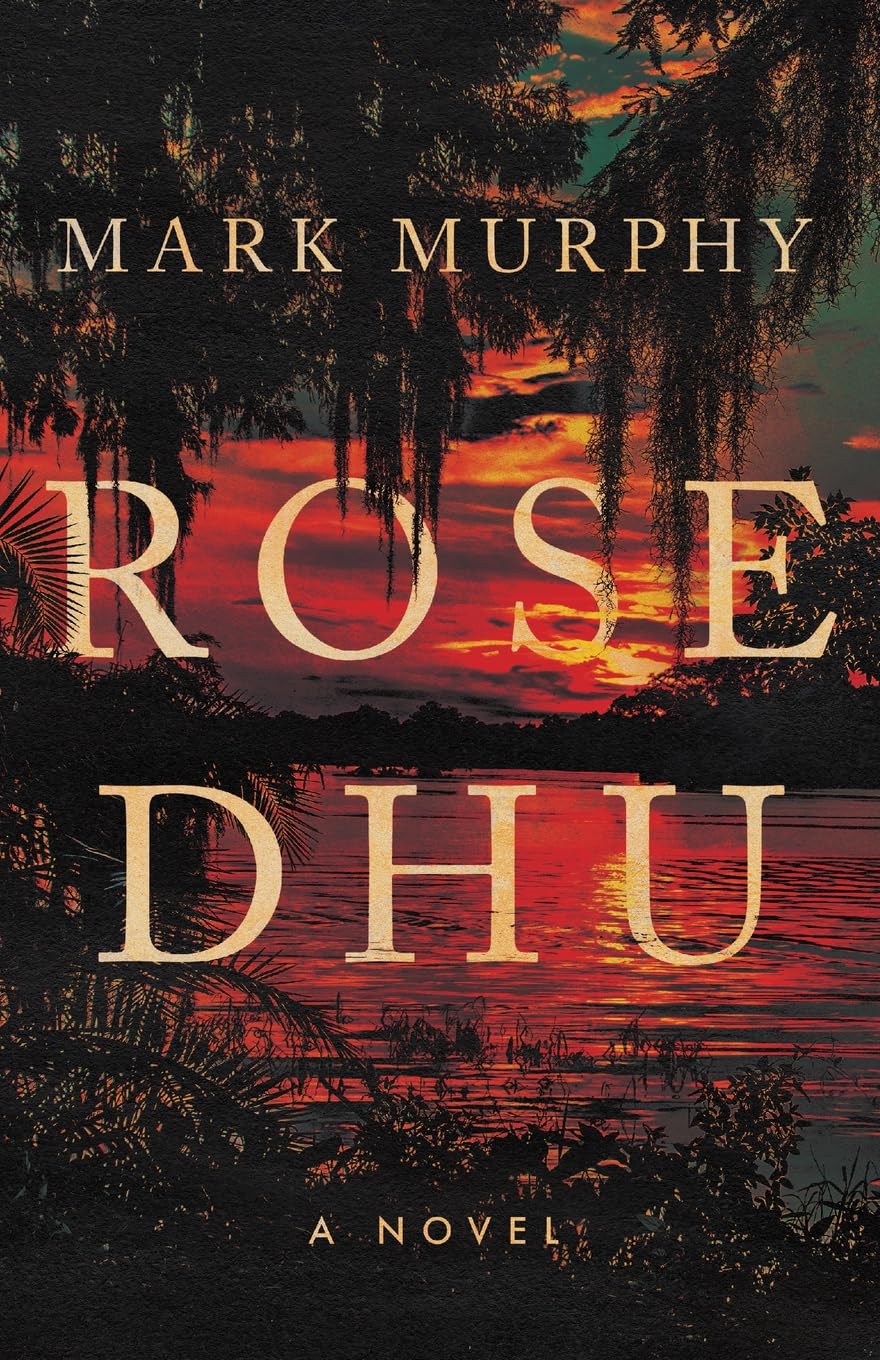

Rose Dhu follows the disappearance of Dr. Janie O’Connor, a brilliant surgeon whose sudden vanishing rattles Savannah. Detective Frank Winger takes the case, and his search uncovers secrets that coil through old money, family loyalty, and violence hidden in plain sight. The story widens from a missing person case into something heavier. It becomes a portrait of power and the people crushed or remade by it. The final revelation, in which Janie reemerges alive under a new identity as Alice Tubman, lands like a quiet shock and changes the emotional color of everything that came before.
Scenes move quickly and often hit with surprising force. I felt pulled in by the atmosphere of Savannah. The place feels damp, shadowed, and tangled with history. Some chapters made me slow down because the emotional weight crept up on me. I found the depictions of trauma raw, but never careless. The book wants you to sit with pain, not look away. That kind of blunt honesty made me connect with Frank more than I expected. His flaws feel lived in. His memories of Afghanistan haunted me in ways I did not anticipate.
There were moments when the story’s intensity nearly overwhelmed its subtler pieces. Still, the ideas underneath the plot stayed with me. What people will sacrifice for those they love. What power looks like when twisted by entitlement. How a life can fracture and rebuild itself into something new. The book is bold about those questions. It pokes at uncomfortable truths, and I appreciate that kind of nerve. By the final pages, I caught myself rooting fiercely for Alice and for Frank.
Rose Dhu reads like a blend of Sharp Objects and Where the Crawdads Sing, only with a darker pulse and a tighter grip on the shadowy power games that shape a Southern town. I would recommend Rose Dhu to readers who enjoy mystery that leans into emotional depth, stories about moral gray zones, or Southern gothic settings with teeth.
Pages: 384 | ISBN : 1967510709

Carnage in D minor
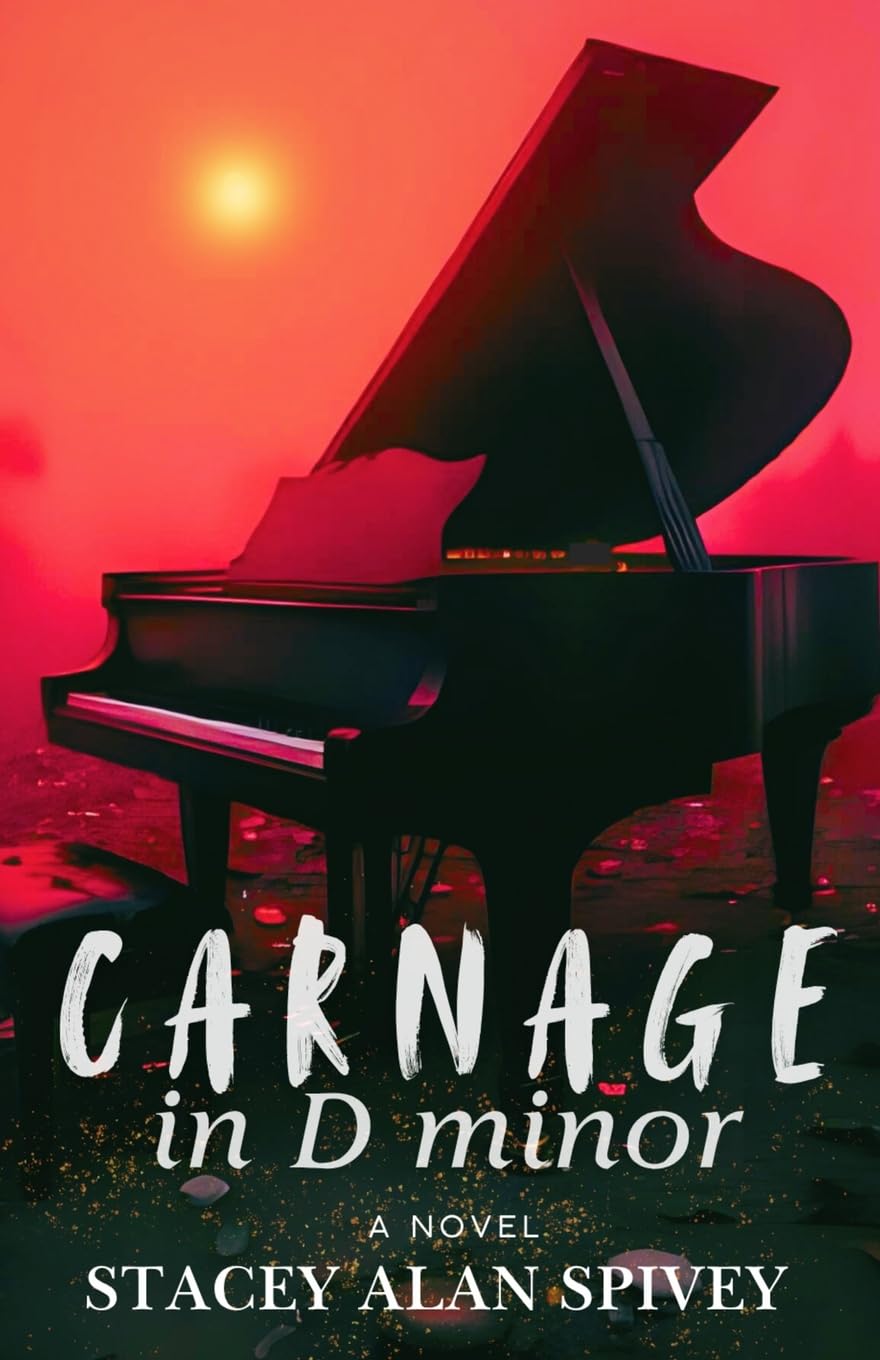

Carnage in D Minor follows Leeza Allen’s rise from a prodigious Southern piano talent to a battle-hardened military veteran who is struggling to hold herself together while trauma keeps dragging her back into the dark. The novel blends psychological suspense with a deeply personal story about survival, family, fear, and the brutal tug of the past. From childhood recitals in Beaufort to the nightmares she carries home from deployment, the book moves between tenderness and terror with an intensity that caught me off guard. The story paints a heroine who is gifted and broken and stubbornly alive. It builds a world where beauty and violence keep brushing up against each other in quiet but devastating ways.
I found myself pulled in by the voice of the book. The writing swings sharply between raw emotion and calm precision. I liked that. It made me feel as if I was inside Leeza’s head even when I wanted to reach out and steady her. The scenes around her childhood are vibrant and warm. Then the tone shifts when the story lands in adulthood where PTSD, addiction, and grief turn everything jagged. That contrast shook me a little, and honestly, that is what made the book memorable. The author seems to understand trauma from the inside out. The panic attacks. The sudden triggers. The numbing habits that pretend to help but only make the ground softer under your feet. Those moments felt painfully real. The writing has a rhythm that matches Leeza’s state of mind. Sometimes measured. Sometimes chaotic. Sometimes barely holding onto structure at all. I felt myself riding those waves with her.
I also found myself reacting strongly to the ideas the book brings up about responsibility and the human mind. The novel keeps circling back to the question of why people break the way they do. It shows trauma not just as an event but as a rewiring of a person’s internal world. I appreciated that the story never treats addiction or homelessness or depression as simple problems with simple solutions. There is frustration in Leeza’s voice. Anger too. And a fierce compassion that pushes her to believe she can fix the unfixable even while her own life is slipping through her fingers. At times, her determination feels reckless. At other times, it feels heroic. I found myself rooting for her even when she made choices that scared me.
The novel is gripping and emotional and often uncomfortable in ways that feel purposeful. I would recommend Carnage in D Minor to readers who enjoy psychological fiction that digs into trauma without sugarcoating it. It is also a strong pick for anyone drawn to stories about gifted women trying to rebuild themselves after the world has already taken too much. If you want a book that feels honest and relatable and a little bruising in all the right ways, this one is worth your time.
Pages: 265 | ASIN : B0G1CN78FG
Stupid Gravity

Stupid Gravity follows Alexandra Farone, a sharp but battered software engineer who has slipped all the way down to the street level. She is broke, homeless, newly convicted, and trying to survive probation while living out of an aging Mustang and clinging to the last scraps of her old identity. When she spots a little girl who might be in danger, her life tilts again, pulling her into a messy world of shelters, addicts, low-wage jobs, and small-time criminals. The book blends tension, grit, and surprising humor as Alex reinvents herself as Liliane and stumbles into a mystery that keeps pulling her deeper. The story never sits still, and the tone mixes cynicism with heart in a way that sneaks up on you.
The writing has this blunt, unvarnished rhythm that feels like someone is talking to you while the city hums right outside the window. The scenes in the shelter, with stolen shoes and missing pages from library paperbacks, felt real. The author knows how to sketch misery with a weird sort of warmth, and it got to me. I found myself rooting for Alex even when she made choices that made me cringe. Her sarcasm worked as armor and sometimes as a cry for help, and I kept feeling that mix of frustration and sympathy that only an authentic character can pull out of me. I liked how the story showed small humiliations stacking up until they almost crush her. It made the idea of her chasing after a potentially kidnapped little girl feel brave and foolish at the same time.
I also loved the way the book let humor bubble up in the middle of all this roughness. The people Alex meets feel sharp and odd and alive. Cici, especially, stood out for me with her wild honesty and her ability to read people. Those scenes in her apartment, with candles and cheap beer and joints being passed around, had this messy intimacy that made me slow down and sit with the characters. The conversations were simple but loaded, and it reminded me how strangers can sometimes see us more clearly than the people we once loved. The writing made me feel the confusion and the longing and the strange comfort that comes when someone finally calls you out in a way you cannot dodge. It made the book feel less like a mystery and more like a story about being lost and trying to claw back a sense of purpose.
I think this book is for anyone who likes a gritty story with humor that slips in. It is good for readers who enjoy character-driven mysteries or stories where the setting feels like a character itself. If you like flawed leads who get knocked down hard and still keep stumbling forward, this one will hit the spot.
Pages: 336 | ASIN : B0FDBHB5ZM
Sinful Oath: Book 1 On The Wings Of Angels Series
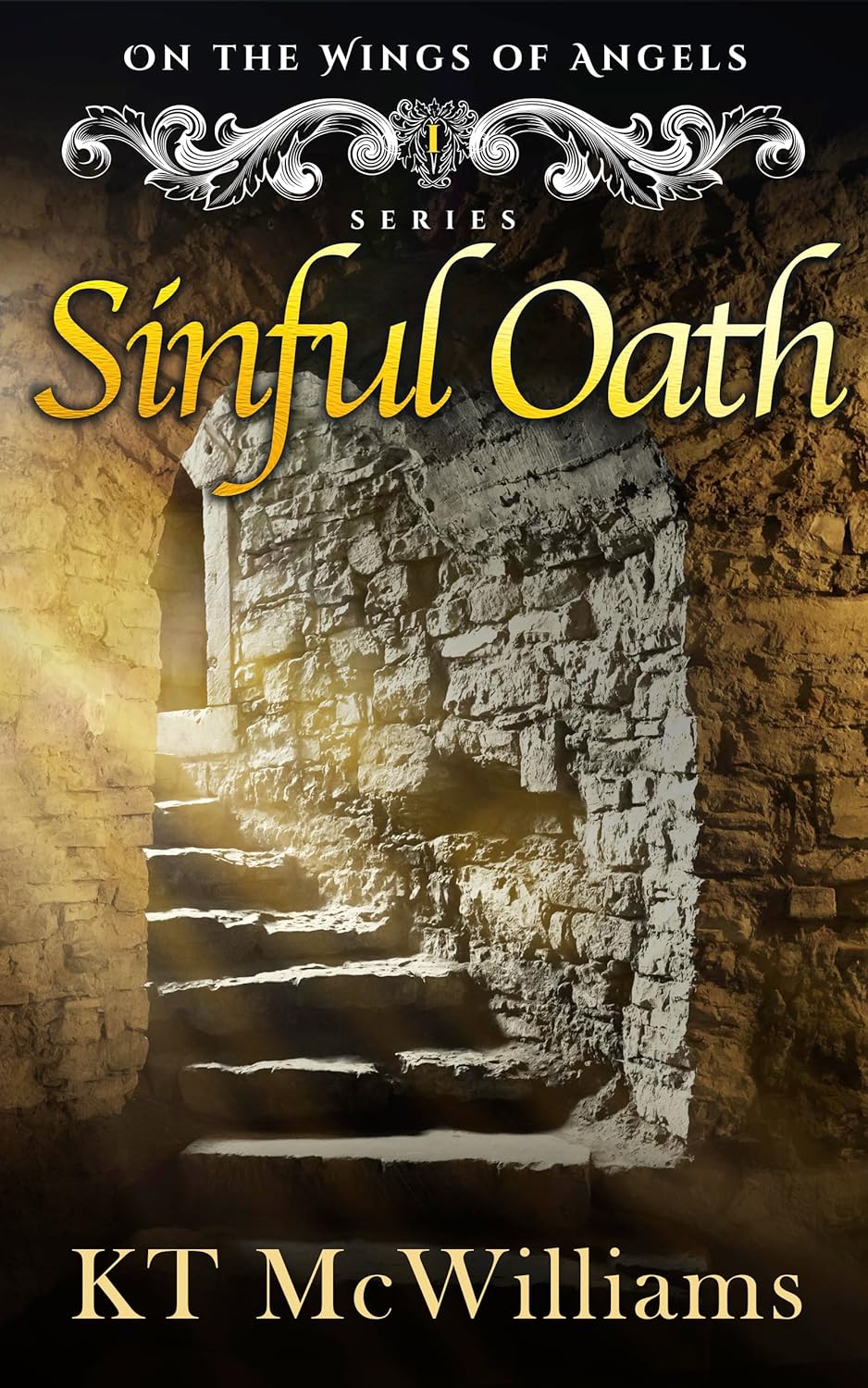
Sinful Oath is a blend of historical fiction, Christian fiction, and historical mystery, set in 1618 London and centered on Elizabeth Bowmar, a young apprentice midwife with a fierce moral compass, and Alexander Berkley, a man tangled in his own duties, loyalties, and regrets. The book opens with Elizabeth reflecting on her past, her faith, and the weight of responsibility she carries, then pulls us into a widening web of injustice, danger, and compassion. Author KT McWilliams paints the world with gritty street life, tense family dynamics, and the looming shadow of Newgate Prison. By the time I settled in, I already felt the stakes tightening around both Elizabeth and Alexander in ways that promised more than simple historical drama.
I was surprised by how intimate the writing feels. Elizabeth’s voice in particular comes through full of honesty and vulnerability, especially in her private thoughts by the hearth as she burns her written worries, believing the smoke carries them to angels. Even with the book’s heavier themes like poverty, violence, faith, and control, the storytelling stays grounded in the everyday textures of life. I liked that the author doesn’t treat the period like a costume. It feels lived in. And even when characters lean into ideals or spiritual reflection, the language never pushes toward sermon; it reads instead like people trying to make sense of their choices, which made it easy to stay with them.
What I appreciated most was how McWilliams balances tenderness with hardship. The moments between Elizabeth and her father feel warm and steady, and they’re a strong counterweight to the scenes with her mother, whose sharpness cuts deeper than some of the book’s villains. Alexander’s chapters add another layer, especially when we see him navigating the dangerous corners of London and the people who operate in them. The tension between old loyalties and present conscience gives his storyline weight. Sometimes the book lingers on internal rumination a bit longer than I expected, but even then, it felt true to the characters’ emotional lives. I got the sense that both leads are standing at a threshold, stepping into versions of themselves they don’t fully understand yet.
I feel like Sinful Oath is less about a single mystery and more about courage, the quiet kind that comes from tending to others, and the louder kind that comes from facing what’s broken in a community or in oneself. If you enjoy historical fiction with strong moral undercurrents, detailed atmosphere, and characters who wrestle honestly with faith and justice, this book will be right up your alley. Readers who like a mix of Christian historical fiction and historical mystery will probably enjoy it most, especially if they’re drawn to stories that move with both heart and grit.
Pages: 459 | ASIN : B0FPMT9YVC
Eerie Depths

In Assimilation, a lonely young woman’s life is forever altered after a disturbing lake encounter that forces her to confront the secrets of her parents, her own biology, and the terrifying presence haunting the waters. What inspired the eerie beauty of the Soshone Islands, and how did you balance calm with dread in the landscape?
Spending many summers fishing the sprawling waters of Canada, I have always been spellbound by the ancient allure and unspoiled beauty of that timeless land, history and mystery written into every boulder, bog, and tributary. It was inevitable that eventually a story would emerge from those clear, eerie depths, the way all those countless submerged boulders silently watched from below as my boat passed soundlessly above them. It was exhilarating to merge my memories and awe with the haunting narrative of Kercy’s plight.
The lake scene is both surreal and intensely physical. How did you approach crafting an encounter that feels simultaneously dreamlike and traumatic?
Boating on a vast body of water for me is both physical and surreal, and doubly so at night. I drew upon my personal experiences with this inscrutable medium. How it can hold up a craft weighing hundreds to thousands of pounds, while allowing a tiny pebble to penetrate its surface without hesitation. And while that same surface can appear calm, familiar, just beneath it is a boundless, unseen world teeming with life. How can one not be excited by that!
Kercy’s emotional landscape is so rich and painful. What part of her character came to you first when writing her?
Kercy’s horrid beginnings, her trials, her struggle to survive. She was born damaged, vulnerable, an outcast in a world she knew early on she was not designed for. It was her strength and determination that pushed the story forward, along with the resolve of her mother, who felt both responsible for Kercy’s ordeal and eternally grateful for her birth.
What guided your decisions about how far to lean into each element and genre, and were there versions of the story that were more (or less) “alien”?
The storyline and characters always guide my decisions. The characters, if I’m being totally faithful to them, define where the story will take me. The circumstances around Kercy’s birth, which has taken place before the story begins, have already set the course for what she must learn about her life. Then the only question becomes how; how does she unveil her past, how will her current situation be revealed? From that point, I open myself to discovering the story, allowing it to unfold naturally, with my fidelity to Kercy and the other characters always at the forefront.
Author Links: GoodReads | Facebook | Website | Books2Read | Amazon
Kercy Powell loves spending summers at their secluded island cottage in Ontario; a place where her birth defects and wheelchair are never on display. Just before her eighteenth birthday, Kercy is shocked to learn her mother sold their island paradise, offering only this grave warning, “Don’t ever go back there!”
The ensuing years bring Kercy a miraculous metamorphous, making her wheelchair unnecessary. Upon her mother’s death, she inherits the family fortune and buys back her most treasured getaway. Kercy is soon plagued by old nightmares; strange beings who visit in her sleep. One night, two men boat out to her cottage and try to assault her. She manages to escape, only to witness the unholy cries of her attackers being savagely killed.
The inexplicable murders trigger a visit from Special Agent Mallory, a cagey FBI officer who is only interested in how the two men died. But Kercy has no idea, until she comes face to face with her “protectors,” creatures who live beneath the deep, icy waters of Georgian Bay. And while they’ve rescued her before, Kercy can’t shake the notion that their intentions are nefarious.
[CONTENT ADVISORY: Intended for adult readership and contains scenes of violence, sexuality, aliens, and language that may be uncomfortable for some readers.]
[TRIGGER WARNING: Rape]
Trail of Buried Evidence

In The Mourning Locket, an empath confronts the owner of a unique agency comprised of sentient heirlooms capable of remembering their owners and seeks to uncover its long-buried secrets. Where did the idea for this novel come from?
The idea started with my own family heirlooms. I grew up around old photographs, jewelry, keepsakes — things that didn’t look like much from the outside but held entire histories inside them. I always wondered what they’d “say” if they could talk.
When I started writing The Mourning Locket, it was my way of honoring those stories that get lost between generations. I wanted to capture that feeling of holding something that once meant everything to someone who isn’t here anymore. The book grew out of that love for family history and the questions we never get to ask the people we miss.
How did you go about capturing the thoughts of the heirlooms?
To write the heirlooms, I imagined them the way we imagine the stories behind things we inherit. When you hold something that belonged to someone you loved, you automatically think about what it meant to them.
That’s the energy I wrote from. Their thoughts come through impressions, not sentences — a heaviness, a chill, a warmth, a pull. The emotional tone of the object shows up long before the mystery does. It made them feel alive without ever stepping outside of realism.
Were you able to relate to your characters while writing them?
Absolutely. I related to my characters in different ways, sometimes in ways I didn’t even expect. Rowan’s determination, Piper’s anxious overthinking, Cassian’s quiet intensity — those all come from real emotions I understand. And then there’s Sable, whose sarcasm and perfectly timed humor felt like the pressure valve everyone needed.
I relate to her a lot — that instinct to lighten a tense moment, or to say the thing everyone else is only thinking. Writing her was almost like letting the honest, unfiltered side of myself onto the page.
Each character carries something human and familiar, and that connection made writing them feel less like creating fictional people and more like spending time with versions of myself and the people I love.
Can you give us a glimpse inside Book 2 of The Inheritance Bureau series? Where will it take readers?
Book 2, The Music Box from Ashford, drags the Bureau into its darkest investigation yet. What begins as a simple heirloom assessment turns into a trail of buried evidence, altered records, and a past that someone worked very hard to erase.
The music box at the center of it all isn’t just an antique — it’s a trigger. And once it resurfaces, everything the Bureau thought it understood about its own origins is shaken.
This book pulls readers deeper into the hidden corners of the Bureau: the cases that never made it into the official files, the mistakes no one was supposed to uncover, and the people who paid the price for trying. Rowan gets pulled into the heart of it, Piper and Sable uncover secrets that were never meant to see daylight, and Arden is forced to confront what leadership really costs.
The investigation reaches back more than a century, and the past refuses to stay quiet this time.
Without giving too much away — Book 2 opens a door the Bureau can’t close, and what waits on the other side changes everything heading into Book 3.
Author Links: GoodReads | Facebook | Amazon
Empathic appraiser Dr. Cassian Vale can feel a person’s final emotions through touch—an ability that makes him invaluable, and dangerous. Investigating an 1860s mourning locket, Cassian relives a woman’s death and uncovers a conspiracy linking grief, immortality, and bloodline control.
As the echoes grow louder, the team must decide whether to silence the past—or listen before it consumes them.
Always Bravery

The Broken Coil follows a grizzled wanderer dragged into rescuing a mysterious girl, confronting ghosts of his past, and surviving a world of desert peril, pilgrim legends, and a broadsword with a mind of its own. What was the inspiration for the setup of your story?
The inspiration came from two sources: the mythology of the American West and the tradition of the great films depicting that very mythology, particularly the hero (the cowboy) roaming the land, interacting with characters, righting wrongs, and finally, moving on to the next location.
Chloe’s eerie humor and calm presence are striking. How did her character evolve during your writing process?
Ha! Chloe was so much fun to write. She started off as sweet, innocent, and so frustratingly impetuous. By the end of the story, she had revealed her talent for dance and mysticism, integral to the plot. She took a step toward adulthood while keeping her girlish charm.
What were some themes that were important for you to explore in this book?
Themes that drove the story are sacrifice, faith, corruption, family, and above all, bravery. Always bravery.
The world is rich with religions, legends, and threats. Which part of the worldbuilding came first, and which was the hardest to weave together?
Most often, I start with a character idea and develop the world from there. Character takes priority over worldbuilding. Mother Endelyn and the deity named ‘The Noman’ were created first, followed by their backstory. When designing lore, logic, and simplicity are two essential elements. Funny thing about logic and simplicity; they are hard to “weave together!” Once certain threads become too complicated and entangled, they are tossed aside.
Author Links: GoodReads | Amazon
Such as Mother Endelyn, who suddenly appears back in my life decades later, desperate for my help. I give her my solemn vow to escort her and her band of pilgrims as they travel across a landscape of high desert and jagged mountain; to protect her from the feral beasts and cutthroats who want her treasure; to guide her past the giants from long ago and into the arms of her god at the other side of the dimensional coil. My haunted broadsword Wilma and I will fulfill that oath.
Unless a vengeful prison warden gets in my way. Warden Murvel Meacham and her mercenary named the Far Reaper long to hunt me down and take me “back home”. I would rather fall to the Reaper’s unearthly weapon than endure another minute of agony on the warden’s rack.
One woman needs my help: the other needs me dead. The third, Wilma, urges me to kill every enemy in my path.
Will I ever satisfy the women in my life?


 LITERARY TITAN