Blog Archives
Life Lessons From Mom: For The Man You’ll Become
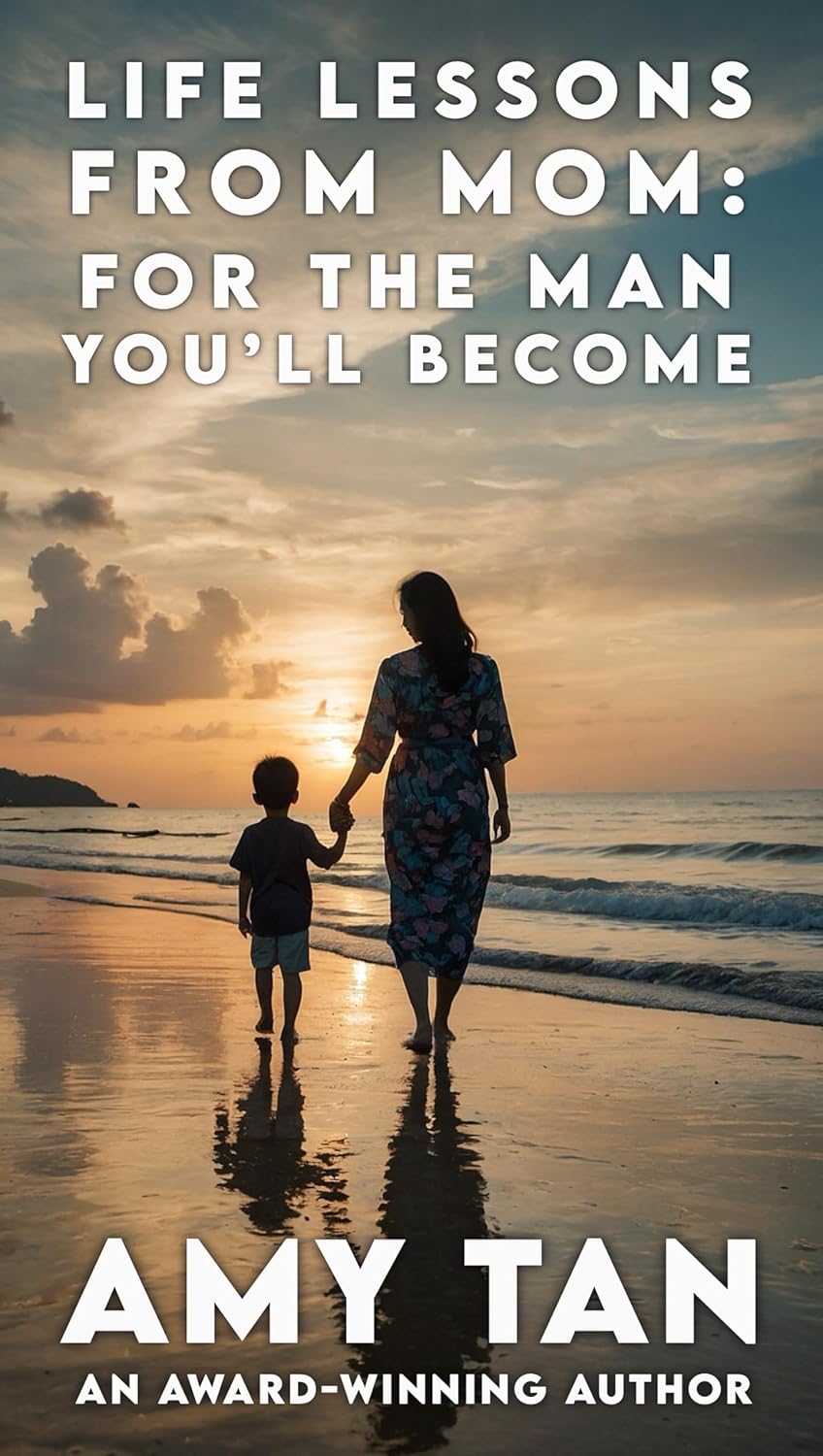

Life Lessons from Mom is an intimate and heartfelt guide brimming with wisdom Amy Tan gathered through her own life experiences. Structured as a personal letter to her son, the book explores themes like self-awareness, integrity, relationships, and courage, offering practical advice intertwined with poignant anecdotes. From the challenges of corporate life to the warmth of familial love, Amy’s reflections are as insightful as they are relatable, making this book a touching map for anyone seeking clarity and purpose in their own journey.
What stood out most to me was Amy’s honesty about her struggles with self-awareness. She writes about how fear once stopped her from investing in Bitcoin. But instead of regret, she shares the lesson she learned: fear often builds invisible walls within us. This vulnerability resonated with me as a mom who has sometimes hesitated to step outside my comfort zone. Her emphasis on the importance of knowing oneself, especially through practices like self-reflection, made me pause and think about how I’m modeling these lessons for my own kids.
I also loved her take on relationships, especially the chapter “Growing Together.” Amy’s use of Scott Peck’s stages of community to describe how partnerships grow felt so accurate. Relationships, as she explains, evolve through moments of chaos and vulnerability before they reach deeper intimacy. It reminded me of my own marriage and how every argument brought us closer because we chose to let go of control and focus on understanding each other. And her A-Z guide for how to treat a partner? Pure gold. I found myself wishing every young man (and woman) could read her advice on loyalty, respect, and celebrating differences.
That said, it was Amy’s reflections on faith and integrity that struck an emotional chord. She opens up about losing her moral footing during her corporate career and how reconnecting with her faith helped her rebuild her values. As a mom juggling so much, it was a powerful reminder to prioritize what truly matters. The story of her returning extra change to a vendor in Bangkok, even when it was inconvenient, was such a simple yet profound example of living with integrity. Her anecdotes reminded me of lessons I hope to pass on to my children.
Life Lessons from Mom is like sitting down with a wise and loving friend who shares their heart so you can find clarity in yours. It’s perfect for parents who want to nurture their own growth while inspiring their kids, young adults stepping into a world full of challenges, and anyone who could use a reminder to live with courage and intention.
Pages: 217 | ASIN: B0DR85FXGN

Notes from Motherland: The Wild Adventure of Raising Humans
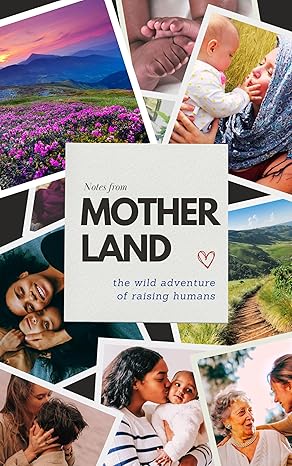
Notes From Motherland: The Wild Adventures of Raising Humans is a heartfelt collection of essays capturing the rollercoaster that is motherhood. A tapestry of emotions, struggles, and triumphs, the book offers a raw and honest glimpse into the complex journey of parenting. Each story is a window into the wild world of raising humans, exploring themes from pregnancy expectations and the messiness of motherhood to the bittersweet experience of watching your children leave the nest. It’s a celebration of vulnerability, a testament to the resilience of mothers, and a nod to the universal challenges of nurturing life.
What I loved most about this book is its unflinching honesty. Chris Chandler’s essay, “Leaving the Nest,” captures that sense of raw anxiety and bittersweet freedom when a parent prepares to let their children fly on their own. Her metaphor of hawk parents fiercely protecting their young before they learn to soar perfectly encapsulates that protective instinct mixed with the sadness of separation. I felt Chandler’s pain and uncertainty, the aching yet hopeful anticipation as her sons set off into the world. It was relatable and had me nodding in agreement, thinking about all the messy and conflicted feelings parents experience. The writing was beautiful yet unpretentious, and that emotional punch stayed with me.
Then there’s Sierra Melcher’s “Mother Magic,” which almost feels like a love letter to motherhood. The way she describes those magical, mundane moments, like her child’s blueberry-stained smile or the sleepy snuggles of early morning, made me smile and ache with nostalgia. Melcher beautifully captures the paradox of wanting to savor every moment while knowing that change is inevitable. It’s poetic and deeply immersive, yet she keeps it grounded. Her reflections on raising a child in a foreign land and experiencing every day as an adventure added an extra layer of intrigue. The imagery and sensory details pulled me into her world, making even the simplest events feel significant.
This book is for anyone who wants to understand the complexities of parenthood. It’s messy, poignant, and beautiful. The stories are varied, with each writer bringing a fresh perspective and their unique voice, which keeps the book engaging. I’d recommend Notes From Motherland to anyone craving a deep and emotional read that doesn’t sugarcoat the hardships of raising humans but celebrates the joy and lessons along the way.
Pages: 172 | ASIN : B0CZPNYFYT
GenX at Its Best

Be Good, Stay Strong, Love, Dad: A GenX Dad in a Digital World is a collection of heartfelt letters from a father to his sons as they venture into adulthood, sharing life lessons, personal anecdotes, and your reflections from the perspective of growing up as GenX. Why was this an important book for you to write?
Hi folks, it’s the author here. So, a guy in the back is asking why this was an important book for me to write. Lemme address this real quick.
Sir, the truth is, I never intended my personal letters to my boys to become a book. I’m a quiet guy. I had aspired once to be a writer, but that lacked practicality and this stuff was personal. Plus, I had a real job that actually paid real money to go to.
I guess a little background is in order here. The male role models in my formative years were old school. By that, I mean “Pipe down and rub some salt on it” old school. These guys had seen a lot and knew even more. And they never talked about it. Why? Men. That’s why. Loose lips sink ships.
Men in those days didn’t give advice. They paused, leaned back on some very old and scary species of industrial machinery, wiped their hands on a red rag cold with kerosine, considered your issue, and gave not advice but instruction. You didn’t get a politically correct filtered monolog. You just got instruction, and you only got that if you had the balls to approach their grumpy hides in the first place. Sometimes, if you were lucky, you got a backstory.
What’s that? You’d like an example, sir? Only if the group agrees. Folks?
Ok. Here’s a witnessed illustration of young GenX in the workplace. First off, everybody had a nickname, a lot of us had industrial jobs, the school of hard knocks was a thing…
So, Slop thinks he’s come up with a nifty hack to limit his exposure to free-flowing carcinogens during a machine cleaning process. He approaches the foreman Big Puddin’ to tout his idea. Big Puddin’ throws his machine into neutral, grabs his rag, cleans his ear, and hollers across the shop floor.
“Yo Jungle! Juuunnngle! Yo! You remember the time when Smokeshow cleaned the Chief’s ink system with a paintbrush? Well, Slopper here……he wants to try the same thing!”
“Yeah, Pud. I remember ol’ Smokeshow. He was a pisser! We still got his thumb hanging next to the dartboard. Quack found it a few days after the paintbrush trick.”
That’s how we learned.
Now back to business.
GenX was the last generation to have their global outlook, work ethic, and communities forged by prior generations who built and fought for what we have today with their brains and bare hands. These folks never felt like they were owed anything. They built their lives and families and their communities. They fought to protect and grow them in security.
Those lessons are being lost to time and it scares me what is forming our kids these days.
I wanted to translate some of that hard-won knowledge to my boys who, while exposed to plenty, still needed reminding of what was necessary to be a safe, productive, and viable citizen in a world softening before our very eyes and letters were my vehicle.
It turns out my letters documented 2 young people, on their own, each forging a novel path to their own concepts of happiness and success. Using old-school skills. Today, I see people struggling for a purpose let alone a path toward a goal. If this book might provide that path, that’s what makes this book important.
Thank you for the question.
What were some ideas that were important for you to share in this book?
Oh geeze, I mean the book is full of ideas of all sorts; good, nice, funny, highly questionable, downright bad. Suffice it to say that more hard topics, life cheats and uncensored boy humor are highlighted than Granny can shake her stick at. Everyone will likely walk away with something different but helpful in the game.
Allow me to pull a direct quote from a letter to my son while he was away at the military academy.
“I didn’t raise you guys to be victims, sad do-nuthins, or mean-spirited dicks. I raised you to be nice, smart, happy, and helpful.”
I was lucky. They listened. They worked hard. They won. If I could relay the information that hopefully had a hand in making the lives of my boys happy and productive to new generations of parents and kids in general……why not? That’s the idea anyway. The above sounds a little pompous so let me set the bar here. The information in this book making these kids happier was not mystical, cosmic truths, but things like not getting your ass splashed in a Port-o-Jon. GenX at its best. Don’t expect nonsense.
What was the most challenging part of writing your book, and what was the most rewarding?
Holy cow, the guy in back has a lot on his mind. Sir, you asked about the most challenging and rewarding aspects of the book. Let’s start with this.
The reason men don’t talk is the fact that words have repercussions beyond our limited sight. And we’ve all been bit. We wanna be careful. That was the challenge. Honesty is a stone bastard, and I knew releasing this book would be sad to some and flammable to others. More importantly, could there be any future repercussions for my family and friends? In this algorithm, did the downside outweigh any potential benefit? It almost did.
I decided to give my boys and my spouse complete autonomy of deletion, 90 days to read it and consider things from their future perspective. At the end of the process, very little was touched. I would release the book and stand in the face of any blow-back negative or positive and weather the results. Like a man. After all, I gotta believe love and humor will always win the day.
Rewards? Hell, I’ve already won. I hope to see laughter and nods of understanding when others read the book.
Can I get a glass of water?
What do you hope is one thing readers take away from your story?
Let’s make this the final report. The lumbago’s acting up sitting in this church chair under these lights.
One thing, huh. Well, you’ll see in the book that GenX has many talents in many areas. Cutting to the chase is one of them. There’s a final bullet in my personal Code. It’s a couple lines from a letter I sent to Mike away on a deployment, they read.
“It’s easy to be alone and sad. In fact, it doesn’t take any work at all to be a victim. It takes work to be a productive citizen.”
This was a lesson learned and practiced by my kids to their personal benefit and the benefit of their communities. If I can have a new generation of kids learn how not to get their keisters splashed in a Porta Potti? Well, that’s my hope.
Thank you all for your attention.
Now does somebody have a winch to get me outta this chair?
Author Links: GoodReads | Facebook | Amazon
Are you lucky enough to be born between 1965 and 1980? You know who you are. The MTV Generation, The Free-Range Generation, The Forgotten Generation. The last generation to have lived without an email address, a cell phone or a script.
Welcome Generation X!
We were the last generation of undocumented fun. We remember it very well. How? The scars remind us. GenX learned about life early and usually the hard way. GenX is resilient, brilliant, broken, and beautiful. We’re also supremely efficient, scary observant, and quietly calculating. We know at least a dozen places where they will never, ever find you. We know things that our kids and their kids need to know but no one today has the balls to tell them.
Born of personal letters from a GenX father to his sons arrives Be Good, Stay Strong, Love, Dad. This compendium of letters, lyrics and stories relays the lessons learned in our GenX environment and provides valuable information necessary for a smoother ride through life. These are lessons delivered in the hilarious reflection of 2 boys growing up. Be prepared for irreverent life precepts, candid reflection, bold stances, potty humor, and a whole bunch of cusswords. This is GenX. This is Fatherhood. Don’t say you weren’t warned.
A Guide to Raising CEOs and Entrepreneurs

Chris Folayan’s A Guide to Raising CEOs and Entrepreneurs is about giving parents the tools to help their children succeed as future leaders. Folayan blends his experience as a serial entrepreneur with his insights as a parent, offering practical tips to cultivate the right mindset, skills, and habits in kids. The book touches on everything from confidence-building to situational awareness and resilience, with an emphasis on instilling entrepreneurial traits early on.
One thing I really liked about this book was the balance between practical advice and emotional encouragement. Folayan reminds us how important it is to let kids dream big while giving them the tools to tackle challenges. I loved the part where he emphasizes letting kids face adversity head-on, saying, “Success need not depend on the amassing of financial wealth… but rather on the gradual progression toward greater understanding.” It’s refreshing that this book focuses on becoming well-rounded and adaptable individuals.
The advice felt relatable and doable. The book’s casual tone made it feel like getting advice from a friend rather than reading an academic guide, which I really appreciated. For instance, in Chapter 1, he writes about building self-esteem through play, like “playing board games and puzzles,” which he says helps children “exercise courage and further their self-esteem.” This section made me want to incorporate more structured fun into daily routines. It’s clear that Folayan’s approach is hands-on, making it more actionable for parents like me.
I liked Chapter 9 because it shifts focus from personal success to a broader, more human element of leadership: empathy. I appreciated how Folayan highlights the often-overlooked trait of compassion in entrepreneurial education. I loved how he shared personal stories about his own kids’ involvement in community service, making it clear that these lessons don’t need to be grand gestures but can start small. It was a meaningful chapter that adds depth to the book’s entrepreneurial advice by reminding us that being a great leader is about lifting others, not just climbing the ladder alone.
A Guide to Raising CEOs and Entrepreneurs is an inspiring and practical read for parents who want to nurture entrepreneurial and leadership qualities in their kids. If you’re into hands-on, playful learning and want to foster resilience and confidence in your kids, this book offers plenty of actionable tips.
Pages: 138 | ASIN : B0BR649J6C
How to Rewrite Our Lives
Willower: Rewriting Life After Unimaginable Loss is a heartfelt memoir that delves into the complexities of loss, grief, and resilience, sharing the emotional journey surrounding the tragic death of your son and the toll this unimaginable loss takes on you and the family. Why was this an important book for you to write?
Writing this book was something I needed to do to stay connected to Sam and keep his memory alive. And, writing was a necessary distraction for me, which I later learned. For hours at a time, while concentrating on writing how I was processing and reshaping my loss and grief I was finding some relief from it. I know it seems counterintuitive to write about loss and grief as a way of escaping it, but I came to realize that’s what I was doing. Day after day, year after year, trying to grasp reality, searching for answers and meaning—even if I had to construct my own, creating and crafting this book, then finishing and publishing it is what gave me a focus, a purpose, a reason to live.
What were some ideas that were important for you to share in this book?
One idea was that grieving the death of your child and relearning to live without them, is an unpredictable and lifelong readjustment process.
Another key idea I wanted to get across was that eventually, in time, you do learn to live with the weight of your loss.
But I think the most important idea I wanted to share was that as we migrate through our grief, all we can do is learn how to rewrite our lives and reimagine our stories, the ones we tell ourselves so that we can keep going. As Sam told me in my book’s last chapter: “Imagine the rest, Mommy. And remember, the letters are magic.”
What was the most challenging part of writing your memoir and what was the most rewarding?
The most challenging part of writing this memoir was learning how to write—and then how to write a memoir. After five years of work, I’d sent my “finished draft” to an editor who told me it was a good “first draft.” I was devastated, but learned so much from that experience. I kept at it, the rewriting. Like I said earlier, focusing on this book, on finishing it, is what gave me a purpose, a reason to live. Eleven years later, after taking writing classes, working with a writing coach, and hiring an editor again, my “finished draft” turned out to be my “final draft.”
The most rewarding part of writing this memoir was the magic I experienced while writing the dialogue with Sam. For anyone who’s grieving, I’d recommend—after enough time has passed, and you feel up to it—writing dialogue, a back-and-forth, with your deceased loved one.
What do you hope is one thing readers take away from your story?
After experiencing my story, I hope the reader feels more hopeful and less alone in their grief.
Author Links: GoodReads | Facebook | Website | Amazon
On April 30, 2007, Deanna Kassenoff experienced a parent’s worst nightmare when her nine-year-old son, Sam, collapsed on the playground at school and died from sudden cardiac arrest. Drowning in grief, considering ways to end her own life, Deanna was faced with a choice: give up or rewrite her story, one with a different ending.
A Finalist in the 18th Annual National Indie Excellence® Awards, Willower is a book about using the power of story and imagination to survive the unimaginable. It is the story of a bereaved mother’s urgent quest to find a way to stay connected with her beautiful boy.
Deanna Kassenoff’s memoir takes us into an unfathomable world of the most profound and permanently disorienting experiences: the sudden death of a child. Determined to find meaning in the details of her son’s life, Deanna shows us how it is sometimes our lunacy that pulls us through grief back to living again. Written with stunning honesty, intensity, and eloquence, Willower is an unforgettable and heartbreaking demonstration of the endurance it takes to grieve and the courage it takes to live. This thoughtful and lyrical narrative will change you and stay with you forever.
We use the words widow, widower, and orphan, but there is no word in our vocabulary that identifies the bereaved parent. So, Deanna coined the term willower®. From the words willow, a weeping tree that symbolizes deep mourning; and willpower, that creative source within that provides the superhuman strength and determination it takes to continue on—despite unimaginable loss.
Shattered
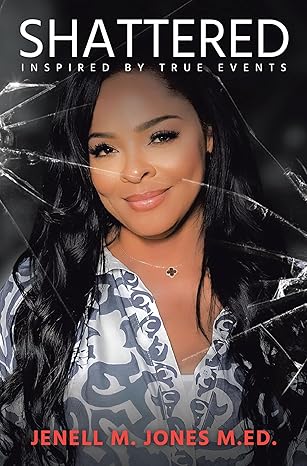
Shattered, Inspired By True Events by Jenell M. Jones, M.ED., is a powerful memoir that delves into the author’s personal journey of accepting the unchangeable and learning to tolerate the harsh realities of life. Jones’s raw and honest account of her experiences resonates deeply with readers, making this more than just one woman’s struggle—it’s a source of inspiration for anyone facing life’s challenges. Through her story, Jones invites readers to reflect on their own paths toward peace and healing, sharing how her decision to adopt a young girl, with the hope of transforming both their lives for the better, led to an unexpected and challenging journey.
The central theme of survival and endurance is poignantly portrayed in Shattered. Jones vividly illustrates the unexpected anguish that life can bring and demonstrates remarkable strength and resilience in the face of trauma. Her journey toward healing and self-discovery is both encouraging and uplifting, leaving readers with a powerful message: if she can overcome these obstacles, so can they. The book’s emphasis on perseverance and courage makes a lasting impact, reminding us all of the importance of endurance in our own lives. Jones’s storytelling is graphic and emotionally resonant, pulling readers into her world and making them feel the weight of her struggles. She skillfully conveys the unwanted efforts and sacrifices she made in her pursuit of inner peace, creating a narrative that is both relatable and deeply moving. The systemic critique woven throughout the book is another notable element. Jones’ experiences highlight the often-ignored flaws in the child welfare system, particularly how it handles children with traumatic backgrounds. Jones’ frustration with the system is palpable, and she effectively uses her personal story to advocate for better practices and more compassionate policies. This book serves as both a memoir and a critical commentary on a system that is in desperate need of reform.
Shattered, Inspired By True Events is a gripping and authentic memoir that will resonate with anyone who has faced life’s unexpected challenges. Jones’s courage in sharing her regrets and her raw emotions is a testament to the human experience, reminding us of our shared vulnerabilities. I highly recommend this book to everyone, as we all, at some point, must navigate the unforeseen changes life throws our way.
Pages: 210 | ASIN : B0C5CPY345
A Father’s Love
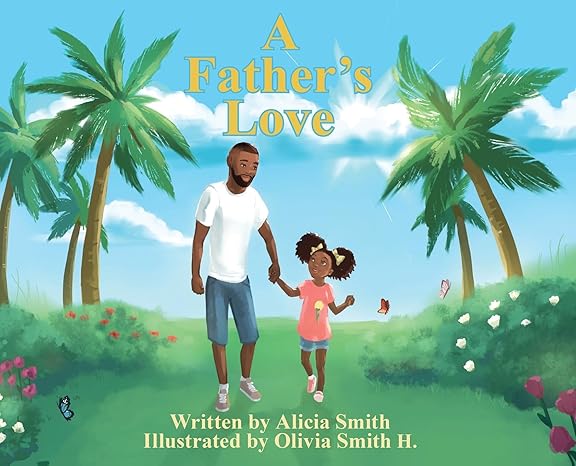
A Father’s Love, by Alicia Smith, is a heartwarming story that beautifully captures the bond between a father and his daughter, Rachelle. The narrative follows little Rachelle as she enjoys a day of fun and adventure with her biggest hero—her dad. From playful outings at the playground to indulging in sweet treats, Rachelle’s day is filled with joy. However, as evening approaches, she begins to feel nervous about her upcoming ballet performance. With her father’s unwavering love and support, Rachelle must summon the courage to face her fears and step onto the stage for the first time in front of a large audience. The question lingers: Will Rachelle find the confidence to shine, or will her doubts hold her back?
This tender story is a touching portrayal of a father’s supportive role in his child’s life. I was particularly moved by how the father instinctively knew when to let Rachelle take charge and when to offer reassurance. The narrative seamlessly illustrates the powerful connection between love, support, and self-confidence. The gentle pacing of the story, coupled with Olivia Smith H.’s lovely illustrations, enhances the emotional depth of the tale. Each page is brought to life with soft, vibrant colors that add another layer of warmth and charm to the book.
A Father’s Love is as sweet as summer strawberries—a delightful read for all ages. The story’s message of love and support is perfectly conveyed, making it a comforting and uplifting choice. It’s a beautiful depiction of gentle parental guidance and familial love, leading to a conclusion that leaves the reader feeling cherished and embraced. This exceptional collaboration between author and illustrator has created a book that resonates deeply, and I eagerly look forward to more from this talented duo. Alicia Smith’s engaging tale makes a wonderful addition to a family library.
Pages: 26 | ASIN : B0C9FNBNZV
Shattered

Jenell M. Jones’ Shattered is a deeply moving and eye-opening account that delves into the complexities of the foster care system through the poignant story of a young girl named Mercy. Jenell, an experienced educator with a profound love for children, is no stranger to the adoption process. When asked to take in Little Nikki, she didn’t hesitate, despite concerns about the child’s troubled past. Renaming her Mercy, Jenell and her husband embarked on a challenging journey to provide the eight-year-old with a stable and loving home. As the narrative unfolds, readers learn that Mercy was separated from her twin brother and other siblings, having cycled through as many as 20 foster homes. This tumultuous background began to manifest in her behavior, with Mercy exhibiting stubbornness, rudeness, and other troubling traits. These signs raised concerns about potential past abuse, which were later confirmed when Mercy was diagnosed with dissociative personality disorder and hospitalized.
Shattered evoked a powerful emotional response in me. The pain of watching a child you love struggle despite your best efforts is heart-wrenching. The book underscores the critical importance of a child’s foundational years and how early instability can have long-lasting, detrimental effects. Mercy’s story is a stark reminder of the failures within our society to protect its most vulnerable members. Jenell and her husband Kyle’s unwavering patience and dedication to Mercy, despite the immense challenges, highlight their remarkable resilience as parents. Mercy’s experiences reflect a broader systemic issue, where children in the foster care system are often neglected and left without the necessary support to thrive.
I sincerely hope that Mercy finds peace and healing in her future. Shattered serves as a crucial call to action, urging us to improve the foster care system to better protect and support children like Mercy. I highly recommend this book to every adult, particularly those considering adoption, as it provides valuable insights into the profound challenges and rewards of caring for a child in need.
Pages: 210 | ASIN : B0C5CPY345


 LITERARY TITAN