Blog Archives
Literary Titan Gold Book Award: Children’s Books

The Literary Titan Book Award recognizes children’s books that mesmerize audiences with incredible narratives, vibrant illustrations, charming characters, and fresh ideas. Offering well-earned accolades, we salute the imagination and exceptional skill of authors who create tales that spark curiosity and delight in young minds.
Award Recipients


The Little Book of Emmy by Lon A. Levin
Visit the Literary Titan Book Awards page to see award information.
Literary Titan Silver Book Award

Celebrating the brilliance of outstanding authors who have captivated us with their skillful prose, engaging narratives, and compelling real and imagined characters. We recognize books that stand out for their innovative storytelling and insightful exploration of truth and fiction. Join us in honoring the dedication and skill of these remarkable authors as we celebrate the diverse and rich worlds they’ve brought to life, whether through the realm of imagination or the lens of reality.
Award Recipients


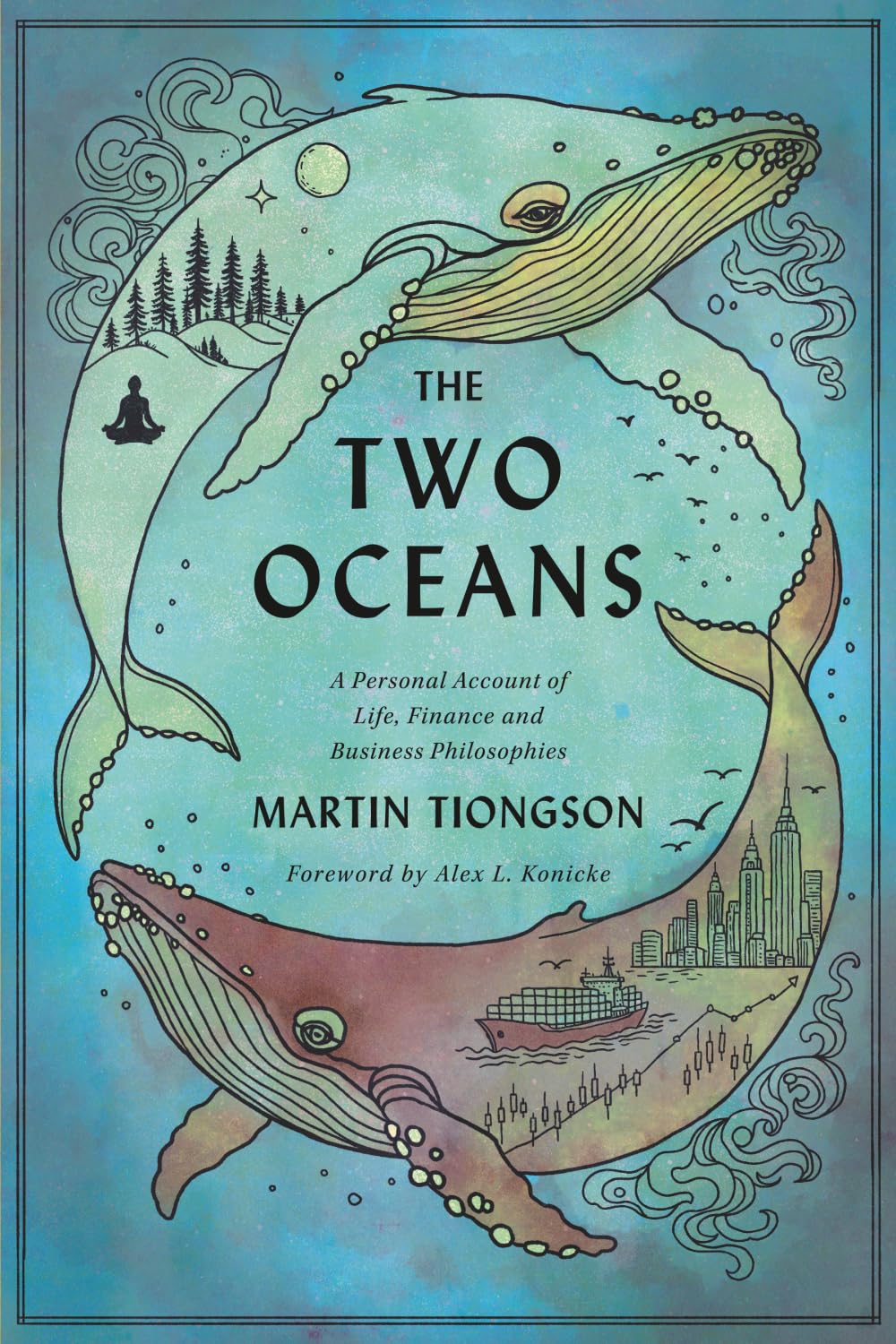



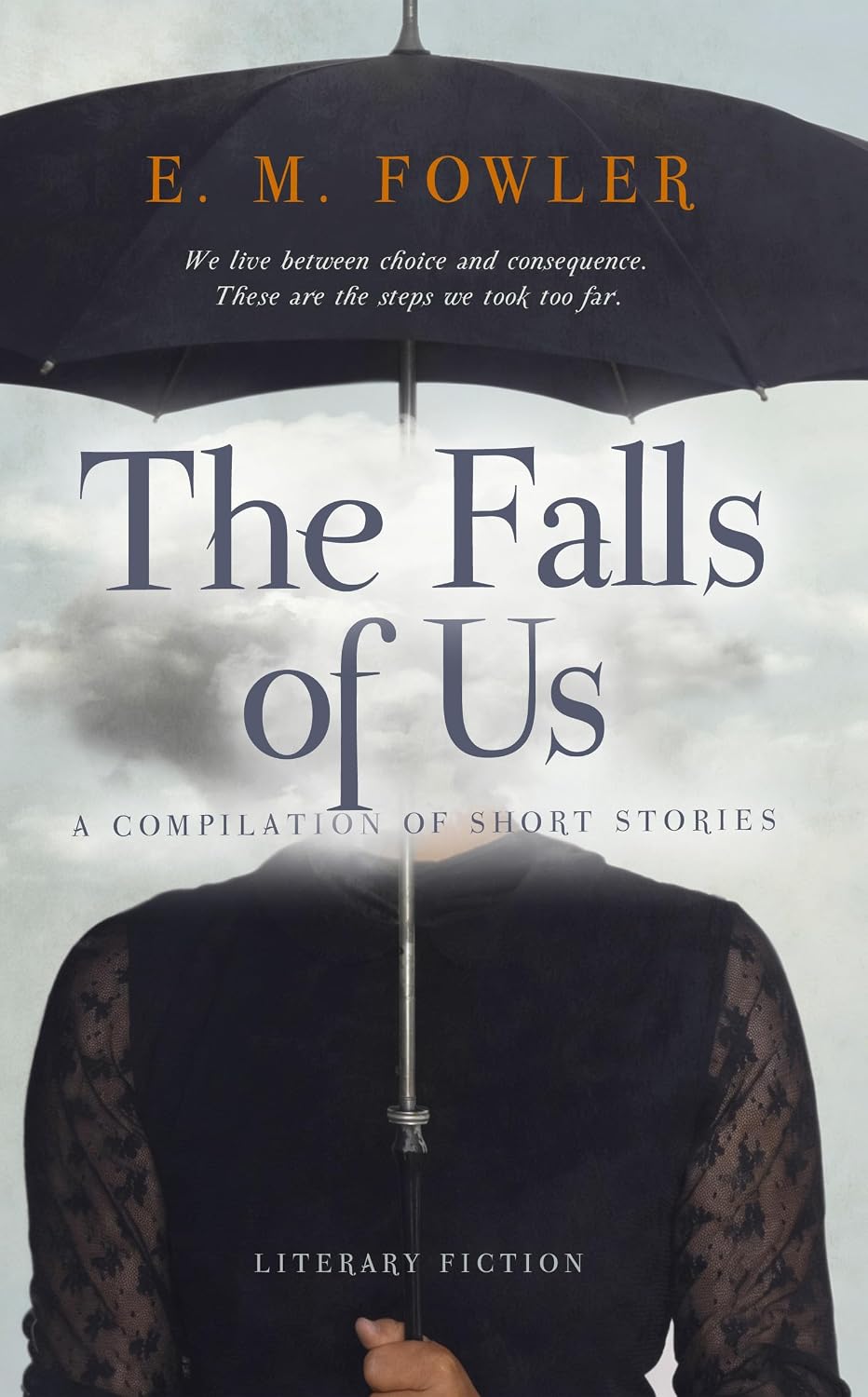





Walking Away by Richard Michael O’Meara
Pulsar: The Time Traveler by Alexander Heed
Visit the Literary Titan Book Awards page to see award information.
Finding the Right Balance

Hope’s Cape of Courage follows a girl who, after someone destroys her fairy village, finds the courage to rebuild it and choose forgiveness. What was the inspiration for the setup of your story?
The inspiration for Hope’s Cape of Courage came from both personal experiences in childhood and what I’ve observed in the lives of children and families around me. Over the years, I have seen how holding onto hurt or anger after a difficult event can have a lasting impact, especially for children who are just starting to understand and navigate their emotions. This is especially difficult if they are living with, or surrounded by adults who struggle to express their own emotions in a healthy way. I wanted to create a story that would help children see forgiveness not as simply excusing someone’s actions, but as a powerful act that can set them free to heal and grow.
Through Hope’s Cape of Courage and the introduction of Hope, the little girl whose healing journey allowed a powerful transformation, enabling her to see the world in a new way, through different eyes, I have created an entire curriculum of stories specifically designed to help children navigate their big feelings and become emotionally resilient. This curriculum is designed to “nip these patterns in the bud” by giving children tools to regulate their emotions and life’s inevitable challenges, long before they become cycles that burden and cripple adult lives. I hope that by reading Hope’s Cape of Courage and the books to follow, families will feel equipped to talk openly about tough emotions like anger, sadness, fear, jealousy, divorce, blending families, and many others, and help build the skills they need to move through those feelings in positive ways.
How did you decide when the fairies should explain forgiveness directly and when Hope’s actions could carry that lesson for young readers?
When I was writing Hope’s Cape of Courage, finding the right balance between explicit teaching and lived experience was one of the most intentional choices I made. Here is how I approached that decision:
Why the fairies explain forgiveness directly-
Children’s emotional worlds are vast, but big concepts like unconditional love, gratitude, and understanding why hurt people hurt others can feel abstract or overwhelming. I created the fairies as gentle guides to give young readers the exact language they need to process these heavier themes. Having them explain forgiveness directly makes the lesson accessible and creates a natural bridge for meaningful post-reading conversations between kids and parents.
Why Hope’s actions carry the lesson-
Teaching the theory of forgiveness is only half of the story. Kids need to see what it looks like in practice. Hope’s physical choices, like going back into the woods, rebuilding the destroyed village, and actively choosing grace over bitterness, show that healing is a deliberate choice. The fairies provide the wisdom, but Hope shows the courage. Through her actions, young readers get to see that moving through grief, fear, and betrayal isn’t just something you talk about; it’s something you actively live through.
What conversations do you hope children and adults will have about Hope’s bitterness before she chooses to rebuild the village?
Children are incredibly observant; they learn so much from what adults do, not just what we say. One of the most powerful ways adults can teach resilience and empathy is by modeling these qualities in their own lives. This means being open about our own challenges, showing that it’s okay to make mistakes, and talking about how we work through setbacks or disappointments. When kids see adults acknowledge difficult feelings and keep going, it gives them permission to do the same.
Why was it important for Hope to acknowledge the harm done as she chooses forgiveness, and what does her pink cape represent?
It’s so important for kids to learn healthy ways to respond to anger because, at its core, anger is a normal and even necessary emotion; it tells us when something isn’t right. But children may not always have the language or coping skills to express their anger safely or productively. Without guidance, kids can become overwhelmed, act out, or even turn their feelings inward, which can affect their confidence and relationships. Through Hope’s Cape of Courage and the rest of the series, I aim to show children that it’s okay to feel angry or upset, and that there are healthy ways to deal with those big feelings. When we teach kids how to recognize what they’re feeling, talk about it, and choose responses that are kind to themselves and others, we are giving them tools they’ll use for the rest of their lives. These skills help children develop emotional intelligence, resilience, and empathy, qualities that not only help them handle difficult moments now, but will also support their mental wellness and relationships in the future. I believe that when children learn to process anger in a healthy way, it opens the door for forgiveness, growth, and deeper connections with others. Hope’s Cape is a representation of the freedom that comes from being connected with your heart, seeing through the lens of unconditional love, and how, when you release anger and unforgiveness, you give yourself, your heart, and your life the ability to reach their highest potential.
Author Links: GoodReads | Facebook | Heather McGlauflin | Website | Amazon
One day while playing in the woods with her cat, Remus, Hope decides to build a village for the fairies. Lined with beautiful paths and gardens, the village grows every day until it is an entire fairy community. But when a shadow moves over the village and destroys her magical creation, an angry Hope decides she will never love anyone or anything again. When the fairies emerge from hiding to offer wisdom, Hope learns to open her heart to forgive, love unconditionally, and courageously try again.
Hope’s Cape of Courage is the story of a little girl who, with help from her magical friends from the forest, finds a way to release her pain and forgive.
Beauty, Hope, and Kindness

Beanie’s Web follows a gentle country spider who must show a wary city fly that kindness, generosity, and friendship can be stronger than fear and first impressions. What was the inspiration for the setup of your story?
Life on our planet is becoming more and more complex. The universal theme of peace, kindness, and joy expressed in Beanie’s Web offers an opportunity to step back from the complex and embrace the simple qualities that make us human.
Why was it important for Beanie to earn Frieda’s trust through his actions rather than simply persuade her with words?
Actions speak louder than words. Frieda’s intrinsic fear of spiders could not have been quelled by words alone. Beanie’s actions, such as freeing insects from his web and tending a bountiful garden of fruits and vegetables, gave tangibility to his words, “I am a vegetarian.”
How did the themes of peace, kindness, and joy develop as you were writing the story?
I believe that beauty, hope, and kindness can always be found if we choose to look for them in the world around us. As a Marine in Vietnam, I discovered that even in life’s darkest moments, light can still be found when we lift our eyes. Peace, kindness, joy, and other rays of light are the theme and matrix of Beanie’s Web.
What do you hope children and parents will talk about together after reading Beanie’s Web?
Beanie’s Web was written for a young audience whose hearts still hold a natural sense of love, joy, unity, and simplicity. By creating words and illustrations that reflect these lofty qualities, it is hoped that children and parents will discuss, develop, and nurture these attributes.
Author Links: GoodReads

The Rhythm of the Story

The Trouble with Hector is a playful rhyming children’s book about a lovable lizard whose fiery breath causes hilarious trouble at home and school. What was the inspiration for the setup of your story?
Like most writers and dreamers, I often ask, “What if?” and follow wherever the possibilities lead. If I find myself carried along by the scenes I imagine, I keep going. In the case of The Trouble With Hector, my starting point was the pet store, which was one of the usual outings when my children were little (and even now). After all, when you bring home a pet, how do you really know what you’re getting? Case in point: When my children were young, we adopted an adorable rescue puppy. She was always loved and well cared for, but she turned out to be a holy terror who barely tolerated us. What might have gone wrong if we had brought home a different kind of pet, a lizard, for example?
Did you imagine the story as a comedy from the beginning?
Absolutely. I love to laugh, so I write stories that keep me laughing. This one naturally called for bouncy rhyming couplets, and the rhythm of the story lent itself to fun and silliness.
How did you decide which everyday situations would become chaotic?
The story centered on the boy, so I chose places familiar to kids: home, the classroom, the school cafeteria, and the playground. Because these settings make up much of a child’s world, they were natural places for chaos to unfold.
Are there more adventures ahead for Hector?
We’ll have to wait and see. Stay tuned…
Author Links: GoodReads | Website | Facebook | Amazon
Hope’s Cape of Courage

Hope’s Cape of Courage by Heather McGlauflin is a children’s book about a joyful, perceptive girl who creates a village for the fairies she believes live in the woods. After someone destroys the village and leaves her hurt, Hope retreats from the world. Her recovery begins when she returns to the woods, rebuilds what was broken, and chooses love and forgiveness over anger.
The story gives difficult emotions real weight. Hope’s bitterness changes how she sees everything, and her eventual return to the fairy village feels like a meaningful act of courage. The fairies explain the book’s ideas quite directly, with lessons about wounded people, gratitude, unconditional love, and giving others better treatment than we’ve received. That approach makes this picture book especially suited to shared reading, since its bigger concepts invite conversation between children and adults.
Sawyer’s hand-drawn illustrations carry much of the emotional journey. Hope’s early world glows with sunny yellows, lively greens, flowers, tiny fairy dwellings, and playful details involving her cat, Remus. When grief takes hold, the pictures shift into gray and black, with heavy clouds and stark spaces surrounding Hope. Color gradually returns as she begins healing, culminating in bright gold light and the sweeping pink cape. The visual progression makes her inner transformation easy to follow.
Hope’s Cape of Courage treats forgiveness as an active choice that frees Hope to reconnect with her generous nature. Its magical setting gives that message warmth, while the ruined village provides a concrete image of emotional injury and rebuilding. Children drawn to fairies, woodland creatures, and stories about strong feelings will find plenty to engage with, and the book’s hopeful ending leaves readers with a practical idea: pain can be acknowledged, worked through, and transformed into kindness.
Pages: 50 | ASIN: B0DZCKJBFM

Growing Up is Hard to Do Part 1: (a Grumpy the Iguana and Green Parrot Adventure Series)
Growing Up Is Hard to Do, Part 1 by Susan Marie Chapman is a warm children’s book about Baby, a young manatee approaching her second birthday and facing a change she doesn’t feel ready for. Because manatee calves stay with their mothers for about two years, Baby knows she’ll soon have to become more independent. That worry gives the story an emotional center that young readers can understand, even if they know nothing about manatees. Baby also struggles with making friends and feeling different from the fish around her, which leads to a gentle conversation with her mother about finding people who appreciate you as you are.
One of the book’s strongest choices is the way it mixes Baby’s personal concerns with information about real manatees. Readers learn that manatees are mammals, breathe air with lungs, eat plants, have poor eyesight, and use sensitive hairs to help them navigate. Those facts don’t feel completely separate from the story because Baby is learning about herself at the same time. Her mother’s message that being different is part of what makes her special fits naturally with Baby discovering what makes a manatee a manatee. There’s a nice balance here between reassurance, animal science, and the everyday emotions of growing up.
Natalia Loseva’s illustrations give the picture book a handmade and playful feel. The underwater pages rely heavily on deep blues, bright green seagrass, and simple shapes, while Baby and her mother are drawn with soft gray bodies and expressive faces. The images often do more than decorate the text. A cutaway illustration comparing a manatee’s lungs with a fish’s gills makes the science especially easy to grasp, and other pages use Baby’s facial expressions and body language to show sadness, curiosity, comfort, and excitement. The later scenes around the marina also introduce Grumpy the Iguana, Green Parrot, Mr. Squirrel, and Little Mouse visually before Baby has fully met them, helping the story shift from a quiet mother-and-child relationship toward a larger cast of characters.
As Part 1, the book is deliberately setting up a larger adventure. Baby swims closer to the docks after hearing laughter, Little Mouse spots her in the water and mistakes her for a giant fish or possibly a whale, and the other friends hurry over to investigate. The final “To Be Continued…” makes the ending feel like the start of Baby’s next big step. It’s an inviting setup for a series because Baby’s emotional journey, her natural-world setting, and the promise of new friendships all point in the same direction. For young readers who enjoy animals, friendship stories, and learning a few facts along the way, this is an appealing introduction to Baby and the world she’s beginning to explore.
Pages: 48 | ISBN: 1736805657
Beanie’s Web


Beanie’s Web, written by Larry Ebert and illustrated by Jenny Ma, is a gentle children’s book about friendship, trust, and looking beyond first impressions. The story begins when Beanie, a peaceful country spider, asks Frieda, a city fly, to be his friend. Frieda is immediately suspicious because everything she knows about spiders tells her she should keep her distance. Beanie doesn’t argue with her fear so much as patiently show her who he is. He explains that he’s a vegetarian, frees insects that become caught in his web, and uses the morning dewdrops from that web to care for his garden. That simple setup gives young readers an easy way to think about how trust can grow through someone’s actions.
One of the nicest parts of the book is how Beanie’s character comes through in small, concrete moments. He waters his garden, invites Frieda along, shares the fruits and vegetables he’s picked, and includes her in the peaceful little community around him. Frieda’s change of heart feels connected to what she actually sees and experiences. By the time she tells Beanie that she’ll be his friend, the moment feels earned because she’s watched him live up to everything he said about himself. The book’s message about kindness is clear, but it comes through the characters’ interactions.
Jenny Ma’s watercolor-style illustrations give the story much of its personality. The pages are filled with soft greens, blues, pinks, and oranges, and there’s almost always something happening beyond the main conversation. Birds sit in the trees, ducks and frogs gather around the water, and rabbits, raccoons, turtles, and other animals move through Beanie’s world. The illustration of the dew-covered web on page 18 is especially fitting because it turns something Frieda fears into something delicate and beautiful. Later, the garden scenes become crowded with vegetables, flowers, buckets, and friendly animals, which helps make Beanie’s home feel busy and welcoming. The pictures invite children to linger on each spread and notice details that the short text doesn’t spell out.
The ending brings the book’s themes together in a warm, cheerful way. Frieda decides that Beanie really is the peaceful spider he claimed to be, and the final pages connect their new friendship with qualities such as honesty, kindness, loyalty, compassion, and unselfishness. An epilogue explains that Frieda’s name is associated with peace and joy, which fits the home and friendships she has found, and the book closes with coloring and activity pages built around the phrase “Peace + Kindness = Joy.” Beanie’s Web is a sweet, visually playful picture book that gives children a friendly way to talk about prejudice, trust, generosity, and the way a person’s actions can change what we think we know about them.


