Blog Archives
You Don’t Have to Be Famous to Write a Memoir


Stephen Mark Silvers’ You Don’t Have to Be Famous to Write a Memoir is a warm and winding recollection of a life well-lived, stitched together from stories of family, travels, and career adventures. Silvers walks the reader through decades, from childhood in post-war America, through California’s cultural tides of the ’60s, to nearly four decades in Brazil, and finally back to the US in later years. The book blends humor, tenderness, and thoughtful digressions, all while painting portraits of the people who shaped him most.
Reading this memoir felt like sitting with a friend who is telling stories over coffee. Silvers’ writing is friendly and light, with just enough wit to keep you smiling without drowning the moments that deserve quiet. I enjoyed how he weaves in little asides like historical facts, pop culture nods, and odd statistics that give the sense of wandering through his mind. The structure is loose in a way that mirrors real memory. It’s not a linear march but a series of moments that ripple outward.
Some of my favorite parts were the glimpses into Brazil, like how he learned Portuguese, met his wife Neusa, and built a teaching career there. There’s a lot of love in those pages. The humor is understated, which I liked, though now and then a joke would sneak in that made me laugh. It’s the kind of humor that comes from knowing your own quirks and not taking yourself too seriously.
This book is for people who like gentle, meandering stories, who appreciate the small turns in life and the way memory makes meaning out of them. If you’ve ever thought your life was too ‘ordinary’ to write down, this memoir will nudge you to think otherwise. I’d hand it to anyone who enjoys memoirs that feel like conversations, or who simply likes a good, unhurried story told by someone with a big heart.
Pages: 288 | ASIN : B0FG9T83QB

Musings of Mannarkoil Professor: Now and then here and there
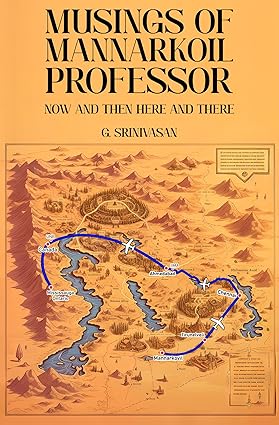
Musings of Mannarkoil Professor is a delightful collection of autobiographical essays by G. Srinivasan, a retired academic who traces his journey from a temple village in Tamil Nadu to a fulfilling professional life in Canada. The book skips across time and place with warmth, humor, and surprising insight, offering personal tales that touch on family, education, cultural identity, and the everyday absurdities of life. From playful musings on spelling and name pronunciation to deeply rooted reflections on migration and belonging, Srinivasan stitches together a life story that feels both intimate and quietly epic.
Reading this book felt like chatting with a wise, well-traveled friend who always has something interesting to say. The author’s recounting of being mistakenly addressed as everything from “Spinivasan” to “Scinivasan,” a result of bureaucratic misinterpretations of South Indian naming conventions, was both humorous and revealing. These anecdotes not only elicited genuine laughter but also prompted reflection on how names encapsulate identity, geography, personal history, and the enduring influence of colonial languages. Particularly memorable was his wry response to those inquiring about the pronunciation of his name: “Please don’t. I am alive.” It is uncommon to encounter a writer who so seamlessly blends self-deprecating wit with insightful commentary.
The childhood recollections are rendered with a poignant nostalgia that remains measured and never overly sentimental. The vividness of his descriptions evokes a tactile sense of the era; one can almost feel the cool surface of a slate or hear the distinctive tickticki of the itinerant barber’s clippers. His attention to detail, whether it is feeding pencil shavings to a peacock feather or applying ivy gourd leaves to a slate for their supposed medicinal properties, imbues everyday moments with remarkable vitality. These memories are layered with emotional nuance, effortlessly shifting the reader from quiet amusement to unexpected poignancy. His account of his mother calmly examining a cracked slate and pronouncing it fit for another year of use encapsulates both the affectionate pragmatism and quiet discipline that characterize life in a large, traditional Indian household.
What stood out most to me was how the author seamlessly connects the dots between the personal and the cultural, especially in the later chapters. His story about selling used notebooks to sweet vendors and then getting those same pages back as food wrappers was not just funny, it was such a vivid snapshot of frugality, circular economy, and childhood ingenuity in small-town India. An intimate knowledge of Tamil Nadu is by no means a prerequisite to appreciating his narrative. His storytelling possesses a rare generosity, inviting and inclusive, it resonates across cultural boundaries.
Musings of Mannarkoil Professor is a lovely, gently funny, and surprisingly profound read. It’s perfect for anyone who enjoys memoirs, especially those filled with culture, wit, and old-school charm. If you’ve ever migrated, struggled to explain your name, or just reminisced about the weird tools of your schooldays, this book is for you. I’d especially recommend it to diaspora readers and South Asians of all ages. Anyone with an appreciation for well-crafted narratives imbued with warmth and humor will find much to admire in this work. Though now retired, the professor’s storytelling remains as compelling and incisive as ever.
Pages: 161 | ASIN : B0F757C98J
Life in a Tumble Dryer: Living and Working in Khartoum, the World’s Hottest Capital (Not How I Planned It)

Life in a Tumble Dryer is Leoma Gilley’s vivid and deeply personal memoir of her years living and working in Khartoum, Sudan, specifically the sweltering, dust-choked, unpredictable chaos of everyday life in the world’s hottest capital. The book is structured around letters to her cousin Harriet and weaves together tales of linguistic research, cultural missteps, bureaucratic wrangling, unexpected friendships, and survival tactics in a place where the electricity vanishes with the heat and dust storms sneak up like petty thieves.
What really stuck with me from the start was how sharply Leoma captures the absurdity and humor of adapting to a totally different way of life. Her story about arriving in Khartoum with 256 kilograms of luggage, complete with solar panels, books, and fans, only to be delayed by a flat tire on the tarmac at 3 a.m. is a peak travel nightmare. But she tells it with a wink and grit that made me laugh out loud. Even funnier, she ends up in the wrong airport queue behind Orthodox Jews boarding an El Al flight, while she’s bound for Sudan, one of those “what even is my life” moments you just can’t make up.
But the memoir isn’t all quirky misadventures. What’s most powerful is the subtle unraveling of her own assumptions. Leoma is honest about her initial sense of control and expertise, especially when it comes to linguistics. But then, in a scene that humbled even me as a reader, she recalls how a colleague gently reminded her that it’s not her job to decide for people what their language or culture should look like. “It is their language and thus their decision,” she’s told. That moment comes back again and again, and it’s the soul of the book. She’s not there to fix anything; she’s there to walk alongside. That shift in mindset is deeply moving, especially when so many “aid” narratives fall into the trap of saviorism.
The book is more a series of letters and anecdotes than a tightly plotted memoir, so it’s best to read it slowly, maybe a chapter at a time. Still, that format is part of its charm. The chapter where she writes a parody song called “The Yellar Dust of Khartoum” had me wheezing, especially the line: “Your oily skin is daily dried by that abrasive touch, but one good thing about it, it doesn’t cost that much.” There’s something about surviving in a brutal climate with nothing but a fan, peanut butter on sour crepes, and a sense of humor that made me love this book all the more.
By the end, I felt like I knew Khartoum, its smells, its setbacks, its kindnesses, and I admired Leoma not just for what she did there, but how she let herself be changed by the place. Life in a Tumble Dryer is perfect for readers who love honest travel writing, especially memoirs with heart, humor, and a dose of humility. If you’ve ever tried to make a home somewhere wildly unfamiliar or wondered what it would take, this book is for you.
Pages: 319 | ASIN : B0DSLP2V12
Focusing on the Photos
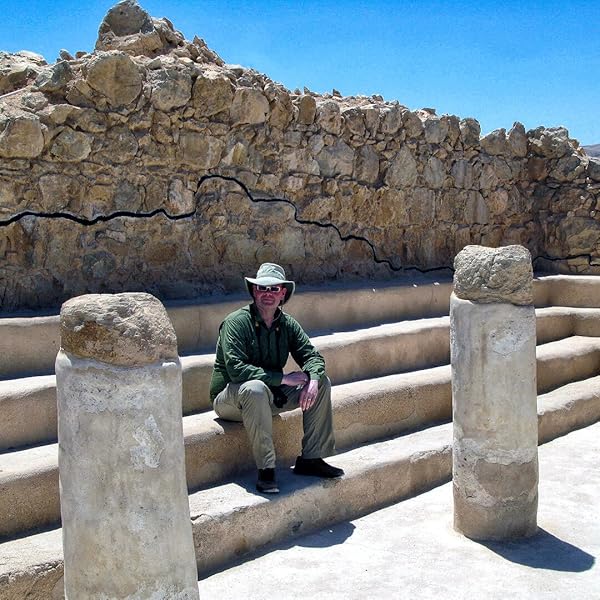
Around the World in Eighty Photos is more than just a photography book; it’s a visual adventure that takes readers across the globe to view the often-overlooked corners of the world through the lens of an experienced traveler. What inspired you to create this pictorial travel book?
My previous book, On to Plan C: A Return to Travel, which documented my return to travel after the pandemic, was the first to include my photography. I really enjoyed the experience of putting it together, even though it required editing both the text and photos. For this book, I knew I wanted to include photography again, but this time make the photos the focus.
There are many books out there showing you photos of famous places around the world, but I wanted to steer the reader toward lesser known locations and give them some insight into how each photo was created—what caught my eye, what challenges I faced, how I dealt with less than ideal lighting in some situations, and so on.
I also wanted to include background information on each location for those less interested in the photography. For those interested, I disclose the settings I used for each photo along with a glossary of photographic terms at the end. So, it can be used as a guide to lesser known locations and/or as a guide to creating better travel photos.
What photo in this collection do you feel has the best “story” surrounding it?
The photo created inside Iglesia El Rosario in San Salvador, El Salvador. From the outside, the church looks like a concrete bunker. In fact, I wasn’t sure it was not abandoned and walked past it without much thought while exploring the area. When our local guide started eventually heading toward it, I was a little unsure of why he was taking my wife and I there.
Turns out, its nondescript concrete exterior conceals an arched roof that sheds a rainbow of natural light that spreads across the altar and bounces off the metal and rock inside. Designed by sculptor Ruben Martinez and completed in 1971, Iglesia El Rosario is radically beautiful and one of the finest churches I have ever visited.
As I don’t travel with a tripod, and it being a church with occasional visitors, made this a very challenging photo to create. I chose settings I felt would let in a good amount of light and used a shutter speed that wouldn’t cause blur being handheld. Situations like this I tend to hold my breath for steadiness and hope for the best.
What advice do you have for aspiring travel photographers?
Study the fundamentals and know your camera well so that you don’t have to hesitate when changing a setting. I have my camera setup so that I can change things like aperture or the type of focusing very quickly. Things can happen fast while on the road and you don’t want to miss them while fiddling around trying to change something.
I’m also a big believer in previsualization. This allows me to determine the lens and general settings before I even start to take photos. For instance, if a situation calls for street photography, then I’m going to use a lens in the 35mm to 50mm range with an aperture around f/8 to keep everything in focus and a minimum shutter speed of 1/250 to of a second to stop motion. This was, I can concentrate more on composition and less on adjusting settings.
What is one thing you hope readers take away from Around the World in Eighty Photos?
There are so many more places in the world than the handful that always seem to be promoted. Yes, Venice is a stunning location filled with canals, but so is Bruges in Belgium or Wuzhen in China. The world is full of surprises. For instance, the Salt Cathedral of Zipaquirá is a remarkable underground cathedral built within the tunnels of a salt mine just north of Bogotá. I hope this book inspires readers to seek out such places and take more inspired photos while there.
Author links: GoodReads | Instagram | Website
This captivating visual odyssey takes readers to the farthest corners of the earth, from bustling cities to serene landscapes, offering a window into the world’s most awe-inspiring sights. Each carefully curated photograph is paired with a short reflection or story, capturing the essence of diverse cultures, iconic landmarks, and hidden gems.
Whether you’re an armchair traveler or a seasoned explorer, Around the World in Eighty Photos is your passport to adventure, offering a unique perspective on the beauty and wonder that unite us all. Prepare to be inspired by the world’s splendor, one photo at a time.
Around the World in Eighty Photos
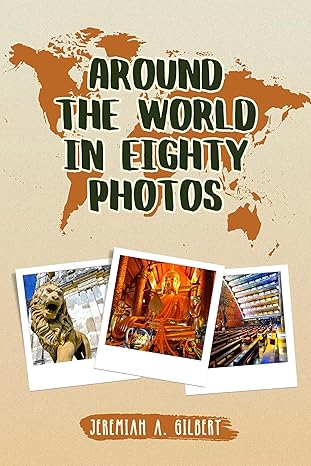
Jeremiah A. Gilbert’s Around the World in Eighty Photos is more than just a photography book; it’s a visual adventure that takes you across the globe through the lens of an experienced traveler. Instead of sticking to well-known landmarks, Gilbert hones in on the often-overlooked corners of the world, giving them the spotlight they deserve. Each photograph is accompanied by a story—sometimes historical, sometimes personal, always engaging. He also shares the technical details behind each shot, making it both an inspiring and educational experience for photographers and travel enthusiasts alike.
As a photographer, I appreciate that Gilbert doesn’t just show beautiful places—he invites us into his thought process. His image of Rano Raraku on Easter Island struck me the most. He describes setting up his shot without people, then serendipitously capturing two figures stepping into the frame, perfectly enhancing the composition. That’s what photography is about—being prepared, yet open to unexpected moments. The book is filled with these little surprises, making it feel like you’re traveling right along with him.
Another highlight is the way Gilbert balances storytelling with technical insight. In his photo of Mexico City’s Basilica de Guadalupe, he explains how he had to ride the moving walkway twice to figure out the best composition. The first trip was for analysis, the second for execution. That’s dedication. And in his shot of Iguazu Falls, he makes a conscious decision to use a fast shutter speed to capture the violent, thundering energy of the water, rather than the dreamy, silky look so many photographers go for. His approach reminds me that technical choices should serve the emotion of the image, not just the aesthetics.
This book is a must for photographers who love to travel, travelers who love photography, and anyone who dreams of seeing the world through fresh eyes. If you want a collection of images that tell stories, that teach you something new, and that make you want to grab your camera and book a flight, Around the World in Eighty Photos is an absolute treat.
Pages: 268 | ASIN : B0DY46TYP3
Places I Had Visited

When Fred the Snake and Friends Explore USA West follows a travel-loving snake and his friends as they enjoy some of the sights on the West coast of the USA, from Hollywood California to Alaska and Waikiki Beach, Hawaii. What was the inspiration for the destinations they visit in your story?
Fred asked me which places I had visited and liked best.
What scene in the book did you have the most fun writing?
Meeting the bear in Alaska. “If you meet a bear, be brave, shout out loud, and madly wave. Get together in a bunch to avoid becoming lunch.”
Did you find anything in your research of this story that surprised you?
The old word “Eskimo” is no longer proper. We should refer to the different nations, like Inuit and Aleut.
What is your favorite place to visit, and does it hold any special meaning or memories for you?
San Francisco was the first US city I visited in 1971 while still living in England. I was impressed by its grandeur, pretty houses, sunshine, and hamburgers.
Author Links: GoodReads | X (Twitter) | Facebook | Website | Amazon
Famous Places and Memorials
When Fred the Snake and Friends Explore USA, Central follows an adventurous snake and his crew as they travel across the central United States. What was the inspiration for your story?
Fred and friends enjoyed visiting sights in the Eastern States and asked Jim to take them further.
The art in this book is fantastic. What was the art collaboration process like with the illustrator Bonnie Lemaire?
Great illustrator living near Toronto, Canada. We connected via the publisher and worked together online until we started on the 4th book, about Charleston, SC, where Fred and I live. She came down to see what she would be drawing. Terrific talent. She not only draws my ideas, but enhances them, adding lots of special wrinkles. Purple hair then…
What were some educational aspects that were important for you to include in this children’s book?
Introducing young kids to famous places and memorials.
Can you tell us more about what’s in store for Fred and his friends and the direction of the next book?
Jim says they will be off to the West Coast. Maybe Hollywood? Alaska?
Author Links: GoodReads | X (Twitter) | Facebook | Website | Amazon
Travels With My Grief
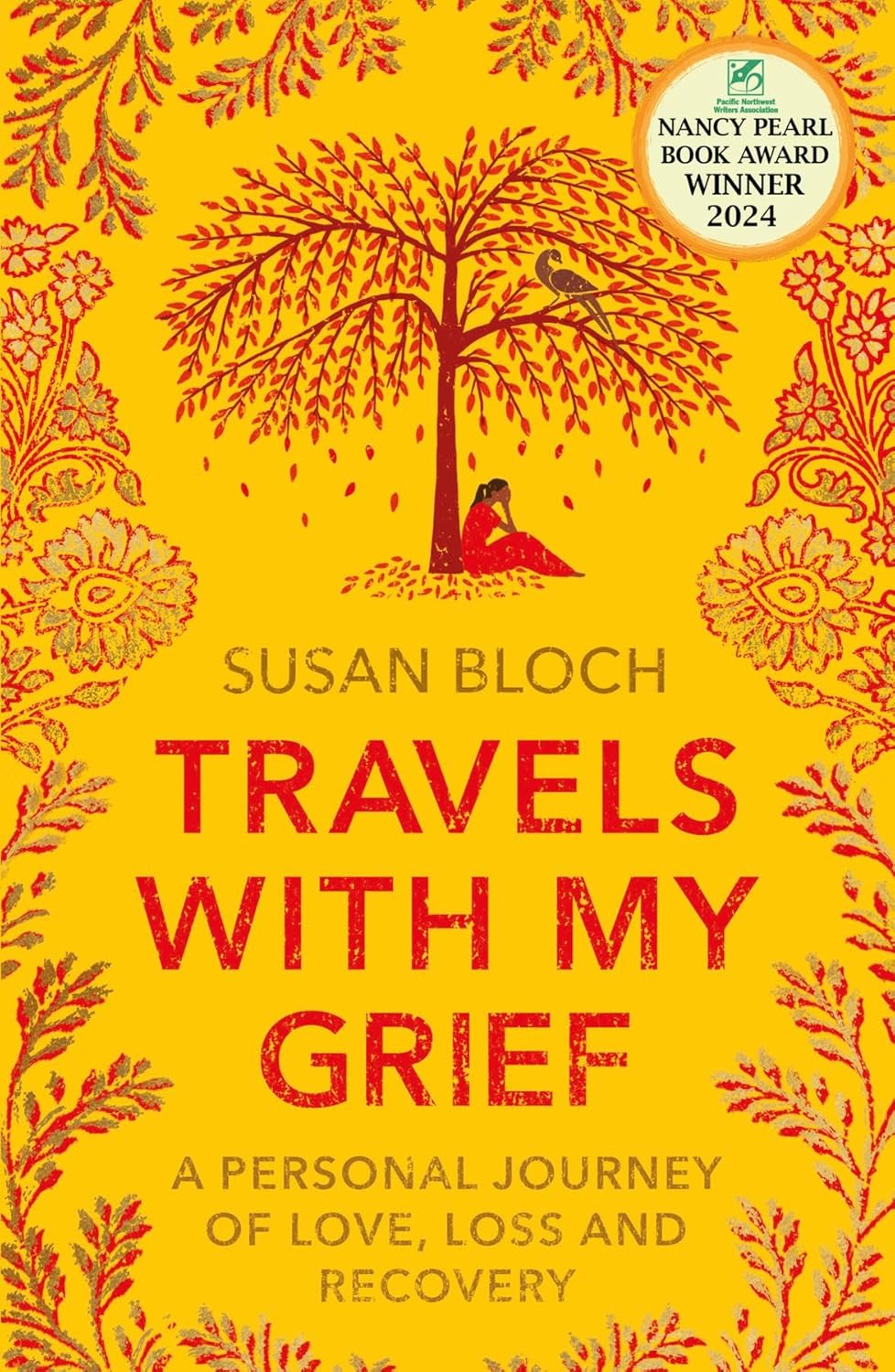
Susan Bloch’s Travels with My Grief is an emotional, raw, and deeply personal memoir about love, loss, and rediscovery. After the death of her husband, John, Bloch embarks on a journey through grief, taking the reader with her as she navigates despair, loneliness, and, ultimately, resilience. Set against the backdrop of her travels, especially in India, the book is not just about mourning but also about transformation. Through vividly painted scenes, from the heartache of John’s final days to the vibrant chaos of Mumbai, Bloch explores how travel and human connection can aid in healing.
Bloch’s writing is rich and immersive. Her ability to capture the weight of grief in everyday moments is remarkable. In the opening chapters, she details John’s final hours with such intensity that it feels like time slows down. The moment when John takes his last breath is visceral, her emotions raw and unfiltered. It’s heartbreaking but beautiful in its honesty. Her grief is not poeticized or neatly packaged. It’s messy, painful, and unpredictable. She writes about the way she clings to his belongings, the irrational hope that he might still return, and the crushing weight of his absence. It’s not just sadness but a kind of disorientation that anyone who has lost someone will recognize.
One of the most compelling aspects of the book is Bloch’s decision to go to India. At first, it feels like an escape, leaving behind the home filled with memories, the well-wishers who don’t quite know what to say, the suffocating silence of life without John. But India becomes a catalyst for change. Her descriptions of the monsoon rains, the spicy aroma of street food, and the cacophony of Mumbai traffic are almost intoxicating. There’s a turning point when she watches a group of schoolgirls in pristine uniforms laughing amidst the city’s chaos. This simple scene sparks something in her, a reminder of resilience and joy. Through her encounters, from priests to firewalkers, she begins to reclaim her sense of self, no longer defined solely by loss.
The most unforgettable section is when Bloch walks on fire, both literally and metaphorically. The firewalking scene is electrifying, a powerful metaphor for facing pain head-on. She hesitates, fearing she’ll get burned, but then she takes the leap. The act itself is astonishing, but it’s her internal monologue in that moment that resonates most: the realization that pain doesn’t disappear, but we can learn to walk through it. It’s exhilarating, terrifying, and deeply moving.
Travels with My Grief is for anyone who has experienced profound loss, especially those struggling to find themselves again. It’s not a self-help book with tidy answers, nor is it a simple travel memoir. It’s an honest and beautifully written account of one woman’s journey through heartbreak, loneliness, and ultimately, a return to life.
Pages: 226 | ASIN: B0BZ6H822M



 LITERARY TITAN