Blog Archives
Literary Titan Gold Book Award: Fiction

The Literary Titan Book Award honors books that exhibit exceptional storytelling and creativity. This award celebrates novelists who craft compelling narratives, create memorable characters, and weave stories that captivate readers. The recipients are writers who excel in their ability to blend imagination with literary skill, creating worlds that enchant and narratives that linger long after the final page is turned.
Award Recipients

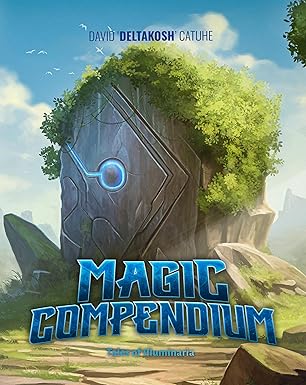
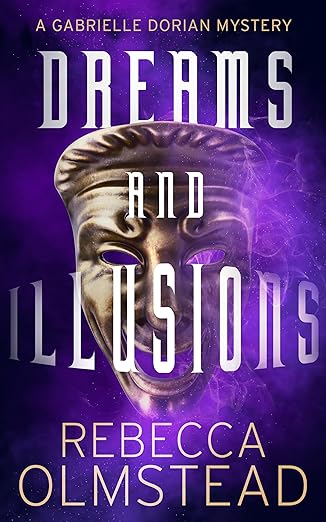

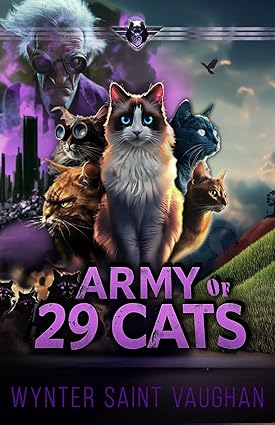
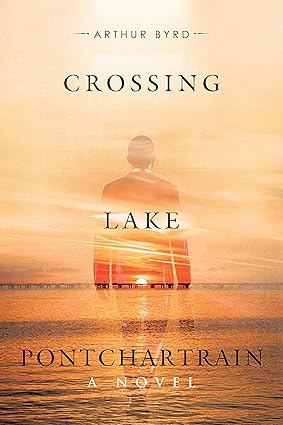


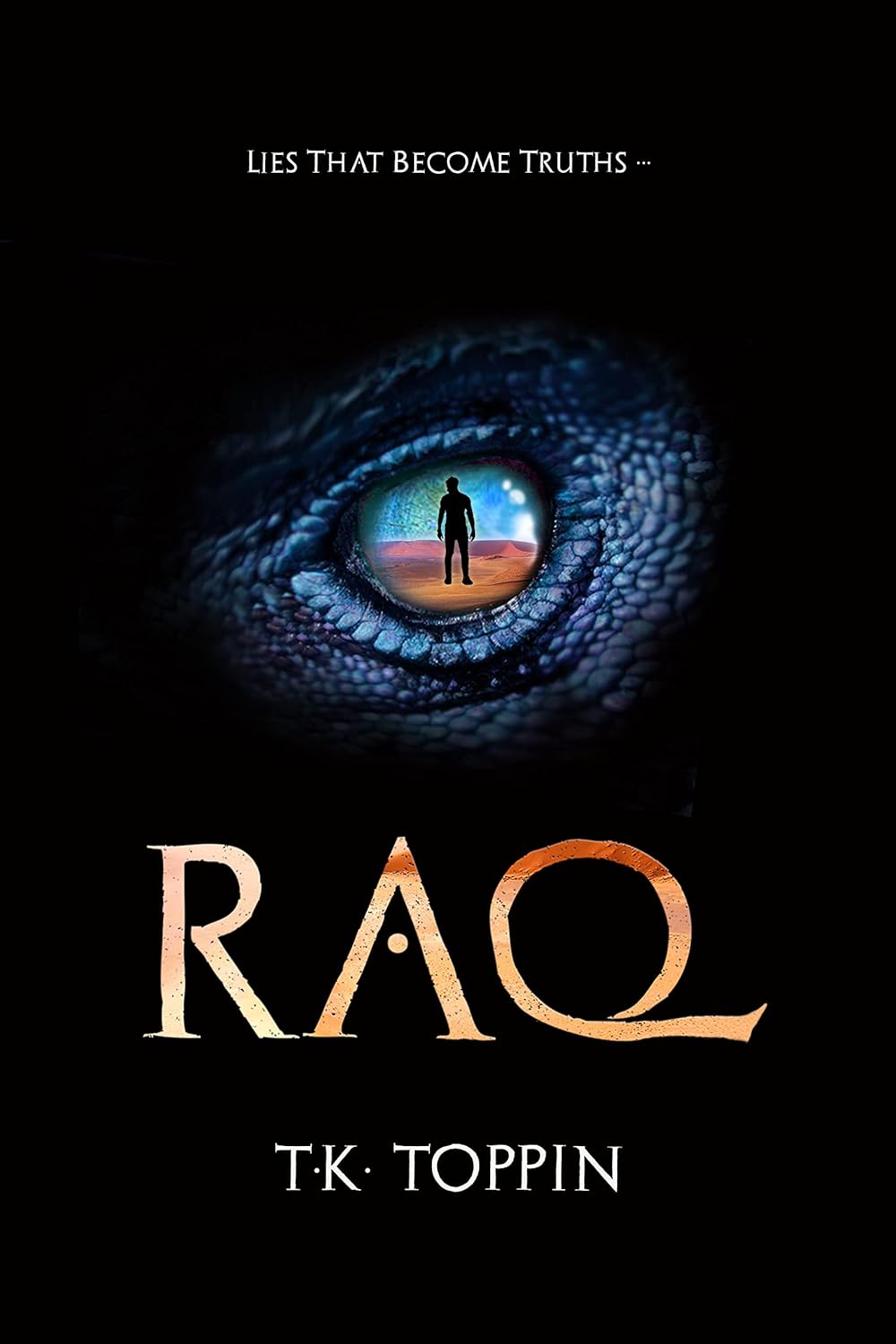
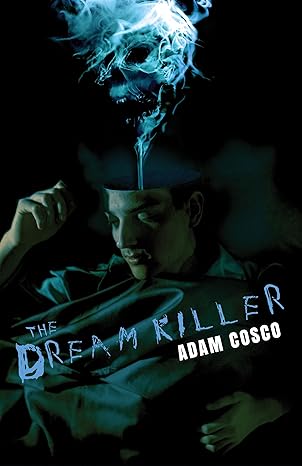


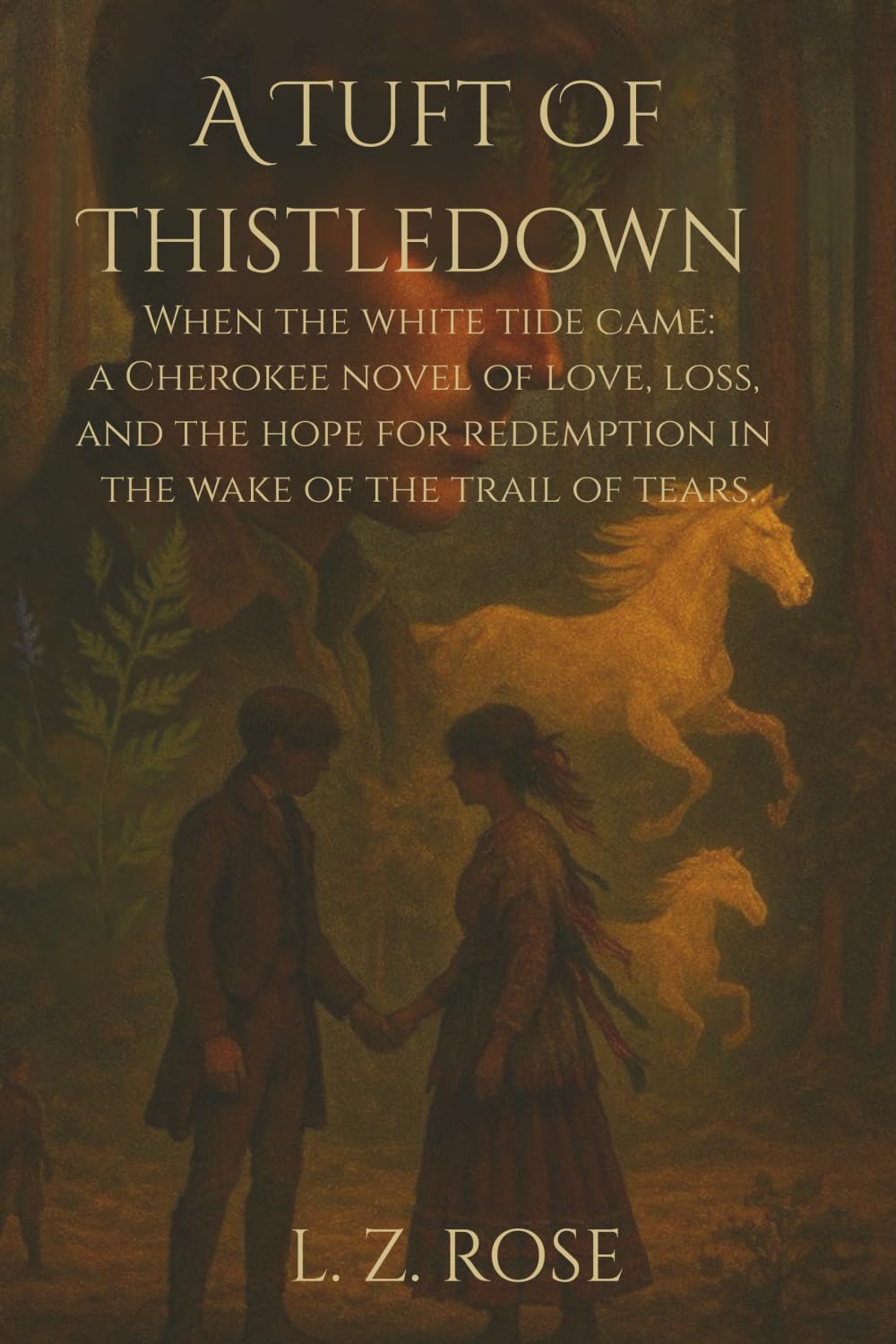
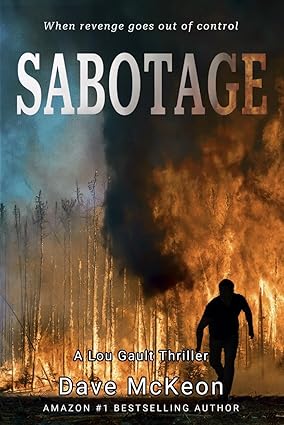


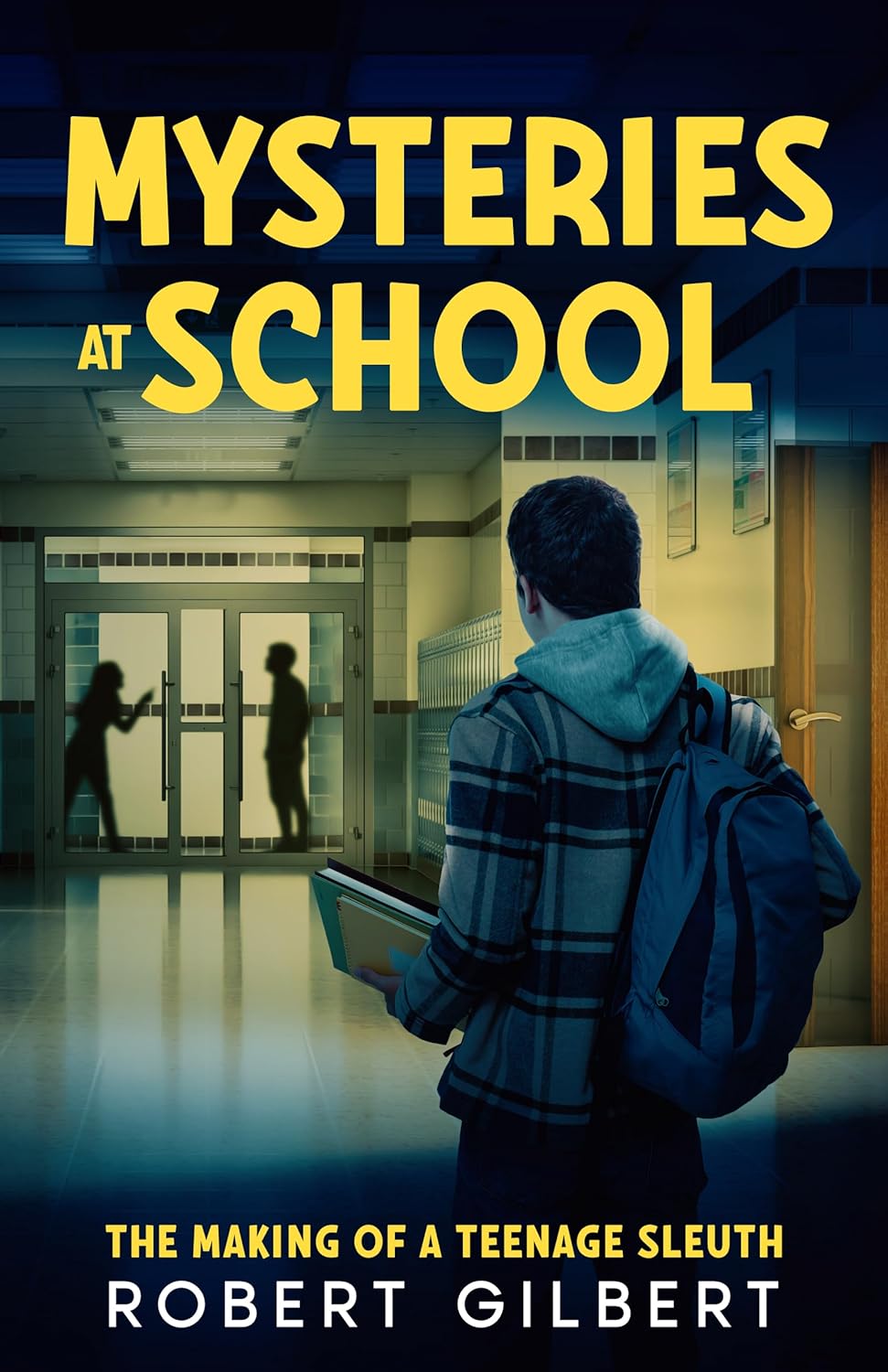

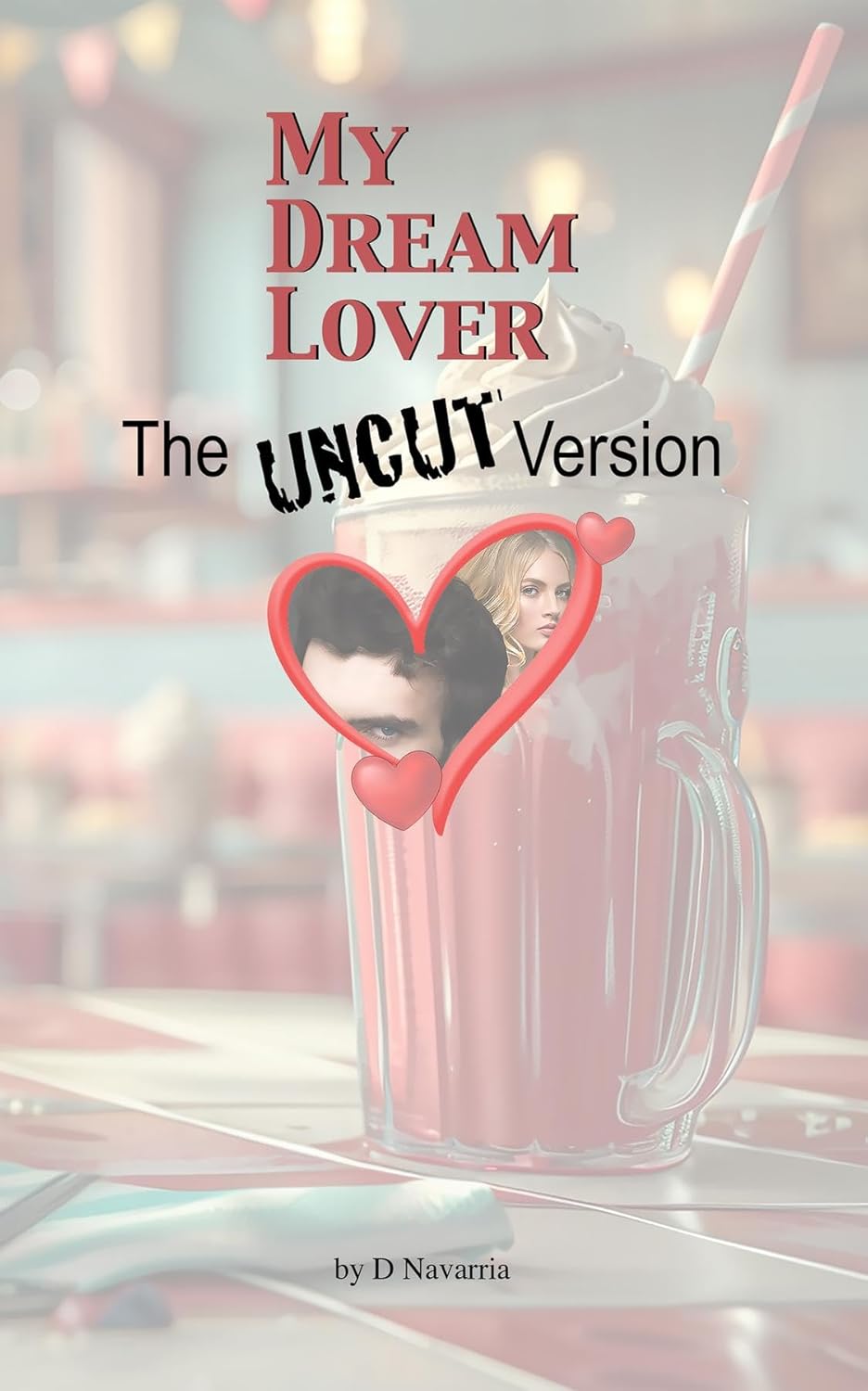
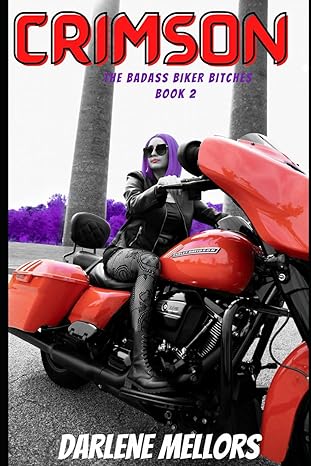

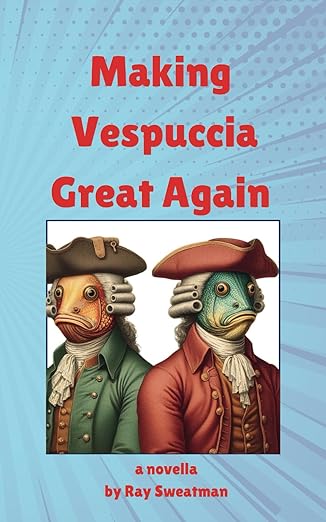








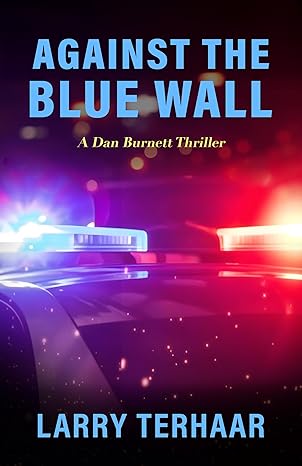
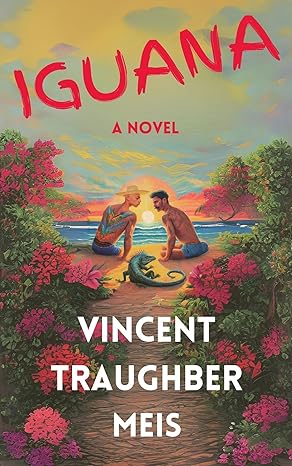

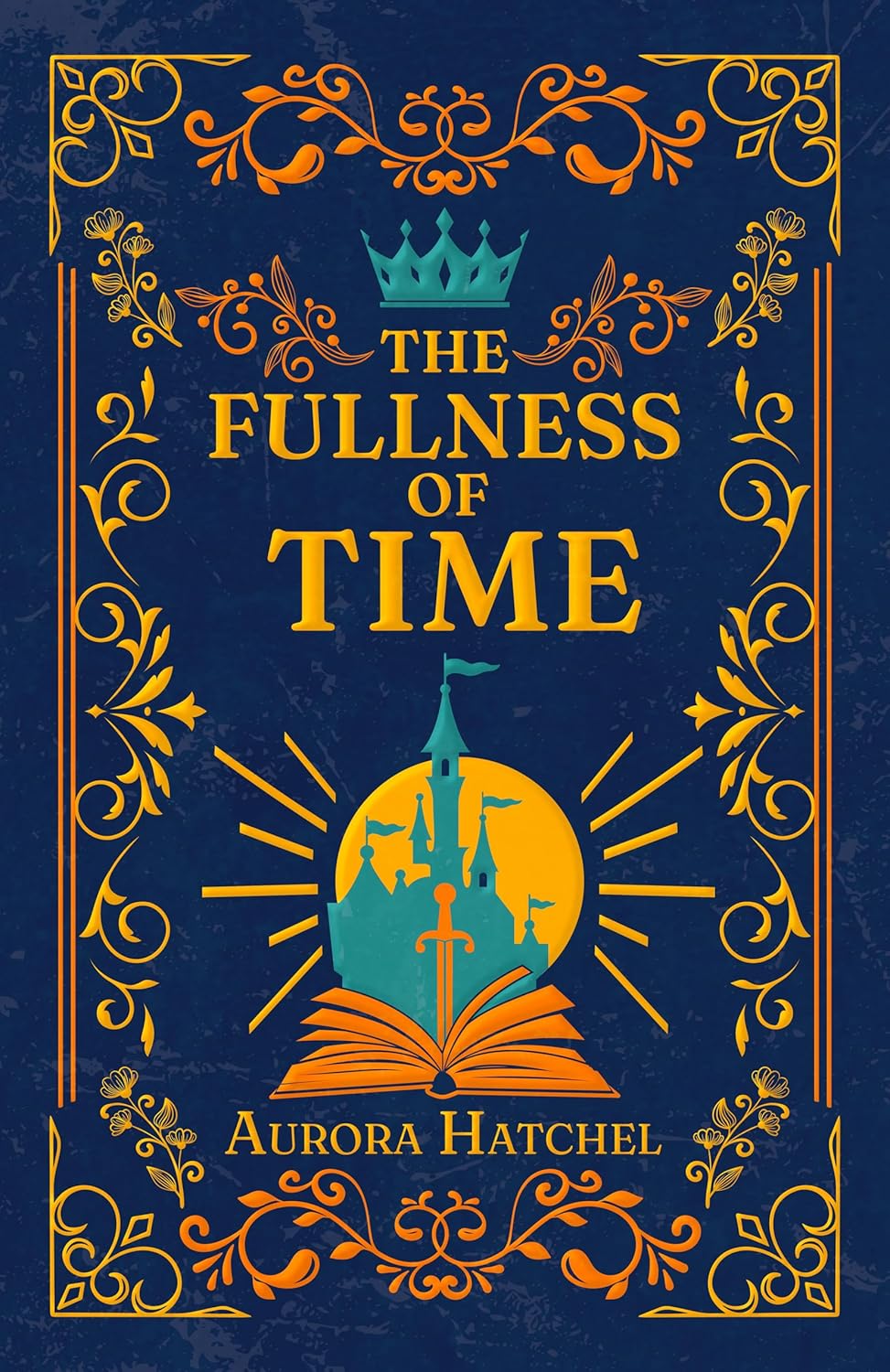

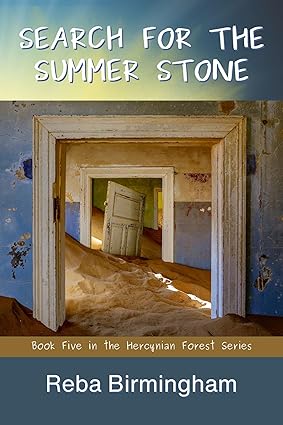


Visit the Literary Titan Book Awards page to see award information.
Literary Titan Silver Book Award
Celebrating the brilliance of outstanding authors who have captivated us with their skillful prose, engaging narratives, and compelling real and imagined characters. We recognize books that stand out for their innovative storytelling and insightful exploration of truth and fiction. Join us in honoring the dedication and skill of these remarkable authors as we celebrate the diverse and rich worlds they’ve brought to life, whether through the realm of imagination or the lens of reality.
Award Recipients
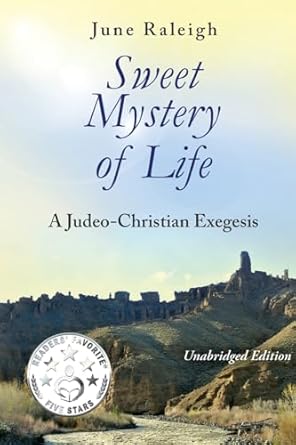


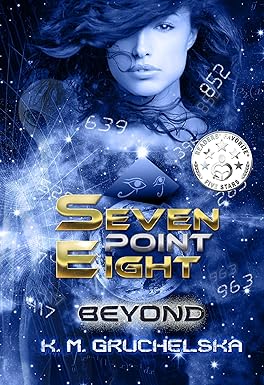
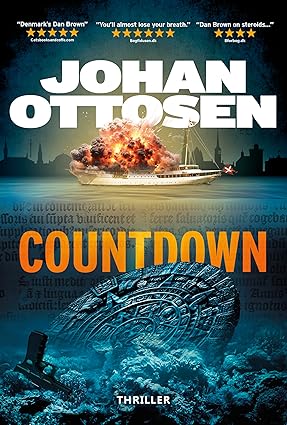
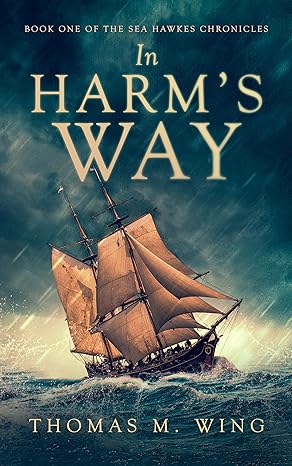



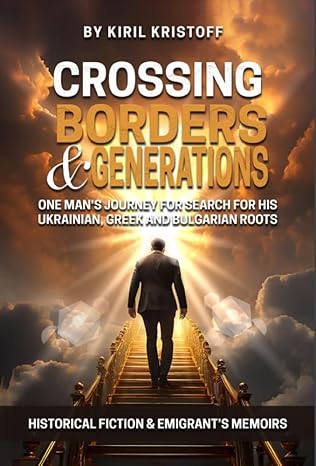


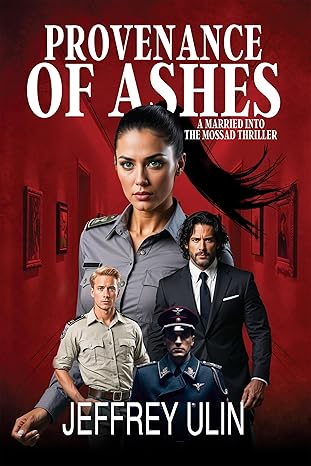
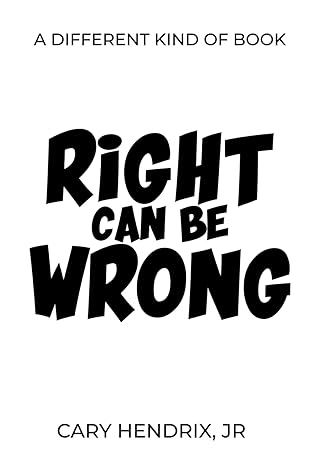



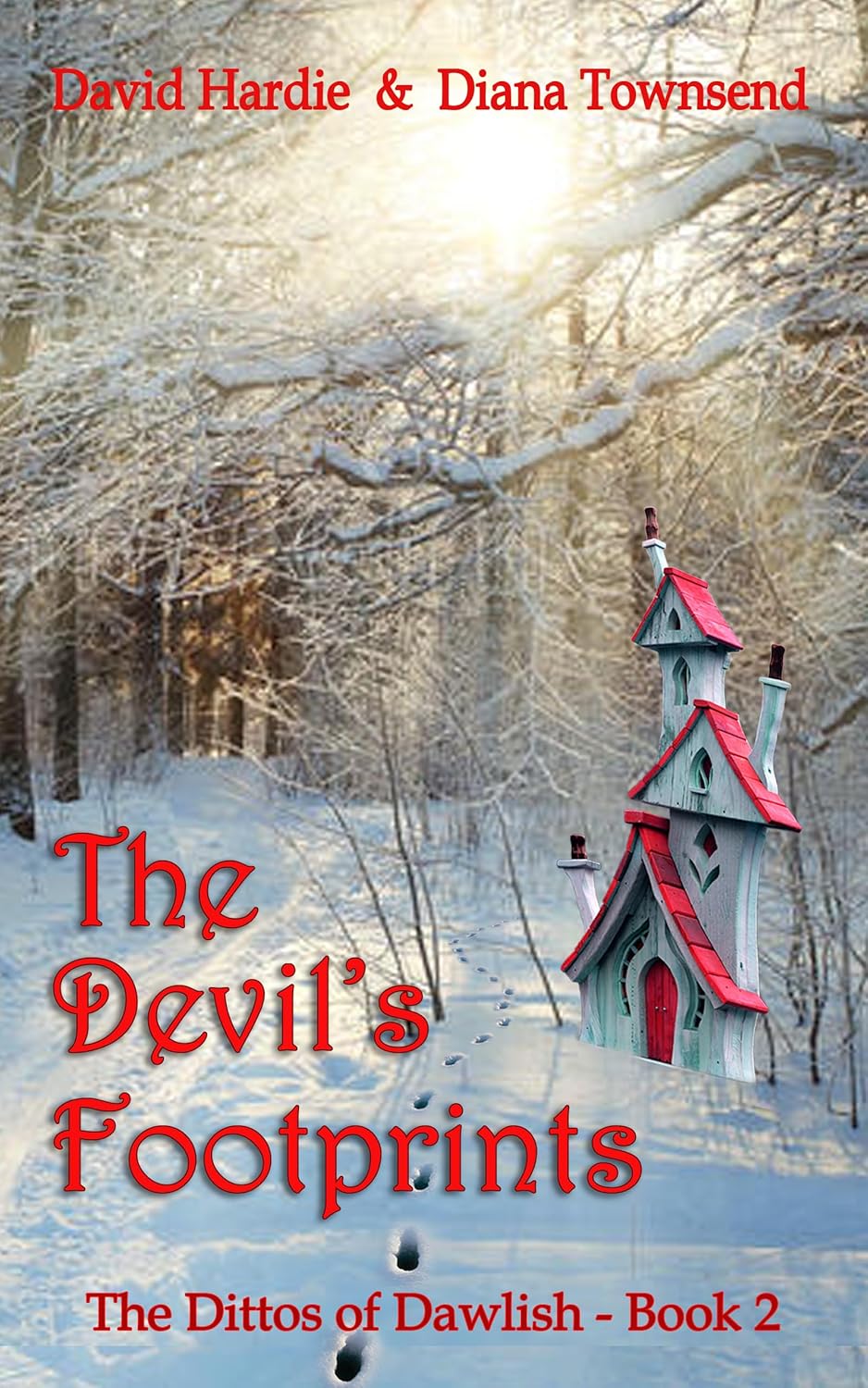


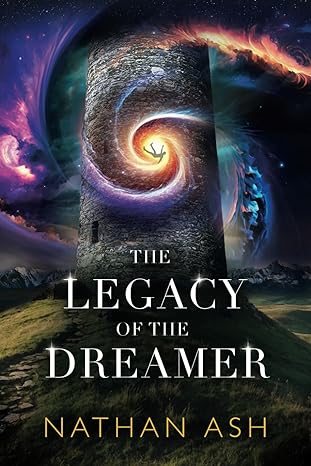
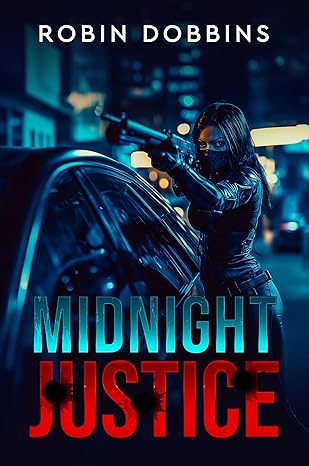
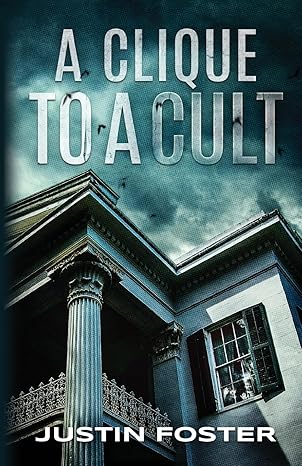




Visit the Literary Titan Book Awards page to see award information.
The AI Revolution Will Not Be Televised

David Lewis Wadley’s The AI Revolution Will Not Be Televised is more than just a book about artificial intelligence, it’s a deeply personal and socially conscious exploration of financial justice, technology, and economic empowerment. At its core, it follows the journey of David, a self-taught financial educator from Harlem, who uses his platform, ThePriceBandit.com, to teach women, especially Black women, how to navigate the stock market and build wealth through AI-driven investments. The book blends history, music, and finance with a narrative that is both engaging and eye-opening, warning of the perils of unchecked corporate power while offering a blueprint for individual financial empowerment.
Wadley’s writing has a rhythm of its own, much like the classic R&B tracks he references throughout the book. His storytelling is rich with culture and nostalgia, weaving in everything from Duke Ellington’s jazz to the financial struggles of single mothers. One of the most striking aspects of the book is its dedication to Black women and their economic struggles. Wadley makes it clear that his mission is to arm marginalized communities with the financial tools to fight back against systemic inequality. His protagonist, David, grows from a child witnessing his mother’s financial hardships to a man determined to educate and uplift others. The emotional weight of these moments makes the book feel raw and authentic.
The AI Revolution Will Not Be Televised is not just about heart, it’s also about strategy. Wadley delivers sharp critiques of Wall Street’s exploitative practices while laying out a clear, practical roadmap for financial independence. The chapters on AI-driven trading and market psychology are among the most compelling, offering insight into how technology is reshaping finance. Wadley doesn’t blindly praise AI, he warns of its dangers, especially when controlled by the wealthy elite. His approach is both empowering and cautionary, encouraging readers to seize AI’s potential before corporations monopolize its benefits.
The book’s greatest strength is also its most challenging aspect: its fusion of genres. It’s part memoir, part financial guide, part cultural commentary. This makes for a unique, engaging read, but at times, the shifts between personal anecdotes, financial advice, and historical reflections can feel abrupt. Readers expecting a straightforward finance book might find themselves caught off guard by the deep dives into music history and Harlem culture. But for those willing to embrace the blend, Wadley offers an experience unlike any other, a book that teaches while it inspires.
I’d recommend The AI Revolution Will Not Be Televised to anyone interested in financial literacy, particularly women looking to break into investing. It’s also a must-read for those curious about the intersection of AI, finance, and social justice. Wadley’s passion is contagious, his advice is actionable, and his storytelling makes complex topics feel accessible. Whether you’re a seasoned investor or just starting, this book challenges you to think differently about money, power, and the future of wealth in the digital age.
Pages: 220 | ASIN : B0DYL71RY5

Literary Titan Gold Book Award: Fiction
The Literary Titan Book Award honors books that exhibit exceptional storytelling and creativity. This award celebrates novelists who craft compelling narratives, create memorable characters, and weave stories that captivate readers. The recipients are writers who excel in their ability to blend imagination with literary skill, creating worlds that enchant and narratives that linger long after the final page is turned.
Award Recipients








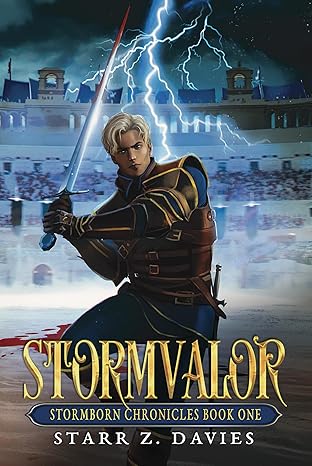
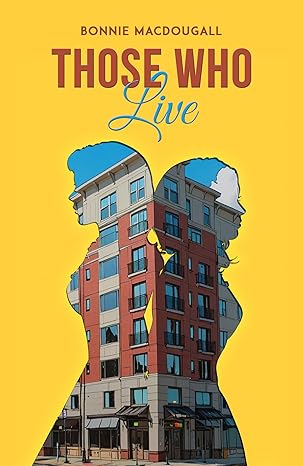

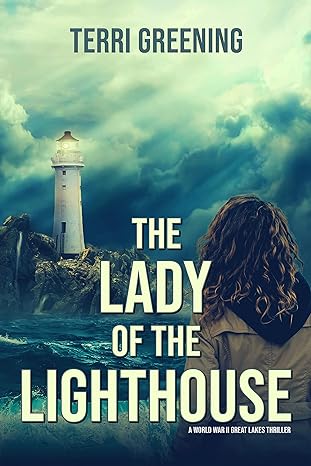

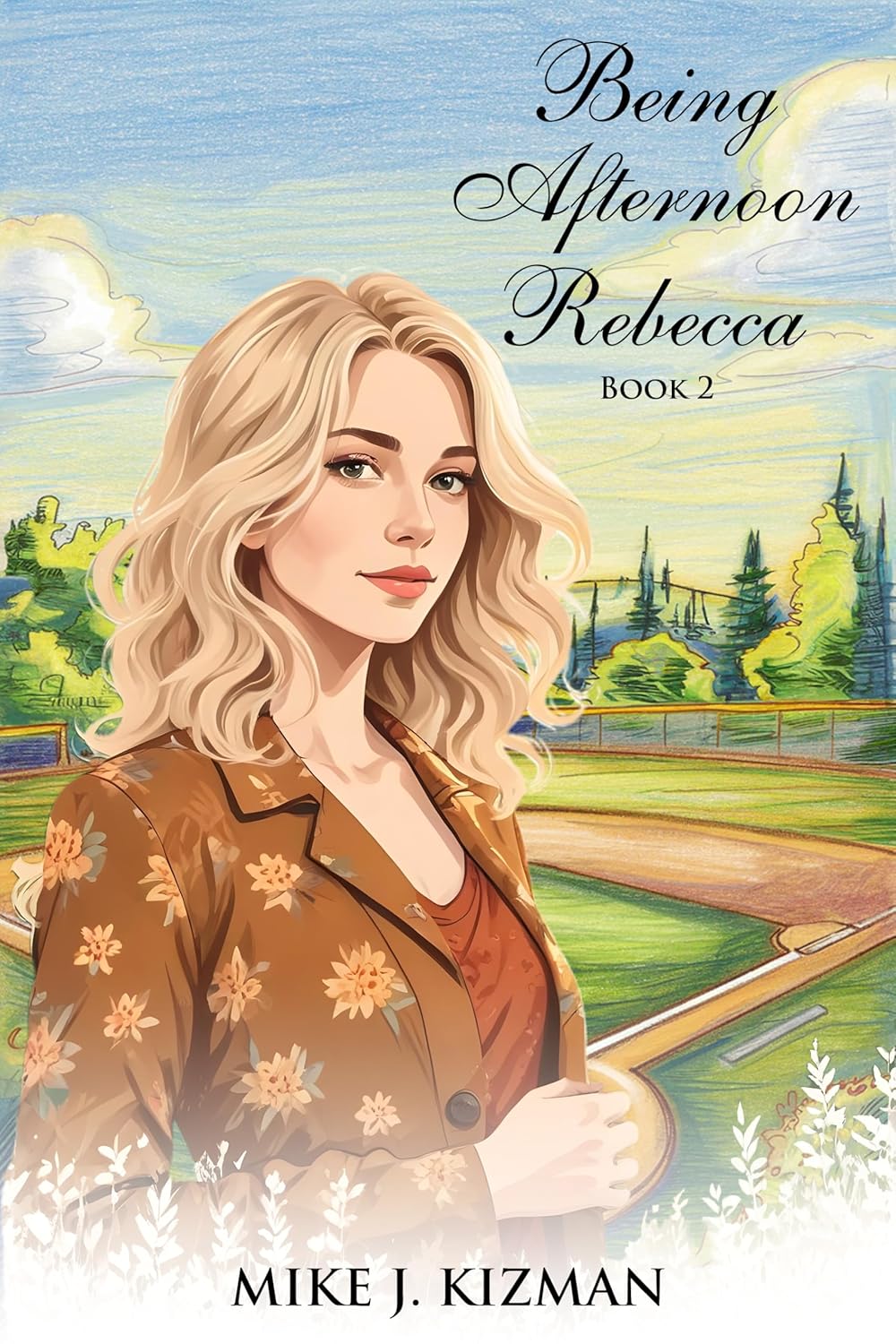



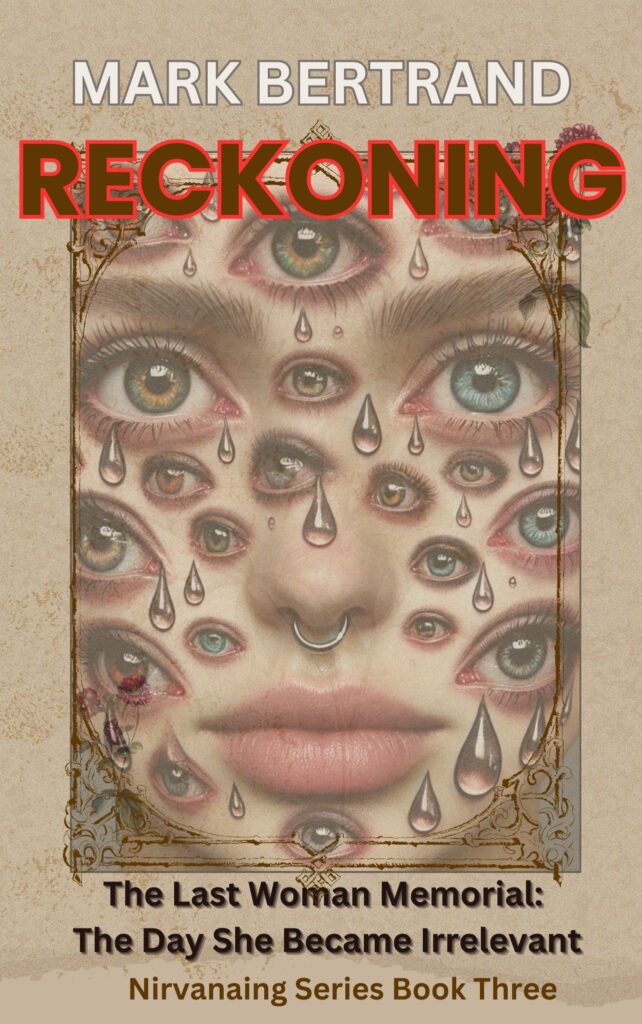


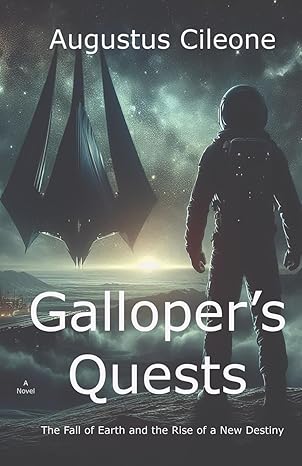

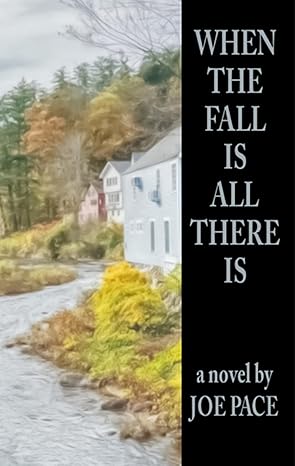
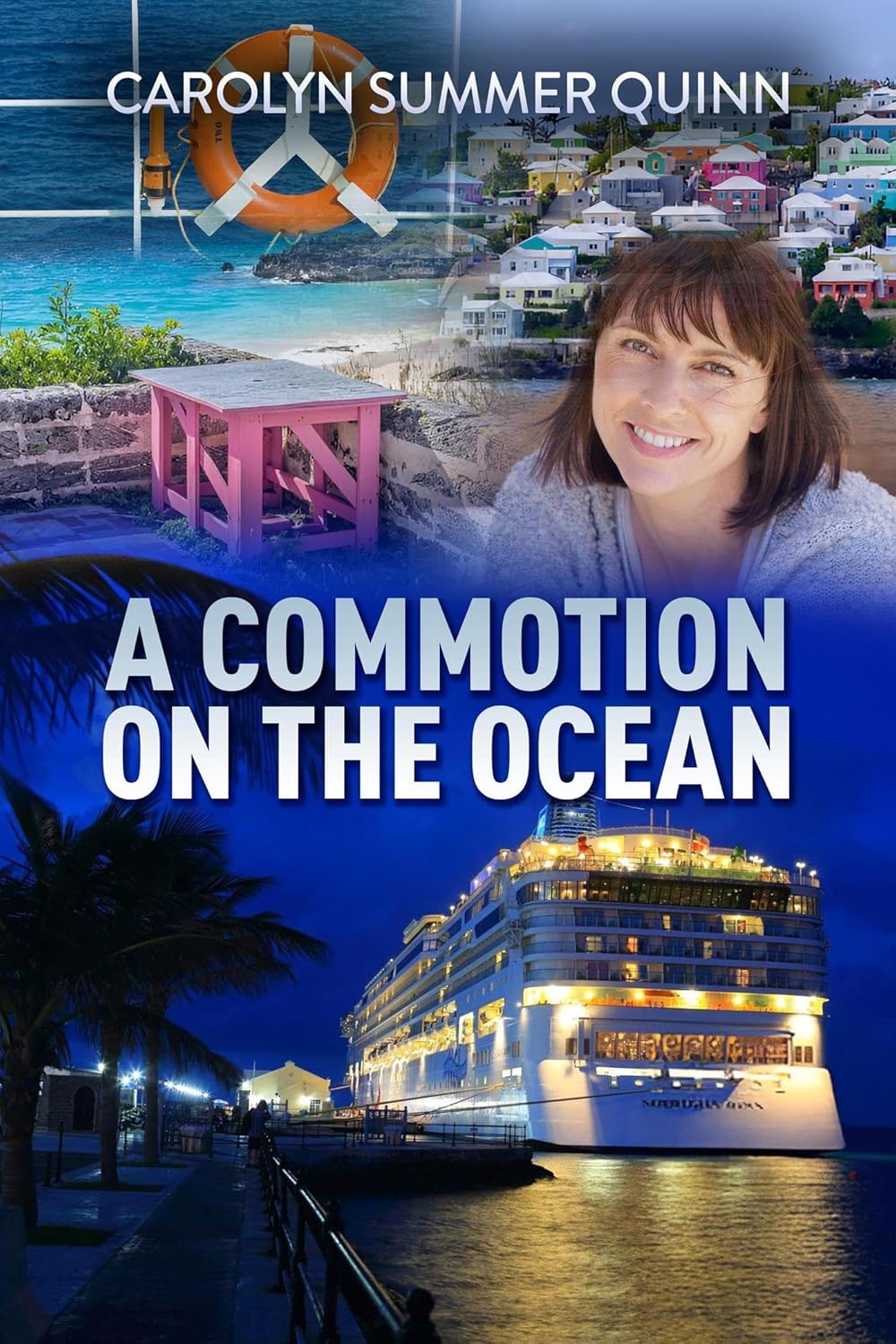













Beyond this World there is a world I want by Steven Physioc
Visit the Literary Titan Book Awards page to see award information.
Literary Titan Silver Book Award
Celebrating the brilliance of outstanding authors who have captivated us with their skillful prose, engaging narratives, and compelling real and imagined characters. We recognize books that stand out for their innovative storytelling and insightful exploration of truth and fiction. Join us in honoring the dedication and skill of these remarkable authors as we celebrate the diverse and rich worlds they’ve brought to life, whether through the realm of imagination or the lens of reality.
Award Recipients



















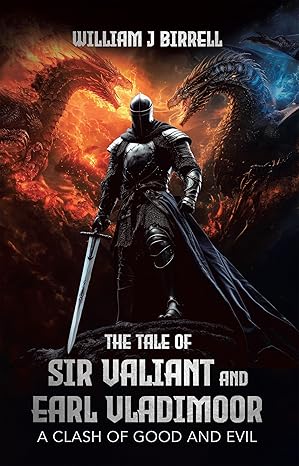

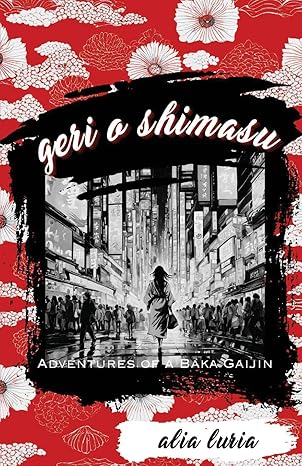
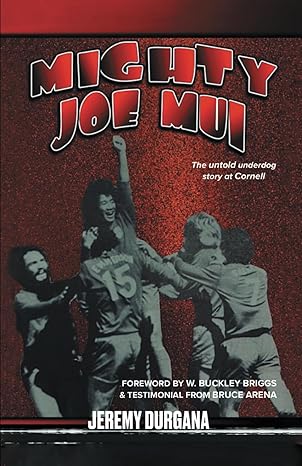
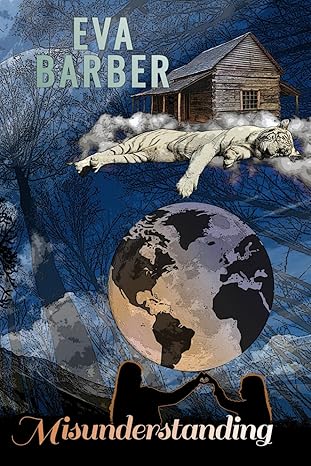






Three Encounters of the Romantic Kind by TG Gore
Visit the Literary Titan Book Awards page to see award information.
My Medical “Fate”

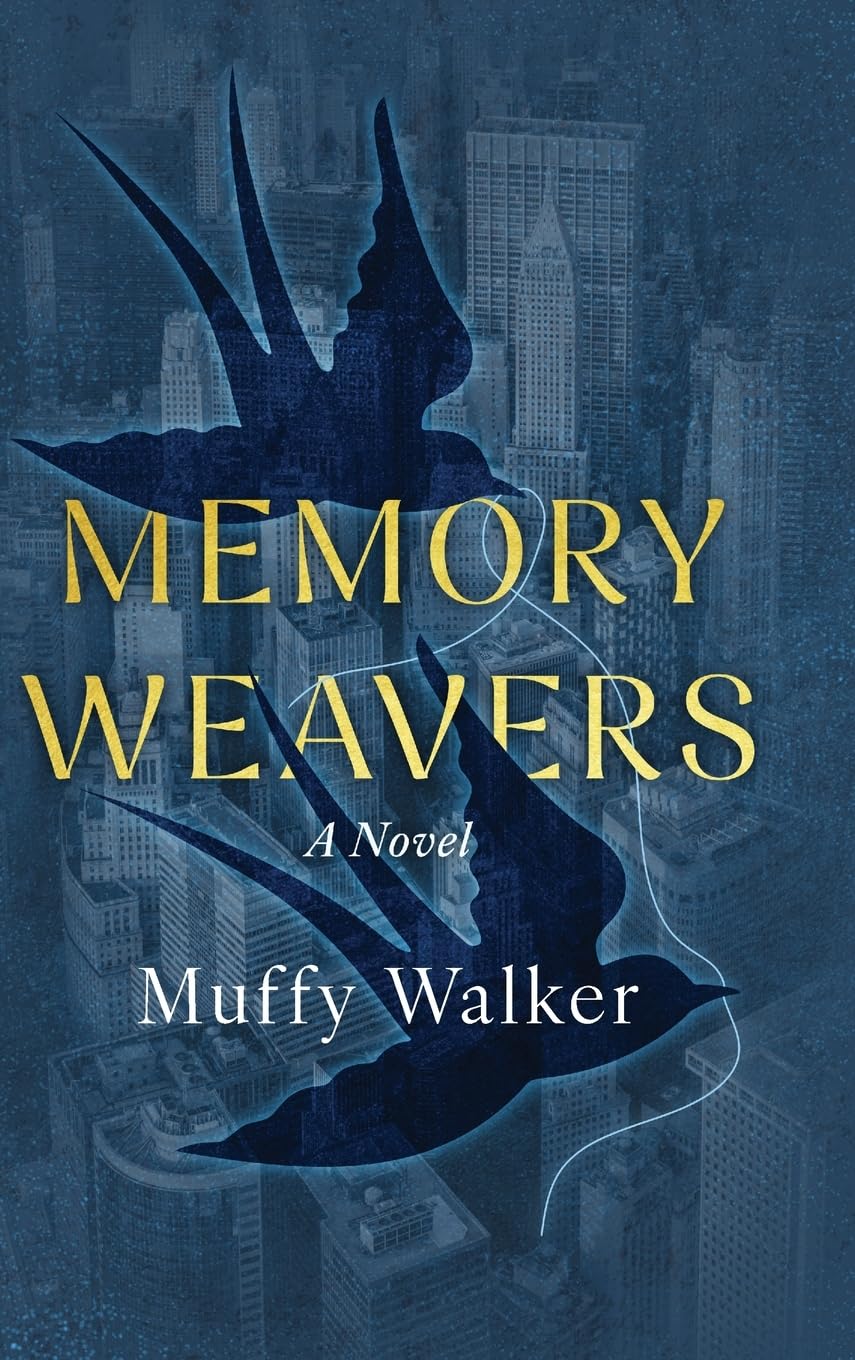
Memory Weavers follows Rachel, who is haunted by past trauma, and Hadley, who is unraveling from memory loss, as their lives intertwine in a journey of heartbreak, resilience, and self-discovery. What was the inspiration for the setup of your story?
My mother had Alzheimer’s disease, and I was her primary caregiver. I am also a Master’s prepared psych nurse (U of Pa, ’84) and drew from professional experience.
The contrast between Rachel’s deep friendships and Hadley’s more performative relationships is striking. Was this intentional from the start?
No, it was not intentional.
The GenSeq DNA-testing subplot adds a unique element to Hadley’s story—what drew you to include this?
I knew a woman who was asymptomatic and suddenly learned she had a large brain tumor. I decided to get my genome sequenced to learn my medical “fate.” While doing so, I learned what was involved in the sequencing and experienced the angst associated with waiting for and learning the results.
What is the next book that you are working on, and when will it be available?
I am working on a novel about a person with bipolar disorder. I founded the International Bipolar Foundation and have extensive experience in this field. I do not know when the book will be ready.
Author Links: LinkedIn | Facebook | Website
He Created the Land of Oz

A Hundred Magical Reasons follows two women from different eras who meet by chance and bond over the story The Wonderful Wizard of Oz and its creator, L. Frank Baum and wind up on a journey together for solace, inspiration, and purpose. What was the inspiration for the setup of your story?
After reading a biography of L. Frank Baum, I was smitten. He was an innovative, larger-than-life personality—which is no surprise, given that he created the Land of Oz.
Baum was also a family man with a keen understanding of children and a high regard for women. His mother-in-law was a suffragist! His humor, unstoppable imagination, and tenacity gave him the capacity to bounce back from failure many times.
Fun fact: Baum and his family summered at the same lake where my family vacations yearly near Holland, Michigan. Though we were at opposite ends of Lake Macatawa—and opposite ends of the century—this sparked additional interest in his life. Thus, my novel focuses on the summers he spent at Macatawa (1900-1909).
My story spotlights a young girl, Janie, whose pious parents have no use for fun, frivolity, fairies, fantasy, or fiction. Then Janie meets L. Frank Baum. This tension was the premise for the novel.
Your book has some very interesting characters that have their character flaws but are still likable. How do you go about creating characters for your story?
Baum’s life, family, and career ups and downs shaped the story. I wanted my two protagonists, Janie (in both timelines) and Carrie (1980), to be impacted by his influence. I just had to figure out how. I wanted to spotlight the Baums’ summers at Michigan’s Macatawa Resort and his friendship with young Janie (AKA Charlotte). Janie takes on challenges inspired by some of Baum’s career choices.
I wanted young Janie to be bright and imaginative, despite having harsh parents. L. Frank Baum’s role was drawing out more of Janie’s imagination, giving her the courage to chase her dreams.
However, decades later in 1980, when Mrs. Gordon (Janie all grown up) hires college-age Carrie, she’s a bitter, critical, and cynical old woman. The question is why. I needed Carrie’s life to have parallels to Mrs. Gordon’s earlier challenges and goals.
Carrie wants to run a literary-themed café against her parents’ wishes. So, like young Janie, Carrie struggles against their demands, criticism, and expectations. Additionally, she’s been dating parent-approved Brian for six years and he’s about ready to pop the question. Then she meets Dirk . . .
The most challenging part of this story was capturing L. Frank Baum’s personality. I did a ton of research so I could learn as much as possible about him and the early 1900s, and stay true to the facts. But my purpose went beyond knowing the facts and events of his life. This was about creating his essence on the page so readers can experience what it was like to be with him—whether running a printing press or sipping lemonade together on his Macatawa porch.
What were some themes that were important for you to explore in this book?
Baum’s stories are all about stirring the child’s imagination, so that’s a key element of my novel. Janie is at odds with her rigid parents—the perfect foil for a man like L. Frank Baum who stretches her imagination in every way possible. I firmly believe everybody is creative in their own way, so I hope this story inspires readers to value and use their own imaginations.
But many themes are woven throughout, such as learning to be yourself when others try to keep you in a box, embracing the role of stories and fairy tales in our lives, plus following your passion and conquering fear with brains, heart, and courage.
With 14 thought-provoking questions at the end, A Hundred Magical Reasons would make a great book club book. I hope the story raises questions and produces some pondering.
What is the next book that you’re working on and when can your fans expect it out?
It’s another dual timeline novel, set in 2015 and the 1950s, hopefully available in 2026. The story involves a family mystery, a literary icon, and two co-workers at cross-purposes for wanting more information—one to share in a biography, and the other to keep it hidden while resolving family issues. Loyalty is tested and secrets abound when family honor collides with truth.
Author Links: GoodReads | Facebook | Website | BookBub
Dragons of a different kind pursue Carrie Kruisselbrink.
During 1980, the summer of her private rebellion, Carrie defies parental expectations and pursues her café dream. While waiting for funding, she takes a job with Mrs. Gordon.
As Mrs. Gordon unfolds the story of her oppressive childhood and delightful friendship with The Wonderful Wizard of Oz author, L. Frank Baum, Carrie never expects to encounter her own fears and soul-searching.
In this modern-day fairy tale that weaves between 1980 and the early 1900s, Mr. Baum’s influence impacts each woman’s personal quests on a hero’s journey neither anticipates. Can Carrie and Mrs. Gordon find common ground in battling their respective dragons?
Memory Weavers

Muffy Walker’s Memory Weavers intertwines the lives of two protagonists, Rachel, a young woman grappling with the shadows of past trauma, and Hadley, a driven professional navigating memory loss amidst an outwardly perfect life. The narrative alternates between their perspectives, weaving a rich tapestry of heartbreak, resilience, and self-discovery. Through Rachel’s struggles with PTSD and Hadley’s unraveling as she confronts the gaps in her memory, the book explores the fragility of identity and the ways we confront pain to reclaim ourselves.
Walker’s prose is sharp and evocative, and the opening scene with Rachel and her dying friend Hadley is beautifully intimate, setting the stage with raw vulnerability. You can almost feel the texture of the lavender oil and the unspoken words between them. Some sections, such as Rachel’s detailed recounting of a failed Tinder date or Hadley’s over-meticulous party planning, seemed slower for me, and I found myself wishing the narrative would stick more to the emotional core rather than veering into minutiae.
The themes Walker addresses, such as trauma, memory, and the fight for autonomy, are deeply moving, but there’s a subtle imbalance in execution. Rachel’s chapters are heartrending, particularly the vivid depiction of her PTSD triggers, like when the scent of aftershave catapults her into a flashback. These moments feel visceral, raw, and uncomfortably real. Hadley’s storyline, on the other hand, didn’t quite grip me as much. While the GenSeq DNA-testing subplot is intriguing, the emotional stakes felt diluted compared to Rachel’s journey. That said, Hadley’s reflection on a photograph she can’t remember, a Sanibel beach trip with her family, is haunting and relatable, a quiet metaphor for her unraveling.
Walker’s strength lies in her portrayal of female friendships and the quiet, sustaining power they hold. Rachel’s relationship with Mandy is a standout, embodying unwavering support and warmth. Even Rachel’s occasional prickliness doesn’t diminish the sincerity of their bond. On the flip side, Hadley’s interactions with her friends feel more performative, offering a subtle critique of the superficiality that can exist in seemingly perfect lives. These contrasts enrich the novel’s exploration of connection and authenticity.
By the end, Memory Weavers left me reflective. It’s a story that doesn’t shy away from pain but also offers a glimmer of hope. I’d recommend this book to readers who appreciate emotionally layered stories about overcoming inner demons. While its pacing and focus sometimes waver, its emotional depth and honesty make it a poignant, memorable read.
Pages: 272 | ASIN: B0DT7V6K3L



 LITERARY TITAN