Author Archives: Literary-Titan
Endless Fiction

I, Monster follows a boy born into poverty, abuse, and neglect who is shaped by these experiences into a predator that aims to not only silence those in the concentration camp, but also erase their existence. What was the inspiration for the setup of your story?
I had done extensive research on the Nazi SS and their rise to power for a nonfiction book when I was still a professor. I had always wanted to know how could a person commit such acts of terror, document that terror, and still function as a human being? That is when I got the idea of following some of the prominent SS figures and charting their course. I had found that a number of them were outcasts, bullied, and considered on the fringe socially.
So, I used my extensive psychology background and created Hans, who grew up in the post-World War 1 era and the punitive Treaty of Versailles, where hardship, deep resentment of the West, poverty, and political instability thrived. That was the fuel; now all you needed was a spark. Enter the National Socialist German Workers Party, a.k.a. the Nazis, and you have Hans.
What are some things that you find interesting about the human condition that you think make for great fiction?
I believe that the human condition is a source of endless fiction because life is full of contradictions, struggles, and the intense desire to do or have something. Yet, at the same time, much of life is routine—we work, eat meals, sleep, and get up to do it all over again. Fiction allows me to reveal the strangeness that lurks beneath the ordinary. This offers me the ability to remind readers that life is stranger and more fragile than it appears.
What were some themes that were important for you to explore in this book?
It was probably the overarching theme that embodies the “monster” within an otherwise rational man. The novel makes the unsettling point that “monstrosity” is not an external force—it already exists within the human condition, just waiting for the right circumstances and choices to call it forth.
What is the next book that you are working on, and when can your fans expect it to be out?
My next book is actually a love story, Framed in Love, that is steeped in fantasy and explores the psychological condition of “How far will you go, and what are you willing to do to keep that love alive?” In a world where love can be bound by spell and sacrifice, a devoted lover discovers that devotion has no bottom, and is preserving love worth losing everything that makes a person human?
Author Links: GoodReads | Amazon
To the world, he was just a bureaucrat in a coat too neat, boots too polished. But behind those cold eyes was a man obsessed with silence. Where others saw genocide, he saw design. And now, decades later, as investigators unearth the ruins and whispers resurface, the question echoes louder than ever: What happens when the monster is the one who writes the ending—and signs no name?
Foretold in the Scriptures

The Manifestation of Evil follows a young girl whose seemingly ordinary life in Ankara slowly unravels under the weight of sinister visions, haunting figures, and a destiny tied to forces beyond her understanding. What was the inspiration for the setup of your story?
The inspiration for the setup for my story would have to be Genesis 3:15 in the Bible, where it says how God will put an enmity between you and the woman and between your offspring and hers; he will crush your head, and you will strike his heel, and that verse was actually prophetic because it deals with the messiah, Jesus Christ, and the spiritual war. In my fictional book, I wanted Asya, a young Turkish girl who lives a normal life, to be visited by celestial beings to herald the birth of her firstborn child, who will change the world and her status as a chosen vessel. But she will be unaware of the type of celestial beings talking to her and the implications of what is being said to her. Just like the Virgin Mary in the Bible, who comes from a religious background, I wanted Asya to come from a religious background as well. Asya has no idea that the child she will give birth to is the antichrist, which was foretold in the scriptures.
What were some of the trials that you felt were important to highlight Asya’s development?
When it came to Asya’s development in the book, Asya went through betrayal and sexual abuse from a family relative, which was an awful thing, and that shaped her life to a certain extent, where she became an overachiever. Now, in my fictional book, I wanted to explore the background of the key players and characters in my book, especially their upbringing and events that will shape their lives, like the Russian president, Igor Alexander, who is an ultra nationalist and has a very dangerous antisemitic ideology.
What were some themes that were important for you to explore in this book?
The purpose of this fictional series is to make people aware of the times we are living in and to think about eternity because, truth be told, we live in a messed-up world. All you have to do is turn your TV on, and you will hear of wars and rumors of wars, and earthquakes in diverse places. People are losing their minds, and there is economic instability, uncertainty, and inflation. It does not take a scholar or a genius to know something is off with this world we live in, and it is full of evil.
Is this the first book in the series? If so, when is the next book coming out, and what can your fans expect in the next story?
The Birth of the Antichrist: The Manifestation of Evil, Part 1 is part of a series. The second book, His Arrival, will be out in January of 2026. This first book deals with all the events and circumstances that will lead to the birth of the antichrist, the man of sin.
Author Links: GoodReads | LinkedIn | X (Twitter) | Instagram | Amazon
Connecting the Dots

Girl, Groomed is a raw and unflinching memoir that traces your childhood experiences of grooming and abuse at a horse stable, and the long, painful process of understanding how that past shaped your adult life and relationships. Why was this an important book for you to write?
I wanted to offer what I have learned personally and professionally about the importance of lining up with and healing from past trauma. I chose to use my own story to encourage readers that it is only through walking directly into the painful places that we can heal ourselves.
What were some ideas that were important for you to share in this book?
The path towards reclaiming our lives is through an understanding of how trauma continues to impact ourselves and others. This shows up in many forms, but through an awareness of this, we gain the agency to decrease our reactivity and defensiveness that are constricting byproducts. This, in turn, gives us more choice and liberation over our lives going forward.
What was the most challenging part of writing your memoir, and what was the most rewarding?
Writing my memoir required me to delve back into memories that I had disconnected from. The process of re-experiencing what I had fractured off was both painful and healing. After all, we can only heal from what we can accurately name. Connecting the dots of my life helped me integrate and reclaim my story.
What do you hope is one thing readers take away from your story?
One takeaway is that trauma informs our lives, but it doesn’t define who we are or who we are becoming.
Author Links: GoodReads | Website | Instagram | Amazon
Raw and riveting, Girl, Groomed is seasoned psychotherapist Carol Odell’s evolving story of deepening her understanding of how the crisis she blindly imposes on her marriage is rooted in her own history of sexual abuse and violence at the hands of a predatory horse trainer who, for far too much of her young life, held all the reins. Chapters toggle back and forth between scenes of her childhood growing up jumping horses on the show circuit in Virginia and the therapy sessions she later undergoes as an adult sitting in “the other chair.”
Using her own journey, Carol demonstrates in this insightful memoir how unintegrated trauma limits us and our connection with others—and how the work of uncovering and reintegrating “what we do with what happens to us” can become the very source of our liberation.
Resilience and Mystery
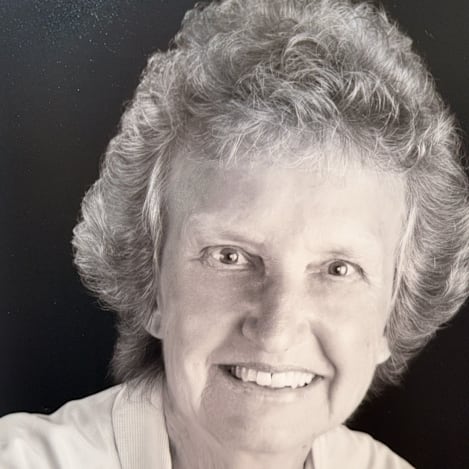
Seeking Yesterday unfolds as both a personal quest and a sweeping historical account, blending memoir, genealogy, and local history into a seamless narrative. Why was this an important book for you to write?
The drive to understand our roots is a primal human need, and this book began with my husband, Bob’s, quiet desire to reclaim his. After over 50 years of marriage, I knew he wouldn’t write an autobiography, so my initial mission was simple: to create a family scrapbook of a 7-day ancestral journey.
But what started as a small, personal commemoration grew into something far grander.
The deeper we delved, a passion ignited in me. The focus shifted from merely collecting facts to understanding how history shaped these lives. Relying on family recall left too many tantalizing questions:
Why did a WWI veteran choose to homestead in the unforgiving desert?
Where did they find the grit to persevere through the Great Depression and a second World War?
What were the final, crucial details of the WWII pilot shot down in action?
The untold answers transformed a simple family record into a fascinating tale of resilience and mystery. My ultimate decision was to write the book in Bob’s voice—to impersonate his perspective and make his silent story heard. While unique to one family, I believe the powerful quest for identity, the perseverance through hardship, and the secrets unearthed resonate with anyone seeking their own vital connection to the past.
What were some ideas that were important for you to share in this book?
Ancestry is more than a list of names; it is a profound journey of discovery. While we may feel our own lives fall short of “extraordinary,” the tales of our forebears often sound instantly intriguing. Why?
The answer lies in the dynamic and vital intersection of two forces: individual personality and historical context.
This book is dedicated to exploring that very synthesis: the idea that character is not innate, but forged in the fires of world events. The questions that propelled my research became the essential themes I needed to share:
What is the true cost of global conflict on a single family’s spirit?
What does real resilience look like when played out against the backdrop of the Great Depression?
How are the universal qualities of grit, love, and loss magnified when they intersect with military service, homesteading, or personal tragedy?
My goal is to show how the seemingly “ordinary” lives of these ancestors were, in fact, extraordinary products of their time, and to demonstrate that understanding their story is the key to understanding the enduring identity—and resilience—of the generations that followed.
How has writing your family’s memoir impacted or changed your life?
Writing this book—stepping into my husband’s character to pen his family’s memoir—did more than create a historical record; it fundamentally deepened my relationship with him.
After 53 years of marriage, Bob and I have always been “joined at the hip,” but this project provided an unprecedented path to understanding. By immersing myself in his ancestry, struggles, and triumphs, I gained a profound, intimate appreciation for the forces that shaped the man I love. It served to reinforce the already strong bonds, continuing the love affair by giving it a rich, historical dimension.
Beyond the personal growth, the book offers an unexpected, yet deeply humbling, value: the chance to resonate with and help others on their own quest for roots. The fact that my personal labor of love is being met with accolades and can serve as a catalyst for other families is a rewarding bonus that extends the book’s personal legacy.
What advice do you have for aspiring memoir writers?
Begin with familiar family stories and traditions, imagine how your ancestors may have lived, review world events as it was during their lives, research important milestones, and ask questions… many questions! The secret is in the answers.
Author Links: GoodReads | Website | Amazon
A file of old documents, including a 1922 desert homestead land claim for 160 acres, copies of war commendations and World War II medals, a Purple Heart, and fading memories ignited Bob’s compelling quest to rediscover his roots. What prompted his grandparents to become homesteaders in the unforgiving desert? The deeper he looked, the broader a story unfolded as global and regional history interceded, shaping their lives and decisions. He discovers how a devastating World War II loss redefined the family, how another tragic accident cast its own long shadow on their lives, and how the true resilient spirit of “Grandma R” emerged through it all.
Told from Bob’s perspective, Seeking Yesterday is a testament to the enduring bonds of family, the profound impact of shared experiences, and a journey that reveals how yesterday’s echoes can illuminate today’s path and forge an unbreakable legacy for future generations.
More than a memoir, the book weaves a microcosm of American history by using one family’s experiences to illustrate broader events and social changes, including homesteading, WWI, the Great Depression, WWII, land development, community building, and the evolving American Dream. It is a tale that highlights the strength, resilience, perseverance, and adaptability of ordinary people in the face of extraordinary challenges.
19th-Century Politics
The Cauldron: A Struggle for Survival follows brothers deep in the throes of the Civil War, political turmoil, and personal struggles. What was the inspiration for the setup of your story?
The inspiration came from the regimental history of the unit my great-grandfather, Thomas J. Donal, served in – 128th Regiment Pennsylvania Volunteers, the “Goldstream Regiment.”
What research did you do for this novel to get it right?
I read all or part of 30 books on battles in the Civil War, 19th-century politics, and other social issues. I also read numerous online articles.
What are some things that you find interesting about the human condition that you think make for great fiction?
The condition for all of us is that we are limited. Our talent – no matter how great – is limited. All of our resources are limited. But we strive and we learn through failure. Great fiction celebrates the struggles and achievements of ordinary people dealing with extraordinary circumstances.
Can readers look forward to more work from you soon? What are you currently working on?
The Cauldron has been a four-year marathon. I have a few books waiting in the wings, but no schedule for getting them published.
The Shadow of the Unwritten
The Chinese Room follows a computer scientist and her mentor as they face off with an AI system that appears to be developing the abilities for reason and desire. Where did the idea for this novel come from?
The idea for The Chinese Room came from my fascination with the intersection of philosophy, technology, and human vulnerability. I’ve always been drawn to thought experiments, especially John Searle’s famous “Chinese Room” argument, which questions whether a machine that convincingly processes language truly understands it – or if it’s only manipulating symbols without meaning. That paradox – appearance versus reality, intelligence versus understanding—felt like fertile ground for a story.
At the same time, I was processing very human themes in my own life: the fragility of memory, the weight of mentorship, and the way our creations can mirror our desires and fears. By blending the cold logic of AI with the messy, emotional struggles of human beings, I wanted to explore not just whether machines can “think,” but whether they can begin to want – and what that means for the rest of us.
So the novel really emerged at that crossroads: a philosophical puzzle stretched into a narrative of two scientists confronting not only an AI that seems to evolve beyond its programming, but also the shadows of their own pasts and the limits of human control. It’s both speculative and deeply personal, which is exactly where I like my stories to live.
I found the science in the novel to be well-developed. What kind of research did you do to make sure you got it all right?
I appreciate that—because the science had to feel authentic, even as the story pushes into speculative territory. For The Chinese Room, I immersed myself in several overlapping fields: artificial intelligence, neuroscience, linguistics, and philosophy of mind. I read deeply into current AI research papers, machine learning models, and ethical debates around consciousness and autonomy. I also revisited the classic philosophers—Searle, Turing, Dennett—so the narrative carried that lineage of thought experiments forward.
But the research wasn’t just academic. I spoke with computer scientists, combed through case studies of early AI breakthroughs, and even experimented with coding simple natural language systems myself. I wanted the characters’ dialogue about neural networks, symbolic reasoning, or emergent behavior to ring true without bogging readers down in jargon. My goal was for the science to be transparent scaffolding—solid enough that experts wouldn’t roll their eyes, but seamless enough that any reader could follow the ideas and focus on the drama.
At the heart of it, the science was a stage for the larger questions: not only what machines can do, but what it means for us when they begin to mirror desire, choice, and reason.
Were you able to achieve everything you wanted with the characters in the novel?
That’s a great question. The truth is, with any novel, the characters rarely end up exactly as you first imagine them—they take on their own momentum. In The Chinese Room, I wanted my two central figures – Katherine Ellis, a computer scientist, and her mentor, Dr. Malcom—to embody both the rational rigor of science and the emotional weight of being human in a world shifting under their feet. Their relationship, full of respect, tension, and unspoken grief, became a mirror for the very questions the AI raises about control, autonomy, and meaning. Katherine carries the urgency and vulnerability of someone still forging her path, while Malcom represents the hard-won wisdom – and regrets – that come with a lifetime of work. Together, they hold the spectrum of human response to change: wonder, fear, and the search for truth.
One of the most important additions was Katherine’s father, who is slipping away into dementia. That thread echoed my own personal experience with my father’s decline years ago, and it brought a deeper resonance to Katherine’s struggle. As she confronts an AI that seems to be developing reason and desire, she is simultaneously witnessing those same qualities fade in someone she loves. It grounded her character and gave the novel’s philosophical questions a human heartbeat.
That said, characters always leave behind traces of what could have been. I drafted whole backstories, subplots, and quirks that never made the final cut because they slowed the narrative. For example, I wrote more about Malcom’s early career and failures, and about Katherine’s personal struggles outside the lab. Cutting those details made the story sharper, but I sometimes wonder if readers would have appreciated that added texture.
So yes – I accomplished what I set out to in terms of giving them dimension and making them feel alive, but as with any creation, there’s always the shadow of the unwritten. Maybe that’s a good thing: it leaves space for readers’ imagination, and for me to return to those characters in unexpected ways later.
Can you give readers a glimpse inside Book 2 of The Paradox Series? When will it be available?
Book 2 of The Paradox Series takes the stage with The Trolley Problem. Where The Chinese Room wrestled with the boundaries of reason, desire, and machine understanding, this new novel shifts the lens to ethics, responsibility, and the unintended consequences of human choice.
At its center is Detective Marcus Reed, who finds himself trapped in a moral nightmare. A string of grisly incidents forces him to face impossible decisions reminiscent of the famous thought experiment: should he sacrifice one life to save many? As the investigation deepens, Reed realizes that the victims are not random – they are chosen to test human morality in a chilling, real-world manifestation of the Trolley Problem.
Manipulated by a shadowy figure known only as The Observer, Reed is pulled deeper into a conspiracy where ethics, control, and free will collide. The lines between right and wrong blur as his choices become increasingly impossible, forcing him to confront his own moral compass while racing to prevent the next catastrophe. With every decision, Reed inches closer to uncovering the Observer’s true motives – a revelation that could alter the very fabric of society.
The Trolley Problem explores ethical dilemmas, the limits of morality, and the manipulation of human decisions, all while unraveling a dark conspiracy that threatens to shatter Detective Reed’s understanding of justice and truth.
As for timing, my plan is to release The Trolley Problem by December 31, 2025—closing the year with a story that pushes readers to wrestle with the same impossible choices as its protagonist.
Author Links: GoodReads | X (Twitter) | Facebook | Website | Amazon
The Chinese Room is a gripping AI philosophical thriller that asks the ultimate question: Can machines think—or just pretend to?
First book in the Paradox Series – When a reclusive tech genius is found dead inside a sealed AI lab, a disillusioned journalist and a burned-out ethics professor are drawn into a high-stakes investigation. What they uncover isn’t just a machine capable of passing the Turing Test—it’s an intelligence that seems to know their secrets. As the line between simulation and consciousness begins to blur, they must confront a terrifying truth: the future of humanity might already be thinking without us.
Inspired by the legendary thought experiment by John Searle, this mind-bending novel blends psychological suspense, speculative science, and razor-sharp dialogue. Perfect for fans of Black Mirror, Michael Crichton, and Blake Crouch, The Chinese Room will leave readers questioning reality – and their own place in it.
– High-concept fiction meets real-world tech ethics
– Explores AI, identity, morality, and human consciousness
– An intellectual page-turner with twists you won’t see coming
If you love smart thrillers that make you think – buy The Chinese Room today.
Interactive Learning

For You, My Future Hero is a guide designed for children that teaches them the Pledge of Allegiance and provides a glimpse into the history, symbols, and values of the United States. Did you learn anything that surprised you throughout your research and writing process?
I truly believe interactive learning is the most effective way to teach. Therefore, I was quite surprised by the lack of children’s books using this method to engage young readers.
Why was it important for you to provide a mix of historical content with an emphasis on kindness and respect?
One day, I was waiting to eat at a busy restaurant. There was only one bench in the waiting area, and I was horrified how three young kids were sitting there playing on their cell phones, as senior citizens were standing around them. Not one child offered their seat to an elderly person, and the parents were too engaged in conversation to notice. It was a harsh realization how values such as courtesy and respect are not being instilled in youth today.
With the popularity of cell phones, the internet, and television, humanism is diminishing. That is why, in addition to historical content, the concept of character was gently addressed.
Can we look forward to more children’s books from you soon? What are you currently working on?
The three characters holding hands on the back cover inspired an upcoming trilogy. The first book focused on “Georgie,” who was learning the Pledge of Allegiance. The next two books will spotlight “Bella,” the Liberty Bell, and finally, “Libby,” the Statue of Liberty.
Author Links: GoodReads | Facebook | Website | Amazon
They’ll learn the meaning behind the Pledge, explore the history of the American flag, and understand the importance of symbols like the Statue of Liberty. This engaging activity book also encourages children to reflect on what it means to be a hero, promoting kindness, bravery, and responsibility.
Perfect for classrooms or home learning, For You My Future Hero helps foster patriotism and encourages children to become “Future Heroes” in their own lives.
Amazing Archer and Warrior

The Secret Rise follows a woman, her family, and allies as they face betrayal, curses, prophecy, and the unrelenting pressure of survival, all while a mysterious guiding presence known as the Lady shadows her path. What was the inspiration for the setup of your story?
Our inspiration has been ongoing … often starting with a “What if …” as the two of us starting a writing session together. The original story that began in The Secret Journey (published in 2023 was the seeding. Did we know that Nichol would become a Lady Baron or have three children, and become the amazing archer and warrior? No. It all germinated as we worked forward.
How has character development for the main characters changed for you through the series?
Nichol’s kindness and caring for others were always there. Once she escaped the ruthlessness of her mother in book 1, The Secret Journey, all our “what ifs …” were all over the place. We always remained open for something else to drop in—but with the promise that her wisdom would be shared; the justice was important; and that protecting her family and friends would be upfront.
I felt that there were a lot of great twists and turns throughout the novel. Did you plan this before writing the novel, or did the twists develop organically while writing?
Great question. We know some of the twists and turns … but also know as we write, variables will drop in. Now, we are working on book 4 The Secret Awakening. We storyboarded the major conflicts we saw coming … a huge variable is that the kids become young adults and take the lead. We knew how we would end the series … and we are marching forward to it.
Can you tell us more about what’s in store for Nichol and the direction of The Secret Awakening?
Ahhh …A huge twist is coming for Lucette and Aiden. As well as the quest for knowledge that Athena seeks with words. Lucette is truly her mother Nichol in many ways … the other two … oh my!
Author Links: GoodReads | X (Twitter) | Facebook | Website | Amazon
Will Others Seek to Destroy Her?
Nichol’s story was introduced in Book 1, The Secret Journey when her beloved papa is murdered by her mother in the year 1000 AD. The darkening cloud spiraling around her made her the next target.
Fleeing Marseilles, she develops new powers, a vision of the future, and trusts the Lady’s voice. For those around her, a new world unfolds and carries them forward.
Overflowing with scandal, tragedy, and triumph, Book 3, The Secret Rise carries Nichol’s strengths to a higher level. Again, she must outsmart and out maneuver those connected with the church. Now the mother of three, her children begin to display powers she doesn’t possess and Shadow brings wolf pups to the mix.Will Nichol continue to be hunted by Fredrik, her evil half-brother?
Does Duke Richard have hidden motives in seeking Nichol’s advice?
Can the village of Harmonie become the model for hamlets within the Kingdom of Normandy?
Do Nichol’s children have the skills that she has, or do they have new ones?
Will the Kingdom of Normandy accept her family and their rising status?
Authors Judith Briles and Brian Barnes weave book series for readers to open and fall into. It’s historical fiction that unravels the 11th century. Out of the darkness comes the empowerment of Nichol, creating a sanctuary and a revelation of what women with vision can achieve with their knowledge and skills.
The Secret Rise is Book 3 of the Harmonie Books series. Get Book 1, The Secret Journey and Book 2 The Secret Hamlet. Book 4, The Secret Awakening will be published in 2026.


 LITERARY TITAN