Blog Archives
Protectors of the Light Crown
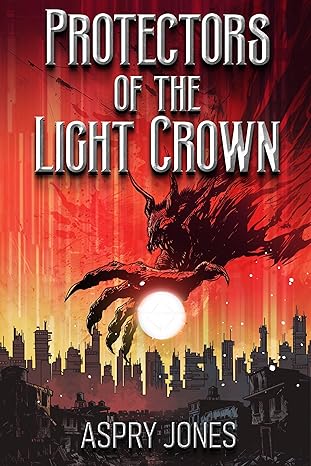

Protectors of the Light Crown is a genre-bending epic that intertwines fantasy, sci-fi, and social commentary in a bold, breakneck narrative. It opens with the grim downfall of King Greith—a monarch twisted by greed and transformed into a monstrous tyrant—and pivots unexpectedly into the life of Dexter Park, a nerdy gamer from a gritty, gentrified future Earth. When a character from Dexter’s vivid dreams, the charmingly chaotic Tickle, manifests in real life, the story takes off into surreal territory, blending action, humor, and tenderness as the duo grapples with bizarre threats and mysterious origins.
The writing style explodes with color. It’s cinematic, dramatic, and cheeky all at once. There’s a refreshing rhythm to the prose—sentences punch, pause, and pirouette like a well-choreographed dance. Dialogue crackles with personality. Scenes shift from the thunderous chaos of palace sieges to the intimate awkwardness of a diner booth, yet the transitions never feel jarring. The world-building, especially in the fantasy sections, is deep and darkly lyrical. The political history of Teraligia felt eerily familiar, with its corrupt thrones and cash-fueled coups.
That said, it’s the characters that pulled me in and kept me flipping pages. Dexter, our reluctant hero, is hilarious. He’s awkward, tired, and deeply relatable. Tickle is a burst of madness and heart, bouncing between childlike wonder and sharp-edged warrior with wild unpredictability. Their interactions are oddball magic—equal parts sweet and strange. I found myself laughing, then worrying, then totally smitten. The story walks a fine line between absurd and profound, never quite tipping over either edge.
The sheer volume of ideas can be overwhelming at time. There’s political allegory, dream logic, high fantasy, gritty urban decay, gamer satire, and even romantic comedy—sometimes all in the same chapter. It’s wild, and it works more often than not, but it can leave your brain spinning if you’re not buckled in. Still, I admired the boldness. It felt like the author wrote without fear, without filter, and somehow, that courage paid off.
Protectors of the Light Crown is a weird and wild ride—and I enjoyed it. It’s perfect for readers who want their fantasy laced with sarcasm, their heroes a little broken, and their stories to color outside the lines. Gamers, geeks, dreamers, and anyone who’s ever felt a little lost or out of place—this one’s for you.
Pages: 466 | ASIN : B0DNMM5K6K

Murder Italian Style
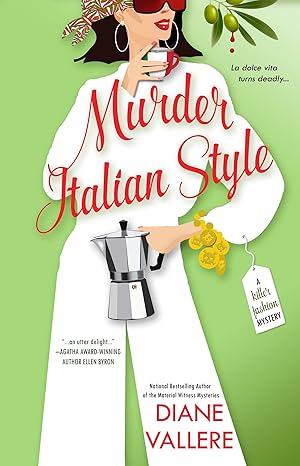

If you’ve ever wished your cozy mysteries came with a side of handmade shoes and a sprinkle of Italian charm, Murder Italian Style, by Diane Vallere, might be your next binge. In this 16th installment of the Killer Fashion Mystery series, amateur sleuth Samantha Kidd trades her Pennsylvania digs for a dreamy villa in Monza, Italy, a trip that was supposed to be a holiday break but, of course, turns into a classic whodunnit. Between artisanal pizza, buried family drama, and a decades-old murder conviction that doesn’t quite sit right, Samantha finds herself pulled into a mystery that’s as tangled as a pile of vintage silk scarves.
Right out of the gate, what I loved most was Samantha’s voice: sharp, warm, and packed with dry humor. Her banter with her husband Nick in the opening chapter had me actually laughing out loud. “What’s potato in Italian?” “Po-tah-to.” Vallere writes like she’s sitting across from you at brunch with bottomless mimosas, light on her feet but with a real eye for detail. There’s a moment when Samantha describes the villa with such affection and awe that I could feel the chevron wood floors under my toes. That scene also sets the tone for the book’s secret weapon: atmosphere. Italy isn’t just a setting, it’s part of the mood board for the whole story.
The premise is compelling: a former lover imprisoned for murder, a cache of unsent letters, and a parole hearing fast approaching. The stakes extend far beyond legal implications; they’re deeply emotional. A particularly memorable moment unfolds during a dinner beneath the stars when Monica and Isabella appeal to Samantha for help in proving Pasquale’s innocence. The vulnerability in this exchange is palpable and deeply affecting. What stands out even more, though, is Samantha’s response. She doesn’t overreact or grandstand; she listens, reflects, and ultimately agrees to help. Not out of obligation or heroism, but because she genuinely cares. It’s this quiet mix of empathy and discernment that keeps the story anchored, even as the mystery grows more complex.
While the pacing in the middle section slows somewhat, this deliberate tempo allows for a richer immersion in the setting and character dynamics. Scenes featuring Samantha’s keen eye for footwear, reminiscent of a detective inspecting clues, are particularly engaging. Vallere’s expertise in fashion shines through, adding depth and authenticity to the narrative. A standout example is the visit to the shoe store near the prison, a moment that subtly intertwines setting, character insight, and thematic resonance. It’s a thoughtful approach that enhances the story’s texture without overwhelming it.
Murder Italian Style was a breezy, stylish, and unexpectedly emotional ride. If you’re into cozy mysteries with a quirky heroine, a pinch of fashion, and a setting you’ll want to move into immediately, you’ll be in good hands. Fans of Nancy Drew for grown-ups, Hallmark mysteries, or anyone who gets misty over old love stories should absolutely pick this up. Just be warned: you’ll crave pizza, espresso, and maybe a pair of Italian loafers by the last page.
Pages: 234 | ASIN : B0DTJGZX4G
Courage and Perseverance

The Matrix Opal follows a beastmaster who has escaped brutal imprisonment, whose talents make her a target, leaving her to struggle to find a place among the tribes of her world. What was the inspiration for the setup of your story?
I have a great heart for Bybiis, gifted and isolated. People in groups fear what they don’t understand. Rather than getting to know her abilities, some are trying to silence her. After her rescue, Bybiis seeks a mentor to grow her talents, but the books on magic are destroyed, and the few remaining gifted people are in hiding.
Many readers may be trying out new ideas without guidance, the impetus for innovation. We need courage and perseverance. Bybiis feels isolated and misunderstood, unable to forge an identity that works in public. I feel that readers will relate to her struggles, trying to match their strengths and fresh ideas with a place in the community where they are valued.
I find the world you created in this novel brimming with possibilities. Where did the inspiration for the setting come from and how did it change as you were writing?
You ask good questions. Characters return to specific locations in the story. I feel we learn by traveling, mostly about ourselves in comparison to other cultures. On Dolvia, the tribes easily mix, and tolerance is needed for odd customs. The groups are not militant until an outside force causes enough harm that the duchies band together and form a militia in defense.
For protection the gifted clutch are gathered at Greensboro beach, nominally charged with dredging the area for construction of a port. I liked the setting of a rocky beach below basalt cliffs. I spent days staring at images of basalt formations in Australia and Ireland.
The primary characters are diverse women from various tribes. My mission was to fill up the scenes with action and confrontation, with stuff happening in the background too. In each scene, the plot advances for two or more characters. I have lots of characters in my head.
This book has some amazing creatures. What was your favorite character to create and write for?
The sigpywa are fun, aren’t they? Overgrown centipedes with horns on each side of the many plates. They are as big as a bus and accept riders on their backs. Residents of one city paint them and add streamers on the horns, much like elephants are painted for parades in India. And sigpywa love water, always trying to go for a swim in the pond.
When will book two be available? Can you give us an idea of where that book will take readers?
Book 2 of The Duchy Wars is titled THE HEART SCARAB and may come out before the year-end holidays in 2025. We’ll see.
Young characters are growing into adult roles, such as Kore who is an unloved girl who inherits the treasure of Rularim and must accept some formal duties as a result. The voice of Stuben also emerges as one to follow when he confronts his tribal leader Rufus el Arrivi. Stuben’s voice is strong in all the remaining sequences.
There’s a teaser for you. LOL
Author Links: GoodReads | X (Twitter) | Website | Amazon
Ariseng knew that she was expendable, but she would leave the stone forest and embrace their mission only if the Matrix Opal was hers, for magic and protection. She didn’t know that her true enemy lived among her new friends.
This standalone science fiction novel presents a fresh protagonist and sidekick. Familiar characters from the previous 5-book series also grow into adult roles, such as Bybiis the Beastmaster who struggles to find her place among the tribes that populate Dolvia’s city-states. Kristos el Arrivi meets Ariseng who is from a very different tribe and unwilling to harness her skills for the resistance. Will the young leaders learn to work together before their training is overwhelmed by a Ciska assassin group?
No Sugarcoating

Real Aussies: John’s Heartbreak follows a man struggling with family drama and his identity, who finds himself questioning his life choices and their impact on who he is now. What was the inspiration for the setup of your story?
There are plenty of brilliant authors out there, each exploring their own genre, offering their own lens. But something’s always struck me: as readers, we usually watch a story unfold. Whether it’s first or third person, there’s still a barrier — you’re seeing the world through someone else.
My work shifts that. I don’t want you watching. I want you inside it. I want you experiencing everything as if it were your life. No inner monologue distractions. No cinematic distance. Just you, immersed. That’s the goal — that the life unfolding on the page feels indistinguishable from your own.
Where many authors focus on plot, I focus on consequence. Cause and effect. The way people stay stuck in self-inflicted nightmares because it’s all they know. My job is to make it real. That’s why it hits hard. It’s confronting. And yes, it’s designed to be. Not for shock — but to surface what’s buried. I write to draw out the emotional junk most people never look at.
Call me a literary exorcist, if you like. My job isn’t to write pretty metaphors that need decoding — that’s useless to someone having a breakdown at 3 AM. My job is to make a reader feel, viscerally, so they process. It’s therapy without the label. Even Beatrice — when she speaks to John, she’s really speaking to the reader. “Good to see you.” That’s intentional.
The inspiration wasn’t John. It was the reader. My intention was always to unearth something in them — to bring them face-to-face with the parts of themselves they’ve ignored. That’s why the novel has a warning up front, why the blurb literally tells you to have tissues ready. It’s not a story about you… until it is.
That’s also why the novel ends with a poem. By the final page, I shift focus directly back onto the reader. Verse-by-verse, I hold up the mirror. You realise it was never about John. It was always about you. The choices you’ve made. The patterns you repeat. But there’s solace in that. You get to use John’s story as a scaffold — a safe space — to unravel what’s unresolved in your own story.
So far, every review echoes the same thing: “It lingers.” “It hit me harder than I expected.” It’s not a light read, by design. If you’re lying to yourself, this book won’t let you. It’ll show you — cracked mirror and all.
I didn’t write this to win awards. I wrote it for the people who didn’t know they needed it. And the most unexpected part? The reviews don’t reflect me or the book. They reflect the readers themselves. You can watch the healing (or resistance) play out in the reviews. One star, five stars — it’s not about John at all. That’s the art.
Is there anything about John that came from you or your life experiences?
Absolutely — but it’s not about facts, it’s about feeling. Every emotion in the novel is real. I don’t want readers to witness John’s feelings or mine — I want them to sit inside their own. That’s the point. I’ve spent years deconstructing emotion — peeling away the polite language and self-protective narratives we use — until I could write it raw, in its unfiltered form. That rawness is what bleeds through John.
Love, hate, despair, anxiety, disbelief, torture, horror, hope, humour — it’s all there. These aren’t just themes. They’re mine. I’ve lived them in one form or another, and instead of dressing them up in literary robes, I hand them to the reader as they are: messy, confusing, overwhelming. That’s what makes the novel so confronting.
My writing isn’t about literary awards or clever turns of phrase. It’s about impact. I write for people who don’t usually read. People who’ve been through real pain. People who are emotionally constipated and don’t even know it. That’s my audience. That’s who I care about reaching. My job is to make sure the work remains readable in 20 years — 50 years. That means: no sugarcoating. Just as I’ve never had the luxury of a sugarcoated life, as someone who grew up autistic, dyslexic, and an outcast — this work had to be just as honest.
Setting the novel in the past wasn’t just for the killer music (although — quote me — it is the best). I wanted to lull the reader into a false sense of nostalgia. That dream-state safety net. Then — rip — pull them deep into emotional terrain they weren’t expecting. That’s how real healing begins. When you’re least prepared.
The Real Aussies series isn’t fiction in the traditional sense. These are my emotional truths, fictionalised just enough to get under your skin. I make them yours. That’s the goal.
What were some themes that were important for you to explore in this book?
If you’re Australian, you’ll know the complexity of Australian men. From the outside, we’re seen as fun-loving, relaxed, and some of the friendliest people in the world. But scratch the surface, and you’ll find men are often expected to fit one of two emotional lanes: the hard-working provider, or the larrikin who cracks jokes over beers to mask the pain.
That’s the irony of Australia. Real emotional depth is often hidden. Having any feelings outside the intimacy of your bedroom — with your wife, your child, or your closest mate — is quietly forbidden. For me, it was time to show who the Australian man really is. Setting the story in the past allowed me to amplify that unspoken, strictly enforced social code: once you’re boxed in, you’re rarely reclassified. This limits potential — and creates internal chaos when your truth no longer fits the label.
Another core theme is beauty in pain. We don’t always reflect on the quiet glimmers in our darkest moments — the friend who helped, the stranger who saw us. Life can feel like one storm after another, but if we slow down and look closely, we’ll often find there was always a guardrail. Even in disaster, there’s something beautiful — that’s what carries us forward. This was true for John. For Chris. For Stew. For all of them, their “Refuge” was a club full of misfits — a symbol of chosen family in a world that rejected them.
I also wanted to preserve and spotlight community. Specifically, the LGBTQ+ community in Sydney during the 70s and 80s. It really was as intense as I depicted. The violence, the tension, the desperate need for a safe space — it was all real. Today, as society becomes more tolerant, we risk forgetting what community used to mean. I wanted this novel to capture that moment in time, so we remember how people found belonging through pain.
Finally, I wanted to confront the reader with the consequences of accumulated choice. The novel stretches through John’s twenties, showing how each decision either aligns him — or derails him. Life doesn’t punish. It doesn’t reward. It just stacks up your choices until the result is undeniable. You get what you build. If you live for others, lie to yourself, or compromise your truth — that stack eventually collapses. The novel reminds us: we’re born alone, we die alone. Everything in the middle is experience — but how we carry it determines who we become.
Is this the first book in the series? If so, when is the next book coming out, and what can your fans expect in the next story?
Yes, this is the first novel in the Real Aussies series — and also the first novel I’ve ever written. Quite the mountain, especially when you’re someone who reads words wrong, flips similar-sounding ones in your head and constantly fights to stay on the line. It’s exhausting. But I persisted. Because I had to.
The next novel is Peter’s Nightmare. If John’s Heartbreak was about how our choices align or unravel over time, then Peter’s Nightmare is about when you never had a choice at all. When your identity isn’t something you built — but something constructed for you through trauma, projection, and other people’s pain.
It explores what happens when the lessons you’re forced to carry don’t belong to you — childhood burdens, family shame, expectations you never agreed to. It’s a story about how we unconsciously repeat what we hated. How we become the bully, even when all we ever wanted was kindness. Peter’s story doesn’t hold back. It goes into territory most people avoid.
The schoolyard bully who wrecked you? He was likely wrecked too. This novel digs into that truth — that intergenerational cycles of pain can be broken, but not if we stay in victimhood. Not if we keep pretending we’re not part of the problem.
You’ll finally understand who Peter really was in John’s story. What shaped him. Why he was the way he was. And by the end of it, just like with John, you’ll be holding a mirror — not to Peter, but to yourself.
This is a novel about the parts of life we don’t speak of. The moments society can’t language properly. Peter’s Nightmare will give readers that language. And with that, maybe the power to finally change.
I’m aiming to release Peter’s Nightmare in early 2026. I’ve got a few other projects on the go that need to clear first — it’s a bit of a juggling act (especially when you’re navigating it all with disability compensation!) — but hey, that’s life. 🙂
Author Links: GoodReads | X (Twitter) | Website | Amazon
Sydney is thrown back to the late 70s and early 80s in this Aussie epic that sees John navigate the explosive consequences of his ill-thought actions, his wife’s destructive wake, and the unexpected feelings he has for his nurse; his male nurse… oh crap!
Amid drag queens, nightclubs, drugs, and iconic decade-defining music, John struggles with his identity, whilst trying to secure the custody of his two sons. With a batshit crazy family and a chaotic trip to Kiama, John’s life spirals out of control.
This rich multi-decade LGBT quasi-hetero romantic drama, written by an Aussie nomad, is layered with deep emotion and complex relationships. Profound, soul-touching, and reflective, this novel opens questioning the impact of all life’s choices.
Perfect for that weekend curled up in bed with a box of tissues, chocolates, and ice cream.
The Universal Struggle

When the Boss is Not Right is a searing novel set in Mumbai’s chaotic media world, following a young journalist who battles toxic mentorship and systemic corruption in his fight to stay human and honest. What was the inspiration for the setup of your story?
When the Boss is Not Right emerges from the harsh realities of Mumbai’s media landscape, where idealistic journalists confront powerful forces of corruption daily. The characters inhabit a world drawn from real encounters – mentors who normalize ethical compromises, colleagues who sacrifice principles for career advancement, and the rare individuals who stand for truth regardless of consequences.
The newsroom depicted serves as a battlefield where journalistic integrity clashes with commercial imperatives and political pressure. The story unfolds through layers of frustration, hope, and the raw wounds that form when truth becomes negotiable.
The protagonist’s journey reflects the universal struggle faced by media professionals: that disorienting moment when trusted guidance leads toward ethical quicksand. The corruption portrayed often pales compared to the disturbing realities of modern newsrooms.
This novel confronts essential questions that define modern professional life: Where does healthy ambition end and corruption begin? How can personal integrity survive in systems designed to undermine it? What separates necessary compromise from fundamental betrayal?
The fictional story offers no simple solutions. Instead, it creates a world where readers might recognize their own workplace dilemmas – the difficult superiors, the moral crossroads, the choice between advancement and values. Success for this book isn’t measured in sales figures but in moments of recognition when readers pause to question what “just how things work” truly costs.
What personal experiences, if any, informed your portrayal of Deep Kakarpathi and the toxic newsroom environment?
Creating Deep Kakarpathi and the newsroom of When the Boss is Not Right was an exercise in pure imagination. The character emerged not from personal experience but from countless “what if” sessions wondering how someone might respond when idealism collides with institutional corruption in a completely invented setting.
The fictional Bombay Chronicle newsroom sprang fully formed from creative exploration of workplace dynamics. Every character, situation, and ethical dilemma was carefully constructed to serve the narrative without mirroring any real people or events. Satyajit’s journey through this fabricated pressure cooker environment allowed me to examine universal themes of integrity, ambition, and moral courage from a safe fictional distance.
What readers connect with isn’t recognition of specific real-world parallels, but rather the emotional authenticity of the protagonist’s struggle. Through this entirely fictional narrative, I wanted to create a space where readers could contemplate complicated questions about professional ethics without the baggage of real-world reference points. Satyajit’s fictional ordeal becomes a lens through which we might examine our own relationship with truth, power, and personal integrity.
The novel operates purely in the realm of “what could be,” not “what is.” Any perceived resemblance to actual newsrooms or media personalities is entirely coincidental—the product of touching universal human experiences rather than specific real-world inspiration.
What were some themes that were important for you to explore in this book?
In When the Boss is Not Right, I aimed to explore the complex interplay between power, morality, and identity in the high-pressure world of journalism. One of the primary themes that emerged was the struggle for integrity in a corrupt system, where the pursuit of truth is often compromised by personal gain or institutional pressures.
The book also delves into the nuances of mentorship and its impact on personal and professional growth. The toxic dynamic between Satyajit and his superior serves as a catalyst for exploring the blurred lines between guidance and exploitation, highlighting the devastating consequences of unchecked power.
Furthermore, the novel touches on the theme of resilience and resistance in the face of adversity. The journey of the characters serves as a testament to the human spirit’s capacity to persevere and adapt, even in the most challenging environments. Perhaps most importantly, the story examines resilience not as simple perseverance but as the complex process of reconstructing personal identity after disillusionment.
Ultimately, the book is a thought-provoking exploration of the human condition, encouraging readers to reflect on their own values and the importance of standing up for what is right, even when it’s difficult. By weaving together these themes, I hoped to create a narrative that would resonate with readers and spark meaningful conversations about the importance of integrity, accountability, and personal agency.
What message or emotional response were you hoping readers would walk away with after finishing the book?
With When the Boss is Not Right, I hope readers would walk away with a profound sense of empathy and understanding for those navigating toxic work environments. I wanted to ignite a spark of recognition, encouraging readers to reflect on their own experiences and the importance of standing up for what is right, even in the face of adversity.
As readers close the book, I envisioned them carrying with them a renewed sense of purpose and conviction. I hoped they would be inspired to challenge unjust systems, to support those who are marginalized or oppressed, and to cultivate workplaces that value integrity, compassion, and respect.
Ultimately, I desired for readers to experience an emotional resonance that lingers long after the final page is turned. I wanted them to feel the weight of Satyajit’s struggles, the sting of injustice, and the triumph of resilience. By sharing this story, I aimed to create a ripple effect, inspiring readers to become agents of positive change in their own lives and communities. In doing so, I hoped to leave a lasting impact, one that would continue to resonate with readers long after the book is finished.
Author Links: GoodReads | X (Twitter) | Facebook | Website | Amazon
The Fire Within
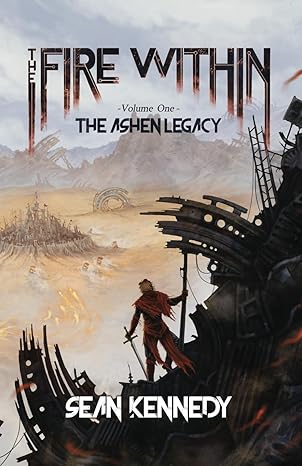
The Fire Within, the first installment in The Ashen Legacy series by Sean Kennedy, follows the story of Finn Camlock, a teen outcast living in a harsh desert compound protected from elemental fire beings known as the Ignavari. Set in a distant future shaped by a post-nova catastrophe, the novel blends sci-fi and fantasy with coming-of-age drama as Finn navigates an oppressive society, survival trials, and his unique sensory gift that could either save or doom his people. With intense action sequences, layered world-building, and a brisk pace, Kennedy spins a tale that’s equal parts adventure and emotional reckoning.
What struck me most about Kennedy’s writing is how cinematic it feels. The action sequences sizzle—whether it’s hoverbike races across burning dunes, clashes with monstrous flame creatures, or desperate skirmishes against brutal pirate clans, the pacing rarely lets up. I was fully immersed in the grit and danger of Dawnford compound. The dialogue felt sharp and natural, especially between Finn and his rivals or friends. It’s raw in a way that made me care. I also appreciated that the stakes weren’t cheap—people die, mistakes have consequences, and Kennedy doesn’t shy away from hard emotional beats. That said, I do feel the early exposition was a bit dense. There were times I had to re-read passages to get a grip on the world’s rules, especially regarding nova flux and its impact. But once I got my bearings, I couldn’t stop turning pages.
Emotionally, the book hit harder than I expected. Finn’s isolation, his desperate need to prove himself, his guilt after his first kill—it all felt relatable. I admired how the story didn’t romanticize being “different” or powerful. The pain of being overlooked, of losing innocence, of making impossible choices—that stuff stayed with me. And Kennedy doesn’t waste characters. Even side figures like Patrice, Arken, or the stoic Duskers had their moment to shine. I also liked how the magic system wasn’t just for flash—it had rules, consequences, and a slow burn to its revelations. The tension between technological advancement and raw elemental danger created a fascinating backdrop. The book ends mid-momentum. It sets up so many mysteries—what’s the wax, what’s really going on with Iron Mike—that I felt a bit stranded. But maybe that’s the point. It definitely left me wanting more.
The Fire Within is a bold and engaging start to a series with real promise. It’s perfect for readers who love coming-of-age stories with teeth—fans of Dune, The Maze Runner, or Scythe will feel right at home. If you enjoy fast-paced sci-fi with heart, sharp dialogue, and characters who bleed, flinch, and fight back, this one’s for you. I’m hooked—and already waiting for book two.
Pages: 173 | ASIN : B0F3JV4TV3
The Sole Sisters, Formerly known as The Widows Club.

R.E. Markland II’s The Sole Sisters is a cozy crime novel wrapped in the warmth of community and the grit of old-school detective work. It’s a story about Kate Elder, a retired defense attorney whose peaceful life is shattered when her husband, Tom, is shot on a golf course by an unknown sniper. What begins as a tense crime mystery soon blossoms into a charming narrative about friendship and second chances, as Kate teams up with a quirky group of women who call themselves The Sole Sisters. Each member brings her unique talents to the table, forming an unofficial, wine-fueled investigative team determined to crack the case that law enforcement has all but given up on.
The pacing here is tight. Markland wastes no time in throwing us into the heart of the action, and the emotional shock Kate experiences is palpable. What I really appreciated was how grounded the story felt despite the high stakes. The details, Kate’s sarcastic internal dialogue, the way her friend Jackie tries to keep her calm, even the ambulance tearing through sleepy neighborhoods, all felt painfully real and wonderfully human.
As the story unfolds, the true heart of the book is revealed in the bond between the women. The Sole Sisters are hilarious, heartfelt, and so authentically drawn that I felt like I’d known them for years. Their decision to start investigating on their own is both noble and chaotic, there’s this brilliant scene where they’re drinking wine and renaming their club, and it had me laughing. But there’s more than humor here. Crystal, the forensic psychologist, brings genuine insight, while Rita’s cop instincts give the group backbone. These women aren’t caricatures, they’re layered, vulnerable, and brave. Watching them work around Lt. Brady’s constraints, using everything from AI tech to homemade tip lines, felt like watching a master class in amateur sleuthing with heart.
The writing can be overly expository at times, especially during flashbacks. And sometimes the dialogue veers into the melodramatic. Still, the charm of the characters and the clever layering of clues pulled me right back in every time. By the end, I found myself completely attached to these women. I cheered when they got closer to the truth, and I worried for their safety. Markland balances suspense with warmth, crafting a story that’s not just about solving a crime, but about reclaiming purpose after loss. That’s what stayed with me the most: the emotion, the friendships, and the quiet strength of women who refuse to be sidelined.
I’d recommend The Sole Sisters to fans of cozy mysteries, especially those who love character-driven stories with strong female leads. Think The Thursday Murder Club meets Golden Girls, with a little more heart and a lot more sass. It’s not just a mystery, it’s a reminder that it’s never too late to matter, to make a difference, or to find your tribe.
Pages: 338 | ASIN : B0CGQ5SL2B
An Unexpectedly Tender Heart

Wolf of the Nordic Seas follows a fierce shield maiden and heir to the coastal Viking stronghold of Étretat, who, after her father is captured by a ruthless Frankish count who demands her hand in marriage, finds herself caught between political alliances and personal vengeance. What was the inspiration for the setup of your story?
In Wolf of the Nordic Seas (book 2 of the Valiant Vikings trilogy), I wanted to have the story take place within the same setting that I introduced in Dragon of Denmark– the alabaster coast of Normandy known as the Pays de Caux (the Land of the White Chalk Cliffs). I wanted to continue the political tension between the Franks and the Vikings of Normandy, by creating a shield maiden who seeks to avenge her brother’s death through powerful alliances with Richard the Fearless (the Viking Duke of Normandy in the tenth century) and my fictional character–the Danish Jarl of Ribe known as the Wolf of the Nordic Seas.
What was your approach to writing the interactions between characters?
Political alliances between Viking rulers were often secured through arranged marriages, so I used that historical premise as the basis for the interaction between my main characters. Since Richard the Fearless was a political ally of Harald Bluetooth (the Viking King of Denmark and Norway), I created an arranged marriage between the daughter of the Norman Count of Étretat and the powerful Danish Jarl of Ribe to solidify Viking power in Normandy against the Franks.
What were some themes that were important for you to explore in this book?
It was essential that for me to create a fiery, rebellious Viking shield maiden for a strong female lead character. I also wanted to create a fierce Danish warlord with an unexpectedly tender heart beneath his brutal exterior.
In Dragon of Denmark (book 1 of the Valiant Vikings trilogy), I introduced some intriguing characters and plot developments based on Viking myths and legends. For Wolf of the Nordic Seas, I wanted to delve much more deeply into Norse mythology by creating such characters as the Úlfhéðnar wolf warriors, a Viking völva with malevolent seiðr magic, and the magical realm of Álfheim.
I also chose to incorporate Celtic and Nordic legends, such as the Druid priestesses of the Gallizenae– the shape-shifting mermaids who transform into mammoth sea dragon warriors of the Norse Goddess Rán.
When will book three be available? Can you give us an idea of where that book will take readers?
I am currently writing book 3, Falcon of the Faroe Islands, the thrilling conclusion of the Valiant Vikings trilogy, which I expect to be published in late summer of 2025.
It will take readers into the mystical realm of the Lofoten Islands in the wild, rugged north of Norway, where we meet the prophesied Son of the Dragon. We’ll venture into the fiery, frosty world of medieval Iceland, and to the remote Faroe Islands, home of Haldor Falk– the shape-shifting vitki who transforms into a falcon, first introduced in Dragon of Denmark.
I hope my readers will enjoy the sizzling blend of historical fiction, paranormal fantasy, Norse mythology, and the steamy Viking romance between the völva Úlvhild and the Falcon of the Faroe Islands, Haldor Falk!
Author Links: GoodReads | Facebook | Instagram | X (Twitter) | Amazon
Elfi Thorfinnsdóttir is a skilled shieldmaiden who seeks vengeance against the ruthless Frankish count who killed her brother and abducted her father in an attempt to seize her clifftop castle. But rather that submit to the count’s relentless demand for her hand in marriage, Elfi allies with Richard the Fearless—the Viking Duke of Normandy— and the Danish Jarl of Ribe known as the Wolf of the Nordic Seas.
As Elfi and Njörd discover startling secrets about their respective pasts, they find that the three Norns have entwined the threads of their fates not just as political allies, but as mates destined to fulfill a divine prophecy.
Wolf of the Nordic Seas— book 2 of the Valiant Vikings series set in tenth century Normandy— is a sizzling, scintillating blend of historical fiction, Norse mythology, paranormal fantasy, and steamy Viking romance!



 LITERARY TITAN