Blog Archives
Consequences of Choice

A Tuft of Thistledown follows a white man and a Cherokee woman in the early 1800s who grew up together as their mothers were like sisters, and now as adults are rivals each fighting for different things. What was the inspiration for the setup of your story?
I dreamt it all many years ago but forgot how it ended. It wasn’t until a few years later that I remembered the ending thanks to a very special horse and a horse whisperer from Scotland, UK.
There was a lot of time spent crafting the character traits in this novel. What was the most important factor for you to get right in your characters?
I wanted to not insult/portray badly/misrepresent the Cherokee and Africans of those times along with everyone else who lived there first.
What were some themes that were important for you to explore in this book?
I guess, thinking about it, there could be a few really; when to trust, the sometimes never-ending consequences of choice, the pain of a love or a life that can’t be had, and what the terrible want of always more can make people do.
Our hard-wired will to survive is also a theme, unless like one of the characters, too much has been seen or happened, then that will can spill away.
But for me, one of the major themes is the absolute need to sometimes go with what all you feel inside, no matter what others say.
What is one thing that people point out after reading your book that surprises you?
I think the one biggest thing that surprises me is when some people say they think about it after they have finished reading it.
Author Links: GoodReads | Amazon
In the early 1800s, a time when people in parts of the world did things that their souls wouldn’t want them to, John Lucas Jnr. and Horse Song, the children of two women raised as sisters in England, find themselves caught up in the brutal western expansion of America; a place where for some to live and survive was all in the undying consequences of choice.
Later, in 1839, after being officially tasked to clear all Cherokee still living in hiding east of the Mississippi, John Lucas Jnr. finds Horse Song, the woman whose hands he once wanted to hold forever. Torn by their shared past and love that couldn’t be had, Horse Song and the Cherokee she is hiding with are forced into deciding that when it comes to duty, land, and the right way to be, can John Lucas Jnr. be trusted or not.
The Hatbox Letter: Based on a True Tale of a Lost Love
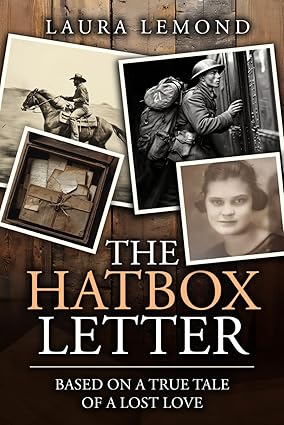

Laura LeMond’s The Hatbox Letter is a nostalgic, heartfelt journey through love, loss, and the echoes of history. Based on true events, the novel revolves around Gladys Charlesworth, a young woman in early 20th-century America, and her unexpected romance with Johnny Fry, a man with a deep, complicated heritage and ties to the legendary Pony Express. As their story unfolds, we are taken through moments of youthful passion, family expectations, and the weight of historical circumstances. The book explores themes of tradition, self-discovery, and societal change, making it both an intimate romance and a reflection on an era in transition.
LeMond crafts a world that feels lived-in and rich with the details of early 1900s Missouri. The opening scene, where Gladys is exhausted from a long, sweltering Sunday, sets the tone beautifully, painting a picture of a time when family rituals and social propriety dictated much of daily life. The descriptions of the Charlesworth family’s English traditions, especially the Sunday meal with its Yorkshire pudding and Victorian sponge cake, gave the story an authentic, tangible feel. LeMond has a way of making you feel like you’re sitting right at the table with them.
One of my favorite aspects of the book is Johnny Fry’s character. His backstory and his connection to the Pony Express, his Cree heritage, and his struggle to navigate both white and Native American cultures adds so much depth to the novel. His moments of introspection, such as when he rides home cataloging the flora around him, give him a quiet strength that is incredibly compelling. And yet, he’s also a young man in love, stumbling through the excitement and uncertainty of his feelings for Gladys. The scene where he is startled and hurt after Gladys brushes him off in favor of her sewing project is particularly well done because it captures that universal feeling of unexpected heartbreak, and I genuinely felt for him.
Gladys, on the other hand, is a wonderfully stubborn and ambitious protagonist. Her obsession with Coco Chanel and fashion gives her a modern, forward-thinking edge that contrasts with the traditional expectations of her family and small-town life. Her excitement over new fabric shipments and her dreams of moving to Chicago make her feel real and relatable. I loved how she and Johnny challenged each other. Their romance isn’t just about sweet words and longing glances, it’s built on conversations, moments of tension, and the push and pull of two people figuring out what they want. The fig-picking scene, where Johnny playfully teases her on a ladder, is such a perfect example of their chemistry, lighthearted, flirtatious, but layered with deeper emotion.
By the time the novel reaches its later chapters, the stakes feel real. War is looming, societal changes are creeping in, and the carefree days of courtship start to give way to difficult decisions. The historical context of the book is subtly woven in, never feeling like a history lesson but always present enough to remind us that these characters are living in a time of great upheaval. The final moments, where love and fate collide, leave a bittersweet impression that lingers long after the book is closed.
I’d highly recommend The Hatbox Letter to readers who enjoy historical fiction with a strong emotional core. If you love books about family secrets, passionate yet complex love stories, and the beauty of everyday moments, this novel is for you. It has the charm of The Notebook, the historical richness of Atonement, and the heartfelt authenticity of a story passed down through generations. LeMond has written something special, a love letter to the past, wrapped in the tender mystery of a forgotten romance.
Pages: 122 | ASIN : B0DTLFFNTR

Inside Their Restricted Worlds

Night Hawks follows the lives of small-town drifters, dreamers, and the disillusioned who are all looking for something more, be that a fresh start, an escape, or just some understanding. What was the inspiration for the setup of your story?
The inspiration came to me from Edward Hopper’s famous 1942 painting Nighthawks. I always admired that painting and how it reveals a late-night café frequented by lonely souls. That’s what I always saw in it, anyway. The painting sparked an idea for a first chapter titled “The Last Train to Chicago,” which as a story, won a fiction contest award from The Vincent Brothers Review.
That first chapter ended with Hank appearing to lose his longtime server, Lois, and so I decided to write another chapter exploring where Lois went and what happened and once I felt it was becoming a book, I needed a couple more good characters to drop into the fishbowl already inhabited by Hank and Lois, and I put the four of them on constant collision courses.
Was there anything from your own life that you put into the characters in your novel?
I don’t think so. Both Hank and Tyler are military veterans and I’m not. I don’t believe any of the four main characters are based on anyone I know now or from the past. For each of the four characters, I first established their names, and from the names I got a starting point for building them into people. I worked, too, off their occupations: Hank as a diner owner and cook, Lois as a veteran server, Clara as a young server still living at home, and Tyler, a jittery veteran just home from Afghanistan.
So, when I started putting flesh on each one, I began with knowing their name and job and my imagination assembled them, and then with each new chapter, I learned more about them and how they would react. For me, writing is a daily process of discovery like it is for readers. I don’t do character arcs before I start writing. I want the daily surprise that comes day as I know the characters better and hear their voice and understand their desires and conflicts.
What were some themes that were important for you to explore in this book?
Family is perhaps the most important – and obvious – theme in Night Hawks. But not the usual concept of family. The four people in the book whose paths and lives are so intertwined, don’t really have traditional families anymore and so their journeys require them to bond and become their own little family. There are lots of people whose lives have become small and desperate, and they look to the people inside their restricted worlds to be family members.
Perhaps enduring and persevering are themes, too. Hank, Lois, Tyler, and Clara must all maintain hope for something better. They don’t have a lot to work with but must keep fighting to have satisfactory lives.
What is the next book that you are working on and when can your fans expect it to be out?
I am nearly done writing the draft of a novel titled The Gatsby Lover. It has a connection to The Great Gatsby, but I’ll keep that close to the vest for now. After I let it sit a few days and then make revisions, it goes over to my longtime personal editor, Carol Burbank, for her always useful reactions. Fingers crossed it finds a good publisher!
Author Links: GoodReads | Facebook | Amazon
Hank Spencer knows what goes on in his diner. He knows which days are best for business and whether the Blue Plate special is selling, and he makes note of the customers who come to drink and make small talk with his servers.
Lois is a hardworking waitress pushing fifty who hasn’t forgotten her big city dreams. When opportunity presents itself, she boards the train for Chicago, despite the risks and her boss’s attempts to warn her.
Working all the double shifts in the world won’t take care of Clara’s problem. She’s young, single, and knocked up. She feels trapped—at the diner, living with her god-fearing parents, and in the gossipy town full of watchful eyes.
Tyler is adjusting to civilian life after a stint in the army. At Hank’s Diner, he finds camaraderie and comfort, and sometimes, he can drown out visions of war over a plate of potatoes and meatloaf, and several, ice-cold beers.
These lonely souls converge under the fluorescent glow of the eatery, late at night and during long days, as the train speeds through, blaring its horn and signaling an alternate path. NIGHT HAWKS is a tender novella with a touch of noir about finding family in unlikely places, living through losses, and the connections that keep us showing up for another shift.
Public Education Is Under Siege

Jessa is Back follows a young white girl returning home to Tennessee after spending time in Oregon in the 1950s who finds segregation unjust and advocates for a music education program in Black schools. What was the inspiration for the setup of your story?
Music and Art were elements of public school education that my parents and my husband’s parents were involved in, and I was also exposed to the deplorable conditions in Black schools in the 1950’s, so it fell into line to frame an issue central to the book around the resistance of the white school board to providing even the “separate but equal” educational experience for the Black children of the town that they claimed to follow. I let Jessa promote equality in memory of her father, who had intended to pursue this, as a link to her formerly sheltered life and the strong person she becomes as the book progresses.
What were some ideas that were important for you to personify in your characters?
My main character, Jessa, had to be stubborn to stand up to the society of her town. I wanted the reader to get an impression of how very all-encompassing the grip of racism was on Jessa’s community, so I had to have some characters, such as the stuck-up neighbor and Charlie’s stepfather, to show this stance, but I also wanted to reveal that there were individuals in the town whose experience had led them to a different conclusion. It was important that people could change their views, and Jessa’s agitation led to such changes. The gains she promoted were carried forward by others in the community, and some of those people were able to form lasting friendships that bridged the racial divide.
What draws you to this period of time and makes it ripe for you to write such a great historical fiction story in it?
Although the book is fiction, I recall the 1950’s vividly and the parallels with changes that are taking place in American society today are abundantly apparent. Racism is again an accepted stance, as are paternalistic views of women’s roles in society. Public education is under siege just as it was when “Christian Schools” were being set up to educate whites while avoiding integration. My aim was to acquaint readers with the flawed reasoning that underlies discrimination, and the way in which segregation prevented individuals from having the experiences that would contradict the lies upon which discrimination is based.
I hope the series continues in other books. If so, where will the story take readers?
I want to take up the story after a lapse of about 5-6 years, when the Civil Rights movement has had some impact on the South. I plan for Jessa and Janie to get back together and spend a summer in Radford.
Author Links: GoodReads | Website
In the South, and also in the rest of the country, a long road stretches from the 1950s to the present, and we must judge how well we have lived up to the vision that Jessa’s discovery of interracial friendship revealed to her.
Literary Titan Gold Book Award: Fiction

The Literary Titan Book Award honors books that exhibit exceptional storytelling and creativity. This award celebrates novelists who craft compelling narratives, create memorable characters, and weave stories that captivate readers. The recipients are writers who excel in their ability to blend imagination with literary skill, creating worlds that enchant and narratives that linger long after the final page is turned.
Award Recipients










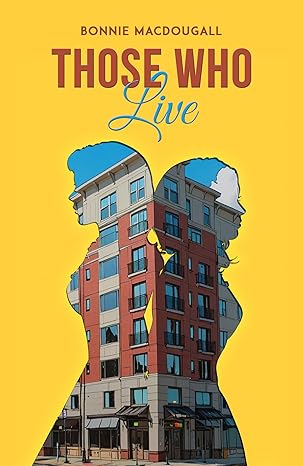

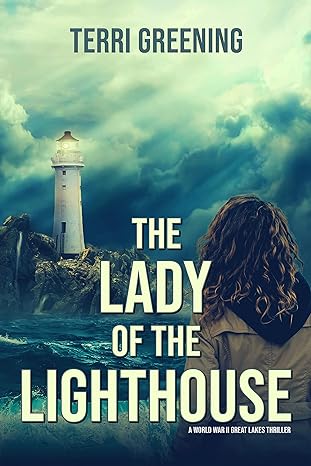

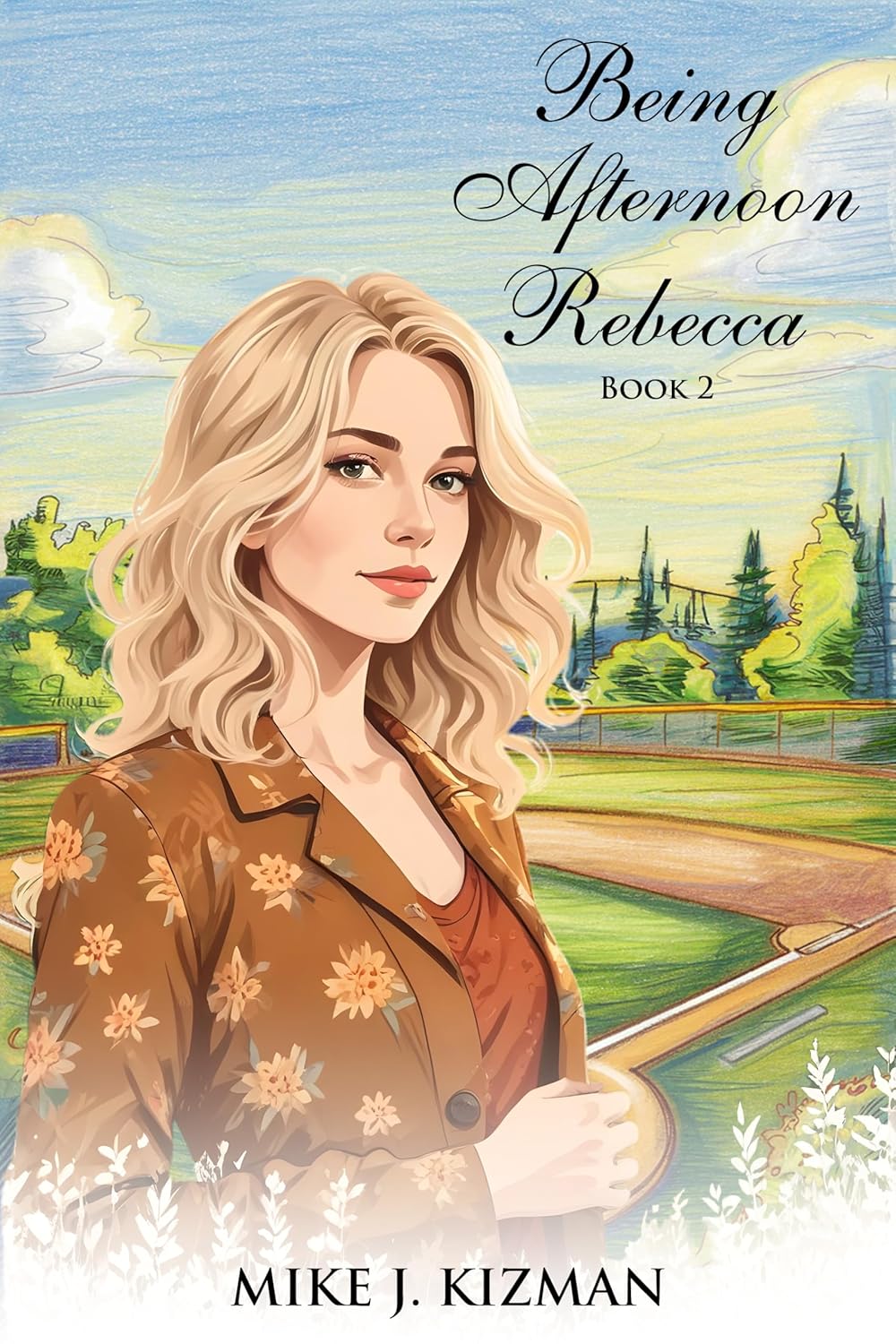

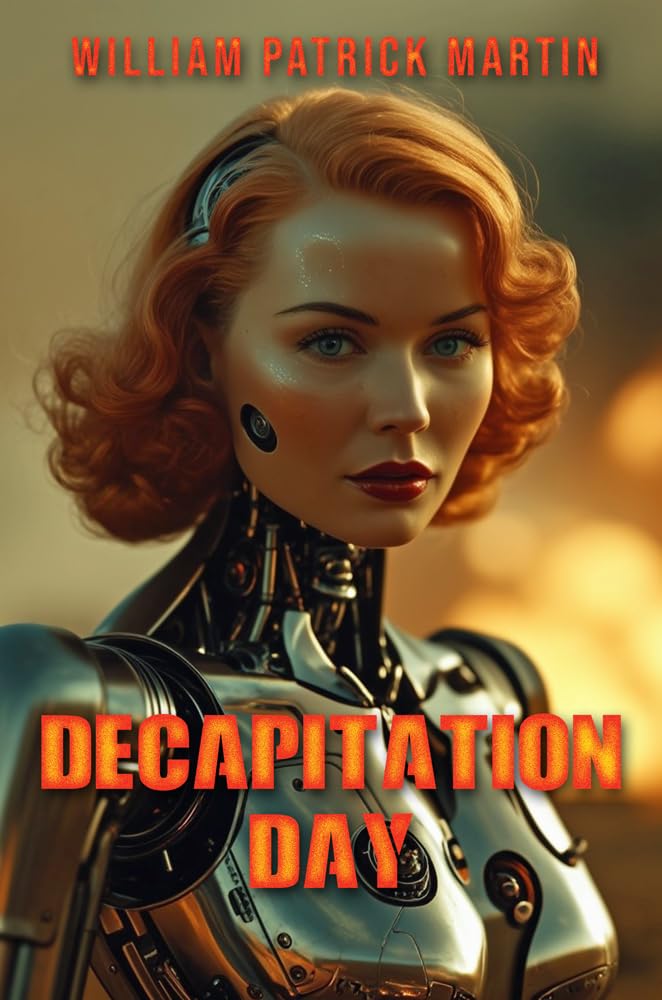




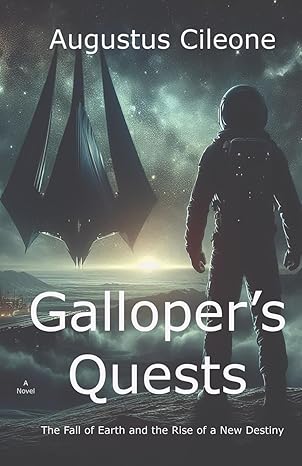

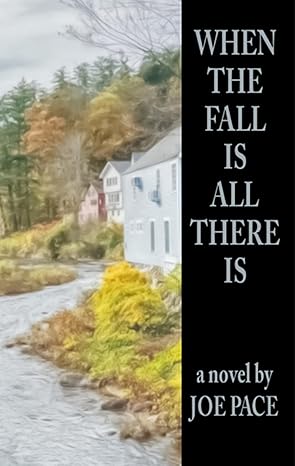

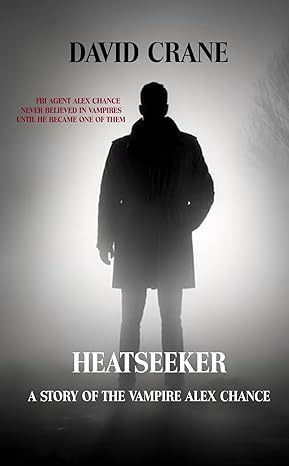


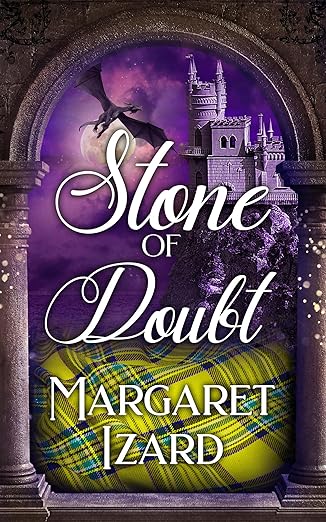
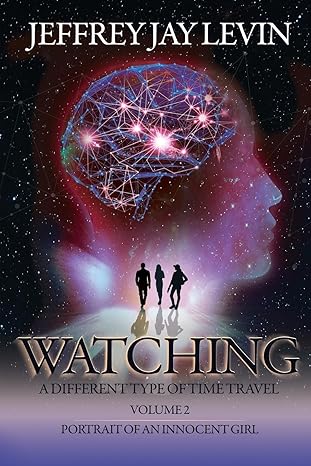

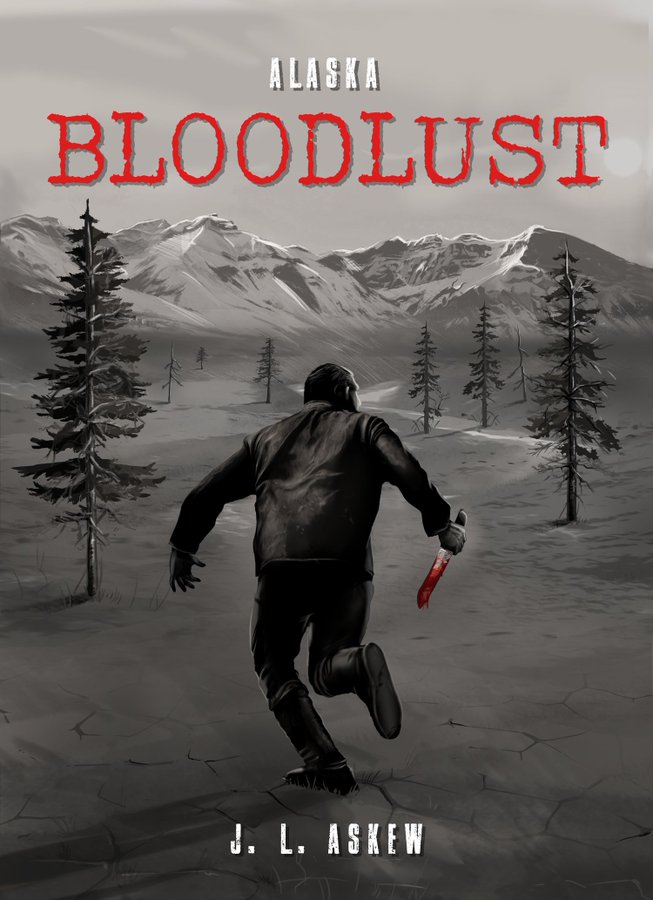
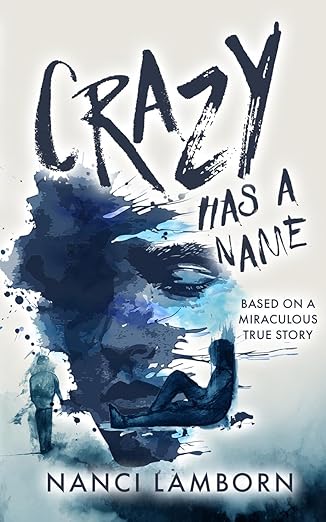
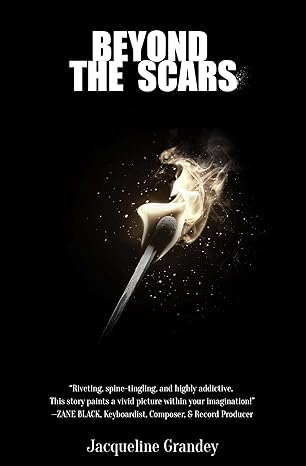
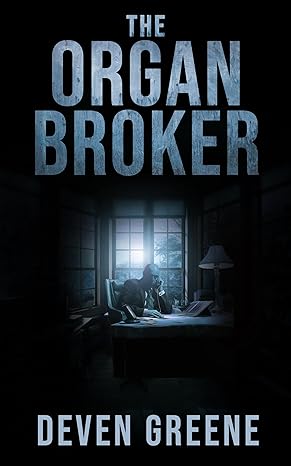


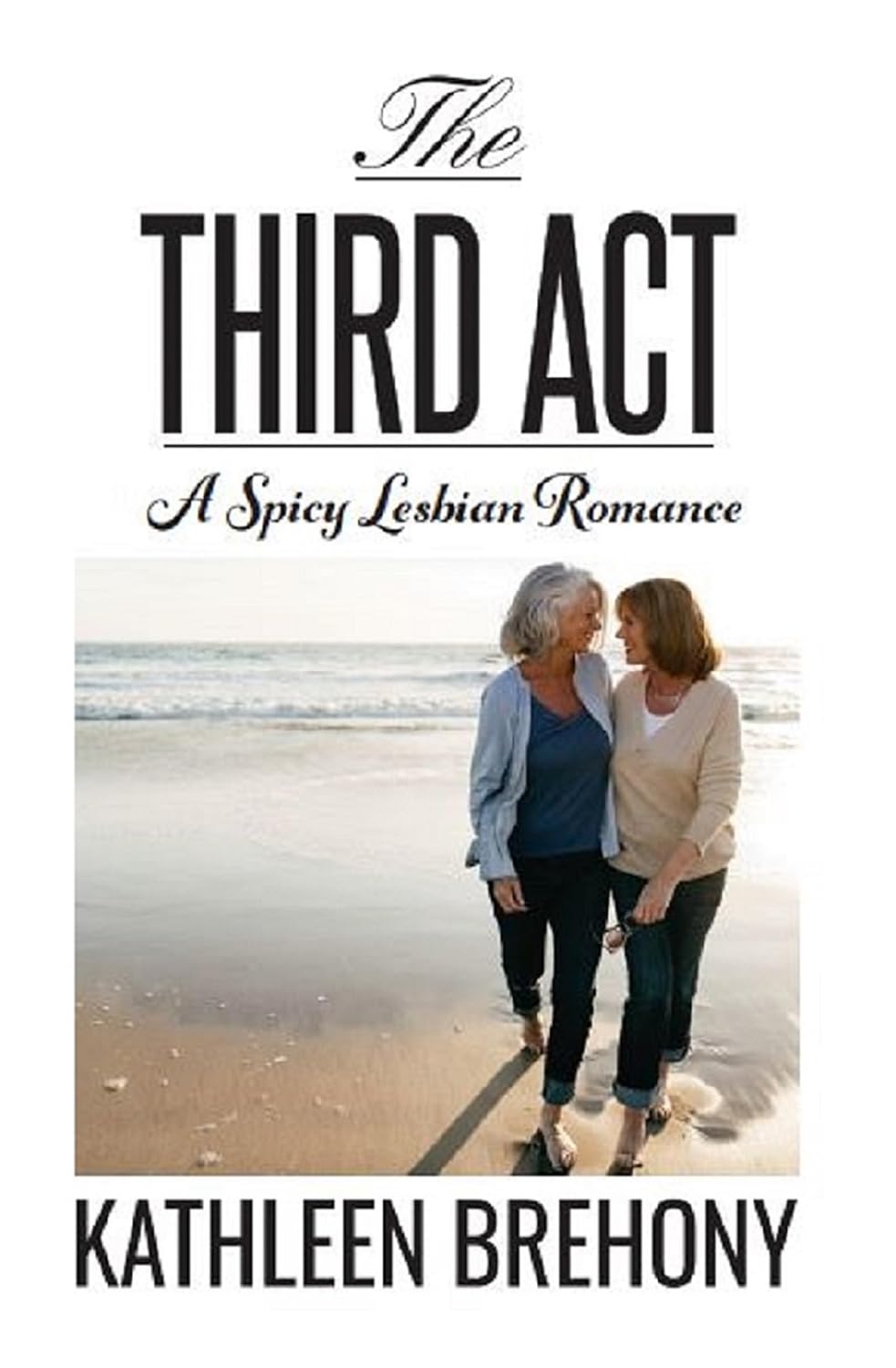
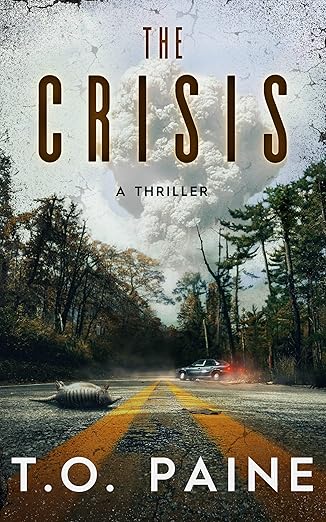


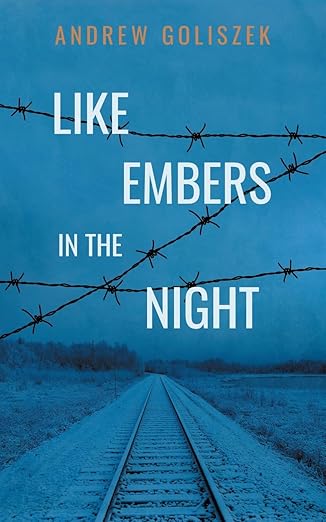




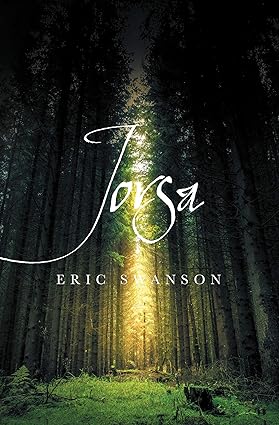


Beyond this World there is a world I want by Steven Physioc
Visit the Literary Titan Book Awards page to see award information.
Literary Titan Silver Book Award
Celebrating the brilliance of outstanding authors who have captivated us with their skillful prose, engaging narratives, and compelling real and imagined characters. We recognize books that stand out for their innovative storytelling and insightful exploration of truth and fiction. Join us in honoring the dedication and skill of these remarkable authors as we celebrate the diverse and rich worlds they’ve brought to life, whether through the realm of imagination or the lens of reality.
Award Recipients


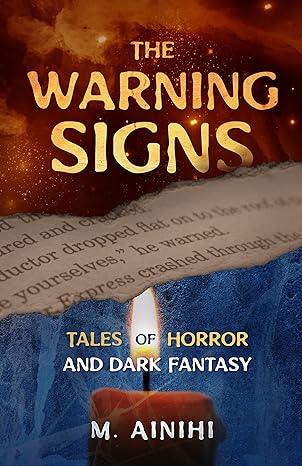
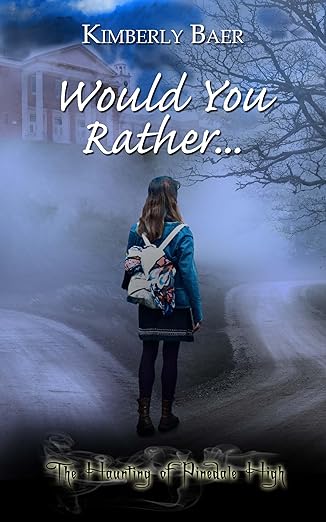



















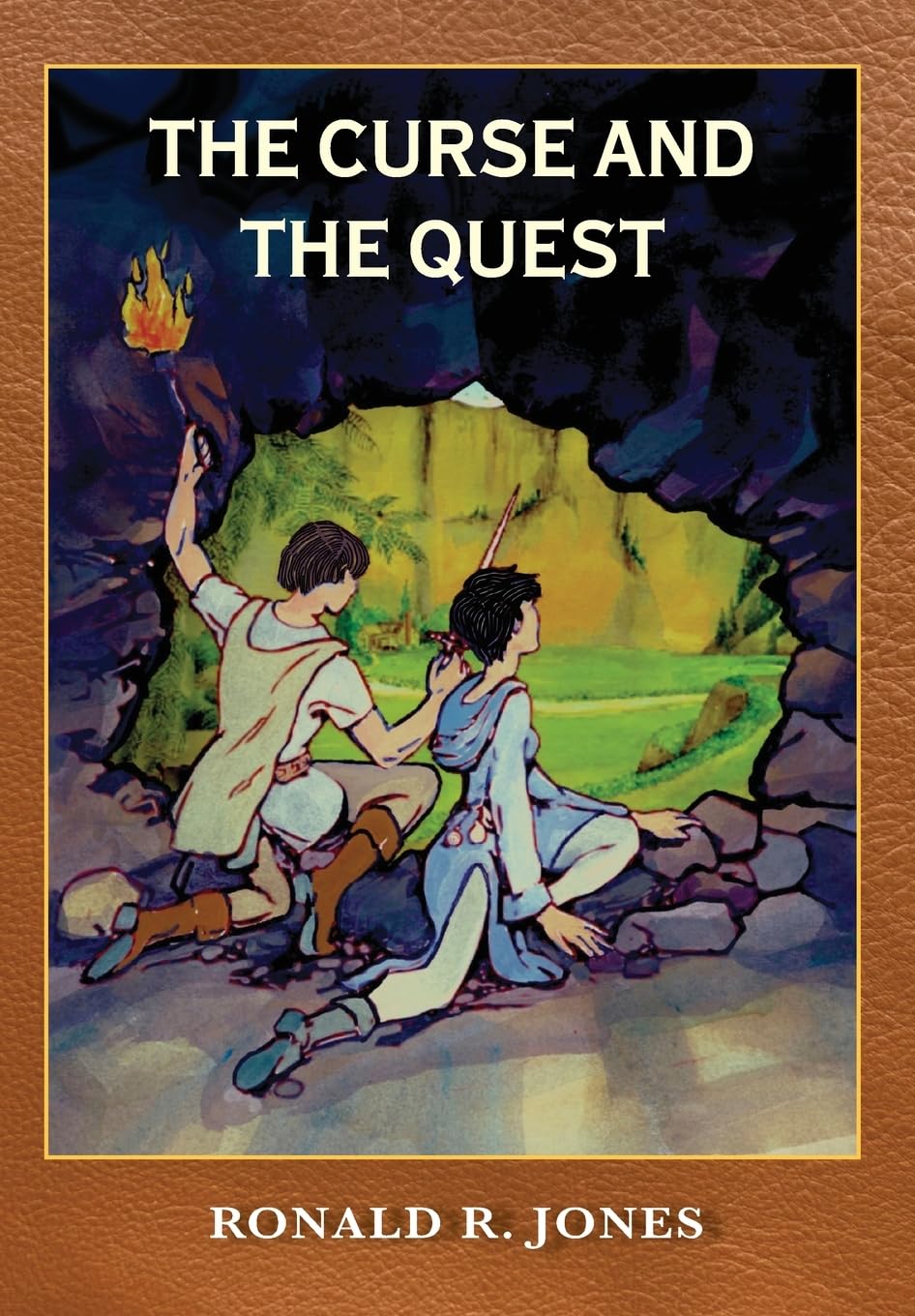
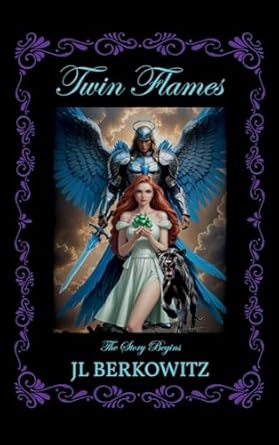


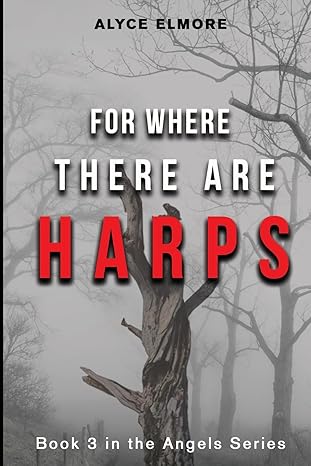

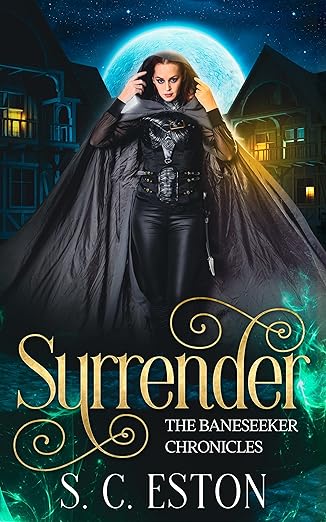


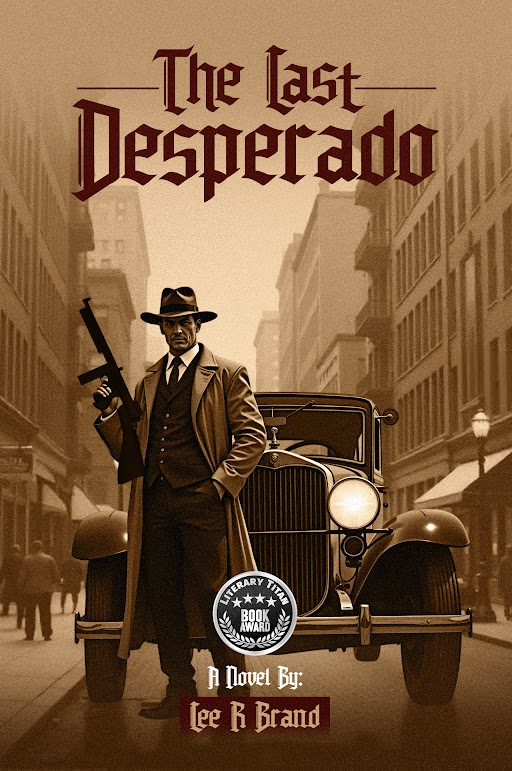
Three Encounters of the Romantic Kind by TG Gore
Visit the Literary Titan Book Awards page to see award information.
Shelby Morrow Journals, 1929-1935, Book One

In Shelby Morrow Journals, 1929-1935, by A.C. Holmes, readers are transported through an intricate tapestry of letters, journal entries, and audio recordings, painting an intimate portrayal of Shelby Morrow. This radiant yet tragically marked young woman navigates the complexities of her early life, burdened by neglectful parents and a malevolent older brother. Thankfully, an empathetic aunt steps in, striving to shield Shelby from the simmering political tensions of the era.
Despite Shelby’s intellectual depth and gentle demeanor, making connections proves a challenge. She forms an unexpected bond with Cecile, a young heiress with a benevolent yet enigmatic father, Monsieur Verrault. As the narrative progresses, we witness Shelby facing harrowing experiences that render her increasingly introverted, placing her in a stifling environment while the world outside plunges into turmoil.
What sets Shelby Morrow Journals, 1929-1935 apart is its blend of mediums that breathe life into this historical fiction. Our first encounter with Shelby is mediated by a letter addressed to Freddie, our narrator. Freddie’s diligent pursuit to unravel Shelby’s story is chronicled through riveting interviews and voice memos. A particularly memorable exchange is with Anselm Caulder, one of Shelby’s past admirers. The interplay between these gentlemen not only hints at Shelby’s multifaceted existence but also ignites a burning curiosity to delve deeper into her psyche. This intriguing juxtaposition between recounted events and real-time dialogue intensifies the narrative’s underlying tensions.
The book’s prose elegantly mirrors the era, encapsulating sentiments and contemplations that feel both authentic and deep. A standout moment is Shelby’s meditation on the ephemerality of time and memory, made all the more haunting as we observe her grappling with her own cognitive challenges in later entries. Additionally, Shelby’s heartwarming relationships with Cecile and her aunt provide a much-needed respite from her often troubling interactions with predatory older figures.
For fans of immersive historical fiction interwoven with elements of mystery, A.C. Holmes’s Shelby Morrow Journals, 1929-1935 promises to be a captivating discovery and one I highly recommend.
Pages: 422 | ASIN: B0CB97P2YJ
Jessa is Back


Jessa is Back by Stacia Moffett is a powerful and deeply personal historical novel set in the segregated South of the 1950s. It follows Jessa, a young girl returning to Tennessee after time in Oregon, where she formed a close friendship with a Black girl named Janie. Her homecoming is not just a return to familiar places but a jarring confrontation with the harsh realities of Jim Crow laws. As she witnesses the injustice and absurdity of segregation, Jessa struggles to make a difference, particularly by advocating for music education in Black schools. The novel paints a vivid picture of a young girl caught between her past and a growing awareness of systemic racism, all while dealing with personal grief and the challenge of belonging.
Moffett’s writing is rich with sensory details, making Tennessee feel both welcoming and suffocating at the same time. The train ride home, where Jessa marvels at the landscape she missed so dearly, is beautifully written. But that warmth is quickly contrasted with her realization that the town she loves is steeped in racial injustice. The moment when Jessa sees the segregated restrooms at the train station hits hard, especially when her younger cousin, Michael, is scolded for almost using the “wrong” one. It’s a small but telling moment that captures how deeply racism is ingrained in everyday life. Moffett’s ability to weave these details into the story makes the book both engaging and thought-provoking.
What I really loved about Jessa as a character is her unwavering determination, even when adults around her try to silence her. The dinner conversation with the Carlsons is especially frustrating. Jessa is passionately arguing for desegregation, only to be told that people are “content” with the way things are. Her frustration is palpable, and I felt it too. The book does an excellent job of showing how deeply entrenched racism is, not just in the legal system but in people’s unwillingness to question tradition. Yet, Jessa refuses to accept that answer. Her drive to push for music education in Black schools is a quiet but meaningful act of rebellion, proving that even small changes matter.
Another standout part of the book is Jessa’s relationship with her friend Janie and how it influences her perspective. Before moving to Oregon, Jessa accepted segregation as just the way things were. But after forming a true friendship with Janie, she can no longer ignore the injustice of it all. This is most painfully clear when she realizes that if Janie had come to visit, she wouldn’t have been able to use the same restrooms, sit in the same part of the bus, or even go to the same school. It’s a heartbreaking realization, and Moffett captures it with raw emotion. Jessa’s internal struggle between fitting in and standing up for what’s right is one of the most compelling aspects of the book. At times, the pacing slows down with extended discussions about race and social structures. While these moments are important, they occasionally make the story feel more like a lesson than a lived experience.
Jessa is Back is an emotional and thought-provoking read, perfect for those who enjoy historical fiction with strong, young protagonists. It’s especially suited for readers who appreciate coming-of-age stories that tackle serious social issues.
Pages: 301 | ASIN : B0DFFNMTV7



 LITERARY TITAN