Blog Archives
The Nancy Flanagan Chronicles – Book One – Guilt


Maisie Moon’s Guilt follows Nancy Flanagan, a young Irish woman grappling with the weight of personal mistakes, societal judgment, and the rigid expectations of 1940s Catholic Ireland. After a traumatic experience leaves her with a child out of wedlock, she is forced to leave her daughter behind and move to England to train as a nurse. The story unfolds as both a fictional memoir and a historical narrative, immersing readers in the post-war era’s cultural and social tensions. Moon blends elements of guilt, faith, resilience, and the supernatural into a compelling story about identity and redemption.
One of the strongest aspects of this book is Nancy’s voice. It’s raw, unfiltered, and entirely her own. The first-person narration pulls you straight into her thoughts, making her experiences feel real and immediate. From the moment she steps onto the train leaving Ireland, you feel her mix of excitement and dread. In scenes like Nancy’s confrontation with her mother about giving up her daughter, the dialogue crackles with tension. The pain is tangible, and the way Nancy swings between anger, defiance, and longing makes her heartbreak all the more believable.
The historical details ground the novel beautifully. The descriptions of post-war England like rationing, war-weary soldiers, and bombed-out cities, are vivid and immersive. The moment when Nancy meets an elderly woman at a trolleybus stop and receives a ghostly message from her late husband is particularly haunting. The supernatural elements are subtle but effective, adding another layer to Nancy’s struggles. It’s as if her guilt manifests in more ways than one, not just in her own mind but in the world around her. Moon’s decision to weave in these ghostly encounters makes the novel stand out from typical historical fiction.
The book sometimes lingers in reflection, especially in the early chapters. Nancy’s memories of her family, while rich in detail, occasionally slow the momentum of the story. The strongest parts are when she’s in the moment, whether it’s working as a nurse, navigating the stiff English social hierarchy, or encountering figures from her past. I think the novel is at its best when Nancy is forced to react to the world around her rather than retreating into recollections.
Guilt is an emotional and thought-provoking read. It’s perfect for readers who enjoy deeply personal historical fiction, particularly those interested in themes of faith, shame, and perseverance. If you love books like Angela’s Ashes or The Nightingale, this one will stay with you. Moon has crafted a moving, deeply human story that won’t soon be forgotten.
Pages: 387 | ASIN: B0DS1K8Y6F

The Treachery of Sisters


The Treachery of Sisters transports readers to the ancient sands of Egypt, weaving a gripping tale of ambition, betrayal, and survival. This historical fiction novel by Gail Combs Oglesby reimagines the lives of Arsinoe IV and Cleopatra, daughters of Ptolemy XIII and princesses of Egypt, during a period of monumental upheaval. When Rome invades, Julius Caesar captures the royal family, elevating Cleopatra as a puppet ruler. Meanwhile, Arsinoe, her younger half-sister, escapes with the aid of her mentor, the eunuch Ganymedes. Declaring herself Pharaoh and Queen of Egypt, Arsinoe leads a courageous resistance during the Alexandrian War. At its core, this is a story of family bonds turned treacherous, power struggles, and unyielding destiny.
Oglesby recounts the rise and fall of the Ptolemaic dynasty through Arsinoe’s eyes, providing a fresh perspective on an infamous chapter in Egyptian history. Estranged from her chaotic family as a child, Arsinoe’s journey becomes one of reclaiming her birthright and defying her sister’s betrayal. Cleopatra’s alliance with Caesar, which sacrifices Egypt’s sovereignty, contrasts sharply with Arsinoe’s fierce determination to fight for her people. Central to the narrative is Arsinoe’s unshakable loyalty to Egypt’s royal traditions. Even after Caesar spares her life and exiles her to a temple, she refuses to yield. Speaking out against Cleopatra’s treachery, she risks everything to rally those who share her vision of an uncorrupted Egypt.
One of the book’s most striking elements is the immense burden of leadership Arsinoe bears. It’s astonishing to realize that this young heroine, barely in her mid-teens, orchestrates such a formidable resistance against the Romans. Her obsession with preserving the purity of her family’s bloodline fuels her defiance and sheds light on the Ptolemies’ notorious practice of incestuous marriage, an unsettling yet historically accurate detail that underscores the dynasty’s unique complexities.
What makes The Treachery of Sisters particularly compelling is Oglesby’s straightforward and accessible prose. Despite the weighty themes of war and betrayal, the writing remains clear and engaging, making the story both informative and entertaining. The balance between historical detail and narrative momentum ensures that even readers unfamiliar with the era can immerse themselves in the drama without feeling overwhelmed.
For anyone captivated by historical fiction or the enigmatic world of ancient Egypt, The Treachery of Sisters is a must-read. Oglesby’s vivid portrayal of the Ptolemaic dynasty and its tumultuous reign offers both enlightenment and entertainment. Through Arsinoe’s eyes, we witness not just a struggle for power, but an enduring fight for identity and justice in the shadow of betrayal.
Pages: 301 | ASIN: B0DKFX2DZ7
Watching, A Different Type of Time Travel, Volume 2: Portrait of an Innocent Girl
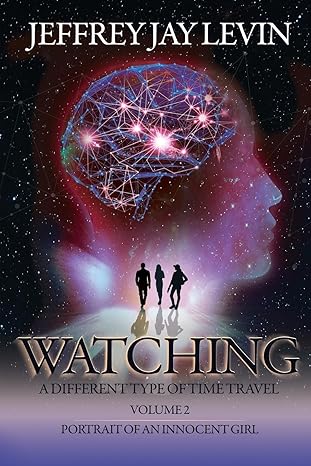
Jeffrey Jay Levin’s Watching Volume 2 is a mesmerizing journey that marries time travel with emotional resonance. This sequel builds on the intriguing concept of “Watchings” introduced in the first volume, where the protagonist, Josh, undertakes non-corporeal journeys through space and time. This time, he is drawn into the haunting world of Nazi-era Vienna, compelled by a painting and the mysteries surrounding it. The narrative effortlessly balances historical drama with speculative fiction, making it an engaging read from start to finish.
What struck me first about this book was the vivid detail. Levin paints historical settings with such precision that you can almost feel the tension of occupied Vienna or the eerie stillness surrounding stolen art. The prologue, describing the chilling parade of Nazi tanks and soldiers, is visceral. This immersive style carried me through the story, though at times, I wished the pace didn’t lag in Josh’s modern-day contemplations. However, the descriptions of the titular painting and its impact on Josh more than made up for these slower moments.
I also appreciated the emotional depth Levin brought to his characters, especially Josh. His reluctance to revisit his Watching abilities, juxtaposed with his unrelenting curiosity, feels relatable. One standout scene was his interaction with Adrian after his museum experience. Their dynamic captures the perfect mix of love, worry, and exasperation that comes with sharing an extraordinary burden. Similarly, Agent Starling Hebert’s frustration with bureaucracy and sexism within the FBI grounds her character, making her investigative journey all the more satisfying. Levin’s ability to weave personal struggles into the grander narrative of historical intrigue is a triumph.
The pseudo-scientific explanations of Watchings add a fascinating layer to the story, showcasing Levin’s creative imagination and his ability to blend science with fiction. The idea of heightened enzymes and hippocampal activity is unique, giving the concept of time travel a fresh twist. While these sections delve deeply into detail, they provide a thoughtful backdrop for the fantastical elements, enriching the reader’s understanding of the phenomenon.
The exploration of Nazi art theft and the mystery surrounding Gustav Scheiner’s Portrait of an Innocent Girl was fascinating and tied beautifully to themes of loss, memory, and justice. Levin’s extensive research shines here, offering a thought-provoking look at the devastating cultural impact of war.
Watching Volume 2: Portrait of an Innocent Girl is a compelling read for fans of historical fiction, mystery, and time travel. It’s perfect for those who savor rich character development and thought-provoking themes. I’d recommend it to anyone intrigued by history’s shadows and the mysteries they hold.
Pages: 288 | ISBN : 978-1685135935
Mussolini’s Puppet Government

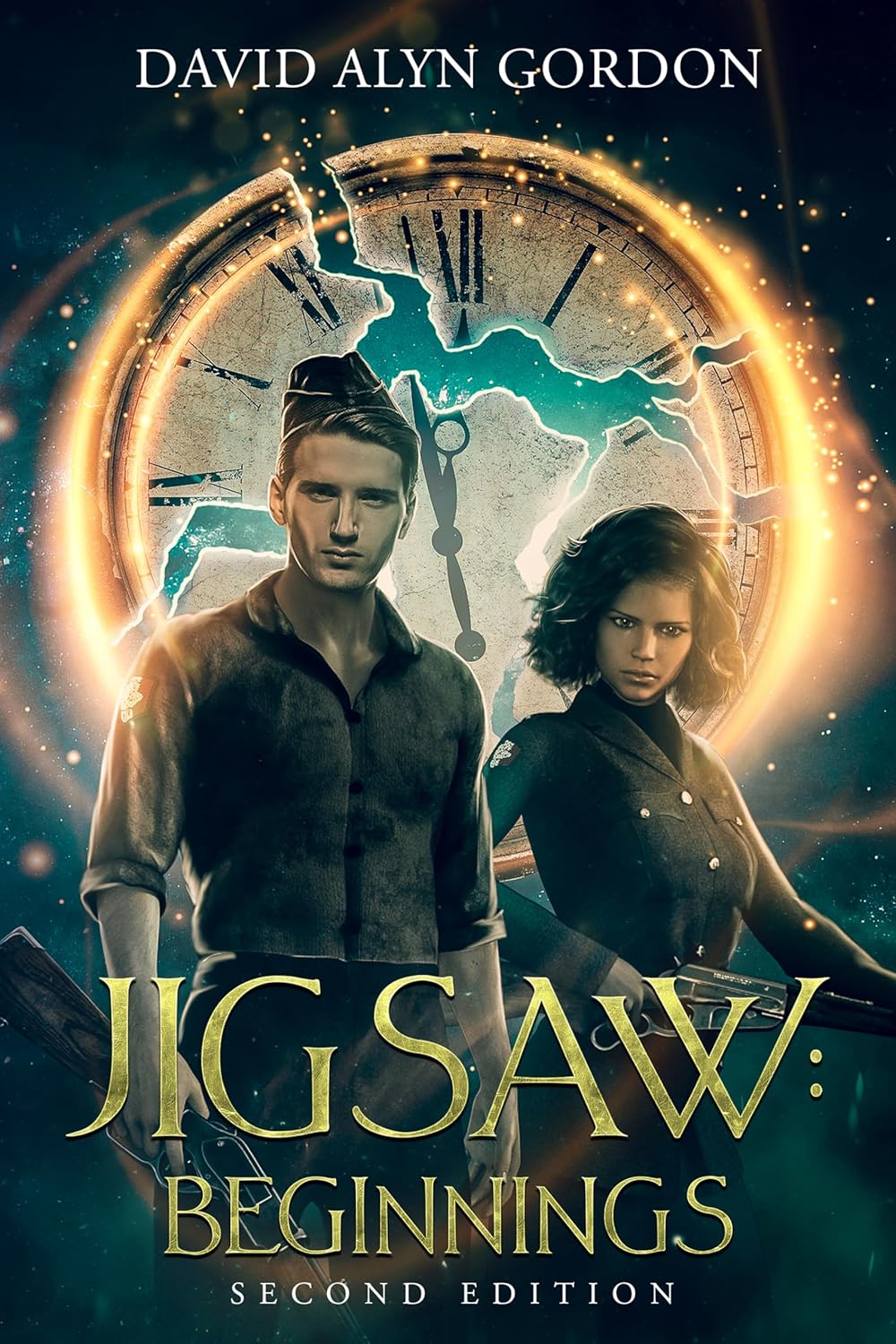
Jigsaw: Beginnings follows a group of students on a trip to Italy who stumble into the secrets of a WWII teleportation experiment, forcing them to unravel a conspiracy where history and the present collide. What were some sources that informed this book’s development?
Excellent question. I did a great deal of research on the Italian Resistance Movement, OSS espionage and Holocaust rescue efforts at the time and general area, Mussolini’s Puppet Government in Salo following his rescue by the Nazis in 1943, and overtures to get Spain to join the war on the Axis side. I felt these were neglected parts of history that needed greater exploration. I also have visited Voltri on two occasions when I was younger. My Great Aunt and Uncle (my Grandmother’s brother) lived there and I wanted to make this a quasi-tribute to that side of the family. I also drew from personal experiences and other people I know like my parents, grandmother, siblings, and friends to fill in the character development. The names of the student’s characters came from children that attended the charter school I once owned.
Colonel Angelo and Professor Klein are morally complex characters. How did you develop their motivations?
Klein represents that part of history where Conservative Jewish Palestinians had, at first, a productive relationship with Mussolini’s Government in the 1920s and 1930s. As Italy’s government became more openly Anti Semitic in its subservience to Hitler, Jews who thought Mussolini had backstabbed them were more prevalent. That is how I developed Klein. I do not want to say much about Angelo here because he has an arc that readers would see in the second and third books in the series, Warheads and Full Circle and I do not want to spoil that.
The Italian settings feel incredibly vivid. Did you visit these locations, or was your research primarily historical?
As mentioned in the first question, I have visited Voltri and Genoa several times. While I based some of the scenes on personal experience like visiting the Villa and going to the Genovese port, I did still have to research the areas and the history to fill in the gaps and round out the historical plot of the story.
Were there any real-life wartime experiments that influenced the teleportation aspect of the story?
Not to my knowledge. I know there were rumors of the Philadelphia Experiment in the 1940’s and the German time machine Bell program but those did not influence the plot.
Author Links: GoodReads | X (Twitter) | Facebook | Instagram | Threads | Website | Amazon
High school history buffs Noah Patterson and Mariah Fischer can’t wait to get to Italy. Their plan? To explore as much as they can and have loads of fun. What they face, however, is mind-blowing when they get shot at by the Italian Black Brigade.
Running for their lives, they quickly realize that they’ve somehow been transported to Italy, circa 1943. But how?
Humiliated by defeat and rescued by Hitler, Mussolini plans to win the war at all costs. Pushing forward relentlessly, he has a secret weapon: teleportation. But a failed experiment with the device draws Noah and Mariah back in time. Now they must find a way to stop Mussolini’s “New Roman Empire” and return to the present they know—if it’s still there.
The fight for reality starts now…Jigsaw Beginnings is an adrenaline-driven, YA time travel series perfect for action and adventure enthusiasts.
Literary Titan Gold Book Award: Fiction

The Literary Titan Book Award honors books that exhibit exceptional storytelling and creativity. This award celebrates novelists who craft compelling narratives, create memorable characters, and weave stories that captivate readers. The recipients are writers who excel in their ability to blend imagination with literary skill, creating worlds that enchant and narratives that linger long after the final page is turned.
Award Recipients













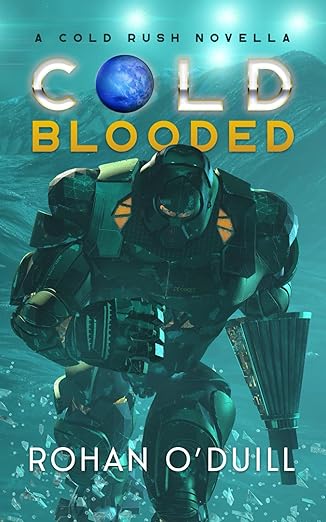


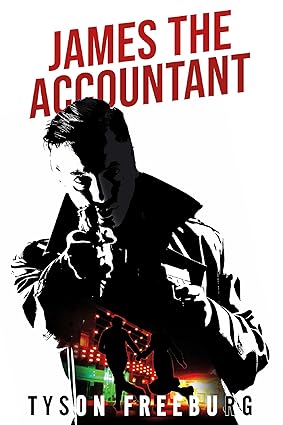


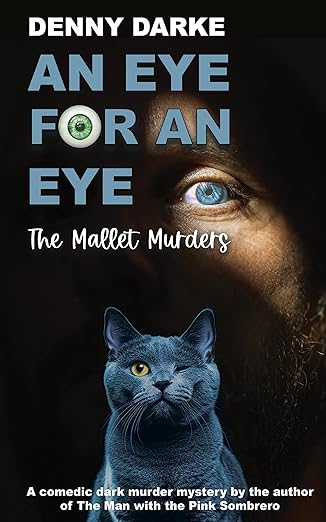

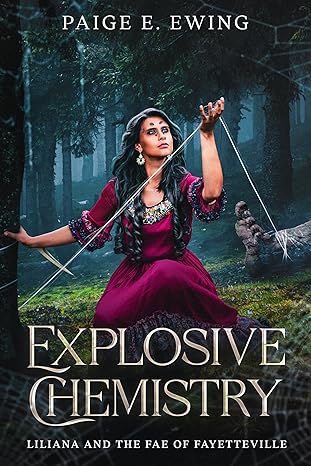

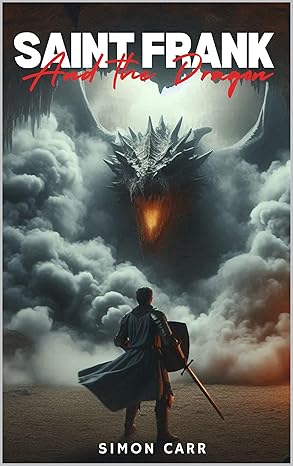
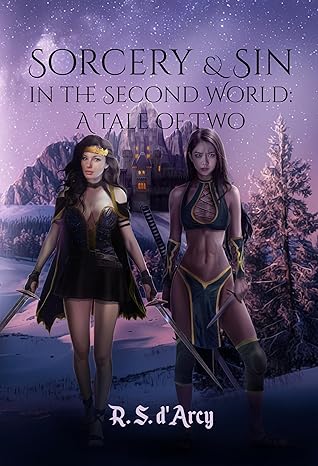
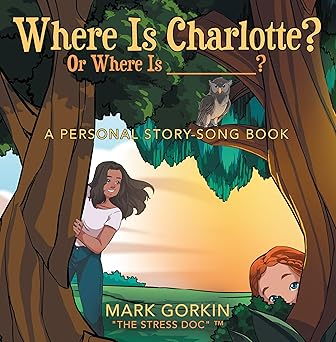




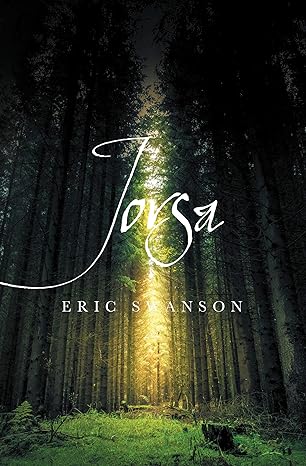

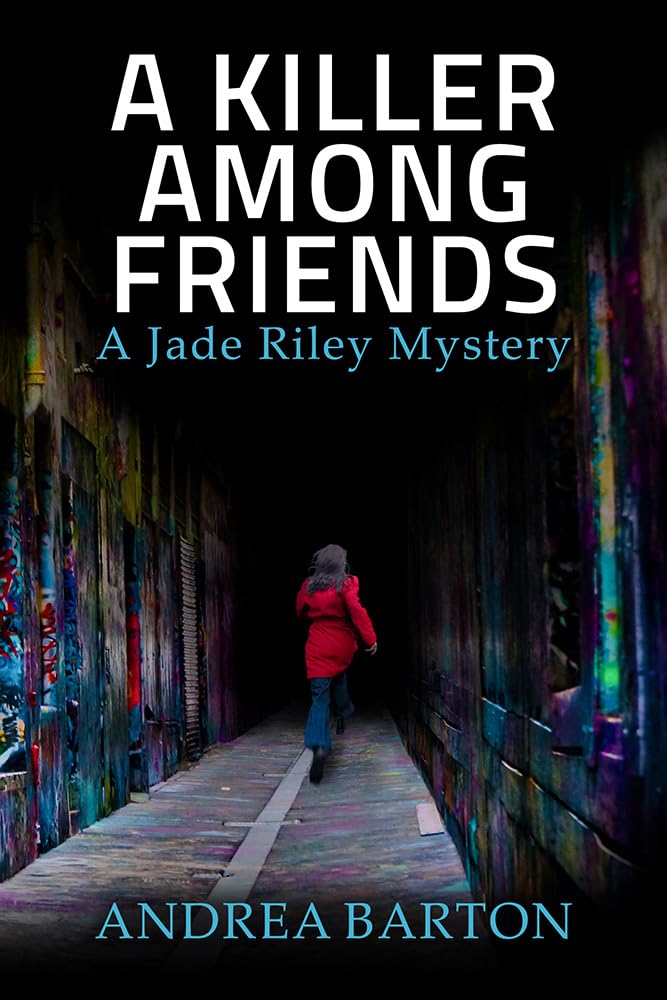




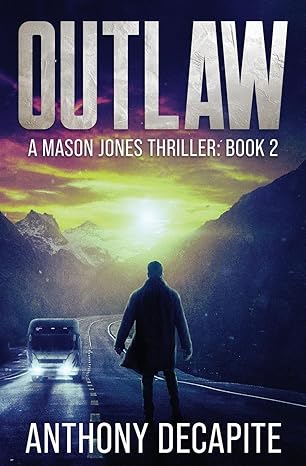


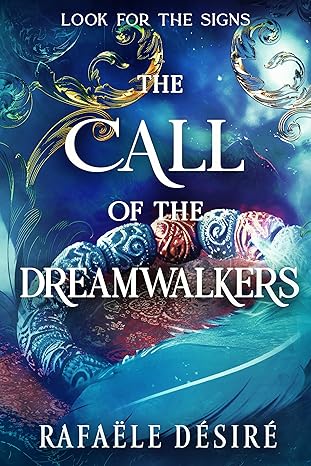

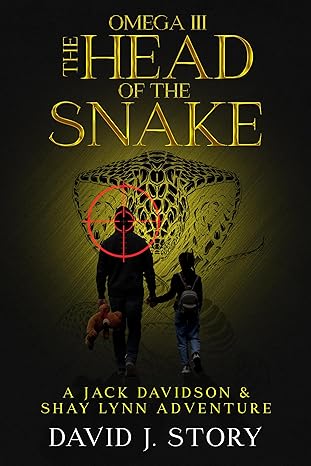
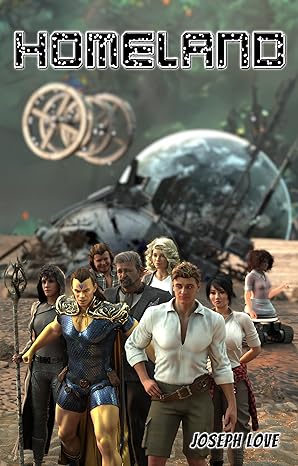

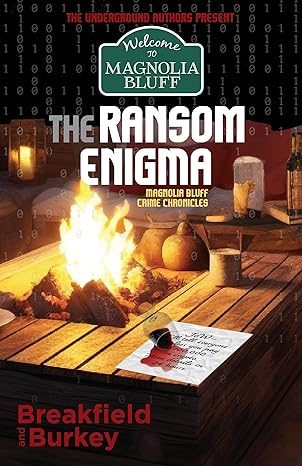


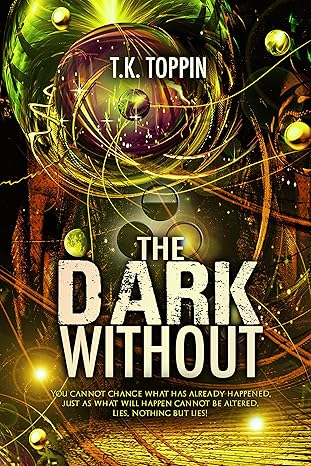
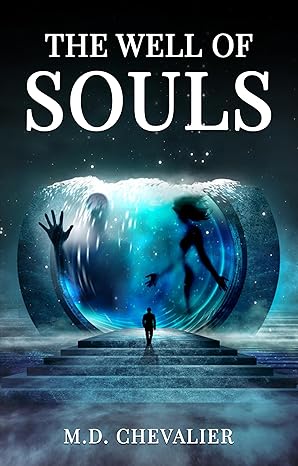




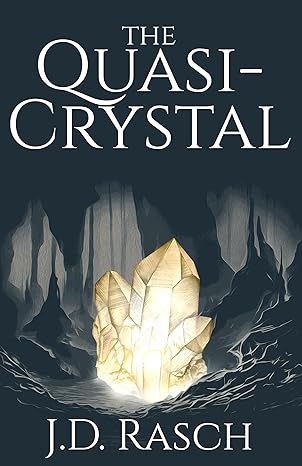






Return of the Star Lords: A Dystopian Journey of Survival and Sacrifice
Visit the Literary Titan Book Awards page to see award information.
Literary Titan Silver Book Award February 2025
Celebrating the brilliance of outstanding authors who have captivated us with their skillful prose, engaging narratives, and compelling real and imagined characters. We recognize books that stand out for their innovative storytelling and insightful exploration of truth and fiction. Join us in honoring the dedication and skill of these remarkable authors as we celebrate the diverse and rich worlds they’ve brought to life, whether through the realm of imagination or the lens of reality.
Award Recipients
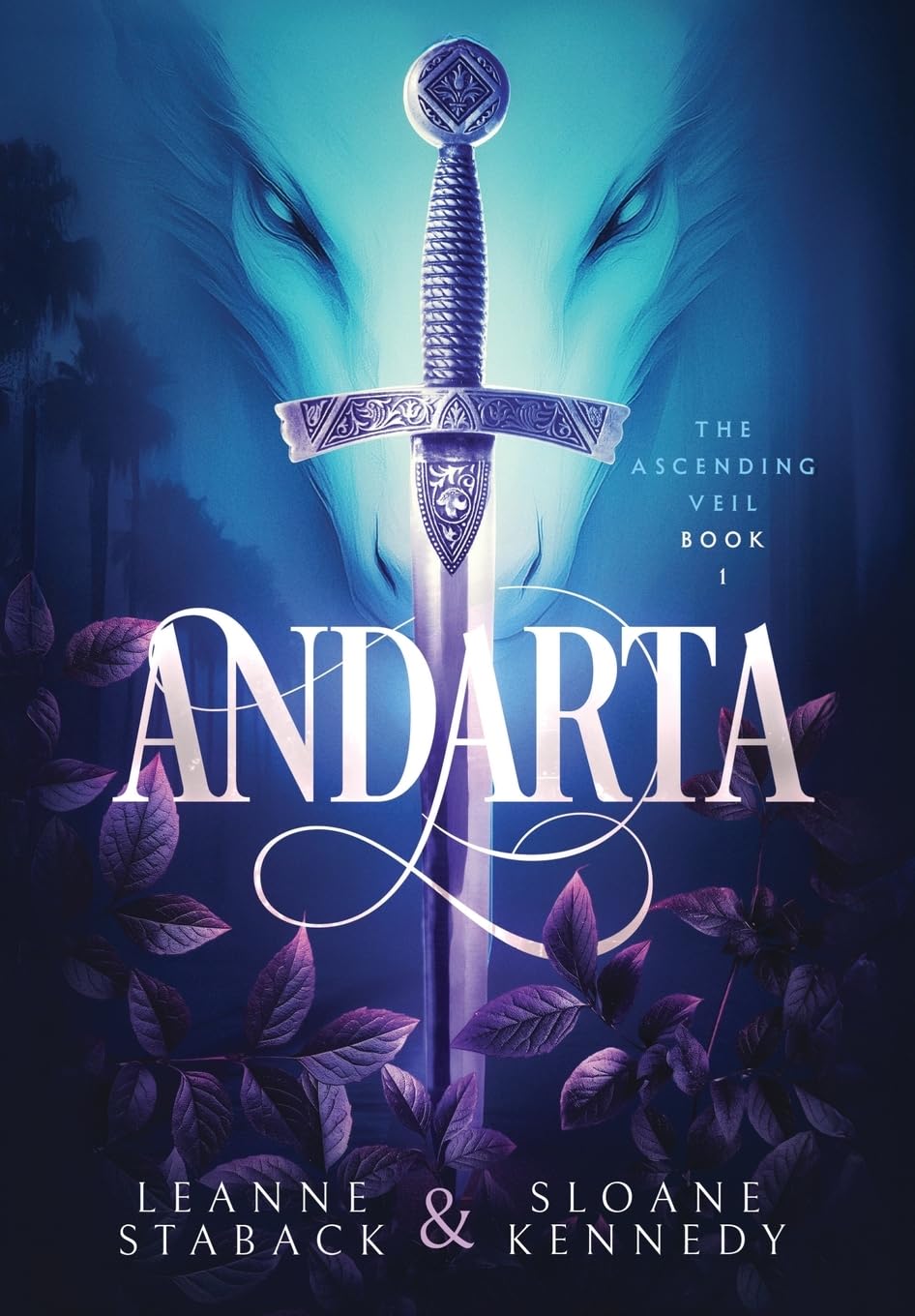



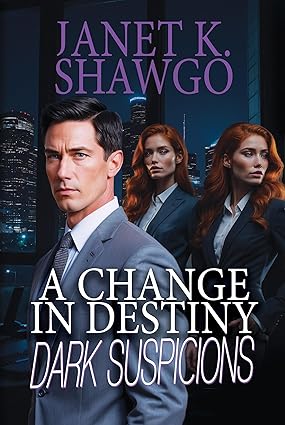

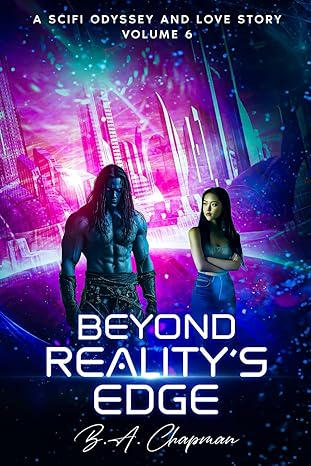
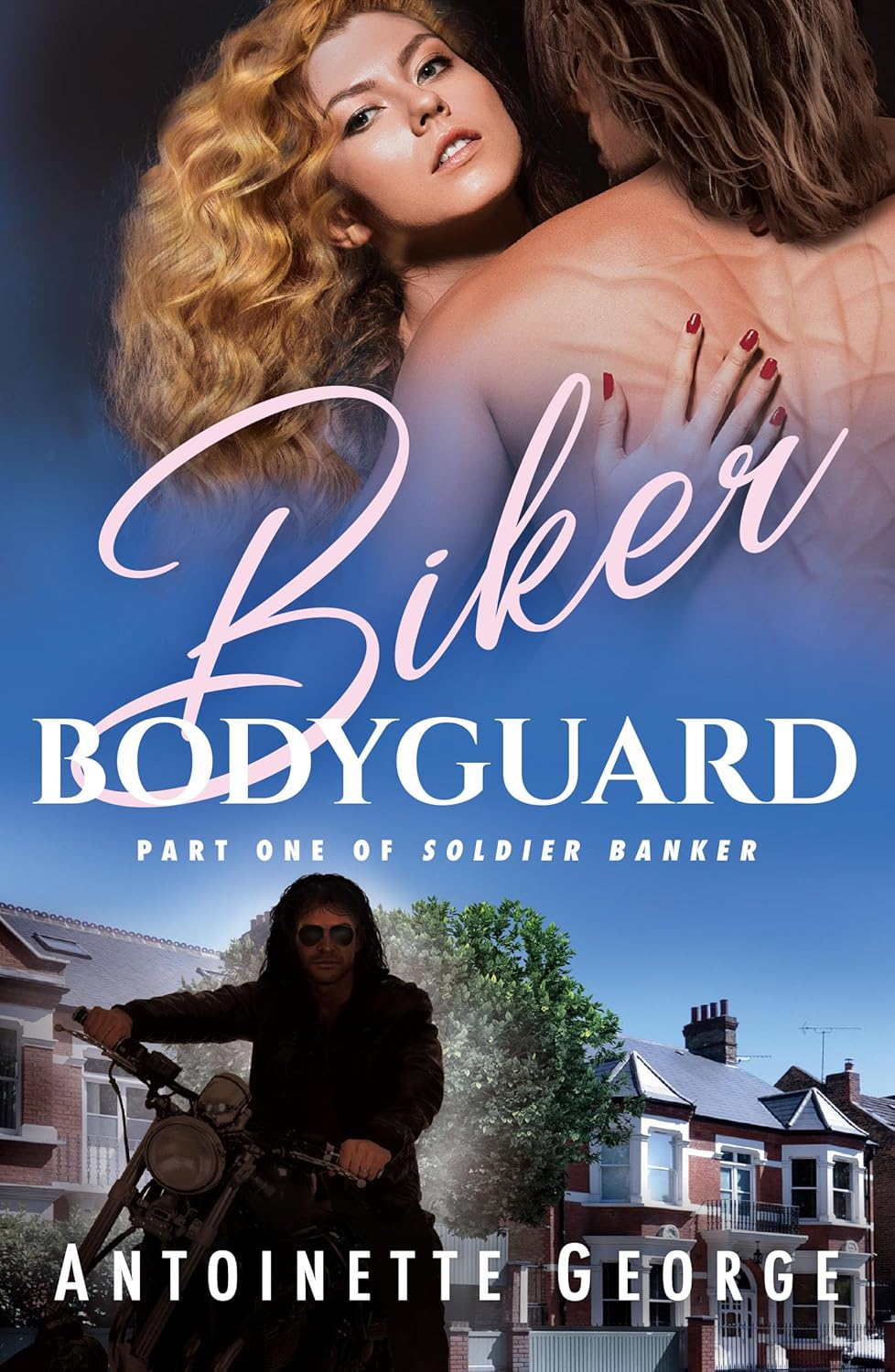
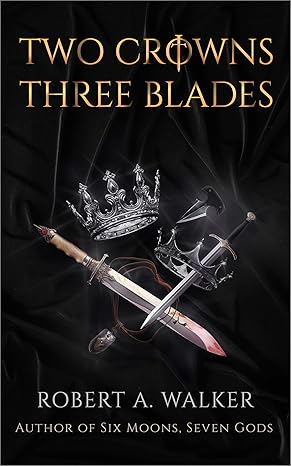

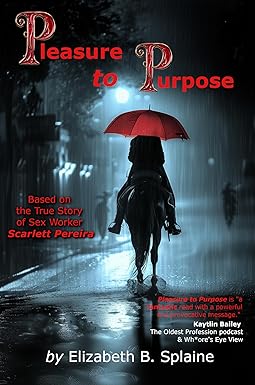
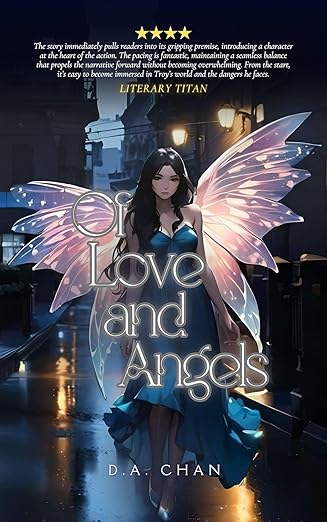
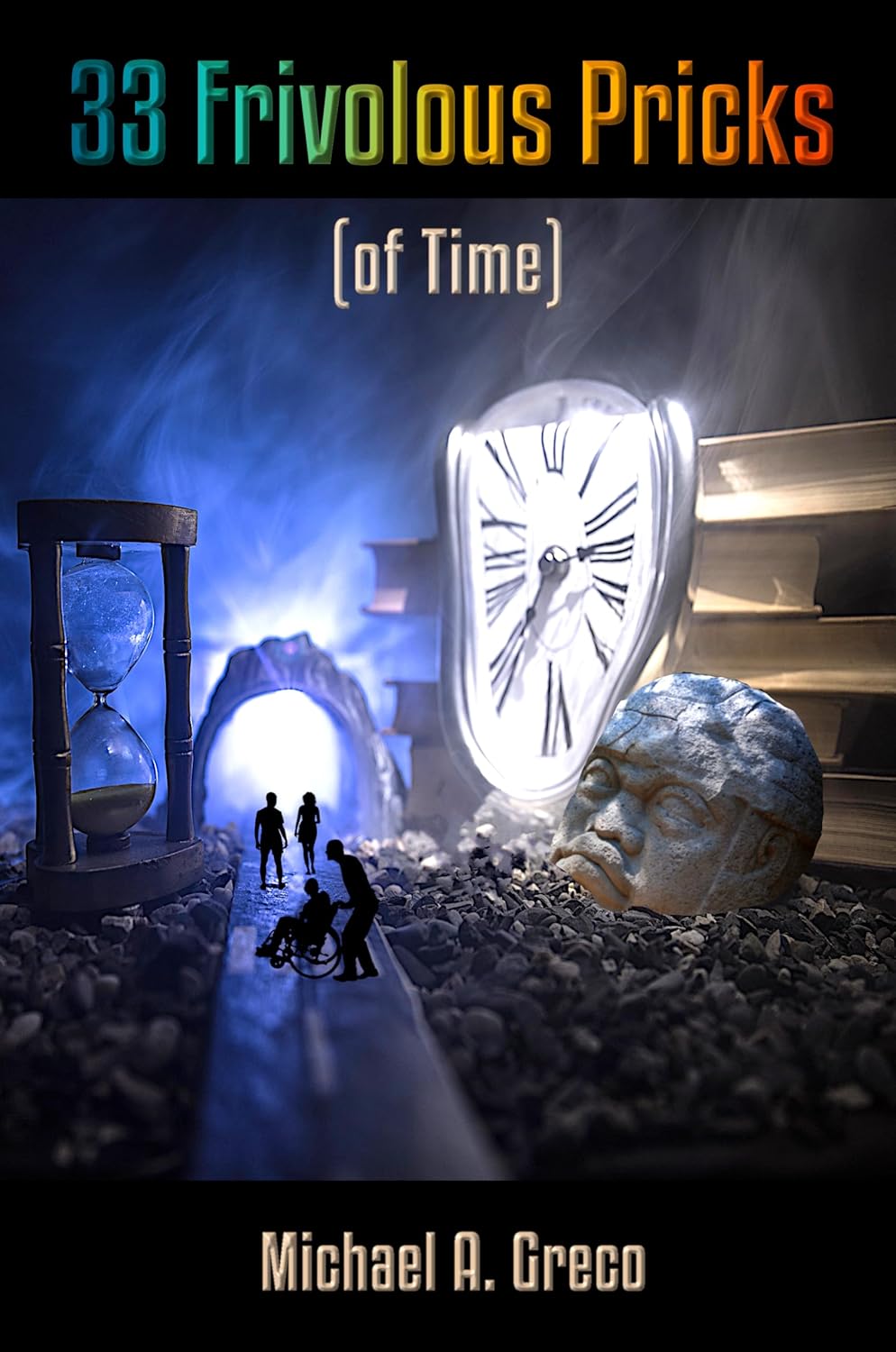
























Brotherhood of the Wolf: The Lesser Evil by Wes Al-Dhaher
Stay Curious Journal by Audrey Lawrence
Passion in the Bone by AL Falcon
Visit the Literary Titan Book Awards page to see award information.
A Unique Challenge

Skull’s Vengeance follows a woman fulfilling a prophecy to become a Celtic warrior queen as she faces off with her half-brother in the fight of her life. What was the inspiration for the conflict in this installment of your series?
Skull’s Vengeance continues the storyline and conflicts from the first three books in the Curse of Clansmen and Kings series that began with a revenge curse cast by Queen Rhan against her husband, King Amren. A druidess, Rhan foretells that their son, Marrock, and a daughter sired by a future queen will overthrow him. Amren marries next queen, Rhiannon, with whom he has three daughters, and banishes Marrock for assaulting his youngest daughter, Catrin. Marrock returns with the aid of the Romans and fulfills Rhan’s curse by slaying his father, his stepmother, and eldest half-sister. Catrin is enslaved by a Roman commander but is freed two years later by her secret Roman husband, Marcellus.
At the start of Skull’s Vengeance, King Amren’s spirit charges Catrin to avenge his death and overthrow Marrock who now wields dark magic from the skulls of her slain family members. The inspiration for harnessing the mystical powers from skulls is based on Caesar’s account that Celts believe the soul is immortal and reincarnates into another entity after death. The head is considered the temple where the soul dwells. To possess an enemy’s head is to possess his soul—a symbol of divinity and power from the spiritual world. The story expands on this concept in the conflict between Catrin and Marrock. She must learn how to summon powers from souls trapped in severed skulls to overthrow her half-brother, a powerful sorcerer and shapeshifter.
What challenges, if any, do you face when finding a narrator to help bring your audiobook to life?
Skull’s Vengeance posed a unique challenge because the story is told by Catrin’s point of view and various male characters, including Marcellus and Marrock. I felt the audiobook needed both male and female voices to capture the essence of each character. I met the male narrator, Scott Ellis, at a workshop where I discussed with him the possibility of using two narrators for my audiobook. After listening to narrators who auditioned his organization, I selected Scott Ellis and Heidi Housh and arranged for production through the ACX exchange. Everything went smoothly after that.
What advice would you give authors considering the audiobook route with their work?
Audiobooks offer an additional format for an author’s work that is growing in popularity. Nonetheless, authors need to consider whether the cost of producing an audiobook will yield sufficient royalties to justify the upfront costs. Factors to consider include the following:
- Narrator: The three options for narration are the author, AI-generated narration, or a professional narrator. If the author chooses to narrate, he/she needs access to audio production facilities. AI-generated narration may be cheaper than contracting a narrator, but the quality might not be as good. The upfront costs for obtaining a narrator varies from $100 to $400 per finished hour depending on experience. It is important that an author auditions narrators and selects one who captures the essence of the book.
- Distribution: An author needs to choose whether to distribute exclusively with ACX or go wider (e.g. Findaway Voices by Spotify). Exclusive distribution through ACX offers a higher royalty rate of 40% on the retail price but is limited to Audible, Amazon, and iTunes. ACX also has an exclusive option in which an author can share one-half their royalties to narrators in exchange for reduced or free up-front costs for production. For those who choose to distribute widely, ACX offers a non-exclusive 25% royalty on retail price. Findaway Voices offers 40 options for distribution and charges a flat fee of 20% for each sale minus retailer’s cut. For example, if an audiobook sells for $20, the retailer’s cut is $10, the Findaway fee is $2.00 ($10 x 20%), and the author’s royalty is $8.00.
- Flexibility in Pricing: ACX sets the price of audiobooks while authors set their prices at other sites, including libraries. Being able to set the price allows flexibility for promotion.
- Established Followers: Although wider distribution offers authors more options for distribution and pricing, keep in mind that most audiobooks are sold at Audible and Amazon. Unless you are a well-established author with a strong following, it might be a better option to distribute audiobooks exclusively through ACX at the start. After 90 days, an author can switch to non-exclusive ACX option for wider distribution.
Can fans look forward to a fifth volume in the Curse of Clansmen and Kings series? Where will it take readers?
I am currently writing the fifth book, Dragon’s Anvil, in the Curse of Clansmen and Kings series. The book continues the story of Catrin and her Roman husband, Marcellus, as they prepare their forces to overthrow King Marrock, a sorcerer and dragon shapeshifter. On their quest, enemies from Rome and Britannia stand in their way. Family loyalties fray and warriors fall. Betrayed and torn from those she loves, Catrin journeys to the dark depths of the Otherworld and resurrects with newfound magic matching Marrock’s. But will the mystical power be enough to defeat Marrock and save her husband and son from doom.
Author Links: GoodReads | X | Facebook | Website
AS FORETOLD BY HER FATHER in a vision, Catrin has become a battle-hardened warrior after her trials in the Roman legion and gladiatorial games. She must return to Britannia and pull the cursed dagger out of the serpent’s stone to fulfill her destiny. Only then can she unleash the vengeance from the ancient druids to destroy her evil half-brother, the powerful sorcerer, King Marrock. Always two steps ahead and seemingly unstoppable, Marrock can summon destructive natural forces to crush any rival trying to stop him and has charged his deadliest assassin to bring back Catrin’s head.
To have the slightest chance of beating Marrock, Catrin must forge alliances with former enemies, but she needs someone she can trust. Her only option is to seek military aid from Marcellus—her secret Roman husband. They rekindle their burning passion, but he is playing a deadly game in the political firestorm of the Julio-Claudian dynasty to support Catrin’s cause.
Ultimately, in order to defeat Marrock, Catrin must align herself with a dark druidess and learn how to summon forces from skulls to exact vengeance. But can she and Marcellus outmaneuver political enemies from Rome and Britannia in their quest to vanquish Marrock?
Dread Tribunal of Last Resort

Decker Brown is a man with clear aspirations. Born in Virginia and educated in Boston, he envisions a future rooted in business success, family life, and societal contribution. But history has other plans. As the Civil War looms, the idyllic life he hopes to build with Paula Crane, the woman he loves, comes under threat. While Decker clings to the ideals of the Republic, Paula recoils at the idea of countrymen warring against one another. Together, they must confront a stark question: can their love and shared dreams endure the upheaval of a nation in turmoil?
In Dread Tribunal of Last Resort, Brian Kaufman crafts a sweeping work of historical fiction that captures both the years leading to the Civil War and its turbulent aftermath. Readers familiar with works like Cold Mountain or Gone with the Wind will find echoes of those classics here. The narrative centers on Decker and Paula, two privileged young individuals who find their lives upended as war reshapes everything they once took for granted.
Kaufman’s novel stands out not only for its meticulous attention to historical events but also for the humanity he breathes into his characters. Through their eyes, readers experience pivotal moments like the Richmond Bread Riot and the Battle of Shiloh. Interwoven with these personal struggles are encounters with towering historical figures such as Robert E. Lee and Abraham Lincoln, grounding the narrative firmly in its historical context.
What truly sets this novel apart is its emotional resonance. Kaufman delves deeply into the inner lives of Decker and Paula, portraying their struggles with a poignancy that is both heartrending and authentic. Their longing for a peaceful life is starkly juxtaposed with the relentless challenges of war, making their losses all the more intense. Kaufman’s commitment to historical accuracy amplifies the weight of these moments, while his vivid, unflinching prose captures the grim realities of a conflict that forever altered the fabric of the nation.
Dread Tribunal of Last Resort is more than a historical novel—it’s a story of love, resilience, and the enduring human spirit amidst the chaos of history. Kaufman’s masterful blend of compelling characters and rich historical detail ensures this book will linger in the minds of readers long after they turn the final page.
Pages: 354 | ASIN : B0CXYJ62Y1



 LITERARY TITAN