Blog Archives
Limited Partnership Basics and More!
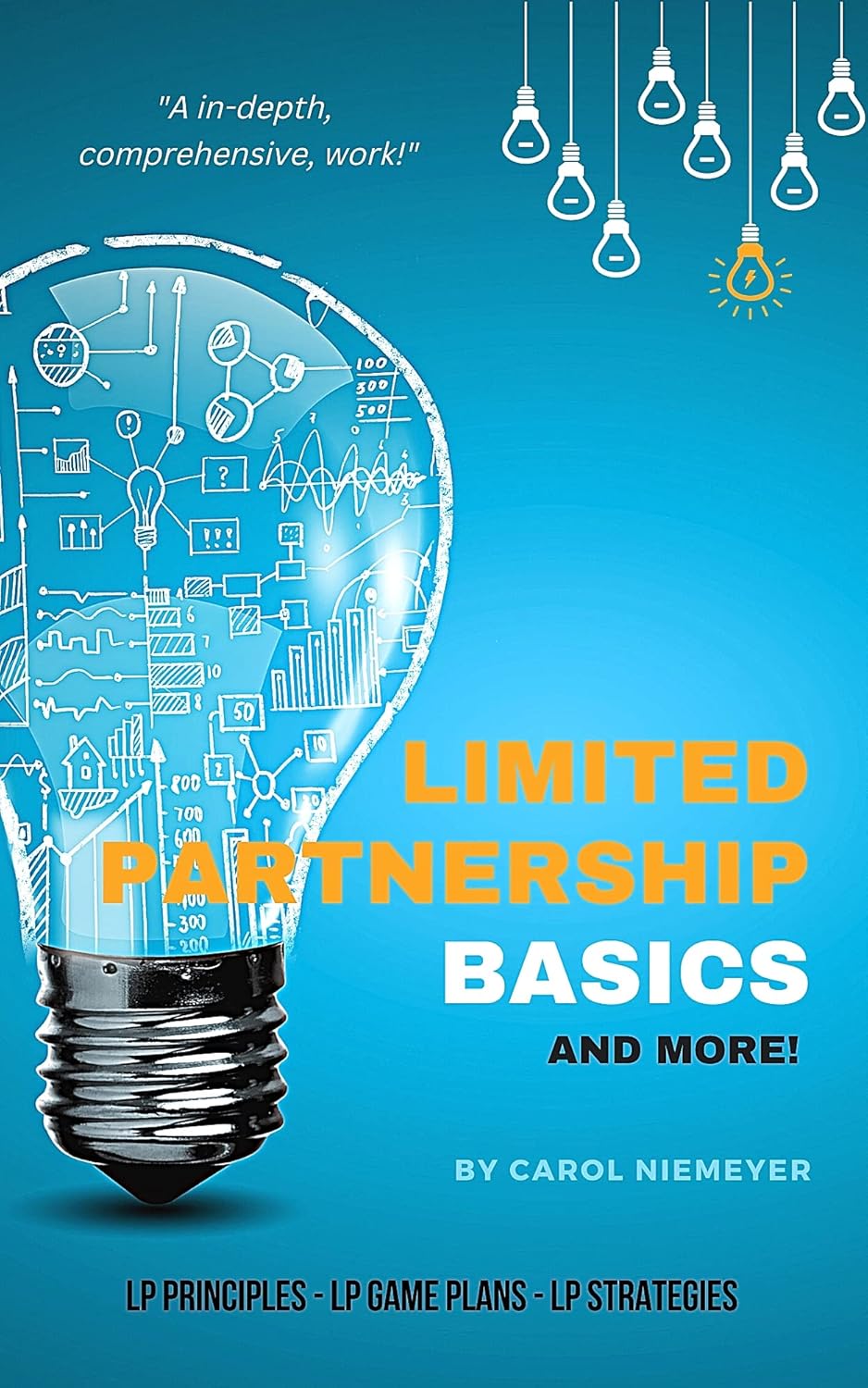

Limited Partnership Basics & More! is a practical, upbeat guide to understanding how limited partnerships work and why they matter. Author Carol Niemeyer breaks the topic down into clear parts: what LPs are, how general and limited partners function, how businesses raise money, how deals are structured, and why LPs can become long-term wealth generators. She mixes explanations with examples of apartments, sport facilities, retail strips, clubs, and even big names like major sports teams. The book sits squarely in the business and entrepreneurship genre, and it aims to show everyday people that investing in or building an LP is possible, even on a modest budget.
I felt like Carol Niemeyer genuinely wants readers to feel empowered. Her tone is enthusiastic, almost cheerleading at times, but that energy makes the material less intimidating. She doesn’t hide her belief that limited partnerships can be “little gold mines,” and she repeats that theme often. I liked how straightforward she made complicated things sound. The writing isn’t heavy. It’s more like someone at a coffee shop leaning in and saying, “Look, this is doable.” Some sections felt dense with numbers, but the charts and simple explanations helped balance things out.
What stood out most was how strongly she emphasizes community and teamwork. The “Friendship Formula,” the examples of friends pooling money, the idea of local athletes or students boosting visibility, it all paints LPs as something built on relationships. I appreciated the reminders about risk and due diligence, even if they’re brief. And while the optimism can feel a bit rosy, her message about people combining resources to build local assets feels grounded. I found myself imagining small towns where these projects really could reshape the local landscape. It made the ideas feel human, not just financial.
By the time I reached the end, I felt like I had been given both a pep talk and a starter toolkit. It’s a motivational, beginner-friendly look at LPs. It’s a book best suited for aspiring entrepreneurs, small-business dreamers, and investors who want a down-to-earth introduction to the structure. If you’re curious about the world of partnerships and want something clear, encouraging, and easy to follow, this book will fit you well.
Pages: 150 | ASIN : B0BS74L4QM

Moving Maggie: A Midlife Moxie Novel
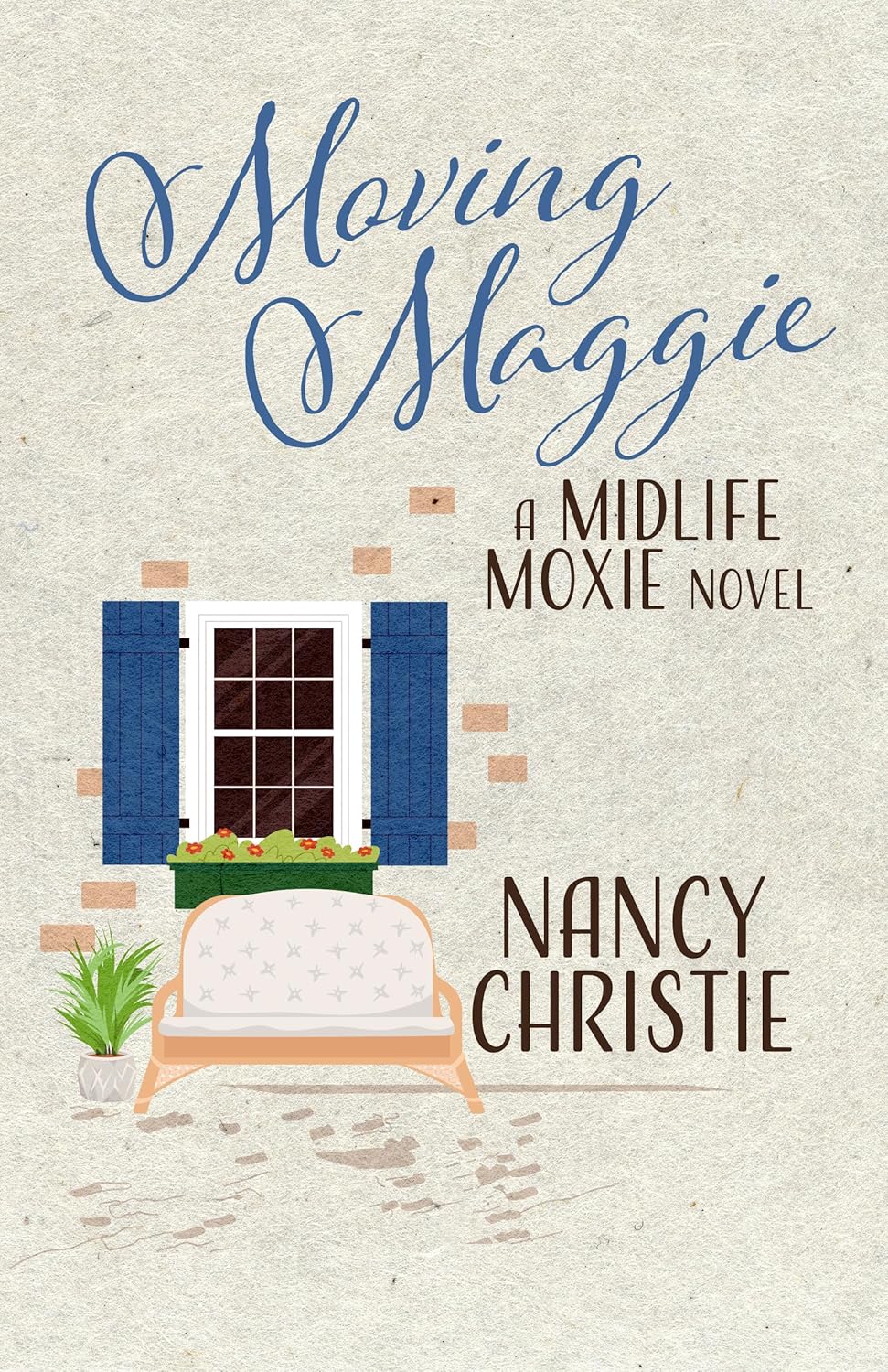

When I picked up Moving Maggie, a novel about a sixty-year-old woman whose life unravels all at once, I thought I knew the shape of the story I was walking into. Divorce, job loss, a sudden move to a rural town that feels both too quiet and too honest. And yes, the book gives you all of that. But what surprised me was how grounded and warm it felt. The novel follows Maggie Cartwright as she leaves her old life behind and tries, sometimes reluctantly, to build a new one in Eden. The plot slowly widens from survival mode to connection and growth, weaving in community, friendship, and a late-in-life courage that sneaks up on her. By the final chapters, where Maggie begins journaling her hopes and small victories, there’s a real sense of arrival, not just in place but in self .
Maggie’s voice is steady but bruised, and I appreciated how author Nancy Christie doesn’t rush her healing. There’s no magical “everything’s fixed” moment. Instead, the book lingers in those everyday tasks that become emotional landmines: cleaning out a house after a marriage ends, sorting through holiday decorations that no longer match your life, deciding what parts of the past are worth carrying into the future. And when new relationships enter the picture, the story doesn’t force romance at the expense of realism. Everything unfolds in a way that feels honest to a woman whose sense of identity has been upended.
I also found myself noticing the author’s choices more than usual. Christie writes with a gentle confidence, giving even simple scenes an emotional undercurrent. The supporting characters feel authentic, not decorative. And the book’s central theme, that reinvention is possible at any age, never turns into a slogan. Instead, it hangs quietly in the background as Maggie stumbles, retreats, and tries again. There’s a moment near the end where she lists the small blessings of her new life, including a child in Eden finally receiving a long-awaited kidney transplant, and it hit me how much the story celebrates resilience without preaching about it.
Moving Maggie is a good fit for readers who enjoy reflective women’s fiction with heart, sincerity, and a strong sense of community. If you like stories about starting over in midlife, rediscovering your own voice, or finding unexpected joy after loss, this one will speak to you. It’s gentle, relatable, and empowering.
Pages: 288 | ASIN : B0DH31PSHV
High School Epic

High School Epic is a coming-of-age YA novel that follows Danielle from the first days of freshman year in 1989 through the messy, funny, dramatic, and sometimes painful moments of early adolescence. The story centers on Dani’s tight bond with her two best friends, her growing fixation on a skater boy named Kevin, and the quieter, heavier ache of her dad’s disappearance two years earlier. Built around friendships, crushes, family fractures, and the small-but-big moments that mark high school, the book blends teen romance and heartfelt drama in a voice that feels both nostalgic and relevant.
I found myself slipping into Dani’s head easily. Her voice feels like sitting on someone’s bedroom floor with the lights low while she tells you everything that’s been happening. There’s a looseness to the writing that works, especially in scenes with Tiff and Kris, who bounce off each other in a kind of chaotic harmony. Their friendship is loud and weird and sometimes exhausting, which is exactly why it feels real. The author leans into those small sensory moments that stick, like the smell of Dani’s dad’s sweater or the warm buzz of walking outside with Kevin after detention, without ever feeling showy. The tone stays grounded even when the drama spikes, which kept me on Dani’s side even when she spiraled or overthought things, which she does a lot.
What surprised me most is how layered Dani’s inner world is. The school crush storyline is fun and sweet and very YA-romance, but running right underneath is this deeper thread of loss and confusion around her dad. Those moments hit in a softer way, like when she tries on his sweater in the attic or clings to old fantasies of him returning. They add weight without dragging the story down. It also made her desperation to feel wanted by Kevin and her friends hit harder. The book captures that strange ninth-grade cocktail of insecurity and longing and sudden boldness, the way you can feel childish one minute and painfully grown the next. It felt honest and familiar.
I found myself thinking that High School Epic will speak most to readers who like contemporary YA that blends romance, friendship drama, and emotional family threads. It’s especially perfect for anyone who remembers the late ’80s or early ’90s, or just loves that vibe in their coming-of-age stories. If you want something that feels like reliving freshman year through a friend who tells it all, the awkward, the funny, the embarrassing, the sweet, this book is worth reading.
Pages: 353 | ASIN : B0FVFCL3YC
Toil and Trouble
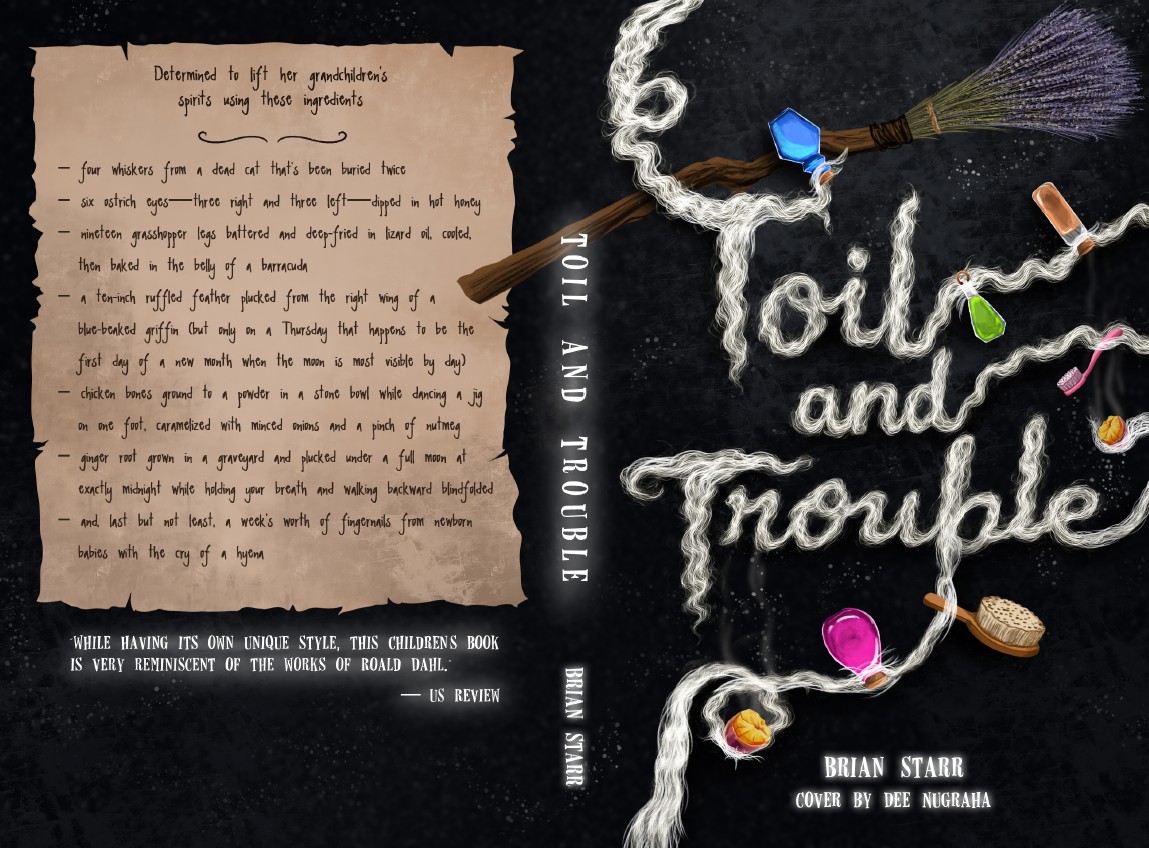
Toil and Trouble follows Martha May McKenzie, a wildly eccentric witch who hides her magic behind a tangle of snowy hair, a questionable eye patch, and a whole lot of chaotic charm. The story kicks off with her zipping across the countryside using a lavender broom she refuses to ride in the traditional way. Soon, her daughter Jamie and grandchildren arrive at Martha’s strange new home, still grieving the loss of Scott, their father and husband. From there, the book tumbles into a mix of heartfelt family struggles, magical mishaps, an unforgettable goat named Bubbles, and a dangerous witch’s council with secrets of its own. It blends grief, humor, and adventure in a story that keeps shifting between tender moments and absolute mayhem.
As I read, I kept catching myself laughing at the sheer weirdness of Martha’s world. The sparkly helper who explodes into sand, the nose-summoning magic, the whistling fish in business suits, even the awful but lovable goat, Bubbles. The writing leans fully into its own silliness, and honestly, I enjoyed that. The author knows how to paint a scene in bright colors. Sometimes the descriptions get a little long, yet I never felt bored because the voice stays playful. It felt like listening to a great storyteller who waves their hands a lot and grins at their own jokes. Beneath all the glitter and goop, though, you can feel the weight of the family’s grief. Scott’s death hangs over everything, and the moments where Martha tries to lift her family’s spirits hit surprisingly hard. I didn’t expect that blend to work, but it does.
The humor comes fast, sometimes so fast it interrupts the emotion. There were somes scenes that would leap into another gag or magical mishap before the emotions of the previous scene can settle in. Still, the characters won me over. Martha is ridiculous in the best way, and Jamie’s frustration feels painfully real. Their clashing personalities create a lot of the book’s energy. The kids bring softness to the story, too. They are grieving but curious, scared but hopeful, and watching them slowly open up again gave the book heart. Even the villains have flair. The witches’ council is both frightening and funny, and their magical poker games made me laugh more than I expected.
Toil and Trouble struck me as a warm and quirky story about family, healing, and the messy ways we try to take care of each other. It is silly, loud, and full of wild imagination. It is also gentle where it needs to be. I would recommend this book to readers who enjoy whimsical fantasy with strong character voices. It is perfect for anyone who likes heartfelt stories wrapped in humor, magic, and a touch of chaos.
Pages: 200
We Are All Travelers

The Hundred Lives of Ashfern the Fox follows the journey of a wise fox from an enchanted forest who, from the moment of his birth, is marked by innate wisdom and an awareness of the past lives he has lived.
The writing in your story is very artful and creative. Was it a conscious effort to create a story in this fashion, or is this style of writing reflective of your writing style in general?
Though The Hundred Lives of Ashfern the Fox is only my twelfth publication, my path has already wandered through many genres. For years I have been drawn toward a more lyrical, breath-like style of writing—words that move with the quiet rhythm of wind through leaves. This book felt like a natural deepening of that evolution.
So yes, the artistry was intentional, but it was also instinctive—my prose simply following the currents it was always meant to follow.
Was it important for you to deliver a moral to readers, or was it circumstantial to deliver an effective novel?
My intention was to illuminate the gentle spirit of animism—the understanding that every stone, river, creature, and tree carries its own life and dignity. I hoped readers might feel a tender reverence for the world around them.
Additionally, the deeper messaging of The Hundred Lives of Ashfern the Fox rose from a very personal place: I wanted to write the book I have needed to read my entire life. I have died a thousand deaths in my own ego, heart, and mind to bring this story into the world, fully illustrated and fully alive.
Beyond its lessons, the book is meant as a lantern for the wandering heart: a source of quiet comfort, a glimmer of hope, and a reminder that we are all travelers in this strange, marvelous, ever-unfolding world.
What is the next book that you are working on, and when can your fans expect it to be out?
My next children’s book, Delilah’s Dreamlight Candles, will arrive on December 1st—a small offering of light for the winter season. Alongside it, I am shaping Books Two and Three of my Godslayer Trilogy, both set to be released in 2026.
The first book, The Infinydon, was my debut novel and was honored with the Literary Titan Silver Award in 2022, a milestone that still fills me with quiet gratitude.
Author Links: GoodReads | Facebook | Website
“IN A FOREST older than thunder and younger than sleep, where moss whispered secrets and the stars forgot to wink, a silver-furred fox was born beneath a lunar eclipse…”
So begins the unforgettable journey of Ashfern the Fox, a creature both wild and wise, born of starlight in a lush, enchanted forest. In this luminous, thought-provoking tale, award-winning author and artist MC Lorbiecke invites readers of all ages into a world where every river stone, fern, and fallen feather holds a spirit of its own.
Told in lyrical, poetic prose and brought to life with rich, fantastical illustrations, The Hundred Lives of Ashfern the Fox gently explores the beauty of impermanence and the eternal rhythm of life, death, and renewal. Rooted in the indigenous concept of animism, the story reminds us that nature is not a backdrop but a living, breathing presence, one that sees, remembers, and loves.
As Ashfern moves through a hundred quiet lifetimes , forgetting, remembering, and becoming, readers are offered a comforting vision of a world where loss is not an ending, but a transformation. This book speaks softly to those carrying grief, reminding them that nothing is ever truly lost; it is only changed.
A perfect companion for quiet moments, thoughtful hearts, and curious minds, The Hundred Lives of Ashfern the Fox is a timeless fable for anyone learning how to let go while holding on to wonder.
The Spiral Can Be Reversed
The Path from Hell to Heaven is a philosophical and psychological map of the ego, tracing how people spiral downward into “Hell” through fear, shame, and denial, and upward toward “Heaven” through trust, openness, and renewal. Why was this an important book for you to write?
Because ego explains nearly every human collapse and ascent, yet most people never receive a practical map for it. I wanted to translate psychological chaos—fear, shame, denial—into a recognizable model anyone could use, the same way we map complex systems in software or business architecture. This book is that missing human blueprint: a self-debugging framework that moves readers forward instead of leaving them looping in abstraction.
How did you come up with the concept of the two-sided spiral of the ego and develop this into a process that readers can implement into their own lives to find clarity and understanding of themselves?
I analyzed patterns before individuals. Ego contracts or expands; there’s no true neutral. Avoiding truth descends, openness creates lift. The spiral metaphor stuck because it captures momentum and acceleration.
To make it implementable, I structured it as an RPM self-awareness loop:
- R – Recognize the ego state you’re operating in
- P – Pause the automatic reaction loop
- M – Move with intentional correction or openness
It’s diagnostic and reversible, giving readers a clear exit path whether they’re descending or rebuilding upward.
I found the ideas presented in your book relatable and appreciated the actionable steps that readers can take to find their own clarity. What were some ideas that were important for you to share in this book?
The concepts that mattered most to me were:
- Ego itself isn’t the problem → closed ego is
- Narcissism is often unprocessed fear wearing armor
- Pain isn’t identity, it’s a turning point
- Ambition without self-awareness becomes self-sabotage
- Recognition of the loop always comes before the escape
And above all—I wanted a book that doesn’t just sound smart, but gets applied and changes outcomes.
What is one thing that you hope readers take away from The Path from Hell to Heaven?
That their ego has directions, and so do they. If they feel stuck, defensive, ashamed, or overwhelmed—it’s a state, not a life sentence. The spiral can always be reversed, rebooted, and climbed. The only real trap is believing the descent is normal and permanent.
This book is a Map of the Ego’s Double Spiral — a journey every individual, family, and society travels between Hell (closed ego) and Heaven (open ego).
Through vivid metaphors and grounded psychological insight, LANOU unveils how pain becomes protection, how protection turns to illusion, and how awakening begins when trust cracks the shell.
You’ll see yourself, groups, and even nations in these patterns:
The wound that starts the descent.
The mask that hides pain through control.
The collapse that breaks illusion.
The trust that starts renewal.
The open ego that frees love and truth.
Structured as a fractal spiral, the book reveals six repeating steps across all scales — from individuals to groups to the world itself. It blends the clarity of psychology with the simplicity of spiritual truth: hell is repetition; heaven is renewal.
Once you see the map, you cannot unsee it.
Reigning Fire
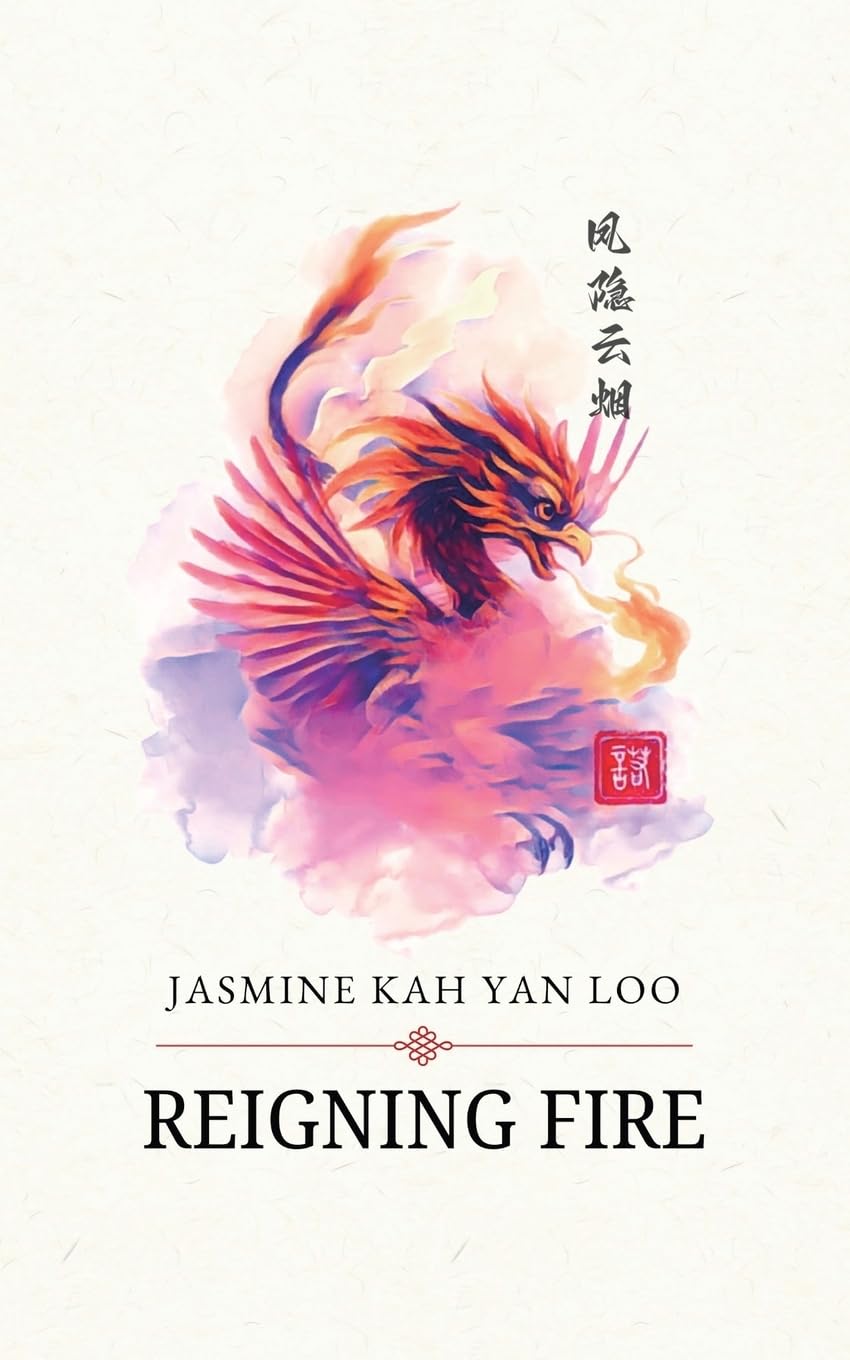
Reigning Fire tells the story of Yan Xun, a princess raised in a world built on Smokeveil magic, rigid hierarchy, and brutal expectations. Her secret Emberkin, a battered phoenix named Mo, marks her as something forbidden. That secret pulls her through a tightening web of palace politics, trauma, hidden archives, deadly trials at the Weaver Academy, and a long, dangerous unraveling of the Empire’s lies about power and worth. The book grows from courtly control to a fierce personal awakening, and the shift lands with real weight.
This book stirred me more than I expected. The writing has this sharp tenderness. Some scenes were very emotional, especially the ones where Xun remembers Kai’s abuse and the way his presence lingers like a stain in her memory. Her trauma does not exist for spectacle. It exists the way real pain exists, slipping into the quiet moments and messing with breath and thought. The training scenes with Xiao in the Dream Realm felt like oxygen, and I kept rooting for Xun to take each tiny step forward. The pacing in the middle swells as secrets pile up, especially once the Forbidden Archives start giving up their ghosts. I loved how the story mixes myth with rebellion and shows how tightly institutions grip the narratives they fear most.
I also found myself pulled toward the characters orbiting Xun. Jin in particular surprised me. His protectiveness has rough edges, but it feels shaped by real loyalty. His anger at what Xun endured is raw, almost reckless, and there were moments where his emotions reached through the page and hit me right in the gut. Even Yan Yun, cold as stone and twice as sharp, grabbed my attention. Watching him justify control while hiding old wounds gave him this unsettling depth. The world feels lived in, politically messy, and morally crooked. I liked that. I liked that nothing felt clean. The prose moves between poetic and punchy, and it never gets stuck in jargon. Sometimes the pacing jumps a bit fast, but I didn’t mind because the emotional beats landed exactly where they needed to.
By the time I reached the final stretch, the story had its claws in me. The revelations about mythic Emberkin, the tension in the archives, the pressure of Xun’s unbonded status closing in, all of it came together in a way that felt both heavy and hopeful. I walked away thinking about cycles of harm, about who gets to rewrite the rules, and about how power shifts when someone finally says no. If you enjoy fantasies that balance trauma recovery with rebellion, or if you like character-driven stories full of secrets, then this book is absolutely for you.
Pages: 330 | ASIN : B0FHQ211VC



 LITERARY TITAN