Tease? No, Please: A Book That Teaches Kids to Just Say NO to Teasing and Bullying is beautifully written and addresses a subject that is not discussed enough at a young age.What was the inspiration for writing this children’s book?
The inspiration for writing this book stems from my passion to reduce teasing/bullying and the emotional impact it has on our children. Schools and schoolyards are meant to be a safe place for children to make friends, learn new things, and have fun. However, for some children, it can become a place of dread and anxiety due to teasing and bullying. The effects of bullying can have lasting psychological and emotional impacts on children, leading to school avoidance, depression, anxiety, and even suicide. All of us have been hurt by words and they may still hurt and haunt us even as adults because they have been conceived in our heart, establishing limitations in our lives. Teasing occurs more often in elementary school, intensifies in middle school, and slowly declines in high school. If we can tackle teasing at the outset during the impressionable ages of 5 or more, we can reduce the occurrences of teasing before it becomes a bigger problem.
What is one thing that you hope young readers take away from your book?
I hope young readers understand the harmful effects of teasing to guide their decision making, particularly the decision to not tease or make fun of others. My objective is for children to grow in empathy, kindness, and compassion.
How do you envision teachers and parents using your book to help children learn about and prevent bullying?
I envision teachers and parents using the book, Tease? No, Please!, to kickstart heart-to-heart conversations around the issue of teasing and bullying. There are many things that we try to explain to children but oftentimes don’t know how to convey in a way that will resonate with young minds. The book will help children to easily understand teasing and bullying from all perspectives – the target (victim), the teaser or bully, and the bystander. The book includes interactive activities that support the topic. Lesson plans are also available for teachers.
Is this the first book in the series for children on learning healthy mindsets? If so, when is the next book coming out, and what can your fans expect in the next story?
This is the first book of the series. The next book will be released in Spring 2024 and is centered around self-confidence. The protagonist (Molly) is faced with a new challenge at school. Stay tuned.
Looking for an engaging book to teach kids at an early age about the effects of teasing and bullying? This is it! Did you know that 73% of students reported that they have been bullied during some point in their lifetime? Created to bring awareness to the negative effects of teasing and bullying while encouraging kindness, empathy and resilience, Tease? No, Please! follows a girl named Molly who is teased at school by her classmate, Jake, when she falls on the playground at the park. Jake’s teasing influences the other kids, and they join him, further hurting Molly’s feelings. In Tease? No, Please! readers will join Molly as she learns how to move on from teasing without letting it affect how she feels about herself.
Throughout this engaging story, children will learn three important ways to handle teasing and bullying before it grows into a bigger and repetitive problem. Through rhymes and relatable examples, children will understand that it’s okay to have fun, but it’s never okay to make fun of others. They will also learn how teasing is like a sneeze, a tornado breeze, and stinky cheese! By the end of this book, children will have a greater understanding of what teasing and bullying are and how to handle these issues effectively. This book includes fun concepts, simple similes, interactive activities and examples of positive self-talk to help readers learn how to prevent bullying and spread empathy, kindness, and compassion. Parents and educators are encouraged to teach children about teasing early to stop teasing and bullying at the outset and foster a healthy mindset of “Tease? No, Please!”.
This essential book encourages heart-to-heart discussions about: Teasing Bullying Confiding in adults Mixed emotions Bystander behaviors Assertiveness Kindness Compassion Forgiveness Self-love Self-awareness
How to Stand Up to Bullying explores the multifaceted nature of bullying, offering practical tools and empathetic insights to confront and redirect these behaviors for readers of all ages. Why was this an important book for you to write?
I wrote, How to Stand Up to Bullying, during a raw moment in my life in which I allowed everything to pour out without holding back, from experiences in my youth to what I’ve learned along the way as an adult. The project, at first, was my personal way of just getting out what I held inside as something therapeutic. When I went back and reread what I wrote, I felt the need to publish it as soon as possible as it was something bigger than me and everyone could benefit from reading.
What is a common misconception you feel people have about bullying?
A misconception is that bullying is a phase in youth believed they will eventually grow out of and parents tend to shrug it off since they may have gone through bullying themselves as children. Some children may require more assistance in standing up for themselves, but if they don’t have the support they won’t always be successful.
What is one piece of advice that someone else gave you about bullying that has stayed with you today?
My mom would tell me when I was young to walk away and that “sticks and stones may break my bones, but names can never hurt me.” The common phrase is not entirely true since name-calling does hurt emotionally and leaves deep scars.
What do you hope is one thing readers take away from your book?
I hope readers take the subject matter series in what leads to bullying in the first place in order for everyone to have a part in standing up to it.
Bullying. Something that is done every second, daily. Don’t need a statistic to be told otherwise. Many don’t even realize they are a constant victim of bullying, as it tends to get buried as an underlying emotion. Many don’t realize they are actually a bully themselves. There are several references for parents to go to in order to help their children stand up against it, but there’s not much for adults or resources depicting why a bully is a bully in the first place. That’s the first step. Before we all can stand up to bullying, we must first understand why a bully bullies to begin with.
Bullying manifests in a multitude of ways, extending beyond the stereotypical playground tyrant hurling insults. In “How to Stand Up to Bullying,” author M.C. Ryder goes beyond merely defining the term. Ryder explores the various manifestations of bullying and attempts to unravel the origin stories of bullies. It’s an exploration grounded in empathy and understanding, seeking not only to define but to comprehend the underlying motivations of bullying.
The essence of this book is not merely to provide insight into bullies but to serve as a comprehensive guide for victims of bullying. It offers a roadmap to navigate those perilous situations when one finds oneself targeted. The crux of Ryder’s argument is that your response to bullying, whatever it may be, is pivotal in determining whether the aggression escalates, continues, or ceases altogether.
“How to Stand Up to Bullying” is marked by its simplicity and direct approach. With a first-person narrative that adds a personal touch, the author establishes a deep connection with readers, further strengthened by the integration of personal stories. Bullying, a subject particularly relevant in today’s society, given its connection to tragic incidents in schools, demands a delicate and considered approach. Ryder succeeds in this regard, offering a thought-provoking conversation starter that explores not only the formation of a bully but the means to guide them onto a more compassionate path.
Despite its brevity, this book is far from superficial. It can be absorbed in a single hour, but its concise chapters deliver substantial impact. There are two key takeaways: first, that bullying is not innate but learned behavior; and second, bullies seek visibility and recognition. These insights are presented with clarity and resonate deeply.
The universal relevance of “How to Stand Up to Bullying” is one of its great strengths. It’s not aimed at a specific demographic because bullying permeates all facets of life, from schools to workplaces and even religious institutions. Ryder accentuates that the stakes increase with age; where a school altercation may lead to the principal’s office, a similar conflict in adulthood may result in legal trouble. Therefore, the book serves as an essential guide for anyone wishing to defuse a bullying situation before it escalates.
Parents may find particular value in this book, as childhood often sows the seeds of bullying. By understanding the pain underlying these behaviors, parents can equip their children to stand up to bullies and ensure they don’t tread that path themselves.
“How to Stand Up to Bullying” by M.C. Ryder is a compelling read that addresses a timely and sensitive issue with care, insight, and practical wisdom. It offers readers not only an understanding of bullies but tools to confront and redirect these behaviors. Whether you’re a parent, a teacher, or simply someone looking to understand this complex issue better, this book holds valuable lessons for all.
Bullying is such an important topic in schools. Unfortunately, parents and teachers are having to find new and more effective ways to cope with this ever-growing problem that impacts students both in and out of school. Teaching ways to both identify and combat bullying early in elementary school is a necessity, and Chrystal Epps-Bean’s book, Tease? No, Please: A Book That Teaches Kids to Just Say NO to Teasing and Bullying offers advice to children in a way they can easily understand.
Any time parents and teachers can utilize literature to help children deal with problems and provide relatable situations, our jobs are made easier. As both a mother and elementary teacher, I can see Epps-Bean’s book as a true asset in elementary classrooms. I love both the use of rhyme to make the book easy to follow and the incorporation of memory tools to help readers remember the provided advice. Readers will quickly pick up on the repetitive language throughout the book.
Differentiating between teasing and bullying is an incredibly difficult concept to teach young children. Even many adults tend to lump teasing and bullying into one category, but this author realizes the importance of making a distinction between the two. Epps-Bean creates a wonderful opportunity for parents and teachers to have some heart-to-heart discussions with children.
Tease? No, Please: A Book That Teaches Kids to Just Say NO to Teasing and Bullying, by Chrystal Epps-Bean is a book that school counselors, teachers, and parents alike will find useful in both instruction and intervention. The memory tools and activities included in the book are priceless tools for helping students distinguish between teasing and bullying and how to effectively deal with both.
Being the new kid in town can be challenging in many ways: Especially when you’re a little different. Let’s face it, kids can be, well . . . not so nice. In this book for young readers, Josephine’s character serves as a beautiful example for both kids and adults, and reminds us that no one should ever Judge a book by its cover.
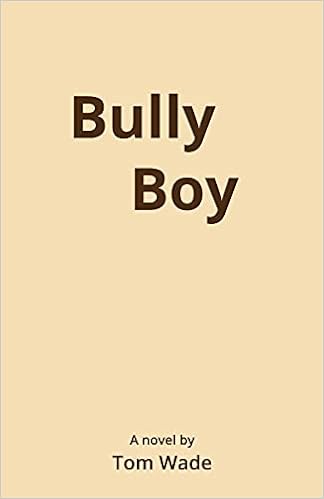
Bully Boy follows a teen boy who has been bullied and abused for years, now he decideds to fight back and get retribution for those that caused harm directly or indirectly. What was the inspiration for the setup to your story?
My idea for Bully Boy basically came from watching the constant real-life stories of physical and verbal abuse still plaguing our school systems. This abuse is being given the reason for a lot of kids acting out emotionally and sometimes tragically through shootings and suicides. And I’m asking myself why is this still happening in 2022? This was going on when we were kids and seems to continue from generation to generation without end, mostly because the adults of each generation can’t seem to control the problem, which is very controllable. It is a problem, admittedly a complex one, that can be resolved. What happens a lot is that the adults blame the kids and the kids blame the adults. Many schools today are doing a better job today addressing the problem, but others are not. So, thinking of all this, I decided to write a story about it.
Are there any emotions or memories from your own life that you put into your character’s life?
I took a look back at my own school years, ages ago, when bullying was part of growing up and only addressed if something very serious happened. I wasn’t a victim as much as Henry Wilton was, but I remembered being a little bullied as a kid and seeing it as well and teachers not doing that much to stop it. But I also remember doing a little bullying, too. I think that’s normal growing up–getting bullied, doing some bullying. We all can take a little bullying. But it’s the constant, consistent harassment and belittling of one person or a group of people, daily, weekly, that leads to the emotional damage. And I find it hard to believe teachers and administrators don’t see some of that. I believe that after researching the subject and writing it for a while, my own anger about this ongoing problem worked its way into the writing.
What were some themes that were important for you to explore in this book?
Several important themes easily relate to this story. Power and control is certainly one of them. Who has the power and who doesn’t and how those dynamics work themselves throughout the school. We all know how that works, don’t we, and we never forget it and take it into adulthood. The themes of injustice and feigned ignorance are important in this story, as Henry tries desperately to bring some order to his life against people trying to avoid the real problem. The theme of how anger and rage can tear a kid apart. The theme of life and death is played out in the book, about how tenuous and uncertain both can be in the teenage mind. But, most important, accountability and responsibility. Who’s responsible and accountable for the abuse problems in a school system? Not just in a school, but the workplace, the home, and anywhere else.
What is the next book that you are working on and when will it be available?
Right now I’m in the planning stages of a novel, so nothing will be available for a while.
Fifteen-year-old Henry Wilton has come to the end of his line. After years of harassment and humiliation, he now must change his young life quickly. He devises a plan that forces him to confront his debilitating fear and anxiety in order to defeat his enemies in school-not just the kids, but the adults who knew what was happening and did nothing to stop it. And he must fight this war alone. A story of growing courage, bitter retribution and final redemption, Bully Boy exposes the raw nature of school abuse, and human behavior, like few novels have done before.
From the very first pages of this thought-provoking young-adult novel author Tom Wade paints a vivid picture of a teenage boy cowed and made miserable by groups of bullies who have victimized him for years. From the first day of the school year, 15-year-old Henry struggles against a system that is determined to keep him down. He gathers the courage to stand up to his oppressors and find retribution, but at a high price to himself. In the end he must make the pivotal decision about his own future — take the ultimate peace that his friends chose or continue to fight.
Henry might be terrorized by bullies, but he has had enough. He begins to stand up to the kids who are violent and abusive as well as to the apathetic adults who are shockingly willing to turn a blind eye. These scenes are heart wrenching but feel authentic. He is a smart kid, and he knows exactly how to push everyone’s buttons, and I enjoyed how sharp his character is. Gradually, readers see Henry change from one of the “meeks” to the biggest bully of them all. He provokes fights to prove his point and he browbeats his teachers into taking action. His character evolution is compelling and makes for an engaging read.
Throughout this enthralling coming of age tale is a simmering undercurrent of menace that will have readers on the edge of their seat. Has the system that failed him created a monster? And, if so, just how big a monster? On more than one occasion, Henry’s musings imply that he has been pushed too far and, just like his nervous teachers, readers wonder if he is going to produce the gun he knows is kept in his father’s desk. The dialogue is another real strength of this book and is used to great effect to both tell the story and build character.
Bully Boy by Tom Wade is an eye opening read that explores contemporary issues in schools with a captivating main character. If you enjoy gripping teen fiction novels that have something important to say, then this is a book you must pickup.
Cool Kids follows a young boy who becomes a bully to earn a spot on the football team, but when terrible things happen to him he wonders if it’s worth it. What was the inspiration for the setup to your story?
My father was my inspiration. He was a great storyteller. It was a time when television was first becoming popular; however, not everyone could afford one. Storytelling still attracted the children on the block and they could not wait to hear the stories about a character he created, Ruffy Butchbang. Ruffy Butchbang was a bully who always got in to trouble. It was the only way he could feel important. In every story my dad told, there was a lesson learned. Each story was so exciting because my dad added his special sound effects. This character, Ruffy Butchbang was embedded in my memory. I too told stories about Ruffy to my children and grandchildren. My sons Ted and Eric knew my father but my grandchildren never did. However, they knew who created Ruffy Butchbang, Grandpa Harry. Now that bullying is a subject in today’s society, it seems perfect to bring Ruffy Buthbang back into the spotlight, and so I created Cool Kids.
How can your book help children, parents and teachers with bullying?
I think Cool Kids offers families and educators a great teaching opportunity. It offers them the perfect opportunity to help a children understand their emotions and social dynamics involved in bullying. It open the door for many conversations, whether your child is bullied or bullying. It allows for different discussions and outcomes and steps to take in various situations. Cool Kids shows kids that changing your behavior to become a bully in order to fit in isn’t being cool. Be true to yourself. It shows that there is a power in kindness and its “cool” to be kind. Discussions about this subject is a great way for families to have an open dialogue with their children.
The art in this book was fantastic. What was the art collaboration process like with illustrator Amelina Jones?
After I wrote my story, I needed an illustrator. Mascot Books sent me the sample works of various illustrators. I chose the one who best fit my story. The drawings of Amelina Jones were perfect. She sent me drawings for each character for approval, even my beagle and matched the characters to the script. We made changes because I did not realize things could be inferred and not need to be seen. We communicated with each other through Mascot Books. When all was said and done, I almost did not see a drastic error. Amelina Jones was from the United Kingdom. My story involved football and she drew a soccer ball. Well, that had to be changed to an American football and it was just in time! She also added her personal touches and I loved it. I must say, I was lucky to work with such a talented illustrator.
What is the next book that you are working on and when will it be available?
I have thought about a second book about RUFFY BUTCHBANG and his adventures, still involving the same characters. In each story, there needs to be a lesson learned. I am thinking about the twists and turns that will take place so teachers and families can have continued dialogue and children will love it. I am a former school teacher so I know that communication between adults and children is so important. The paper and pencil is right by my bedside ready for creative ideas. It will ,come not sure of exact dates.
Winner of the 2021 Family Choice Award Like most kids, Michael and his friends are so excited for their first day at a new school. They have a lot of questions about what to expect, but most of all, they wonder if theyll get to join the football team. That would be the perfect way to start the year! However, Michael soon finds out that its not as easy as he thinks. The team is filled with bullies, and to join, he has to become one of them. In order to be cool enough to get a spot on the football team, Michael has to start changing his behaviorfor the worse! Suddenly, terrible things start happening to him. Finally, he begins to wonder: Was it all worth it?










 LITERARY TITAN