Blog Archives
Sacrificial Lambs


Keith A. Thomas, Jr.’s Sacrificial Lambs is an audacious blend of religious thriller, apocalyptic fantasy, and supernatural war story, anchored in Vatican City and propelled by a “sacred key” described as the Trinity’s “secret recipe…a genetic code” for creating supernatural beings, now stolen and in the wrong hands. The premise is immediately grand in scale. A dark figure, Natas Christopher, rallies monstrous followers under prophecy and the shadow of the fallen angel Nero.
The novel’s most distinctive feature is its voice. The story leans into elevated, scripture-inflected diction. Characters speak in ceremonial rhythms (“ye,” “thou,” proclamations, edicts), which gives the story an operatic, mythic flavor that feels intentionally larger than life. For readers who enjoy biblical cadence and high-stakes spiritual conflict, that tone is a feature, not a bug. It makes the world feel governed by rules older than humanity.
Sacrificial Lambs moves with the momentum of a cinematic set-piece sequence. Divine warnings, secret councils, strange portals, and escalating confrontations that repeatedly widen the scope from personal peril to world-ending consequence. Darr, the archangel sent to intervene, provides a powerful structural spine, functioning as both protector and relentless timekeeper, pushing the Pope and selected clergy toward action. The Vatican setting, paired with supernatural intrusions, creates a satisfying pressure cooker. Faith becomes less an abstract institution and more a battlefield.
Where the book lands most strongly is in its imagery and spectacle. The author has a talent for staging moments that feel designed for a screen. The sense of “prophecy” made physical, and the feeling that sacred spaces can become arenas without losing their awe. The climax delivers on that promise, with Darr and throne guards arriving as judgment is rendered, and Natas Christopher’s threat forcibly contained. The closing beat is also intriguingly sharp. After the supernatural crisis, the story pivots back to human accountability. That final turn reframes the title in a pointed way, suggesting that “sacrifice” is not only cosmic, but institutional and moral.
For fans of theological horror, end-times fantasy, and Vatican-centered intrigue, Sacrificial Lambs offers a confident commitment to its big ideas and an unapologetically maximalist style. I would recommend this book to readers who enjoy supernatural/religious epics with prophecy, angels and demons, and high-drama moral reckonings, especially those who like their thrillers soaked in mythic language and spiritual stakes.
Pages: 356 | ASIN : B0DLDFZ7P1

A Second Chance


A Second Chance follows Mikaila, a teen in 2003 who juggles school, a fragile home, and a growing Christian faith, along with her best friend Chara and an older boy named Asa. Mikaila lives with her grandparents while her mother cycles through untreated mental illness, and Chara recovers from a horrific SUV crash that injures her and leaves her dad in the hospital. As Chara heals, Mikaila begins to have vivid dreams that seem to show the future and even Chara’s funeral, so she believes God has given her a limited window to help her friend turn toward Him. Asa first appears as a nerdy chess champ online, then starts a secret, sexualized chat relationship with Chara and later betrays her by leaking doctored conversations to the whole school, triggering brutal shame and gossip. Through all of this, Mikaila deals with a violent crisis at home when her mother holds a knife to her sister, a deepening faith, and a controlling boyfriend who does not share that direction.
I connected most with the writing when it stayed close to concrete, everyday detail. The short, dated chapters feel like diary entries and move between points of view, so the story hops from bus rides and Golden Girls reruns to hospital rooms and church services without losing the thread. I liked the way early 2000s touches sit in the background. Moments like the knife scene in Kait’s room feel incredibly sharp and cinematic. The prose leaned on repeating certain emotions and openly providing the moral takeaways in dialogue, especially in some of the more spiritual conversations and the sermon at Mikaila’s funeral. It works for the intended readership, and it still registered for me as an honest teen voice.
Asa’s arc stood out to me because it starts with such believable, flirty banter on IM and webcam, then slides into sexual comments, secrecy, and “our little secret” language that made my skin crawl. When the mass email of doctored chats goes out, and Chara gets humiliated and catcalled at school, I felt sick for her, and I appreciated how the book shows not only the initial thrill of attention but also the long fallout and the gaslighting that follows when Asa denies his role. Pairing that plot with the resource list on grooming at the back makes the story feel like both a narrative and a warning label. On the spiritual side, the book leans fully into God speaking through dreams, salvation language, and an explicit view of heaven, yet it is grounded in messy reality, including mental illness, divorce, and flawed Christians. I found that mix surprisingly tender. The focus on a God who sees, and on a faith that has to survive trauma, felt sincere. By the time I reached the last stretch, I was more emotional than I expected. The way things are handled keeps the focus on grief and on the ongoing story of the living, which I liked, and the funeral scene where Chara raises her hand to recommit her faith felt earned after everything she had endured.
I would recommend A Second Chance to older teens and adults who are open to Christian themes and who can handle heavy content around grooming, mental illness, and domestic violence. It feels especially suited to readers in youth groups, Christian schools, or families who want a story that can open up hard conversations about online boundaries, consent, and what healthy love looks like, with a strong emphasis on faith and hope. For the right reader, this book offers a heartfelt, sometimes painful, but ultimately hopeful look at how one girl’s love and faith echo far beyond her short life.
Pages: 345 | ASIN: B0GDG6WZF9

Love’s Journey Home

Love’s Journey Home by C. A. Simonson tells the story of a young boy named Frankie who grows up in deep poverty, family loss, and emotional neglect. The novel begins with children left sitting on a fence while their father disappears, and it follows Frankie as he is forced to separate from his siblings and survive on his own. The book traces his path through hardship, farm labor, fleeting kindness, cruelty, and moments of grace. At its core, it is a coming-of-age story rooted in abandonment, faith, and the human need to belong.
What stayed with me most was the emotional weight of the writing. The voice feels raw and personal, like someone sitting across from you telling their life story without polish or pretense. I felt anger toward the adults who failed these children, and a deep ache during scenes of separation and loss. Some moments hit hard and fast, especially when innocence collides with cruelty. Other scenes linger quietly, almost painfully so. The author does not rush the pain, and I respected that.
The ideas in the book revolve around resilience, faith, and the search for love when family falls apart. I appreciated how love is not portrayed as neat or easy. It shows up in small gestures, imperfect people, and unexpected places. The spiritual thread is strong, sometimes heavy, but it feels sincere rather than forced. I did feel that some characters leaned toward clear good or bad roles, and I wanted a bit more nuance in places. Still, the honesty of the message carried me through. This story felt authentic.
I would recommend this book to readers who enjoy heartfelt stories about survival, family, and faith. It would resonate most with those who like historical fiction rooted in real hardship and moral struggle. It is not a light read, but it is a meaningful one. If you appreciate stories that sit with pain and still believe in hope, this book is worth your time.
Pages: 260 | ASIN : B0BPF65W63
Literary Titan Silver Book Awards
Celebrating the brilliance of outstanding authors who have captivated us with their skillful prose, engaging narratives, and compelling real and imagined characters. We recognize books that stand out for their innovative storytelling and insightful exploration of truth and fiction. Join us in honoring the dedication and skill of these remarkable authors as we celebrate the diverse and rich worlds they’ve brought to life, whether through the realm of imagination or the lens of reality.
Award Recipients
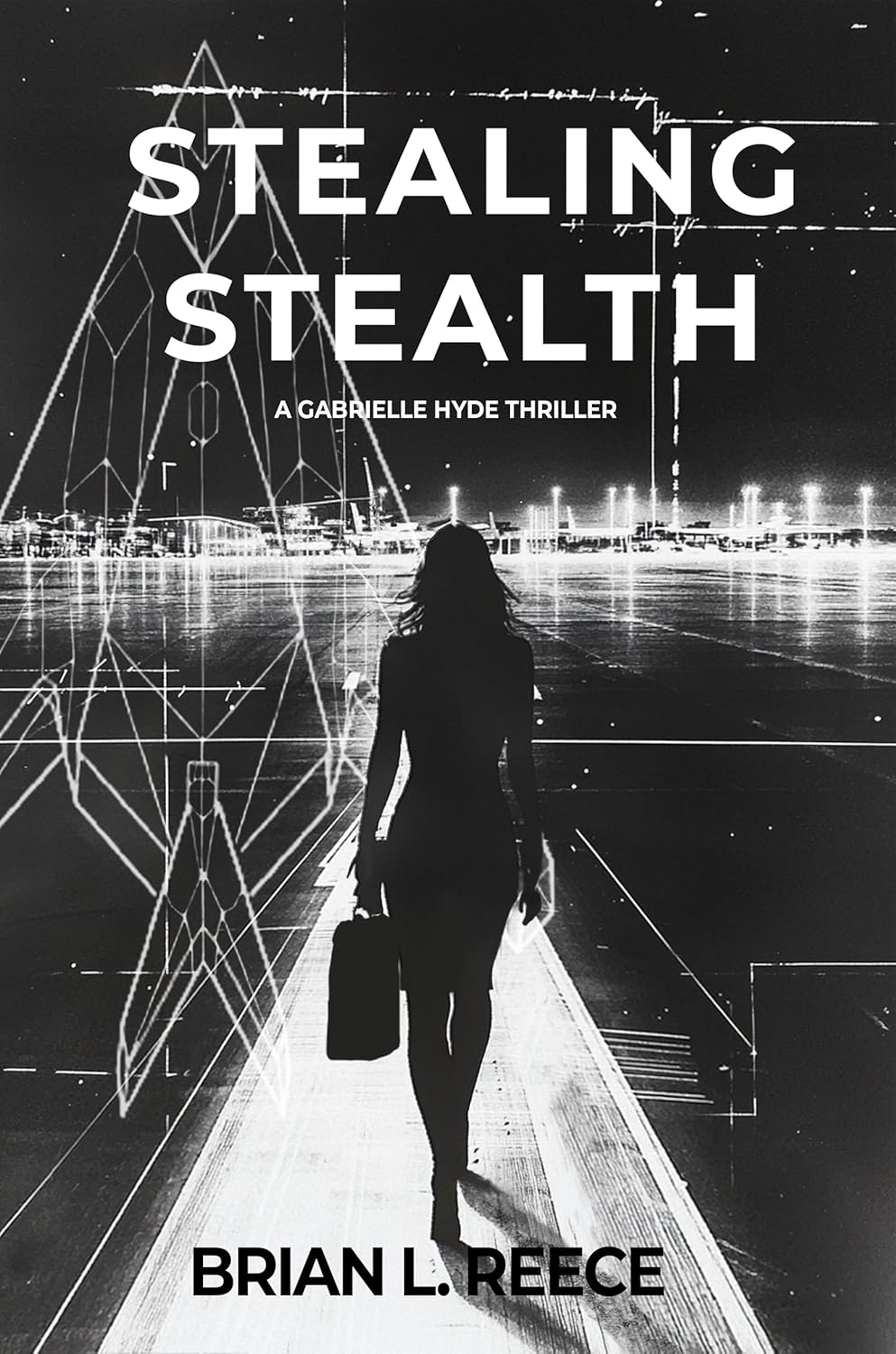

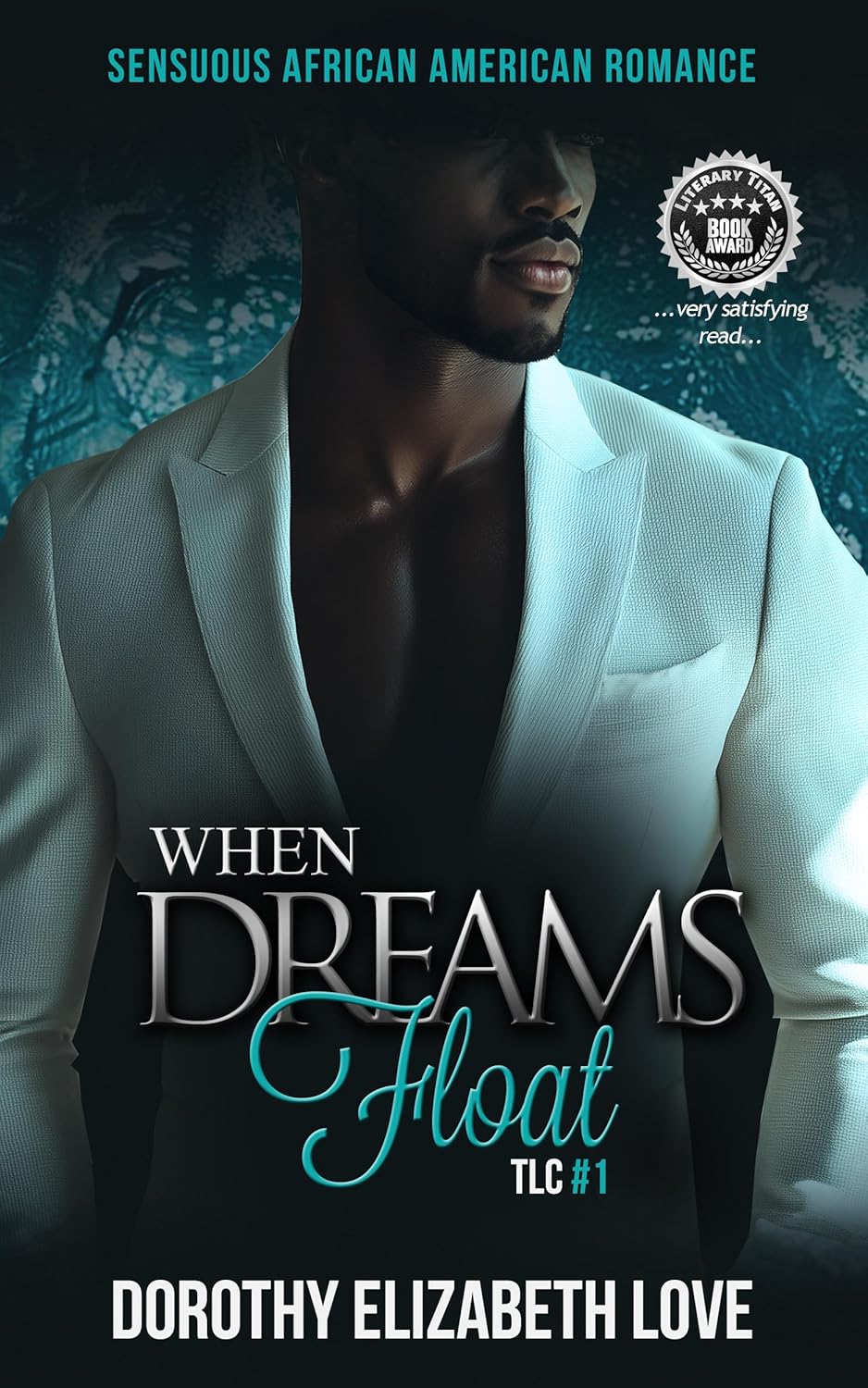


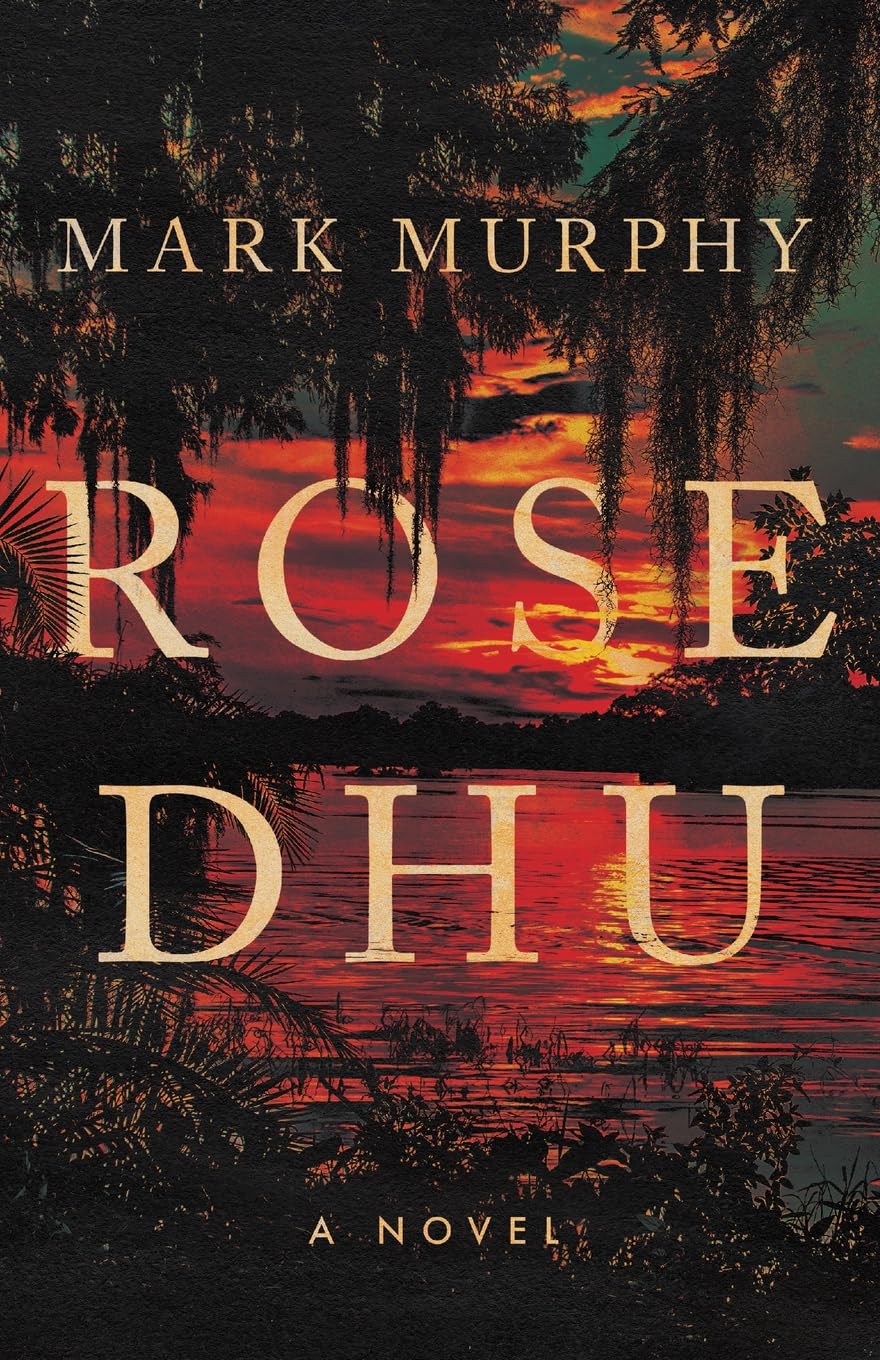
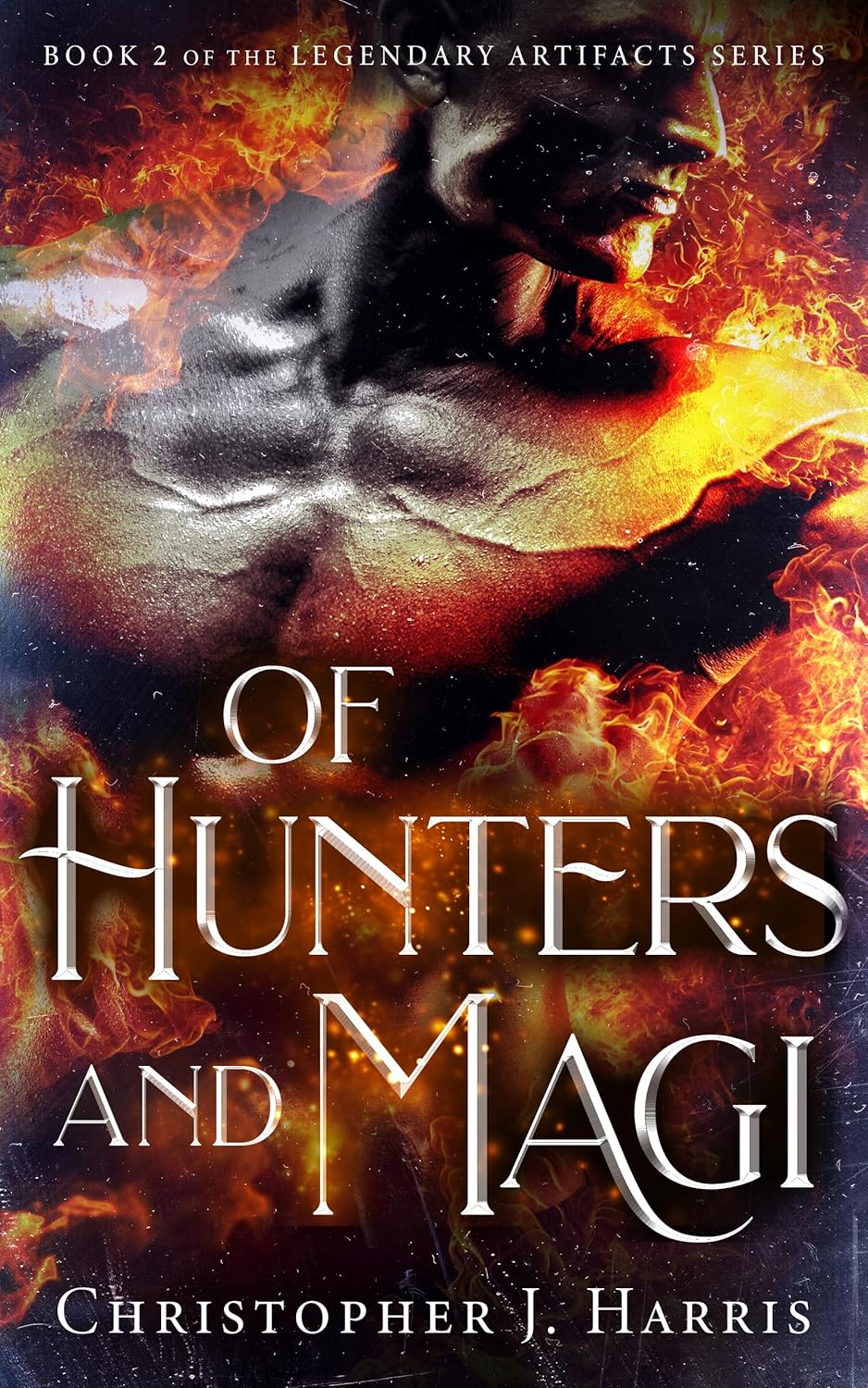


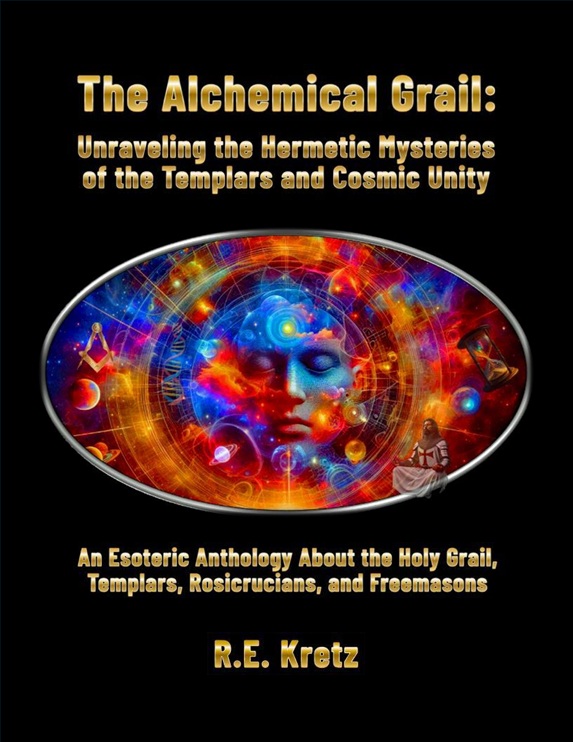
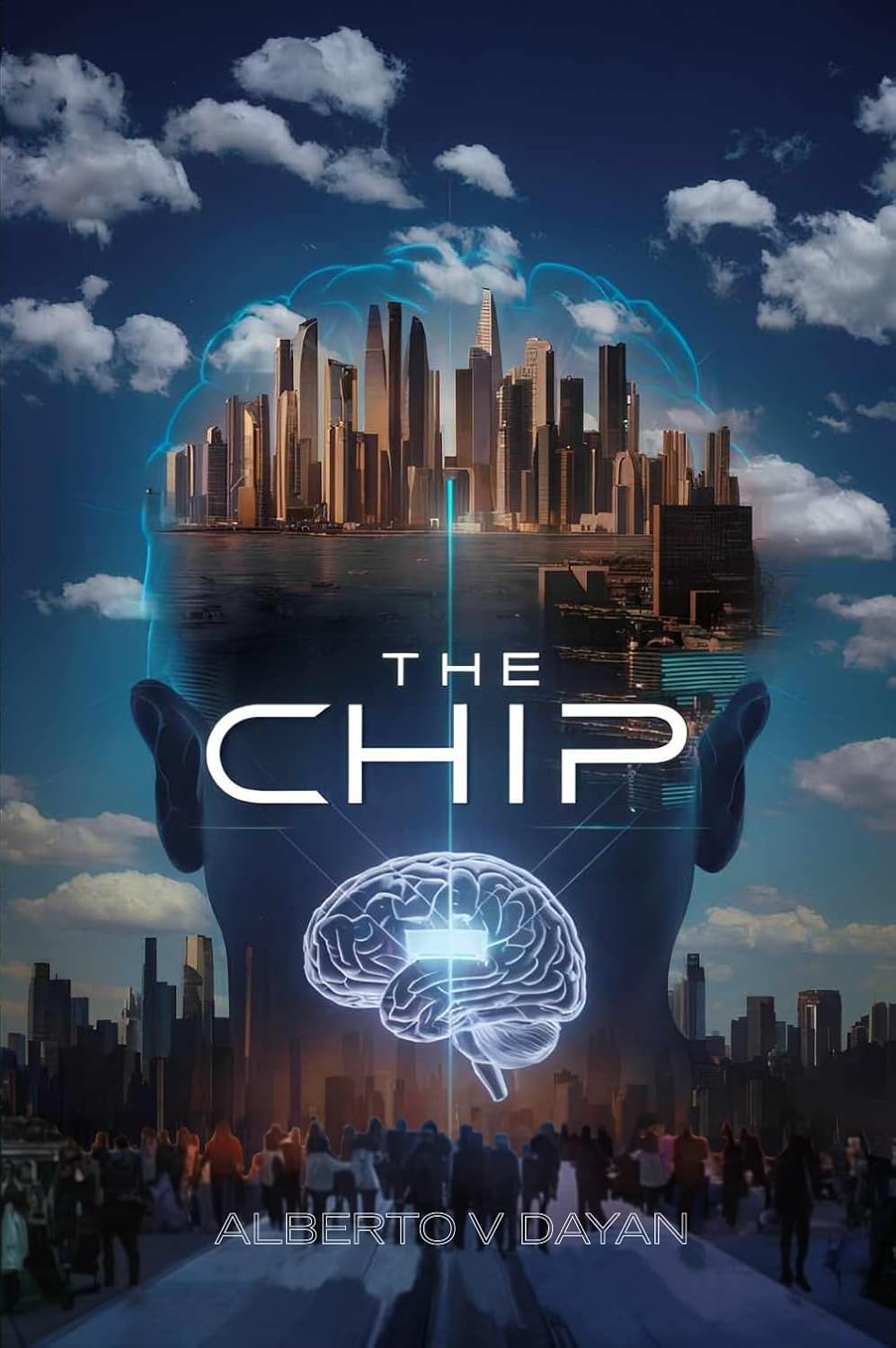


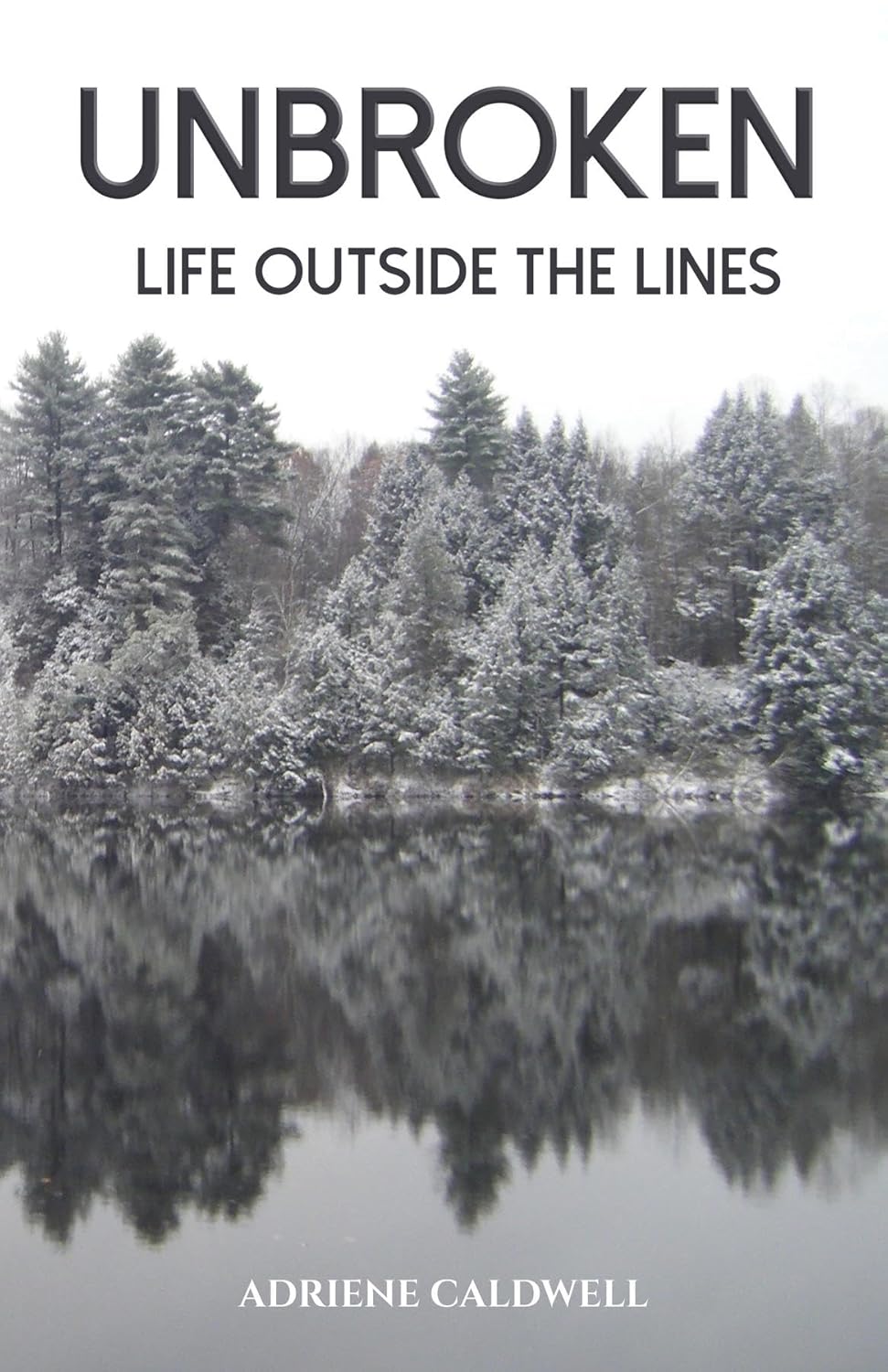
















Losing Mom by Peggy Ottman
This Is For MY Glory: A Story of Fatherlessness, Failure, Grace, and Redemption
Toil and Trouble by Brian Starr
Visit the Literary Titan Book Awards page to see award information.
The Living Bridge
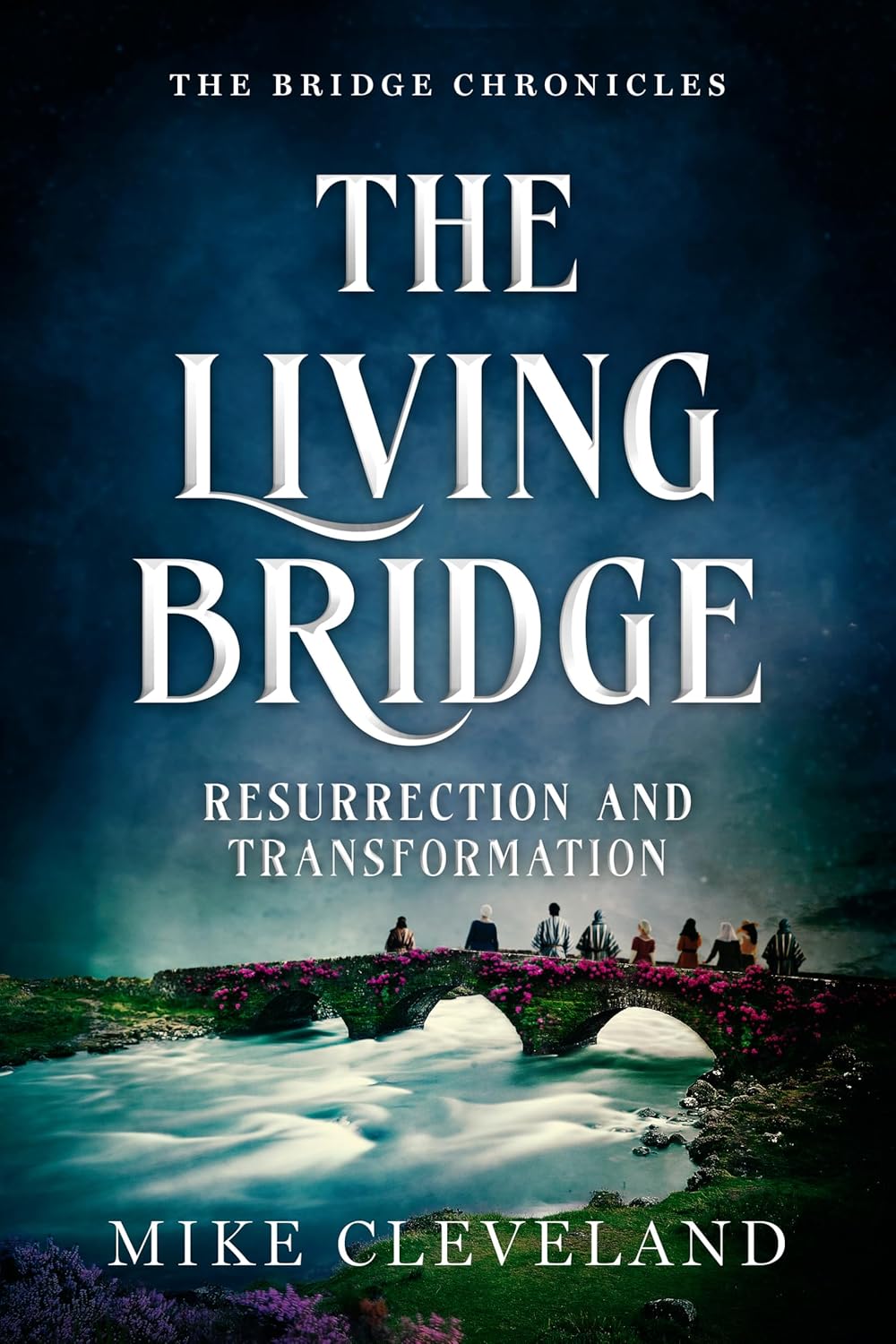
The Living Bridge is a work of Christian allegorical fiction that weaves together the stories of five broken people whose lives intersect in the shadow of a shattered bridge between Eastlight and Westshore. The book follows Mary, Lydia, Matthias, Cleopus, and Tamar as each carries grief, guilt, or despair to the riverbank where everything once fell apart. Their stories unfold in three movements that chart their journey from damage to darkness to eventual restoration, all centering on the arrival of a mysterious teacher named Geshriel, whose presence begins to mend what the earthquake destroyed. The opening chapters set the tone well, especially Mary’s torment under “Legion” and her stunning moment of deliverance, and Lydia’s aching exile from her family across the broken river.
As I read, I found myself reacting less to the plot mechanics and more to how the author frames suffering. Cleveland writes with a kind of steady compassion, letting each character’s pain breathe before offering any hint of resolution. Mary’s chapter in particular struck me. Her inner world felt raw and believable, and the moment her mind finally quiets when Geshriel calls her “beloved” is one of the more affecting scenes in the book. The prose is simple, almost plain at times, but it works because the emotional beats land without being dressed up. It felt like sitting with someone who has been wounded for so long they’ve forgotten anything else is possible. The author doesn’t shy away from darkness, but he also doesn’t exploit it. Instead, he uses it to build a kind of slow, patient hope.
There were moments when I paused, not because the story demanded it but because something in the writing touched on familiar human questions. Lydia’s longing for her daughters across an uncrossable river is written with a tenderness that feels lived-in rather than symbolic. Matthias’s crushing guilt over the collapse he caused, and the way he interprets every failure as further proof of his curse, could have felt melodramatic, but it didn’t. His scenes carried the weight of someone who can’t imagine forgiveness applying to them anymore. Cleveland seems most comfortable when exploring how shame isolates people, how grief reshapes their days, and how mercy begins as a voice they aren’t even sure they heard correctly. Sometimes the metaphors are quiet, sometimes they shine brighter, but they always feel in service of the characters rather than the other way around.
The book’s message is clear without being heavy-handed. The “living bridge” isn’t just a rebuilt structure but a person, a sacrifice, and a way back home. This won’t surprise readers familiar with the genre, but it still lands because the characters’ journeys make the message earned rather than assumed. If you enjoy faith-centered fiction, particularly stories that blend biblical echo with imaginative narrative, this book will likely resonate. Readers who appreciate character-driven arcs of healing and gentle spiritual allegory will find plenty here to sit with. And for anyone who has ever felt stuck on the wrong shore of their own life, the book offers a quiet reminder that bridges can be rebuilt, even when you’ve forgotten how to hope.
Pages: 227 | ASIN : B0FX5WS62Y
Literary Titan Book Award: Fiction

The Literary Titan Book Award honors books that exhibit exceptional storytelling and creativity. This award celebrates novelists who craft compelling narratives, create memorable characters, and weave stories that captivate readers. The recipients are writers who excel in their ability to blend imagination with literary skill, creating worlds that enchant and narratives that linger long after the final page is turned.
Award Recipients

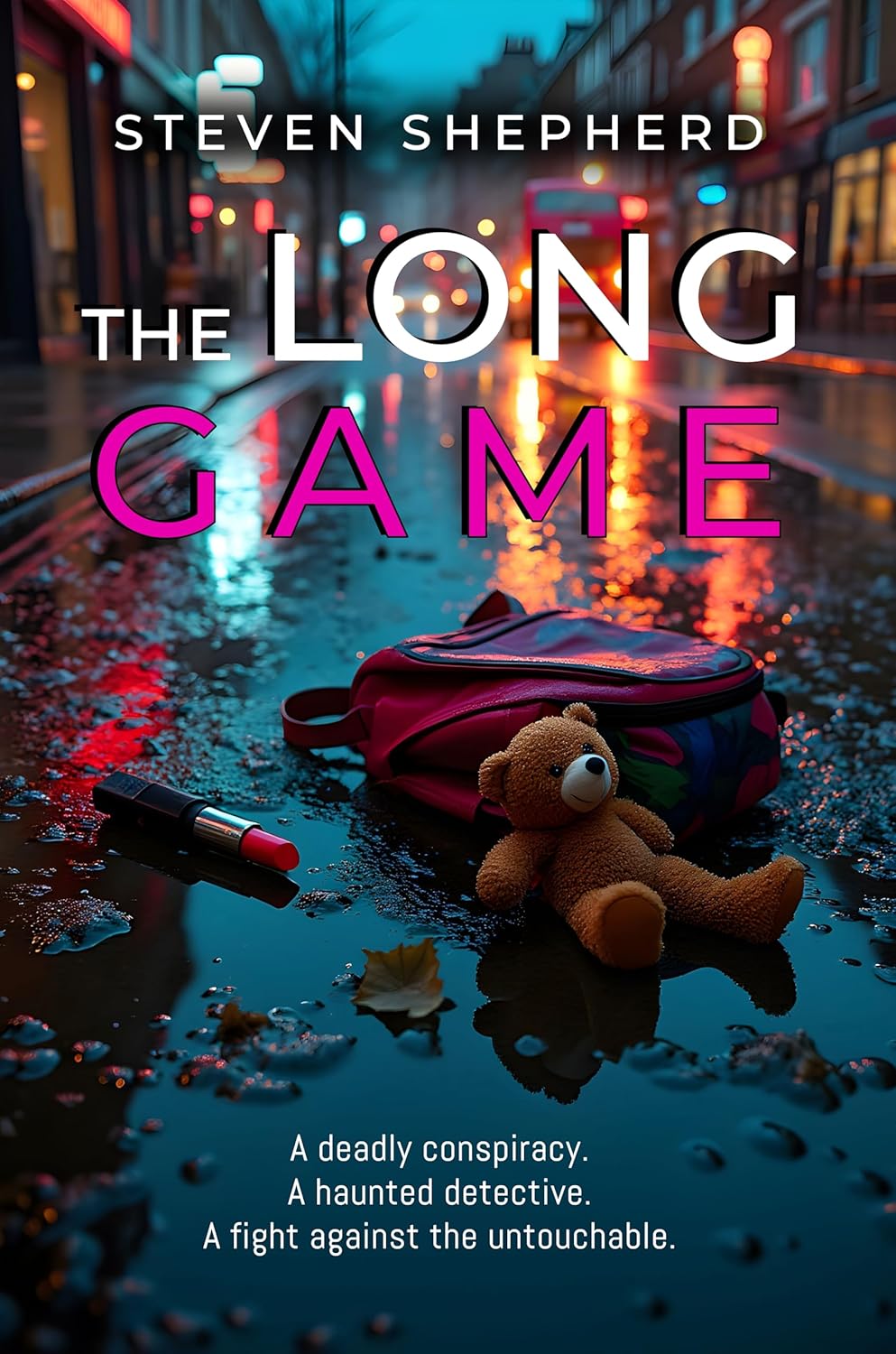


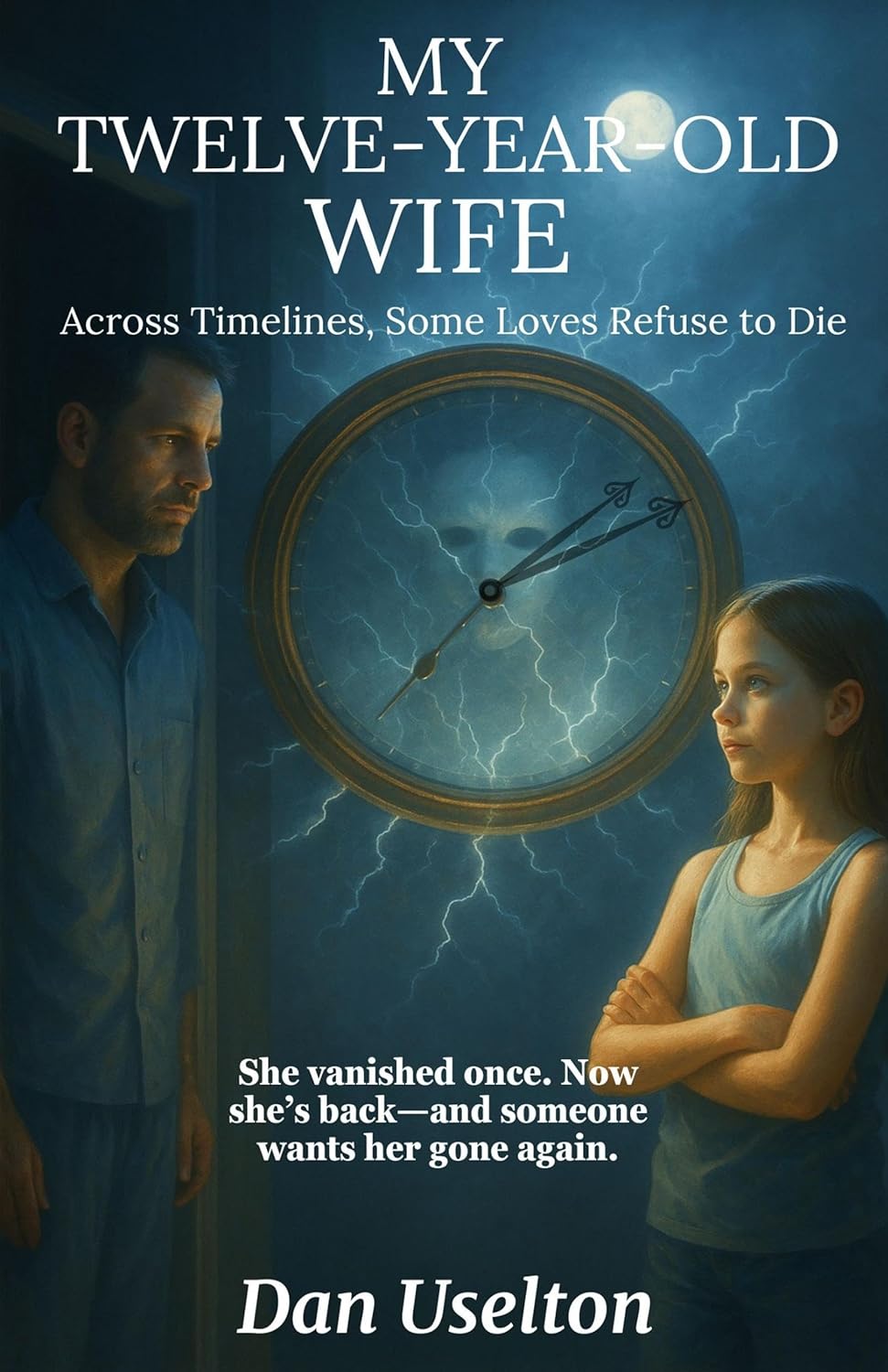
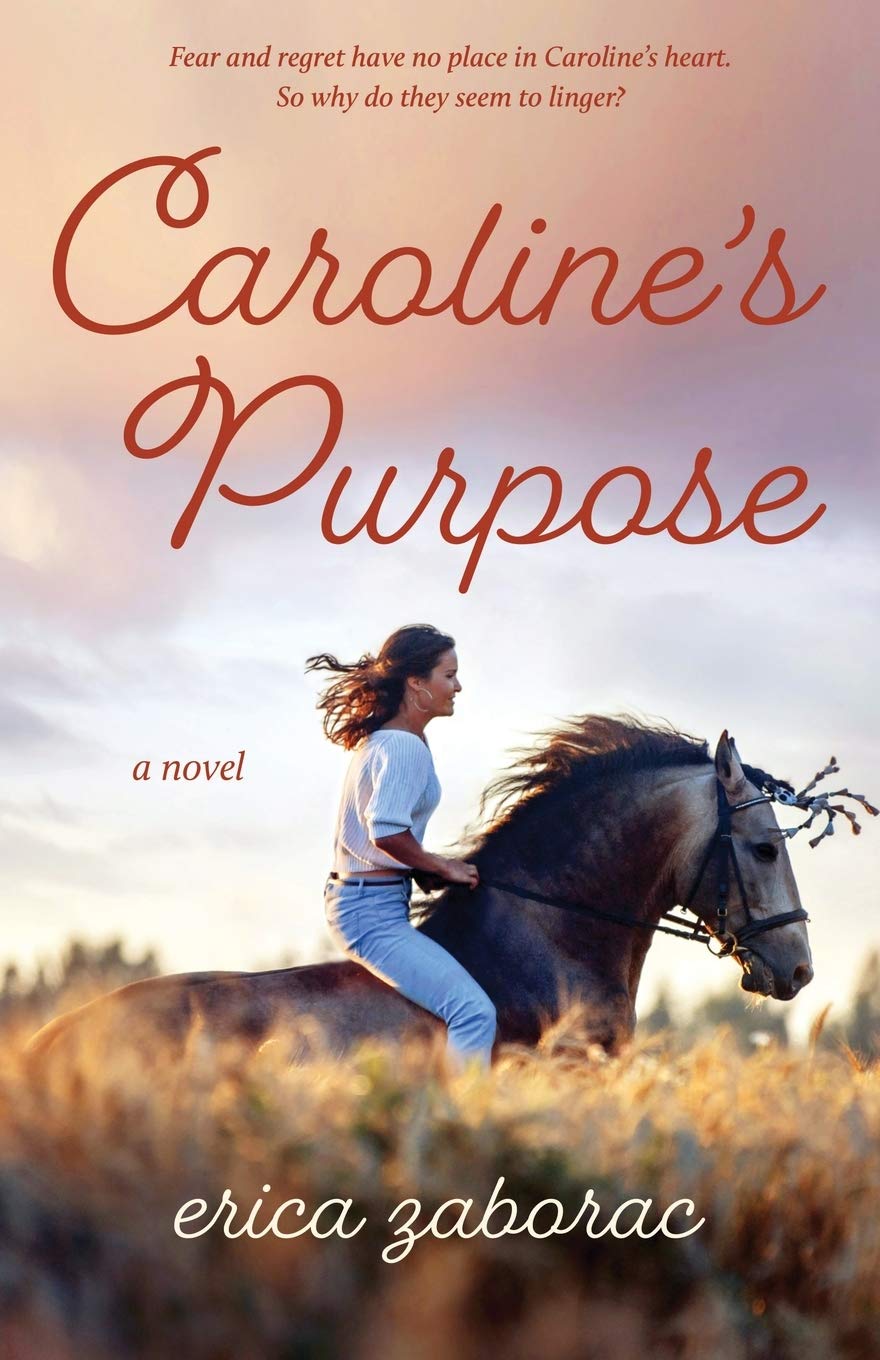


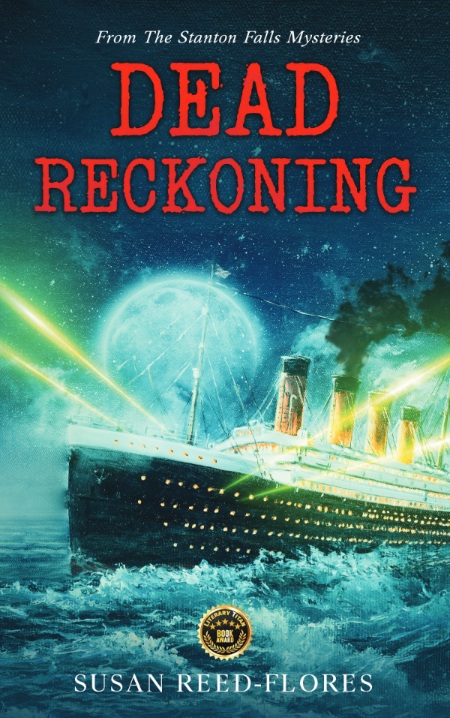

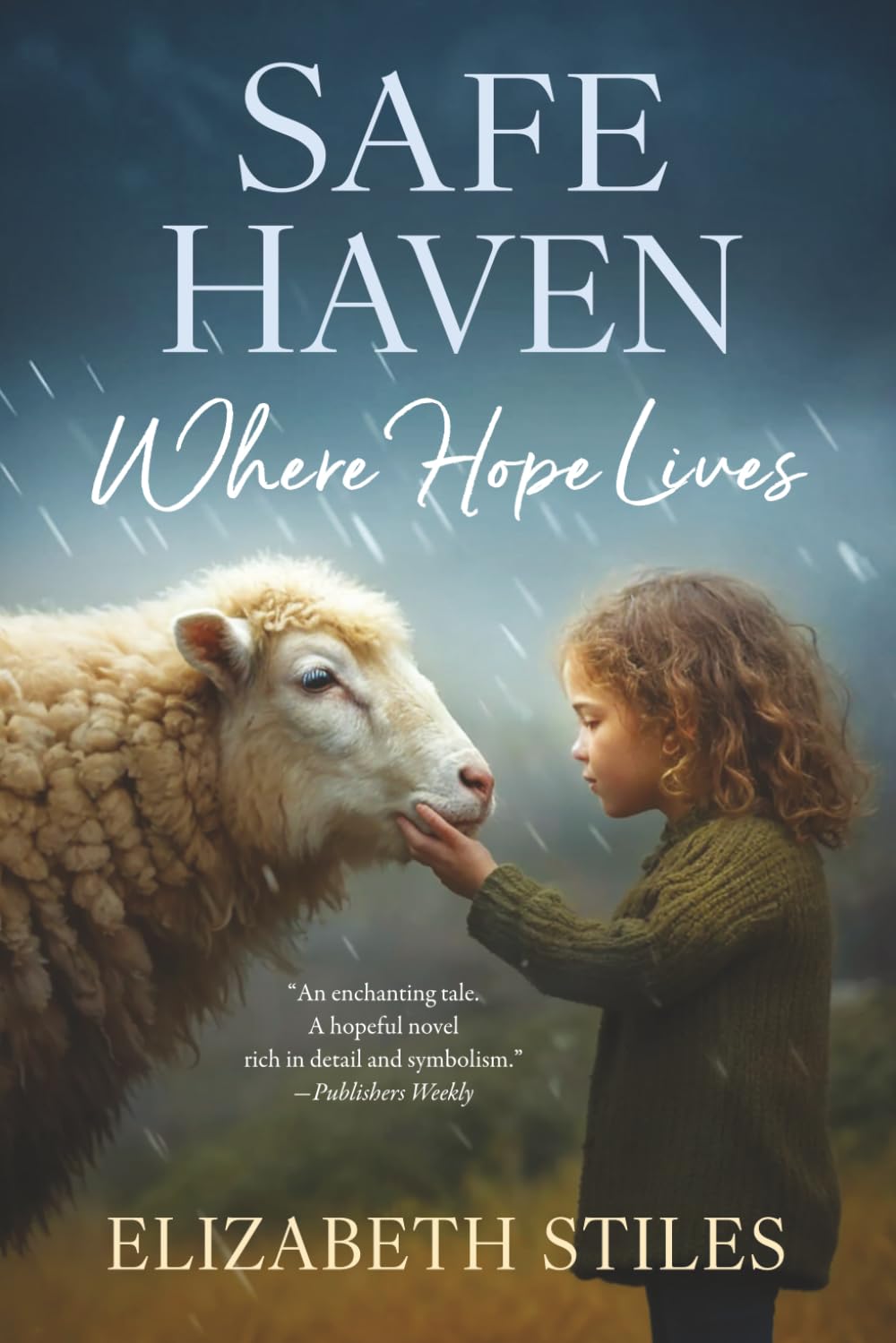

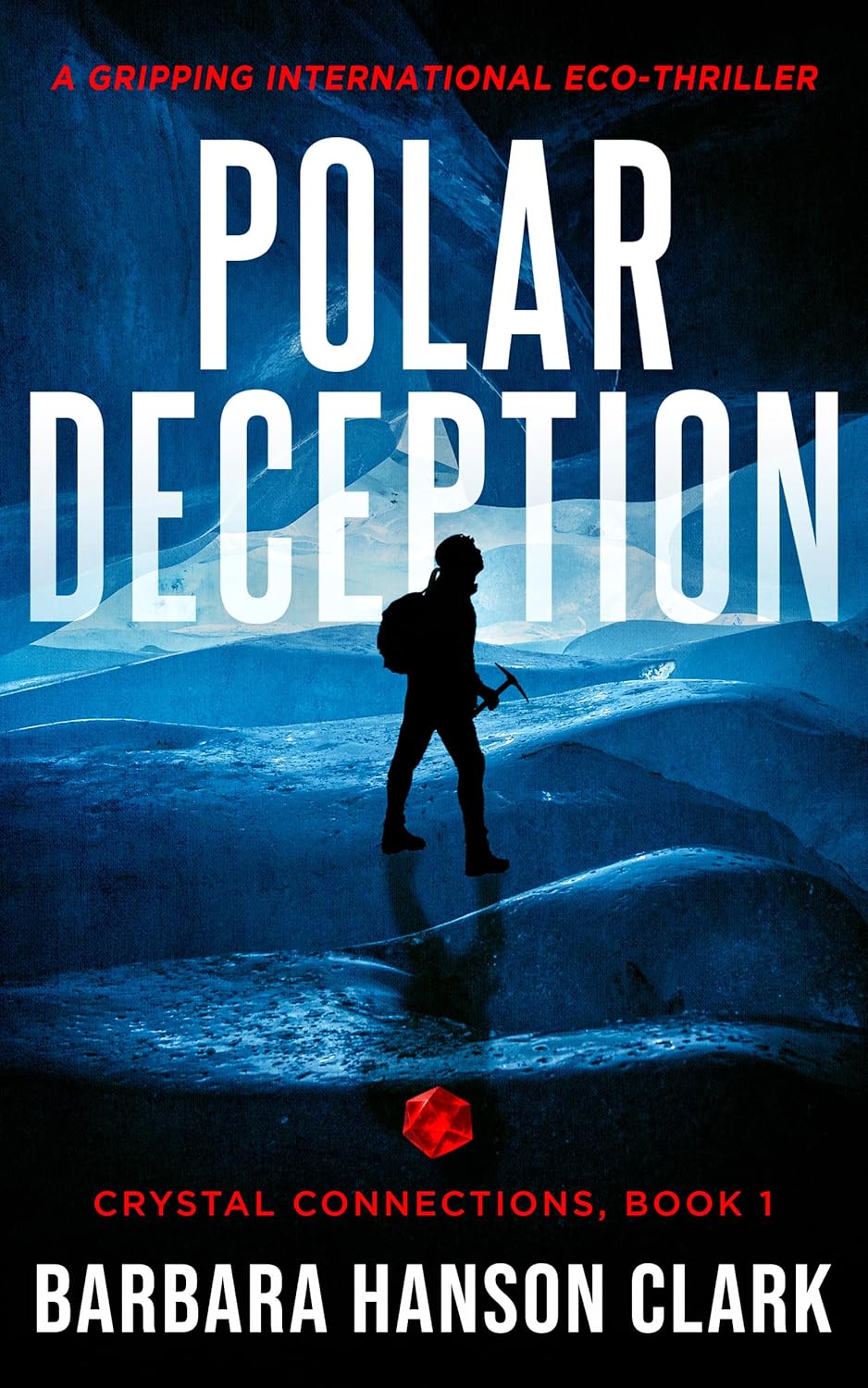
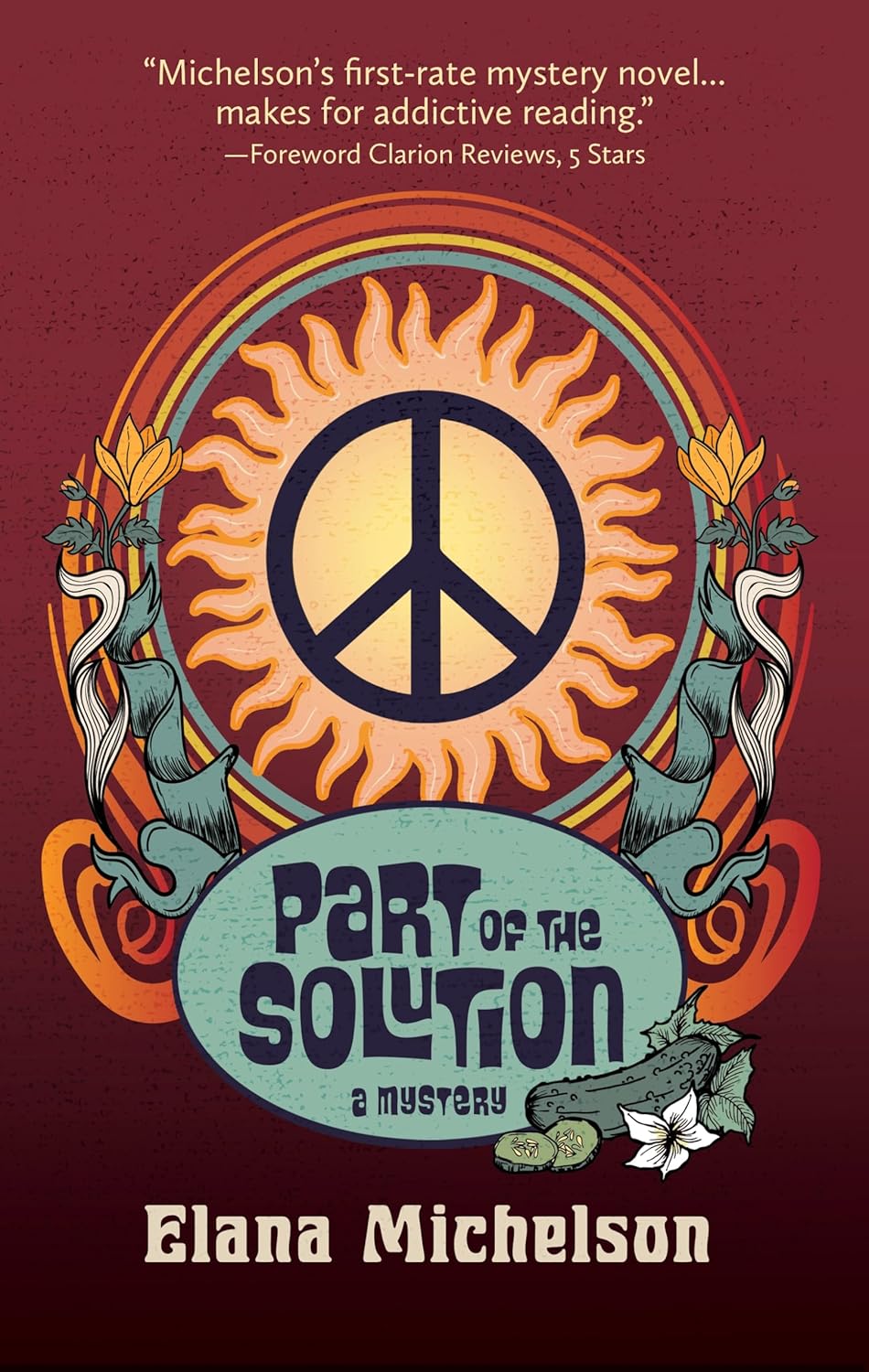


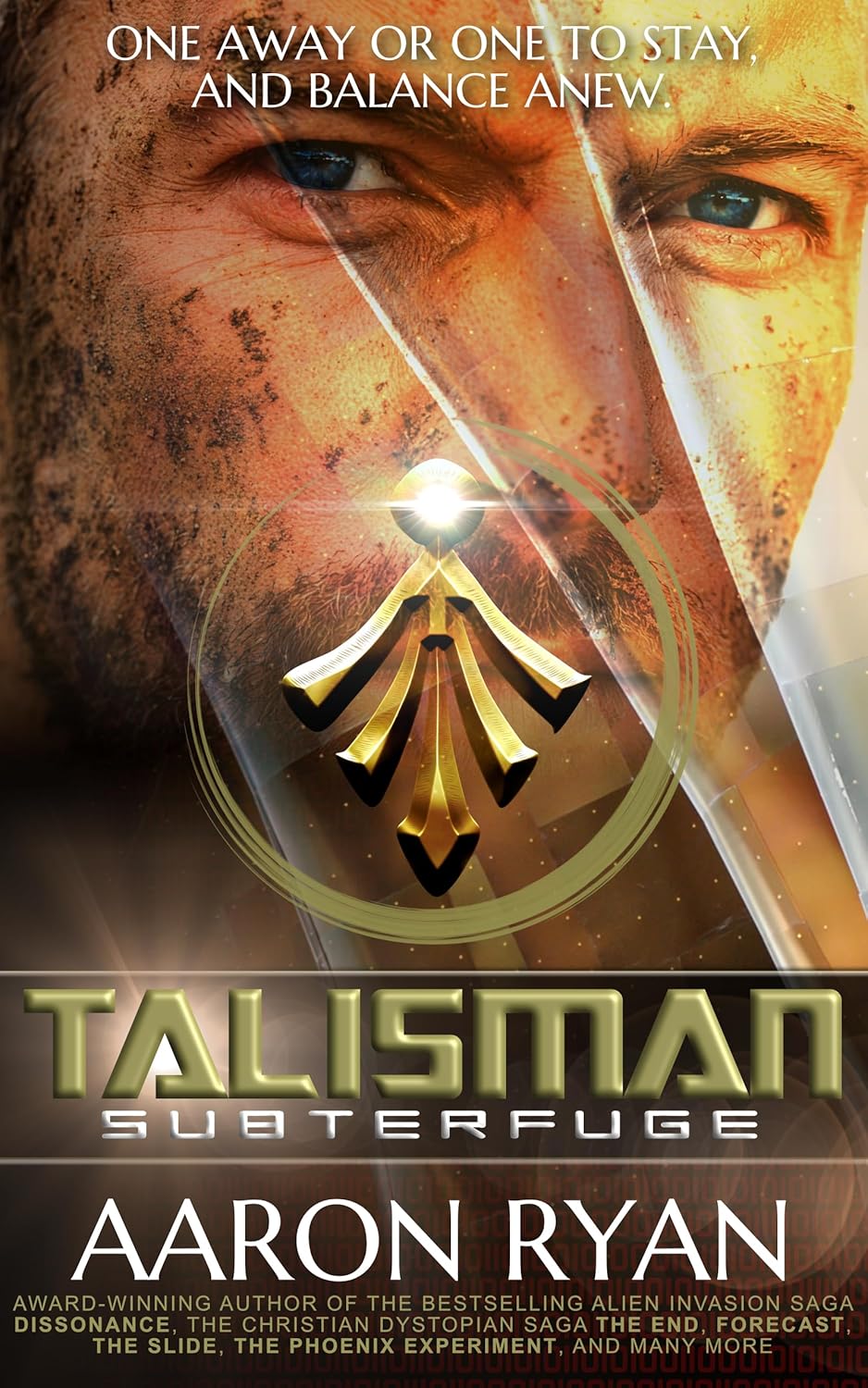




















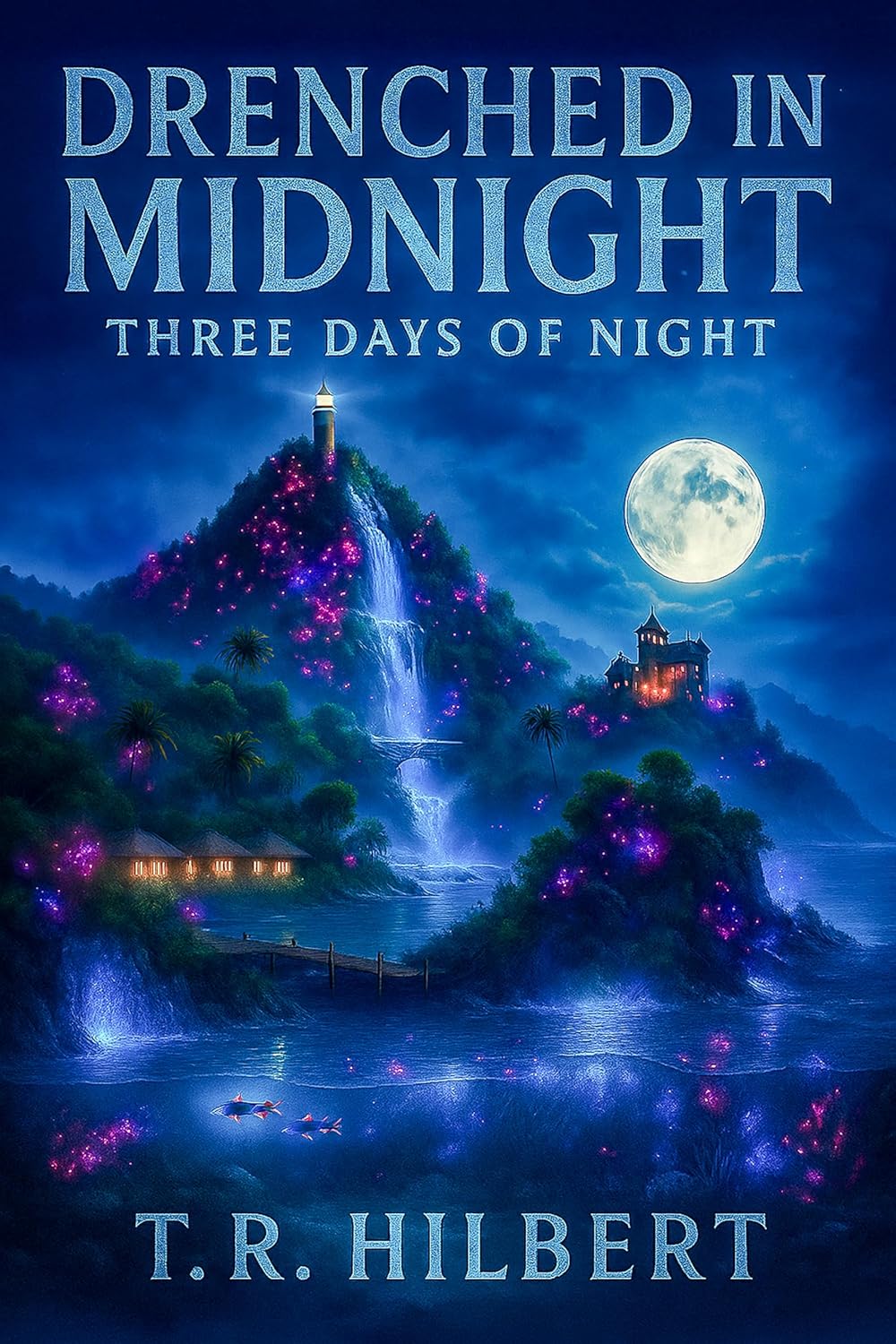
Talthybius by Jessie Holder Tourtellotte and Nathaniel Howard
Golem Mine by Donald Schwartz
A Trail in the Woods by Mallory O’Connor
Messenger of the Reaper Part 2 by Jimmy Straley
Missing in Lincoln Park by Staci Andrea
Medusa: Or, Men Entombed in Winter by Kyle Farnworth
Visit the Literary Titan Book Awards page to see award information.
Literary Titan Silver Book Award
Celebrating the brilliance of outstanding authors who have captivated us with their skillful prose, engaging narratives, and compelling real and imagined characters. We recognize books that stand out for their innovative storytelling and insightful exploration of truth and fiction. Join us in honoring the dedication and skill of these remarkable authors as we celebrate the diverse and rich worlds they’ve brought to life, whether through the realm of imagination or the lens of reality.
Award Recipients
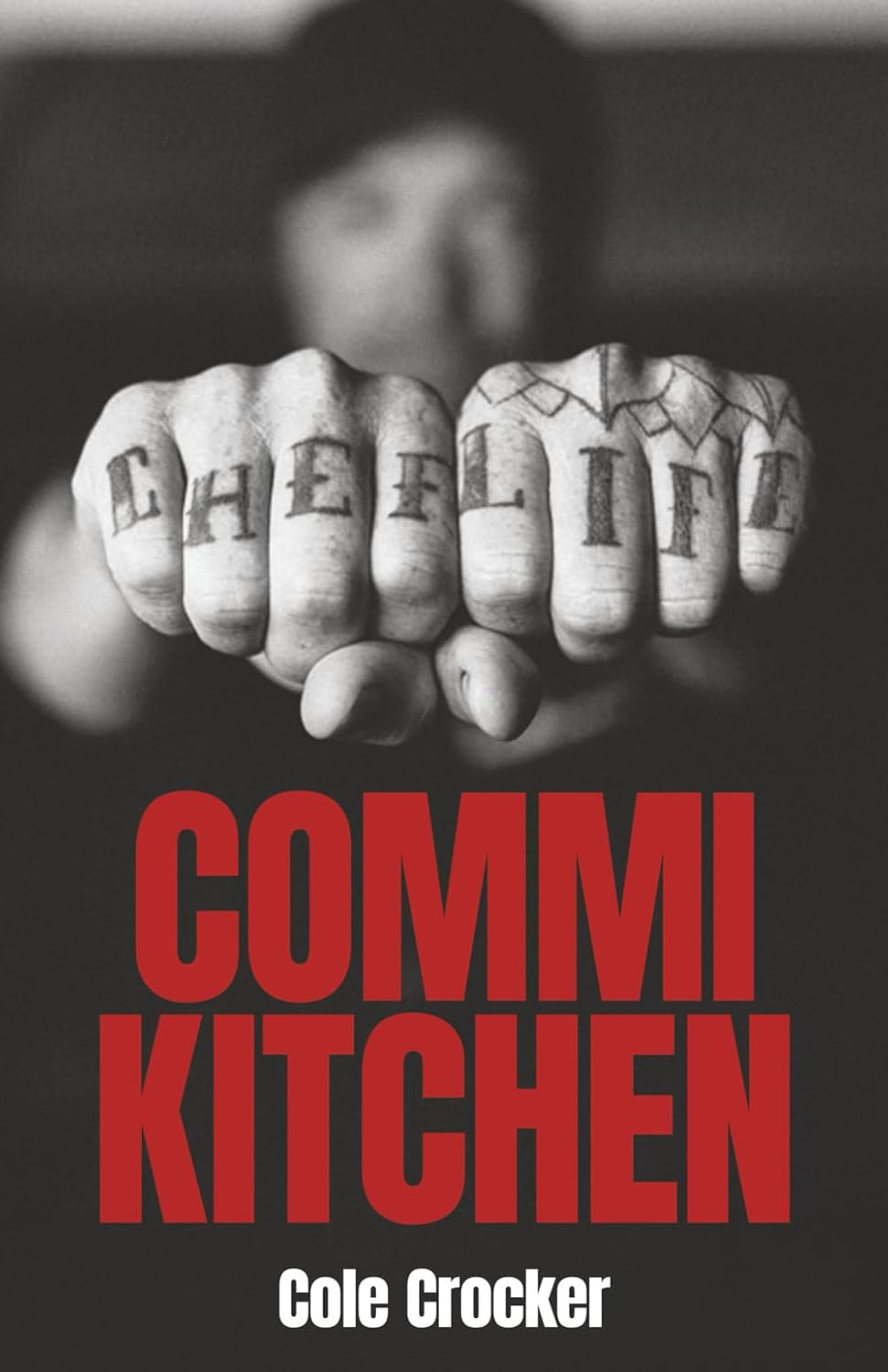
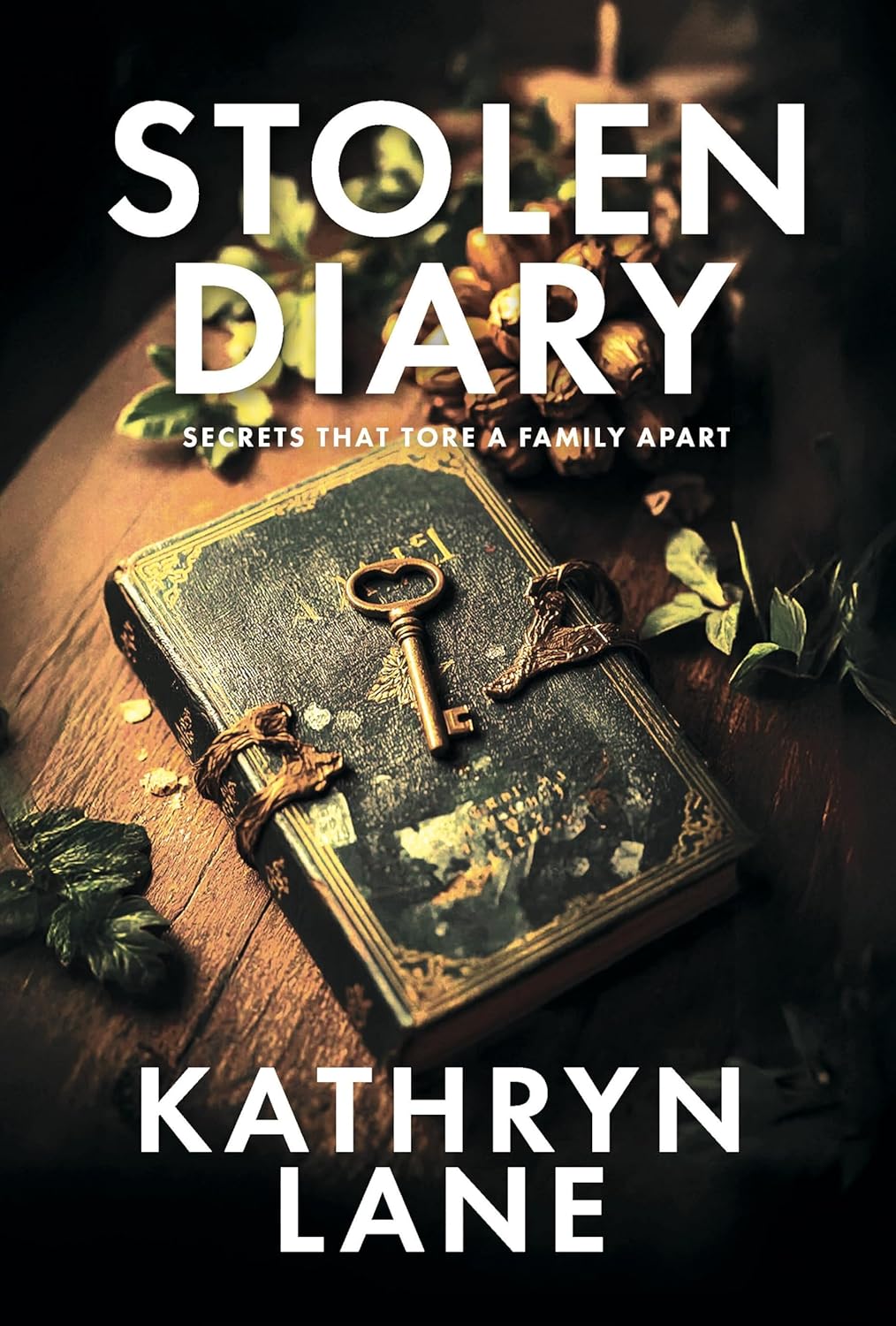
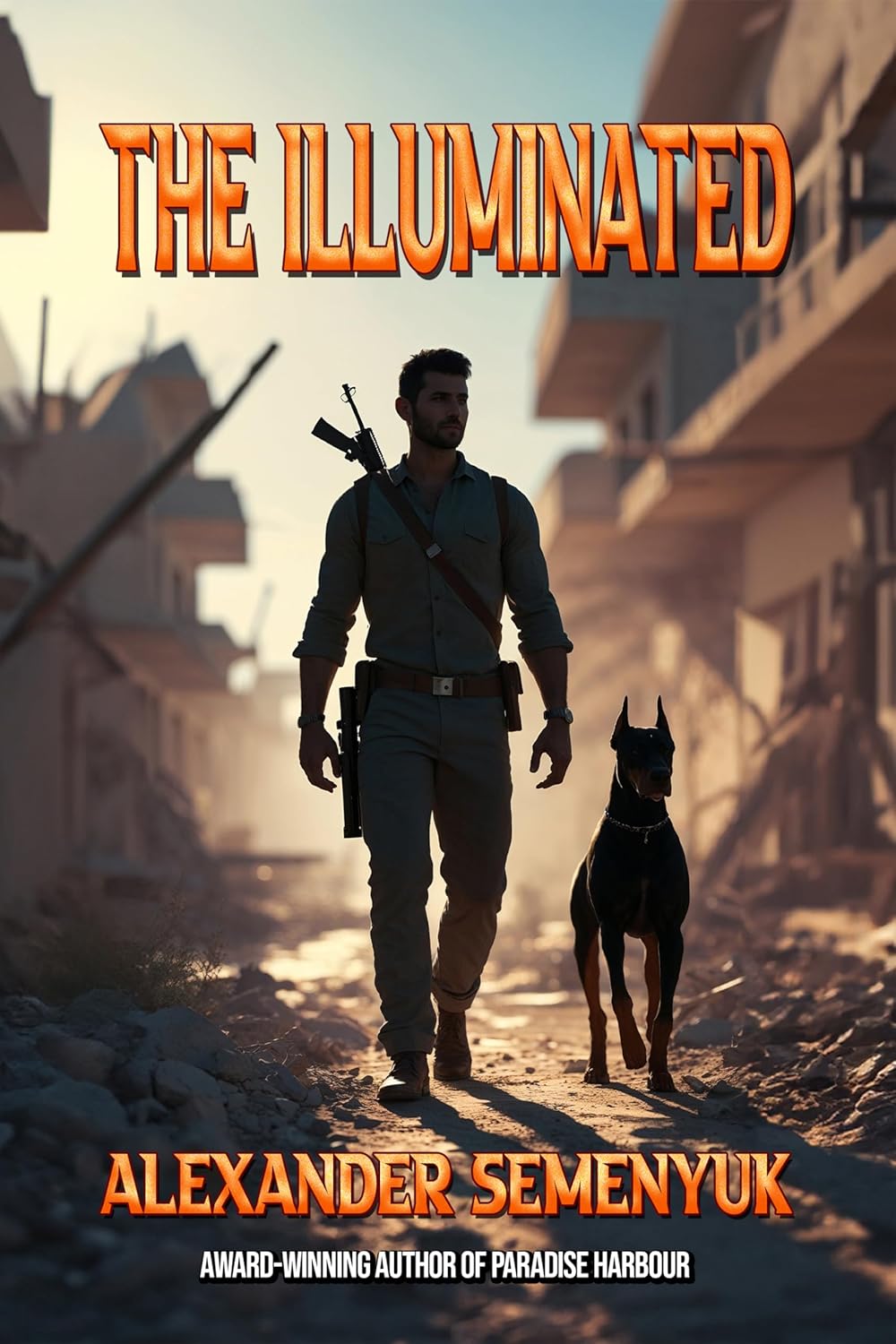

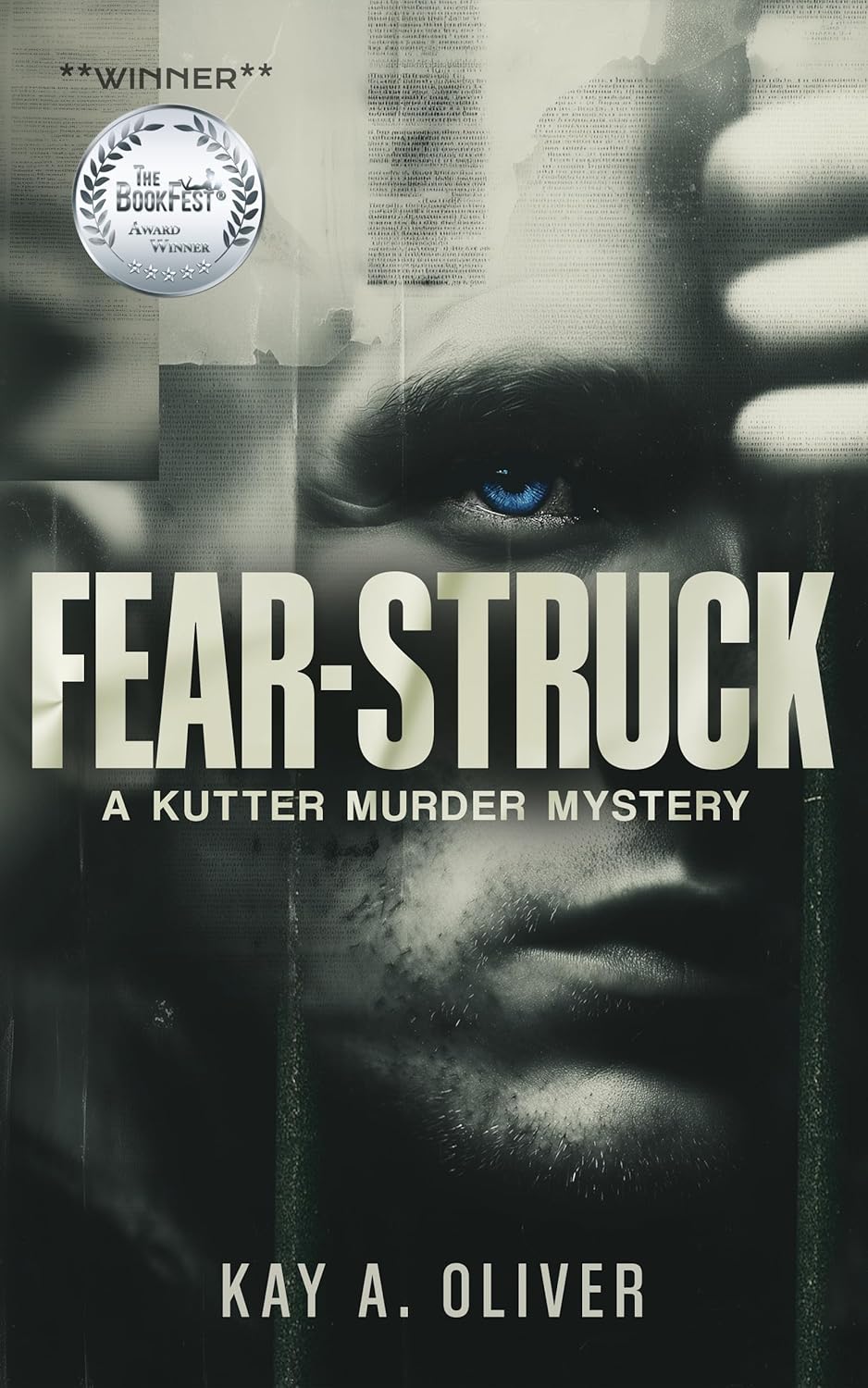


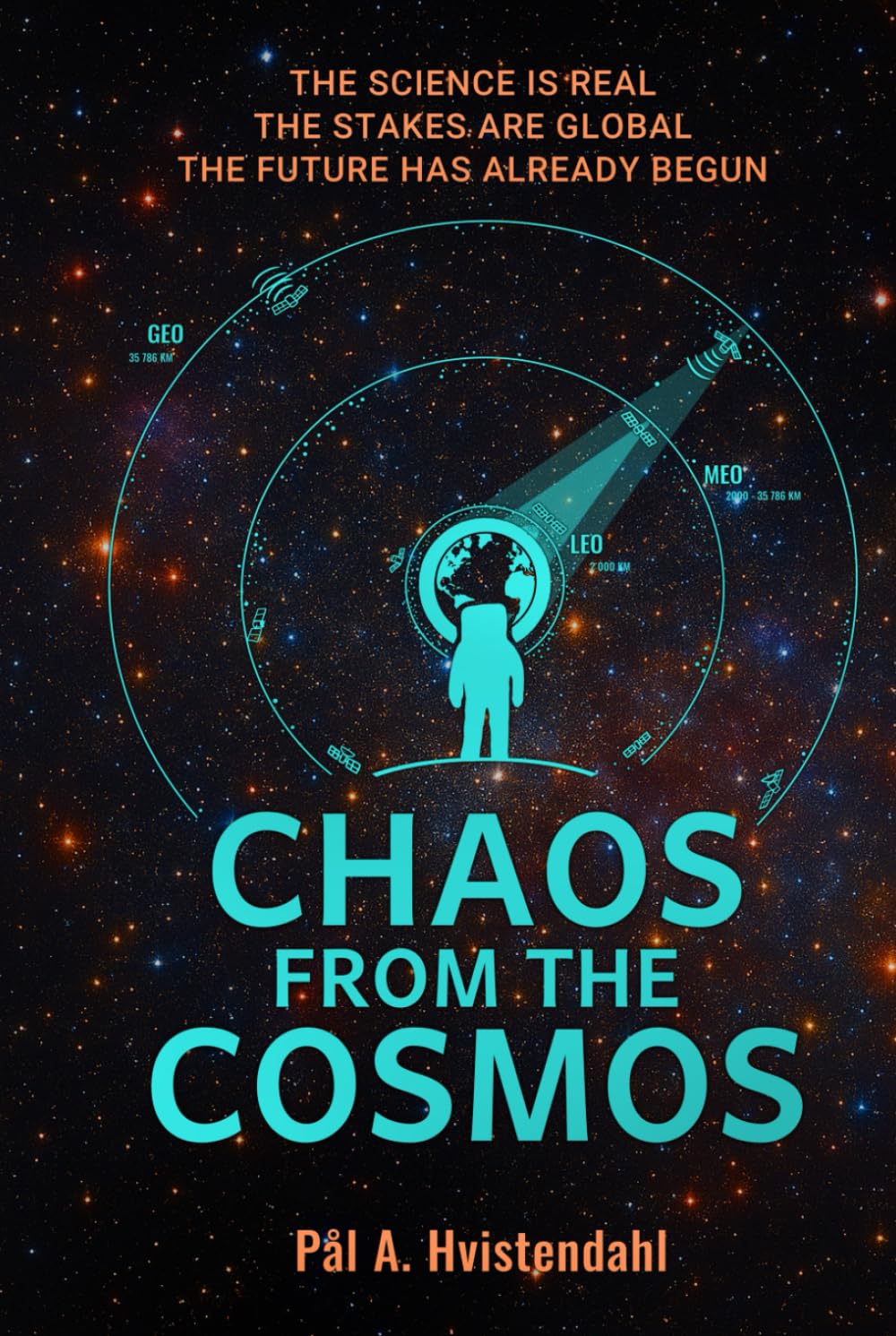

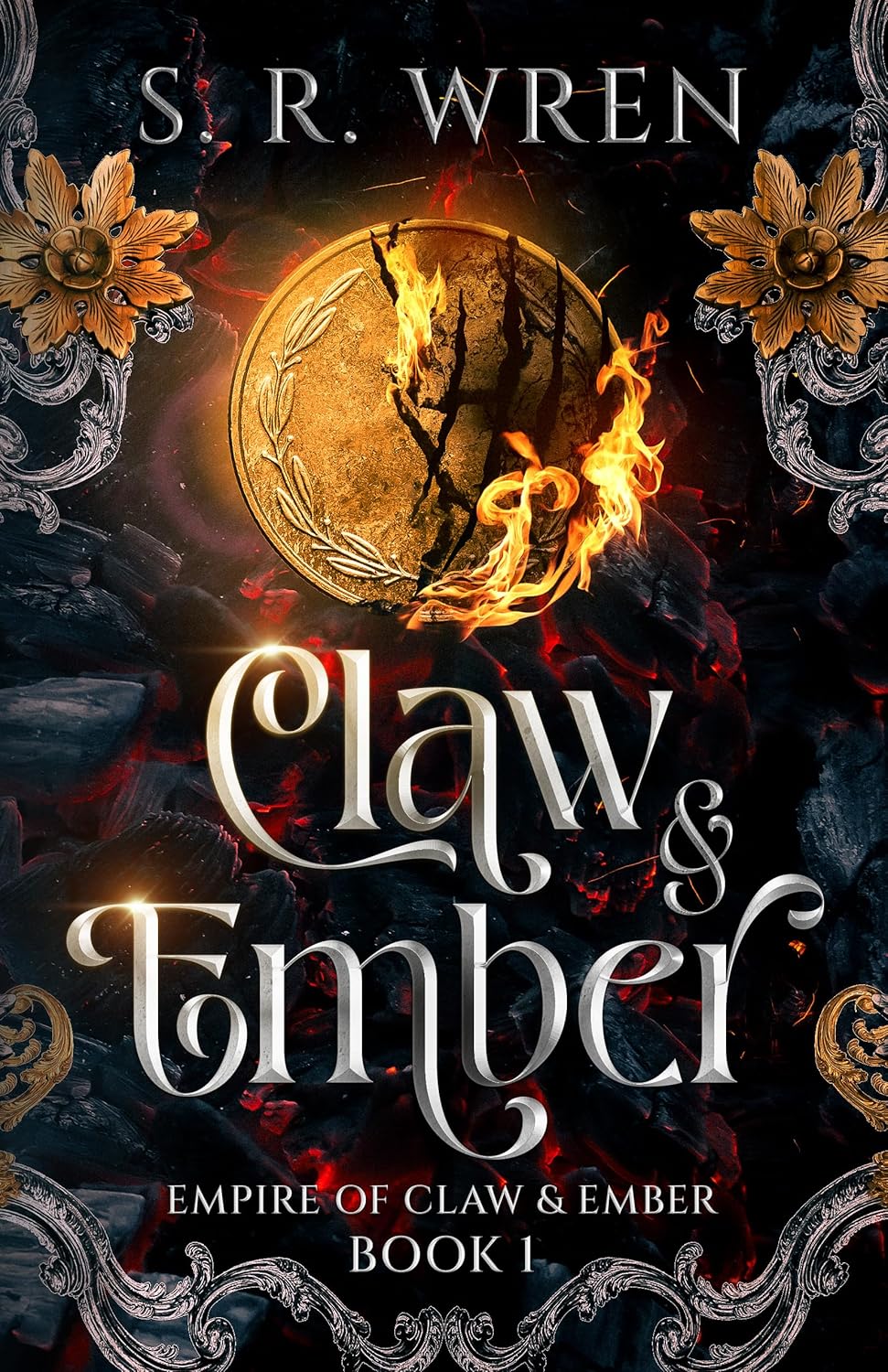
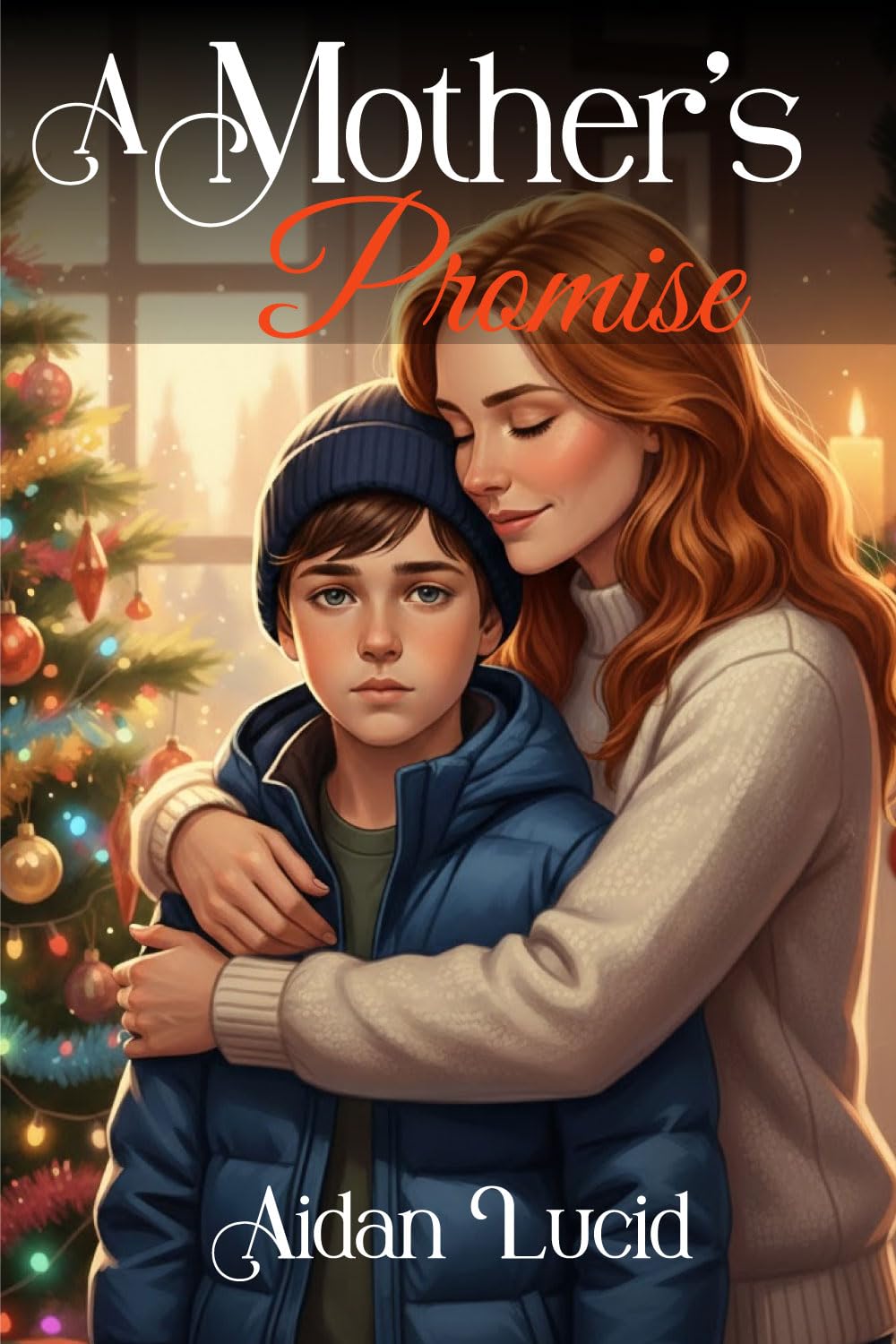


















The Moments Between Choices by Harris Kamal
Secretos De Familia by Diego Uribe
Once Upon A Time In The Big Easy: Down On The Bayou by Wilson Jackson
Visit the Literary Titan Book Awards page to see award information.
Literary Titan Book Award: Fiction
The Literary Titan Book Award honors books that exhibit exceptional storytelling and creativity. This award celebrates novelists who craft compelling narratives, create memorable characters, and weave stories that captivate readers. The recipients are writers who excel in their ability to blend imagination with literary skill, creating worlds that enchant and narratives that linger long after the final page is turned.
Award Recipients


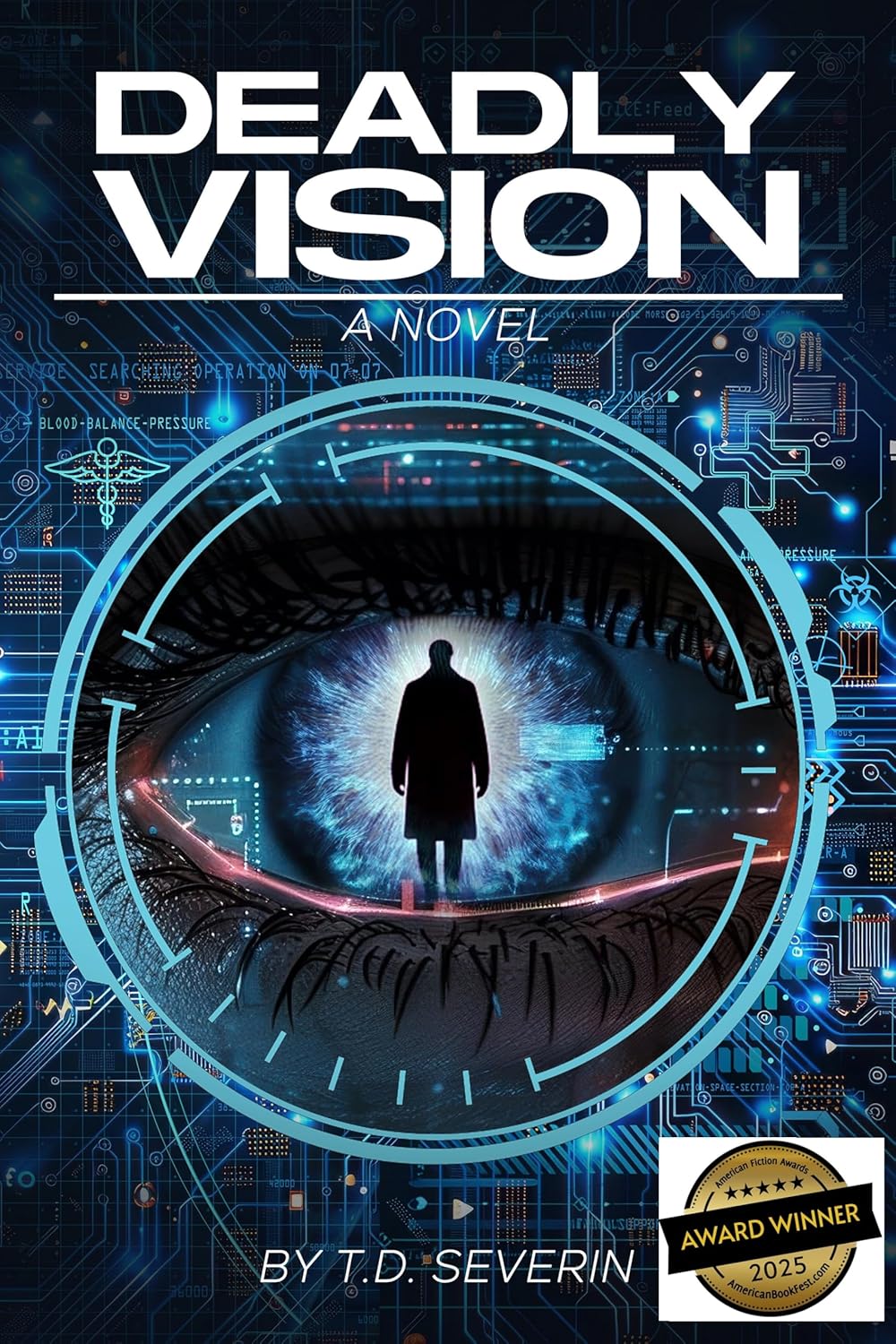

























Childhood’s Hour: The Lost Desert
Visit the Literary Titan Book Awards page to see award information.



 LITERARY TITAN