Blog Archives
Scams are the World’s Fastest-Growing Crime


Scams Are the World’s Fastest-Growing Crime is a straight-talking field guide to modern scams. Author Ken Ray walks through how scams evolved, why they work, and how they hit regular people in every channel of life, from phone and email to social media, crypto, fake stores, and in-person tricks. He starts with history and psychology, then gives a simple four-step model of every scam: setup, lure, attack, hook. After that, he moves into detailed profiles of common schemes, global impact, why victims stay silent, and how scammers pick their targets. He wraps it all up with danger scales, checklists, legal context, a glossary, and a very raw victim story, all tied to Scam Watchdogs’ mission to protect, educate, and expose.
What I liked most was the human focus. Ray keeps reminding me that scams are not about clever tech. They are about emotions and habits. He lays out trust, fear, greed, love, guilt, and overconfidence as levers that scammers pull, then shows how those levers show up in real situations like “grandparent” calls, romance cons, and fake tax threats. I felt angry reading the sections on shame and silence, and how victims stay quiet because they blame themselves or worry no one will listen. The chapters on the snowball effect and the global scale of the problem hit pretty hard too. They show how a tiny “test payment” can snowball into life-changing loss and how those losses add up across families, small businesses, and even trust in basic institutions. Reading that, I felt a mix of frustration and urgency, like this is not just sad stories; this is a public safety issue.
I liked how practical and plain the book feels. The tone is warm and professional but still sounds like a real person talking, not a legal brief. The early chapters give clear frameworks, then the scam profiles repeat the same structure each time with “setup, lure, attack, hook” and a danger rating. That rhythm made it easy for me to skim to what I needed. I also appreciated the checklists, the “Stay Safe” section, and the simple definitions at the back, since those are easy to share with less tech-savvy family members. The author’s note about using AI tools like ChatGPT as a helper, while taking responsibility for the facts, felt transparent and current, which I liked.
I came away feeling both rattled and oddly reassured. Rattled, because the examples show how easy it is for smart, cautious people to get pulled in, especially through investment and romance scams that mix money with emotion. Reassured, because the book keeps coming back to simple habits that anyone can build: pause, verify, talk to someone, report what happened. There is a steady compassion for victims that cuts through the usual blame, especially in the dedication and the closing message that every report turns a private loss into a public shield.
I would recommend this book to everyday readers who want to protect themselves and their families, especially people who do not live in the world of cybersecurity but still live on their phones and laptops all day. It is a strong choice for parents, caregivers, community leaders, and small business owners who need something they can hand to others without translation. People looking for a clear, empathetic starter guide and a reference you can dip into whenever a weird text or email pops up, it does the job very well.
Pages: 175 | ASIN : B0G35VCVP1

The Profitable Author: 1,001 Ways to Build a Business You Love Around Your Books
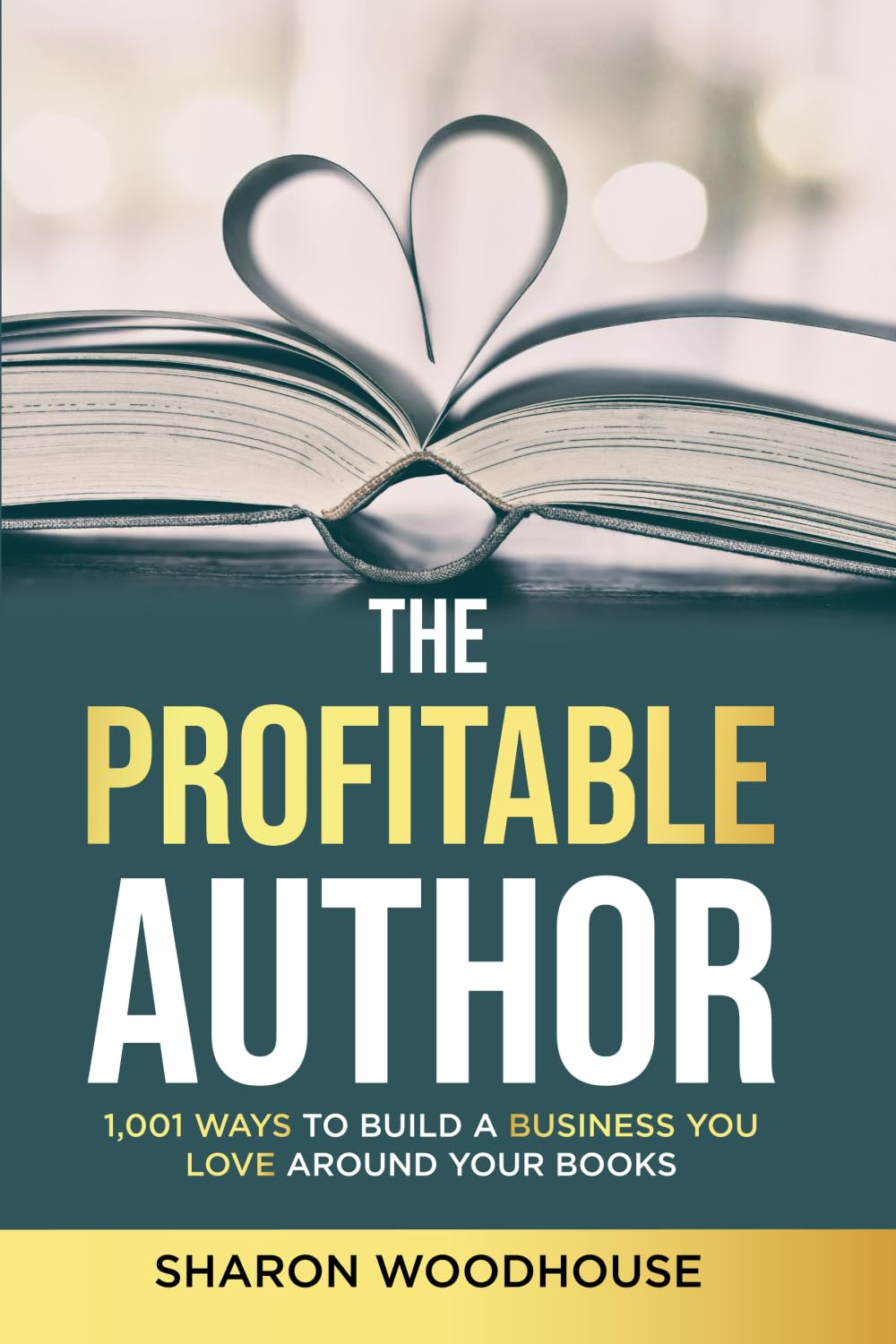

The Profitable Author lays out a huge and lively roadmap for turning a writing life into a real business. The book moves through mindset, marketing, sales, income streams, and the day-to-day actions that keep an author afloat and happy. It mixes tough love with encouragement, and it shows how an author can build a long game instead of hoping for sudden fame. It also pushes the idea that authors can be multipreneurs who stack skills, products, and creative ventures on top of each other. I found myself flipping pages and feeling the book widen the definition of what an author can become.
The writing is direct and warm. It never hides how hard this business can be, yet it never slips into cynicism. Woodhouse talks about overwhelm and disappointment in a way that feels honest. She also pushes readers to think bigger. I liked how she blends practical advice with a kind of grounded optimism. I could feel her long experience in the field. She explains ideas like daily promotional habits, diversified income, and using personal strengths in a voice that feels friendly.
What struck me most was the emotional undercurrent. The book believes in authors. Not in a cheesy way. More like a steady voice saying you can do this if you show up and keep showing up. I loved how she reframes marketing as something flexible and personal. I also liked the sections about commitment. They hit me in that spot where doubt hangs out. The mix of stories, checklists, and bite-sized reflections creates an easy rhythm. I drifted between curiosity and excitement. Still, the tone stays kind. It feels like a mentor talking at the right speed for someone who wants change but does not want to burn out.
I think this book is a strong fit for authors who want to treat their writing as a real business without losing their soul in the process. It is great for beginners who do not know where to start and for mid-career writers who feel stuck. It works for introverts, side hustlers, and people who like having a big menu of choices instead of rigid rules. I would recommend it to anyone who has a book and a dream and finally wants a plan. It left me energized and surprisingly hopeful.
Pages: 510 | ASIN : B0DJV96V29
Avoiding the Scam Artists
Seniors vs Crime is a collection of real-life stories set in The Villages, Florida, where elder citizens find themselves targeted by a range of con artists, shady contractors, and even predatory loved ones. Why was this an important book for you to write?
I am an other-oriented person, meaning I tend to care about other people and their situations perhaps more than most people. My career as a wealth advisor afforded me an opportunity to help other people retire. When I retired in 2008 in The Villages, FL. I looked for a way to help people. Seniors Vs. Crime was that perfect opportunity. I wrote the book to provide the elderly with an opportunity to learn about scams and their artists to help them avoid possible harm.
What were some ideas that were important for you to share in this book?
One of the ideas I wanted to share was how easy it is to be duped by scam artists who credibly seem to care about you. The doctor’s wife, who befriended the Doctor’s patient and then captured the patient’s widow’s entire estate, is a good example.
I also wanted to try to urge victims to report the scam. Many people are embarrassed that they were “stupid” enough to fall for the scam. I wanted them to know that we all make mistakes, but to not report the scam is a bigger “mistake.”
Could you share more information with us about the Seniors vs. Crime program? Is it something that is still running?
Seniors vs Crime in Florida is not only still working but growing every year. It was started by the Attorney General back several decades ago as a speaker’s forum and developed into what it is today… a functioning arm of the Attorney General’s Office fighting scams and harms to seniors. It has offices all over Florida. When a senior is scammed or otherwise harmed, they can come to any of our offices to make a claim. They can also enter a claim online at Seniorsvscrime.org. The claim is entered into our system and resides at both the Attorney General’s Office as well as the local SVC office. My office is located in Brownwood, Florida in the police annex building. Once a claim is submitted the voluntary “sleuths” will begin to help the senior recover their loss.
What is one thing that you hope readers take away from Seniors vs Crime?
Many seniors feel their loss is irreparable. I want them to know that most of their losses are recoverable.
Fix Your High Blood Pressure In 90 Days or Less
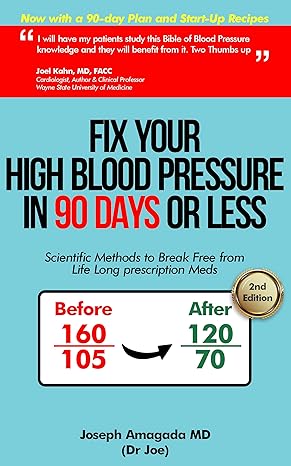
Dr. Joseph Amagada’s Fix Your High Blood Pressure in 90 Days or Less offers a sweeping and personal guide to tackling hypertension without lifelong reliance on prescription medication. Drawing from his own experience as both a patient and a physician, Dr. Joe combines research-backed lifestyle interventions with real-world success stories, aiming to arm readers with a step-by-step plan rooted in dietary changes, targeted exercise, stress management, and a deep understanding of the body’s systems, especially how the kidneys, hormones, and metabolism interplay in blood pressure regulation. His approach isn’t about quick gimmicks but long-term change through a holistic lifestyle.
I liked how genuinely Dr. Joe comes across. This isn’t a dry medical text. His writing is conversational and unfiltered in the best way. He doesn’t whitewash the tough stuff, but he also doesn’t lecture. He shares his stumbles, his frustrations with conventional medicine, and how lifestyle medicine changed everything for him. It’s clear he cares deeply. And as someone who’s read countless wellness books, this one had heart. A lot of books talk at you. This one speaks to you.
At times, the tone leans a bit more motivational, and the structure occasionally feels a bit stretched. A few chapters revisit similar ideas that might have been tightened up. But those are small things in the bigger picture. What made it great was how empowering it was; he gives you the “why,” the “what,” and most importantly, the “how.” The 90-day plan is simple, practical, and realistic, and the inclusion of real testimonials, recipes, and weekly goals adds both trust and usability. And while some of the natural remedies he recommends may raise skeptical eyebrows, he grounds most claims in research and clinical observation, not internet folklore.
If you’ve been struggling with high blood pressure, fed up with prescriptions, or just curious about how lifestyle medicine works, this book is for you. It’s also great for those who want more control over their health without wading through medical jargon or trying to decipher contradictory advice. Dr. Joe doesn’t promise a miracle, but he does promise a path, and that path feels doable.
Pages: 544 | ASIN : B0F3FTJW16

Seniors Vs. Crime
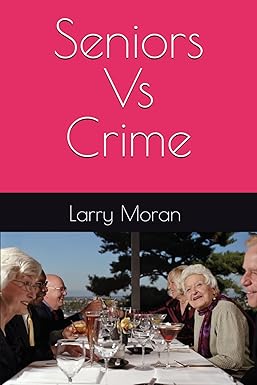
Larry G. Moran’s Seniors vs Crime is a collection of real-life stories set in The Villages, Florida, where elder citizens find themselves targeted by a range of con artists, shady contractors, and even predatory loved ones. Drawing from his own volunteer experience with the Seniors vs Crime program—a project backed by the Florida Attorney General’s Office—Moran weaves a series of gripping, sometimes heartbreaking, sometimes triumphant cases involving fraud, deception, and exploitation. Each chapter focuses on a different victim and scam, illustrating not just the dangers seniors face but also the human resilience and the vital role of advocacy in protecting them.
Reading this book was like opening a window into a world most of us don’t see, one where vulnerability meets cruelty, and where the right people in the right roles can change everything. Moran writes with clarity and warmth, even as he dives into dark subject matter. His straightforward style avoids fluff or embellishment, which gives the stories a raw and real edge. The emotional arcs—despair, betrayal, shock, and ultimately relief or resolution—pulled me in case after case. One of the most affecting elements was how these crimes weren’t carried out by mysterious strangers in the night, but by trusted professionals, family members, or “kind” acquaintances who wormed their way in before robbing these seniors blind. It made me angry, and oddly hopeful, because the volunteers at Seniors vs Crime often stepped in to save the day.
What struck me most was the unvarnished truth of these stories. Moran doesn’t try to be a literary stylist, he just tells it how it happened, which actually worked better for me than fancy prose would have. It felt like listening to an old friend recount real cases over coffee. That said, a few lines of dialogue sound more scripted than conversational, and the narrative sometimes leans on exposition. But the power of the stories and the sense of justice being fought for carried the book. By the end, I felt connected to the work being done by these volunteers, and frustrated that these scams happen so often.
I’d recommend Seniors vs Crime to anyone who lives in a retirement community, has aging parents, or just wants to understand the everyday battles many seniors quietly fight. It’s equal parts infuriating and uplifting. Larry Moran has done a real service by documenting these cases, offering both a warning and a reminder that good people still step up to do the right thing.
Pages: 170 | ASIN : B0DKNTLSF5
Mythical Creatures: The Worldbuilding Guide to Korean Fantasy
Huck Kahng’s Mythical Creatures is a whimsical and insightful guide into the world of Korean fantasy folklore, woven with humor, reverence, and practical advice for writers and worldbuilders. Structured in three parts—Human, Animals, and Monsters—it introduces readers to foundational myths, clever animals, and fearsome (yet often lovable) monsters from Korean tradition. Each chapter blends storytelling with cultural context and concludes with a “Worldbuilder’s Workshop” full of exercises meant to spark creativity and deepen understanding of the lore.
What really won me over was the writing style. Kahng isn’t lecturing here—he’s inviting you into his living room, handing you a warm cup of tea, and telling you tales that have been passed down through generations, all while cracking jokes like someone who knows exactly how to make you care. The tone is breezy but deeply informed. He doesn’t bog down the reader with scholarly jargon or dry history. Instead, he pulls you into each legend with personality and punch. The bear who becomes a woman? Heartwarming and oddly inspiring. The tigers who get tricked by rabbits and scared of dried fruit? Flat-out hilarious. I laughed more than once, and I don’t usually do that when reading reference books.
Beyond the humor, there’s heart. Kahng treats these stories not as museum artifacts but as living tools for creative use. I appreciated how he encourages writers to look at mythology not just as background noise but as a guiding force in story building. His workshops at the end of each chapter are gold—practical, fun, and weirdly motivating. He makes you want to write. I walked away with half a dozen ideas for stories, games, or just odd little creatures I want to sketch.
If you’re a writer, game developer, dungeon master, or just a lover of folklore who’s tired of the same old dragons and elves, Huck Kahng’s Mythical Creatures is a breath of fresh mountain air. I’d especially recommend it to fantasy fans who want to break out of Western tropes and discover something new, strange, and joyful. It’s a toolkit, a storybook, and a love letter to Korean myth all wrapped into one delightful package.
Preserving Internet History and Culture

Framed is part confessional, part manifesto, and part digital history lesson, giving readers an unflinching look at the dark underbelly of social media from the eyes of someone who didn’t just observe the chaos but actively fueled it. Why was this an important book for you to write?
I was annoyed by how shallow social media punditry had become. As a prolific reader, I enjoyed most of the “Big Tech” books but was surprised to find that none of them had been written from the engineer’s perspective. Further, there was indication that some of them had been “dumbed down.”
In playing the software engineer and “bad guy,” I wasn’t looking for penance. Rather, I was interested in preserving internet history and culture. Writing this book came at a massive opportunity cost that I could never possibly recoup in book sales. My hope is that this book can entertain readers, drive policy discussions, and perhaps be one day seen as an important reference work.
I appreciated the candid nature with which you told your story. What was the hardest thing for you to write about?
In terms of writer’s block or “getting it right,” the Myspace chapter was the hardest. In 2022, it was nothing more than an add-on and I was trying to secure interviews and source material from people I attended middle school with. By late 2023, I was restructuring the book around Myspace being the genesis. I’ve cut thousands of words and several notable tangents from that chapter, and I could spend another two years trying to perfect it.
In terms of emotional difficulty, it was hard to reconcile that my ventures, though “successful,” paled in comparison to other operators which earned millions of dollars more than my team did.
It was also tough to face the reality that, after years of effort, I produced this cool book, but how many other “cool books” haven’t been started because we’re so distracted by cell phones? “Screengrabbing,” originally, would have been almost one hundred pages in print. It was really hard to find the right way to address this problem.
What were some ideas that were important for you to share in this book?
- The evolution of “Myspace whoring” to digital marketing automation
- Big Tech’s reversal of course on “open” APIs
- The wide spectrum of “black hat” and “white hat” in user behavior and business decisions
- Instagram growth’s reliable ~10% rate of reciprocity, established by research and aligned with my experience
- An updated take on the dead internet theory
What is one thing that you hope readers take away from Framed?
The Internet Age has brought immense opportunity but also has ushered in social and ethical decay.
Author Links: Goodreads | Website | Newsletter | Amazon
A rogue software engineer built bots that ran rampant across social media, helping clients gain millions of followers. His reputation as a rule-breaker landed him at a startup where he designed the controversial systems—news feeds and push notifications—that keep users addicted.
Framed pushes opinions on influencers, algorithms, filter bubbles, botnets, screen addiction, spam, shadowbans, black hat marketing, deplatforming, the “dead internet” theory, and why people are still buying fake followers.
And–getting banned. Read Framed while you still can.
Foundational Research
Developing Employability Capital in University Students offers readers invaluable advice for navigating the unpredictability of the modern job market. Why was this an important book for you to write?
Having previously worked as a graduate recruiter in industry and spent the last decade in academia researching graduate employability and sustainable careers, it was clear to me that traditional skills and attributes models are no longer fit for purpose. Career development professionals and academics need an innovative tool to prepare university students for a volatile, uncertain, complex, and ambiguous labour market.
The Employability Capital Growth Model (ECGM) addresses this need by offering a versatile tool designed to help support university students across all disciplines and years of study. It considers how the interplay of nine forms of employability capital and contextual factors play out over time, leading to various personal outcomes.
This book makes the ECGM accessible to career professionals, educators, and students alike. Whether used in one-to-one coaching, group workshops, or embedded into university curricula, it equips readers with practical strategies to navigate career uncertainty and build fulfilling, sustainable careers in an increasingly complex world.
Can you share with us a little about the research required to put your book together?
Bringing this book to life required deep research and real-world application. It started with a systematic literature review which I conducted alongside Professor Yehuda Baruch and Associate Professor Melanie J. Ashleigh at the University of Southampton, UK. We identified nearly 100 academic studies published between 2016 and 2022, which informed the development of the ECGM. This foundational research is detailed in Chapter 3, while Chapters 4 to 6 introduce and explain the ECGM itself.
But theory alone isn’t enough. I wanted to see how the model worked in practice. So, I collaborated with career professionals and academics across 16 countries, gathering 19 mini case studies of how they used the ECGM with their students. Their insights, shared in Chapters 7 and 8, played a crucial role in refining the model and led to the development of a 10-step guide (Chapter 9) to help others implement it effectively.
Finally, I wanted to place the ECGM within a bigger picture. It is underpinned by Sustainable Career Ecosystem Theory (SCET), which I developed by combining Sustainable Career Theory (co-developed by Professor Beatrice I. J. M. Van der Heijden & Professor Ans De Vos in 2015) and Career Ecosystem Theory (developed by Professor Yehuda Baruch, also in 2015). Drawing on collaborative insights from the founders of the two foundational theories, SCET is introduced in Chapter 2 and revisited in Chapter 10 to show how the ECGM can contribute to a sustainable career ecosystem.
What is one piece of advice you wish someone had given you when you were younger?
Don’t be afraid to ask for help. It’s easy to think that successful people figured everything out on their own, but in reality, everyone started somewhere. Most people are happy to share their experiences, offer guidance, and answer questions. You just have to reach out!
Beyond networking, asking for help gives you access to the kind of knowledge that isn’t written in textbooks or job descriptions. It’s those unwritten, unspoken insights that can make all the difference. Whether it’s choosing the right educational path, navigating career transitions, or even making big life decisions, learning from others’ experiences can help you avoid pitfalls, seize opportunities, and build a career that aligns with your goals.
What is one thing you hope readers take away from your book?
We are all part of a larger career ecosystem. Your career is shaped by the people, organizations, and industries around you. It does not develop in isolation. At the same time, your choices and actions also influence the opportunities available to others.
Whether you are a student, educator, or career professional, I hope this book inspires you to take an active role in shaping a future where career success is not just about individual achievement. By recognizing this interconnectedness, we can shift our focus beyond simply chasing job titles and instead work toward building sustainable and fulfilling careers.
Author Links: GoodReads | Routledge Taylor & Francis Group | Website | Amazon
By adopting a holistic view of graduate employability complemented by Sustainable Career Ecosystem Theory, this book offers interdisciplinary insights from applied psychology, career development, higher education, human resource management, and sociology. The book is divided into four parts:
Part I begins with the theoretical foundations of a sustainable career ecosystem and the development of the ECGM.
Part II offers an in-depth exploration of the ECGM, incorporating nine forms of capital, contextual and temporal factors, and personal outcomes.
Part III presents a 10-step guide to using the ECGM with university students, informed by 19 cases from 26 career development practitioners and academics from across 16 countries and 6 continents.
Part IV encourages readers to consider the implications for other actors within a sustainable career ecosystem and concludes with a summary of the key takeaways for each chapter.
Whether used in one-to-one sessions, group workshops, or as part of university curricula, this book makes the ECGM accessible and easily applicable for anyone seeking innovative strategies to support university students in achieving sustainable and fulfilling careers.



 LITERARY TITAN