Blog Archives
Careers By the People: Candid Career Advice from 101 Experienced Professionals

Careers By the People is a wide-reaching look at what real work feels like for real people. Mike Wysocki gathers 101 interviews that span everything from CEOs to beekeepers to teachers, and he lets each person speak plainly about what their days look like, what they enjoy, and what grinds them down. The book moves through these stories with an easy rhythm. It shows how career paths twist and turn. It also explains how personality, luck, stubbornness, and honest self-reflection shape a life more than any job posting ever could.
I liked how direct the voices were, since many career books wrap advice in buzzwords. This one does not bother with that. The interviews feel like short but candid coffee chats. I caught myself underlining certain lines because they hit close to home. The mix of pride, regret, humor, and grit reminded me how messy most careers really are, and that made the entire book comforting. I also appreciated how Wysocki frames the stories with his own reflections. He speaks openly about his missteps. His tone feels friendly, almost like a mentor who refuses to sugarcoat anything.
At times, the honesty stings. Some stories feel heavy, and a few made me anxious in the best way because they pushed me to think harder about my own choices. When several similar roles appeared in a row, the forward momentum slowed. Still, that repetition also proved the point that every job contains highs and lows. I found myself enjoying the unpredictable flow of opinions. Some workers adore their field. Others are blunt about their frustration. I liked that mix. It made the book feel alive.
I would gladly recommend Careers By the People to high school and college students, early career professionals, and anyone who feels stuck or restless at work. The book works well as a guide, but it also works as a reality check. It gives readers permission to explore, to question their assumptions, and to admit when something does not fit. If you want straight talk, human stories, and a push to think about what you actually want from forty years of work, this book will serve you well.
Pages: 570 | ASIN : B0BPX59FT5

Zombies and Butterflies

I went into Zombies & Butterflies expecting a self-help book, and that is largely what it is, but it reads more like a long, earnest conversation about what it means to be alive instead of just functioning. The book explores the idea that many of us move through life emotionally numb, the “zombies,” while real growth comes from becoming aware, compassionate, and fully engaged, the “butterflies.” Through personal stories, philosophical reflection, and moral exhortation, the author argues that healing starts with caring, self-honesty, and conscious choice, and that inner change ripples outward into relationships and communities.
What struck me first was the intensity of the writing. The author does not ease you in. The author opens with vivid, sometimes brutal imagery and then pivots quickly to emotional and spiritual terrain. It can feel overwhelming, but that seems intentional. This is a book that wants to shake you awake. The voice is passionate, almost preacher-like at times, yet rooted in lived experience rather than theory. I found myself alternating between nodding along and needing to pause because the emotional weight was heavy. The war metaphor, in particular, is thoughtful. It turns internal pain into something physical and hard to ignore, like a constant low-grade thunder in the background of everyday life.
As I kept reading, I noticed how much the book relies on stories and analogies rather than instructions. There are no neat lists or tidy frameworks here. Instead, the author circles the same core ideas again and again: caring matters, kindness matters, attention matters. This repetition feels comforting, like returning to a familiar trail. There is sincerity in that insistence. This is not a polished productivity guide or a detached philosophy text. It sits firmly in the spiritual self-help genre, blending memoir, moral reflection, and motivational writing. You can feel how personal these ideas are to the author, how much of the book is a kind of testimony rather than an argument.
Zombies & Butterflies is best suited for readers who are already asking big questions about purpose, kindness, and emotional healing, especially those who feel disconnected or worn down by life. If you enjoy reflective, spiritually inclined self-help books that value feeling over efficiency and meaning over minimalism, this book will likely resonate with you.
Pages: 93 | ISBN : 979-8-9934353-2-9
Easy-To-Use Tactics
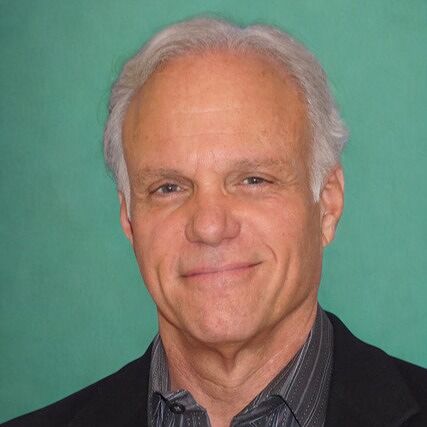
Dr. Toad’s Short Book for a Long Memory is a guide that blends humor with practical advice, vivid examples, quirky illustrations, and down-to-earth explanations to show how memory works and how anyone can strengthen it. Why was this an important book for you to write?
Among several reasons, I wanted to be a physician because I receive tremendous satisfaction from helping people with challenges. No longer in clinical practice or teaching, I realized some time ago that everyone—no matter their age—worries about lapses in memory. I knew I could help by offering my simple, easy-to-use tactics.
What is a common misconception you feel people have about memory and learning to improve it?
If you are young, under 40 years old, you worry about looking dumb when you can’t remember someone’s name or phone number. If you are older, you worry about early dementia. A lot of people assume they have a memory problem if they can’t recall everything. Not true! As I describe in my book, forgetting things is common. Good memory does not require brilliance. It only requires a small effort to employ one’s imagination.
Learning to strengthen memory can be overwhelming. What were some ideas that can help readers feel more comfortable with starting this process?
Start with a name you want to memorize. Use your imagination to turn that name into a mental image that is outlandish. If that image makes you laugh, you are on the right track. This may sound silly at first, but it works! Turning one’s wristwatch over and linking it to an item or date is another simple technique.
What is one thing that you hope readers take away from Dr. Toad’s Short Book for a Long Memory?
I hope readers will believe that they truly can improve their memory for things that are important by using the simple, easy-to-understand techniques that anyone can use. They can DO it!
Author Links: GoodReads | LinkedIn | Website | Amazon
Dr. Toad’s Short Book for a Long Memory is the first book in the Dr. Toad series, created to share simple, achievable solutions for the everyday challenges we all face on the path to better health and well-being.
9 Habits of Happy Retirees: Discover the Secrets to a Fulfilling Retirement


9 Habits of Happy Retirees offers a warm, upbeat, and very accessible guide to reimagining life after work. The book walks through the emotional phases of retirement, the mindset shifts needed to stay grounded, and the habits that build a joyful and meaningful post-career life. It blends practical advice with simple explanations about mental health, purpose, relationships, physical well-being, and the importance of staying curious and socially connected. The chapters move from preparation to mindset to hobbies to health, then social ties, learning, giving back, and travel. The whole arc forms a picture of retirement as a chance to grow instead of slow down.
This book felt surprisingly personal. I went in expecting a very standard self-help outline, but the writing has a friendly tone that made the ideas easy to absorb. The author speaks plainly, almost like a coach who wants you to feel excited about what’s ahead, and that energy made me lean in. I especially appreciated the focus on emotional transitions. Retirement is usually described as a reward and nothing more, yet the book spends time acknowledging loneliness, identity loss, and boredom. That honesty felt refreshing.
I also found myself reacting strongly to the sections about meaning and purpose. The reminders to try new things, build community, and stay flexible struck a chord. The book made me think about how often people assume retirement should mirror a fantasy rather than a real life with ups and downs. I liked the push to experiment, make mistakes, and adjust. I did wish for more storytelling or real-world examples in some chapters, but the spirit of the message carried the reading experience. The tone is upbeat without feeling sugary, and the steady encouragement made me feel motivated.
9 Habits of Happy Retirees is a strong fit for readers who want a straightforward, positive, and compassionate guide to the emotional and practical sides of retirement. It’s especially helpful for people who feel unsure about what comes next or who want gentle direction rather than technical advice. If you like clear language, simple steps, and a friendly voice that nudges you toward growth, this book will feel like a welcome companion.
Page: 136 | ASIN : B0D78Q1NWD
Opportunities to Lead

In Scaling Pyramids, you present an in-depth look at the three layers of successful leadership and share with readers your own reflections on what it means to lead with patience. Why was this an important book for you to write?
A lot of the leadership training that focuses on the entry and mid-level is really focused on managing, not leading. A lot of the core leadership literature is focused on the leader at the top. So there is a gap – how to shift from managing to leading, how to lead without authority, how to make meaningful change from the middle.
I had my own struggles with managers who believed they were leaders, but more people fled them than wanted to follow them but I also had some really great role models and influencers, so I wanted to share lessons I learned from both. I also recognized I made (and can continue to make) some mistakes and learned some lessons along my leadership journey. I know I am not the only one, and I know from my leadership journey that more people than just me can learn from those lessons, so I wanted to share them to benefit others. Not Pollyannaish, not “follow these steps and become an instant success,” but real lessons, hard won in the course of a real life.
What is a common misconception you feel people have about becoming a successful leader?
That you have to have a title, rank, or position. The truth is, if you have one follower, you are a leader. The question then becomes, what do you do with that? How can you nurture that flame and grow as a leader? Do you even want to? If the answer is yes, then look for opportunities to lead where you are, regardless of title, rank, or position. I think a second misconception is, “leadership is lonely, I have to do it on my own.” The truth is that to be successful you need to surround yourself with others: role-models, mentors, and coaches that can support you in your leader development and that you in turn can support as you grow.
What is one piece of advice someone gave you that changed your life?
“You know, you seem to carry a lot of anger, and I think you don’t realize how it affects you and those around you.” He actually started the conversation with, “Can I speak into your life?” which was a shocking question for me. And it was a conversation that changed my life because it was a big blind spot that I had, and working with him to recognize it and overcome it changed a lot for me and made me a much better leader. For you, it may not be anger, but recognizing that you have blind spots and finding trusted confidants who will tell you the truth about them and help you work through them is incredibly important.
What is one thing you hope readers take away from your experiences?
For those in the middle, you can lead and make a difference from wherever you are. There is a graphic in the introduction to my book that illustrates my journey through my bureaucratic pyramid. I never made it to the top. I have not been Secretary of State. But I made a difference and an impact on the entire organization, in more ways than I realized. You can, too.
For those at the top, investing in the leadership development of those at the bottom and middle of the organization will make your organization stronger, lead to improved employee retention, and better outcomes. Letting toxic managers flourish will have the opposite effect.
Author Links: GoodReads | Facebook | Crisis Lead | Website | Scaling Pyramids | LinkedIn | Amazon
Scaling Pyramids: Leadership Lessons from a Mid-Level Bureaucrat is an honest, engaging, and research-informed exploration of what it means to lead from the bottom and middle of an organization—especially within complex systems that aren’t always built for innovation, agility, or humanity.
Drawing on more than 25 years of experience as a federal law enforcement officer, diplomat, educator, and public servant, author Christopher Stitt brings a rare combination of street- level credibility and scholarly insight to the leadership conversation. Throughout the book, he weaves together personal stories from his global assignments with contemporary leadership research from behavioral science, organizational psychology, and decision- making theory.
The result is a practical and thought- provoking field guide for those who are tired of waiting for permission to lead—and ready to make a difference right where they are. In these pages, you’ll find lessons on how to influence up, down, and across your organization. You’ll learn how to build trust, coach others, think strategically, and maintain your integrity even when politics or process get in the way. You’ll discover why the middle of the organizational pyramid isnot a waiting room for the next promotion—it’s the center of gravity where culture, performance, and credibility are either built or broken.
Whether you’re managing teams in a government agency, navigating the corporate hierarchy, or trying to make change from within a large institution, Scaling Pyramids offers you a road map grounded in both lived experienc and real evidence. With a voice that is both candid and deeply practical, Stitt reminds us that leadership isn’t about rank—it’s about showing up, stepping up, and speaking up in the moments that matter.
If you’ve ever felt overlooked, underutilized, or underestimated in your role, this book is for you.
It’s time to lead. Not someday—now.
Our Unfinished Selves

The Courage Gap explores fear and courage, walking readers through five steps to help them shift their focus, rewrite the stories they tell themselves, regulate fear, step into discomfort, and learn from the moments when things fall apart. Why was this an important book for you to write?
Because I’ve watched too many capable people—including myself—stay stuck in the space between knowing and doing. This wasn’t because we lacked the ability to take action but because our fear kept us stuck in place, distorting the risk-magnifying the danger of acting, minimizing the cost of staying put, and shrinking our courage to step forward and back ourselves fully.
Over 25 years coaching many diverse people across the world to meet their challenges and navigate change, I’ve heard countless versions of the same story: “I knew what I needed to do, but I couldn’t bring myself to do it.” The woman in the soul-draining job. The parent avoiding a hard conversation. The person with a dream who keeps finding reasons to wait.
What struck me wasn’t that people feel fear—we all do—but how often they mistake its source. They think they’re being prudent when they’re actually protecting their identity in some way, avoiding disapproval, or clinging to what’s familiar because it feels safer and less confronting than making a change.
Finally, I wrote this book because often we end up suffering more over time from not taking the brave action we know we should be taking than by risking what we fear. That suffering shows up in many forms – ongoing tension and hurt in relationships, the quiet ache of unfulfilled potential, roads not taken, words left unsaid. Right now, when everything feels uncertain, that gap has never been wider. This book offers a practical step-by-step path to move through it.
How did you come up with your five-step process for helping people reprogram their patterns of thought and behavior that are self-sabotaging?
By distilling a lot of research and insights from broad spheres as well as watching what actually worked—not just with clients, but in my own life when fear and doubt have grown really loud or when I’ve come to a moment and hesitated for fear of being ‘exposed’ as not wholly worthy of sufficient in some way. The five steps are a synthesis of research, and experience, and observing people who consistently lead brave and meaningful lives.
The people who closed their courage gap followed a pattern: They shifted focus from worst-case scenarios to what becomes impossible if they don’t act. They chose the mindset they would operate from, rewriting their stories—recognizing narratives about risk were often inherited or outdated. They regulated fear instead of waiting for it to disappear (it never does). They braved awkward moments we are wired to steer away from, and stepped into discomfort incrementally through small acts of bravery. And they learned from setbacks, seeing them as information rather than proof they shouldn’t have tried and made some semblance of peace with the fact that they are innately fallible and a ‘work in progress.’ As I wrote in the book, extending grace and compassion inward, forgiving our ‘unfinished selves’ is a foundational act of courage that can be profoundly transformative.
It’s not linear—it’s messy. But the sequence matters because you can’t regulate fear you haven’t acknowledged, and you can’t step into discomfort if you haven’t challenged the story that discomfort equals danger.
How can implementing the ideas in your book help shape better leaders and encourage growth?
The book helps anyone—leaders, parents, people in transition—close the gap between who they are and who they’re capable of becoming.
As I wrote in the book, sharing a story of my childhood on my parents’ farm, “Growth and comfort can’t ride the same horse.” That is, growth doesn’t happen without exertion or discomfort. It happens when you speak up with a shaky voice. When you try something new, knowing you might fail. When you have the difficult conversation instead of letting resentment build.
The book helps people distinguish between real dangers and magnified fears. Your brain evolved to overreact to threats, which kept ancestors alive, but now makes a tough conversation feel as dangerous as a physical threat. It makes starting something new feel riskier than staying in a situation that’s slowly diminishing you.
When you recognize that fear of judgment isn’t actual danger, or that doubt isn’t incompetence, you can take action despite fear rather than waiting for it to disappear.
For anyone leading—a team, a family, their own life—this matters because people become what they’re willing to confront. Those who act despite fear create environments where others feel permission to do the same. That permission to be imperfect while stepping forward? That’s how everyone grows.
What is one thing that you hope readers take away from your book?
That not only can anyone become a braver version of themselves, but that courage isn’t the absence of fear—it’s choosing to act while fear tags along.
Most people wait to feel brave before acting. But courage doesn’t work that way. You don’t eliminate fear; you change your relationship to it. You learn to distinguish between real dangers and magnified fears.
The shift I want readers to make:
When you ask “What’s the risk?” also ask “What’s the cost if I don’t act?”
That reframe—from “What could go wrong?” to “What will definitely go wrong if I don’t?”—unlocks stalled decisions, avoided conversations, deferred dreams.
I want readers to finish with a quiet push toward things they usually avoid. Not because fear disappeared, but because they realize staying stuck hurts more than stepping forward. The courage they think they lack isn’t something you’re born with—it’s something you build, one uncomfortable step at a time.
If readers take even one brave action they’ve been avoiding, that changes something fundamental. Not just for them, but for everyone who would benefit from them showing up more authentically and backing themselves more boldly – toward their bold goals but also in meeting their biggest challenges too. We all have them.
Author Links: GoodReads | Amazon
Fear creates the gap. Courage closes it.
This powerful guide from the bestselling author of You’ve Got This! cuts through the hype to connect the ‘why’ of courage to the ‘how’ of courage. Drawing on cutting-edge research woven together with stories that compel head andheart, The Courage Gap will help you bridge the think/do gap between what you’ve been doing and what you can do; between where you are and where you want to be—in your career, relationships, leadership, and life.
Distilling theory and hard-won wisdom spanning from Margie’s childhood in rural Australia to her decades of living around the world and coaching ‘insecure overachievers’ in Fortune 500 organizations, Margie shares a powerful 5-step roadmap to reprogram the self-protective patterns of thought and behavior that sabotage success to bring your bravest self to your biggest challenges and boldest vision.
At a time when courage seems in short supply, in a culture continually stoking insecurity and anxiety, this book will transform your deepest fears into a catalyst for your highest growth and the greatest good.
Applying the five steps will:
Ignite passion and unlock the potential fear holds dormant
Rewrite the scripts that have kept you stuck, stressed, and living too safely
Reset your ‘nervous’ system and embody courage in critical moments
Transform discomfort as a cue to step forward and expand your bandwidth for bold action
Reset your relationship to failure and make peace with the part of you that wimps out
For leaders, The Courage Gap provides a guide to operationalize and scale the courage mindset across your team and organization to deepen trust, dismantle silos, foster innovation, accelerate learning, and unleash collective courage toward a more secure and rewarding future.
The Biggest Financial Decisions of Their Lives
Pay Less for College is a college financial aid and affordability guide that lays out for parents and students a clear and practical roadmap for cutting the true cost of a college degree. Why was this an important book for you to write?
Families are often making one of the biggest financial decisions of their lives in a fog. Students and parents are rightfully overwhelmed. And the guidance they get is often cookie-cutter for a system that doesn’t financially reward a cookie-cutter approach. During our 15 years in this field we have seen and heard about the financial landmines families step on – sometimes from inexperience, misinformation, desperation, or other factors. We wanted to clear out the fog and help families create a realistic, step-by-step plan to keep college affordable. Instead of vague advice, we focus on what actually moves the needle on cost– the things families can control.
In your book, you cover the latest and upcoming changes to the FAFSA, PLUS Loans, Pell Grants, and college financial aid policies. What are some key points that parents and students need to know about these options for financial aid?
The FAFSA and Pell Grants underwent major changes that were fully implemented in the 2024-25 academic year. The book walks readers through every part of the new FAFSA and breaks down the updated undergraduate Pell Grant eligibility rules. In spring 2025, Congress passed a budget bill that changed PLUS Loans, including significantly lower annual and lifetime limits for new borrowers of undergraduate loans. This may leave private loans with their less favorable terms as the only borrowing option for parents in the student’s third or fourth years.
What are some common mistakes or oversights that people make when deciding what college to attend, and what advice do you have to help others avoid these mistakes?
Colleges should be right for students academically, socially, and financially. Students often only apply to colleges they have heard of, ones their relatives want them to go to, or the ones their friends are applying to. They fill out the required financial aid forms and cross their fingers. Those schools may be okay academically or socially but financial fit is more complicated. It is often the most misunderstood part of the college search process.
If saving money is important to you, dig into the college’s financial aid policies to see how they align with your individual financial situation. Also, look for colleges that will love you back – those where your genuine interests and capabilities meet or exceed what the college is looking for. And finally, submit an application that showcases your strengths and makes it easy for the admissions officers to see your value.
What is one thing that you hope readers take away from Pay Less for College?
That they have more control than they think. When families build a smart college list, apply at the right time and in the right way, understand how aid really works, evaluate offers carefully, and trim costs–both big and small–before, during, and after college, they can meaningfully cut the real cost of a college degree.
Author Links: Amazon | GoodReads
Choosing a college is about finding a place where you belong—a place that fits your goals, your heart, and your wallet. Paying for college may be one of the biggest financial challenges you’ll ever face–but it doesn’t have to be harder than going to college. You can honor your dreams without sacrificing your financial future.
Pay Less for College is the go-to college financial aid and affordability guide for parents and students who want to make smart, confident choices. It offers clear, actionable insights to help you save real money—often tens of thousands of dollars—by:
Finding the colleges most likely to be generous
Understanding how and why a college will love you back
Demonstrating your value to that school
Avoiding common, costly mistakes
Cutting costs, both big and small
Why pay more than you have to?
Smart strategies. Real savings. The confidence to say yes to the dream—and afford it.
_____________________________________________What’s new in the 4th Edition
Fully updated to cover the latest and upcoming changes to the FAFSA, PLUS Loans, Pell Grants, and college financial aid policies.
Expanded tools and examples that help families understand college costs, maximize need-based and merit aid, compare true net prices, and submit standout applications.
Inside you’ll find
Part I: College Costs and Financial Aid
Understand exactly what college will cost and how financial aid works.
Part II: How to Pay Less for College
Learn how to increase aid eligibility and find the most generous colleges.
Part III: Planning
Turn knowledge into action with concrete family planning tools.
Part IV: Resources and Tools
10 detailed appendices, including guides to the FAFSA, CSS Profile, Pell Grants, and financial aid if your parents are unmarried, divorced, separated, remarried, or widowed, as well as tools to help you identify your academic strengths, social needs, and college priorities, and how to make your personal outreach most effective.
Franchise Businesses

Limited Partnership Basics & More! is a practical guide to understanding how limited partnerships work, how they are structured, and how they can help finance a new company. Why is this information important to those looking to enter the entrepreneurship market, and how can it help them?
There are three ways to finance a start up a business: savings accounts, loans, and, equity investments (LPs, LLCs, stock). The lesson that we see here is that start-ups are about the high price of money. And this is an important issue in the REAL business world. Because one group of people, in the US, wants to act like a limited partner investor is really a person making a “loan”. And, of course, equity investors are not making loans. They are investors. My point? My point is this. The business world is tough. Really. And starting up a business is expensive. And if you don’t have the money to start up a business, your business idea is going to go nowhere.
Next, according to the IRS.gov website ‘over 28.4 million Americans registered their tax filings as either that of a general partner, limited partner, or member of an LLC’. What that means is that a lot of Americans are running franchise businesses. It also means that a lot of Americans are investing in local area businesses and franchise businesses – cash cows! So, my book shows people who need to raise “equity” start-up money how the limited partnership ecosystem works. The limited partnership business eco-system matches limited partner investors with limited partnership developers and franchise developers, and doing this helps local communities grow!
What is a common misconception you feel people have about Limited Partnership relationships?
Limited partnership people, in the US, are sort of like people who belong to a club. LP people like the way things work. They like stakes and cash cows, and prefer stakes to stock, quite a bit. And, they like fellow LPs a little bit.
What is the “Friendship Formula,” and how can readers make this formula work for them to achieve their goals?
The “friendship formula” is an old 1930s-40s business formula. This formula worked like this. Best friends created businesses together, and then their wives networked with their friends to secure business clients. Also, Americans were supposed to know between 200-800 people, personally, in the 1970s, too.
What is one thing that you hope readers take away from your book?
If 28.4 million Americans can do it, so can you! Give it a try. Read my book. Research things. Prepare, and then go for it. Really, if you want to be a millionaire, then you gotta GET IN – you gotta GET IN the MONEY GAME! And why not? If your attempt to start up a business fails, then you can always go back to reading the ‘want ads’ section twice a week.
Author Links: GoodReads | Facebook | Website | Amazon



 LITERARY TITAN