Author Archives: Literary Titan
The Arts Council


When I finished The Arts Council, a satirical novel by Dolly Gray Landon, I felt like I’d been dropped into a carnival mirror version of the arts world. The book follows Honorée Oinkbladder, a gifted young artist raised inside a family business that quietly manufactures the physical tokens of achievement for institutions everywhere. Through her eyes, we watch a small city’s arts ecosystem twist itself into a tangle of ego, corruption, favoritism, and theatrical self-importance. Her tense rivalry with Modesty Greedance unfolds against a backdrop of inflated awards, misused donor funds, and a once-noble arts council that has drifted far from its original ideals. The result is a story that sits squarely in the literary satire genre, though it often reads like a character-driven dramedy with teeth.
The writing is lush, verbose in a way that feels deliberate, like Landon wants the excess itself to be part of the joke. There are long, winding sentences loaded with wordplay and invented terms, and then sudden needle pricks of clarity. It’s funny, but also strange, because the humor is threaded through moments that cut close to the bone: the way Honorée hides her beauty so she won’t attract the wrong kind of attention, or the way Modesty relies on spectacle instead of craft because spectacle is what the system rewards. The satire bites hardest when the book peels back the arts council’s history, revealing how a once-merit-driven institution slowly rotted after a leadership collapse. The contrast between past ideals and current dysfunction is one of the book’s most memorable tensions.
What I liked most was how much the novel asks us to think about value. Who gets to decide what counts as art. Who benefits from the illusion of fairness. Who learns to play the game and who refuses. Even the absurd elements feel purposeful: Honorée’s family literally manufactures the symbols that feed inflated egos, yet they see through them more clearly than anyone else. That irony gives the book a reflective core I didn’t expect. The novel also manages to be playful without losing its edge. It mocks the arts world, yes, but it also mourns what the arts can become when honesty gives way to self-interest. I found myself chuckling at one page and nodding in recognition on the next.
The Arts Council is a bold, brainy satire with a lot on its mind. I’d recommend it to readers who enjoy literary fiction that doesn’t mind being a little unruly, especially anyone curious about the messy intersection of art, ego, and institutions. If you like stories that mix humor with critique and aren’t afraid of dense, stylized prose, this one will keep you thinking. For readers who enjoy sharp, offbeat takes on creative culture, it’s a fascinating ride.
Pages: 558 | ASIN : B0G2TFBLHZ

Mulberries In The Rain: Permaculture Plants For Food And Friendship
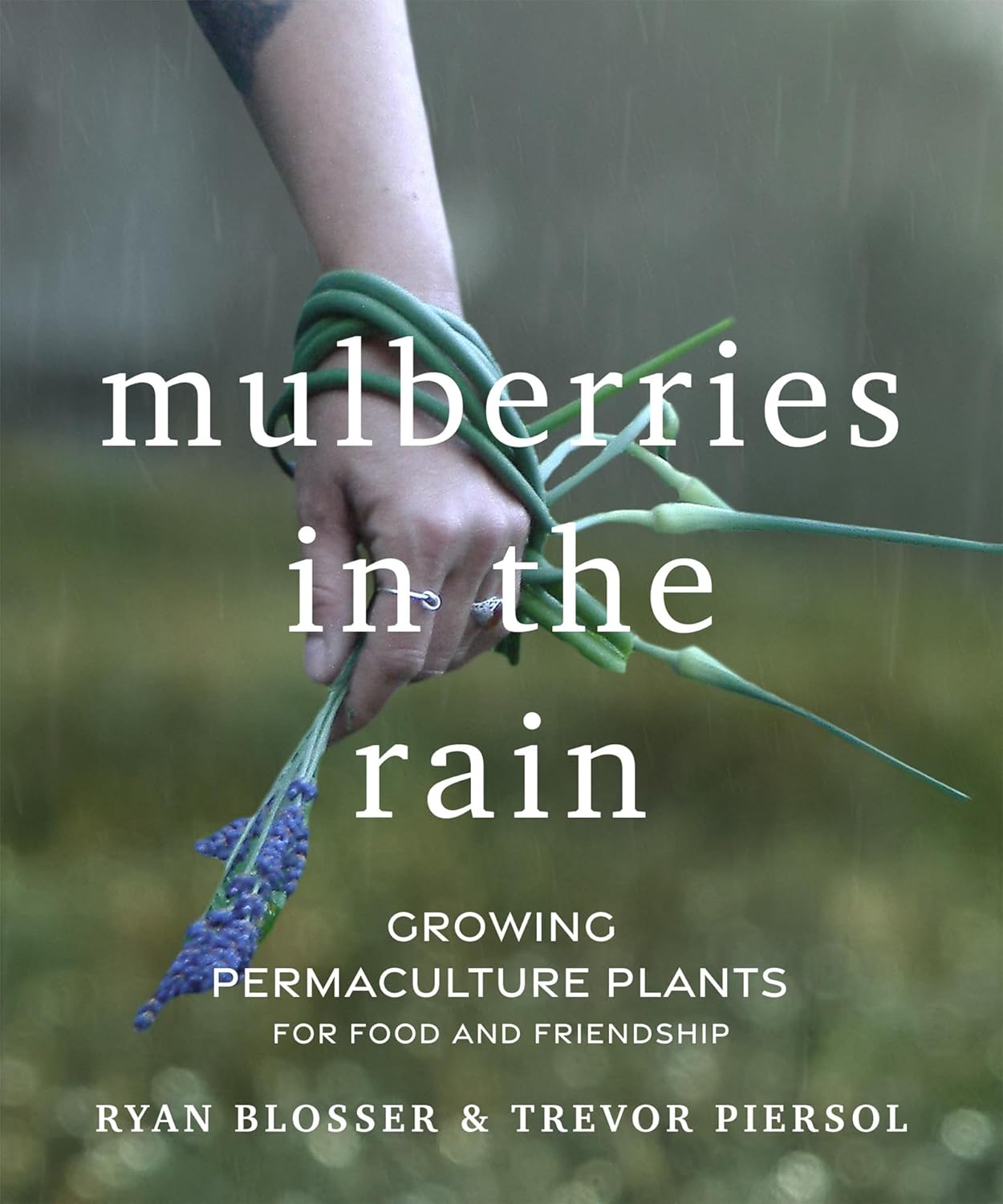
Mulberries in the Rain, is part memoir, part teaching guide, part love letter to plants. It follows two friends, Ryan Blosser and Trevor Piersol, as they build farms, communities, and a shared life of learning through Permaculture. The book blends personal stories with practical frameworks, from the Human Sector to food forests to plant guilds. It paints a picture of people shaped by land and relationships, and it shows how plants become characters in their lives. The authors invite readers to see plants this way, too, and the book moves between narrative, reflection, and guidance on growing dozens of species. It feels like an invitation to slow down and see plants as teachers.
I found myself caught up in the warmth of the storytelling. The tone is friendly. It is confident without trying to sound authoritative. I liked how the writers move between humor and sincerity. One moment, they poke fun at themselves. The next moment, they share something tender about belonging, failure, or learning to listen to land. Their voices feel lived-in and honest, and that drew me in. I also appreciated how deeply human the book is. For a book about plants, it spends a lot of time sitting with the mess and beauty of people, which surprised me in a good way. The Human Sector section especially resonated with me. It made me stop and think about how much our internal stories shape the landscapes we touch.
The loose, talky rhythm of the book has its own charm, and I enjoyed it most when the authors told personal stories. Every time they step into teaching mode, the tone shifts and the pacing slows. That said, the teaching sections still have heart. The reworked Scale of Permanence is thoughtful. The LUV triangle feels like something I could use tomorrow. The 8 Forms of Capital section is full of moments that made me smile, especially the groundhog au vin story. I caught myself nodding at the idea that recipes and jokes and small daily acts can hold entire forms of wealth. The book shines whenever it grounds big ideas in real people doing real work.
I would recommend Mulberries in the Rain to anyone who wants a different way to think about growing things. It is great for new growers who feel overwhelmed and want a gentler entry point or for longtime gardeners who crave a more personal, relational approach. It is also a strong fit for people who work in community spaces or who feel curious about Permaculture but are tired of dry instruction. Blosser and Piersol speak to folks who want stories, feelings, and a sense of connection as much as they want plant lists and guild diagrams.
Pages: 216 | ISBN : 978-1774060032
Between Eros

When I first picked up Chris Neo’s Between Eros, I thought I was stepping into a straightforward love story, but it opened up into something bigger. The book follows Aris, an older, seasoned man juggling a collapsing marriage, unpredictable friendships, and a dangerous ocean voyage that turns into a survival fight. What begins as a romantic adventure quickly spirals into storms, sabotage, and tangled emotional loyalties. The story blends romance, action, and psychological tension, giving it the feel of romantic adventure fiction tinged with thriller energy.
As I read, I found myself reacting as if I were listening to a friend tell me wild stories over coffee, pausing every so often to say, “Wait… what?” The writing leans into momentum rather than subtlety. Neo moves quickly through conflict, argument, seduction, and danger, rarely lingering on inner reflection. The fast pace kept me turning pages. I didn’t expect the mix of interpersonal drama and near disasters at sea to feel as chaotic as it did, but it fits the book’s emotional landscape. Aris is constantly pulled between desire, responsibility, ego, and fear, and the writing mirrors that turbulence.
Aris is written as both admirable and deeply flawed, and the women around him range from seductive to volatile to tender. The tone sometimes slides into melodrama, but in a way that feels intentional for the genre. What stood out most to me were the moments when characters dropped their masks. A single line of vulnerability from Kay, or a burst of insecurity from Uri, did more for me than some of the larger plot swings. The book seems to ask whether love is a force of destiny, a psychological illusion, or something we build through trial, error, and sheer stubbornness. It doesn’t hand you a tidy answer.
By the time I closed the book, I had the sense that Between Eros would appeal most to readers who enjoy high drama, fast movement, and a blend of romance and danger. If you like romantic adventure fiction that leans into passion, betrayal, big emotions, and bigger twists, this one delivers exactly that. It is bold, emotive, and unafraid to swing for the fences.
Pages: 390 | ASIN : B0D6BTYFNZ
Nurturing the Mystic Within


Nurturing the Mystic Within follows Catherine S. Tuggle’s journey to understand the message that arrived through a vivid dream. The dream delivered five simple words. Those words shook her ideas about God, fear, and love, and eventually inspired her to explore belief, trauma, and spiritual healing. Through autobiography, psychology, and a reinterpretation of the Genesis story, she builds a pathway that helps readers uncover the fears that shape their reality and block their ability to perceive life as Paradise. Much of the book focuses on the unconscious roots of fear, the formation of beliefs, and the personal exercises she developed to help dissolve the veil that hides unconditional love.
Tuggle’s writing blends intimate storytelling with big ideas; she writes plainly and openly. She doesn’t try to sound like a guru. Her willingness to expose painful memories gives the book a raw honesty that made me trust her voice. I found myself wincing at the childhood scenes. The moment Agnes threw the valentines on the floor, or the wrenching knife incident, forced me to stop for a breath. Those stories aren’t there for drama. They serve the purpose she claims for them. They show how beliefs take root long before we know the meaning of the word belief. I felt myself wishing she had lingered a little less on theory and more on lived moments, because her lived moments are where the book shines.
I also found myself moved by her interpretation of Genesis. I appreciated how she questions long-held assumptions without attacking them. The way she ties Adam and Eve’s fear to our own unconscious habits made the old story feel surprisingly fresh. The shifts between memoir, theology, and psychology come a little fast, but the blend mostly worked for me. I liked the sense of searching. I liked watching her move from confusion to clarity. The dream sequence she shares in the preface kept me thinking about the idea that love is all that exists. It sounds simple on the surface, almost too simple, and yet the book spends hundreds of pages showing just how hard it is to believe that in everyday life.
I would recommend Nurturing the Mystic Within to readers who enjoy spiritual memoirs, especially ones that grapple with fear, trauma, and the desire for inner peace. It would also suit people who like gentle psychological insight wrapped in a story rather than textbook-style instruction. Anyone who has ever felt trapped inside old beliefs or puzzled by the tension between the world’s harshness and the idea of a loving presence will find something worth holding onto here.
Pages: 216 | ASIN : B0G2DLBVHQ
The Book of Oded, Chapter 2
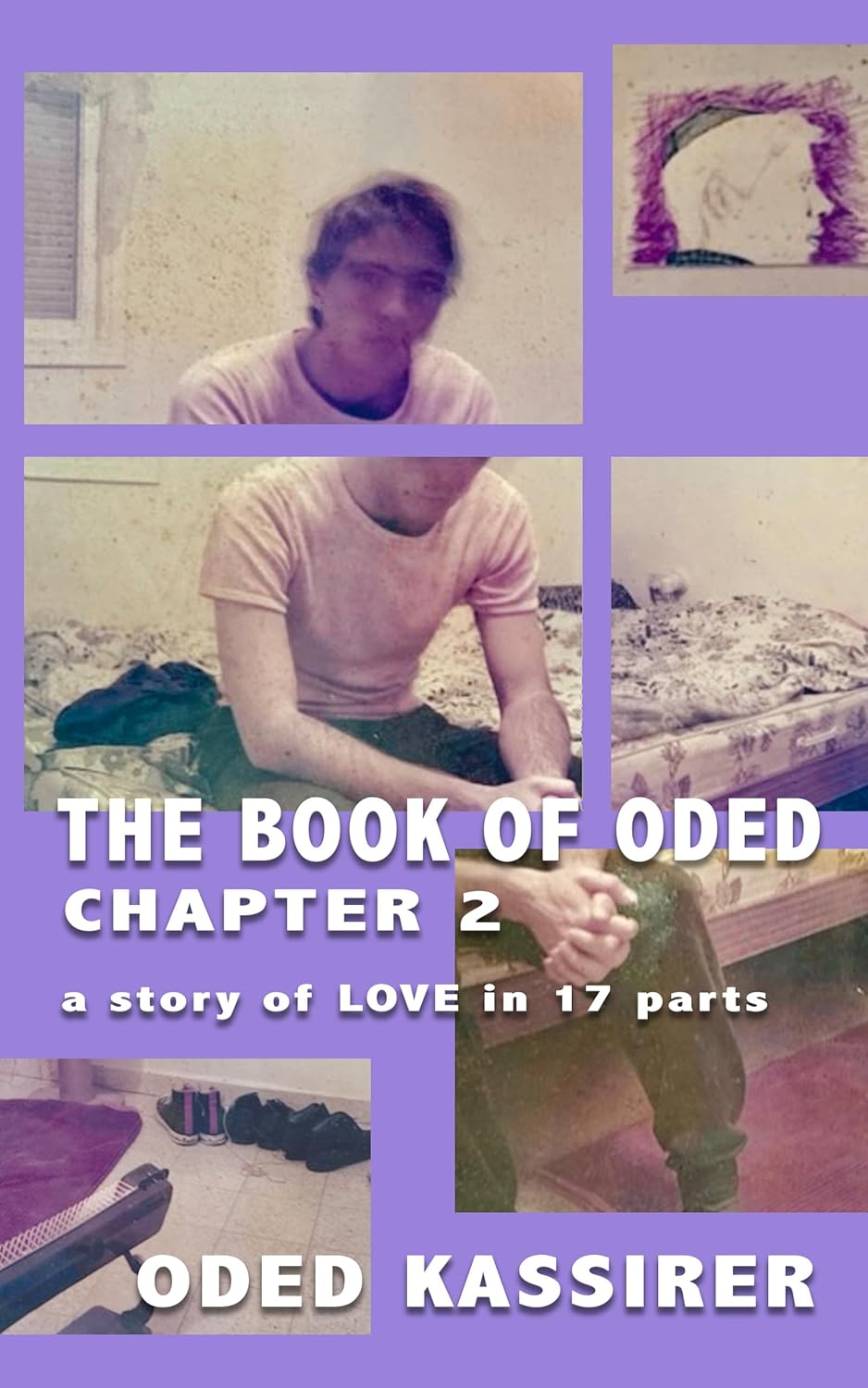
The Book of Oded, Chapter 2 tells the story of a young Israeli man whose life spins through love, identity, migration, and loss. It begins with Oded racing through Tel Aviv to share his green card news with his boyfriend, Gil, and then expands into a rich, heartfelt memoir about how their relationship began, how it grew, and how it changed when HIV entered their lives. The book follows Oded from his army days to his first years in Los Angeles, through joy, heartbreak, separation, friendship, and finally grief and spiritual acceptance. It becomes a story about love that keeps changing shape yet never quite disappears.
The writing feels relaxed and honest, like a friend sitting across from me telling me their story. I loved the humor tucked inside the pain. I laughed at the stories about Na’alei Kvasim slippers and the matching striped shirts at Shabbat dinner, little moments that make the book feel alive. Then the tone shifts and sinks when needed, especially in the phone call that delivers Gil’s diagnosis. I felt myself slow down as the story did, almost holding my breath at times. The simplicity of the writing makes the emotions stand out even more. There is no attempt to impress. It just speaks plainly, and that makes it powerful.
I also found myself moved by how the book tracks what love can become over the years. Oded does not hide the messy parts. He admits the silence, the drifting, the resentment, the guilt. That honesty made me trust him as a narrator. I could feel how love for Gil kept expanding even as their lives pulled apart, and how caring for someone can be both an anchor and a weight. The dream near the end, where Gil appears in white and disappears in a hug, was very emotional. It felt like closure that grew from feeling rather than logic, and I found myself sitting quietly after reading it.
This book feels perfect for anyone who likes real stories told without pretense. If you enjoy memoirs about love, identity, or resilience, you will probably connect with this one. It is also a meaningful read for anyone who has lost someone and is still figuring out what to do with the love that remains. I would happily recommend it.
Pages: 61 | ASIN : B0FVD1N895
Where The Pecan Trees Grow

Where The Pecan Trees Grow, by Thomas Gates, follows Miguel, a Mexican father who leaves his drought-stricken home in Michoacán to cross the border and search for work in the United States. His journey is dangerous and exhausting, filled with tense nights in the desert, smugglers who mix threat with necessity, and close calls with patrols. Eventually, he finds work on a pecan farm in California, where the quiet rhythm of trees and soil gives him a fragile sense of hope. The story moves between struggle and calm, fear and stubborn faith. It is about survival, family, and the long, slow work of building a life from almost nothing. It is also about promise, the kind that sits heavily on the heart.
I found myself swept up in the raw honesty of the story. The writing feels simple in the best way. It opens a clear window into Miguel’s thoughts and fears. I kept pausing when the story talked about soil or trees. Something in those passages felt grounding. I could feel the heat from the fields, smell the dust, and hear the quiet talk between workers. The tense scenes, like the border chase and the near discovery in the truck, hit hard. They left me holding my breath and maybe gripping the page a little too tight. The gentle moments hit just as hard. The letters Miguel writes but cannot send, his quiet walks through the rows at night, and the way he treats the orchard like something alive and listening. These parts warmed me more than I expected.
There were moments when the book made me ache a little. The prejudice he meets in town feels eerily familiar. Still, the story never falls into hopelessness. It keeps lifting itself up, often because of the farm, the trees, and the quiet steadiness of Big Jim. I liked how the book painted Jim as tough but fair. No speeches. No miracles. Just a man who sees effort and decides it is worth backing. The pacing surprised me at times. Some chapters rush with danger while others slow into a gentle hum. I liked that. Life isn’t even. It jumps and stumbles, and the story captures that feeling well.
By the end, I felt proud of Miguel in this strange way, like I had watched him build himself again layer by layer. I would recommend Where The Pecan Trees Grow to readers who enjoy character-driven stories, especially ones rooted in real emotional stakes. Anyone who likes tales about migration, perseverance, and the quiet strength of ordinary people will find something meaningful here. It is a great choice for book clubs, too. There is a lot to talk about, and even more to feel.
Pages: 163 | ASIN : B0G5M3CDRX
The Chip
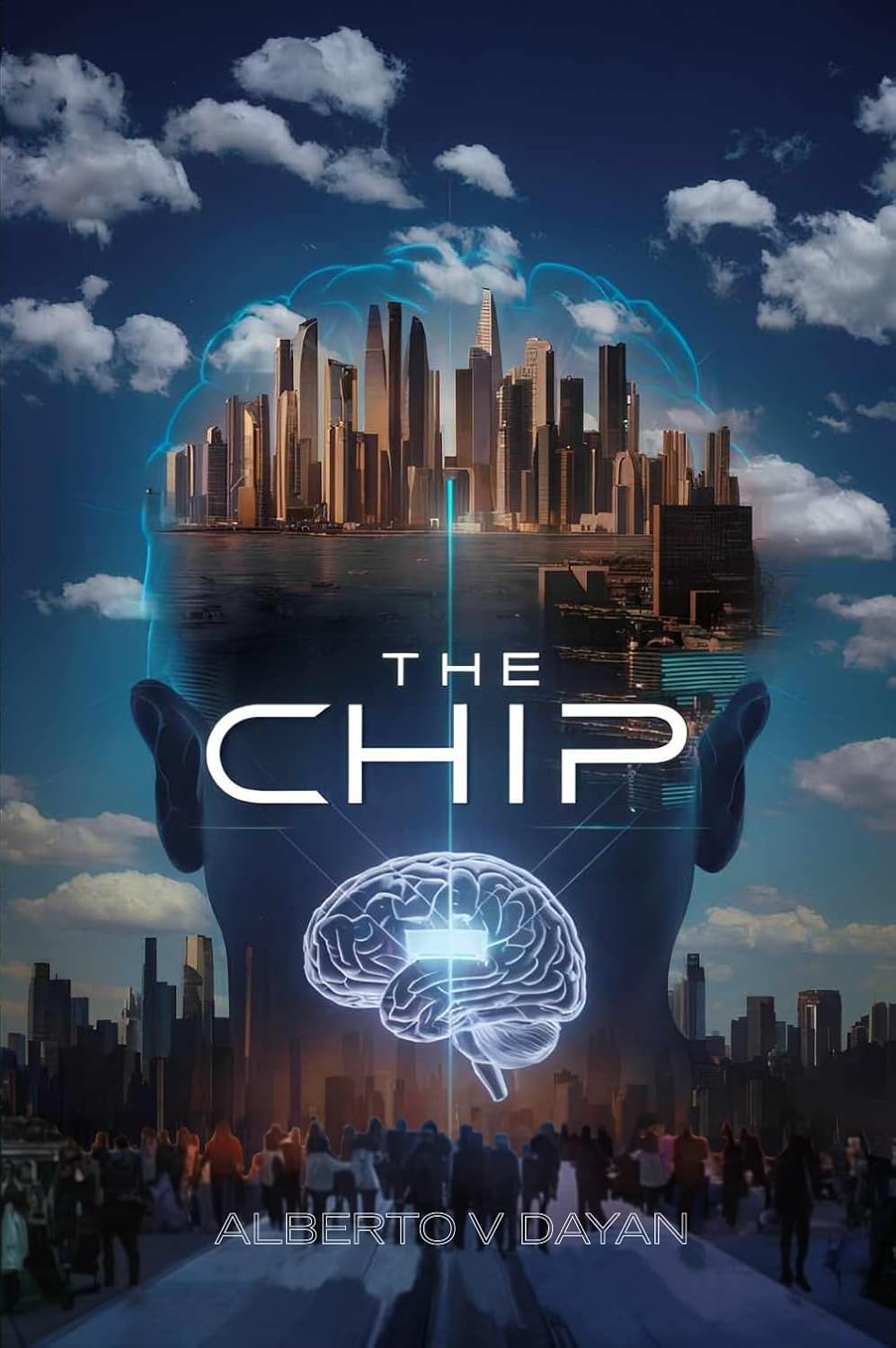
The Chip follows Phillip Novak, a brilliant and driven CEO who secretly implants an advanced A.I. microchip into his brain. The surgery turns him into a kind of superhuman thinker, and the world quickly bends around his newfound power. Governments scramble, cultures fracture, and everyday people start asking whether they should become “enhanced” too. It begins as a story about invention and ambition, then widens into a global clash over identity, freedom, and who we become when we let technology crawl into our minds.
The writing often moves at a quick clip, and I liked that. It gave the story a sense of momentum, almost like the world itself was speeding up the moment Phillip woke from surgery. Some scenes felt larger than life. His fleets of look-alikes, his secret mountain compound, his perfect confidence. I kept thinking how bold it was to paint a character with so much certainty. I would have liked more space to breathe with Phillip and understand him as a man rather than a symbol. Even so, I enjoyed how the book made big ideas feel close and personal. I kept turning pages because I wanted to see how far this technology would push him.
The book plays with power in a way that made me uncomfortable in the best sense. Watching governments rush to control the Chip felt scarily real. The split between “Enhanced Persons” and everyone else gave me a knot in my stomach. I caught myself thinking about how easily people trade freedom for convenience and how quickly leaders twist “safety” into something else entirely. Some of the social changes came fast, but the emotional weight landed. I found myself wondering what I would do. Would I let someone drill a device into my skull if it promised to make me brilliant? The book never answers that for you. It just sits with you and pokes at your thoughts.
The Chip is a cautionary tale, a thriller, and a tech fantasy all at once. I think this book is a strong fit for readers who enjoy fast pacing, high-concept ideas, and stories that make them question where our world is heading. If you like fiction that blends science with moral tension and if you enjoy thinking about the consequences of our inventions long after you close the book, then The Chip will be right up your alley.
Pages: 171 | ASIN : B0DJMJHRC4
Slickrock

Slickrock blends a fast kidnapping thriller with a rugged, sun-bleached wilderness adventure. The story kicks off when Relic, a loner and moonshiner who haunts Utah canyon country, discovers a body in a fake granary. At the same time, college student Malia is yanked from a nightclub and dragged into a scheme run by a revenge-hungry crew. Sheriff Leavitt and Deputy Dawson try to track down a missing ranch hand, but their investigation collides with the kidnappers’ plans. The book jumps between these threads until everything crashes together in Slickrock Canyon, where desert storms, gunfights, and raw survival force each character to show who they really are.
The pacing moves fast, like the book can’t wait to shove you around the next corner. I really liked the way the author paints the canyon. It feels hot and harsh and alive in a way that made me thirsty just sitting on my couch. Relic ended up being my favorite part of the book. His quiet grit sneaks up on you, and the way he tries to help Malia even though the whole mess has nothing to do with him makes him feel grounded and real. I also liked how the author lets scenes breathe just long enough before snapping into chaos. It kept me on my toes, and I didn’t mind that one bit.
The villains are nasty, but a few of their scenes felt over-the-top. Malia’s storyline pulled me in, especially the terror and confusion she feels early on, but I sometimes wanted more space inside her head instead of being rushed along. Still, when the story drops her into the wilderness with Relic, everything tightens up again. Their scramble through canyon forks and flash floods has a wild, sweaty energy. The writing hits hardest when it sticks to people running for their lives under a huge sky.
The book is punchy and dramatic. If you like thrillers that sprint rather than stroll, or if you enjoy survival stories set in wide open desert country, this one will probably scratch the itch. It’s especially good for readers who love a mix of crime, action, and a little rough humor. And if you’re the type who likes rooting for the stubborn, dusty outsider who’d rather avoid everyone but still ends up saving the day, Relic alone makes the journey worth it.
Pages: 300 | ASIN : B0G1CD2S61



 LITERARY TITAN