Blog Archives
Barney, the Big Brown Dog!


In Barney, The Big Brown Dog by Patrice LeMoine, readers are introduced to Barney, a lovable yet uncertain brown Labrador Retriever whose life is about to change. His elderly owner can no longer care for him, and as a result, he is being driven to a new family that will take him in temporarily. However, at the last moment, plans fall through, leaving Barney unexpectedly homeless. The driver, after some reflection, decides to reach out to her sister and her family, hoping they might provide the shelter and care Barney so desperately needs. Fortunately, they welcome him, offering a temporary haven.
Upon arrival, Barney’s sheer size astonishes everyone. This massive Labrador, though affectionate, is undeniably clumsy, often struggling in tight spaces. Despite this, his new family does their best to accommodate him, understanding that Barney has nowhere else to go. The central question lingers: Can Barney adapt to his new surroundings? Will this temporary home become permanent?
I found this story deeply touching, and I have no doubt that children will be equally captivated. The heartache of Barney losing his original home due to circumstances beyond his control tugs at the emotions, making readers yearn for him to find the love and stability he deserves. When he is taken in at the last moment, hope blossoms that this family will ultimately become his forever home. The story beautifully conveys a powerful lesson: appearances and first impressions should never dictate judgment. Despite Barney’s imposing size and initial awkwardness, what truly matters is his loving nature and his earnest attempt to fit into his new environment.
Initially, I worried that Barney’s size would hinder his chances of finding even temporary shelter. My concern deepened when he was relegated to sleeping in the den alongside Charlie, the family’s cat. Would they get along? Would Barney’s occasional mishaps jeopardize his place in the home? With every misstep, tension builds, making readers anxious about his fate. Yet, despite the challenges, the ending is heartwarming and fulfilling, imparting an invaluable lesson to young readers: perseverance and patience can lead to beautiful outcomes, even when life takes unexpected turns.
The book is further enhanced by the vibrant illustrations of Rebecca Popp. Her colorful, expressive artwork breathes life into Barney’s adventures, making each page a delight to explore. Readers will find themselves grinning at Barney’s endearing expressions and laughing at his playful antics. Impressively, this book marks Ms. Popp’s debut as a published illustrator, a noteworthy accomplishment given her lifelong passion for the craft.
Barney, The Big Brown Dog is a heartwarming tale that resonates with readers of all ages. It’s a story of resilience, love, and the simple yet profound desire for belonging. From start to finish, Barney’s journey is one that will stay with readers long after they turn the final page.
The Funny Side: Relatable Anecdotes from a Once-Frazzled Parent
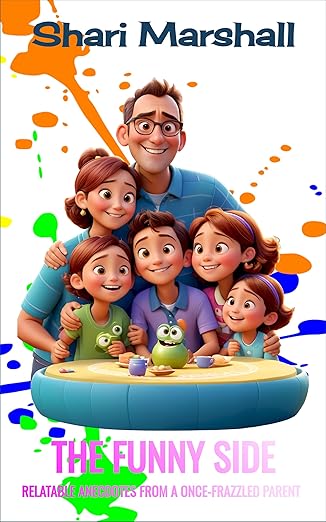
Shari Marshall’s The Funny Side is a lighthearted, laugh-out-loud collection of parenting stories that shine a hilarious spotlight on the chaos, messes, and unexpected joys of raising children. From the very first page, Marshall makes it clear—this isn’t a parenting guide. Instead, it’s a warm, witty, and refreshingly honest look at the ups and downs of life as a mom. The book is structured as a series of anecdotes, touching on everything from potty training and toddler streaking to those unfiltered, mortifying things kids blurt out in public. With chapters like Are We Responsible for Our Children’s Behavior? and Penis, Vagina, and Non-Sensical Things I’ve Learned, you know you’re in for a ride.
As a parent (and a grandparent), I found myself nodding, chuckling, and, at times, outright laughing at Marshall’s stories. She captures those wild, unpredictable parenting moments with such vivid humor that I felt like I was right there with her, reliving my own experiences. Take, for example, her battle with her toddler’s fascination with nudity—one I know all too well. When her son learned the word privacy, only to immediately abandon all concept of it by streaking through the house, I had to put the book down because I was laughing so hard. Then there’s her mortifying moment at Disneyland when her young son, in what could only be described as an innocent-yet-highly-suspect act, placed his tiny hand right on Ariel’s chest during a photo op. Priceless. These are the kinds of stories every parent collects over the years but often tries to forget until someone else dares to share theirs.
Beyond the humor, Marshall also sneaks in moments of deep relatability. Her struggles with early motherhood, especially with her premature baby’s fragile start in life, tugged at my heartstrings. She doesn’t sugarcoat the exhaustion, self-doubt, or overwhelming love that comes with raising kids. And then there are those little victories, like when her son finally figures out the mechanics of peeing standing up. That balance between hilarity and heartfelt truth is what makes this book stand out.
If you’re a parent, a grandparent, or even just someone who enjoys a good laugh about the beautiful disaster that is raising children, this book is for you. The Funny Side is perfect for exhausted moms who need reassurance that they’re not alone, dads who could use a reminder that yes, this happens to everyone, and even soon-to-be parents who have no idea what they’re getting themselves into. Shari Marshall has written a book that lets us laugh at the madness, embrace the mess, and appreciate the fact that no parent has it all figured out.
Pages: 114 | ASIN : B0DZ44G97D

A Double-Edged Sword
Just Like You, Papa follows a young boy who dreams of moving just like his father until he learns that even the strongest need time to rest. Did you draw from personal experiences when creating the father-child relationship?
Yes, this is the story of my son and his father. While we are an active family, and my son thrives in sports and looks up to his father, what he needs to learn is to take it easy sometimes. Ambition is a double-edged sword. I want to teach him balance in life.
How did you decide on the rhythmic, capitalized style for the book?
I love reading books to my kids, and I found I especially love those with rhythmic, simple text, and which use repetition. Kids love repetition. I explicitly aimed to achieve this effect myself. This book relies on the illustrations and bold text so that the energy jumps off the page.
What message do you hope both children and parents take away from the story?
To enjoy life to the fullest, dream big, but also to achieve a balanced outlook and enjoy the process. For example, if my son doesn’t manage a climbing route he wants to be able to do, his frustration and anger overwhelm him at times, and he needs reminding that he climbs because it is fun. He can sometimes then simply enjoy the process of learning, and take a break. He needs to learn to let go sometimes.
Was there a particular moment in the story that was especially meaningful to you?
There is no particular moment, but I like how the voice changes in the middle of the book from the perspective of the child to the perspective and wisdom of the father.
Author Links: Facebook | Website | Instagram | Amazon
The Suicide Prevention Family Handbook
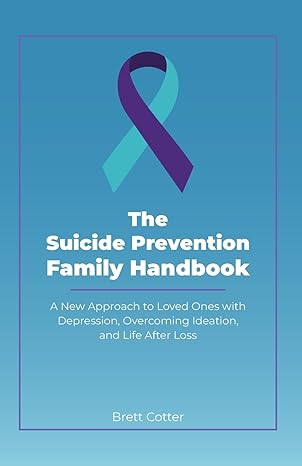
The Suicide Prevention Family Handbook, by Brett Cotter, is a deeply compassionate and practical guide for those facing the realities of depression, suicidal ideation, and grief. The book serves as a roadmap for families and individuals navigating these challenges, offering step-by-step techniques to provide support, regain emotional balance, and rebuild life after loss. While it does not replace professional medical or psychological treatment, it complements traditional approaches by focusing on mindfulness, emotional release, and effective communication strategies.
One of the most powerful aspects of this book is its emphasis on the role of emotional pain in suicidal ideation. Cotter explains that emotional pain is seeking to be “seen, heard, and loved.” This perspective shifts the focus from simply preventing suicide to addressing its emotional root causes. The techniques he provides, such as the 5 Prompts, which encourage open-ended, compassionate listening, are practical and immediately useful. His step-by-step breakdown of how to hold space for a loved one, particularly the sections on body language and tone, make this guide stand out. It’s not just about what to say but how to be with someone in pain, and that nuance is essential.
Cotter’s personal anecdotes make the book feel intimate and real. His description of working with veterans struggling with PTSD and suicidal ideation, along with his own past experiences with emotional pain, add authenticity to his methods. The story of how he guided someone out of suicidal ideation in 2003 by simply listening, grounding himself, and asking, “Please tell me more,” is a striking example of how small shifts in approach can make a life-saving difference. It’s one thing to discuss theories of emotional healing, but Cotter’s book is packed with real-life examples that prove the effectiveness of his techniques.
Another strong point is his approach to grief. He acknowledges that loss, especially from suicide, can be overwhelming, but he doesn’t offer empty platitudes. Instead, he provides tangible exercises, like the Letting Go with Love Visualization and Calling Loved Ones Into Our Dreams, which allow people to continue their relationship with lost loved ones in a meaningful way. His insight that guilt after a loved one’s suicide is a natural survival mechanism, rather than an indicator of personal failure, is a revelation that could provide comfort to many struggling with loss.
The Suicide Prevention Family Handbook is for anyone who has a loved one struggling with depression, those dealing with their own suicidal thoughts, and individuals grieving a tragic loss. It’s not just for mental health professionals; it’s written for everyday people who want to learn how to truly support those in pain. Cotter’s writing is clear, heartfelt, and filled with empathy, making it an accessible and invaluable resource. If you’re looking for practical tools to help yourself or someone you care about, this book is well worth the read.
Pages: 58 | ASIN : B0DPJKWXDT
Lifelong Love for Nature
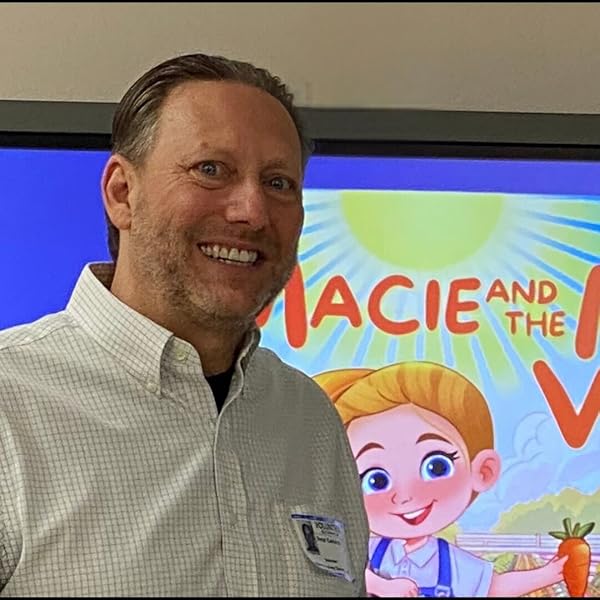
Macie and the Magic Veggies follows a lively five-year-old who adores vegetables and when she gets to go grocery shopping, it turns into a thrilling adventure. What was the inspiration for your story?
After I stepped away from the corporate world, my initial plan was to write a leadership book—something that distilled the professional lessons I’d picked up over the years. But then my granddaughter, Macie, was born, and it hit me that the most meaningful way to pass on those insights might be through her eyes instead. That’s how Macie and the Magic Veggies came about. I wanted to infuse the story with curiosity, compassion, and a sense of wonder—so it wouldn’t just share lessons, but truly inspire Macie and future generations to grow a little magic in their everyday lives.
What educational aspects were important for you to include in this children’s book?
My goal in writing Macie and the Magic Veggies was to create a story that not only entertains but also educates and inspires. It’s an engaging tale that blends vibrant illustrations with hands-on, interactive elements—making the learning journey fun from start to finish. Through Macie’s eyes, I want to spark a passion for growing vegetables, a love for the environment, and a deeper understanding of how caring and kindness can help things flourish. This story shows children that the world around them is brimming with magic, just waiting to be discovered!
And the best part? The adventure doesn’t end when you turn the last page. Kids can keep the fun going with activities like singing Macie’s Veggie Song, searching for hidden gems in the artwork, or even starting their own little gardens at home. Ultimately, it’s all about fostering a lifelong love for nature, a sense of wonder, and bringing families closer together.
What scene in the book did you have the most fun writing?
The scene that brings me the most joy is when Macie exclaims, “Now I’m a farmer too!” Originally, she said something more along the lines of “I can share with you,” but I changed it after one of my daughter’s elementary school students mentioned she’d never seen a book where a girl took on the farmer’s role. That moment flipped a switch for me—I wanted to celebrate the idea that girls can absolutely be farmers, too! It’s a small line change that carries big meaning, reflecting how excited my own family felt when we planted blueberries and built a barn on our property. Even now, that scene makes me smile every time, knowing it might inspire a future generation of young farmers.
I hope the series continues in other books. If so, where will the story take readers?
I’m so glad you asked! The Macieverse is expanding in wonderful ways, with fresh adventures designed to spark curiosity and fun at every turn. We’ve already started crafting stories like Macie and the Magic Berries, shining a light on sharing and kindness; Macie and the Magic Beans, where kids discover patience and perseverance; and Macie and the Magic Dirt, showing how we can turn “waste to wow!” through composting. Each story even comes with its own original song, so children can sing along while they learn.
But that’s just the beginning! We’re also hard at work on Macie and the Magic Water Garden, exploring how small spaces can hold big gardening ideas—thanks to vertical planting. Plus, there are more songs and even Macieverse TV projects on the horizon.
At the heart of it all, every Macieverse story is created to inspire young minds to explore nature, care for each other, and nurture our planet. Stay tuned—there’s plenty more magic on the way!
Author Links: GoodReads | Website | Linkedin | Amazon
From Grocery Aisles to Garden Rows-Join Macie’s Journey to Where Real Magic Grows!
Are you ready to discover where all your favorite veggies come from? Macie sure is!
As Macie sets off on her adventure, she learns that the true magic of vegetables reaches far beyond soil and sunshine. With the guidance of her Grandpa, they meet Farmer Lundyn, a friendly young farm girl who helps Macie discover the joy of planting, nurturing, and harvesting her own food-and shares the secret that makes her farm extra special.
Filled with vibrant illustrations and rhythmic, engaging language, Macie and the Magic Veggies captures the wonder of a child’s curiosity and celebrates the love that grows from family and nature. This heartwarming story is perfect for toddlers and preschoolers, inviting them to explore the magical journey from seed to table and the power of connection.
Sprinkle on Some Extra Magic-Activities Await!
Once the last page is turned, the adventure continues! Macie and Grandpa invite you and your little one to enjoy fun interactive questions and delightful activities to deepen the story’s magic and meaning. Let the learning and laughter continue as you revisit Macie and the Magic Veggies, cultivating curiosity and a love for nature together, one page at a time.
Where Eagles Fly Free
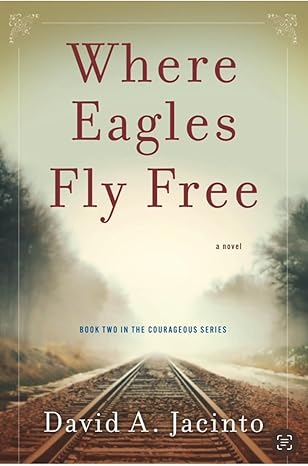
David A. Jacinto’s Where Eagles Fly Free is an immersive historical novel that whisks readers back to 1868, following Tom Wright and his family as they embark on a grueling transatlantic journey from England to America. Their story is one of resilience, hope, and unyielding determination as they flee the oppression of the British aristocracy in pursuit of a dream to live freely on their own land. Throughout, the narrative teems with vivid imagery, from the breathtaking Irish Sea to the cramped, unsanitary ship conditions, and highlights the toll of physical and emotional hardships faced by immigrants.
Jacinto’s writing made me feel present in every scene. His descriptions of the Colorado ship, the swaying wooden masts, the pungent smell of mildew, and the ever-present threat of the Atlantic’s fury were so vivid I felt seasick myself. One standout moment was when the ship endured a violent cyclone, complete with cracking masts and desperate sailors. It was heart-pounding and terrifying, yet it highlighted Tom’s courage under pressure. At the same time, the book’s pacing allowed for reflective moments, particularly during the extended inner monologues about America’s promise, which offered a hopeful and idyllic vision of the future that added depth to Tom’s dreams.
The novel shines brightest in its portrayal of human relationships. Annie, Tom’s pregnant wife, was a standout character for me. Her compassion and sheer grit stole the spotlight repeatedly. I found myself rooting for her during the scene where she faced off with the ship’s detestable cook, Mr. Bunnings, over the rotten food being served to sick passengers. Her determination to improve conditions for everyone, even as she battled her own exhaustion, was inspiring. Tom’s interactions with his wife left me conflicted. While his dreams for America were noble, his occasional dismissiveness of Annie’s struggles added a layer of tension that felt unresolved.
The bonds of family and the pain of loss are central themes. Tom and Annie’s shared grief over their son Henry’s death added a poignant layer to their relationship. Scenes like Annie comforting her ill nephew or witnessing a mother and child being buried at sea were gut-wrenching. These moments grounded the story in raw emotion and reminded me of the immense sacrifices immigrants made for the hope of a better life.
Where Eagles Fly Free is a deeply evocative tale of perseverance, filled with memorable characters and stirring imagery. While it occasionally leans into idealism, the novel’s focus on family, faith, and the pursuit of freedom will appeal to readers who enjoy richly detailed historical fiction. I’d recommend it to anyone with a taste for emotionally charged narratives, particularly fans of stories about immigration or survival against the odds.
Pages: 400 | ASIN : B0DZY69F2J
Sparent
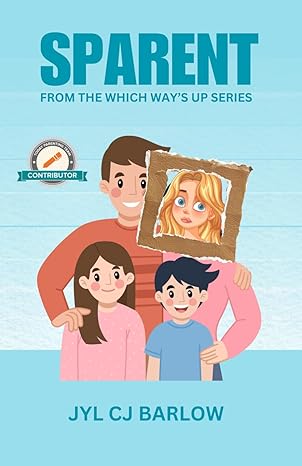
Jyl CJ Barlow’s Sparent is a raw, heartfelt, and often hilarious dive into the messy, beautiful, and sometimes maddening world of step-parenting. Through a series of personal essays, Barlow recounts her experiences navigating blended family life, sometimes thriving and sometimes barely surviving. She shares the joys, the heartbreaks, the frustrations, and the small victories that come with being a “Sparent” (a spare parent). It’s a book full of love, vulnerability, and biting humor, making it a refreshingly honest take on modern family dynamics.
One of the things I loved most about Sparent was its unfiltered honesty. Barlow doesn’t sugarcoat anything. She talks openly about feeling like the “extra” parent, the one easily dismissed or overlooked. In the prologue, she bluntly states, “I am the Sparent. I am the extra parent that no child wants in their life.” That kind of truth hits hard, and throughout the book, she explores what it means to claim a space in a child’s life when biology isn’t on your side. There’s an emotional depth here that sneaks up on you. One moment, you’re laughing at her struggles with a moody teenager; the next, you’re tearing up as she describes the quiet heartbreak of waiting to be seen and valued.
Another standout aspect of the book is Barlow’s humor. She has this incredible way of turning even the most frustrating situations into laugh-out-loud moments. In “Summer Camp”, she perfectly captures the exhaustion of dealing with a teenage boy, lamenting how her once-snuggly sidekick has morphed into a surly, towering, hormonally-charged force of nature. “I love this boy. I will hunt you down if you hurt him. But good grief, how am I going to survive five more years of this?” That’s the magic of her writing, as she makes the chaos of parenting feel so relatable, even if you’re not a stepparent. If you’ve ever dealt with a teenager, you’ll recognize yourself in these pages.
But the book isn’t just humor, it’s also deeply introspective. In “Letting Her Fail,” Barlow recounts the agonizing decision to let her stepdaughter, Amelia, face the consequences of her own choices instead of swooping in to fix everything. She writes, “We have to let her fail,” Rich repeated. This was torture. The struggle of stepping back, of allowing a child to stumble so they can learn, is one of the most challenging parts of parenting. Barlow’s willingness to admit her doubts, fears, and occasional missteps makes her story all the more powerful.
Sparent is more than just a book about step-parenting; instead, it’s a book about love in all its complicated, imperfect glory. It’s about showing up, even when you’re not sure you’re wanted. It’s about finding joy in the chaos and laughing when you’d rather cry. It’s about realizing that love isn’t about biology; it’s about presence, patience, and persistence. If you’re a step-parent, you’ll feel seen. If you’re a parent, you’ll nod along. If you’re someone who loves a complicated, heartfelt story with plenty of humor, this one’s for you.
Pages: 128 | ASIN : B0DTVSJPLQ
So Many Mysteries

Those Who Live follows two cousins who stumble onto a chilling family secret—six baby girls, all born into their family, all dead in infancy, and they start investigating the family’s dark secrets. What was the inspiration for the setup of your story?
As this book unwound, like silk thread from its cocoon, there were many inspirations. For example, the character, Cody, emanated from a pedicurist who just didn’t seem like a pedicurist–wearing a hunting shirt and being the only Caucasian in a Thai establishment. The original inspiration came from my fascination with my maternal grandmother’s early life. Daughter of Irish “newspaper men” in the 1840s, she was expected to lead the life of a faithful Irish Republican girl on the same block in Brooklyn where her family lived. Her “perfect” sister, Mary, lived there her whole life, married a Murphy, and saw her first child become a nun. However, my grandmother ran off with a PROTESTANT, and some on the block said they never married, but they did, and worse, they left Brooklyn for New Jersey, where my grandmother became a landlord. I just thought, there must be so many mysteries there. Also, my mother was born blue and was indeed rushed to the kitchen sink where she was baptized by Mary, the perfect sister, who gave her the name, “Mary,” later changed.
What was your inspiration for Chinle and Mae and their relationship?
My husband and I were booked to go to Chinle, Arizona, the land of the Navajo. We planned to tour the cases, led by a native leader, but I broke my arm, ending the trip. Chinle came somehow from that. I had a terrible triad injury to the arm, and there was talk of whether it would ever heal. It did, but that fear stirred in me. As a child, I had a phobia about amputees, and I let some of my feelings about my arm ( I didn’t like it) brew into my character and I decided to write about amputation as someone over the phobia. As to Mae, she was at first a mirror to Chinle, but as she went through her own losses, I found her maturing and I began to like her quite a lot, so I let her become brave enough to take the challenge Cody offered, so it was her own courage that led her to her second sweet life.
What were some themes that were important for you to explore in this book?
Amputation was one. I also wanted to explore something about the West and its allure. As the book unfurled, I wanted to imagine what it would be like for a father and daughter to rekindle after the life decisions that were made in the novel. I wanted Chinle’s love of life to permeate the entire book, which happened along the way and especially when she talked to Ennis. I wanted to explore how a person becomes a myth, which is what Chinle became in the eyes of all who loved her. That’s what those last two chapters are about.
What is the next book that you’re working on and when can your fans expect it out?
I am into my fifth novel. It is called Rosaline. The six chapters each look at a different time in history, but all of the female leads are named Rosaline. The reason is that was the name of the ideal woman in sonnet sequences and during the Renaissance. In Romeo and Juliet, before Romeo meets Juliet, he is out of his mind in love with Rosaline, who is never in the play. She is merely a figment from Romeo’s mind of what the ideal woman is. That is what I explore here: how physical beauty in a woman, though much admired by men, is a curse for women, who are never actually SEEN for who they are because that beauty blurs any chance of knowing them. I’m in chapter 3 of 6 or 7 chapters, so I’d guess it would be finished in 2026.
Author Links: GoodReads | Amazon
As the interviews proceed, Chinle, injured at five when someone pushed her on her bike down a deep, steep, rocky ravine, begins to have memories of the accident that left her with an inturned right foot, a leg with little feeling, and a spastic gait due to neurological damage. The mystery of who pushed Chinle gradually becomes more central than the mysteries of the six infants. The relationship between Chinle and Mae becomes tenser and more layered as each woman’s romantic life becomes more complex, Chinle establishing a bond with Cody and Mae, losing her bond with her long-time boyfriend, Bernie.
What will each woman discover about herself as mysteries between them unfold?



 LITERARY TITAN