Blog Archives
Societal Anomalies
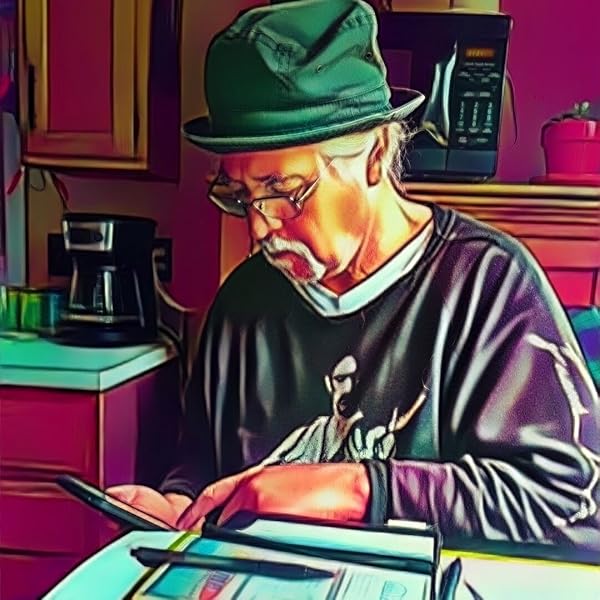
The Sycamore Centennial Parade follows a trio of small-town men who find themselves in charge of promoting their town’s centennial celebration, leading to a series of comical mishaps and adventures. What was the inspiration for the setup of your story?
When I was a kid, all of the old B&W comedy films found new life filling empty television space. We watched W.C. Fields, Abbott & Costello, the Marx Brothers, and the Bowery Boys constantly. All of those films contained characters that were societal anomalies, indifferent to how dysfunctional they appeared to everyone else.
In The Sycamore Centennial Parade, I tried to create a story that generated that same ambiance. A tale about people with good hearts but not quite well-behaved.
What character did you enjoy writing for? Was there one that was more challenging to write for?
I liked Poodle. I liked his innocence. I thought of him as a 300 lb. 10-year-old. Very simple. Not stupid, just uncomplicated. Always playing around and easily distracted.
Raoul was the most challenging character to create. I wanted him to teeter along the edge of ‘disliked’ but never actually lose his balance. Like Jericho, I see him as an overall good person, he just has crappy, self-absorbed social skills.
I found this novel to be a cutting piece of satire. What is one thing that you hope readers take away from your novel?
Every time an insurance company busts a scam, they add a clause to everyone’s contract, just to make sure it doesn’t happen again. Sometimes the volume of rules and laws in life seem to mirror that same ‘guilty by association’ concept. And the absurdity of requirements can, on a less than good day, border on overwhelming. But if you don’t comply, you’re the problem.
Learn to see it for what it is. Find humor in the unnecessary, nonsensical dogma. You can’t change it. And it’s not going away on its own. But you can always laugh at it.
What story are you currently in the middle of writing?
I’m currently sketching an outline for a piece with the working title of The Nude Eel. It’s about a formerly wealthy family coming to terms with the depression of the 1930’s. The family matriarch left stipulations in her will for anyone interested in getting what is left of the family fortune. Needless to say, none of her survivors are happy. But all of them are desperate.
Some humor. (people are always people) But darker and more serious than the first book.
Author Links: GoodReads | Website
However, it’s his wife that needs his help. So, he’s committed to succeeding. Sort of. And as long as there is no free food, bright lights, or anything shiny along the way, he’ll be fine.
But, to those with child-like wonder, the world is an endless adventure of distractions. And soon enough, Clark, joined by his best friend and fellow buffoon, Babylon Hurley, finds himself anywhere but on the straight and narrow path to success.
They played kickball. He had his fortune read. They went fishing. His knuckles are bleeding. And the police want to talk to him. The cookies though, they were pretty good.
Join our well-intentioned heroes, on this ever-twisting comical romp, as they take the road less traveled to a victory even less foreseen.
Buried Treasure


Buried Treasure is a spiritually rich and emotionally resonant novel that follows the intertwining journeys of Cassie and Stella, two women navigating pivotal crossroads in their lives. Cassie, grieving a miscarriage and at odds with her husband over the pace of healing and next steps, attends a mystical retreat that gradually reveals not only her emotional truth but a deeper, spiritual clarity. Meanwhile, Stella, a wise, older therapist also at the retreat, undergoes her own awakening, rediscovering a magical inner world tied to fairies, healing, and forgotten memories. Through soulful conversations, dreamlike sequences, and otherworldly encounters, the book guides readers through themes of loss, joy, self-discovery, and the ethereal presence of unseen guides.
From the first page, I was drawn into the gentle rhythm of Lovell’s prose. The writing is lyrical but never pretentious, with a voice that feels both sincere and tender. She writes like someone who truly believes in the healing power of storytelling. The emotional depth in Cassie’s inner journey, her grief, doubts, hope, and quiet courage, feels real. And then there’s Stella, whose spiritual adventure becomes something far more than fantasy—it reads like a deep meditation. Lovell doesn’t just tell a story; she invites you to breathe it in slowly. The blend of mysticism and raw emotional honesty never feels forced, it works.
The book walks a fine line between metaphor and message. There were moments when I felt swept up in the magic, especially when Stella stepped into the world of fairies and healing pyramids. Other times, it leaned into spiritual exposition, slowing the momentum. But maybe that’s the point. It’s a story you sit with, one that asks you to slow down and feel. Lovell’s voice is warm and wise, like she’s gently holding your hand through your own personal remembering.
Buried Treasure is not your average novel. It’s part love story, part spiritual manual, part soul balm. I’d recommend it to anyone who’s been through loss, who’s questioning their life path, or who just wants a reminder that magic can live in our most broken places.
Pages: 162 | ISBN : 1763689905
Charlie’s Ladder
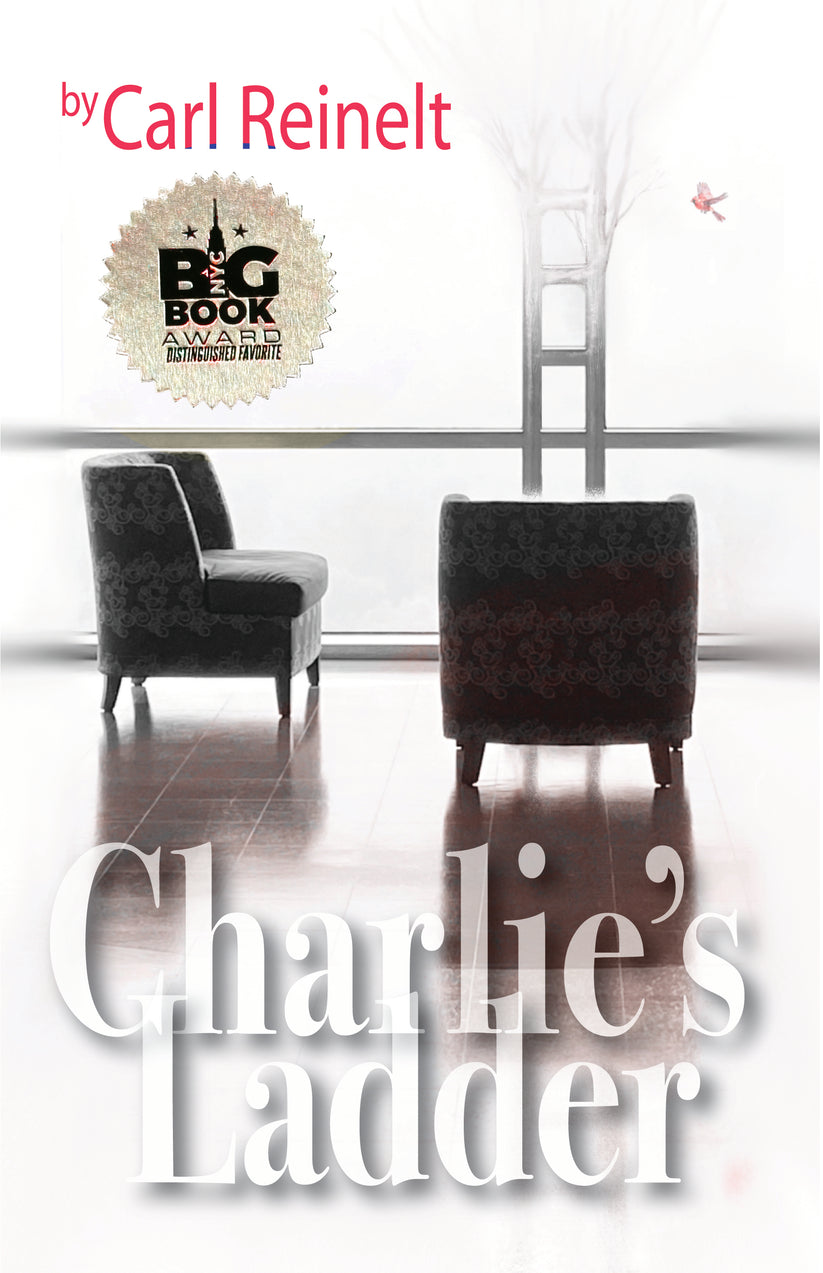

Charlie’s Ladder is a haunting novel that follows Charlie Houden, a middle-aged man crushed under the weight of trauma, guilt, and unrelenting grief. Structured around therapy sessions, fragmented memories, and painful flashbacks, the book chronicles his inner collapse following the death of his daughter and a lifetime of emotional wounds that trace back to childhood. As Charlie begins therapy with Dr. Dina Epstein, we journey with him through layers of repressed suffering—his tormented Catholic upbringing, abusive family dynamics, and disintegrating marriage—culminating in a search for meaning and redemption amid despair.
Reading this book was like cracking open a chest that had been sealed too long. The writing is raw, vivid, and fearless. It’s not just storytelling—it’s bleeding on the page. Carl Reinelt doesn’t hold back. His prose punches you in the gut, then leaves you stunned with a tender line. The nonlinear structure works beautifully. It mimics the way trauma actually feels. Unpredictable, fragmented, cyclical. I found myself wincing at some scenes and nodding solemnly at others, especially those involving Charlie’s disillusionment with faith and his grief-ridden memories of Lizzie.
That said, the book doesn’t let you get comfortable. And that’s the point. It drags you into the trenches of mental anguish and spiritual crisis without offering any neat resolutions. There’s beauty in that, but also a heaviness that lingers. Some parts felt intentionally disjointed, which could frustrate readers looking for a clear plot arc or redemption arc. But what made me stay was Charlie himself—broken, cynical, yet deeply relatable. His voice, despite its sarcasm and self-loathing, rang true. His banter with Dina Epstein crackled with tension and dark humor. And his painful unraveling felt not only believable, but necessary.
Charlie’s Ladder is not for the faint of heart. It’s for readers who are willing to sit in discomfort, to face the messiness of trauma and mental illness without flinching. I’d recommend this to anyone who’s lost someone, struggled with depression, or felt estranged from religion or family. It’s heavy, yes, but it’s also a deeply personal exhale.
Pages: 319 | ISBN: 978-1-7362149-6-1
Republic of Mars
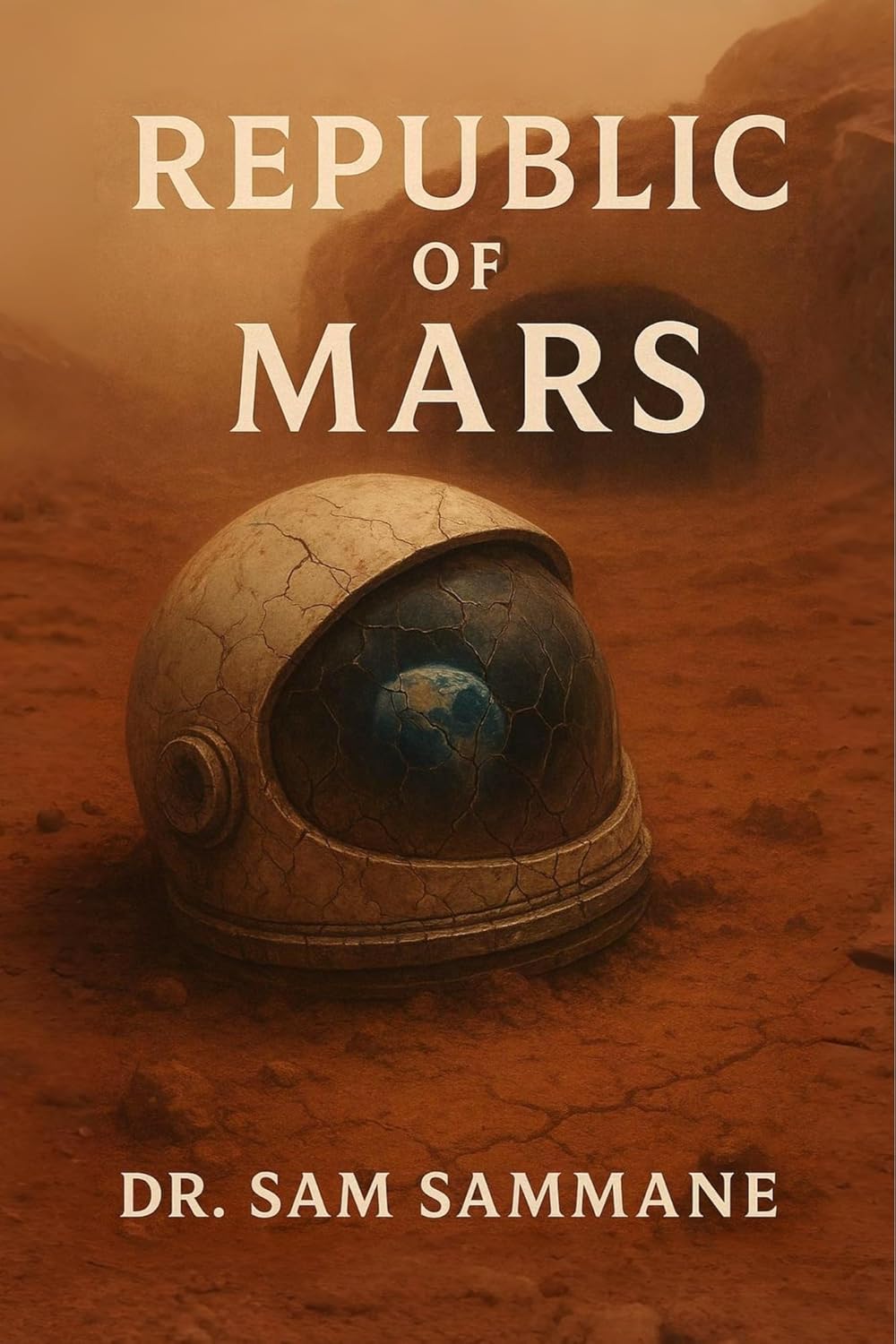
Republic of Mars by Sam Sammane is a gripping sci-fi detective novel set in a future where humanity has carved out a new civilization beneath the crust of the Red Planet. The story revolves around Detective Peter Dash and his partner, Officer Farah Ram, as they investigate the mysterious disappearance of a man named Owen Cornell. The case soon snowballs into a much larger narrative involving surveillance, secrecy, and the fragility of truth in a heavily controlled society. The novel weaves a futuristic noir atmosphere, painting a world of sterile habitats, high-tech AI partners, and the persistent shadows of corporate and political power.
I was hooked from the first few pages. The writing, although occasionally stilted in its technical exposition, truly shines in the dialogue and character interactions. Sammane’s Mars feels claustrophobic and raw, and he doesn’t shy away from showing the psychological weight of living in a place so alien and unforgiving. The characters carry this pressure in every decision and glance. Dash is a classic noir detective with just enough modern flair to feel fresh, and Ram’s mix of sarcasm and determination balances him perfectly. Their banter, often darkly funny, kept me turning pages even when the pacing dipped in the middle chapters. The use of a drone sidekick, Marko, adds a unique element—somewhere between comic relief and cold efficiency—that works surprisingly well.
But beyond the mystery, it’s the ideas that stuck with me. The book critiques surveillance culture and the illusion of safety under authoritarian control. It paints Mars as both a dream fulfilled and a dystopia in disguise. Sammane cleverly contrasts the monumental achievements of space colonization with the personal cost of freedom, identity, and privacy. I found myself wondering, more than once, if the Mars colony was any better than the problems humanity tried to escape on Earth. The thematic undercurrent—about how utopias are built on compromise and control—hits hard without being preachy. It’s the kind of book that makes you think twice.
Republic of Mars is more than just a science fiction mystery. It’s a thoughtful exploration of ambition, loss, and the uncomfortable choices we make when building a new world. I’d recommend it to fans of science fiction who appreciate both plot and philosophy, as well as readers who enjoy a good detective story with moral complexity. If you’ve ever loved Blade Runner, The Expanse, or Asimov’s robot tales, you’ll feel right at home here. It’s one of those rare reads that blends sharp entertainment with something deeper.
Pages: 276 | ASIN: B0F6NZLVTB

Vexed

D.A. Chan’s Vexed, the sequel to The Orphan Maker, plunges us back into a world ruled by ancient bloodlines, dark legacies, and monstrous truths cloaked in elegance. Emilia Vasa, the outcast twin of a royal wendigo house, is yanked from the fragile peace of a life she built in hiding. Forced back toward the cruel empire of her birth, she must navigate manipulation, political alliances, old wounds, and the ever-looming shadow of becoming what she fears most—a monster like the rest of them.
Reading Vexed felt like stepping into a gothic opera that never lets up. Chan writes with emotional urgency—his prose is sharp and immersive, always soaked in atmosphere. I was completely swept away by Emilia’s voice: bitter but vulnerable, regal yet scared. She’s a character I rooted for even as I wanted to shake her. The writing walks a brilliant tightrope—both lyrical and grounded, layered with real feeling. Every sentence carries tension. The emotions—grief, fear, longing—stab through in quiet, gut-wrenching moments, especially in scenes with Anja and Michael. I stayed up late flipping pages, chest tight, because I had to know what was coming.
But it’s not just the writing—it’s the ideas that stay with me. This book isn’t just about a girl caught between two worlds. It’s about legacy and survival. It’s about the cruelty of power disguised as tradition. The wendigo myth is used so smartly—not just horror, but metaphor. Chan explores the hunger for control, the rot at the heart of family, and the cost of being different. There’s a quiet brilliance in how Emilia’s “defect” becomes a kind of strength, even as everyone tries to strip her of agency. That conflict—between the lie she must perform and the truth of who she is—makes the book pulse with tension. It’s relatable, even when the characters are monsters.
I can’t recommend Vexed enough to readers who love dark fantasy with real emotional teeth. If you liked Leigh Bardugo’s Ninth House, or the political dread of The Hunger Games with a gothic twist, this will hit you hard. It’s intense and it’s cruel and tender in equal measure. This book is not for the faint of heart, but if you want something that cuts deep and lingers long after the last page, Vexed is it.
Pages: 335 | ASIN : B0FBV1PJ1N
Beast of Phe’lak

This book throws you headfirst into a world of magic, pain, and tangled emotions. Hele’ne has spent centuries trapped on an alien planet, isolated and broken, under the control of a powerful beast who both saved her life and stole her freedom. When a group of new arrivals shows up on the beach near her prison, something stirs—faint memories, a flicker of purpose, a chance at freedom. What follows is a story that twists through identity, power, and survival, where every choice carries a cost, and every shadow hides something sharp.
What I loved most was how deeply personal it all felt. Beneath the dragons and battles and cosmic stakes, this is a story about trauma, real, raw, and relentless. Hele’ne’s connection to the beast is terrifying in how familiar it feels. It’s a portrait of control disguised as care, and it chilled me. And yet, there are soft moments too, brief flickers of tenderness, humor, even love, that make the heavy parts hit even harder. Elia dives into the darker emotions, showing what it means to fight for your own mind, your own body, your own name.
The writing is lush and dreamlike. The lore runs deep, the world is massive, and if you haven’t read the other books, you’ll probably spend a few pages catching up. But there’s something wild and beautiful about that, too. It feels alive. The characters are vivid, passionate, and impossible to ignore. Some are haunted, some are healing, all are trying to hold onto something in the chaos.
In the end, Beast of Phe’lak is for readers who want their fantasy to cut deep. It’s messy and magical, yes, but it’s also full of heart. It’s for anyone who’s ever felt lost, controlled, or broken and dared to imagine something more. If you want to be shaken, moved, and maybe even changed a little, give this one a shot.
Pages: 309 | ASIN : B0F7FD49NL
A Certain Man
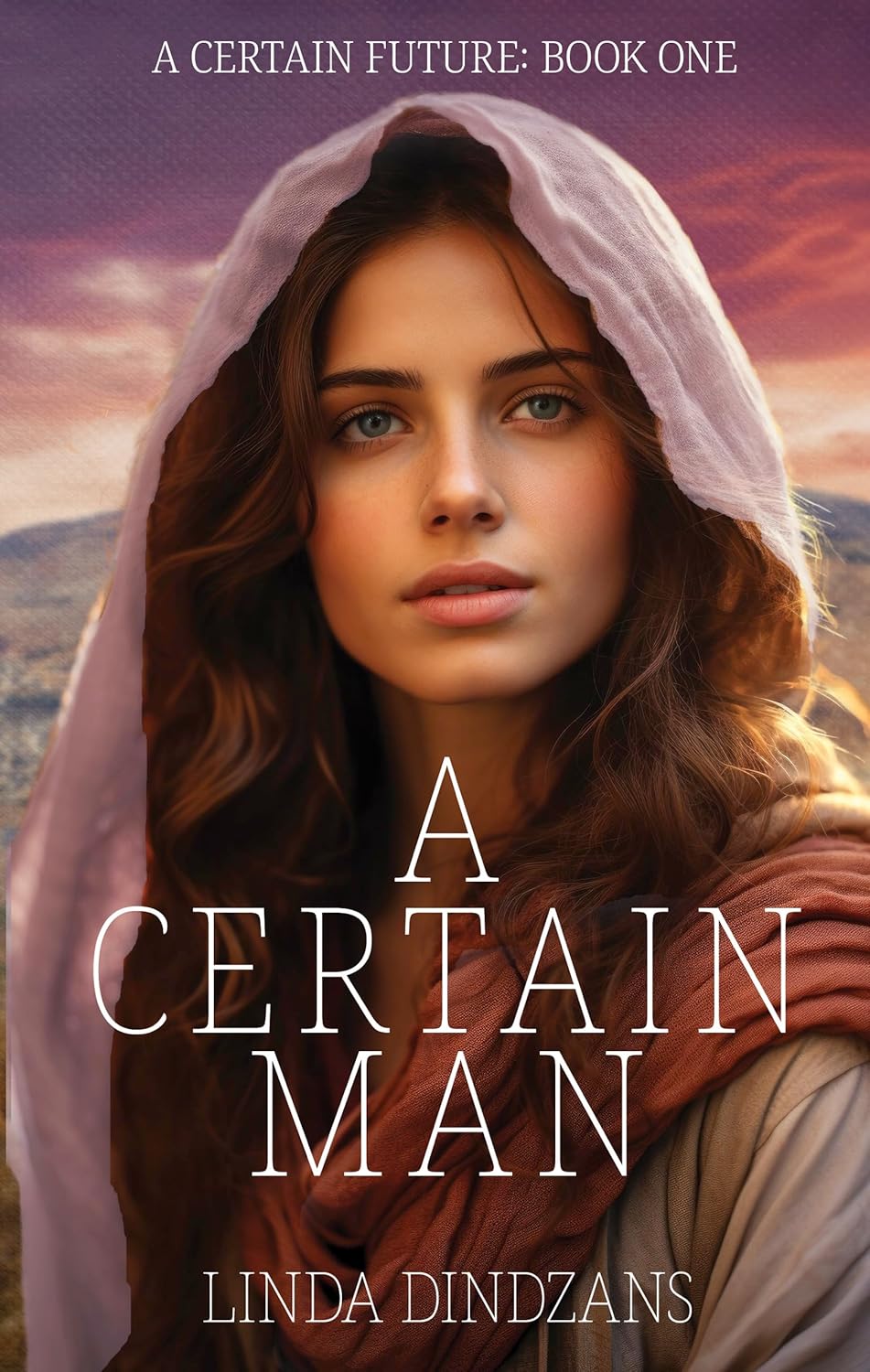
Linda Dindzans’ A Certain Man is a strikingly heartfelt and vividly imagined piece of biblical fiction. It follows Mara, a Samaritan woman navigating the brutal constraints of her culture, her faith, and her heart during the time of Christ. Told through lush, poetic prose and an unflinching lens, the novel begins with a young love interrupted by betrayal and spirals into a gripping journey of survival, soul-searching, and transformation. With its backdrop of Roman-occupied Judea and familiar Gospel moments reimagined, the story weaves spiritual truths with deeply personal struggles, culminating in a powerful retelling of the woman at the well.
What stood out most to me was Dindzans’ writing. Her style is rich but never overdone, lyrical without losing clarity. She manages to make the ancient world feel immediate. There’s real grit in her characters, especially Mara, who is no porcelain saint. She’s bruised, desperate, fierce—and incredibly human. I felt every injustice, every small joy, every beat of her aching heart. The dialogue is often simple, but it hums with tension and longing. The scenes of violence, particularly those involving Mara’s forced betrothal, are hard to read but so crucial. They ring too true. You don’t just observe Mara’s suffering—you feel pulled under with her.
It’s the ideas that linger. The novel tackles faith, consent, justice, and freedom in a world built to deny those very things to women like Mara. And yet, there’s hope threaded through it all, not in neat resolutions, but in the idea of redemption. The figure of Yeshua appears in glimpses, each one filled with quiet power and startling gentleness. Dindzans doesn’t preach. Instead, she lays bare the deep hunger for mercy and lets the possibility of grace rise naturally. I was especially moved by how she links trauma with spiritual healing, not with platitudes, but through real, painful growth.
A Certain Man is for anyone who loves powerful women, deep questions, and stories that reach beyond their setting to hit something true. It’s especially for readers of biblical fiction who want more than sanitized retellings—this one is raw, brave, and beautifully unsettling. I’d hand it to fans of Francine Rivers or Mesu Andrews, or anyone longing for a story where faith doesn’t erase suffering, but shines all the brighter through it.
Pages: 415 | ASIN: B0D98K4BPT



 LITERARY TITAN